
Hear from Our Customers
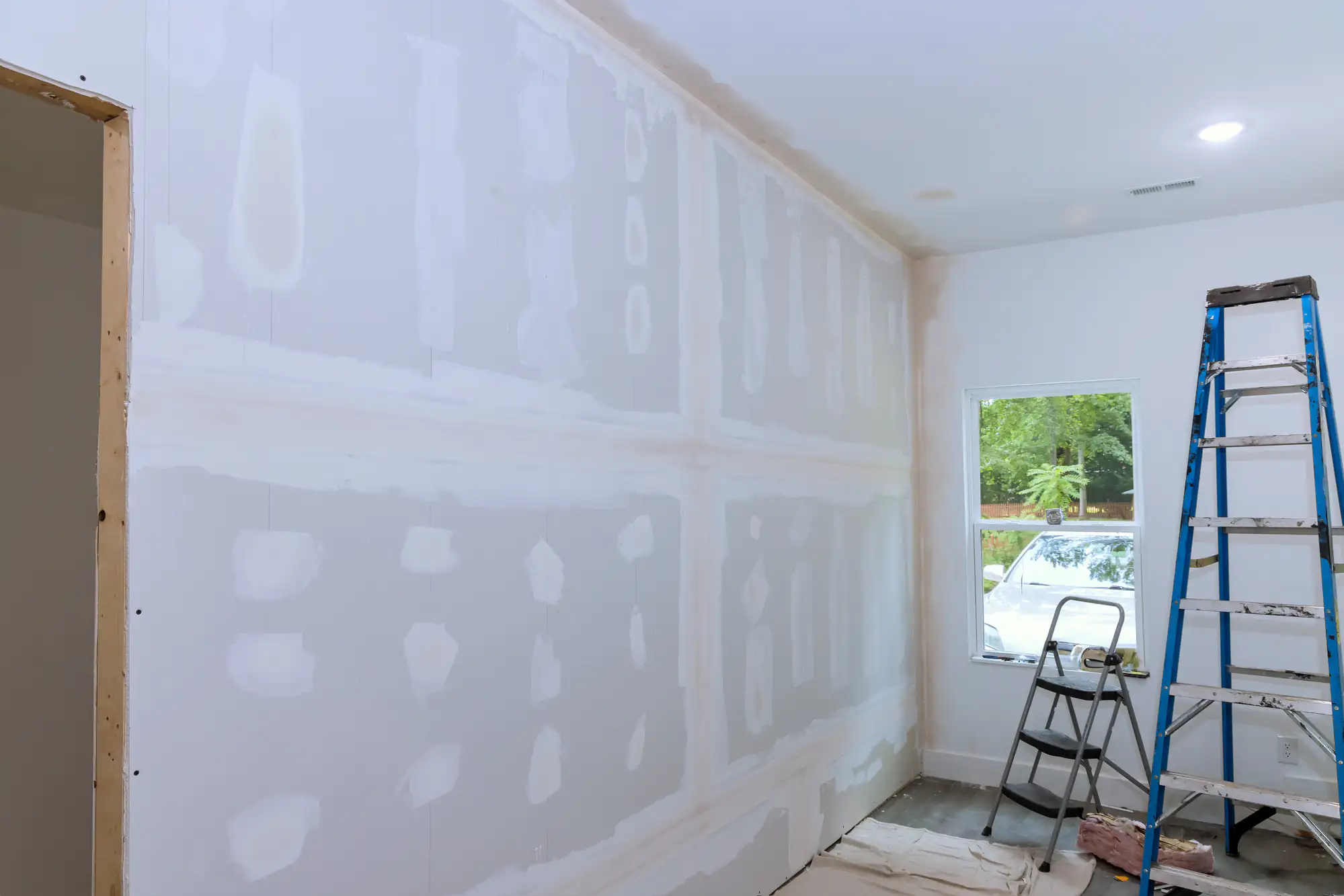
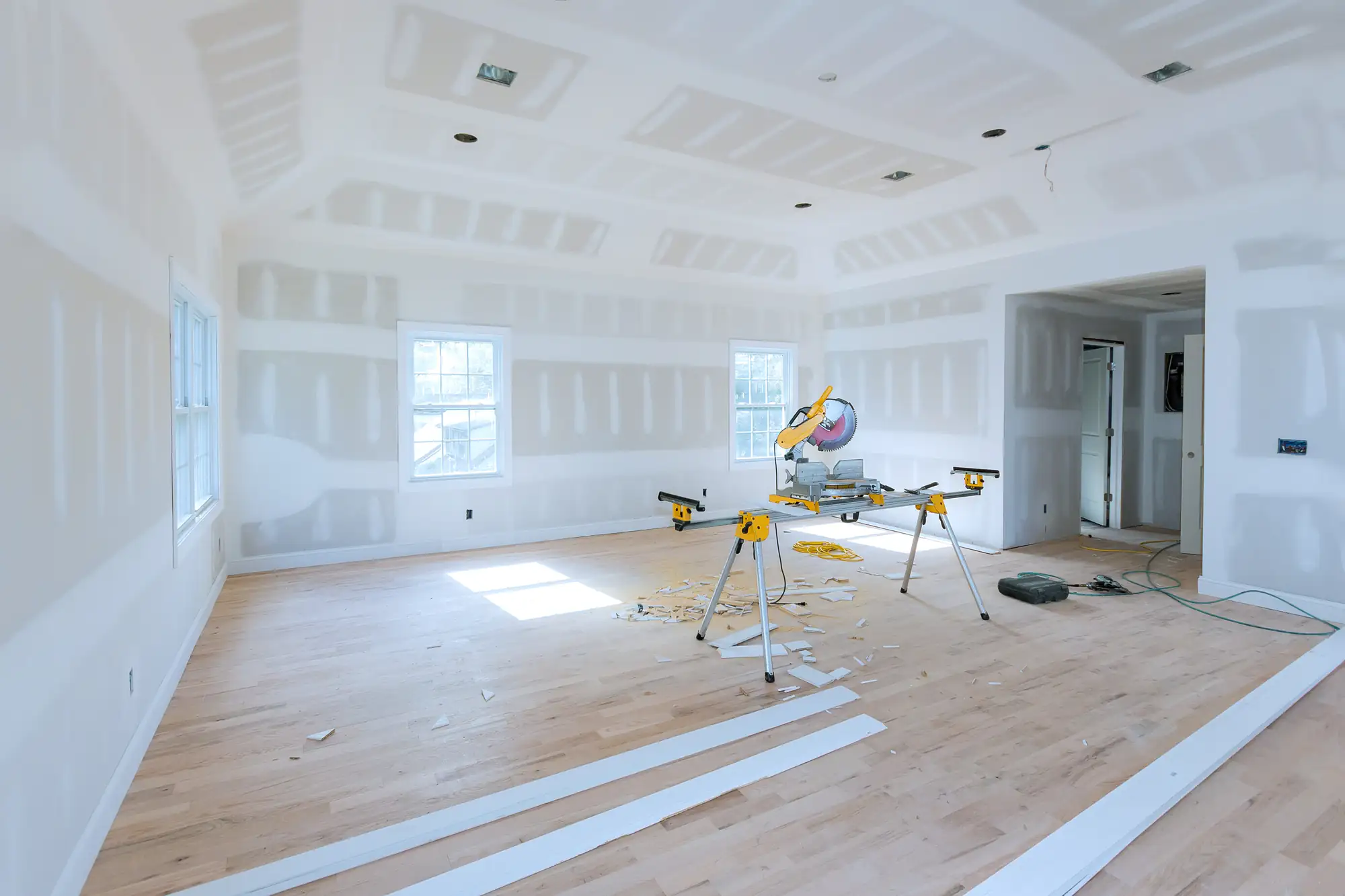
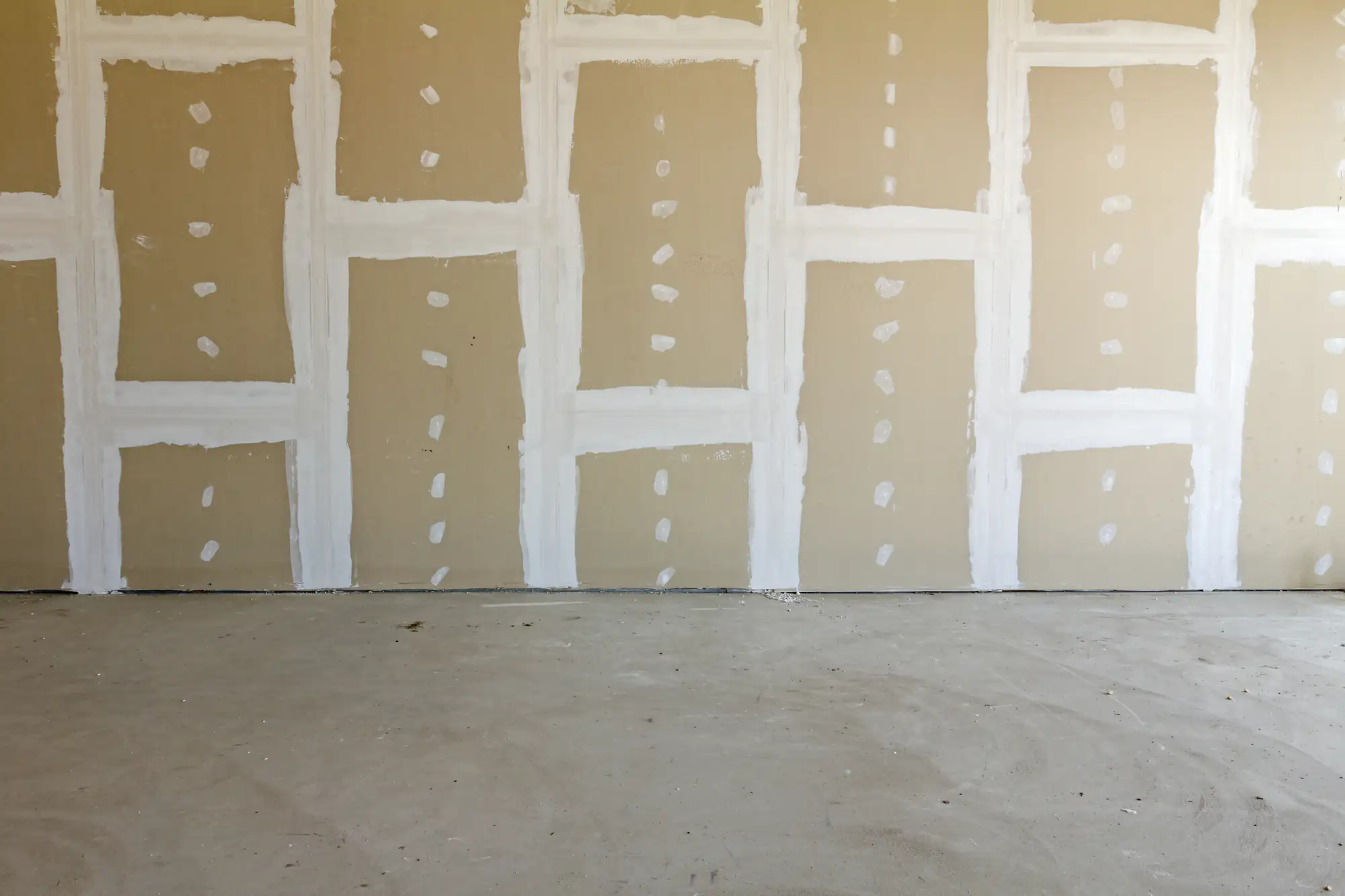
You’re looking at walls that are smooth to the touch. Seams you can’t see. Corners that are actually straight.
The difference shows up when you start painting. No shadows. No ridges. No spots where you’re second-guessing whether the drywall contractor knew what they were doing.
It also shows up in what doesn’t happen. No callbacks because the drywall taping compound cracked. No arguments about charges that weren’t in the original quote. No waiting around for someone who said they’d be there Tuesday.
You get a job that’s done when we said it would be done. Clean work site. Walls ready for paint. And you’re not wondering if you should’ve hired someone else.
We’ve been handling residential sheetrock installation across Suffolk County for almost ten years. We’re licensed, insured, and we show up when we say we will.
Most of our work comes from people who had a bad experience with another contractor. Seams that weren’t taped right. Corners that look wavy. Guys who disappeared halfway through the job.
We’re not the cheapest option in Flanders, and we won’t pretend to be. You’re paying for someone who knows how to handle sheetrock sheets without damaging them, who understands how drywall taping compound behaves in different humidity, and who won’t leave your house looking like a construction zone. That costs more than hiring whoever’s available. It also means you’re not paying twice to fix it later.
We start by looking at your space and talking through what you need. Not a sales pitch. Just a walkthrough so we can give you an accurate number and timeline.
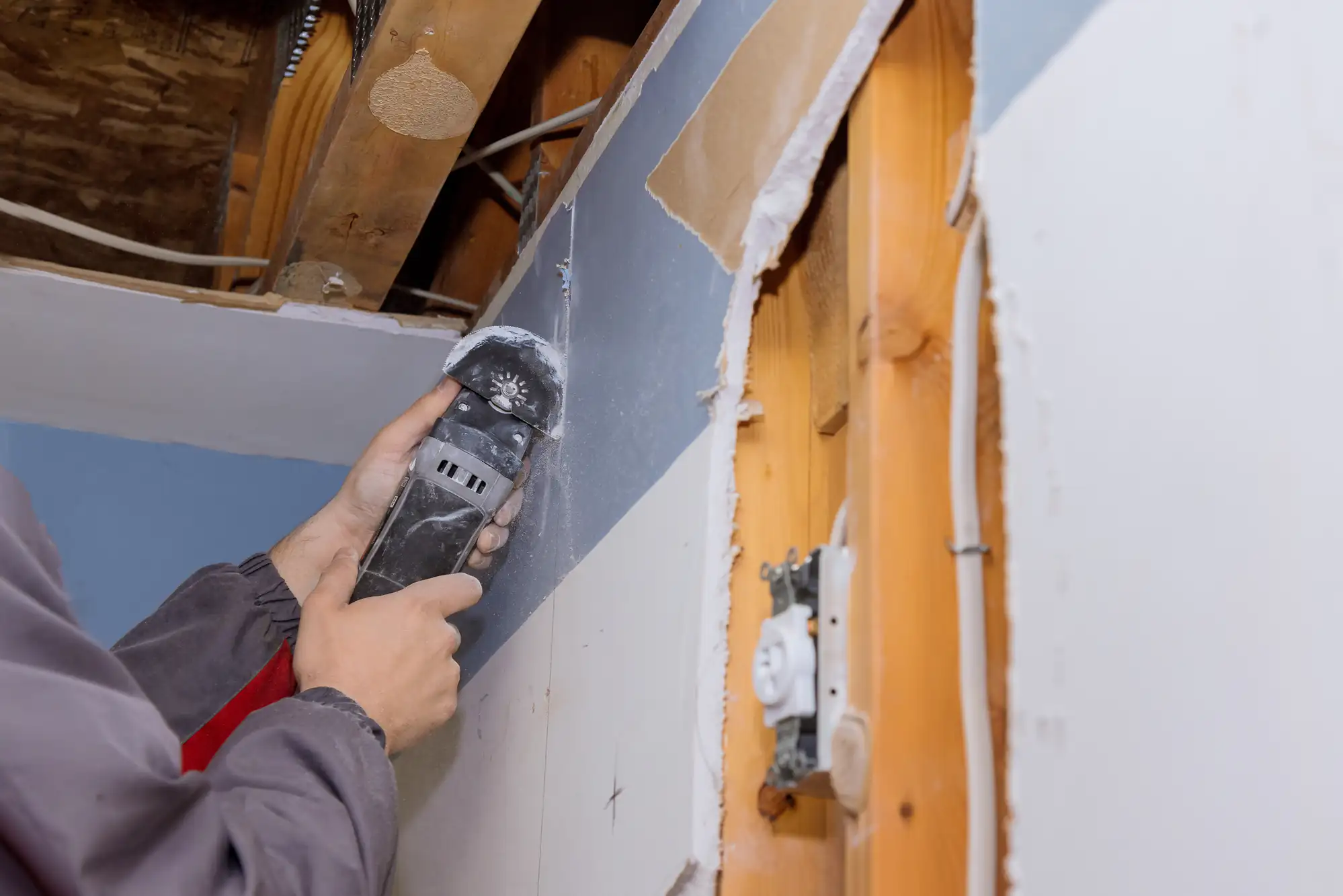
Once we’re on site, we measure and cut each piece to fit your walls. We’re using the right thickness for the application—usually half-inch for interior walls, but that depends on what you’re working with. Hanging the sheetrock sheets is the faster part. The finishing takes longer because that’s where quality shows.
We tape the seams, apply drywall taping compound, and sand it smooth. Depending on what you’re doing with the walls, we can go up to a Level 5 finish, which is the smoothest surface you can get. That’s a thin skim coat over the entire wall that removes even minor imperfections.
After the final sand, we clean up. You’re left with walls that are ready for primer and paint. No dust in your vents. No muddy footprints on your floors. Just finished drywall that looks the way it should.
Ready to get started?
You’re getting full drywall installation for new construction, additions, or gut renovations. We also handle sheetrock repair—whether that’s fixing holes, water damage, or bad work from another contractor.
In Suffolk County, a lot of homes are older. That means we’re often matching existing textures or working around settled framing. We know how to handle that without creating more problems.
For residential sheetrock installation, we’re typically working with standard half-inch panels. For commercial drywall installation or areas that need more durability or fire resistance, we’ll use thicker sheets or specialized materials. We’ll walk you through what makes sense for your project.
The finish level matters more than most people realize. A basic Level 3 finish works fine if you’re texturing the walls. But if you’re doing flat paint or any kind of high-end finish, you want Level 4 or 5. That’s where our experience makes the difference. We’re not rushing through the sanding to get to the next job. We’re making sure the surface is actually ready.
For a typical room, you’re looking at somewhere between $1,500 and $4,000 depending on size, ceiling height, and finish level. That includes materials, labor, taping, and finishing to a paint-ready surface.
If you’re doing a whole house, the math changes. For a 2,000-square-foot home, expect around $16,000 to $18,000 to get walls ready for paint. That’s using standard half-inch sheetrock sheets with a Level 4 finish.
The price goes up if you need Level 5 finishing, if there’s a lot of cutting around windows and doors, or if we’re working around existing conditions that make the job harder. We’ll give you a clear number upfront so you know what you’re spending before we start.
Sheetrock is a brand name. Drywall is the product. It’s like Kleenex and tissue—people use the terms interchangeably, and for most purposes, it doesn’t matter.
Sheetrock is made by U.S. Gypsum Company. It’s a solid product. So is drywall from other manufacturers like CertainTeed or National Gypsum. The differences are minor—mostly in the additives that make each formula slightly different.
What matters more is the thickness, the type (regular vs. moisture-resistant vs. fire-rated), and how it’s installed. A cheap drywall installed correctly will outperform expensive sheetrock installed poorly. We use quality materials and we install them right. That’s what you should be looking for in any drywall installation contractor.
For a single room, plan on two to three days. Day one is hanging the sheets. Day two is taping and applying the first coat of joint compound. Day three is sanding and applying finish coats.
A whole house takes longer—usually one to two weeks depending on square footage and how many rooms we’re working on. The drying time between coats is what takes time, not the actual work. We can’t rush that without compromising quality.
If you’re doing drywall repair instead of full installation, it’s faster. Small holes or cracks can be done in a day or two. Larger repairs—like replacing entire sections—might take three to five days because we’re matching textures and blending the repair into the existing wall.
Yes, but it depends on what texture you have. Knockdown, orange peel, and skip trowel are all textures we can replicate. Popcorn ceiling texture is doable but less common now since most people are moving away from it.
Matching texture is part skill and part patience. We’ll do a test section first to make sure it blends before we commit to the whole repair. If your existing texture is hand-troweled or custom, it’s harder to match perfectly, but we’ll get it close enough that you won’t notice the repair from a few feet away.
The bigger challenge is usually matching the paint sheen and color after the repair is done. Even if you have the original paint, it’s aged differently on the wall than it will in the can. We’ll prep the surface so it takes paint evenly, but you might need to repaint the whole wall to avoid a visible patch.
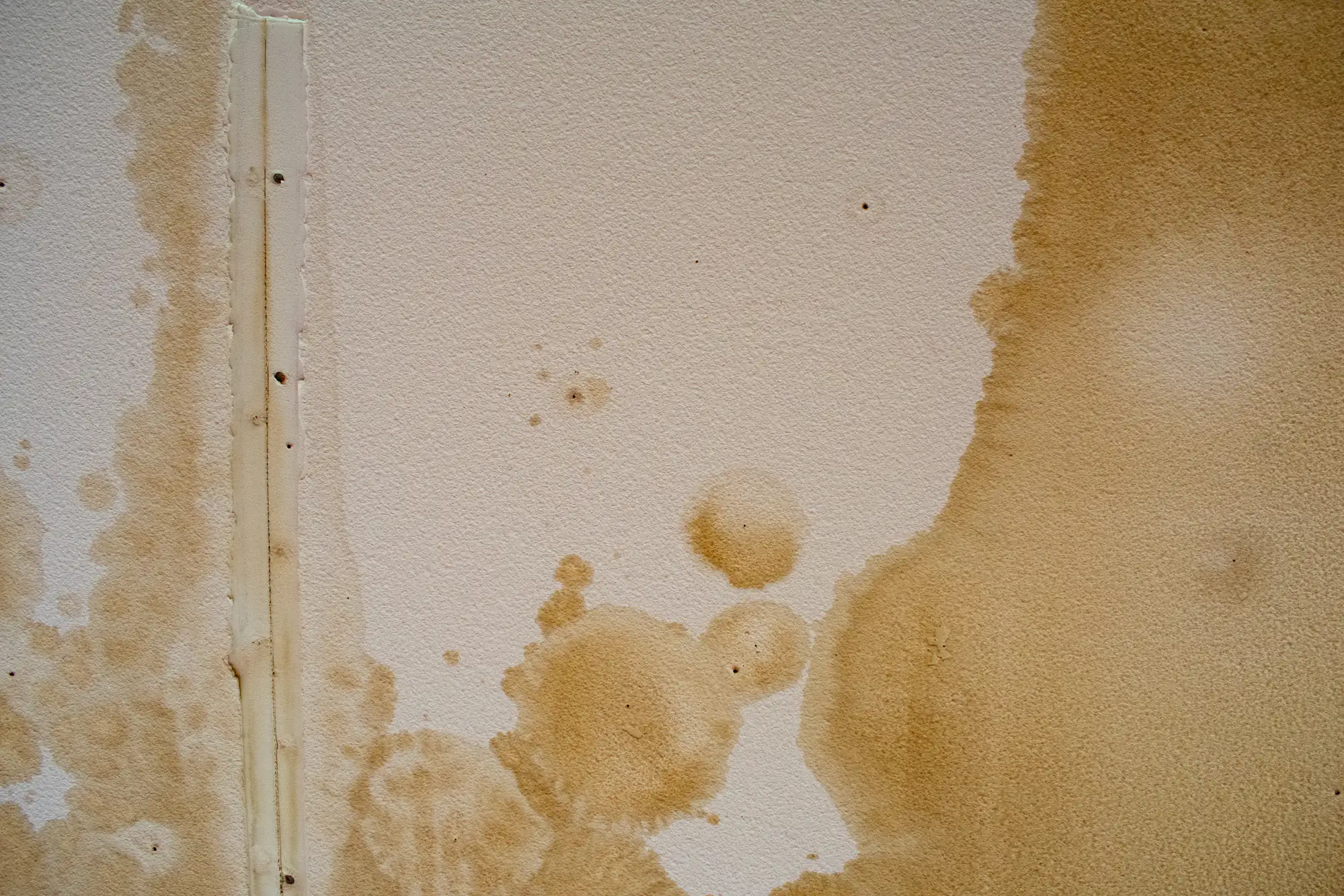
We do, but the water source has to be fixed first. If there’s still a leak, we’re not patching over it. That’s just setting you up for mold and another repair in six months.
Once the leak is handled and everything’s dry, we’ll cut out the damaged section, check the framing and insulation behind it, and replace what needs replacing. If the studs are wet or rotting, that gets fixed before new sheetrock goes up.
Water damage usually means replacing full sections, not just patching. Drywall that’s been soaked loses its structural integrity even after it dries. We’ll remove it back to solid material, install new sheets, tape, and finish it to match the surrounding wall. You won’t be able to tell where the repair was once it’s painted.
That’s usually because the drywall taping compound wasn’t applied correctly or wasn’t sanded smooth. If the seams are visible, it means there’s a ridge or a valley where the tape is. That shouldn’t happen with proper finishing.
Another common issue is not enough coats. A good finish needs at least three coats of joint compound—one to bed the tape, one to build up the seam, and one to feather it out so it blends into the wall. Some contractors skip the third coat to save time. You see the results when the light hits the wall at an angle.
We can fix it. It means sanding down the existing seams, reapplying compound where needed, and refinishing to a smooth surface. It’s not a full tear-out, but it’s also not a quick patch job. Doing it right takes time. That’s why we do it right the first time on our own projects.