
Hear from Our Customers
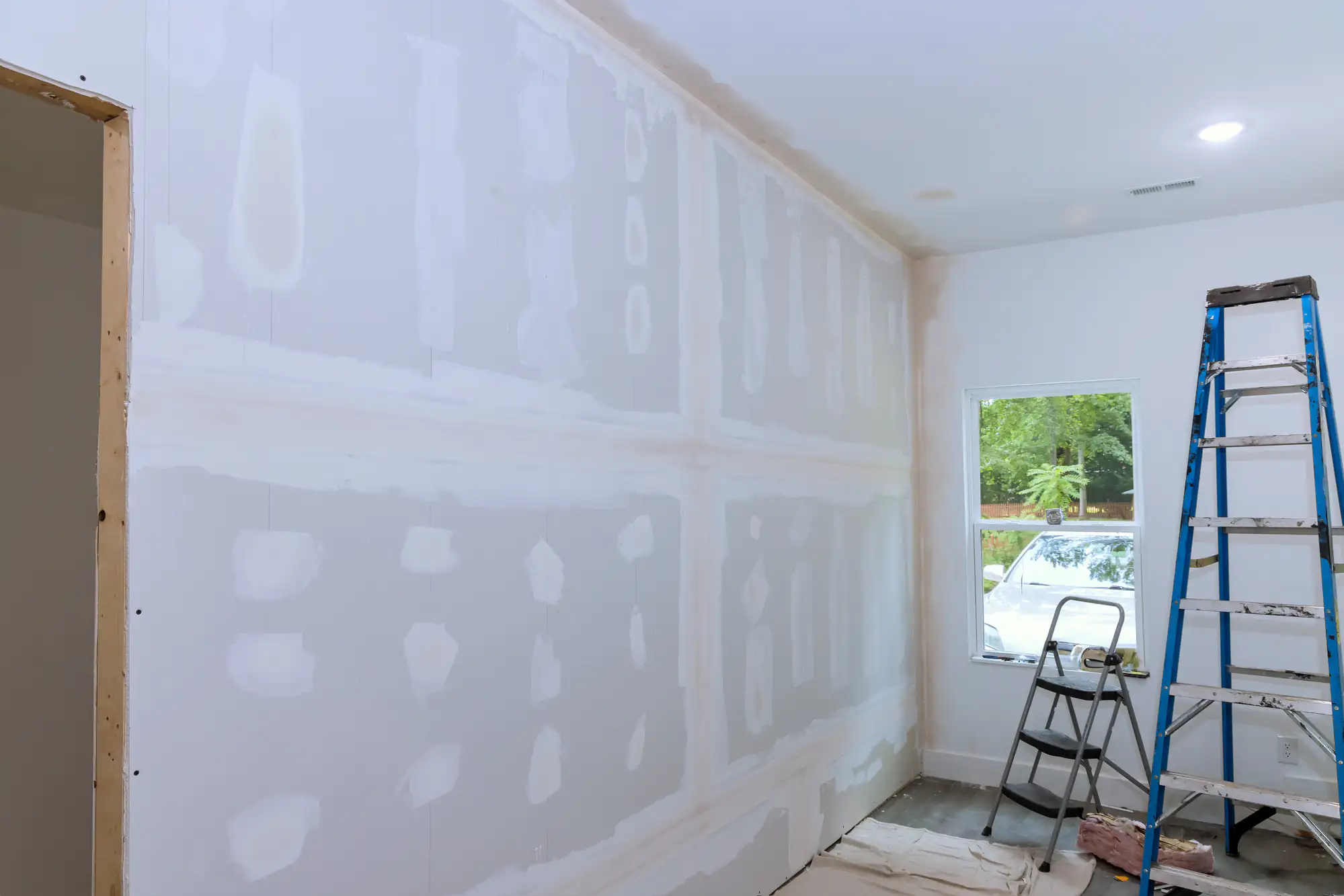
When your walls are finished properly, you don’t think about them. The seams disappear. The surface is smooth enough to paint without second-guessing. Your rooms feel complete, not patched together.
That’s what happens when a drywall installation contractor shows up with the right tools, the right materials, and enough experience to handle whatever’s behind your walls. You’re not dealing with uneven patches that show through every time the light hits. You’re not repainting three times because the finish wasn’t prepped correctly.
You’re getting residential sheetrock installation that looks clean, lasts, and doesn’t leave you wondering if you should’ve hired someone else. The job gets done on schedule. The space gets cleaned up daily. And when it’s finished, you can move on with your project without calling someone back to fix what should’ve been right the first time.
We handle sheetrock installation services across Holbrook and the surrounding Suffolk County area. We’re not subbing out your drywall work to someone we met last week. Our team does the work, manages the timeline, and shows up when we say we will.
We’ve spent nearly a decade working in homes like yours—older colonials that need wall repairs after plumbing updates, finished basements that require soundproofing, kitchens mid-renovation that need ceilings closed up before the cabinets go in. Holbrook homeowners deal with the same issues most of Long Island does: settling foundations, moisture from coastal humidity, and older construction that wasn’t built to today’s standards.
That’s why we don’t show up with a one-size-fits-all approach. Your walls get the prep, materials, and finish they actually need—not whatever’s fastest.
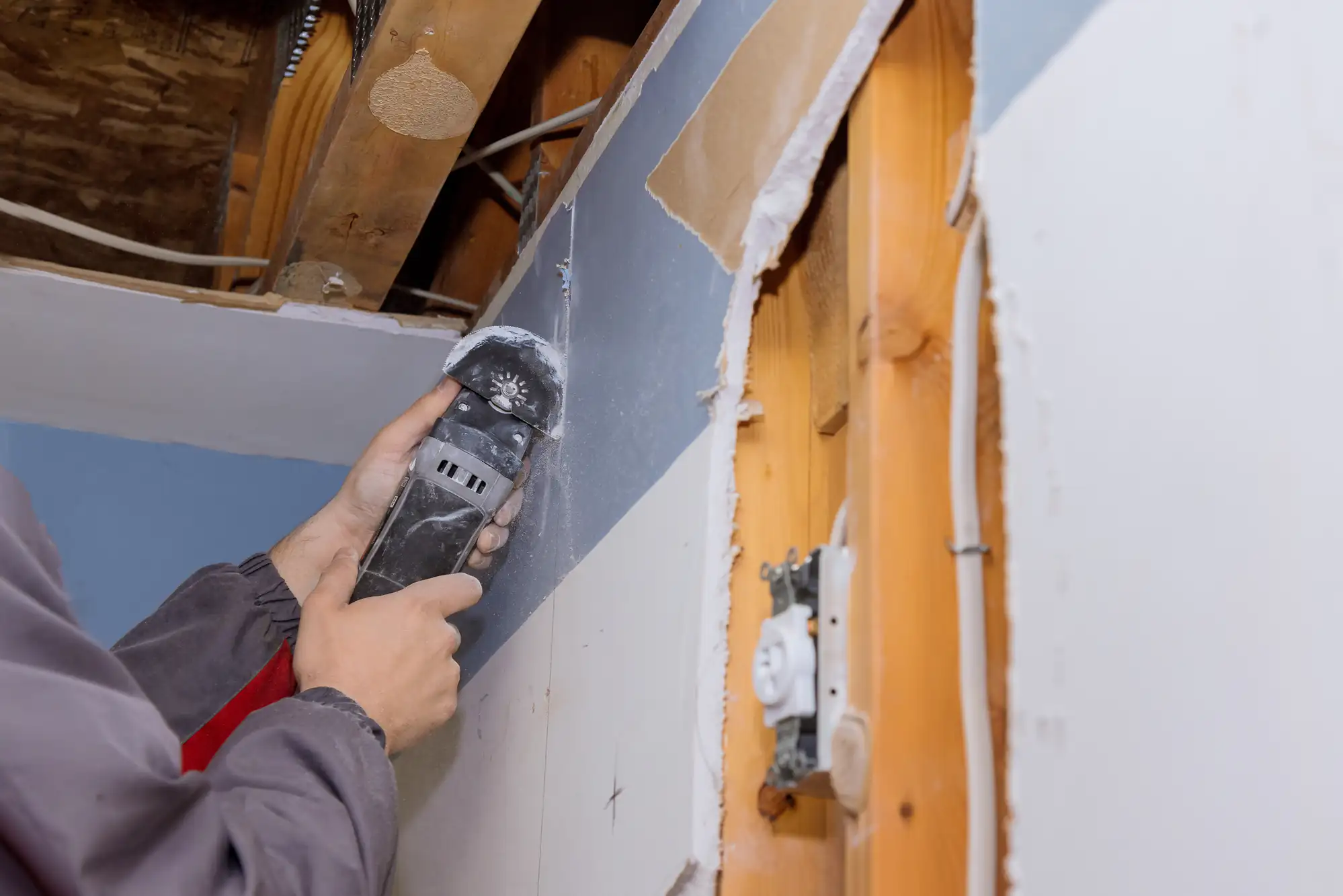
First, we walk the space with you. We’re looking at what needs to be covered, what’s getting removed, and whether there are any structural or moisture issues that’ll cause problems later. If your studs aren’t straight or there’s old water damage, you’ll know before we hang a single sheet.
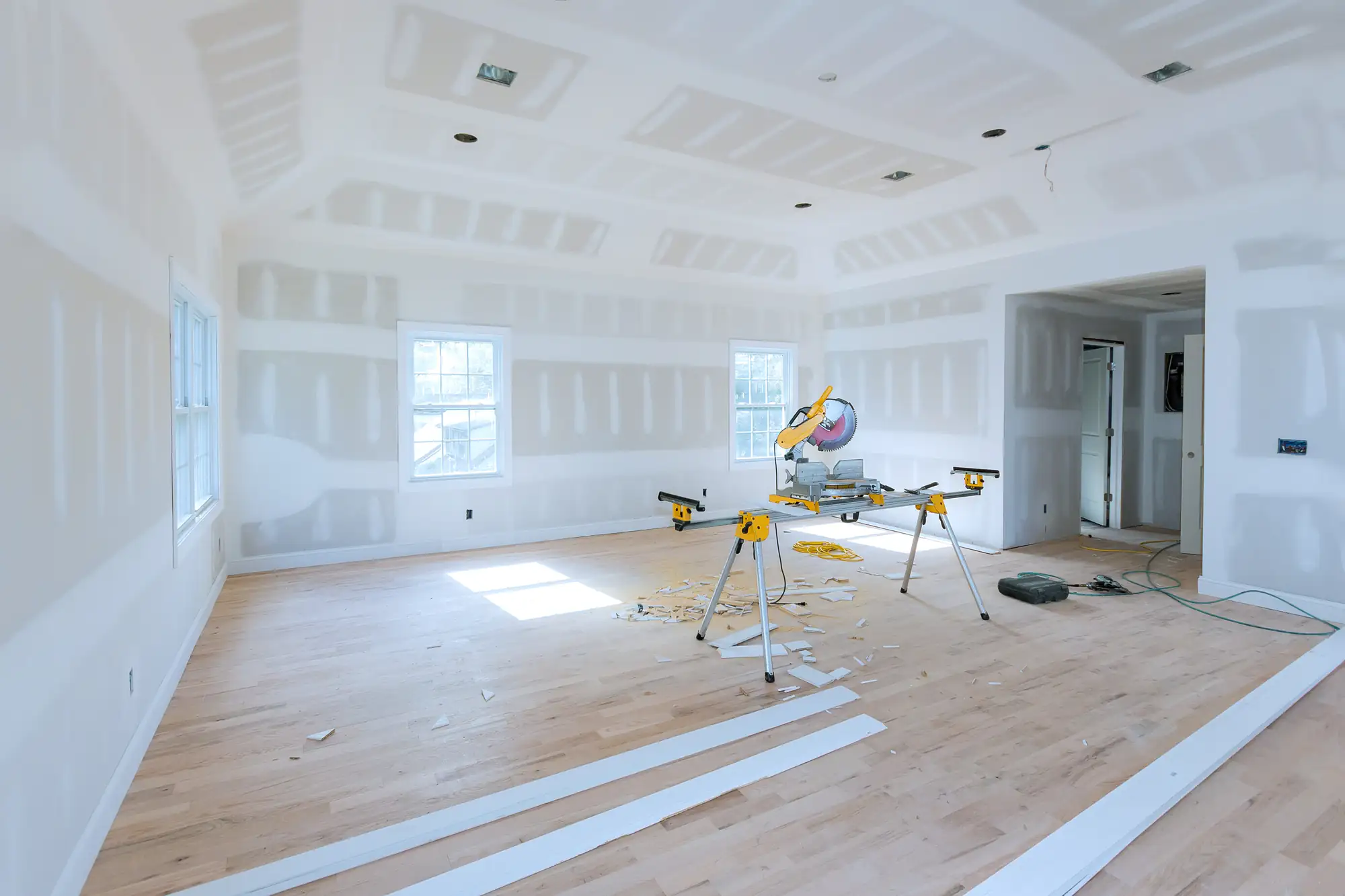
Next comes the installation. We measure, cut, and hang sheetrock sheets to fit your space—whether that’s a standard 12×12 room or a basement with tricky angles and bulkheads. Drywall goes up, gets secured properly, and any gaps or seams get addressed before we move to taping.
Then we apply drywall taping compound. This step matters more than most people realize. We’re not just slapping mud on seams—we’re building up layers, sanding between coats, and making sure everything’s flush before you ever see a paint roller. The goal is a surface that doesn’t announce where one sheet ends and another begins.
Finally, we clean up. Daily. You’re not living in a dust storm for two weeks while we finish the job. We contain the mess, haul out the scraps, and leave your home in a condition that doesn’t make you regret starting the project.
Ready to get started?
You’re getting full sheetrock installation—from framing prep to final sanding. That includes hanging, taping, mudding, and finishing to a smooth, paint-ready surface. We handle ceiling repairs, wall replacements, and patch jobs that blend into the existing finish.
If you’re dealing with commercial drywall installation, we work around your business hours and keep the disruption minimal. Retail spaces, office build-outs, and medical offices all need drywall that meets code and looks professional without shutting down operations for a week.
For homeowners in Holbrook, that also means understanding what older homes need. Lots of houses here were built in the ’60s and ’70s, and the drywall reflects that era. Thinner sheets, less insulation, and patches that were done quickly instead of correctly. When you’re opening up walls for electrical work or adding recessed lighting, you’re often replacing more than you planned. We price that honestly upfront so there’s no sticker shock halfway through.
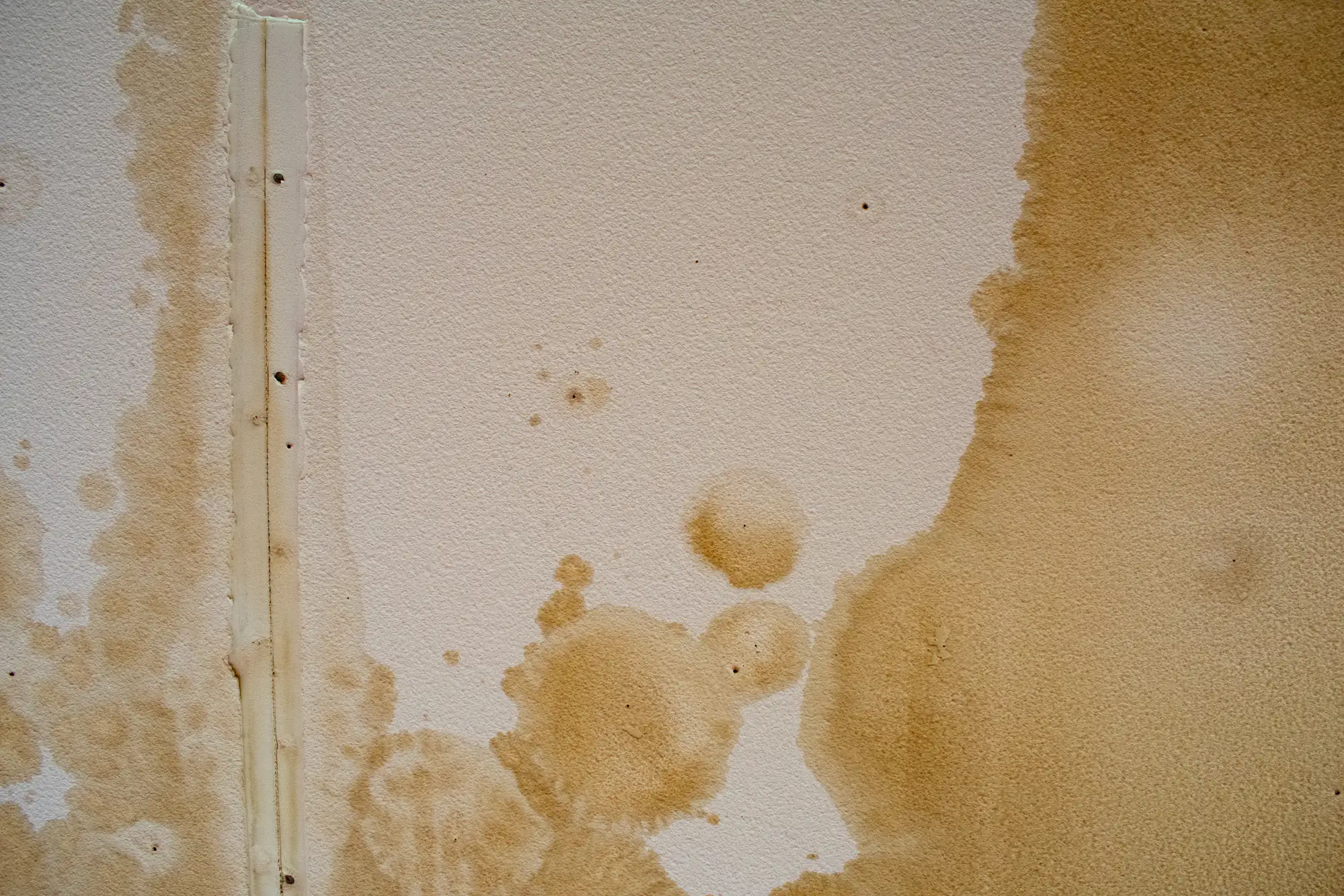
We also handle water-damaged drywall. Holbrook sits low enough that basements flood, and coastal humidity does a number on interior walls over time. If your sheetrock is bubbling, sagging, or showing mold, it’s getting replaced—not patched over.
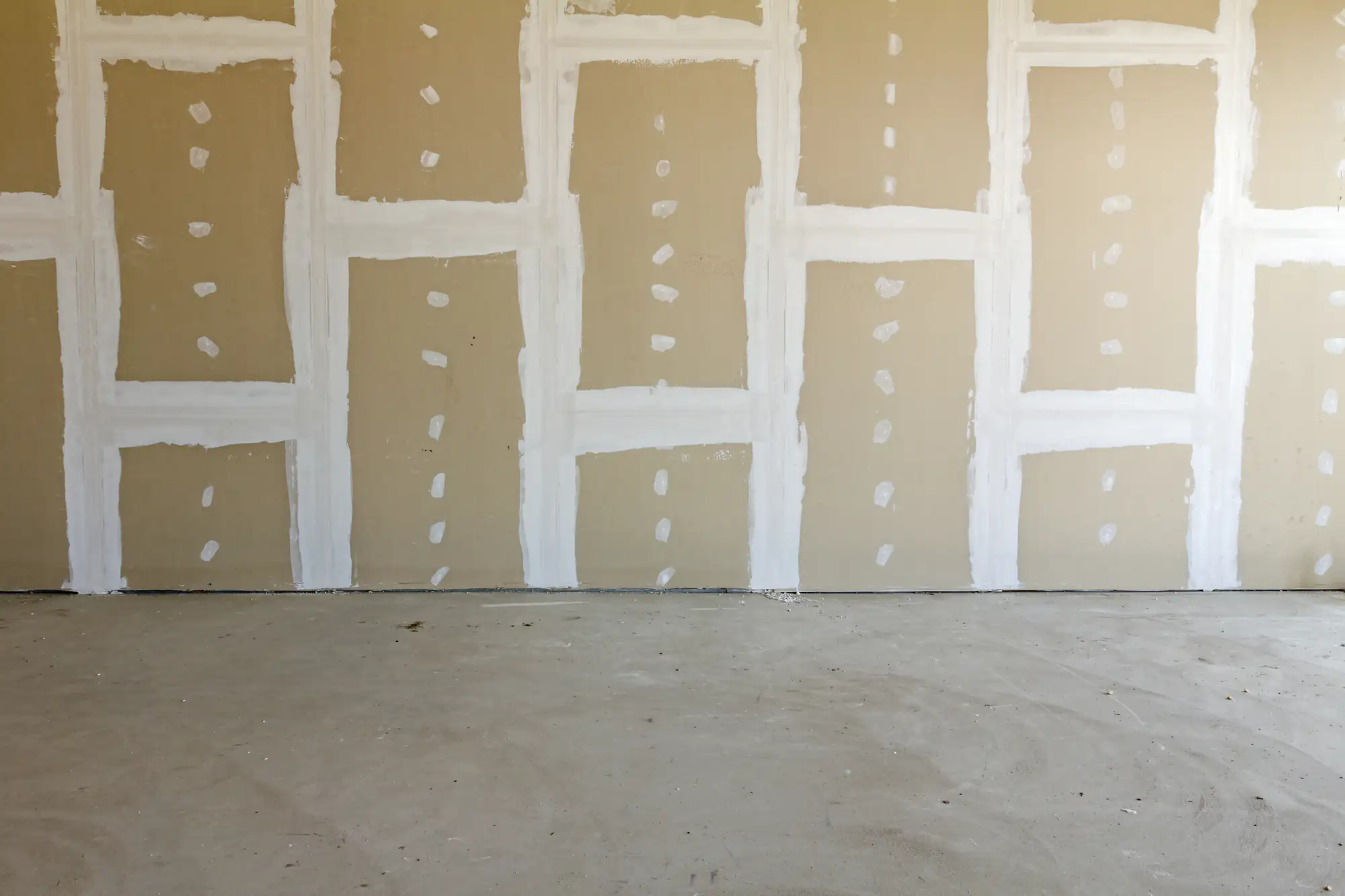
For a standard 12×12 room, you’re typically looking at $600 to $1,500 depending on ceiling height, the number of windows and doors, and the level of finish you need. That’s for a complete job—hanging, taping, mudding, and sanding to a smooth, paint-ready surface.
The price per square foot generally runs between $1.80 and $3.50 when you include both materials and labor. If you’re just doing a wall or two, expect to pay on the higher end of that range since smaller jobs don’t benefit from the same economies of scale. Repairs and patches are usually priced by the scope of damage, not square footage, especially if there’s water damage or structural prep involved.
We don’t give you a number over the phone and then adjust it later when we show up. You’ll get a clear estimate after we see the space, and that’s the number you’ll pay unless you change the scope of work.
Sheetrock is a brand name for drywall, the same way Kleenex is a brand name for tissue. Most people use the terms interchangeably, and for your purposes, they mean the same thing—gypsum panels used to finish interior walls and ceilings.
That said, not all drywall is created equal. Standard drywall works fine for most interior rooms. Moisture-resistant drywall (often called green board) is better for bathrooms, laundry rooms, and basements where humidity is an issue. If you’re finishing a space that needs soundproofing—like a basement bedroom or a home office—thicker panels or sound-dampening drywall make a noticeable difference.
We’ll recommend the right type based on where it’s going and what you’re using the space for. You don’t need to become an expert in gypsum board—just know that the material choice matters as much as the installation.
A single room usually takes two to four days depending on the size and finish level. That includes hanging the drywall, applying multiple coats of joint compound, sanding between coats, and getting the surface ready for paint. Larger projects—like finishing a basement or renovating multiple rooms—can take one to two weeks.
The taping and mudding process can’t be rushed. Each coat of drywall taping compound needs time to dry before the next one goes on, and if you skip steps or try to speed it up, you’ll see it in the final result. We’re not dragging the job out, but we’re also not cutting corners to shave off a day.
If you’re coordinating with other trades—electricians, plumbers, painters—we’ll work around their schedules and keep you updated on timing. The goal is to finish on schedule without sacrificing the quality of the work.
Yes, but it depends on the texture. Smooth finishes and light orange peel textures are straightforward to match. Heavy popcorn or skip trowel textures take more work, and even then, there’s usually a slight difference in how new and old sections look under certain lighting.
If you’re replacing a section of damaged drywall, we’ll do our best to blend the repair into the surrounding wall. That means feathering out the joint compound well beyond the repair area and matching the texture as closely as possible. In some cases, it makes more sense to refinish the entire wall so everything looks consistent, especially if the existing texture is outdated or uneven.
We’ll walk you through the options when we assess the damage. Sometimes a perfect match is possible. Other times, a full wall refresh is the better move. Either way, you’ll know what to expect before we start.
Yes. Water-damaged drywall needs to be cut out and replaced—it doesn’t dry out and go back to normal. If the material is sagging, bubbling, or discolored, it’s compromised. Trying to patch over it just hides the problem temporarily.
We’ll remove the damaged section, check the framing and insulation behind it, and make sure there’s no active moisture issue before installing new drywall. If there’s mold on the surface, we treat it properly and address the source of moisture. That might mean fixing a leak, improving ventilation, or adding a vapor barrier depending on the situation.
Holbrook homes, especially older ones with basements, deal with moisture issues regularly. We’ve seen it all—foundation seepage, poor grading, humidity from being close to the water. The fix isn’t just replacing the drywall. It’s making sure the problem doesn’t come back.
Hanging drywall isn’t complicated. Finishing it to a smooth, professional level is. Most DIY jobs look fine from across the room but show every flaw once you start painting or when the light hits at an angle. Uneven seams, visible screws, and rough texture are the most common issues.
A professional sheetrock contractor has the tools to cut accurately, the experience to tape and mud efficiently, and the skill to sand without creating low spots or ridges. We also know how to handle tricky areas—corners, ceilings, soffits, and spaces where walls meet at odd angles. That’s where most DIY projects fall apart.
If you’re doing a small patch or fixing a single hole, you can probably handle it. If you’re finishing a basement, closing up a kitchen renovation, or replacing multiple walls, hiring someone who does this daily will save you time, frustration, and the cost of redoing it later when it doesn’t look right.