
Hear from Our Customers
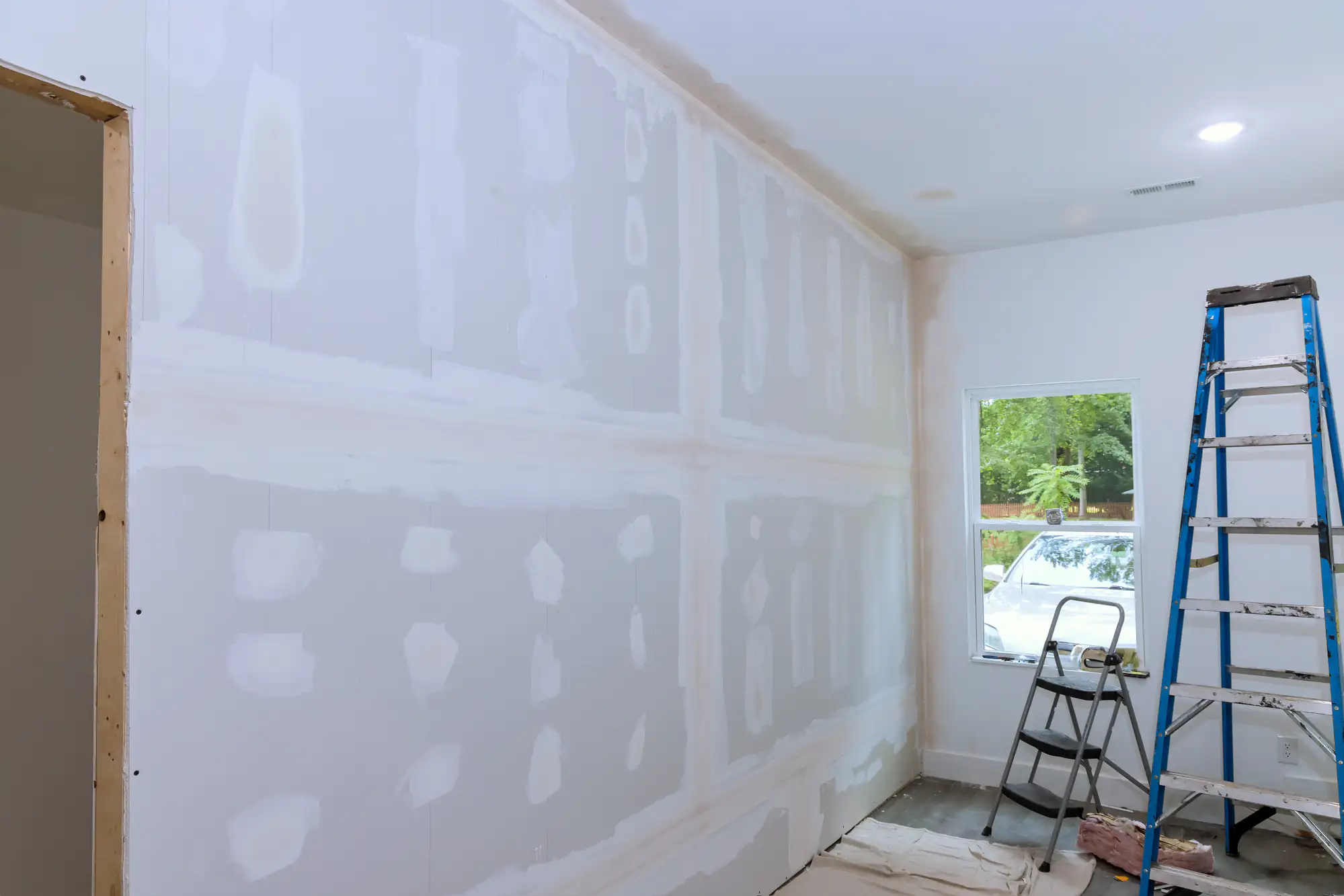
You’re looking at cracked ceilings, damaged drywall from that roof leak last winter, or walls that need finishing after your renovation. Maybe you tried patching it yourself and realized halfway through that taping and mudding is harder than YouTube made it look. Or you got burned by a contractor who left dust everywhere, didn’t show up when promised, and charged you more than the original quote.
Here’s what changes when the work is done right. Your walls are smooth, seams are invisible, and everything’s ready for paint without extra prep work. The job gets finished on schedule because we’re not juggling ten other projects. You’re not dealing with change orders or surprise fees halfway through. And you’re not left coordinating three different contractors to fix what one should have handled from the start.
Sheetrock work in Suffolk County homes means dealing with humidity in basements, settling in older construction, and matching textures that haven’t been made in twenty years. That takes experience, not just a drywall knife and confidence. You want someone who knows how to handle it without making it your problem.
We’ve spent close to ten years working inside homes across Islip, Bay Shore, Brentwood, and the rest of Suffolk County. We’ve seen what winter weather does to drywall in uninsulated garages, how settling shows up in older ranch homes, and what happens when someone tries to save money with the wrong materials.
We handle sheetrock installation, drywall repair, texturing, and finishing as part of full interior renovations. That means if there’s an issue behind the wall—old insulation, wiring that needs moving, or framing that’s not quite right—we catch it early and handle it correctly. You’re not paying twice or coordinating multiple people to finish one job.
Our pricing is straightforward. No low-ball estimate to get in the door, then a list of “unforeseen issues” that double the cost. You know what you’re paying before we start, and that number doesn’t change unless you change the scope.
First, we look at the space and talk through what you need. If it’s a repair, we check what caused the damage so it doesn’t happen again. If it’s new installation, we confirm measurements, discuss finish levels, and make sure you understand timing and cost before anything starts.
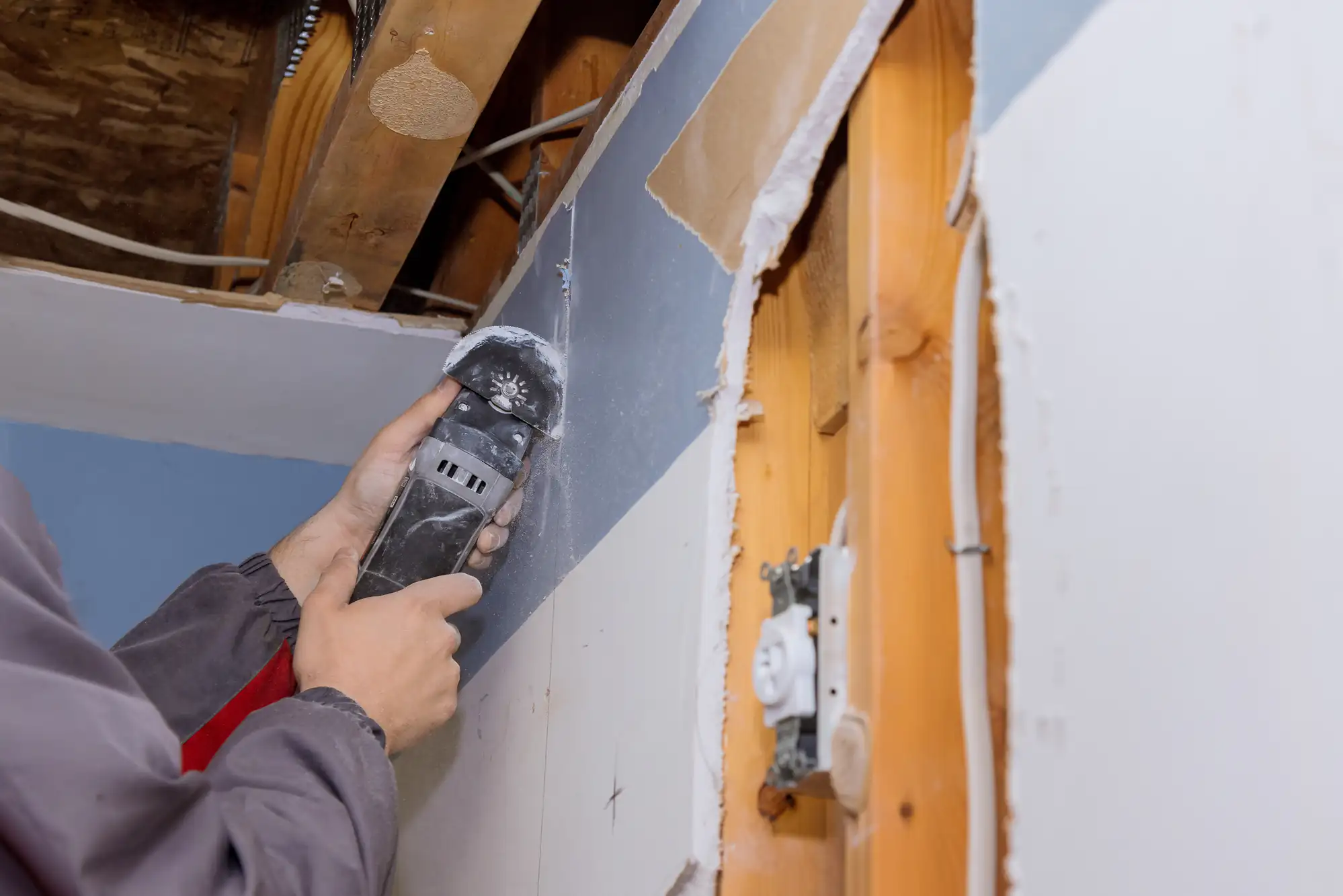
Then we prep the area and protect your floors and furniture. Drywall work creates dust, but it doesn’t have to trash your house. We hang the sheets, tape the seams, and apply joint compound in layers. Each coat needs to dry before the next goes on—that’s not us dragging out the job, that’s how you get smooth walls that don’t crack in six months.
After the final coat, we sand everything smooth and clean up completely. What you’re left with is a surface that’s ready for primer and paint, with seams you can’t see and corners that are actually straight. Most single-room projects take one to two days depending on drying time. Larger jobs get scheduled with clear milestones so you know what’s happening and when.
Ready to get started?
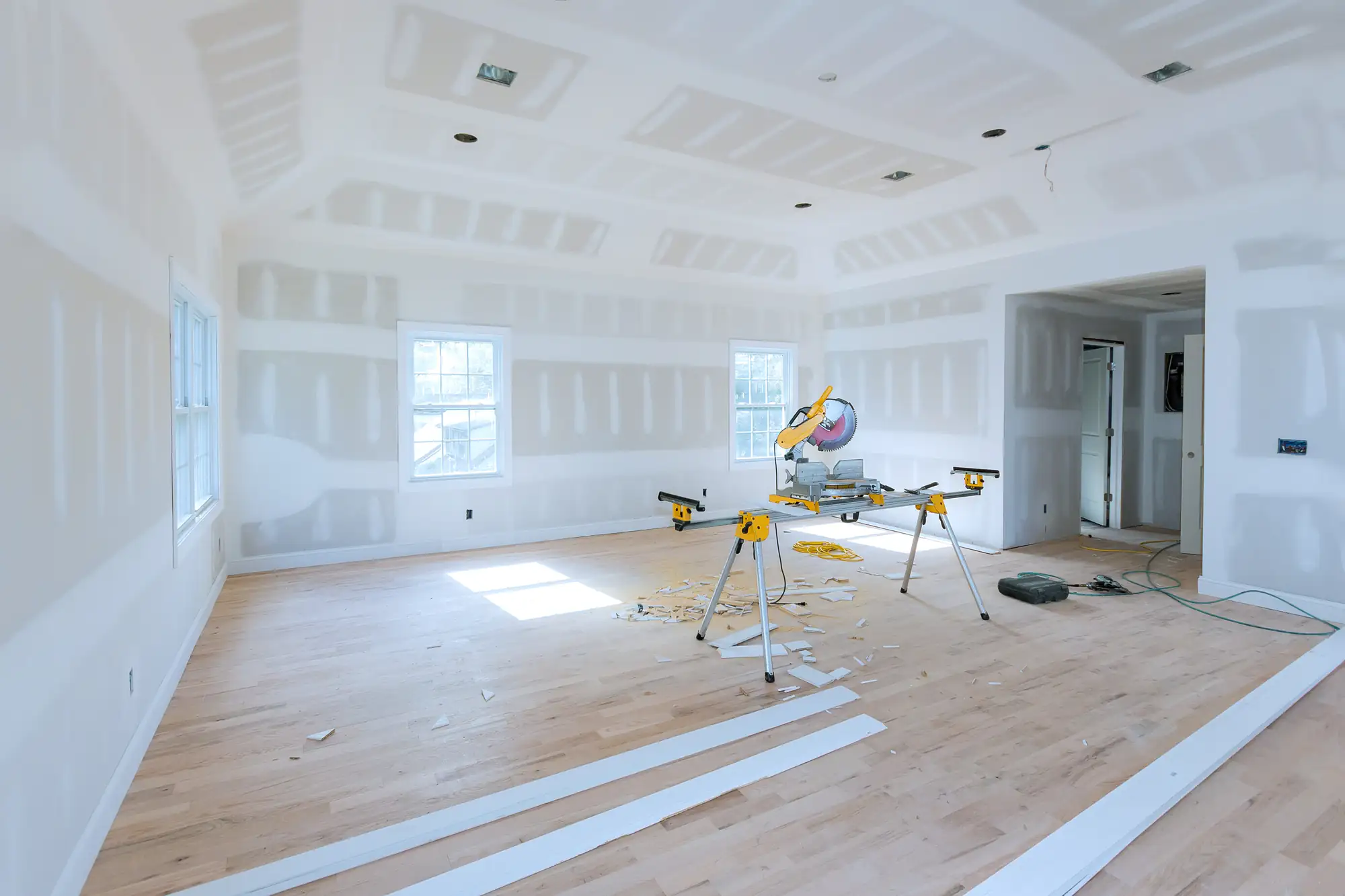
We handle new sheetrock installation for additions, basements, and renovations throughout Islip and surrounding towns. That includes measuring, cutting, hanging, taping, mudding, and finishing to whatever level your project requires. If you’re painting, we finish to a smooth Level 4. If you’re texturing or using flat paint, we adjust accordingly.
Drywall repair covers everything from small holes and cracks to water damage and large sections that need replacing. We match existing textures, which matters in older Long Island homes where you can’t just slap on a standard finish and call it done. If your ceiling has that knockdown texture from the 90s, we replicate it so the repair blends in.
We also install moisture-resistant drywall in bathrooms and basements, fire-rated drywall where code requires it, and cement board behind tile installations. Suffolk County homes deal with humidity, especially in below-grade spaces, so using the right materials prevents callbacks and problems down the line. You’re not just getting walls hung—you’re getting them done correctly for the specific conditions in your home.
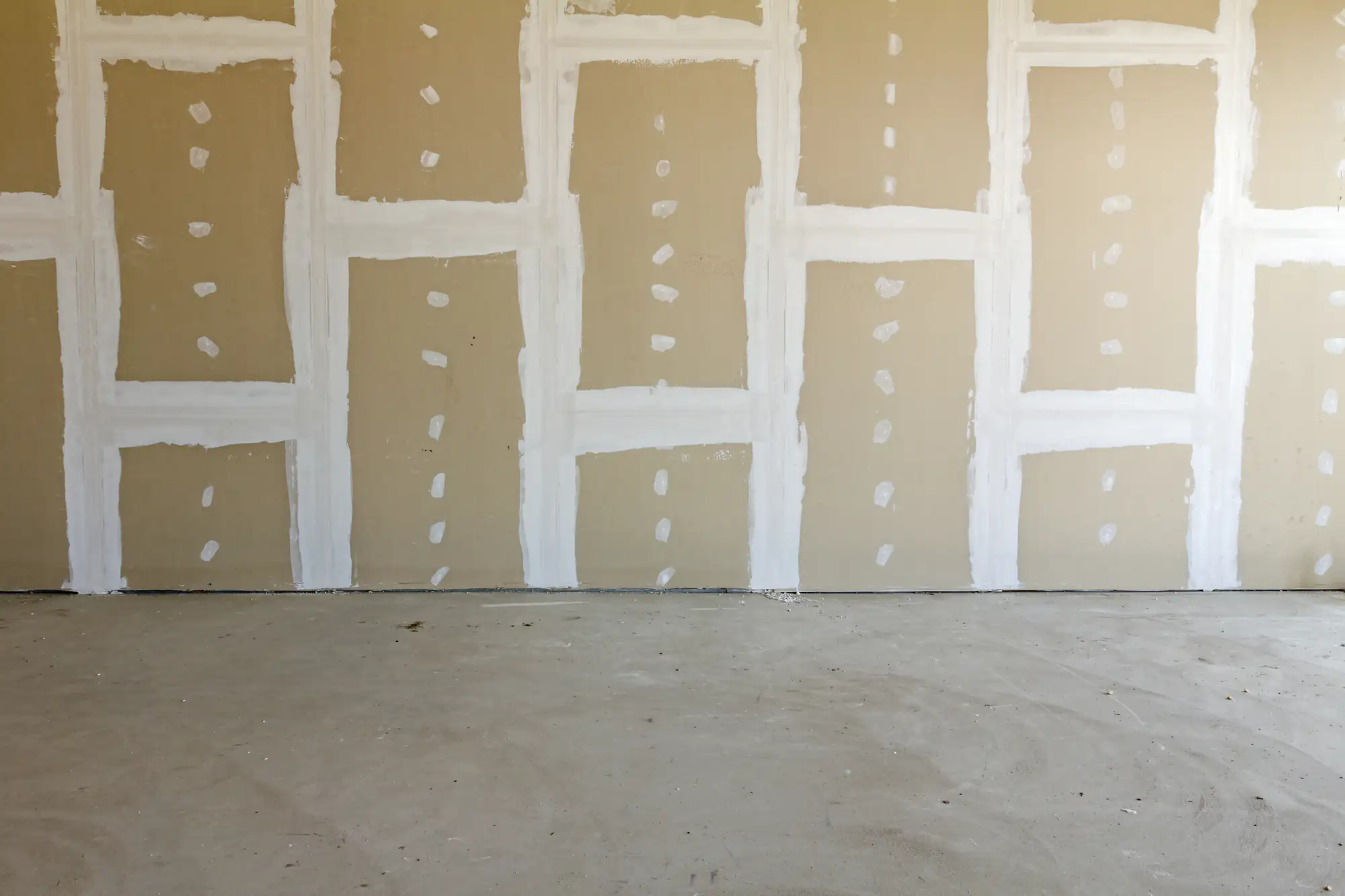
A standard bedroom or living room usually takes one to two days, depending on whether it’s new installation or repair work. New installation is faster—hang the sheets, tape and mud the seams, let each coat dry, sand smooth, and you’re done. Repairs can take longer if we’re cutting out damaged sections, addressing what caused the damage, and blending the repair with existing finishes.
Larger projects like finishing a basement or handling multiple rooms get scheduled in phases. Drywall compound needs time to dry between coats, and rushing that process leads to cracking and visible seams later. We’ll give you a realistic timeline upfront based on the scope of your project, and we stick to it.
Weather and humidity affect drying times, especially in Suffolk County where summer humidity can slow things down. We account for that in our scheduling so you’re not left waiting or dealing with a half-finished project.
Repair makes sense when the damage is localized—a few cracks, small holes, or water stains where the drywall itself is still solid. We cut out the damaged area, patch it, tape and mud the seams, and blend it with the surrounding wall. It’s faster and costs less than replacing entire sheets.
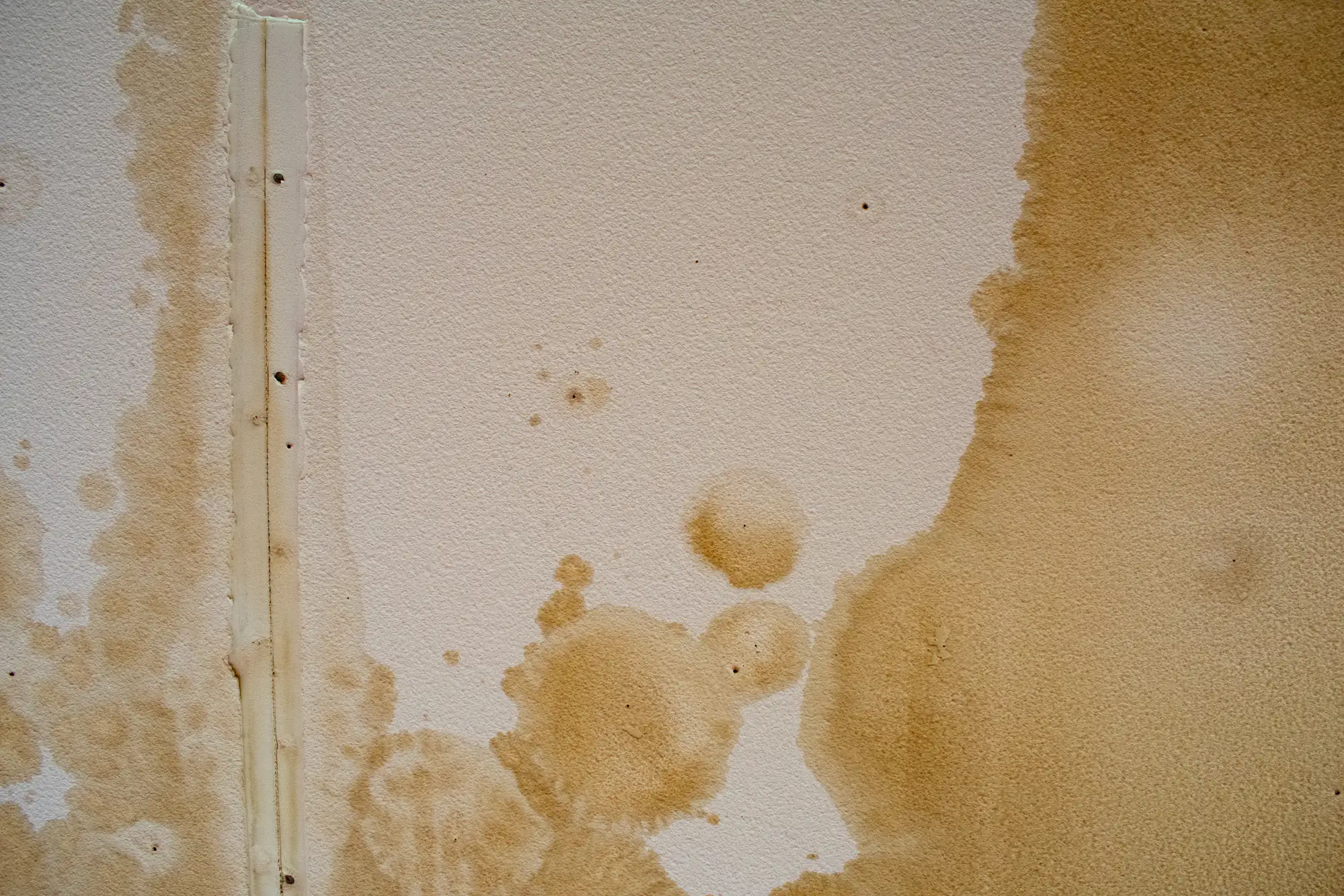
Full replacement is necessary when water damage has compromised the integrity of the drywall, when there’s mold behind the surface, or when the existing installation is so poor that patching won’t hold. If your drywall is soft, crumbling, or sagging, patching it is just delaying the inevitable. We’ll tell you honestly which approach makes sense for your situation.
In older Islip homes, we sometimes find drywall that was installed incorrectly decades ago—wrong fasteners, no backing at seams, or improper spacing. In those cases, replacement gives you a solid base that won’t need constant repairs. We’re not going to sell you a full replacement if a repair will actually work, but we’re also not going to patch something that’s going to fail in six months.
Yes, and this matters more than most people realize until they see a repair that doesn’t match. Texture matching takes experience because many of the spray textures used in Long Island homes from the 80s and 90s aren’t standard anymore. Knockdown, orange peel, skip trowel—each one has variations, and getting it right means the repair disappears instead of standing out.
We bring samples of different textures and techniques to match what’s already there. For smooth walls, it’s about sanding to the exact same level and using the right primer so the repair doesn’t show through paint. For textured surfaces, we replicate the pattern by hand or with spray equipment, then blend the edges so there’s no visible line between old and new.
This is especially important in homes where you’re only repairing part of a room. If the texture doesn’t match, you either live with an obvious patch or end up redoing the entire wall. We get it right the first time so you don’t have to make that choice.
We handle the drywall side of water damage, which includes removing and replacing damaged sections, but we don’t do mold remediation if there’s active growth. If we find mold during demo, we’ll stop and recommend a certified remediation company. Once that’s cleared, we come back and handle the reconstruction.
Water damage is common in Suffolk County homes—roof leaks, plumbing failures, basement seepage, and condensation issues all lead to drywall problems. The key is addressing the source before replacing the drywall. If water is still getting in, new drywall will just get damaged again. We’ll identify obvious issues and recommend fixes, or coordinate with plumbers and roofers if needed.
After the source is fixed and any mold is professionally remediated, we remove damaged drywall, check framing and insulation, install moisture-resistant materials where appropriate, and finish everything properly. You’re not just covering up the problem—you’re actually fixing it so it doesn’t come back.
Pricing depends on whether it’s new installation or repair, the size of the area, the finish level you need, and what we find when we open up the walls. A small repair—patching a few holes or fixing cracks—runs a few hundred dollars. A full room installation with finishing typically ranges from $1,500 to $3,500 depending on size and complexity.
Basement finishing, additions, and larger renovations are priced based on square footage and what’s involved beyond just hanging drywall. If we’re also handling insulation, vapor barriers, or coordination with electrical and plumbing, that affects cost. We give you a detailed estimate upfront that breaks down materials and labor so you know exactly what you’re paying for.
We don’t play the game where we quote low to get the job, then hit you with change orders for “unexpected” issues. If we find something during the project that genuinely wasn’t visible during the estimate, we discuss it with you before proceeding. Our pricing is fair, transparent, and based on nearly a decade of experience with what these projects actually require in Suffolk County homes.
Cracks happen for a few reasons—house settling, temperature and humidity changes, improper installation, or using the wrong materials. In Long Island homes, seasonal temperature swings and humidity are major factors. Drywall expands and contracts, and if it wasn’t installed with proper spacing or the right fasteners, those movements create cracks.
Poor taping technique is another common cause. If the joint compound isn’t applied correctly, if corners don’t have proper backing, or if the tape isn’t embedded properly, cracks show up within months. We prevent this by using the right materials, proper fastener spacing, and correct taping methods. We also leave appropriate gaps at floors and ceilings to allow for movement.
In areas prone to cracking—like corners, door frames, and ceiling joints—we use fiberglass mesh tape and flexible joint compounds that move with the drywall instead of cracking. For homes with ongoing settling issues, we sometimes recommend flexible caulk at certain seams instead of rigid compound. The goal is installation that lasts years, not months, and that comes from understanding why cracks happen and building to prevent them.