
Hear from Our Customers
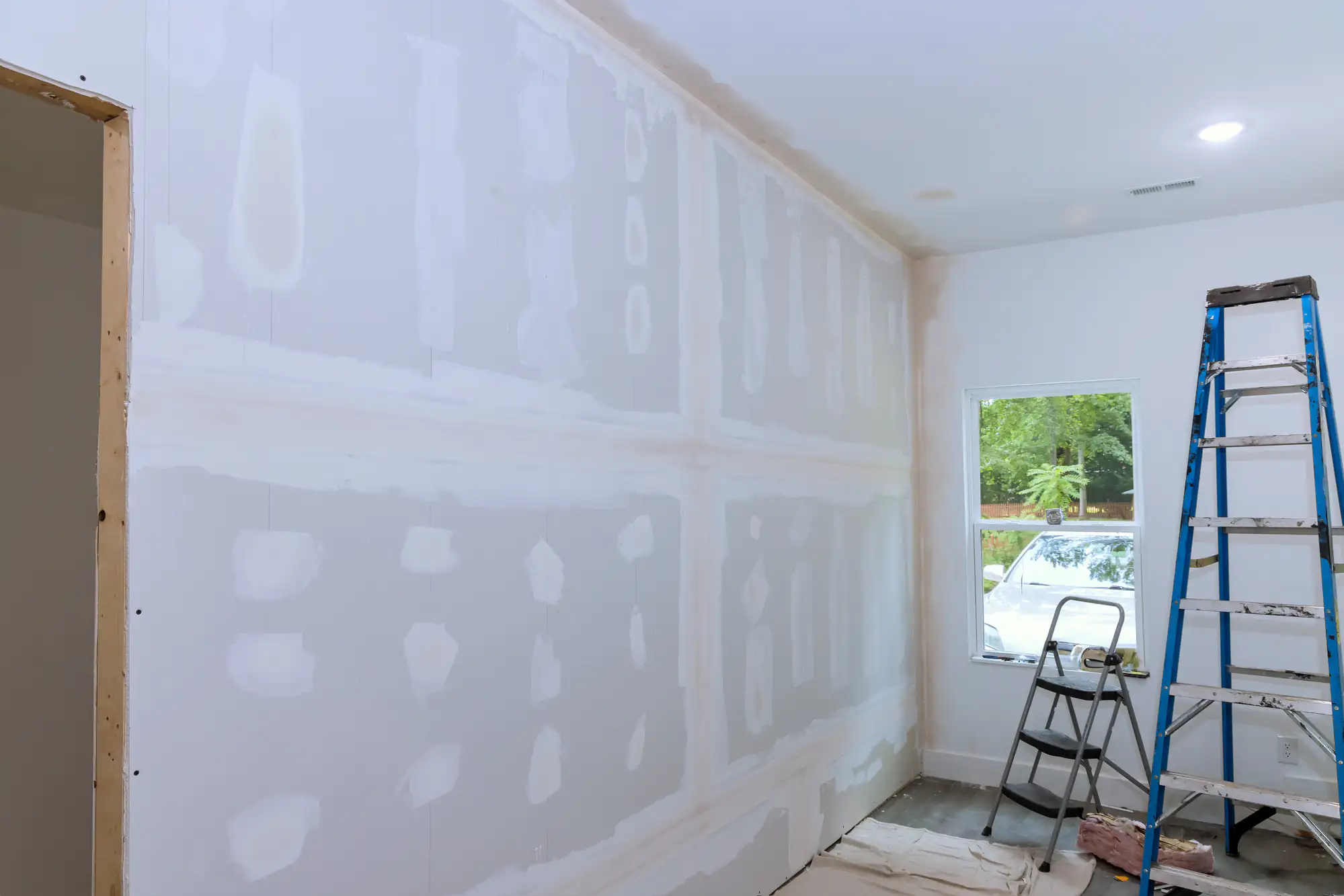
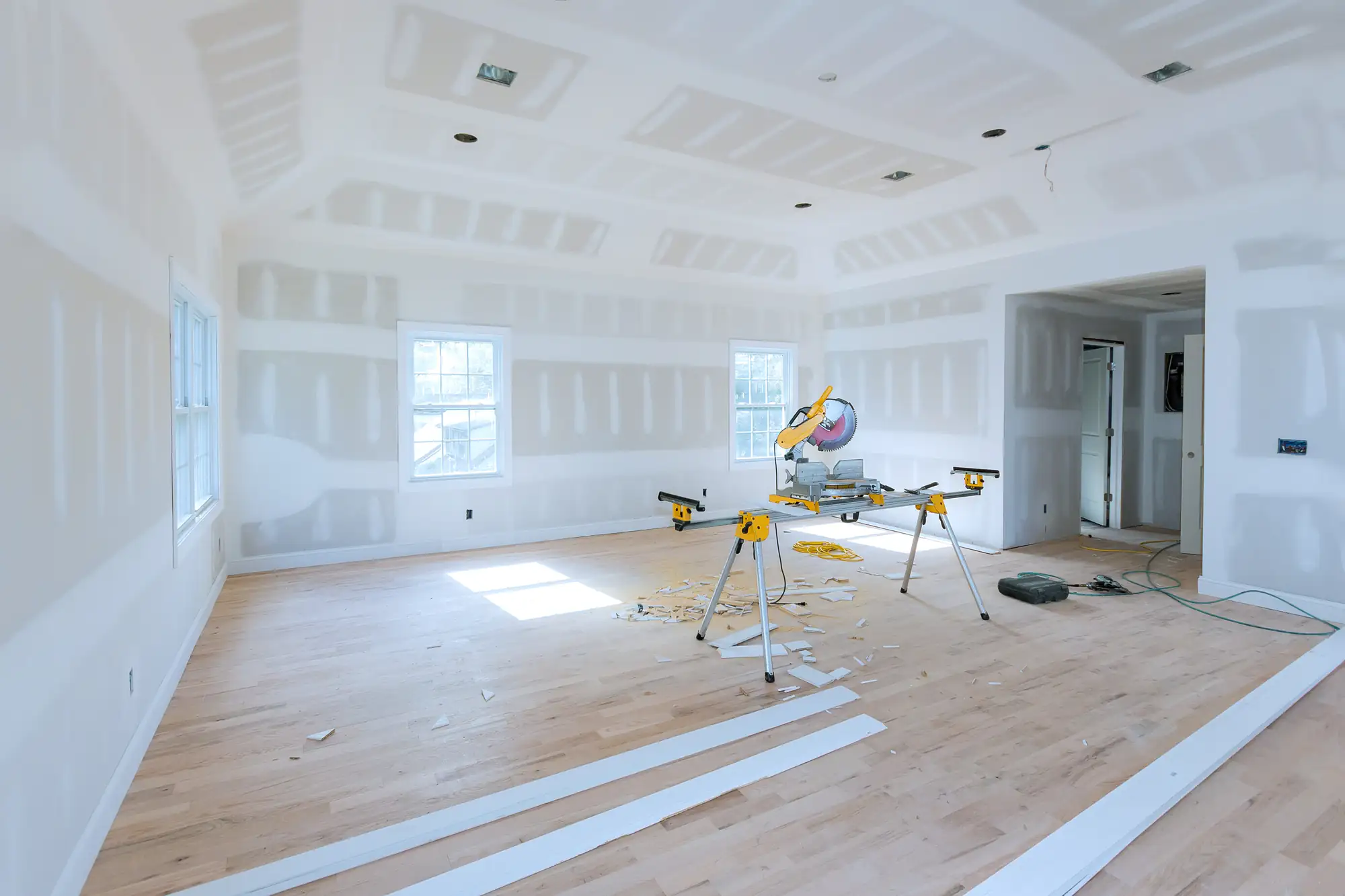
Smooth walls that take paint cleanly. Seams you can’t see. Corners that line up. That’s what proper sheetrock installation looks like when someone knows what they’re doing.
You’re not just covering studs. You’re creating the foundation for every other finish in the room—paint, trim, tile, whatever comes next. If the sheetrock’s off, everything after it shows the mistake.
Good drywall work means fewer callbacks, no surprise repairs six months later, and rooms that actually feel finished. It also means your painter isn’t texting you photos of dust buildup or uneven joints they now have to fix. You skip all that when the sheetrock contractor handles the prep work correctly from the start.
We’ve been handling interior projects across Suffolk County since 2016. We’ve worked in Lake Grove long enough to know what local homes need—whether it’s matching existing textures in older builds or handling full sheetrock installation in renovated basements.
We’re not the crew that rushes the taping or leaves drywall dust all over your floors. We’re the ones who show up when we say we will, explain what’s happening, and clean up like we were never there. No sales pressure, no surprise charges, just transparent work you can actually count on.
If you’ve dealt with contractors who overpromise and underdeliver, you know how rare that is.
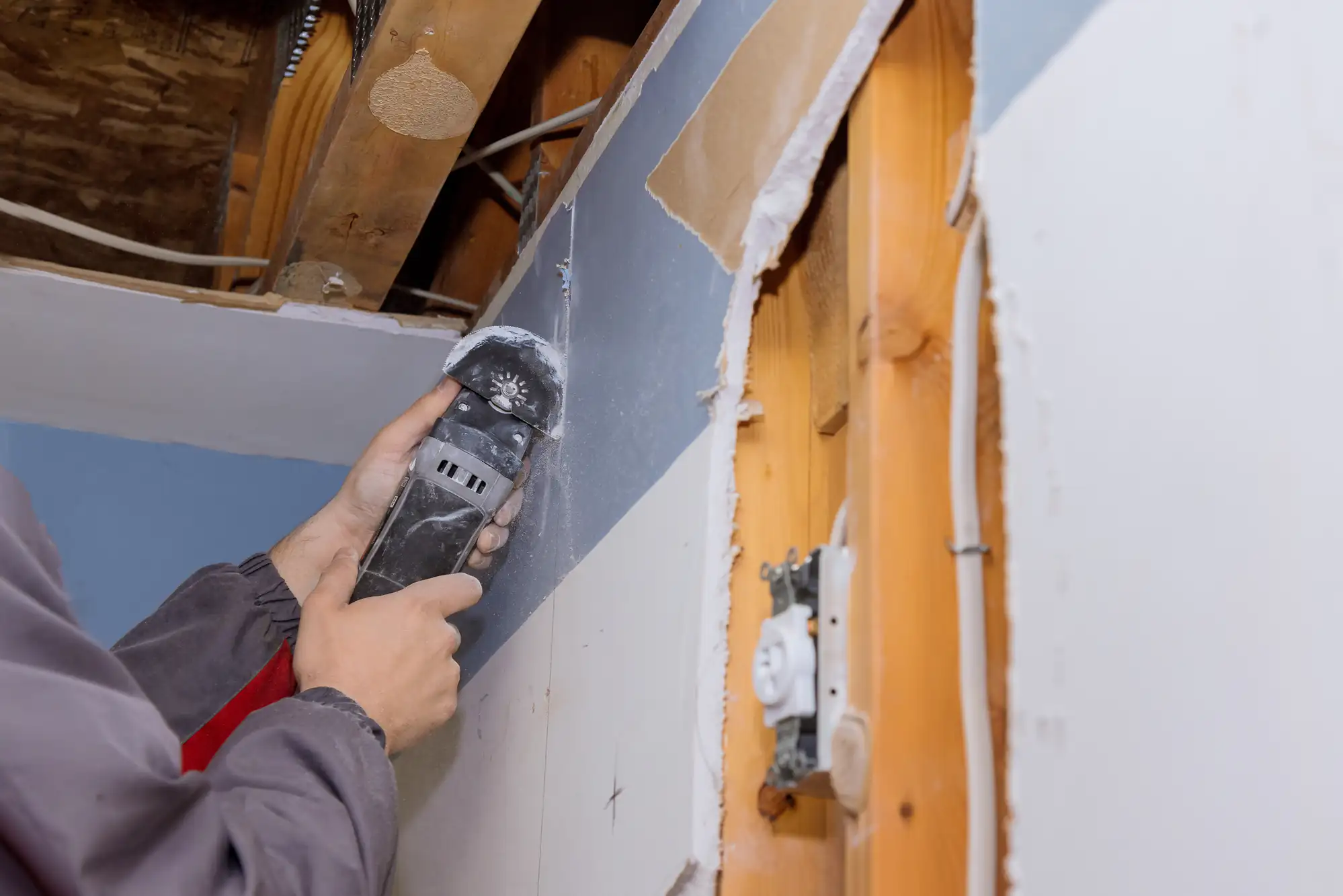
First, we walk the space with you. We look at what needs sheetrock repair, what’s getting replaced, and whether you’re dealing with water damage, cracks, or a full gut. You tell us what you’re seeing, we tell you what’s actually going on.
Then we give you a clear quote. No “we’ll figure it out later” pricing. You know what the sheetrock installation costs before we touch a single sheet.
Once we start, we handle demo if needed, hang the drywall sheets, tape and mud the seams, and sand everything smooth. We don’t skip steps. Every coat of joint compound gets applied right and dries fully before the next one goes on. We use proper drywall taping compound, not shortcuts that crack in a year.
After the final sand, we clean up the dust—because if we don’t, your painter will hate us and you’ll see it in the finish. Then we walk it with you to make sure it’s what you expected. That’s it. No drama.
Ready to get started?
You’re getting full sheetrock installation—hanging, taping, mudding, sanding. We handle walls and ceilings, patches and full rooms. If it’s drywall, we do it.
We also handle sheetrock repair for cracks, holes, water damage, or bad texture jobs someone else botched. A lot of homes in Lake Grove have older plaster or textured ceilings that need updating. We can smooth those out or match existing finishes if that’s what the space needs.
For basements, we’re used to working around mechanicals, uneven framing, and moisture concerns. We’ll flag issues before they become your problem. For kitchens and bathrooms, we use moisture-resistant board where it matters. And if you’re doing a larger remodel—adding rooms, opening walls, reconfiguring layouts—we coordinate with the other trades so sheetrock goes in at the right time.
We also work with commercial clients who need drywall installation for offices, retail build-outs, or tenant improvements. Same standards, same transparency.
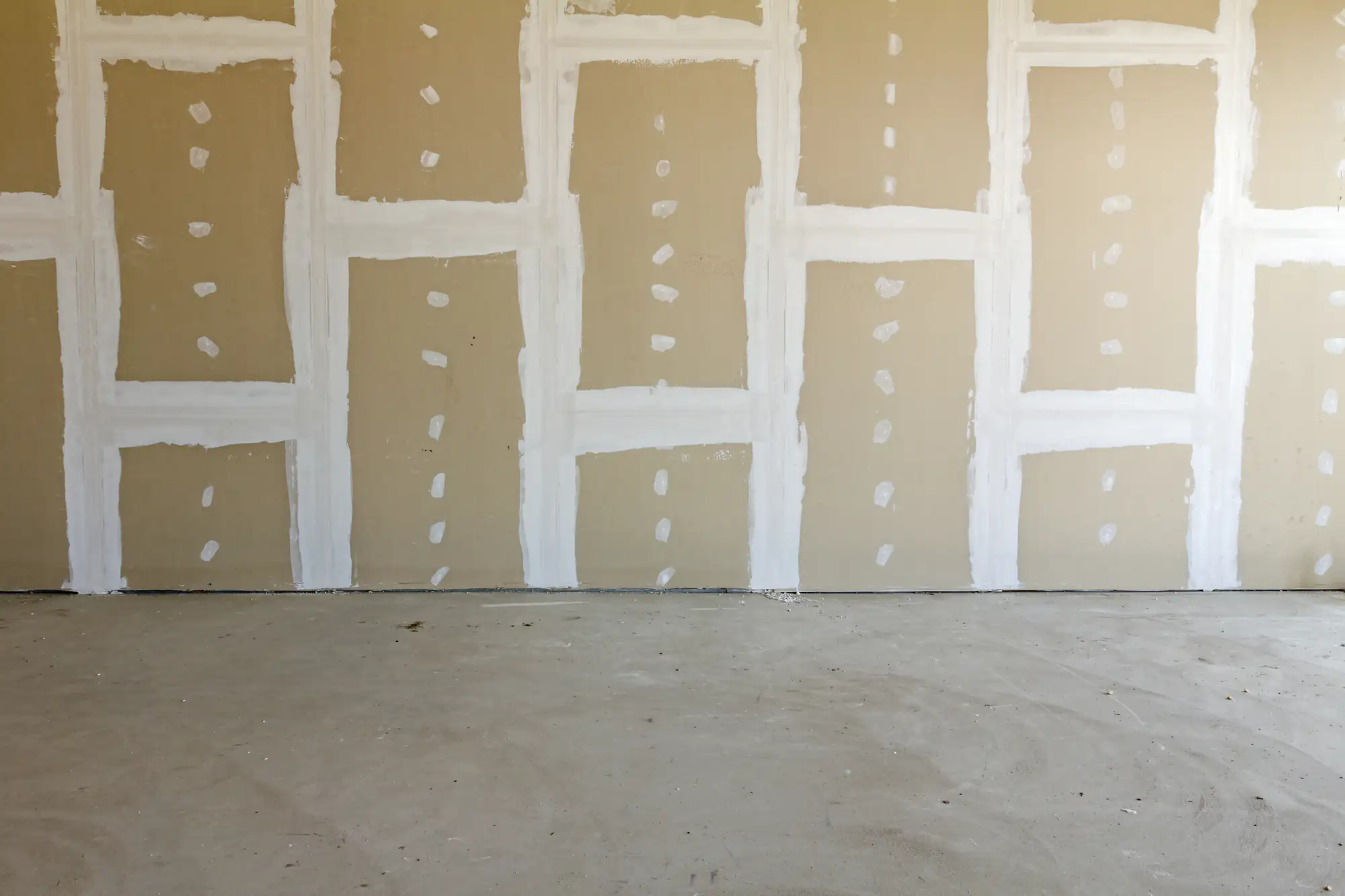
For a standard 12×12 room, you’re looking at about two to three days. Day one is hanging the sheets. Day two is taping and applying the first coat of joint compound. Day three is the second coat, light sanding, and cleanup.
If the room’s larger, has a lot of corners, or needs a ceiling, add a day or two. If you’re just patching a few holes, we’re talking hours, not days.
The timeline also depends on drying time. You can’t rush mud. It needs to cure between coats or it’ll crack. Anyone who says they can finish sheetrock in a day is either skipping steps or using hot mud on everything, which works for small repairs but isn’t ideal for whole walls.
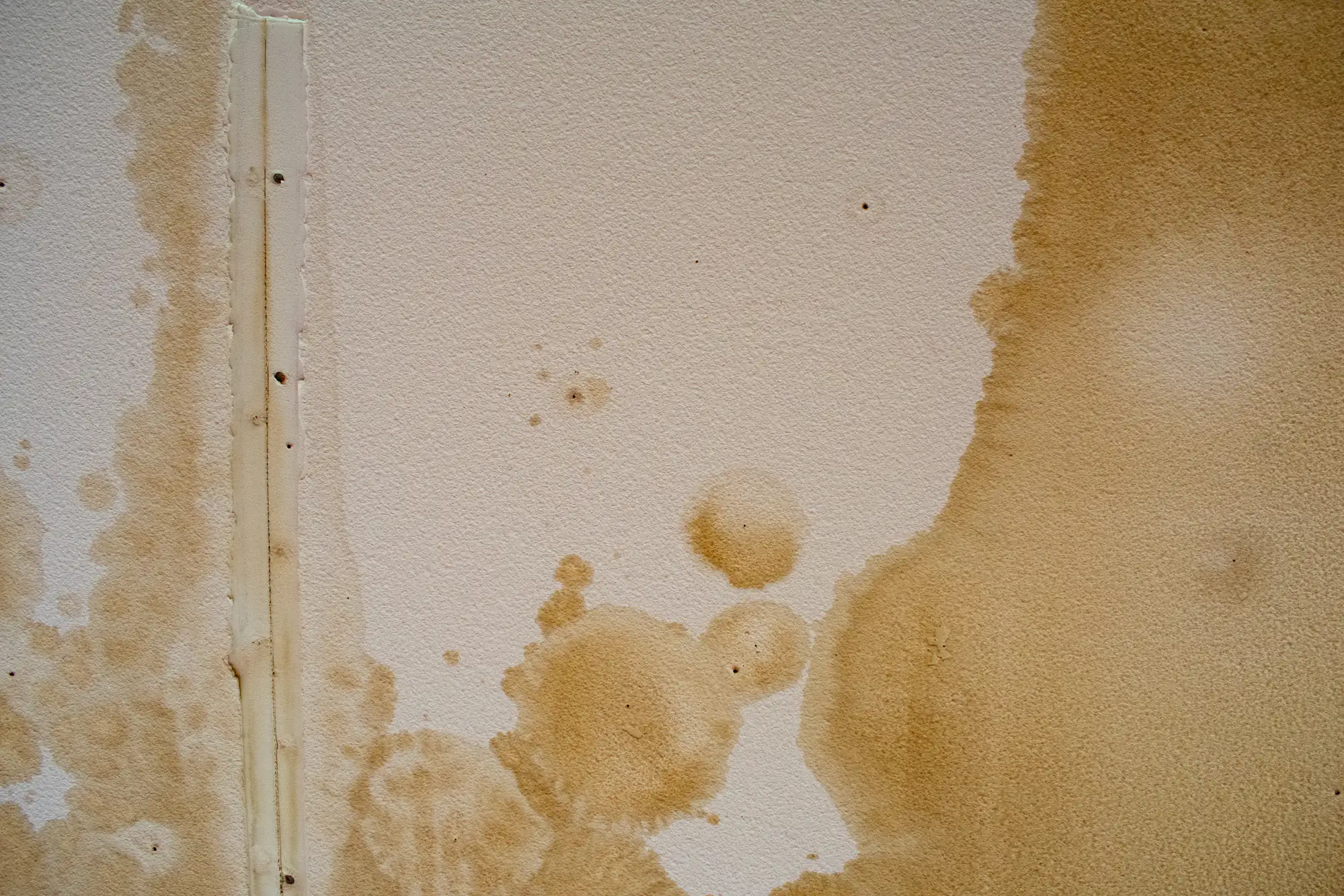
Sheetrock repair is for damage that’s localized—small holes, cracks, dents, or water stains that didn’t compromise the structure. We cut out the bad section, patch it with new drywall, tape and mud the seams, and blend it into the surrounding wall. You’d never know it was there.
Full replacement means the whole sheet (or multiple sheets) is coming down. That’s what you need if there’s widespread water damage, mold, large structural holes, or if the existing drywall is so old and brittle it’s not worth patching. Replacement takes longer and costs more, but sometimes it’s the only real fix.
We’ll tell you which one makes sense. If a patch will hold and look good, we’ll say so. If the wall’s toast and you’re just delaying the inevitable, we’ll tell you that too.
We handle both. If you want smooth, we’ll give you smooth. If you want texture—knockdown, orange peel, skip trowel—we can match it or create it from scratch.
A lot of Lake Grove homes have popcorn ceilings from the ’80s and ’90s. If you want that gone, we can scrape it, skim-coat the ceiling smooth, and refinish it. That’s a messier job than standard sheetrock installation, but it’s doable. Just know that if the popcorn was painted over, it takes longer to remove.
If you’re trying to match an existing texture in another room, bring us a photo or let us see it in person. We’ll get it close. Perfect matches are tough with texture, but we can get it close enough that you won’t notice unless you’re looking for it.
It depends on the size of the job, the condition of the space, and what prep work is involved. A small patch might run a couple hundred dollars. A full room with ceiling could be $1,500 to $3,000. A whole basement? More.
We don’t do ballpark quotes over the phone because too many things affect the price—ceiling height, access, whether the framing is ready, if there’s old material to remove, etc. We’d rather see it, measure it, and give you a real number.
What we don’t do is lowball you to get in the door, then hit you with change orders. The price we quote is the price you pay unless you change the scope. That’s part of how we’ve stayed in business for nearly a decade. No surprises.
No. We handle the full process—hanging the sheetrock sheets, taping the seams, applying joint compound, sanding, and prepping for paint. You’re not coordinating multiple crews.
Some drywall installation contractors only hang board and leave the finishing to someone else. We’re not set up that way. We do it all, which means better quality control and fewer scheduling headaches for you.
The taping and mudding phase is where most sheetrock work falls apart. If it’s done poorly, you’ll see every seam, every screw, every imperfection once the paint goes on. We take that part seriously because we know it’s what makes or breaks the final look.
Clear the room as much as you can. Move furniture, take down wall hangings, and cover anything that can’t leave. We’ll bring drop cloths, but the less stuff in the way, the faster we work.
If you’re doing a larger remodel, make sure electrical and plumbing rough-ins are done and inspected before we hang drywall. Once the board goes up, it’s a pain to access anything behind it. We’ll coordinate timing with your other trades if needed, but that’s on you to arrange.
Also, let us know if there are any moisture issues—leaks, condensation, dampness in the basement. We need to address that before we install sheetrock or you’ll be calling us back in six months to replace it. We’d rather solve it right the first time.