
Hear from Our Customers
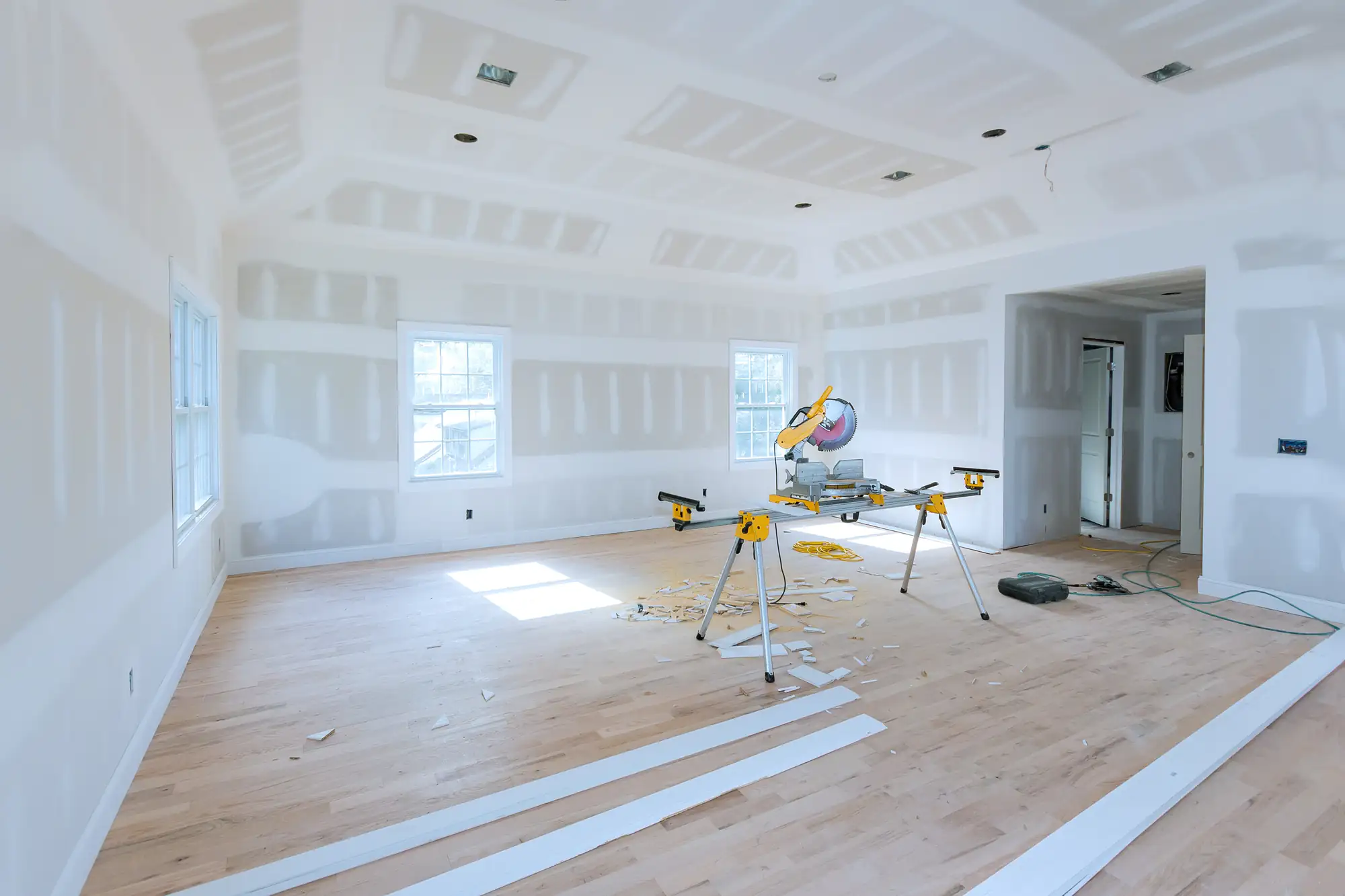
You shouldn’t be able to tell where the repair was made. That’s the standard.
When sheetrock is installed or repaired correctly, the wall is smooth, the seams disappear under paint, and the surface holds up under humidity, temperature swings, and daily wear. You’re not patching over the problem again in six months. You’re not repainting because the texture didn’t match. The job is done, and it stays done.
Most drywall problems in Mastic Beach homes come from water damage, settling cracks, or poorly done previous repairs. If the underlying issue isn’t addressed—like a slow leak or improper taping—the same crack comes back. If the mud isn’t feathered correctly, you see ridges through the paint. If corners aren’t reinforced, they dent again.
We handle sheetrock installation and drywall repair the way it’s supposed to be done. That means addressing what caused the damage, using the right materials for the job, and finishing the surface so it’s ready for paint without extra prep. You get walls that look clean, feel solid, and don’t need a follow-up visit.
Jaguar Renovations has been working in Mastic Beach and throughout Suffolk County since 2016. We’re licensed, insured, and locally based—meaning we understand how coastal humidity affects drywall, how older homes settle, and what it takes to match existing textures in renovated spaces.
We don’t upsell services you don’t need. We don’t hide costs in vague estimates. Our pricing is transparent, our timeline is realistic, and our work is built to last. Homeowners here value straight answers and quality results, and that’s exactly what we deliver.
Whether you’re dealing with a small patch job or installing sheetrock throughout a basement remodel, you’re working with a team that’s done this hundreds of times in homes just like yours.
First, we assess the damage or scope of installation. If it’s a repair, we check for underlying issues like moisture, structural movement, or faulty previous work. If it’s new installation, we confirm measurements, material needs, and any prep work required.
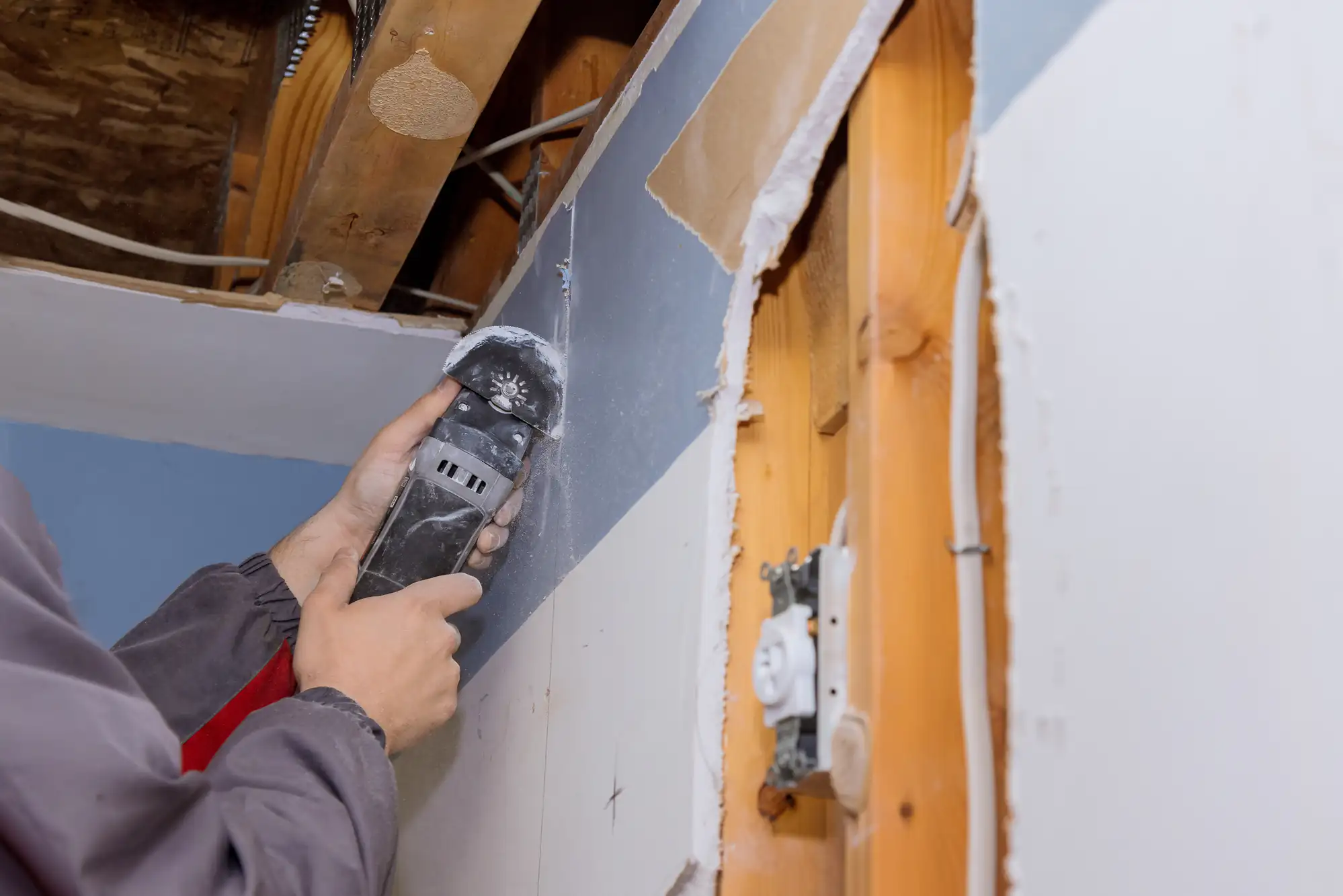
Next, we prep the area. That means protecting your floors and furniture, removing damaged drywall if needed, and making sure the framing or substrate is solid. If there’s mold, rot, or electrical concerns, we flag it before moving forward.
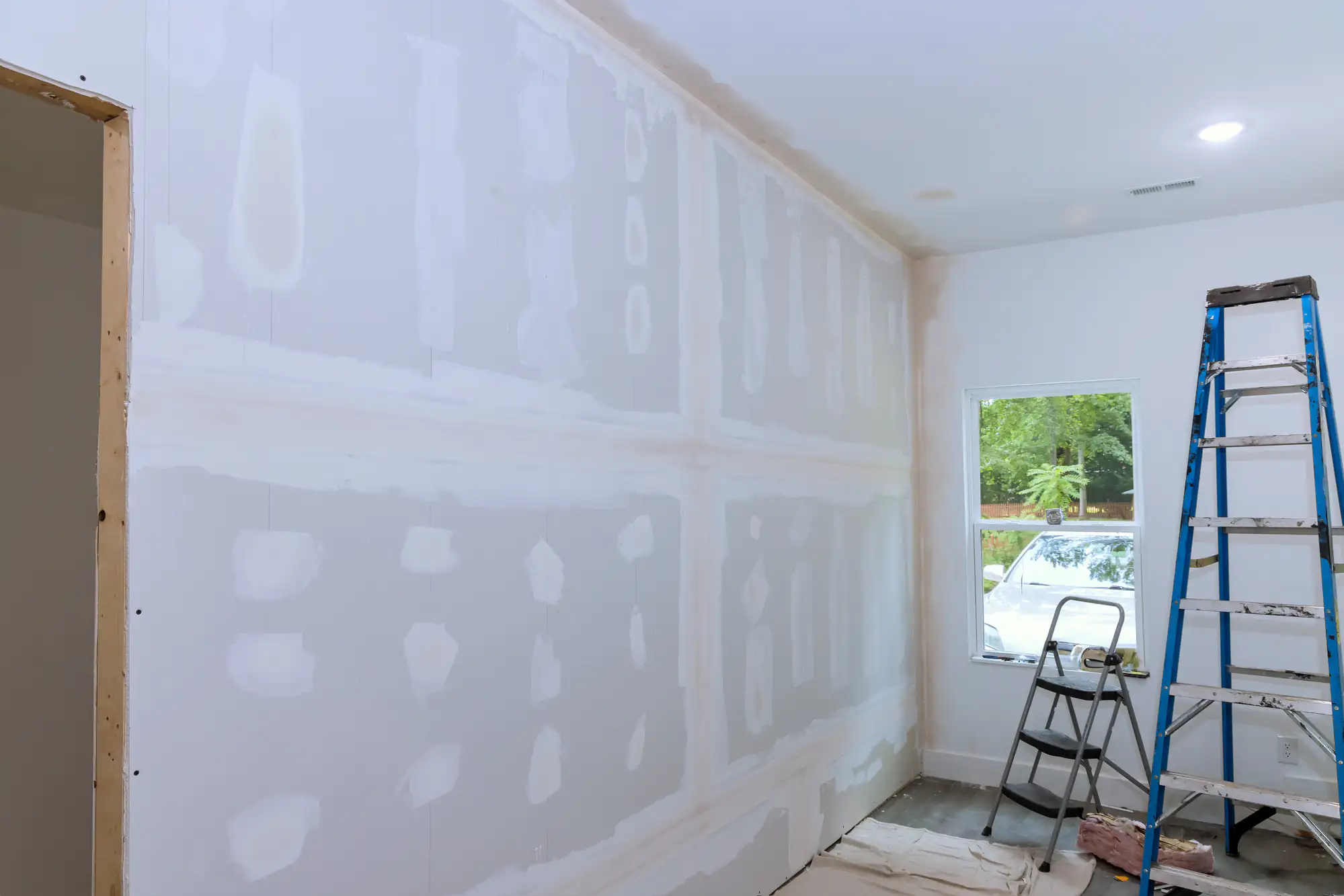
Then comes installation or repair. Sheetrock sheets are cut to fit, secured properly, and seamed with drywall taping compound. Corners get reinforced. Joints are taped, mudded, and feathered out in multiple coats. Each layer dries fully before the next goes on.
Finally, we sand everything smooth, clean up completely, and leave you with a surface that’s ready for primer and paint. No dust left behind. No rough edges. No wondering if it’s actually done right.
Ready to get started?
We handle the full scope of drywall installation and repair—new construction, remodels, water damage fixes, crack repair, hole patching, skim coating, and texture matching. If it involves sheetrock, we do it.
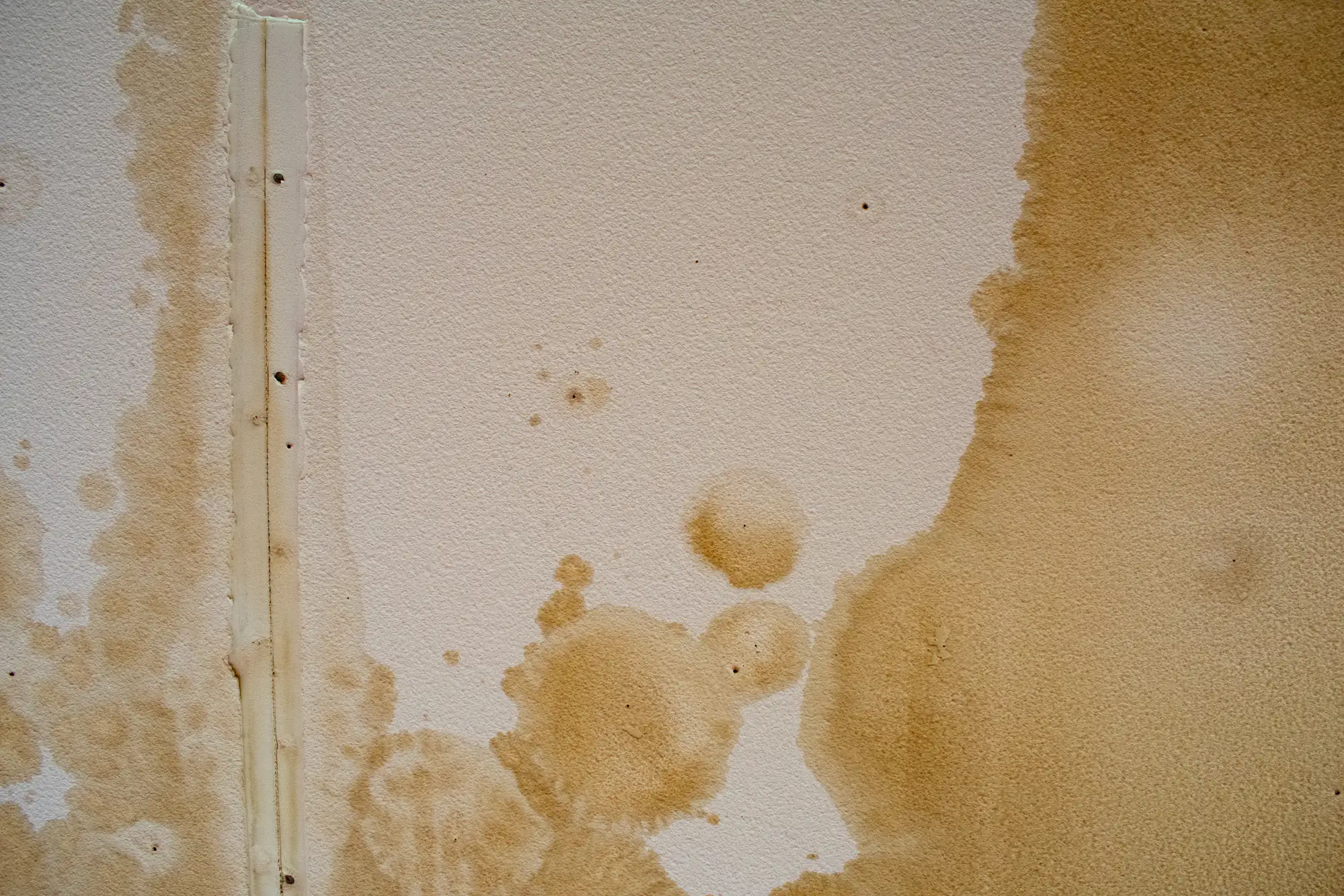
In Mastic Beach, water damage is common. Coastal humidity, roof leaks, and plumbing issues all lead to sagging, bubbling, or mold growth on drywall. We don’t just cut out the damaged section and slap up a new piece. We identify the source, make sure it’s resolved, treat any affected framing, and install new material that’s properly sealed and finished.
For older homes with settling cracks or popped nails, we reinforce the area, re-tape seams, and finish with a smooth coat that blends into the existing wall. For renovations or additions, we install full sheets, tape and mud all seams, and prep the surface so your painter doesn’t have to fix our work.
You also get transparent pricing. Small repairs typically run $75 to $150 depending on size and complexity. Larger jobs or water-damaged areas cost more, but you’ll know the number before we start. No surprises.
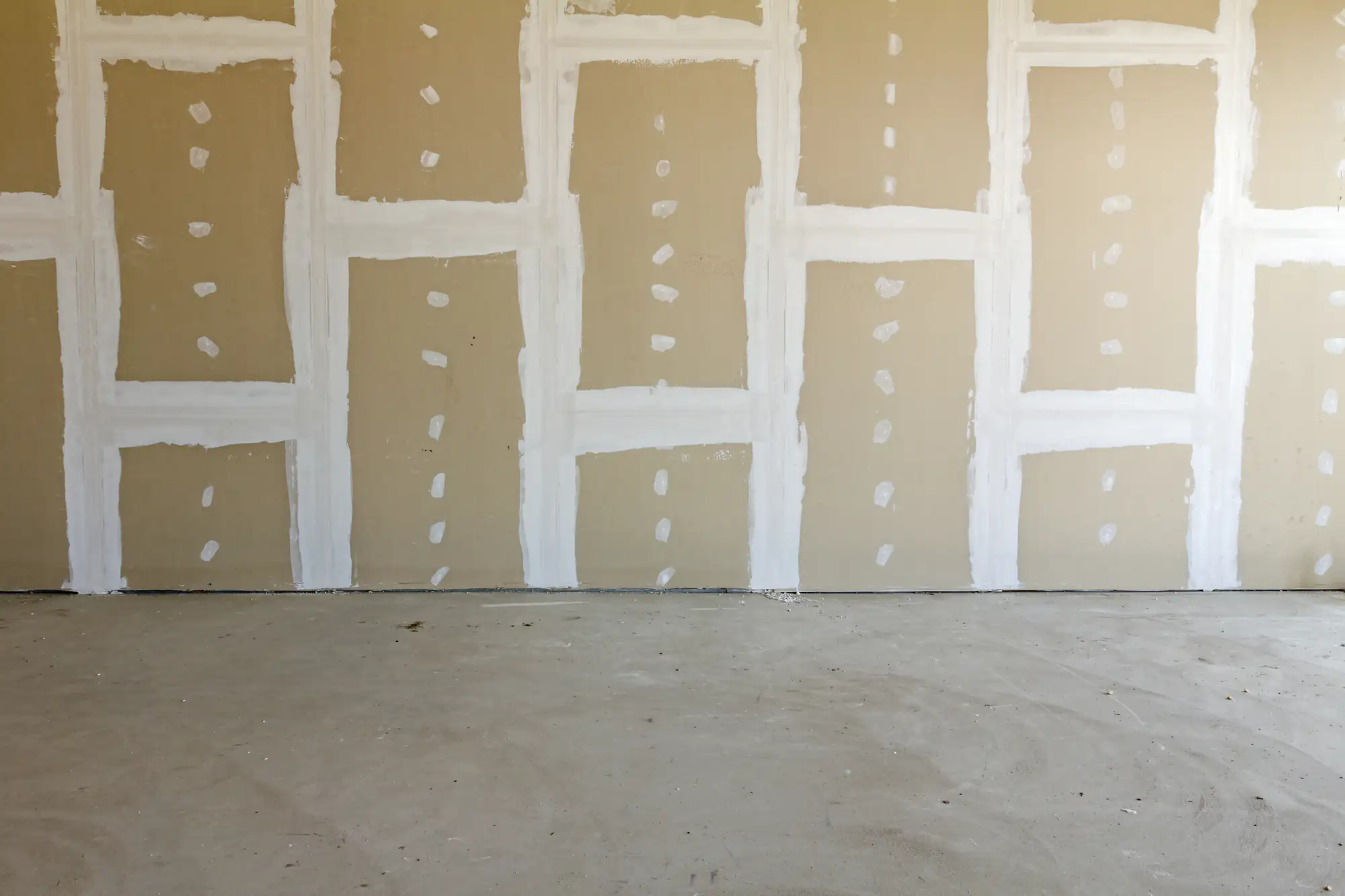
Drywall taping compound needs to dry completely between coats, and that timeline depends on humidity, temperature, and ventilation. In Mastic Beach, especially during summer months, higher humidity can slow drying times.
For a standard repair with two to three coats of mud, expect at least 24 hours between applications. Thicker patches or skim coats may need longer. Rushing this step leads to cracking, shrinking, or poor adhesion—which means the repair fails and you’re back where you started.
Once the final coat is sanded smooth, the surface should dry another 24 hours before priming. If you try to paint too soon, moisture in the compound can cause bubbling or uneven absorption. We don’t leave until the wall is fully ready for your painter, and we’ll tell you exactly how long to wait before applying primer.
Yes, but it takes the right tools and experience. Matching texture—whether it’s orange peel, knockdown, or skip trowel—is one of the most common requests we get, and one of the easiest ways to spot amateur work.
The key is using the same application method and adjusting for how the original texture was applied. We keep samples of common textures and test on scrap material before applying to your wall. That way, the repaired section blends in instead of standing out under certain lighting.
If your home has a smooth finish, we skim coat the repair area and sand it flush with the surrounding surface. If there’s texture, we replicate the pattern and feather the edges so there’s no hard line between old and new. The goal is for you to forget where the repair even was.
Recurring cracks usually mean there’s movement in the structure—either from settling, temperature changes, or improper installation. Just filling the crack with spackle won’t fix it if the underlying cause is still active.
In Mastic Beach, many homes experience settling due to soil composition and age. When the foundation shifts slightly, it stresses the drywall at seams and corners. If those seams weren’t taped and mudded correctly during the original install, they crack under pressure. The fix isn’t another layer of compound—it’s re-taping with mesh or paper tape and reinforcing the joint.
Cracks around door frames, windows, or corners also happen when there’s no proper backing or when fasteners weren’t placed correctly. We check for these issues before repairing. If the framing is the problem, we address it. If the tape failed, we redo it. That’s how you stop the crack from reopening six months later.
We handle both, but water damage requires more than just swapping out a piece of sheetrock. You have to address what caused the water intrusion, check for mold or rot, and make sure the area is dry before installing new material.
When we assess water-damaged drywall, we’re looking at the extent of saturation, whether the framing is affected, and if there’s any microbial growth. Drywall that’s been wet for more than 48 hours usually needs to be removed. Insulation behind it may also be compromised.
Once the source of the water is fixed—whether that’s a roof leak, plumbing issue, or condensation problem—we remove damaged sections, treat the framing if necessary, and install new drywall with moisture-resistant materials if the area is prone to humidity. Then we tape, mud, and finish it so it matches the rest of the room. Skipping any of these steps just sets you up for mold and another repair down the road.
Small repairs—like fixing a doorknob hole or a narrow crack—typically cost between $75 and $150. That includes patching, taping, mudding, sanding, and cleanup. Larger repairs, like replacing a full sheet or fixing extensive water damage, cost more depending on the scope.
The price depends on the size of the damaged area, how many coats of compound are needed, whether framing repair is required, and if there’s any mold remediation involved. We give you a clear estimate before starting so there’s no confusion about what you’re paying for.
If you’re comparing quotes, watch out for prices that seem too low. Cheap drywall work usually means fewer coats, poor taping, or shortcuts that show up as soon as the paint goes on. You end up paying twice—once for the bad repair, and again to have it fixed correctly.
There’s no difference. Sheetrock is a brand name for drywall, similar to how Kleenex is a brand name for tissue. Both terms refer to the gypsum panels used to finish interior walls and ceilings.
The confusion comes from regional preferences and marketing. Some contractors say sheetrock, others say drywall. The material is the same—gypsum core sandwiched between paper layers. There are different types depending on the application: standard for most interior walls, moisture-resistant (green board or purple board) for bathrooms and basements, and fire-rated for garages or multi-family buildings.
What matters more than the name is the quality of installation. Properly hung drywall, with seams staggered, screws countersunk correctly, and joints taped and finished smooth, will perform well regardless of the brand. Poor installation with any product leads to cracks, pops, and visible seams.
Other Services we provide in Mastic Beach