
Hear from Our Customers
Your walls take a beating out here. Salt air works its way into everything. Standard fasteners corrode. Tape joints crack. Paint bubbles up after one humid summer.
You’re looking at sheetrock work because something failed, or you’re renovating before it does. Either way, you need it done right this time.
That means marine-grade fasteners. Proper moisture barriers. Taping compound that flexes with temperature swings instead of cracking. The kind of attention to prep work that most drywall contractors skip because it takes longer and costs them margin.
We’ve spent nearly a decade working on interior renovations across Suffolk County. Montauk properties taught us what holds up and what doesn’t. The difference shows up six months later when your walls still look the way they did the day we finished.
We’ve been handling residential sheetrock installation in Suffolk County since 2016. We’re the crew you call when you’re tired of contractors who quote one price and bill another.
Our work covers everything from patch repairs to full interior remodels. Spackling, taping, finishing, painting. We handle commercial drywall installation too, but most of our Montauk clients are homeowners dealing with coastal wear or updating rental properties between seasons.
You’ll get a clear estimate up front. No sales pressure. No upsells halfway through the job. Just the work we agreed on, finished the way it should be.
We start with an on-site assessment. You show us what needs work, we measure, check for underlying issues like moisture damage or structural concerns, and give you a written estimate. No ballpark numbers that change later.
Once you approve, we schedule around your timeline. If you’re managing a rental property, we know you need this done before summer bookings start. If it’s your primary residence, we work around when you’re actually here.
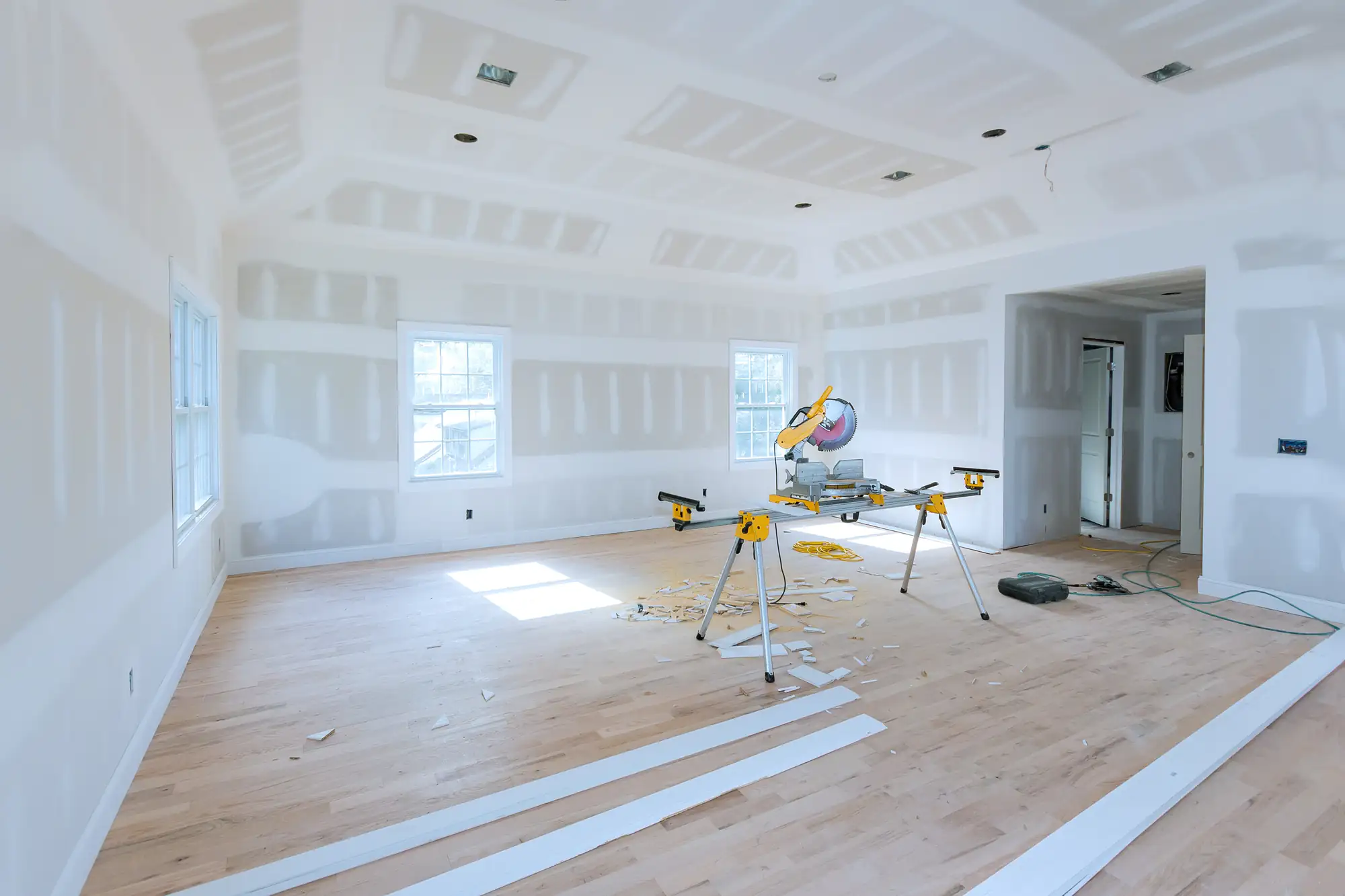
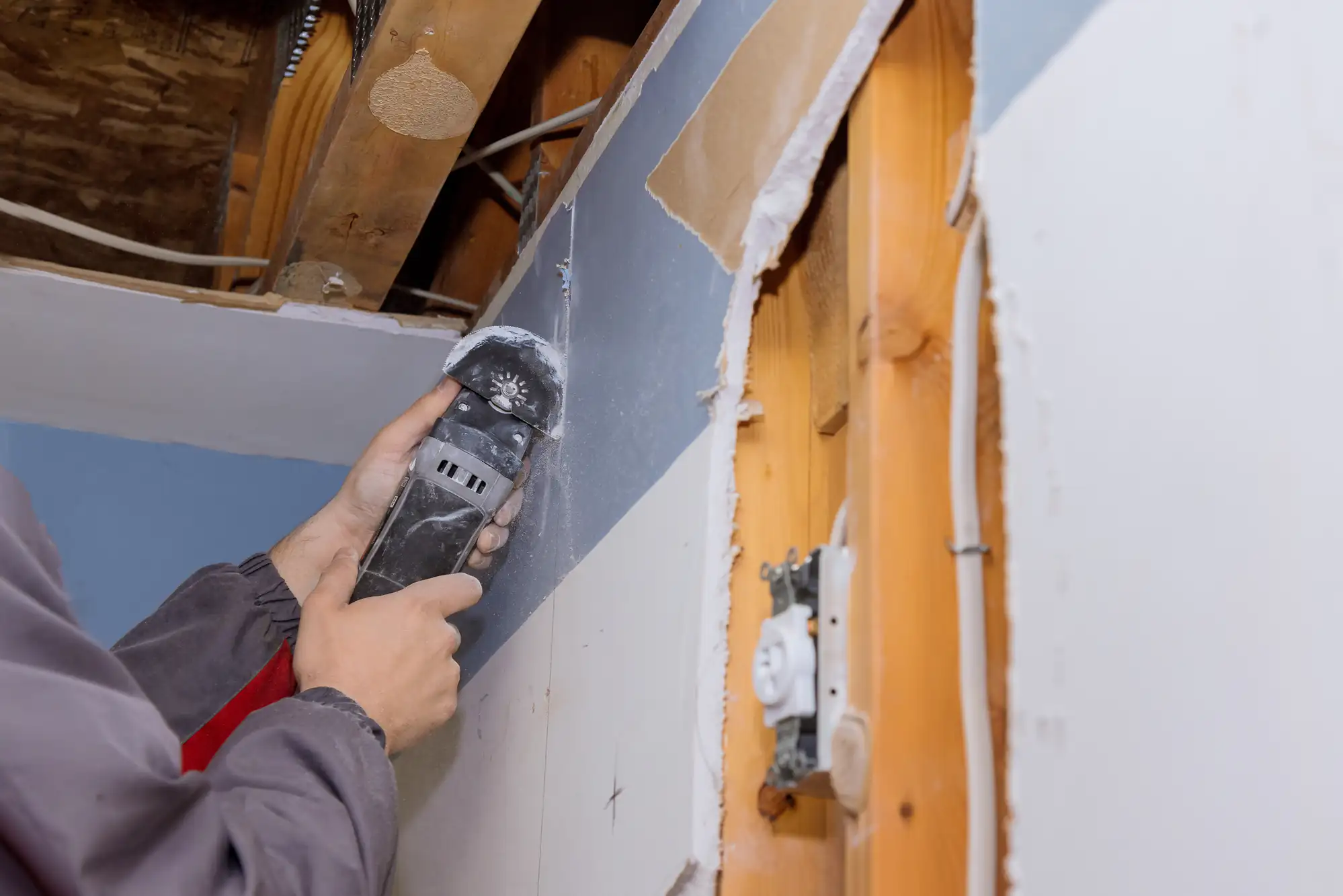
Demo and prep come first. We protect your floors and furniture, remove old drywall if needed, and address any framing or moisture issues before new sheets go up. Hanging sheetrock is the fast part. Finishing takes longer because that’s where quality shows.
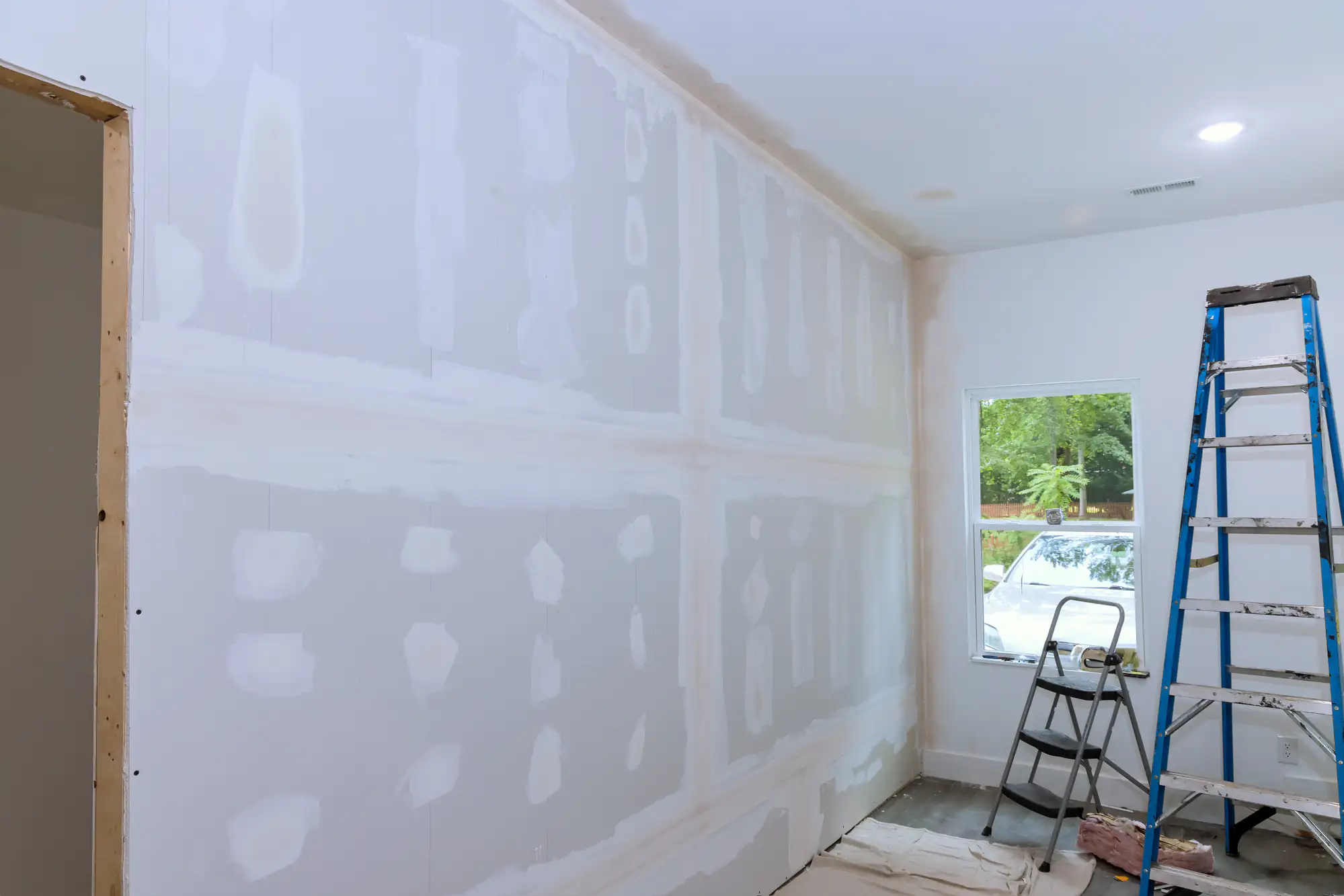
Taping, mudding, sanding. Multiple coats. We don’t rush the drying time between layers. When we’re done, your walls are smooth and ready for paint. We clean up completely, haul away debris, and walk you through the finished work before we consider the job complete.
Ready to get started?
You’re getting sheetrock sheets selected for coastal conditions. That means moisture-resistant drywall in bathrooms and kitchens, standard weight for living areas, and proper thickness based on your framing and local code requirements.
Fasteners are galvanized or stainless. Drywall taping compound gets applied in proper layers with adequate drying time. Corners get reinforced. Seams get feathered out so you can’t see where sheets meet.
Montauk’s building codes are specific, especially for properties in flood zones or historic districts. We handle permit applications when required and schedule inspections. You don’t need to figure out what the town requires—we already know.
Most sheetrock repair searches come from water damage, cracks from settling, or outdated popcorn ceiling removal. We handle all of it. Patch work gets blended so you can’t tell where the repair was made. Full room installations get finished to the same standard whether it’s one wall or an entire floor.
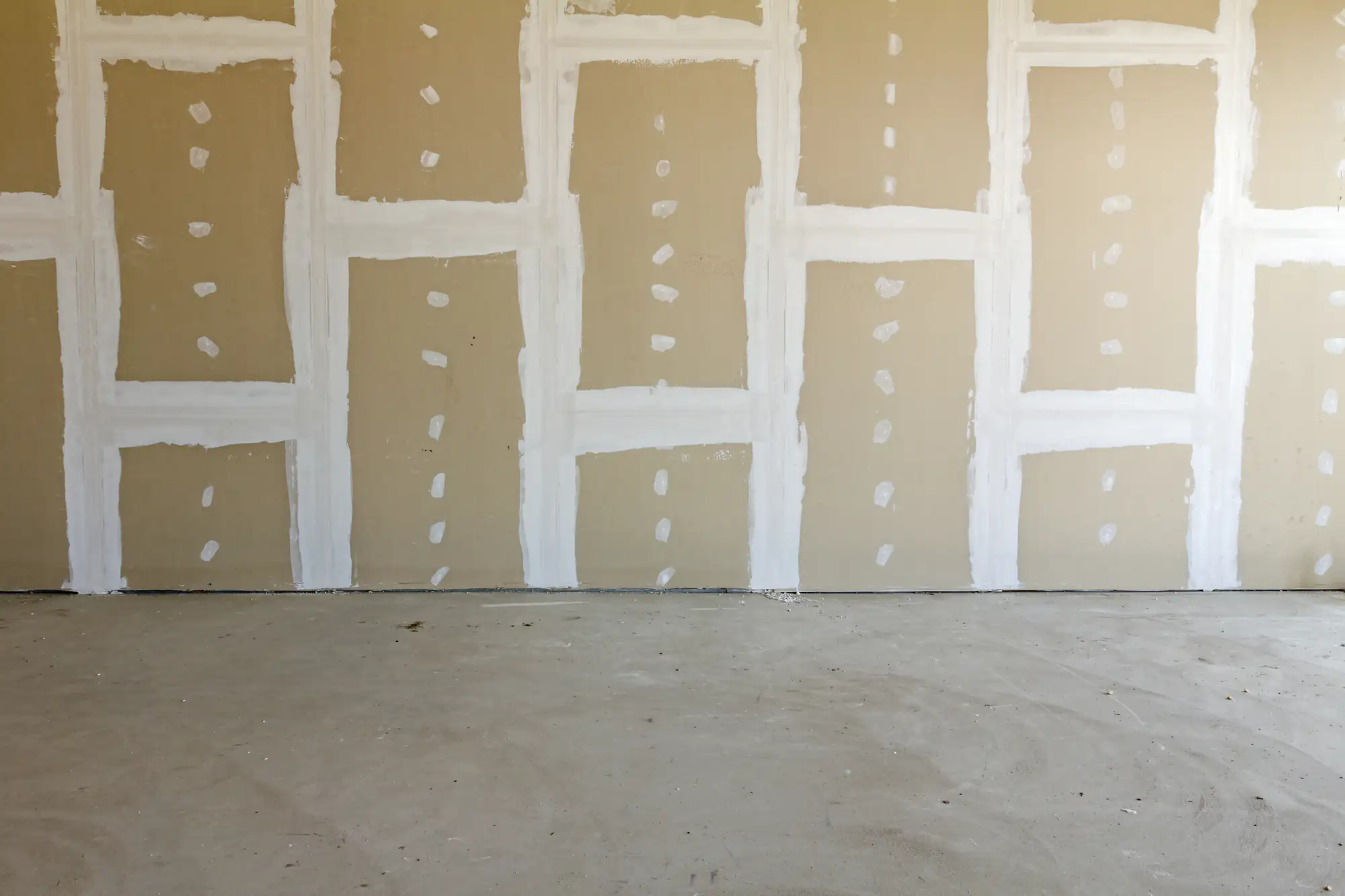
A standard bedroom takes three to five days from start to finished walls. That includes hanging, taping, mudding, and final sanding. Larger spaces or rooms with complex angles take longer.
The timeline stretches if we’re dealing with moisture damage or structural repairs before new drywall goes up. Coastal properties often have hidden issues once we open walls—corroded framing, mold behind old sheetrock, or outdated electrical that needs updating before we close things back up.
Weather matters too. High humidity slows drying time between mud coats. We won’t sand or apply the next layer until the previous one is fully cured. Rushing that step causes cracks and failures down the road. You’re better off with an extra day or two on the schedule than walls that need repair next year.
Salt air corrodes standard fasteners within months. You’ll see rust stains bleeding through paint, and eventually the screws lose holding power. We use galvanized or stainless steel fasteners on every Montauk job.
Moisture is the other issue. Homes near the ocean deal with higher humidity year-round. Standard drywall absorbs moisture, which leads to mold growth and deteriorating paper facing. Moisture-resistant or mold-resistant sheetrock costs more but lasts significantly longer in coastal environments.
Taping and finishing compounds need to flex with temperature and humidity changes. Montauk properties go from heated in winter to closed up and humid in summer if they’re seasonal rentals. Rigid mud cracks under those conditions. We use products formulated to handle movement without failing. It’s a different material spec than what works fine ten miles inland.
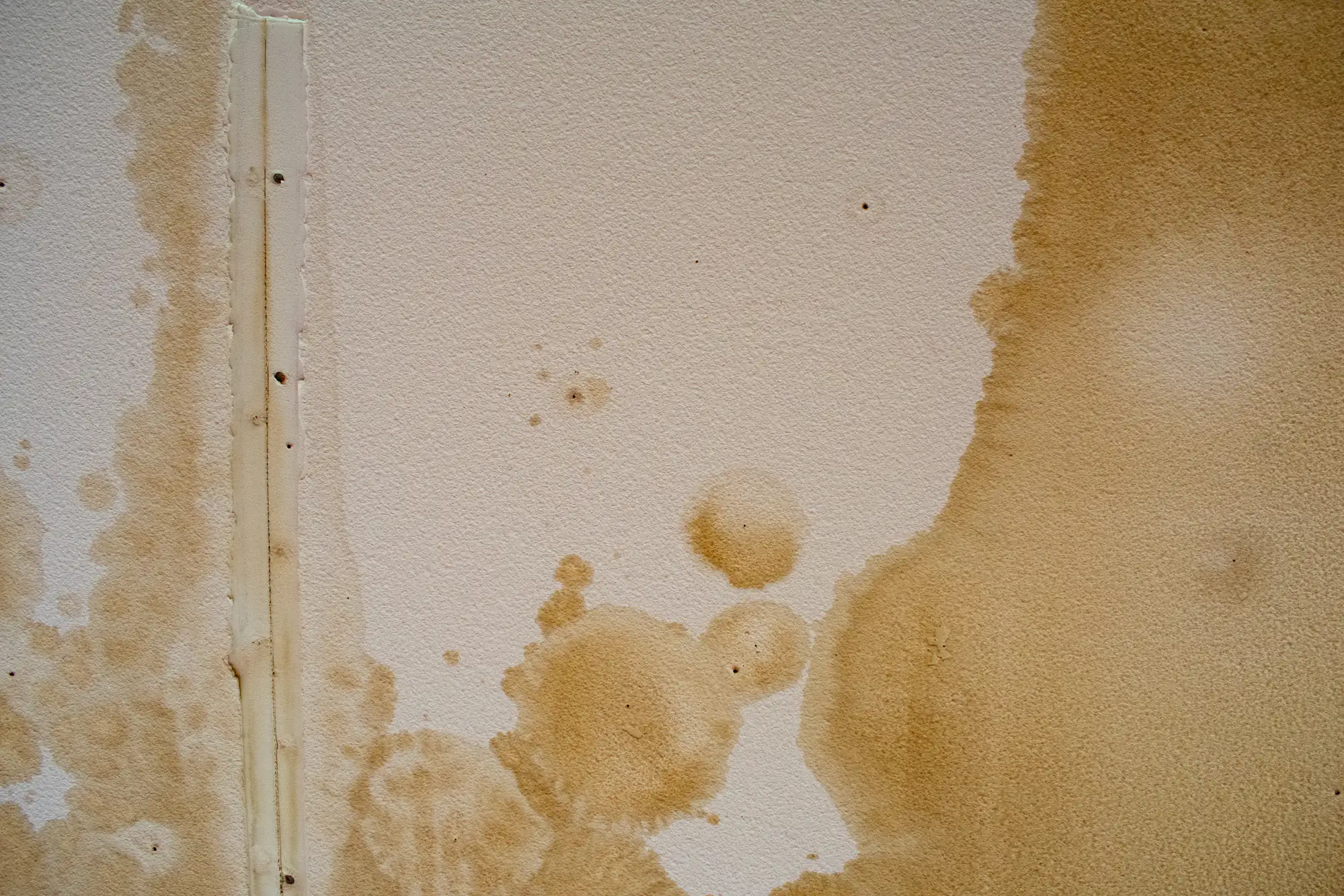
Yes, but we need to fix the source first. There’s no point installing new drywall if the roof still leaks or pipes are still dripping. We’ll identify what caused the damage and either repair it ourselves or coordinate with the right contractor before we touch the sheetrock.
Once the source is resolved, we remove all damaged material. Water-stained drywall needs to come out completely—you can’t just patch over it. We check framing and insulation for mold or rot, treat or replace as needed, then install new moisture-resistant sheetrock.
The repair gets blended into surrounding walls so you can’t see where old meets new. Texture matching matters if you have knockdown or orange peel finishes. We replicate whatever’s already there. For rental properties especially, you want repairs invisible to guests. Sloppy patch jobs look unprofessional and raise questions about what else might be wrong with the property.
Most residential projects run between $2 and $4 per square foot for materials and labor combined. That’s for standard installation with basic finishing. Coastal-grade materials, complex ceiling work, or extensive repairs push costs higher.
A typical 12×14 bedroom with 8-foot ceilings costs roughly $1,200 to $2,000 for complete sheetrock installation including finishing and prep for paint. Larger rooms, vaulted ceilings, or jobs requiring significant prep work cost more. Small repairs—patching a few holes or fixing a damaged section—might run $300 to $600 depending on extent and access.
We give you a written estimate before any work starts. The price we quote is the price you pay unless you change the scope mid-project. No surprise charges for “unforeseen complications” that any experienced contractor should have spotted during the initial assessment. Montauk’s property values justify doing the work right, but that doesn’t mean you should get gouged on price.
We schedule most interior renovation work during off-season months when your property isn’t booked. November through March is ideal for sheetrock installation—lower humidity helps with drying time, and you’re not losing rental income.
If you need emergency repairs during summer, we can work around guest schedules. That usually means starting after checkout and finishing before the next check-in, which compresses our timeline and limits what’s feasible. Small repairs work fine on that schedule. Full room installations need more time.
The best approach is addressing issues in fall or winter. You have flexibility on timing, we can work without rushing, and the property is ready before spring bookings start. Most Montauk property managers we work with plan renovations this way. It’s less stressful for everyone and produces better results than trying to squeeze work between weekend rentals.
Yes. We carry full liability insurance and workers compensation coverage. You can request proof of insurance before we start—most homeowners and property managers do, and we expect the question.
Our crew has nearly a decade of experience with Suffolk County building codes and permit requirements. Montauk has specific regulations, especially for properties in designated flood zones or historic areas. We know what triggers permit requirements and handle applications when needed.
Licensing and insurance protect you if something goes wrong. Accidents happen on job sites. Materials get damaged. Someone gets injured. You want contractors who are properly covered so you’re not liable. We also guarantee our workmanship—if something fails because of our installation, we come back and fix it. That matters more than the initial price when you’re maintaining a high-value coastal property.