
Hear from Our Customers
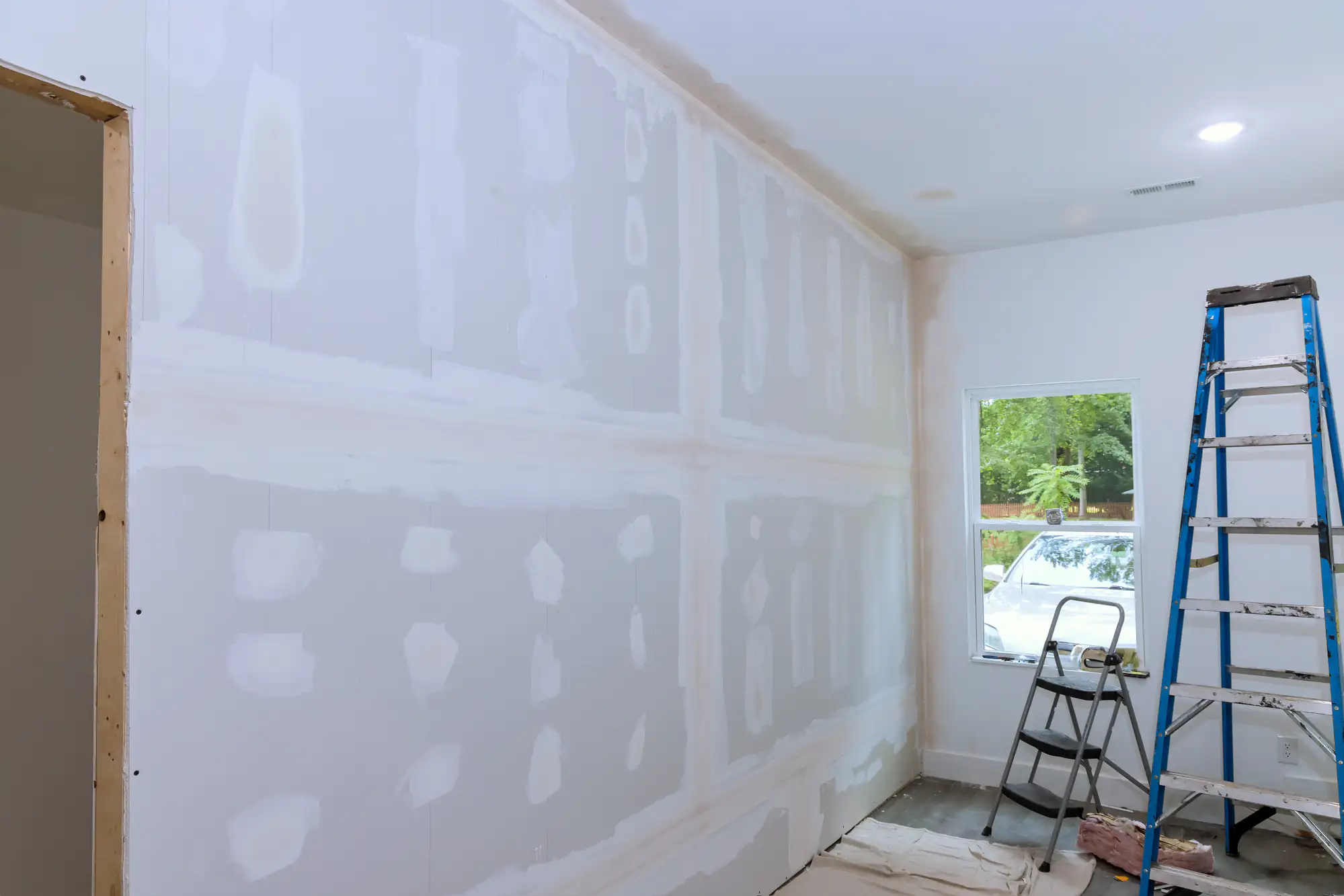
Your walls are smooth, paint-ready, and built to handle what Long Island throws at them. No visible seams. No callbacks six months later because the tape’s lifting or cracks are showing through your fresh paint.
You’re not dealing with moisture issues creeping through from your basement or humidity damage spreading across your bathroom ceiling. The work holds up because it was done with the right materials and the right techniques—not shortcuts that save time today but cost you more next year.
When you hire a professional sheetrock contractor, you’re buying time back. Time you’d otherwise spend patching, repainting, or worse—ripping out bad work and starting over. You’re getting walls that look finished because they are finished, installed by someone who’s done this nearly a decade in Suffolk County and knows exactly how homes here settle, shift, and age.
We’ve been handling residential sheetrock installation and drywall repair across North Bellport and Suffolk County for close to ten years. We’re not a crew that subs everything out or disappears after the deposit clears.
You’re working with licensed, insured professionals who understand how coastal humidity affects drywall in bathrooms, how basement moisture shows up months after installation if the prep work was rushed, and why Long Island homes need different finishing techniques than homes inland. We’ve seen what happens when contractors cut corners, and we’ve fixed enough of those jobs to know what actually lasts.
We’re your neighbors. Our reputation here matters more than one job, which is why we don’t play games with pricing, timelines, or quality.
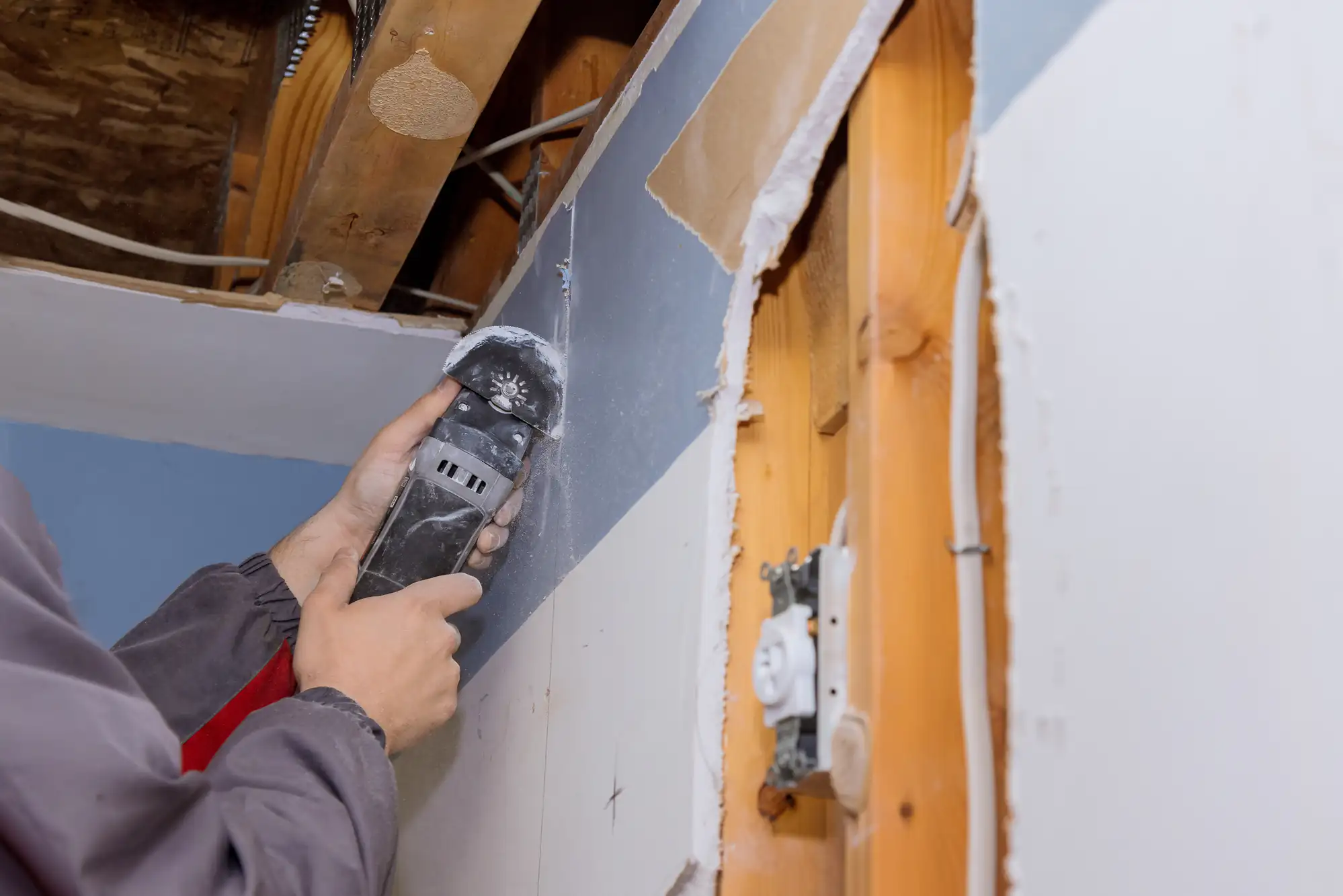
First, we walk the space with you. We’re looking at the scope, checking for moisture issues, identifying problem areas that need prep work before any sheetrock goes up. You’ll know upfront what needs to happen and what it costs—no surprises halfway through.
Next, we prep the space. That means protecting your floors, moving furniture if needed, and making sure framing is solid and ready for installation. If there’s old drywall coming down, we handle removal and disposal. If there’s a moisture problem that’ll ruin new sheetrock in six months, we tell you now—not after we’ve already hung the boards.
Then we install. Sheetrock goes up using professional-grade tools and fastening techniques that prevent sagging, popping, or movement down the line. Seams are taped with quality compound, not the cheap stuff that cracks when it dries. We apply multiple coats, sanding between each one until the surface is smooth and paint-ready.
Finally, we clean up. You’re not left with drywall dust coating every surface in your home. We use industrial fans to speed drying between coats, so your project moves efficiently without sacrificing quality. When we’re done, you’ve got walls ready for primer—and a timeline that actually held up.
Ready to get started?
You’re getting full-service drywall installation or repair, depending on what your project needs. That includes hanging sheetrock sheets, taping and mudding all seams and fasteners, sanding to a smooth finish, and prepping surfaces for paint. We handle everything from small repairs—patching holes, fixing cracks, replacing water-damaged sections—to complete room installations in basements, additions, garages, or commercial spaces.
For North Bellport homeowners, that often means dealing with the specific challenges Long Island properties face. Basements here settle and shift, especially in areas with sandy soil. That movement shows up as cracks along seams or nail pops if the installation wasn’t done right. Bathrooms and kitchens near the coast deal with higher humidity levels year-round, which means moisture-resistant drywall and proper ventilation planning aren’t optional—they’re necessary to avoid mold and joint separation down the line.
We use the same professional-grade materials and drywall taping compound that commercial contractors rely on, not builder-grade products that barely last past the warranty period. You’re getting sheetrock that’s installed level, fastened correctly, and finished to a standard that won’t embarrass you when the painter shows up. If you’re in a coastal area, we account for salt air exposure that accelerates wear. If you’re finishing an attic, we plan for temperature swings that cause expansion and contraction.
This isn’t about upselling you on extras. It’s about doing the work right the first time so you’re not calling someone else to fix it in two years.
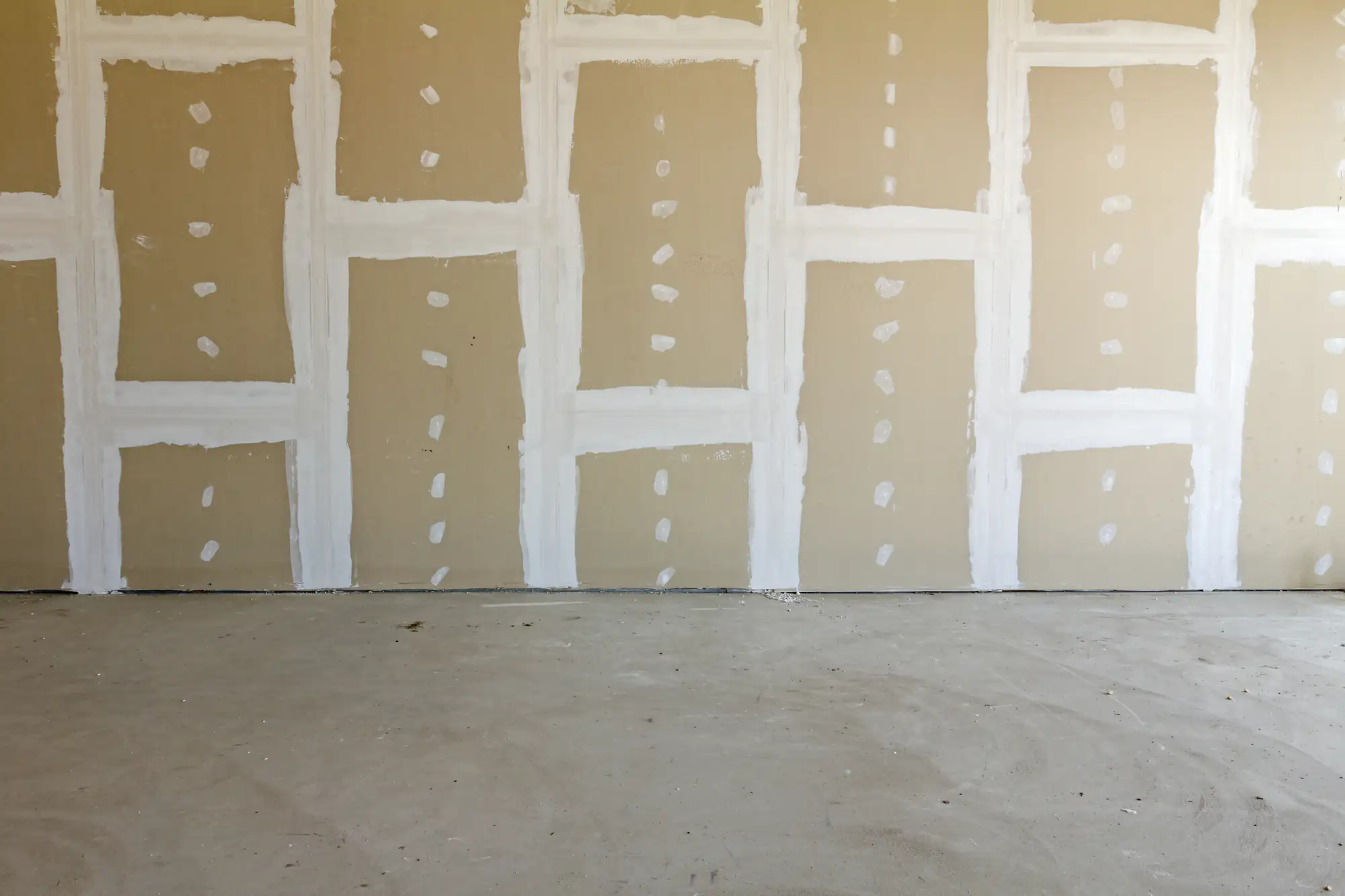
You’re looking at roughly $80 to $90 per board for paint-ready installation on Long Island, though your actual cost depends on the scope of your project, the condition of your space, and what prep work is needed before any drywall goes up. A standard bedroom might run $800 to $1,500 for materials and labor. A full basement could be $3,000 to $6,000 or more depending on size and complexity.
Here’s what affects your price: if we’re removing old drywall first, that’s additional labor and disposal costs. If your framing needs repair or your space has moisture issues that need addressing, that work happens before installation—and it’s not optional if you want the sheetrock to last. If you need moisture-resistant boards for a bathroom or basement, those cost more than standard drywall but they’re worth it in high-humidity areas.
We don’t play games with pricing. You’ll get a clear estimate upfront that breaks down materials, labor, and any prep work required. No hidden fees. No “we found something” calls halfway through that double your cost. What we quote is what you pay, assuming the scope doesn’t change because you decided to add another room or we uncovered structural issues that weren’t visible during the walkthrough.
A standard room takes one to two days for installation, then another two to three days for taping, applying joint compound, and drying time between coats. So you’re looking at roughly a week for a single room from start to paint-ready finish. Larger projects like full basements or multiple rooms obviously take longer—usually one to three weeks depending on size and complexity.
The timeline depends on a few factors you need to know upfront. Drying time between coats of joint compound isn’t negotiable—rushing it leads to cracking and poor adhesion. We use industrial-sized fans and quick-setting compounds where appropriate to speed things up without compromising quality, but you can’t skip the curing process entirely. If we’re working in a humid basement or during summer months, drying takes longer. If we’re removing old drywall or fixing framing issues first, add time for that prep work.
Weather and humidity affect timelines more than most homeowners realize, especially here on Long Island. A basement project in July takes longer to dry than the same job in October. We’ll give you a realistic timeline based on your specific project and conditions—not an optimistic estimate that makes us look good but leaves you without a finished room when you need it.
Moisture-resistant drywall has a treated core and face paper that resists mold growth and holds up better in high-humidity environments. You’ll see it sold as green board or purple board depending on the brand. It costs about 20% more than standard drywall, but it’s worth every penny in bathrooms, basements, laundry rooms, or any space where humidity is consistently high.
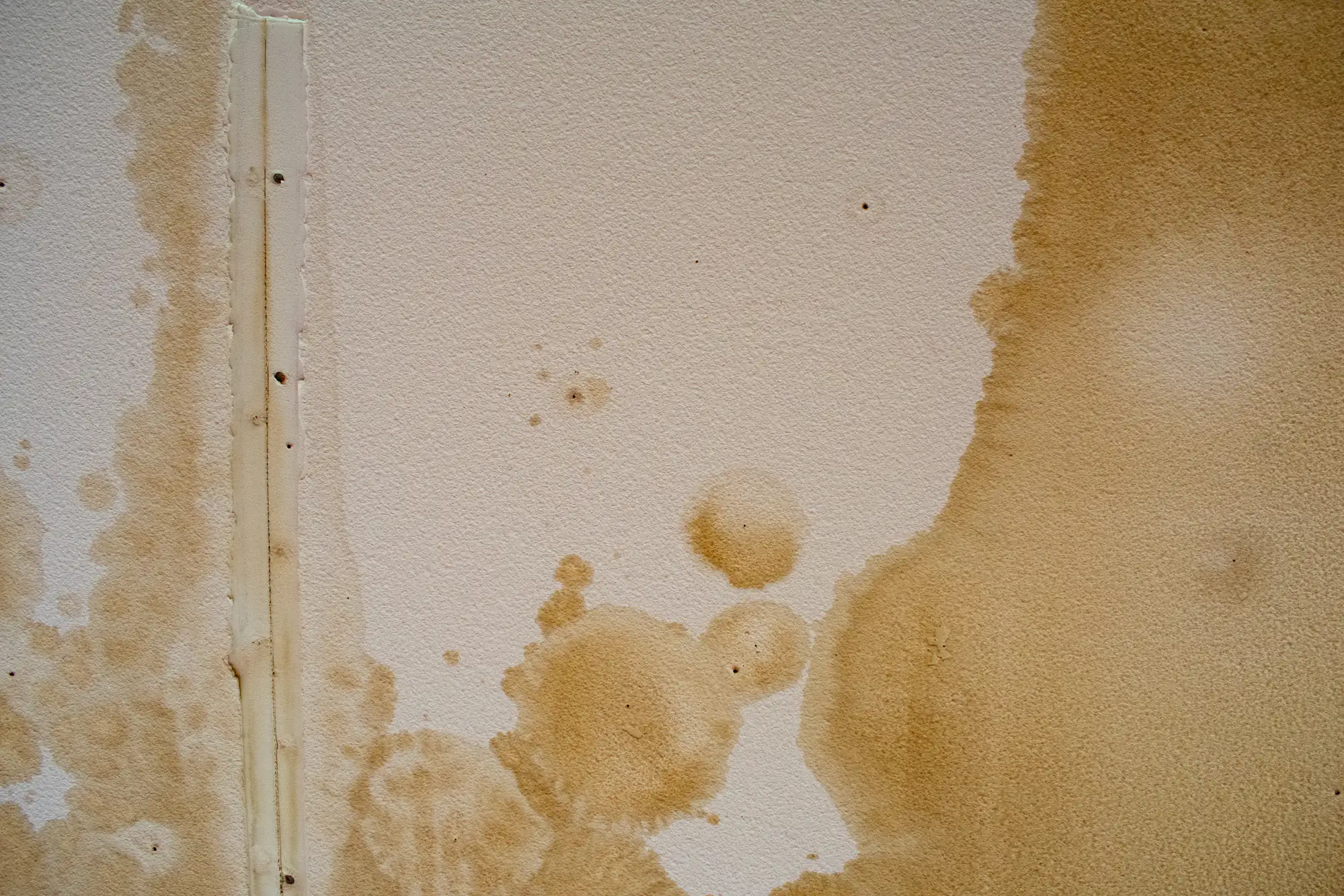
Here’s why it matters in North Bellport: you’re close to the water, which means higher baseline humidity year-round. Standard drywall in a bathroom or basement will absorb moisture over time, leading to sagging, mold growth behind the walls, and joint compound that separates from the paper facing. You’ll see it as bubbling paint, soft spots in the wall, or that musty smell that tells you something’s growing where it shouldn’t.
Moisture-resistant sheetrock doesn’t make your space waterproof—you still need proper ventilation, exhaust fans, and good building practices. But it gives you a buffer against the humidity that’s unavoidable in coastal Long Island homes. If you’re finishing a basement, installing a bathroom, or renovating a kitchen, this is the right material. If your contractor isn’t recommending it for those spaces, that’s a red flag about whether they understand how buildings perform in this climate.
It depends on how extensive the damage is and whether the source of the water is fixed. Small areas—less than a few square feet—can often be cut out and patched if the surrounding drywall is still solid and dry. Larger sections or areas where the drywall has been saturated multiple times need full replacement because the structural integrity is compromised and mold is likely growing inside the wall cavity.
Here’s what we look at during an assessment: if the drywall is soft, sagging, or crumbling when you touch it, it’s toast. If there’s visible mold on the surface, there’s definitely mold behind it. If the paper facing is separating from the gypsum core or the board is discolored and stained, replacement is the right call. Trying to patch over seriously damaged drywall is throwing money away—it won’t hold paint, it’ll keep deteriorating, and you’re leaving mold to spread behind your walls.
Before any repair or replacement happens, the water source has to be fixed. Roof leak, plumbing issue, foundation seepage, condensation problem—whatever caused the damage has to be resolved or you’re just going to damage the new drywall. We’ll tell you honestly whether a patch will hold or whether you need to replace sections. We’re not interested in doing a repair that fails in six months and makes us look bad.
New York doesn’t require a specific license just for drywall installation, but you absolutely want a licensed, insured contractor handling your project. Here’s why: if someone gets hurt on your property and they’re not insured, you’re liable. If they damage your home and they’re not insured, you’re paying to fix it. If the work is substandard and they’re not a legitimate business, you have zero recourse.
A licensed contractor carries general liability insurance and workers’ compensation coverage. That protects you if something goes wrong. They pull permits when required, which means the work gets inspected and has to meet code. They have a business reputation to protect, which means they’re more likely to stand behind their work if there’s an issue after the job is done.
You’ll find plenty of people willing to hang drywall for cash at a lower rate. Some of them do decent work. Many don’t. And when you’re dealing with someone operating off the books, you have no leverage if they disappear halfway through, do shoddy work, or damage your property. We’ve repaired enough of those jobs to tell you the “savings” aren’t worth it. You’re hiring us because we’re licensed, insured, and we’ve been doing this long enough in Suffolk County that our reputation matters more than any single job.
Drywall cracks happen for a few reasons: house settling, temperature and humidity fluctuations, improper installation, or using low-quality joint compound that shrinks excessively as it dries. In North Bellport and across Long Island, settling is common because of sandy soil conditions. Your house shifts slightly over time, and that movement shows up as cracks along seams, corners, and around door frames.
You can’t stop a house from settling, but you can minimize cracking with proper installation techniques. That means using the right fastener spacing so the drywall is secured evenly without over-driving screws that break the paper facing. It means applying joint compound in multiple thin coats rather than one thick coat that shrinks and cracks as it dries. It means using quality mesh tape or paper tape at seams and corners—not skipping tape entirely or using cheap products that don’t bond properly.
Temperature swings matter more than most people realize, especially in attics and garages that aren’t climate-controlled. Drywall expands and contracts with temperature changes. If it’s installed too tightly or the seams aren’t finished with enough flexibility built in, you’ll see cracks develop along those stress points. We account for that during installation. We also use professional-grade joint compound that’s formulated to minimize shrinkage, not the contractor-grade stuff that’s cheaper but performs worse. If you’re seeing cracks in relatively new drywall, it’s usually because the installation was rushed or the materials were subpar.
Other Services we provide in North Bellport