
Hear from Our Customers
You’re not looking for the cheapest bid. You’re looking for someone who shows up on time, does the work correctly, and leaves your home cleaner than most contractors would.
Sheetrock installation sounds simple until you’ve seen it done poorly. Visible seams that catch the light. Corners that don’t line up. Tape that bubbles after the first humid summer. You’ve probably seen it in other homes, maybe even your own.
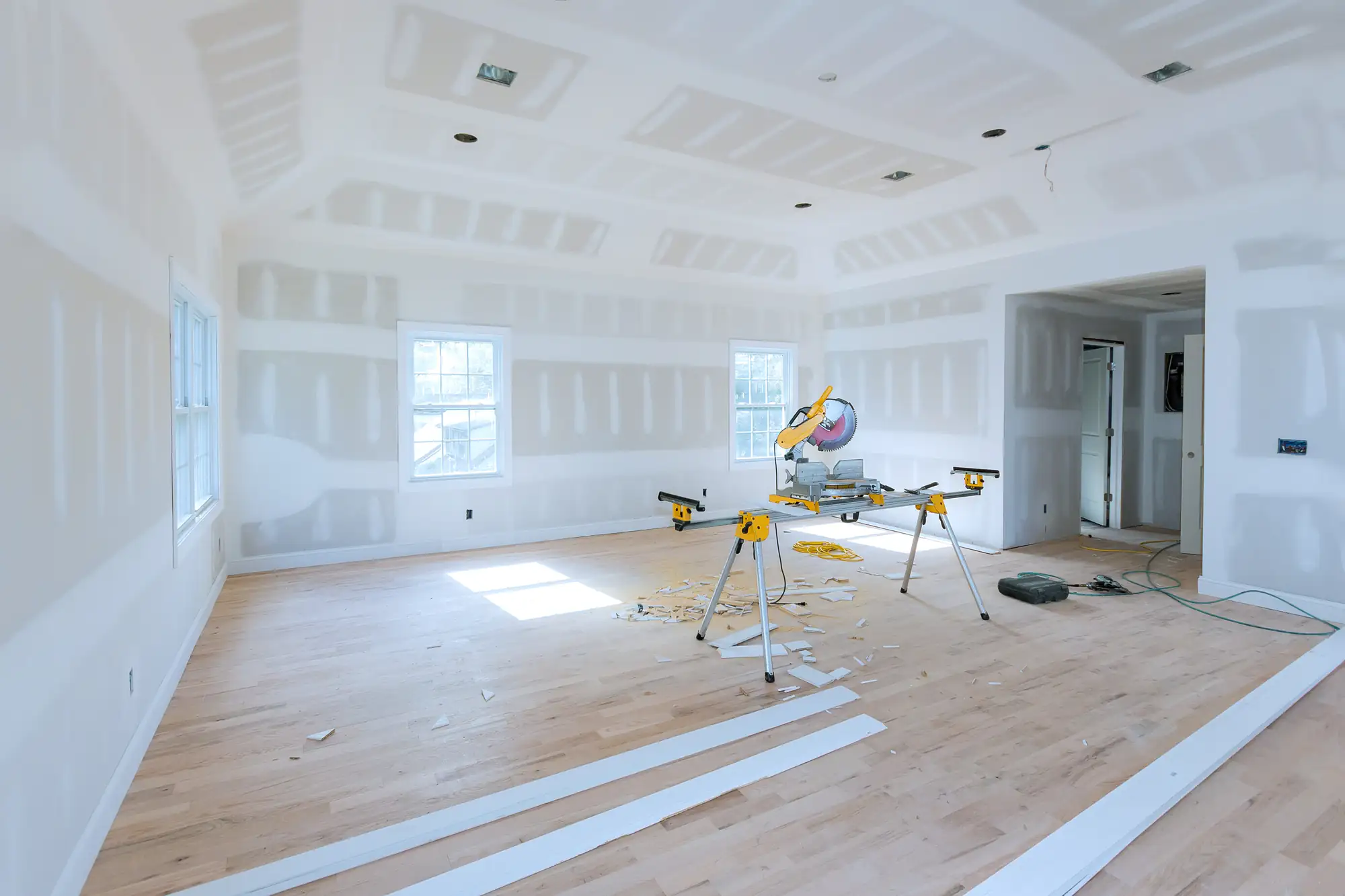
What you actually need is someone who understands that your North Great River home—whether it’s a renovation on a 1950s colonial or finishing a new basement—requires more than slapping up panels and calling it done. You need proper taping, multiple coats of compound applied correctly, and finishing work that disappears under paint. The kind of installation that adds value to a $700K property instead of becoming another item on your repair list.
We’ve been doing this work in North Great River and throughout Suffolk County for almost ten years. Not as a side business or a crew that disappears after the deposit clears—as a licensed, insured contractor who answers the phone and shows up when we say we will.
Most of our work comes from homeowners who got burned by the last guy. Someone who bid low, did sloppy work, or left the job half-finished. We’re not interested in being that contractor.
You’ll work directly with people who’ve installed and repaired sheetrock in hundreds of Long Island homes. We know the building codes, the local inspectors, and what it takes to handle the moisture challenges that come with living this close to the Connetquot River. Your home isn’t our training ground.
First, we look at your space and give you a real number. Not a lowball estimate that magically increases once we start. We measure the square footage, assess the condition of your existing walls or framing, and tell you what the job actually costs—including materials, labor, and any prep work that needs to happen first.
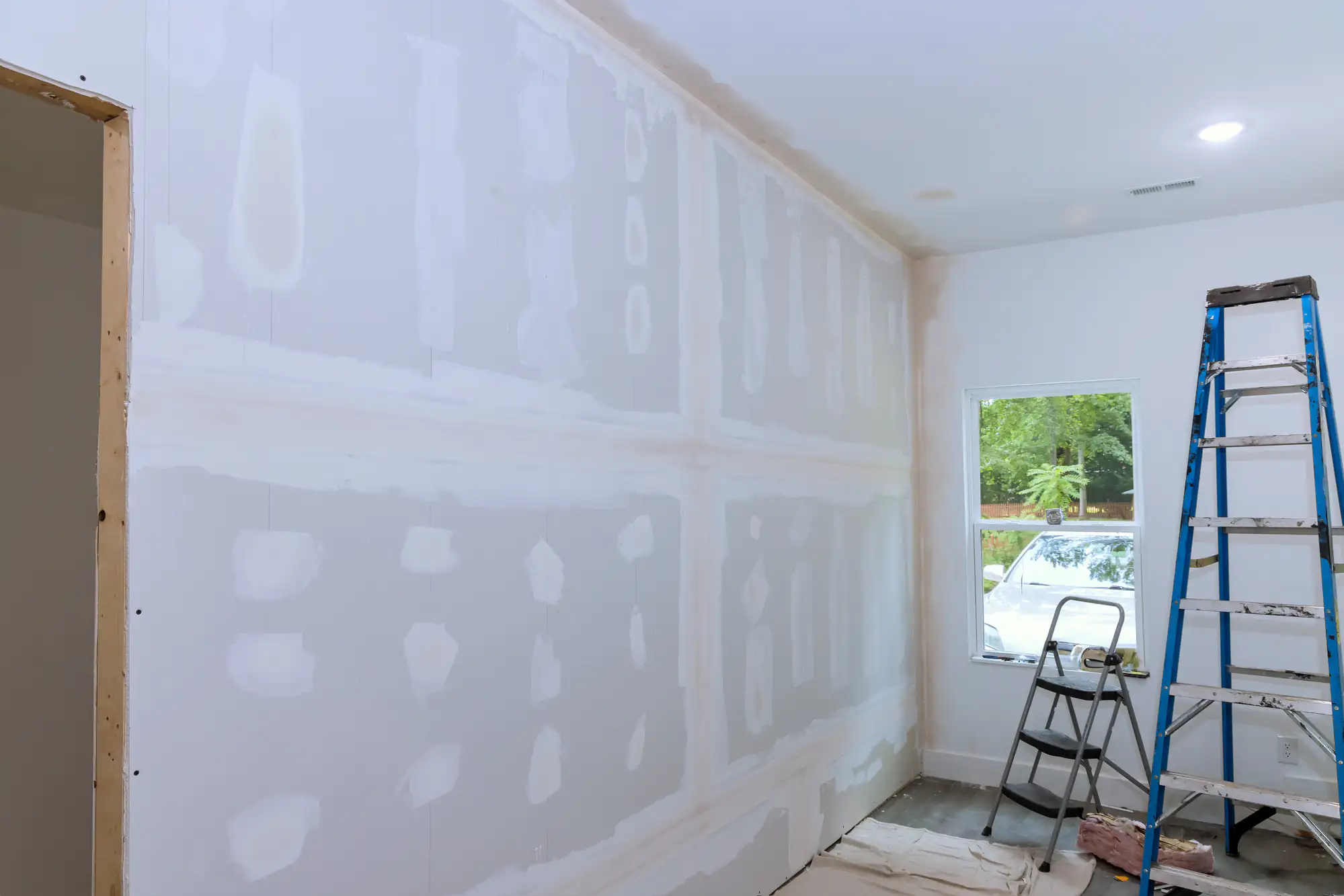
Once you’re ready to move forward, we schedule the work around your life, not ours. We protect your floors and furniture, hang the sheetrock sheets, and handle all the taping and mudding that most people underestimate. This is where experience matters: proper taping technique, the right drywall taping compound for each coat, and enough drying time between applications. Rushing this phase is how you end up with cracks and visible seams six months later.
After the final coat is sanded smooth, we clean up the dust—and there will be dust, but we contain it and remove it. You’re left with walls ready for primer and paint. If you need those services too, we handle that. If you’re using your own painter, they’ll actually appreciate the surface we leave them. The whole process typically takes a few days to a week depending on the size of the room and how many coats the finish requires.
Ready to get started?
You get full sheetrock installation—hanging, taping, mudding, and finishing to a smooth, paint-ready surface. We handle everything from small drywall repair jobs (fixing holes, cracks, or water damage) to complete room installations and basement finishing projects.
For North Great River homeowners, this often means working with older homes built between the 1940s and 1960s. These properties have character, but they also have plaster walls that are cracking, outdated materials, or rooms that need updating to match the rest of the house. We remove old materials when necessary, install moisture-resistant drywall in bathrooms and basements, and make sure everything is level and square—even when your existing walls aren’t.
The current cost for professional sheetrock installation in Suffolk County runs between $2.25 and $3.50 per square foot installed, depending on ceiling height, access, and finish level. A standard 12×12 room typically costs $750 to $1,750 for complete installation and finishing. We give you transparent pricing upfront, so you know exactly what you’re paying for. No surprise change orders unless you change the scope.
With the labor shortage affecting every contractor on Long Island right now, finding reliable crews is harder than it used to be. That’s exactly why homeowners in North Great River keep our number—we’re here, we’re licensed, and we show up.
A single room usually takes three to five days from start to finish, but that timeline depends on the size of the space and the level of finish you need.
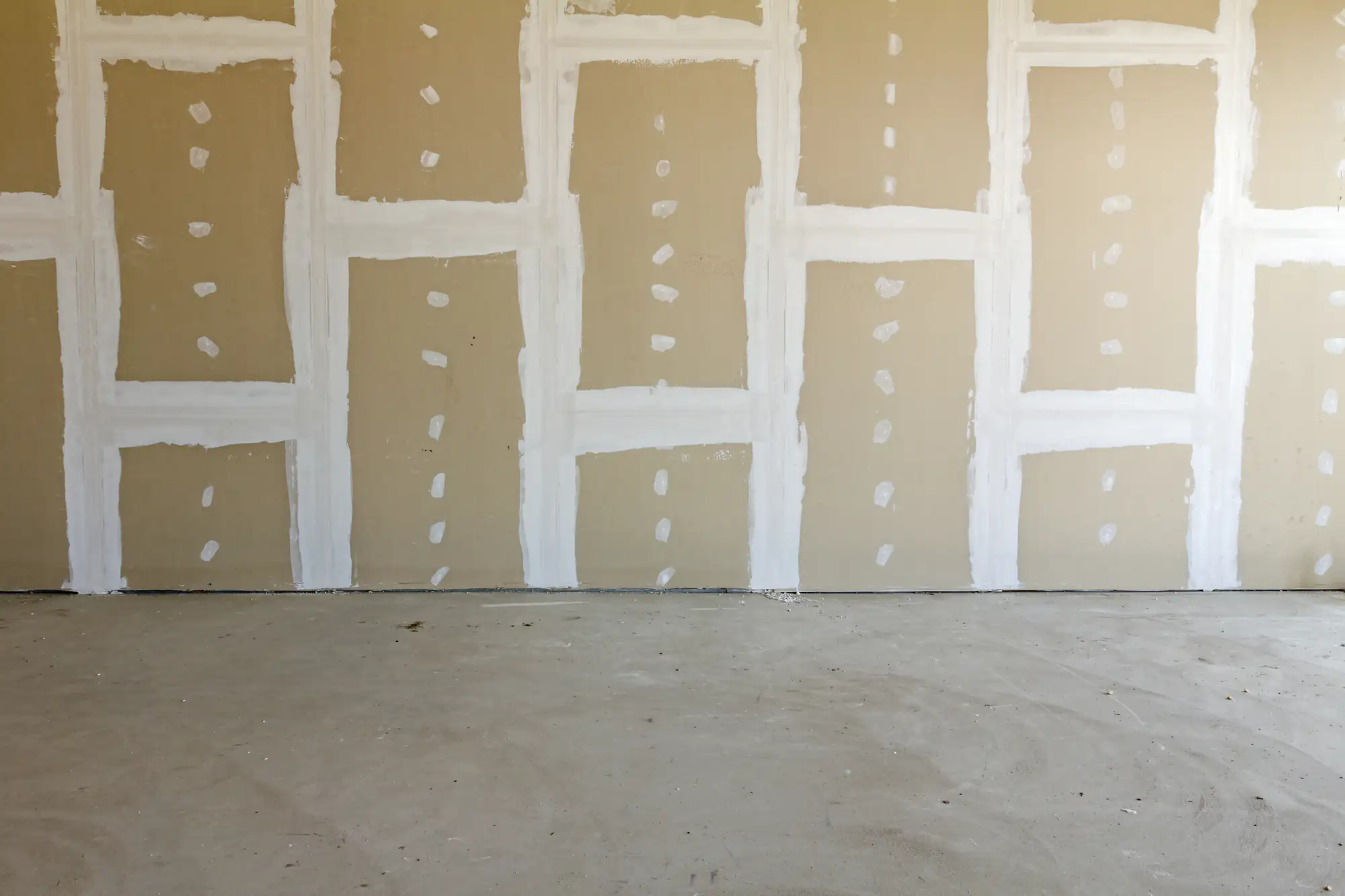
Here’s the breakdown: hanging the sheetrock sheets takes a day, sometimes less. Then comes taping and the first coat of joint compound—that’s another day. Each subsequent coat needs 24 hours to dry properly before we can sand and apply the next one. Most projects require three coats minimum for a smooth finish. Rushing the drying time is how you end up with cracks and imperfections that show through paint.
If you’re doing multiple rooms, a basement, or commercial drywall installation, add time accordingly. We’ll give you a realistic schedule during the estimate, and we stick to it. The worst thing we could do is tell you three days and still be there a week later.
The finish level determines how smooth your walls look under paint and lighting, and it directly affects your final cost.
Level 3 is basic: joints and fasteners are covered with compound, but the surface isn’t perfectly smooth. This works for areas that will have heavy texture or aren’t highly visible. Level 4 is standard for most homes—joints are taped and coated enough that they won’t show through flat or eggshell paint under normal lighting. This is what most North Great River homeowners choose for living spaces.
Level 5 is the smoothest finish available. We apply a skim coat over the entire surface, not just the seams. You need this if you’re using flat paint, if you have large windows that create harsh lighting angles, or if you just want walls that look absolutely perfect. It costs more because it’s more labor-intensive, but it’s worth it in high-end homes where every detail matters.
Use moisture-resistant drywall (green board or purple board) in any space that gets consistently humid: bathrooms, laundry rooms, basements, and sometimes kitchens.
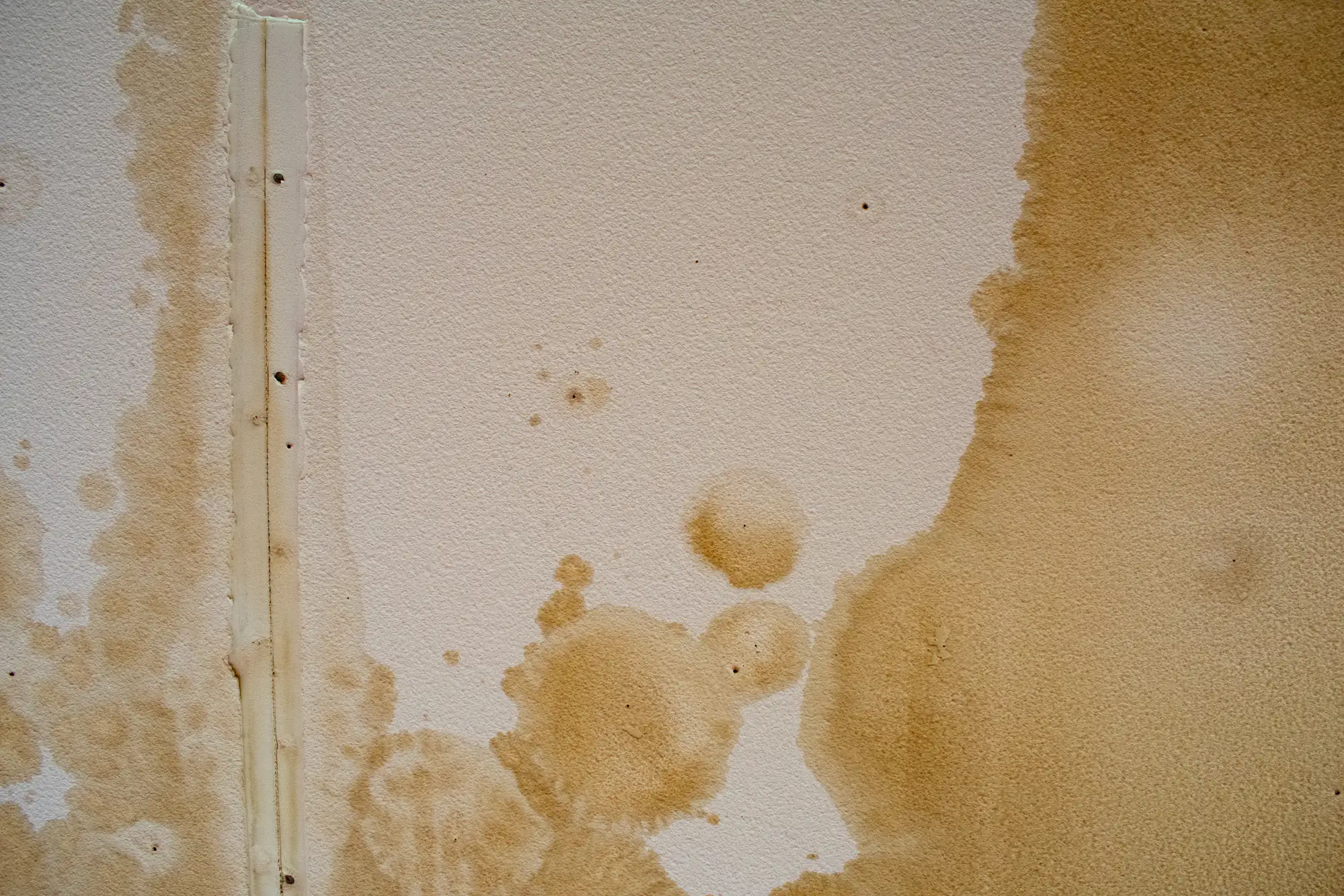
Regular drywall is made of gypsum sandwiched between paper. When that paper gets wet repeatedly, it becomes a breeding ground for mold. Moisture-resistant drywall has a coating that resists water absorption and mold growth. It costs slightly more—usually an extra $2-6 per sheet—but it’s cheap insurance against problems that cost thousands to fix later.
In North Great River, we’re close enough to the water that basements and crawl spaces see humidity even in well-maintained homes. If you’re finishing a basement or renovating a bathroom, moisture-resistant drywall isn’t optional. It’s the smart choice. And if you’ve had water damage before, we need to address the source of that moisture before installing any new sheetrock, or you’ll be replacing it again in a few years.
Yes, but matching existing texture is more art than science, and it takes experience to get it right.
If you’re repairing a section of wall or adding new sheetrock in a room with textured walls, we need to replicate that texture so the repair blends in. Orange peel, knockdown, skip trowel—each texture requires specific tools and techniques. We keep samples of common textures and can usually match what’s already there.
The challenge comes with older homes where the original texture was applied decades ago and has settled or been painted over multiple times. Sometimes we can match it perfectly. Sometimes we get it close enough that you’d never notice unless you were looking for it. And occasionally, the best solution is to skim coat the entire wall smooth and start fresh. We’ll be honest about what’s possible during the estimate, and we’ll test the texture in an inconspicuous spot before doing the whole wall.
Small repairs—fixing a hole from a doorknob, patching a crack, or replacing a damaged section—typically cost $150 to $400 depending on size and location.
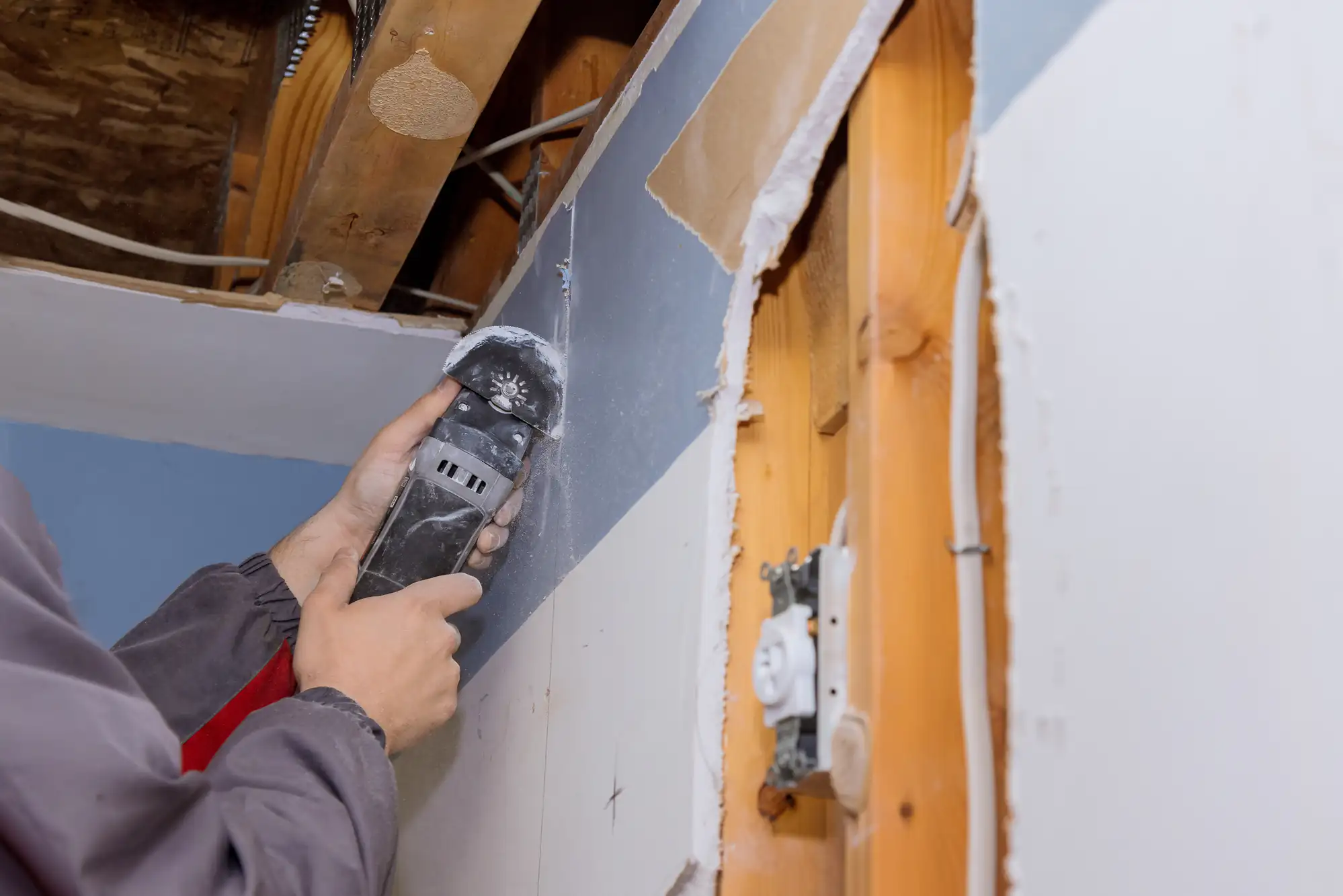
If you’ve got a few small holes or cracks, we can usually fix them in a few hours. Cut out the damaged area, install a patch, tape and mud it smooth, then sand and prime. The work itself isn’t complicated, but doing it right so the repair is invisible takes skill. A lot of homeowners try this themselves, realize how tedious the taping and sanding is, and call us to fix their fix.
Larger repairs—like replacing sheetrock after water damage, removing and replacing entire walls, or fixing major cracks throughout a room—start to approach the cost of new installation. At that point, you’re paying for similar labor, just with the added complexity of working around existing structures. We’ll always tell you honestly whether repair makes sense or whether you’re better off replacing the whole section. There’s no point in spending $600 to patch a wall that needs $800 worth of work to actually fix the underlying problem.
It depends on the scope of work, but generally, you don’t need a permit just to replace existing sheetrock. You do need permits if you’re changing the structure, adding rooms, or finishing a basement.
If we’re simply removing old drywall and installing new sheetrock in the same locations—like renovating a bedroom or repairing walls after a leak—that’s typically considered maintenance and doesn’t require a permit in most Suffolk County towns. But if you’re finishing a previously unfinished basement, converting a garage, or moving walls, you’ll need permits and inspections.
We handle this kind of work regularly and know what triggers permit requirements in North Great River and surrounding areas. If your project needs permits, we’ll tell you upfront and help coordinate the inspections. If it doesn’t, we won’t invent reasons to complicate the process. The last thing you need is to pay for unnecessary permits or, worse, skip required ones and have issues when you sell your home. We keep everything above board so you don’t have problems down the road.