
Hear from Our Customers
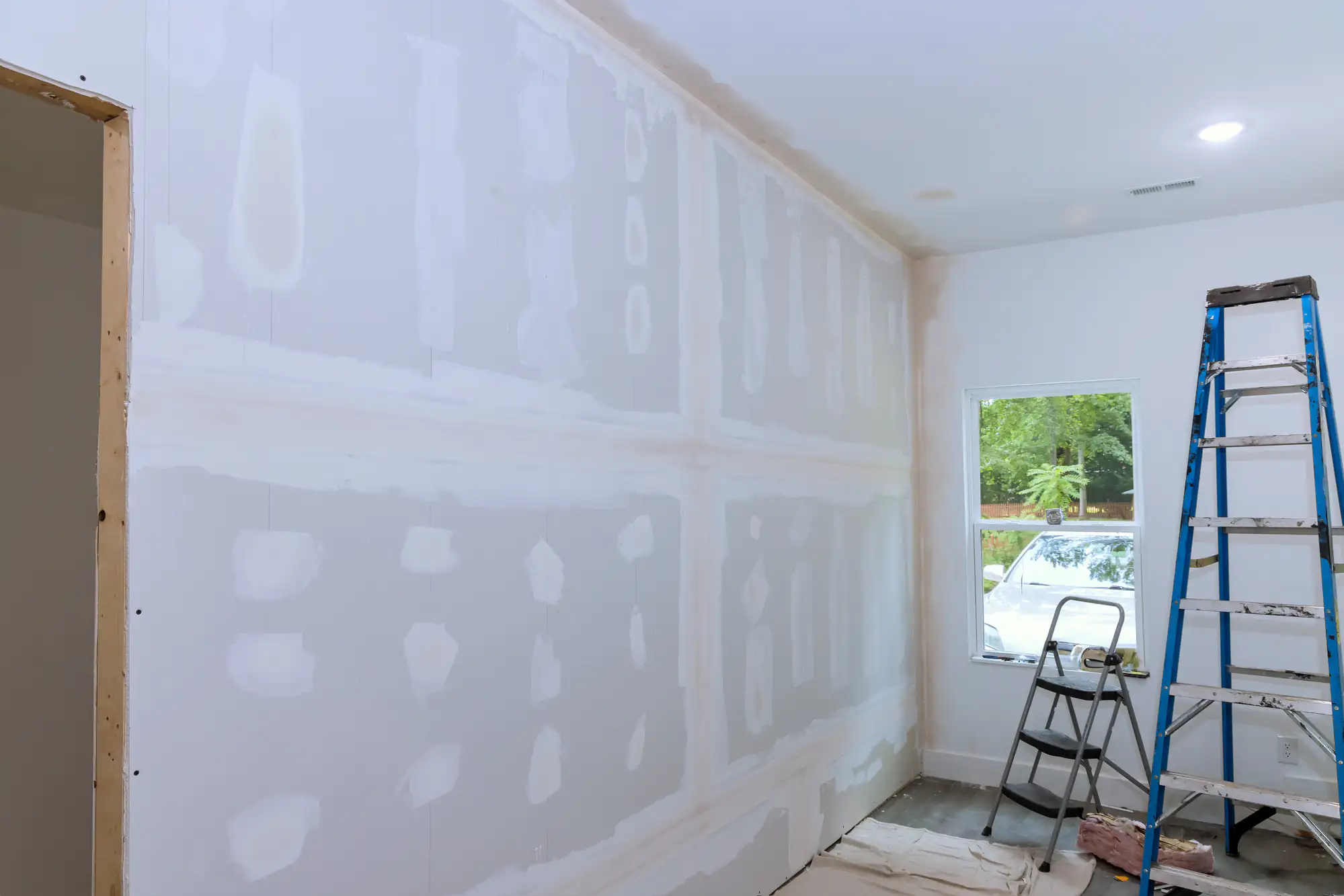
You get walls that are smooth enough to paint without second-guessing. No visible seams, no cracks showing up three months later, no texture that looks different from the rest of your house.
The difference shows up when your painter doesn’t have to fix our work first. It shows up when you’re not calling someone back to patch the same spot twice. And it definitely shows up when you’re not dealing with drywall dust covering your furniture for a week after we leave.
We use dustless sanding equipment and drop cloths because your time matters. A standard room takes us one to two days for installation, then another two to three for finishing and final prep. That’s not rushing—it’s knowing exactly what we’re doing and doing it without cutting corners.
You’re hiring a sheetrock contractor because you want it handled correctly. That means matching your existing texture, getting corners square, and leaving you with walls that are ready for whatever comes next—whether that’s paint, wallpaper, or just enjoying a room that finally looks finished.
We’ve been handling sheetrock installation and repair throughout Port Jefferson Station, NY and Suffolk County since 2016. We’re not subbing out the work or sending different crews every time—it’s the same hands doing the taping, mudding, and finishing from start to finish.
Port Jefferson Station, NY homes have their quirks. Older properties often mean matching textures that haven’t been standard in years. Newer construction means working around tight timelines and coordinating with other trades. We’ve done both enough times to know what actually works.
We’re licensed and insured, and we’ve built our reputation on being the contractor who shows up when we say we will, does what we said we’d do, and leaves your house cleaner than most people expect. That’s not a sales pitch—it’s just how we operate.
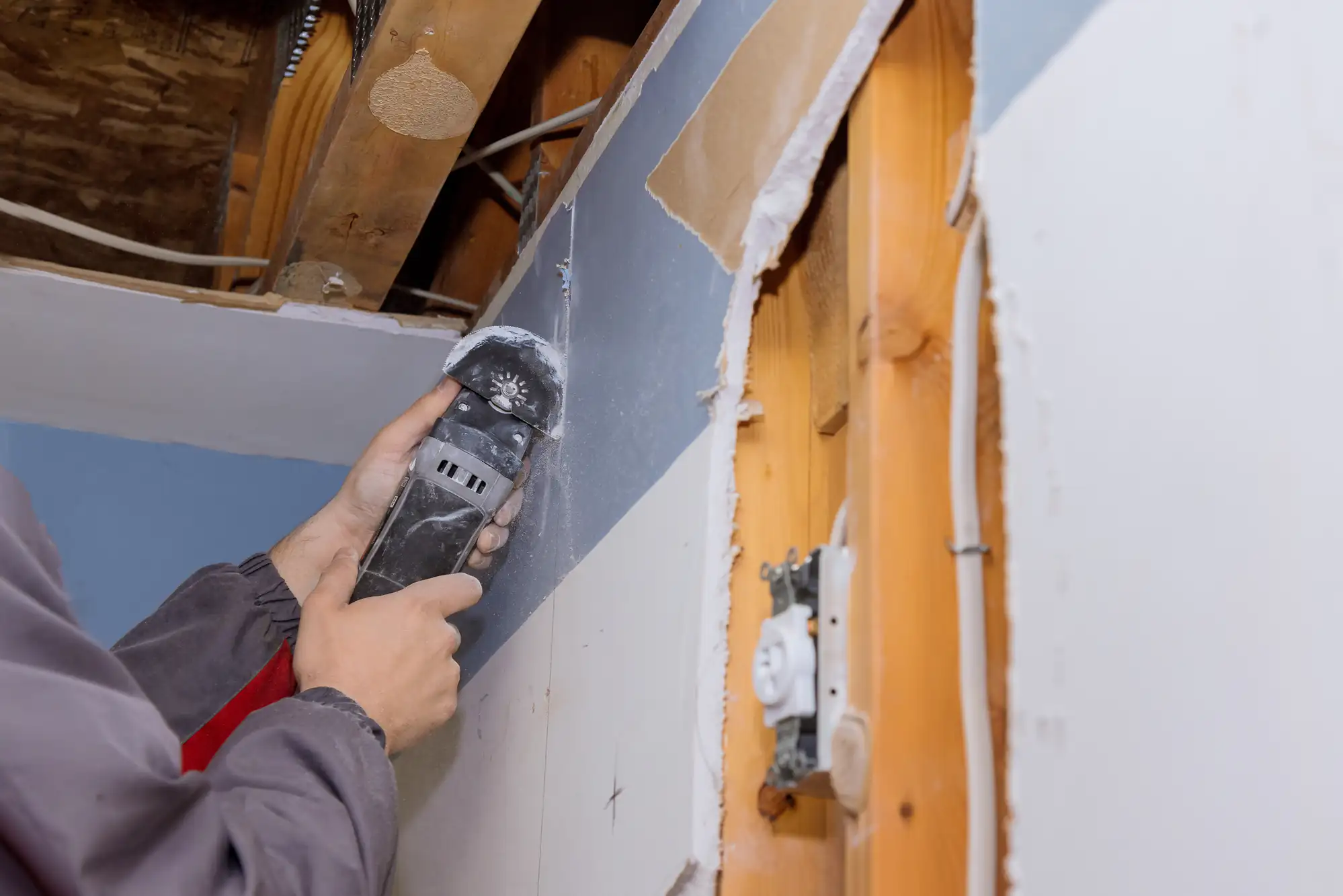
First, we protect your floors and furniture with drop cloths. If we’re doing installation, we measure and cut sheetrock sheets to fit your space, then secure them to studs using the right fastener spacing. Corners get reinforced with metal beading so they stay sharp and don’t crack over time.
Next comes taping—we embed paper tape in joint compound along every seam, then apply multiple coats of mud. Each coat gets wider and thinner than the last. That’s what makes seams disappear instead of just looking covered up.
Sanding happens with a vacuum attachment that catches dust before it goes airborne. We’re not perfect—some dust still escapes—but it’s nowhere near the mess that comes from traditional sanding methods. After sanding, we do a final check with a work light held at an angle to catch any imperfections.
The last step is priming, which we can handle or leave for your painter depending on what makes sense for your project. Either way, you’re getting walls that are smooth, square, and ready for the next phase without needing extra prep work.
Ready to get started?
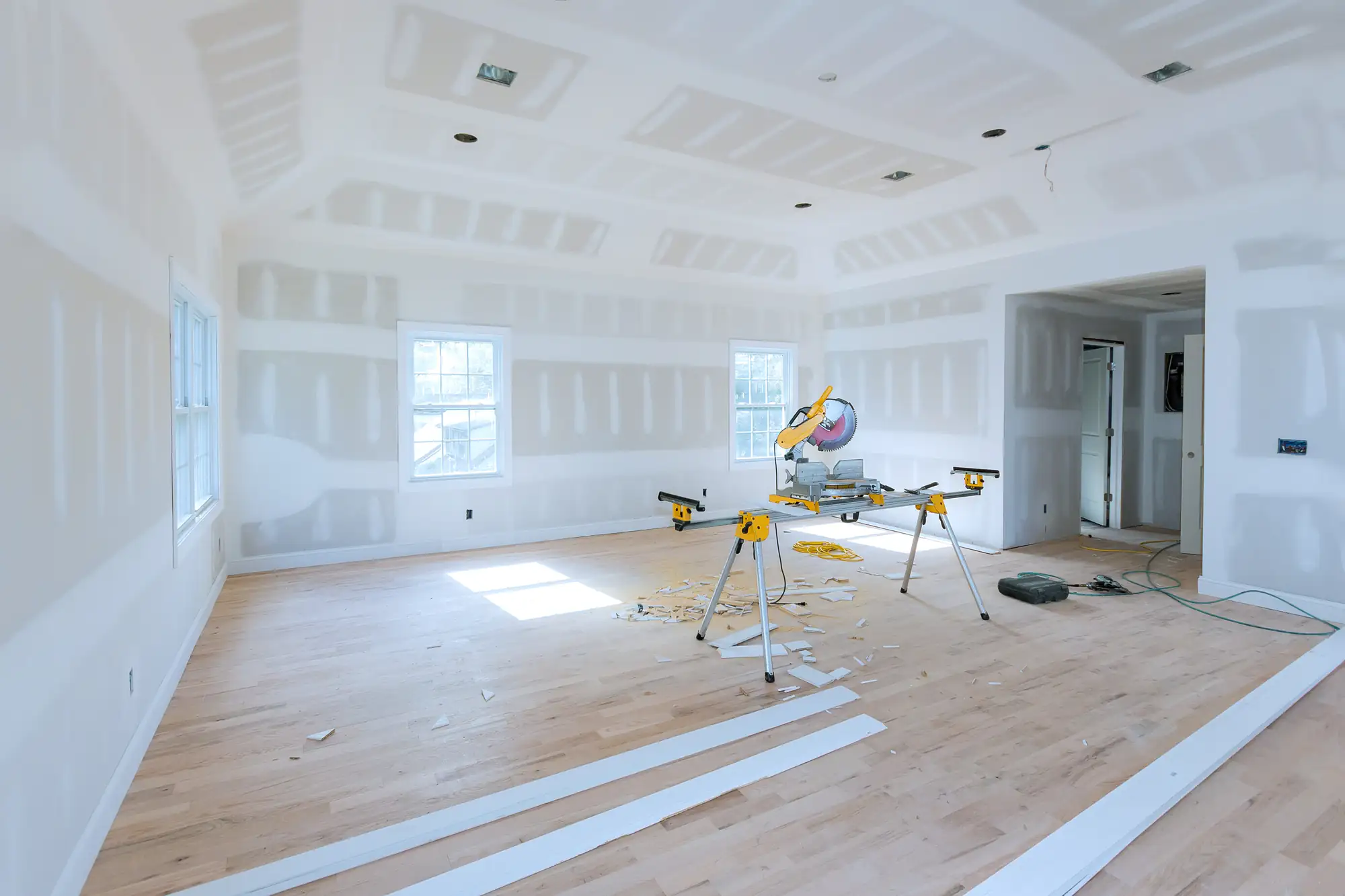
We handle full room installations for basements, and remodels. That includes hanging sheetrock sheets, taping all seams, applying multiple coats of joint compound, sanding to a smooth finish, and getting everything paint-ready. We also handle ceiling work, which takes more time because of the overhead positioning but follows the same quality standards.
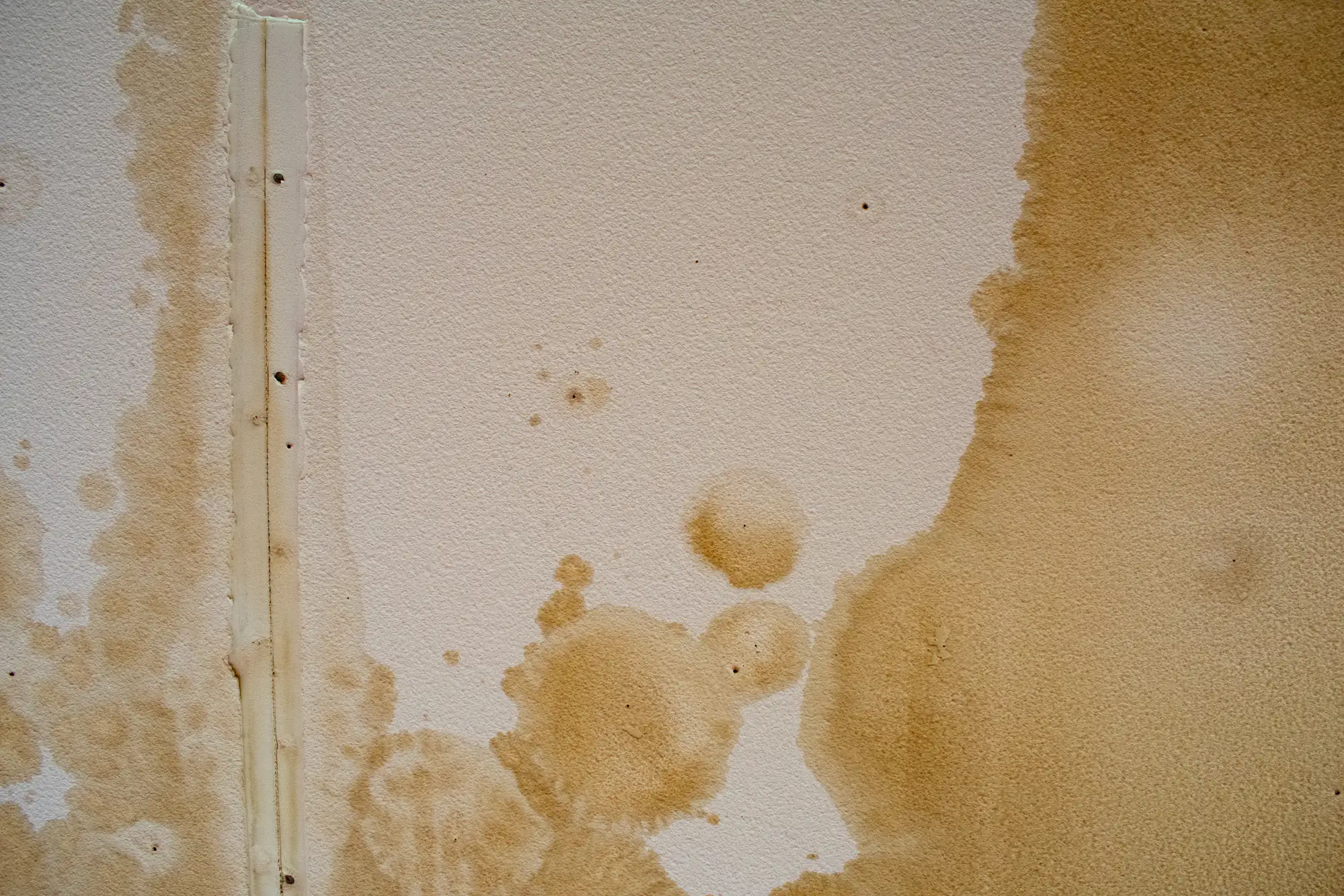
For repairs, we’re fixing holes from doorknobs, water damage, cracks from settling, and botched DIY attempts. Small repairs might take an hour or two. Larger sections—especially if there’s water damage that compromised the structure behind the drywall—can take a full day or more once you factor in drying time between coats.
Suffolk County homes, especially in Port Jefferson Station, NY, often need texture matching. If your walls have knockdown, orange peel, or skip trowel texture, we replicate it so the repair blends in. That’s not a separate service—it’s just part of doing the repair correctly.
We’re also working on commercial projects and handling drywall installation for contractors who need reliable subcontracting. The process is the same whether it’s your living room or a multi-unit property—professional-grade materials, proven techniques, and results that last.
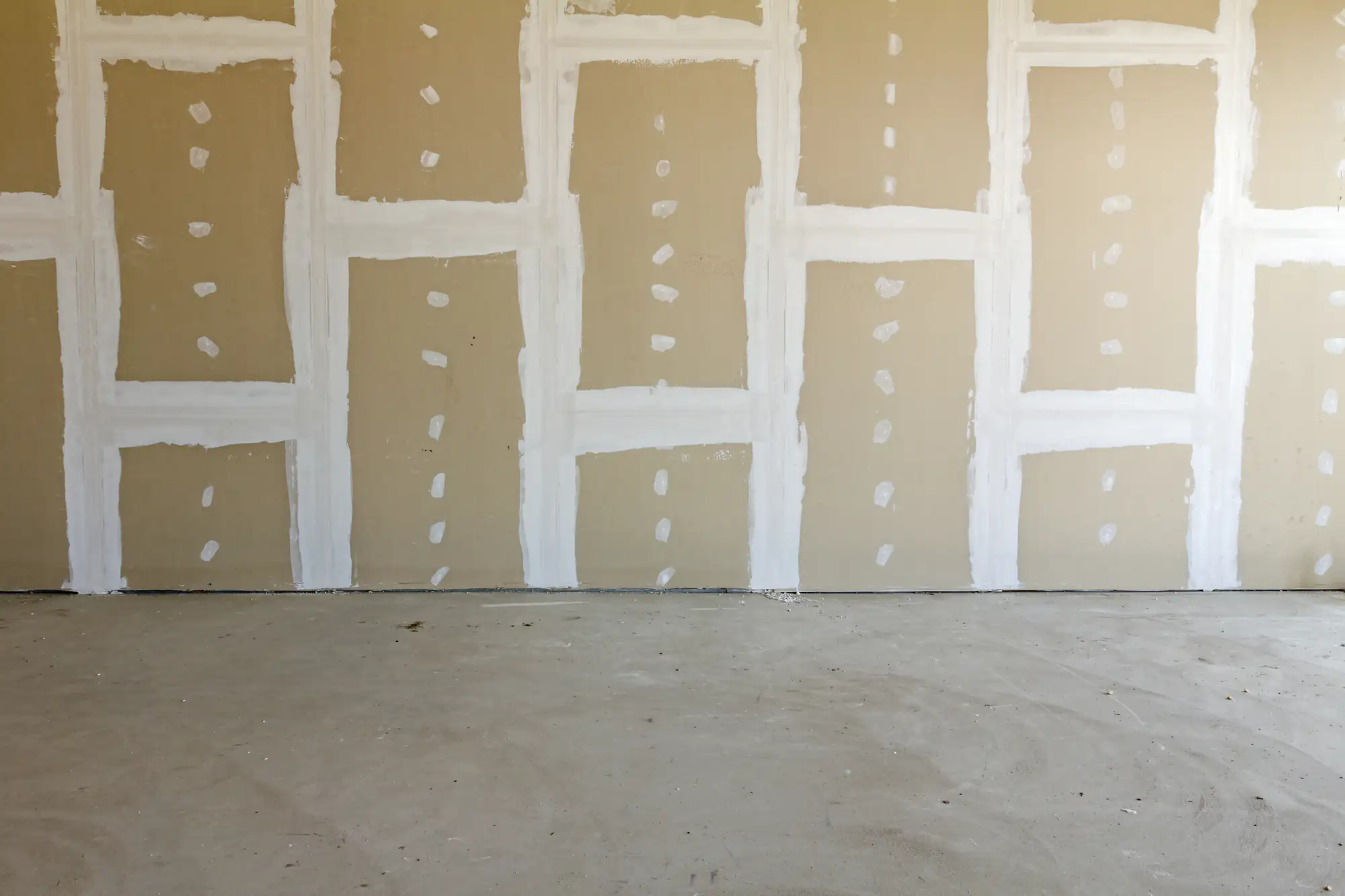
Cost depends on the size of your project and what condition we’re starting from. A typical 2,000-square-foot home using standard half-inch drywall runs between $16,000 and $18,000 for full installation and finishing. That’s using 4×10 sheets at roughly $80 to $90 per board, plus labor for hanging, taping, mudding, and sanding.
Smaller projects cost less but don’t scale down proportionally because setup and finishing still take time. A single room might run $1,500 to $3,000 depending on size and ceiling height. Repairs are usually $75 to $150 for small holes, more if we’re dealing with water damage or structural issues that need addressing before we even touch the drywall.
We give you a clear estimate upfront based on what we see. No hidden fees for materials you didn’t know you needed, no surprise charges for “extra coats” that should’ve been included from the start. You’ll know what it costs before we start, and that number doesn’t change unless the scope of work changes.
A standard bedroom takes one to two days for installation—that’s measuring, cutting, and hanging all the sheets. Finishing adds another two to three days because joint compound needs to dry between coats. Rushing that process gives you cracks and visible seams, so we don’t.
Larger projects like full basements or whole-home installations take longer, but the per-room timeline stays consistent. If we’re doing multiple rooms, we can stagger the work so one room is drying while we’re hanging another. That keeps the project moving without sacrificing quality.
Repairs are faster—small holes might be done in a few hours, though you’ll still need to wait for mud to dry before painting. Bigger repairs, especially ones involving water damage, take longer because we need to make sure the structure behind the drywall is solid and dry before we close it back up.
Weather and humidity affect drying time, especially in summer when we’re running dehumidifiers to speed things up. We’ll give you a realistic timeline when we look at your project, and we stick to it unless something unexpected shows up behind the walls.
Nothing. Sheetrock is a brand name that became the common term, like Kleenex for tissues. Drywall, gypsum board, wallboard—they’re all the same product. It’s gypsum plaster pressed between two sheets of heavy paper, cut into 4-foot-wide panels that come in different lengths.
The actual product matters more than what you call it. Standard half-inch drywall works for most walls. Five-eighths-inch is better for ceilings and fire-rated applications. Moisture-resistant (green board) or mold-resistant (purple board) makes sense for bathrooms and basements where humidity is higher.
We use the right type for your specific application. That’s not upselling—it’s using materials that’ll perform correctly in your space. A basement finished with standard drywall is going to have problems. A bathroom without moisture-resistant board is asking for trouble down the line.
When you’re comparing quotes from different contractors, make sure you’re comparing the same materials and the same scope of work. The cheapest bid might be using thinner drywall or skipping moisture barriers that should be there.
Yes. Matching texture is part of doing a repair correctly, not an extra service. If your walls have knockdown, orange peel, skip trowel, or any other texture, we replicate it so the repair blends in with the surrounding area.
That said, older textures can be harder to match perfectly because application techniques and materials have changed over the years. We get it as close as possible, and in most cases, you won’t be able to tell where the repair is once it’s painted. If your texture is particularly unusual or hasn’t been used in decades, we’ll tell you upfront what to expect.
For larger repairs or full room installations, you might want to consider retexturing the entire wall or room so everything matches perfectly. That adds time and cost, but it eliminates any chance of seeing a difference between old and new sections.
We always do a test spot before finishing the whole repair. That way you can see how it looks and we can adjust if needed. No surprises after the work is done and painted.
We do, but water damage isn’t just a drywall problem—it’s a structural and moisture problem that needs addressing first. If your drywall is bubbling, sagging, or showing mold growth, the issue is what’s behind it, not just the surface you’re seeing.
We’ll cut out the damaged section and check the framing, insulation, and anything else that got wet. If there’s mold, that needs remediation before we close anything back up. If the framing is compromised, that needs repair or replacement. Covering up a moisture problem with new drywall just means you’ll be calling someone back in six months when it fails again.
Once the underlying issue is fixed and everything is dry, we replace the damaged drywall, tape and mud the seams, match your texture, and get it ready for paint. The repair itself is straightforward—it’s diagnosing and fixing the cause that takes experience.
We’re honest about what we find. If the damage is more extensive than it looked initially, we’ll explain what needs to happen and why. You’ll never get a bill for work we didn’t discuss with you first.
You can absolutely hang drywall yourself if you’ve got the time, tools, and patience to learn through trial and error. Plenty of people do. The question is whether the result will look professional or just “good enough,” and whether you want to spend your weekends doing something that we can finish in a fraction of the time.
The hardest part isn’t hanging the sheets—it’s the finishing. Getting seams to disappear, corners to stay sharp, and surfaces smooth enough that imperfections don’t show through paint takes practice. Most DIY jobs look fine until the paint goes on, and then every uneven spot and visible seam becomes obvious.
We’ve been doing this for nearly a decade. We know how much mud to use, how to feather edges so they blend, and how to sand without creating new problems. We’ve also got the tools that make the job cleaner and faster—dustless sanders, automatic tapers, stilts for ceiling work.
If you’re doing a small repair and you’re comfortable with the learning curve, go for it. If you’re finishing a basement, adding a room, or dealing with damage that needs to look right, hiring someone who does this every day makes more sense. You’ll get better results in less time, and you won’t be spending your free time covered in drywall dust.
Other Services we provide in Port Jefferson Station