
Hear from Our Customers
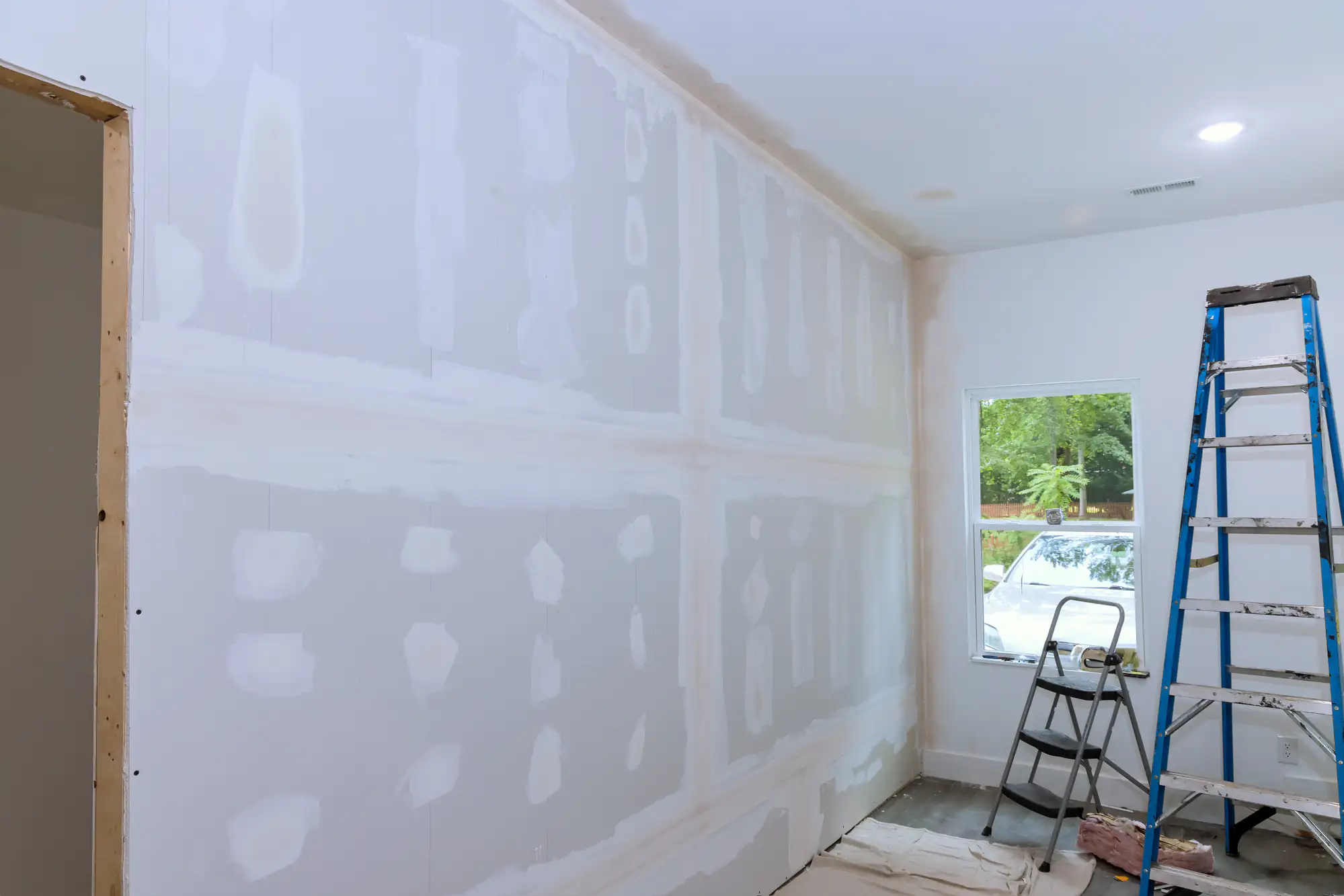
When your walls are finished correctly, you stop noticing them. No visible seams. No cracks showing up six months later. Just smooth, paintable surfaces that look like they belong in your home.
That’s what happens when someone takes the time to tape, mud, and sand properly. You get walls that don’t need touch-ups every year. You avoid the frustration of hiring someone twice because the first guy rushed through it.
Good sheetrock work also means your home value holds. Buyers notice sloppy drywall during inspections. They use it to negotiate down. Clean, professional installation keeps that from happening.
We’ve been working in West Bay Shore and throughout Suffolk County for almost ten years. We’ve seen what happens when contractors cut corners—and we’ve fixed plenty of it.
We’re a family-owned operation, which means you’re not getting a different crew every week. The people who quote your job are the same ones doing the work. No subcontractors. No bait-and-switch pricing.
West Bay Shore homes come with their own quirks—older construction, humidity from being near the water, settling that shows up in drywall over time. We know how to work with it, not against it.
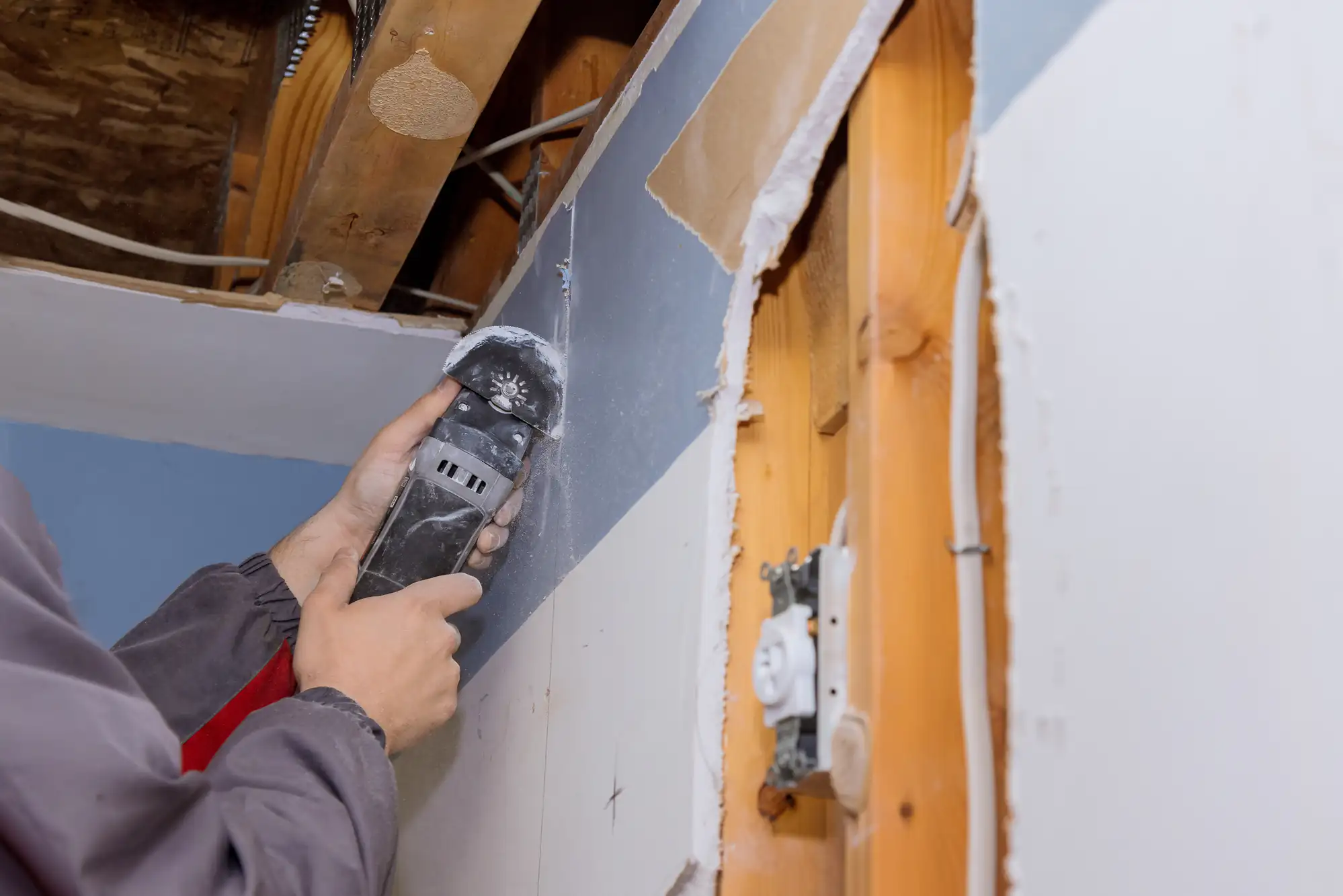
First, we walk through your space and look at what needs to be done. If it’s new installation, we measure and plan the layout to minimize seams. If it’s repair work, we assess the damage and explain what’s causing it—not just what it looks like on the surface.
Then we prep. That means protecting your floors and furniture, cutting sheets to fit your space, and making sure everything’s square before we hang anything. Drywall that’s hung poorly never finishes well, no matter how much mud you throw at it.
After the sheets are up, we tape the seams and apply joint compound in layers. Each layer gets sanded smooth before the next one goes on. This is where most contractors rush. We don’t. The difference shows up when you paint.
Once everything’s sanded and primed, you’re left with walls that are ready for whatever comes next—paint, wallpaper, or just living in a space that finally feels finished.
Ready to get started?
Whether you’re finishing a basement, repairing water damage, or adding a new room, the scope of sheetrock work stays pretty consistent. You’re looking at hanging drywall sheets, taping and mudding seams, sanding everything smooth, and prepping for paint.
In West Bay Shore, we also deal with moisture issues more than inland areas. Homes near the water see higher humidity, which means mold-resistant drywall makes sense in bathrooms, basements, and kitchens. We’ll recommend it when it’s worth the extra cost—not just to upsell you.
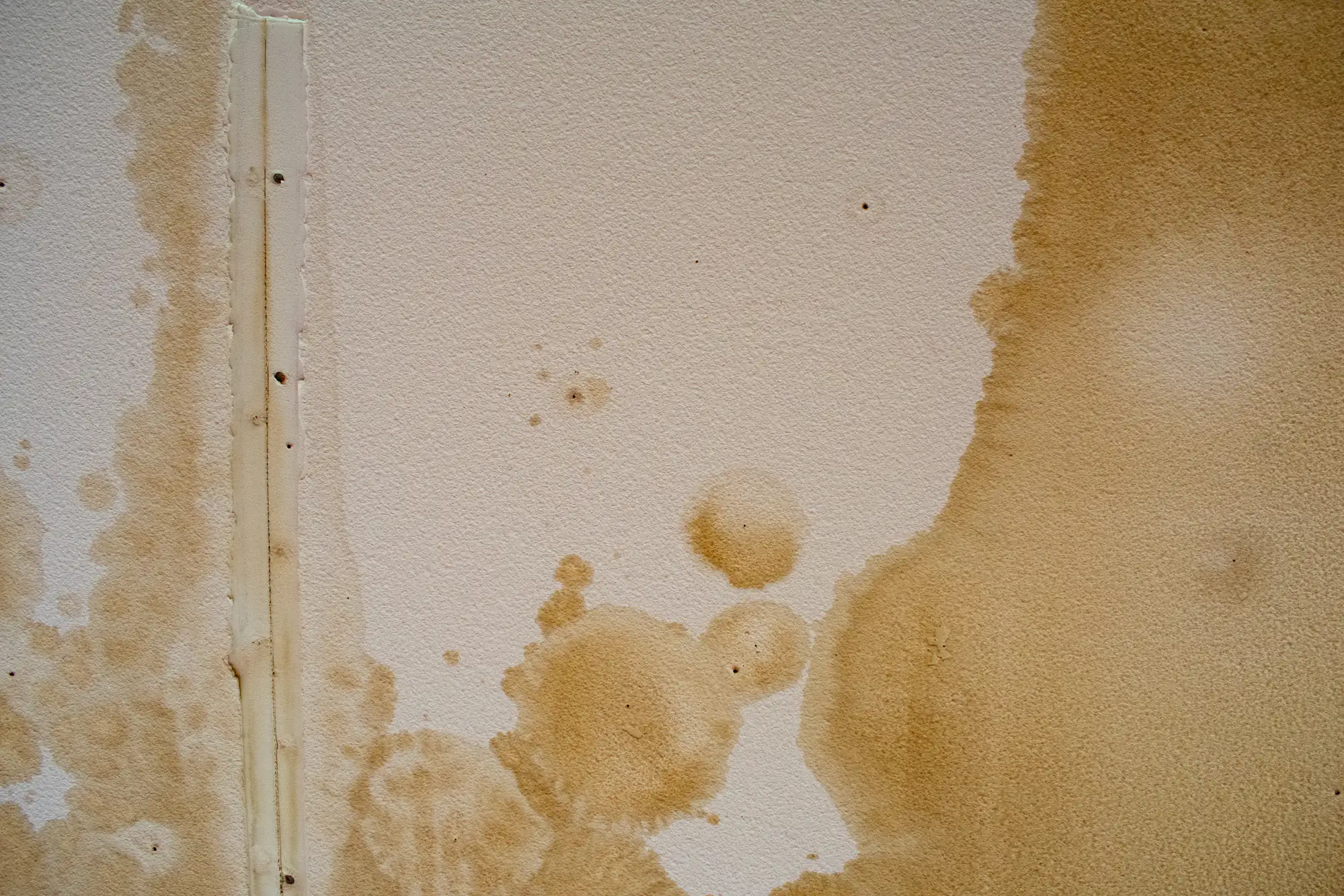
Repairs are a different animal. Maybe you’ve got cracks from settling, holes from old fixtures, or sections that need replacing after a leak. We don’t just patch over problems. If there’s an underlying issue—like a roof leak or plumbing problem—we’ll tell you before we cover it up. Fixing drywall over a problem that’s still happening is a waste of your money.
You also get transparency on pricing. No hidden fees for disposal, no surprise charges for materials. We tell you what it costs upfront, and that’s what you pay.
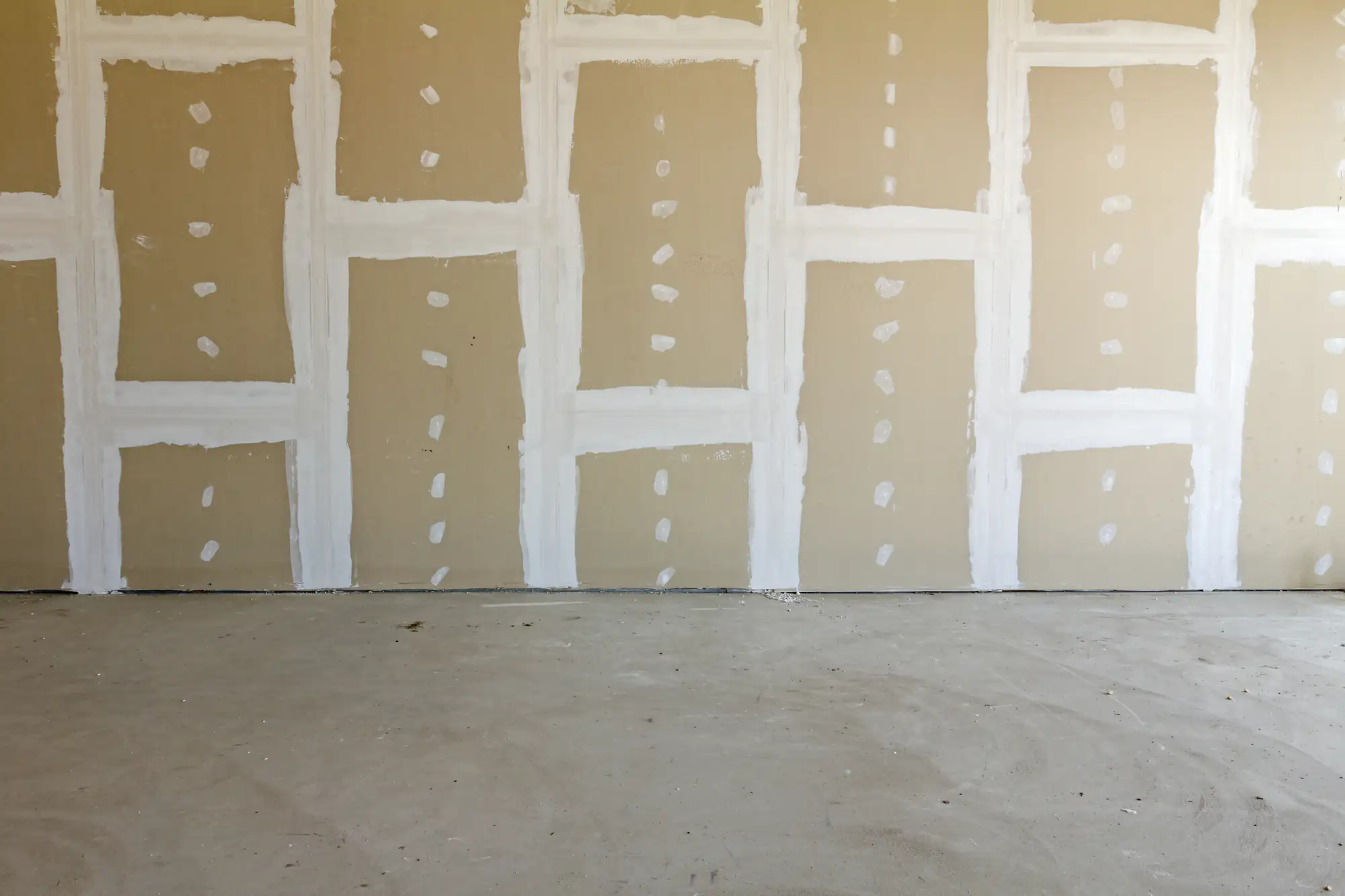
For a standard 12×12 room, you’re looking at about two to three days from start to finish. That includes hanging the drywall, taping and mudding the seams, sanding, and getting everything ready for paint.
The actual hanging part is quick—usually a few hours. What takes time is the finishing work. Joint compound needs to dry between coats, and each layer has to be sanded smooth before the next one goes on. Rushing this is how you end up with visible seams and uneven walls.
If you’re doing multiple rooms or dealing with high ceilings, add time accordingly. Repairs are faster—small patches can be done in a day or two, depending on how many coats of mud are needed to blend everything in.
Moisture-resistant drywall (often called green board or purple board) has a special coating that helps it resist mold and moisture damage. Regular drywall will absorb water and break down over time in humid environments.
In West Bay Shore, where humidity is higher because of the proximity to water, moisture-resistant drywall makes sense in bathrooms, basements, laundry rooms, and kitchens. It costs a bit more per sheet, but it lasts longer and prevents mold growth that can become a serious problem.
Regular drywall is fine for bedrooms, living rooms, and other dry areas. There’s no reason to pay extra for moisture resistance where you don’t need it. We’ll recommend what makes sense for each space based on how it’s used and where it sits in your home.
Yes, but it depends on the texture. Smooth finishes are the easiest to match—we just sand and blend the repair into the surrounding wall. Orange peel and knockdown textures take more work, but they’re still doable with the right tools and technique.
Popcorn ceilings are trickier. If your ceiling was done before the 1980s, it might contain asbestos, which means you need testing before any work happens. If it’s newer, we can match the texture using a hopper gun and spray technique.
The key to a good repair is blending. That means feathering out the edges of the patch so there’s no hard line where the new work meets the old. If the repair is large or the texture is complex, we’ll sometimes recommend re-texturing the entire wall or ceiling so everything matches perfectly.
Repairs are generally cheaper than full installation because you’re working with smaller areas. A simple patch—like fixing a doorknob hole or small crack—might run a couple hundred dollars. Larger repairs, like replacing a full section of damaged drywall, cost more depending on the size and location.
Full installation is priced by square footage, and it includes hanging, taping, mudding, and sanding. For an average room, you’re looking at a few thousand dollars depending on ceiling height and any special requirements like soundproofing or moisture resistance.
The wildcard with repairs is what’s behind the damage. If we pull off drywall and find mold, rot, or structural issues, that changes the scope. We’ll always let you know what we find before moving forward, so there are no surprises on the bill.
It depends on the room and the scope of work. For full installations or large repairs, yes—furniture needs to be moved or at least shifted to the center of the room so we can access the walls and protect your belongings.
For small repairs, we can usually work around furniture. We’ll use drop cloths and plastic sheeting to protect anything nearby from dust. Drywall work creates a lot of fine dust, especially during sanding, so covering furniture is non-negotiable even if it doesn’t need to be moved.
If moving heavy furniture is a concern, let us know ahead of time. We can help shift things or work with you to plan the project in stages so you’re not living in total chaos. The goal is to get the work done without turning your home upside down.
Most drywall cracks come from settling. Homes shift over time—especially in areas with clay soil or where the ground freezes and thaws. That movement stresses the drywall, and cracks show up along seams, corners, and around doors and windows.
Other causes include poor installation (not enough screws, seams that aren’t taped properly) and moisture damage that weakens the drywall. Temperature changes can also cause expansion and contraction, which leads to cracking if the drywall wasn’t installed with enough room to move.
Preventing cracks starts with proper installation. That means using the right fasteners, spacing them correctly, and taping seams with quality joint compound. Mesh tape is stronger than paper tape for high-stress areas. If your home has a history of settling, we’ll use flexible caulk in corners instead of rigid mud, which allows for movement without cracking.