
Hear from Our Customers
You’re not remodeling your bathroom for fun. You’re doing it because the current setup doesn’t work anymore—outdated fixtures, poor layout, a tub nobody uses, or a shower that’s seen better days. Maybe it’s all of the above.
What you want is a space that actually functions for your daily routine. A bathroom that looks clean and modern when guests visit. Fixtures that don’t leak or break down every few months. And if you’re planning to sell eventually, you want a remodel that adds real value—not just fresh paint over old problems.
That’s what a full bathroom remodel should deliver. Walk-in showers with proper drainage and waterproofing. Vanities that give you storage and counter space. Tile work that’s level, sealed, and built to handle moisture. Lighting and ventilation that prevent mold before it starts. You shouldn’t have to call someone back six months later because the grout’s cracking or the shower pan’s leaking.
We’ve been handling residential bathroom remodeling in Lake Grove and throughout Suffolk County since 2016. We’re licensed, insured, and we handle permits upfront so you’re not dealing with code violations or inspection delays down the road.
Most of our work comes from referrals—homeowners who had a good experience and told their neighbors. That doesn’t happen by accident. It happens when you show up on time, communicate clearly about timelines and costs, and don’t disappear halfway through the job.
Lake Grove homeowners deal with the same issues we see across Long Island: older homes with outdated plumbing, tight bathroom layouts that need creative solutions, and the challenge of finding contractors who actually return calls. We’ve built our reputation on being the opposite of that experience.
We start with a walkthrough at your home. You show us the bathroom, explain what’s not working, and we ask questions about how you use the space. That conversation shapes everything—layout, fixtures, materials, timeline.
From there, we put together a detailed estimate. Not a ballpark number that doubles later. A line-item breakdown that includes labor, materials, permits, and anything else the job requires. If we find something unexpected once walls are open—old plumbing that needs replacing, water damage behind tile—we talk to you before moving forward. No surprise invoices.
Once you approve the plan, we pull permits and order materials. Then our licensed crew starts work. Demo usually takes a day or two depending on the scope. Plumbing and electrical rough-ins come next, followed by waterproofing, tile installation, vanity and fixture setup, and final finishes. A straightforward remodel typically takes four to six weeks. Larger projects with custom work or structural changes take longer, and we’ll give you a realistic timeline upfront.
Throughout the job, you’ll know what’s happening. We don’t go silent for days and then show up unannounced. You’ll have a point of contact, and if plans need to adjust, we discuss it before making changes.

Ready to get started?
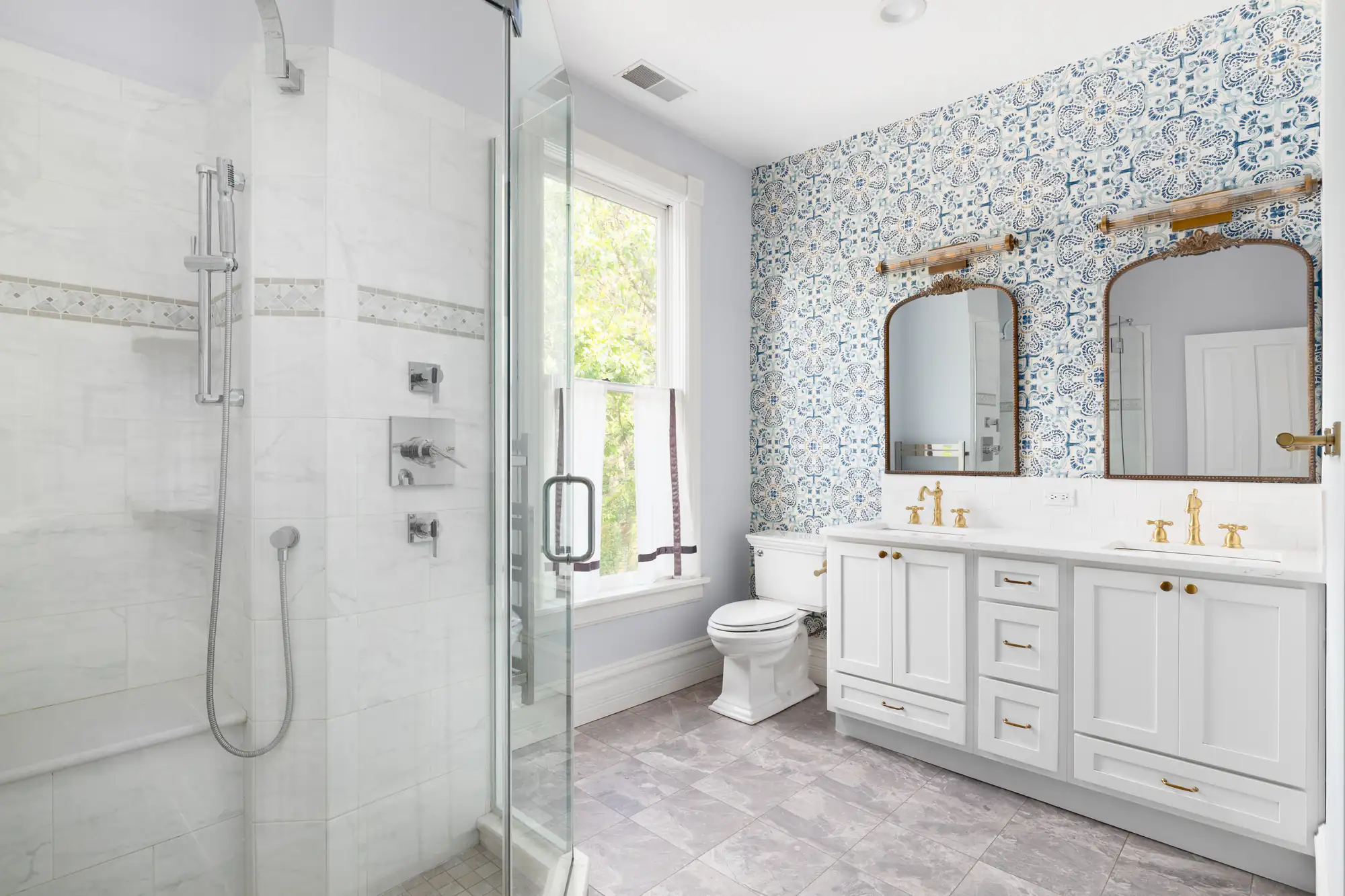
A complete bathroom renovation covers everything from subfloor to ceiling. That includes demolition and debris removal, plumbing updates or relocation, electrical work for lighting and outlets, and installation of new fixtures—toilets, sinks, faucets, showers, or tubs.
Tile work is a big part of most remodels. Whether you’re doing a full surround, a walk-in shower with custom tile, or just new flooring, proper waterproofing and slope matter. We handle backer board, moisture barriers, and grout sealing so you’re not dealing with leaks or mold later.
We also install vanities, mirrors, lighting, exhaust fans, and any custom carpentry you need—like built-in shelving or linen closets. If you’re converting a tub to a walk-in shower, that’s one of the most common requests we handle in Lake Grove. It opens up the space and makes the bathroom more functional, especially for aging-in-place or resale value.
Lake Grove homes range from mid-century builds to newer construction, and each comes with its own quirks. Older homes might need updated plumbing or electrical to meet current code. Newer homes might just need a layout refresh or fixture upgrades. We adjust the scope based on what your home actually needs—not what sounds good in a sales pitch.
For a standard full bathroom remodel—new tile, fixtures, vanity, and lighting—expect four to six weeks from start to finish. That includes demo, rough plumbing and electrical, waterproofing, tile work, fixture installation, and final touches.
Smaller updates like replacing a vanity and toilet or doing a tub-to-shower conversion can take one to two weeks. Larger projects with custom tile work, layout changes, or structural modifications take longer—sometimes eight weeks or more.
Delays happen when permits take longer than expected, materials get backordered, or we open walls and find issues that need addressing before moving forward. We build buffer time into schedules and keep you updated if anything changes. The goal is a realistic timeline you can plan around, not an optimistic guess that falls apart halfway through.
A mid-range bathroom remodel in Lake Grove typically runs between $15,000 and $30,000 depending on the size of the space and the finishes you choose. That usually covers new tile, a quality vanity, standard fixtures, updated lighting, and professional installation.
If you’re doing a smaller refresh—new vanity, toilet, paint, and lighting without moving plumbing—you might spend $8,000 to $12,000. High-end remodels with custom tile, premium fixtures, heated floors, or layout changes can push $40,000 or more.
The biggest cost drivers are tile work, plumbing changes, and fixture quality. Moving a toilet or shower drain adds plumbing labor and materials. Custom tile designs take more time than standard layouts. Frameless glass shower doors cost more than curtain rods. We walk through all of this during the estimate so you know where your money’s going and can adjust based on priorities and budget.
Yes, if you’re doing any plumbing, electrical, or structural work. The Town of Brookhaven, which governs Lake Grove, requires permits for most bathroom renovations beyond cosmetic updates like painting or replacing a vanity without moving plumbing.
Permits aren’t just red tape. They ensure the work meets code for safety and proper function—things like waterproofing, venting, electrical grounding, and plumbing slope. If you skip permits and something goes wrong, your homeowner’s insurance might not cover it. And if you sell your home later, unpermitted work can kill a deal or force you to rip everything out and redo it.
We handle permit applications and coordinate inspections as part of the project. That includes submitting plans, scheduling inspections at the right stages, and making sure everything passes before we close up walls or move to the next phase. It adds a bit of time upfront, but it protects you from bigger headaches down the road.
It depends on how you use the bathroom and who else lives in your home. If you never use the tub and a shower would give you more space and easier access, a tub-to-shower conversion makes sense. It’s the most common request we get for master bathrooms.
Walk-in showers are easier to clean, safer for older adults or anyone with mobility concerns, and they make small bathrooms feel larger. If you’re planning to age in place or you want a modern, spa-like feel, a walk-in shower delivers that.
The downside: if you have young kids or you’re selling soon, removing the only tub in the house can hurt resale value. Families with small children specifically look for homes with at least one bathtub. If your home has multiple bathrooms, converting one to a shower usually isn’t an issue. If it’s your only bathroom, think carefully before pulling the tub. We can walk through layout options during the estimate to help you decide what makes sense for your situation.
Start with where the tile’s going and how much maintenance you want to deal with. For shower walls and floors, porcelain or ceramic tile works well—durable, water-resistant, and available in hundreds of styles. Natural stone like marble or travertine looks great but needs sealing and more upkeep.
For shower floors, smaller tiles or textured surfaces give you better traction when wet. Large-format tiles look clean and modern but can be slippery. We usually recommend slip-resistant options for shower pans and matte or textured finishes for bathroom floors.
Grout matters as much as tile. Lighter grout shows dirt and requires more cleaning. Darker grout hides stains but can look heavy depending on your tile choice. Epoxy grout costs more upfront but resists staining and doesn’t need sealing like cement grout. We’ll show you samples during planning and explain what works best for your budget and how much maintenance you’re willing to do. The goal is tile that looks good and holds up to daily use without becoming a cleaning project every week.
First, make sure they’re licensed and insured. In New York, contractors need a Home Improvement Contractor license to work legally. Ask to see proof of liability insurance and workers’ comp coverage. If someone gets hurt on your property and the contractor isn’t insured, you’re liable.
Second, get a detailed written estimate before any work starts. It should list materials, labor, timeline, payment schedule, and what happens if you need changes mid-project. If a contractor gives you a vague number or pressures you to sign the same day, walk away.
Third, ask how they handle permits and inspections. A legitimate contractor pulls permits when required and schedules inspections at the right stages. If they suggest skipping permits to save money or time, that’s a red flag. Finally, check references and look at recent work. Photos are helpful, but talking to past clients tells you more about communication, reliability, and how they handle problems when they come up. You want someone who’s still around to fix issues if something goes wrong a year later—not a crew that disappears after the final payment clears.