
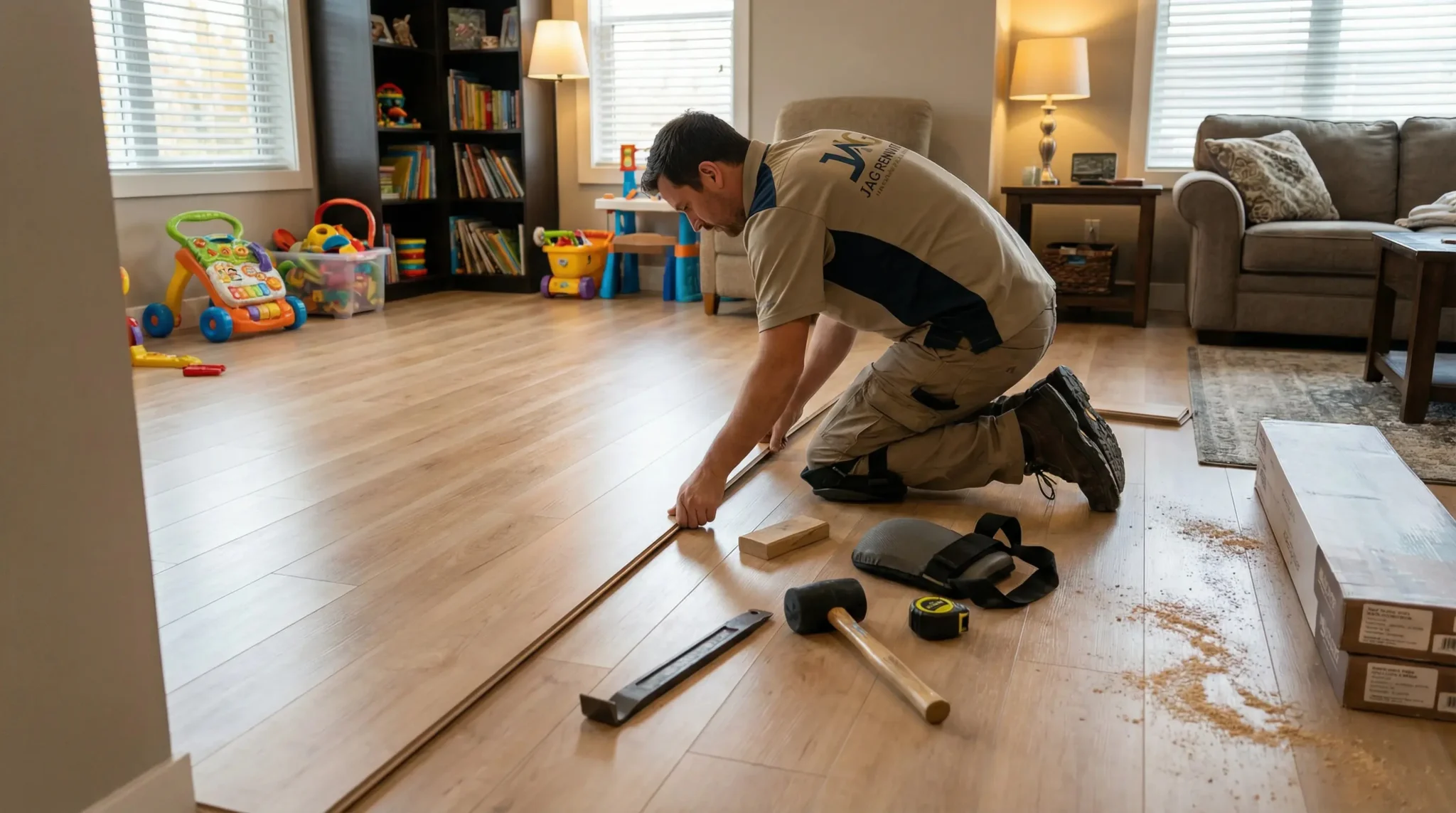
Hear from Our Customers
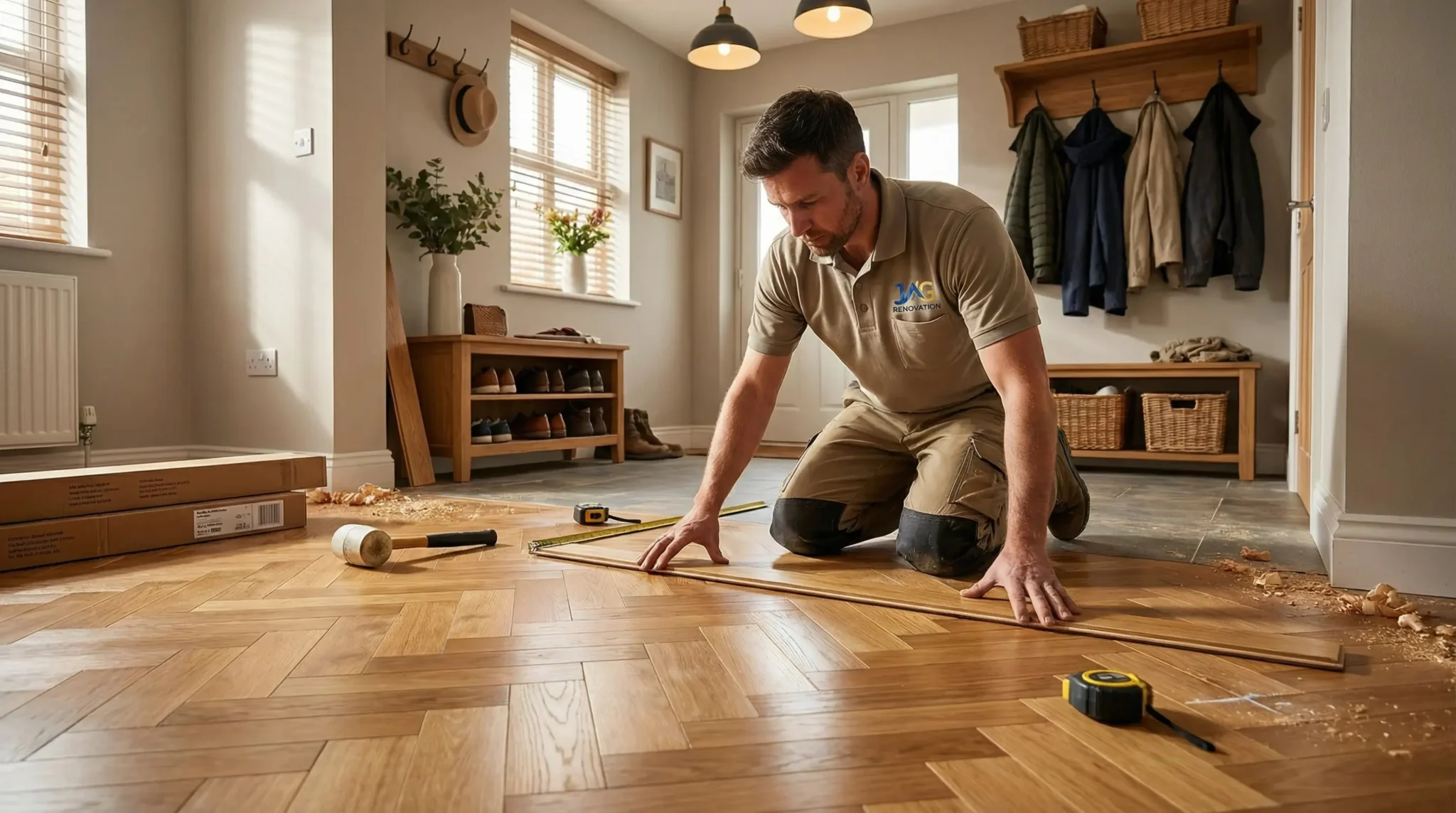
You’re not just getting new floors. You’re getting a space that feels right when you walk through the door. Hardwood that adds warmth to your living room. Tile that handles the kitchen chaos without showing wear. Vinyl flooring that looks like wood but survives what your family throws at it.
The right flooring changes how your home works for you. It’s easier to clean. It holds up to traffic. It doesn’t need replacing in three years because someone cut corners during installation.
Quality flooring installation means your investment actually pays off. Updated floors can return up to 70% of their cost when you sell, but only if they’re installed correctly from the start. That’s where most contractors lose you money—rushing the prep work, skipping moisture barriers, or using materials that look good in the showroom but fail in real homes.
We’ve been installing floors in Amityville and throughout Suffolk County since 2016. That’s long enough to see which materials actually hold up in Long Island homes and which installation methods prevent callbacks two years later.
Most of our work comes from referrals. That happens when you show up on time, communicate clearly about timelines, and don’t surprise people with costs they weren’t expecting. We’re licensed and insured because that’s baseline professional behavior, not a selling point.
Amityville homes have their quirks—older foundations, humidity from being close to the water, floor joists that weren’t built to modern standards. We’ve worked in enough local homes to know what we’re dealing with before we start tearing up your old floors.

First, we come look at your space. We’re checking subfloor condition, measuring for materials, and talking through what you actually need versus what a salesperson might try to upsell you on. You’ll get a clear price that includes labor, materials, and prep work—not a starting number that balloons once we’re halfway done.
Before any new flooring goes down, we prep the subfloor correctly. That means fixing squeaks, leveling uneven spots, and installing moisture barriers where they’re actually needed. This step gets skipped constantly in this industry. It’s also why floors fail early.
Installation timing depends on your material choice and square footage. Hardwood flooring takes longer than vinyl plank because the process is more involved. We’ll give you a realistic timeline upfront, and we’ll tell you if something changes. Most residential flooring projects in Amityville take three to five days once we start.
After installation, we walk you through maintenance specific to your flooring type. Hardwood needs different care than tile or laminate. You’re not getting a generic printout—we’re telling you exactly how to protect what you just paid for.
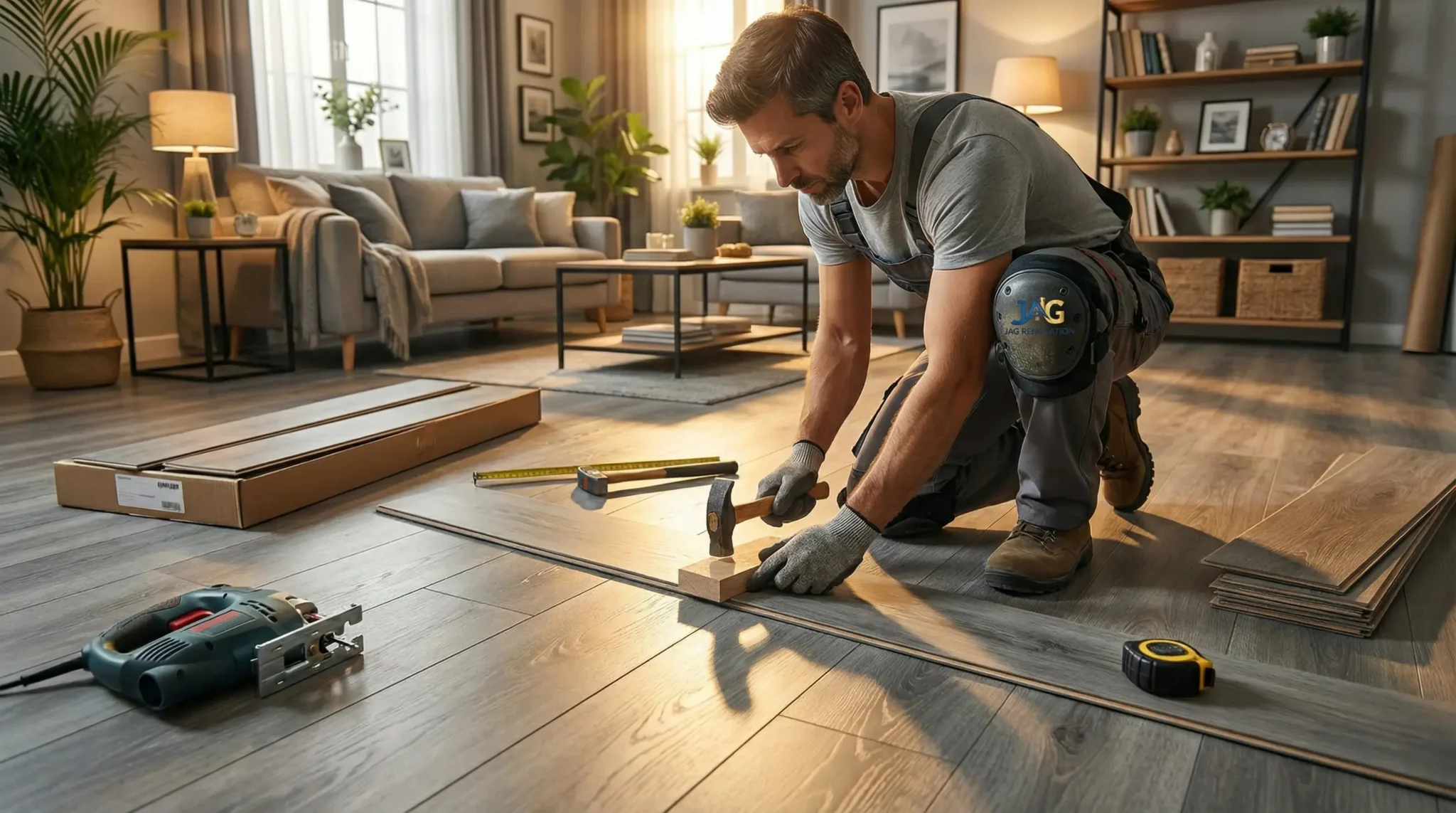
Ready to get started?
We install hardwood, engineered wood, laminate, vinyl plank, tile, and carpet. Your choice depends on where it’s going, how much traffic it’ll see, and what you’re willing to maintain.
Hardwood flooring is still the top choice for living areas and bedrooms in Suffolk County. It adds real value and lasts decades when installed properly. But it’s not great for basements or bathrooms where moisture is an issue. That’s where tile floor installation or vinyl flooring makes more sense.
Laminate flooring installation costs less than hardwood and holds up well in homes with kids or pets. It’s gotten significantly better in the last five years—the stuff that looked obviously fake in 2015 now passes for real wood unless you’re looking closely. Vinyl plank is similar but handles moisture better, which matters in Long Island’s humid summers.
For kitchens and bathrooms, ceramic tile floor installation is still your most durable option. It’s not the cheapest upfront, but you’re not replacing it in ten years. We see a lot of Amityville homeowners choosing natural color palettes now—less gray, more warm browns and authentic wood tones. That trend matters if you’re planning to sell within five years.
We handle both residential and commercial flooring projects, but the conversation changes when you’re dealing with retail traffic or office environments.

Most flooring projects in Amityville run between $3,000 and $8,000 depending on square footage and material choice. That’s for average-sized spaces—around 500 to 800 square feet of living area.
Vinyl and laminate fall on the lower end, usually $3 to $7 per square foot installed. Hardwood flooring runs $8 to $15 per square foot for materials and professional installation. Tile sits somewhere in the middle but varies widely based on the specific tile you choose.
Here’s what drives the cost up: subfloor repairs, furniture moving, removal of old flooring, and complex layouts with lots of cuts. If your subfloor is damaged or uneven, that needs fixing before new flooring goes down. Skipping that step is how you end up with squeaky floors or gaps six months later.
We give you the full price upfront—prep, materials, labor, cleanup. No “starting at” numbers that triple once we see the actual space.
Properly installed hardwood and ceramic tile last the longest—we’re talking 25 to 50 years if you maintain them correctly. But “longest lasting” isn’t always the right choice depending on where you’re installing it.
Hardwood works great in living rooms, dining rooms, and bedrooms. It doesn’t work in basements or full bathrooms because moisture will destroy it. Long Island humidity is real, especially in summer. If your subfloor doesn’t have proper moisture barriers, even the best hardwood will cup or warp.
Tile is your most durable option for kitchens, bathrooms, and entryways. It handles water, doesn’t scratch, and still looks good decades later. The grout needs occasional resealing, but that’s minimal maintenance compared to refinishing hardwood every ten years.
Vinyl plank has gotten significantly more durable in recent years. Quality vinyl can last 15 to 20 years now, and it’s completely waterproof. That makes it the smart choice for basements or homes with pets. It won’t last as long as hardwood, but it also costs half as much and requires almost no maintenance.
Most residential flooring installations take three to five days once we start. That includes removing old flooring, prepping the subfloor, installing new materials, and cleanup.
Vinyl and laminate go down faster—sometimes two to three days for an average room. These are floating floors that don’t require adhesive or nails, so installation moves quickly once the subfloor is prepped.
Hardwood flooring takes longer because each plank needs to be nailed or glued down individually, and the wood needs time to acclimate to your home’s humidity before installation. We typically deliver hardwood materials three to five days early so they can adjust. Skip that step and you’ll have gaps between boards within a few months.
Tile floor installation is the most time-intensive. The tile needs to set, then grout needs to cure before you can walk on it. Figure four to six days for tile projects. Trying to rush ceramic tile installation just means you’ll be calling someone back to fix cracked tiles or failed grout lines.
Weather and material availability can shift timelines. We’ll tell you upfront if there are supply delays—white oak has been particularly hard to source in 2024.
Yes, rooms need to be empty before we start. We can move furniture for you, but that adds time and cost to the project.
Most homeowners move smaller items themselves—lamps, decor, anything breakable. We can handle the heavy stuff like couches, beds, and dressers, but you’re paying for that labor. If you’ve got the help, moving everything yourself before we arrive saves you money.
Furniture needs to go somewhere while we work. If you’re doing multiple rooms, we’ll stage furniture in completed areas as we move through the house. For whole-home flooring projects, some homeowners rent a storage pod for a week. That’s cheaper than paying us to move everything twice.
Appliances are different. We can work around refrigerators and stoves in most cases, but dishwashers need to come out if you’re doing kitchen flooring. Same with toilets in bathrooms—they have to be removed for proper tile or vinyl installation around the base.
Plan for your space to be unusable during installation. You can’t walk on new tile for 24 hours after it’s set. Hardwood is walkable immediately but shouldn’t have furniture on it until the finish cures if we’re doing on-site finishing.
Quality flooring can return 70% of your investment when you sell, but only if it’s done right and matches what buyers in your area expect. In Suffolk County, that usually means hardwood in main living areas or high-quality vinyl that looks like wood.
Buyers notice floors immediately. Worn carpet or damaged laminate makes your whole house feel neglected, even if everything else is updated. New flooring signals that the home has been maintained, which matters more than the specific material in most cases.
Hardwood flooring adds the most value, especially in Amityville’s older homes where buyers expect real wood. But you won’t get your money back if you install expensive exotic hardwood in a starter home. The flooring needs to match the neighborhood and price point.
Tile in kitchens and bathrooms is expected—it’s not adding value as much as preventing your home from losing value against comparable listings. Buyers will pay more for move-in ready homes where they don’t have to replace floors immediately.
Timing matters too. If you’re selling within a year, new flooring makes sense. If you’re staying for ten years, install what you’ll enjoy living with. Trends change—the gray floors everyone wanted five years ago are already looking dated. Natural wood tones hold value longer because they’re less trendy.
Professional installation costs more upfront but prevents expensive fixes later. Most flooring failures happen because of subfloor prep mistakes or improper installation techniques that aren’t obvious until months after the project is done.
Subfloor work is where DIY projects usually go wrong. An uneven subfloor causes vinyl planks to separate, makes laminate bounce underfoot, and creates squeaks in hardwood. You need the right tools to level a subfloor correctly—a straight edge, leveling compound, and experience knowing when a subfloor needs structural repair versus just shimming.
Moisture barriers get skipped constantly in DIY installations. Long Island homes need them, especially in basements or over concrete slabs. Without proper moisture protection, you’ll see cupping, warping, or mold within a year. That’s a complete tear-out and reinstall, which costs more than hiring us from the start.
Installation techniques matter more than most people realize. Hardwood needs room to expand and contract with humidity changes—wrong spacing and your floor buckles in summer. Tile needs proper thinset coverage and grout lines done correctly or it cracks under normal use.
If you’re handy and doing a small, low-stakes area like a closet, DIY can work. For main living spaces or anywhere moisture is involved, professional installation protects your investment. We’re licensed and insured, which matters if something goes wrong during the project.