
Hear from Our Customers
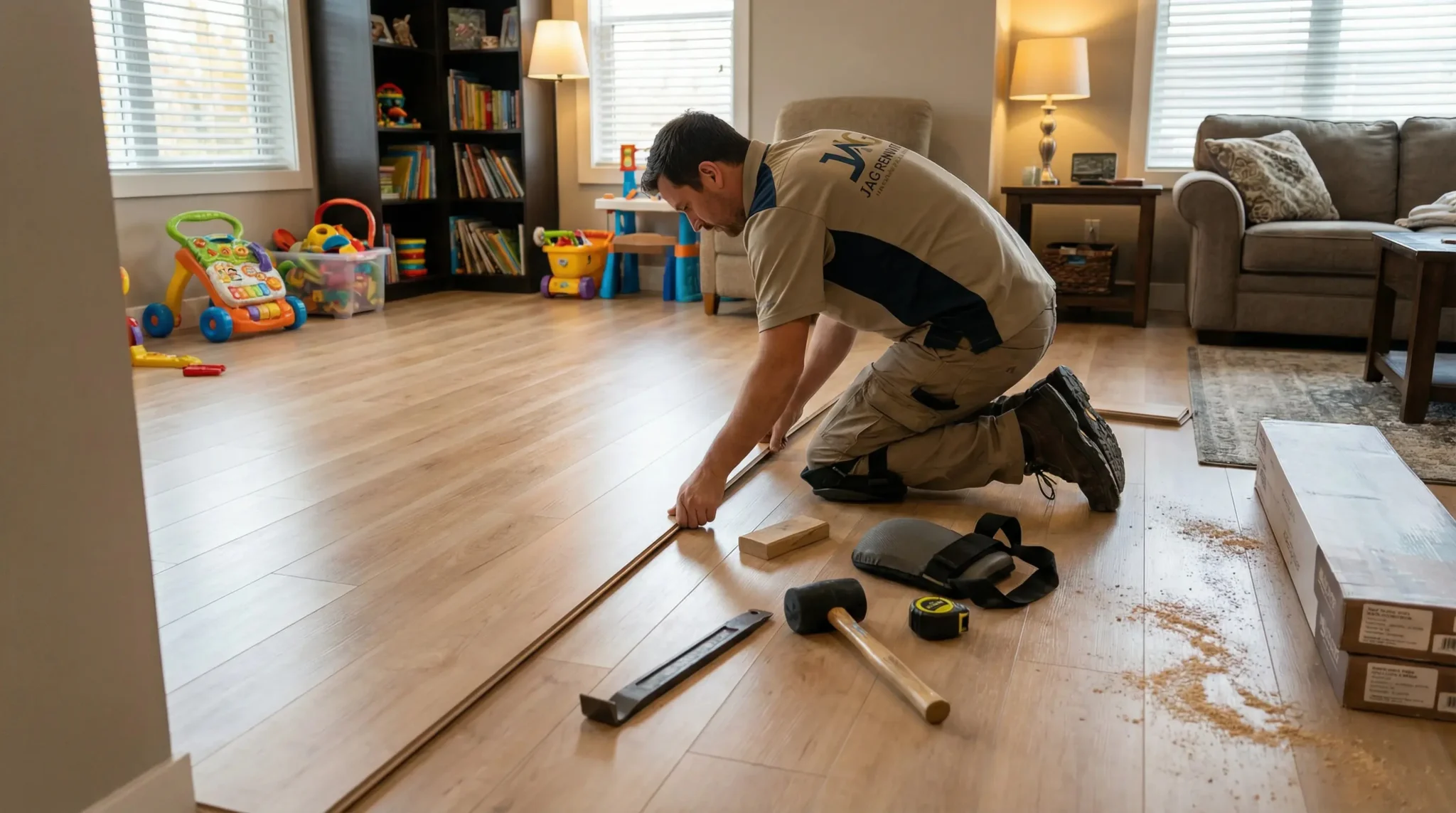
Your floors should handle real life. Kids running through after practice. Pets tracking in whatever they find outside. Guests showing up without advance notice.
When flooring gets installed right, you stop worrying about scratches showing up after six months or planks separating because someone rushed the acclimation process. You get surfaces that clean easily, hold up to Suffolk County’s humidity swings, and still look deliberate years later.
The difference isn’t always visible on day one. It shows up when your neighbor’s luxury vinyl starts peeling at the seams and yours doesn’t. When your tile stays level instead of cracking because the subfloor got prepped correctly. When you’re not calling someone back to fix what should’ve been done properly the first time.
We’ve spent close to ten years working inside homes across Bohemia and the surrounding Suffolk County area. We’ve seen what happens when flooring contractors skip subfloor prep in homes built on Long Island’s sandy soil. We’ve fixed installations where moisture barriers got ignored and homeowners paid twice.
Our approach centers on transparency. You get honest estimates without pressure tactics. You work directly with our team, not a rotating cast of subcontractors who point fingers when problems surface.
We handle everything—from helping you choose materials that fit your lifestyle and budget, to protecting your existing spaces during installation, to walking you through maintenance after we’re done. Bohemia homeowners hire us because we show up when we say we will and finish what we start.

We start with an in-home consultation where we assess your existing floors, subfloor condition, and what you’re trying to accomplish. You tell us about your daily routine, your concerns, your budget. We measure everything and discuss material options that actually make sense for your situation—not just what’s trendy.
Once you approve the estimate, we schedule the work around your life. Before any new flooring goes down, we handle the subfloor. That means checking for moisture issues common in Long Island homes, leveling uneven areas, and making sure you’ve got a solid foundation. Skipping this step causes most flooring failures, so we don’t skip it.
Installation timing depends on the material and square footage, but we give you a realistic schedule upfront. Hardwood needs acclimation time in your home before installation. Tile requires proper setting and curing. Vinyl and laminate move faster but still demand precision.
After installation, we walk you through care and maintenance specific to what you chose. You get our contact information for questions that come up later, because we’re still here after the invoice gets paid.
Ready to get started?
Every flooring job includes subfloor assessment and preparation, which matters more in Bohemia than you might think. Homes here deal with humidity from being close to the water, and older properties often have settling issues from sandy soil. We address those factors before new flooring goes down.
You get help selecting materials based on real-world performance, not just appearance. If you’ve got kids and pets, we’ll steer you toward scratch-resistant options with good warranties. If your basement floods occasionally, we’ll talk about waterproof vinyl instead of laminate that swells when wet.
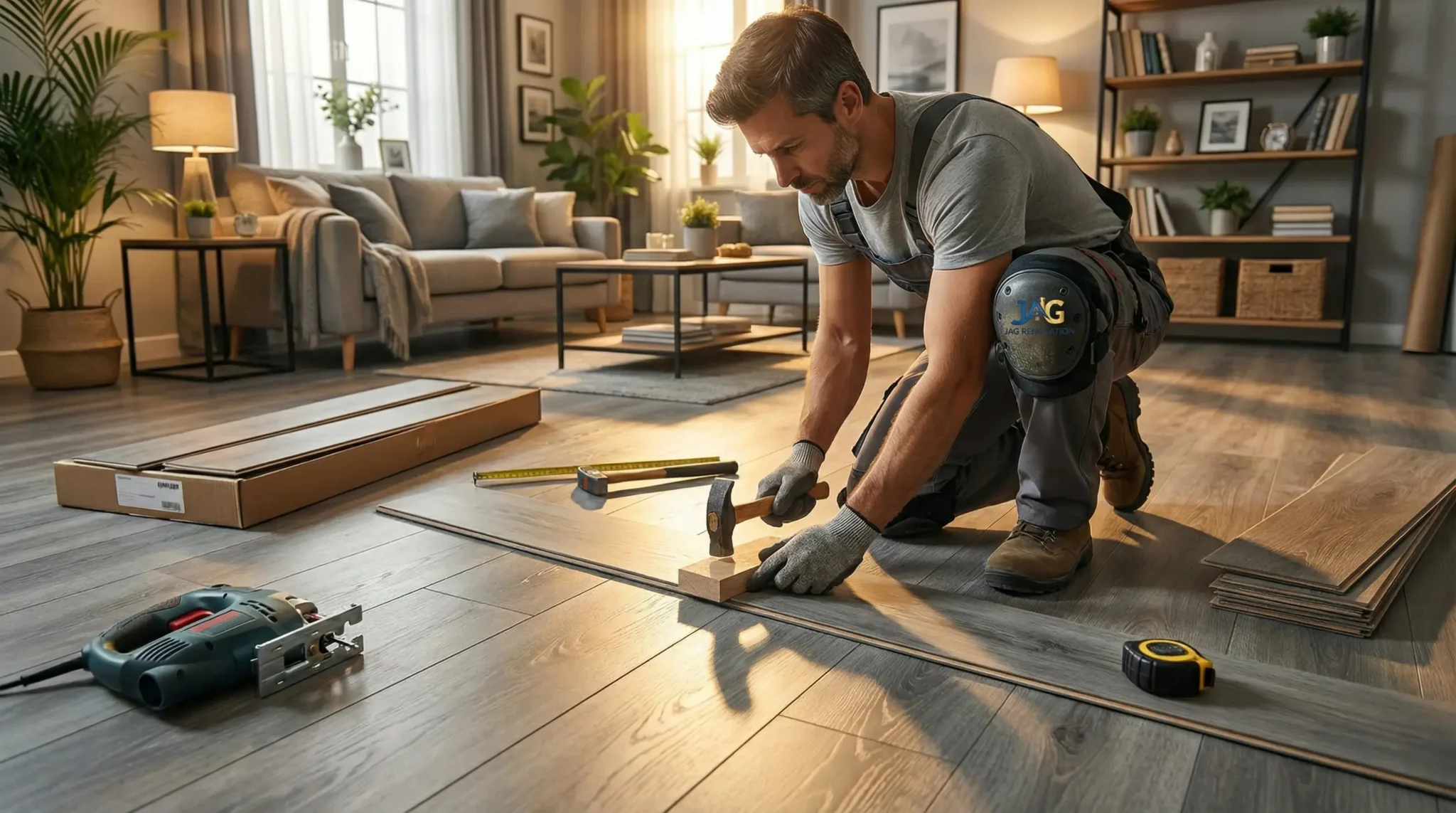
Our installations cover hardwood (including refinishing existing floors), ceramic and porcelain tile, luxury vinyl plank and tile, laminate, and carpet. We handle removal of old flooring, disposal, furniture moving when needed, and thorough cleanup afterward. You’re not left with a dumpster in your driveway or dust covering everything you own.
For Bohemia homeowners tackling larger renovations, we coordinate flooring installation with other trades. If you’re redoing your kitchen or bathroom, we time the flooring to go in after cabinets and plumbing but before final trim work. That sequencing prevents damage and rework that costs you extra.

Timeline depends on material choice and square footage, but here’s what’s realistic. Luxury vinyl plank in a 1,200 square foot ranch typically takes two to three days including subfloor prep and installation. Tile work moves slower—expect four to six days for a kitchen and entryway because of setting time and grouting.
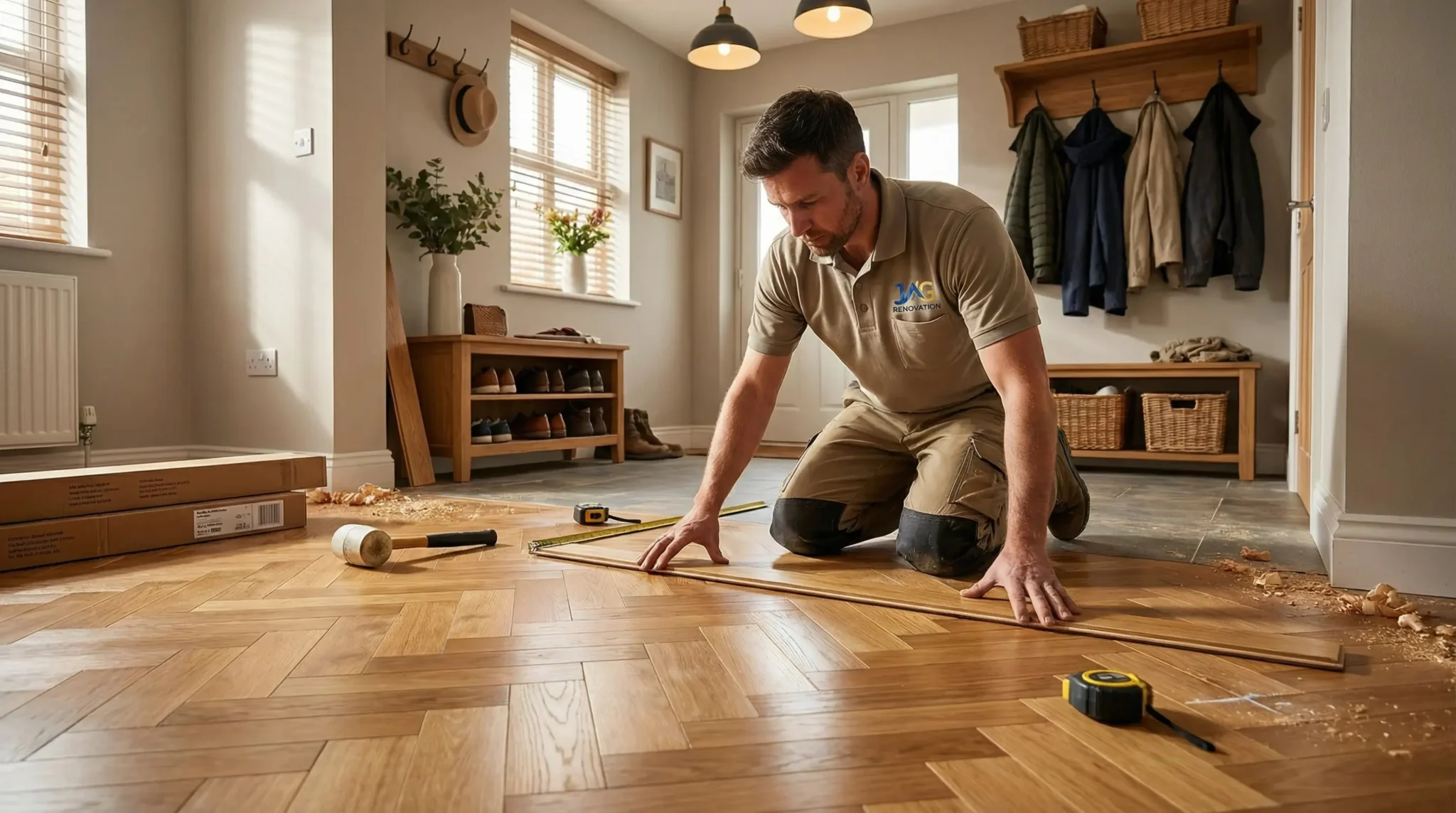
Hardwood installation runs three to five days for most homes, but you need to add acclimation time before we start. The wood sits in your home for about a week to adjust to your humidity levels. Skip that step and you’ll have gaps or buckling within months.
Carpet installs fastest, usually one to two days for a whole floor. Laminate falls somewhere in the middle at two to four days. These are estimates for straightforward layouts. If you’ve got a lot of angles, multiple room transitions, or custom inlays, add time. We give you a specific schedule during the estimate based on your actual space.
Long Island humidity swings and occasional flooding make moisture resistance your top priority. Luxury vinyl plank and tile perform exceptionally well here because they’re completely waterproof. You can install them in basements, bathrooms, even laundry rooms without worry. They’ve become the go-to choice for Suffolk County homeowners who’ve dealt with water issues before.
Porcelain tile also handles moisture beautifully and lasts decades when installed correctly. It works great in entryways where you’re tracking in salt and sand during winter. The key is proper installation with the right underlayment and grout sealing.
Hardwood can work in Long Island homes, but it requires more maintenance and shouldn’t go in basements or full bathrooms. You’ll need to monitor humidity levels and refinish periodically. Engineered hardwood handles humidity changes better than solid hardwood because of its layered construction.
Laminate looks like wood but doesn’t handle water well despite what some marketing claims. A small spill is fine if you clean it quickly, but standing water or high humidity will cause swelling. We typically recommend it only for upper floors in homes without moisture history.
Material and labor combined, you’re looking at roughly eight to twelve dollars per square foot for quality vinyl plank installation. Laminate runs similar, maybe seven to ten dollars per square foot. Tile installation costs more because of the labor intensity—expect twelve to eighteen dollars per square foot for ceramic, higher for large-format porcelain or custom patterns.
Hardwood installation starts around ten dollars per square foot for engineered products and goes up from there depending on species and finish. Solid hardwood with site finishing can hit twenty-plus dollars per square foot. Carpet varies wildly based on quality, but decent residential carpet with pad and installation runs four to eight dollars per square foot.
These numbers include removing old flooring, subfloor prep, installation, and cleanup. They don’t include unexpected issues like subfloor damage or asbestos tile removal, which we identify during the initial assessment. Geographic factors matter too—material costs in Suffolk County run slightly higher than national averages, and disposal fees aren’t cheap out here.
We provide itemized estimates so you see exactly where your money goes. No line items labeled “miscellaneous” or surprise charges when the job finishes.
We can move most furniture as part of the installation, but there’s some prep work that makes the job go smoother and protects your belongings. Small items, fragile décor, and anything in closets or cabinets should get cleared out before we arrive. We’re careful, but we’re focused on installing your floor correctly, not packing your china collection.
For larger furniture like beds, dressers, and sofas, we’ll move those and work around them. Heavy items like pianos or large entertainment centers sometimes need professional movers depending on the situation. We’ll discuss that during the estimate when we see your actual setup.
Everything we move gets set on protective pads, and we put it back when the floor is ready for traffic. That timing varies by material—vinyl and laminate can handle furniture immediately, but tile needs curing time and hardwood needs finishing time before you should put weight on it.
If you’re doing multiple rooms, we can work in sections so you’re not completely displaced. We’ve done plenty of flooring installations where homeowners stayed in the house the whole time. It requires some coordination, but it’s manageable for most projects.
Sometimes yes, often no—it depends on what you have now and what you want installed. Vinyl plank can go over existing vinyl sheet flooring or tile if the surface is smooth, level, and well-adhered. Laminate can also go over some existing floors under the right conditions.
But here’s the reality: installing over old flooring often creates problems down the line. You’re stacking layers that trap moisture, hide subfloor damage, and create height transitions at doorways. Every layer you add makes future repairs more complicated and expensive.
Tile absolutely needs removal before new flooring goes down. You can’t install wood or vinyl over tile without creating an uneven surface that telegraphs through and causes premature wear. Carpet always comes out—the padding underneath breaks down over time and creates an unstable base.
We assess your existing floor during the estimate and tell you honestly whether removal is necessary. When we do remove old flooring, we’re checking the subfloor condition underneath. That’s when we catch rot, previous water damage, or structural issues that would’ve ruined your new floor if left unaddressed. The removal cost pays for itself by preventing future headaches.
Maintenance depends entirely on what you installed, so we walk you through specifics when the job finishes. For vinyl and laminate, regular sweeping or vacuuming plus damp mopping with pH-neutral cleaner handles most situations. Avoid steam mops despite what manufacturers claim—the heat and moisture can break down adhesives over time.
Tile floors need grout sealing every year or two depending on traffic. The tile itself is nearly indestructible, but grout is porous and stains without proper sealing. Clean spills quickly, especially acidic stuff like wine or tomato sauce. Use a grout brush and appropriate cleaner for deep cleaning, not just a mop that pushes dirt into the grout lines.
Hardwood requires more attention. Keep humidity levels between thirty and fifty percent year-round to prevent gapping or cupping. Clean with hardwood-specific products, never water-based solutions that sit on the surface. Felt pads under furniture legs prevent scratches. Plan on refinishing every seven to ten years depending on traffic and wear patterns.
Carpet longevity depends on vacuuming frequency and professional cleaning every twelve to eighteen months. Spot-treat stains immediately with appropriate cleaners—not everything that claims to clean carpet actually does so without damaging fibers. We provide specific product recommendations based on what we install in your home.