
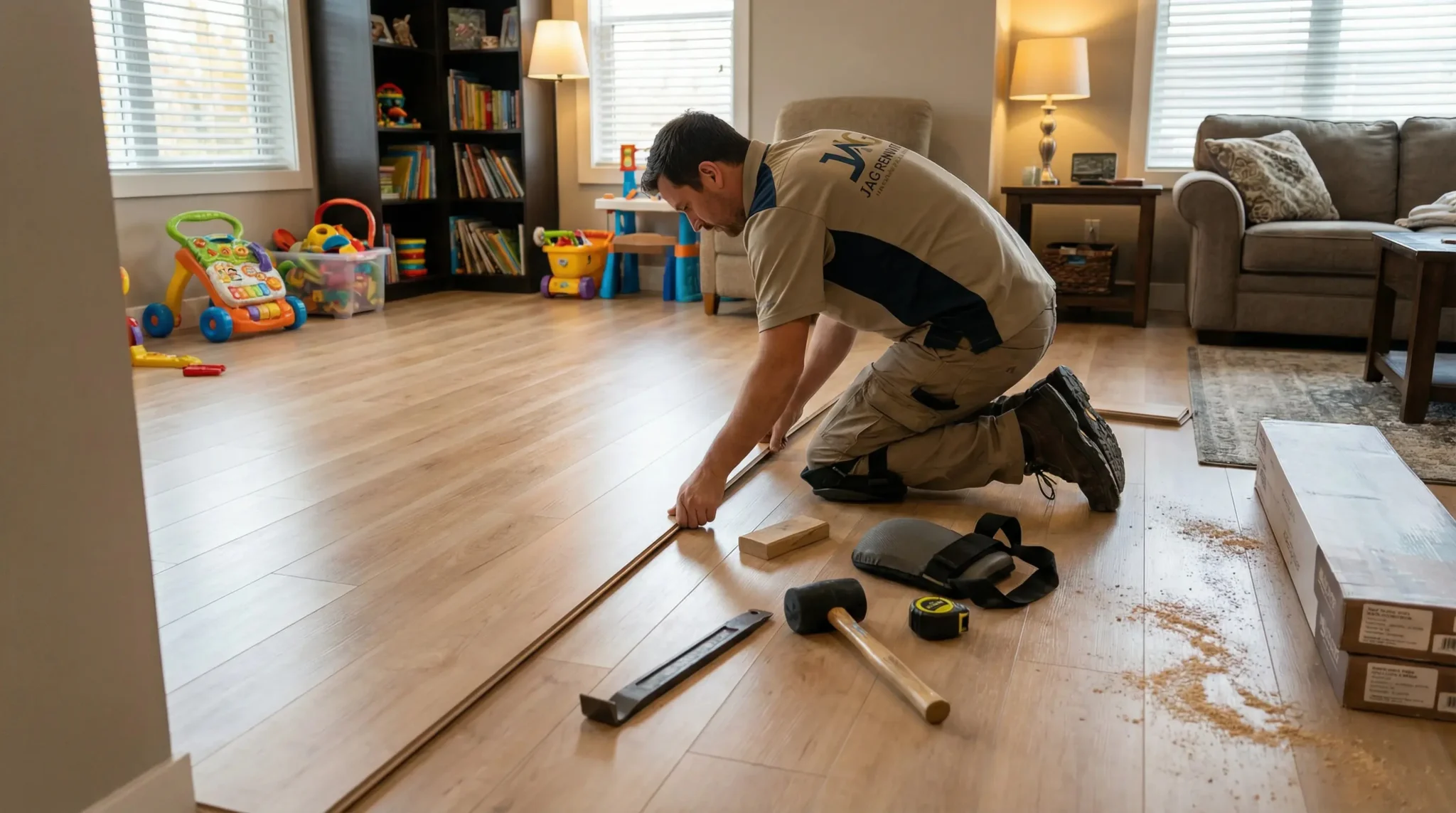
Hear from Our Customers
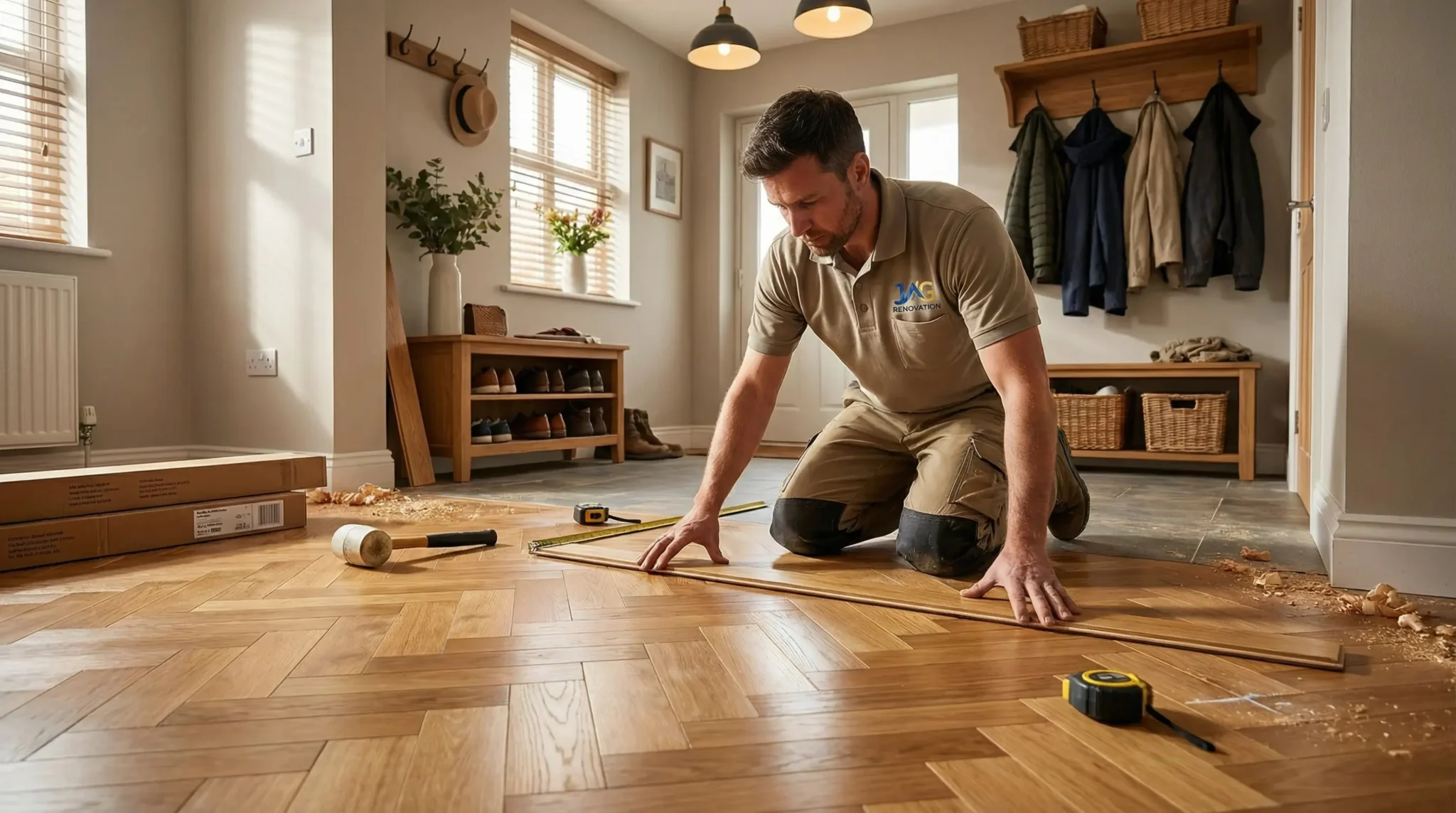
You walk into a room that feels different. The floors don’t creak. The seams are tight. The finish catches light the way it should.
Your home looks better, yes. But more than that, you’re not thinking about your floors anymore. No worrying about water damage near the entryway where sand gets tracked in. No second-guessing whether the installation will hold up through another humid summer.
You made a decision based on what actually matters: durability in a coastal environment, honest pricing, and a contractor who showed up when they said they would. That’s what proper flooring installation gets you. Not just a surface to walk on, but one less thing to fix, replace, or regret.
We’ve spent close to ten years working on homes across Suffolk County. We’ve seen what works in Montauk and what doesn’t—especially when it comes to flooring that has to handle coastal conditions most contractors don’t think about.
We’re not the biggest operation, and we’re not trying to be. What we are is transparent. You’ll know what the job costs before we start, what materials we’re using, and how long it’ll take. No change orders that double your budget halfway through.
Montauk homeowners deal with enough—salt air, humidity, sand everywhere. Your flooring contractor shouldn’t add to that list. We show up on time, do the work right, and make sure you understand what’s happening at every step.

First, we come to your home and look at what you’re working with. Not a sales pitch—an actual assessment. We check subfloor conditions, moisture levels, and what prep work is needed before any new flooring goes down.
Then we talk through your options. Hardwood, engineered wood, vinyl plank, tile, laminate, carpet—whatever makes sense for your space and how you use it. We’ll tell you what holds up best in Montauk’s climate and what doesn’t. If you’re near the beach, that conversation looks different than if you’re inland.
Once you decide, we handle the prep work. That means pulling up old flooring if needed, fixing any subfloor issues, and installing moisture barriers where they’re actually necessary. Then we install your new floors using the right method for the material—nailed, glued, floated, whatever the job calls for.
After installation, we walk you through maintenance. What cleaner to use, how often to refinish if it’s hardwood, what to avoid. You’re not guessing. You know exactly how to keep your investment in good shape.

Ready to get started?
Hardwood flooring is still the most popular choice in Montauk, especially pre-finished engineered white oak. It handles humidity better than solid wood and gives you that classic Hamptons look. Expect a return of around 118% on your investment when it’s time to sell.
Vinyl plank flooring has come a long way. The textures look real, it’s waterproof, and it costs significantly less than hardwood. If you’ve got kids, dogs, or a house that sees a lot of beach traffic, vinyl makes sense. It’s not trying to be hardwood—it’s just built for a different kind of durability.
Tile works well in entryways, mudrooms, and bathrooms where water and sand are constant. Ceramic and porcelain both hold up, but installation matters more than the tile itself. Poor work shows up fast in uneven grout lines and cracked tiles.
Laminate and carpet still have their place depending on the room and your budget. We’ll tell you where each option makes sense and where it doesn’t. Montauk homes have specific needs—what works inland doesn’t always work here.

Engineered hardwood and vinyl plank are your best options if you’re close to the beach. Solid hardwood can work, but it’s more prone to expansion and contraction with humidity changes. That means gaps, cupping, and more maintenance over time.
Engineered wood has a plywood base that stays stable even when moisture levels fluctuate. The top layer is still real wood, so you get the look without the risk. Pre-finished engineered white oak is what most Hamptons homeowners go with, and for good reason.
Vinyl plank is fully waterproof and handles sand, salt, and humidity without flinching. It’s not hardwood, but if you need something that requires zero worry, that’s your answer. The key is proper installation with moisture barriers where needed—skipping that step is where most coastal flooring jobs fail.
It depends on the material, the size of the space, and what condition your subfloor is in. Vinyl plank typically runs less than engineered hardwood, and engineered hardwood costs less than solid. Tile installation sits somewhere in the middle but varies based on the tile itself.
Most Montauk projects also need moisture barrier installation, which adds to the cost but saves you from bigger problems down the road. If your subfloor needs repair or leveling, that’s additional work that has to happen before new flooring goes down.
We give you a clear number upfront. No vague estimates that change once we start. You’ll know what the materials cost, what labor costs, and what prep work is required. If something unexpected comes up—like subfloor damage we couldn’t see until the old floor was pulled—we talk to you before moving forward.
A single room usually takes one to three days depending on the material and prep work involved. Whole-home projects take longer—usually one to two weeks for most homes, but that timeline shifts if there’s extensive subfloor repair or custom work.
Hardwood and engineered wood need time to acclimate before installation, usually 48 to 72 hours sitting in your home. Skipping that step leads to gaps and movement later. Vinyl and laminate don’t need acclimation, so those jobs move faster.
The bigger factor is prep. If we’re pulling up old flooring, repairing subfloor damage, or dealing with moisture issues, that adds time. We’d rather take an extra day and do it right than rush a job and have you call us back in six months because the floor is already failing.
If you’re within a mile of the ocean, yes. Even if you’re farther inland, it’s worth having depending on your home’s foundation and crawl space conditions. Moisture barriers prevent water vapor from coming up through the subfloor and damaging your flooring from underneath.
Most flooring failures in coastal areas aren’t because of bad materials—they’re because moisture wasn’t addressed during installation. You’ll see cupping, warping, or mold growth, and by the time it’s visible, the damage is already done.
We check moisture levels in your subfloor before installation and recommend a barrier if it’s needed. It’s not an upsell—it’s the difference between flooring that lasts 20 years and flooring that needs replacement in five. Montauk’s climate doesn’t give you the option to skip this step.
Regular sweeping and occasional damp mopping with a hardwood-safe cleaner. That’s the daily part. The real maintenance comes every seven to ten years when the finish wears down and you need refinishing. That runs around $1,500 to $4,000 depending on square footage.
Coastal homes deal with more wear because of sand and salt tracked in from the beach. Doormats help, but you’re still going to see scratches over time. The good news is hardwood can be refinished multiple times, so surface damage isn’t permanent.
Engineered hardwood can also be refinished, but fewer times than solid wood because the top layer is thinner. Vinyl doesn’t need refinishing at all—it just eventually needs replacement when the wear layer is gone, usually after 15 to 20 years depending on traffic.
Sometimes, but not always. It depends on what’s currently down and what condition it’s in. You can usually install vinyl or laminate over existing vinyl or tile if the surface is level and stable. Hardwood and engineered wood are more particular—they need a solid, flat subfloor.
Installing over old flooring saves time and money on demo, but it’s not worth it if the existing floor is damaged, uneven, or hiding moisture problems. We’ve seen too many jobs where someone laid new flooring over a mess, and six months later everything’s failing.
We pull up a section and check what’s underneath before making a recommendation. If the subfloor is solid and the old flooring isn’t causing issues, we can work with it. If there’s any doubt, we remove it. You’re better off spending an extra day on demo than replacing the entire floor again in two years.