
Hear from Our Customers
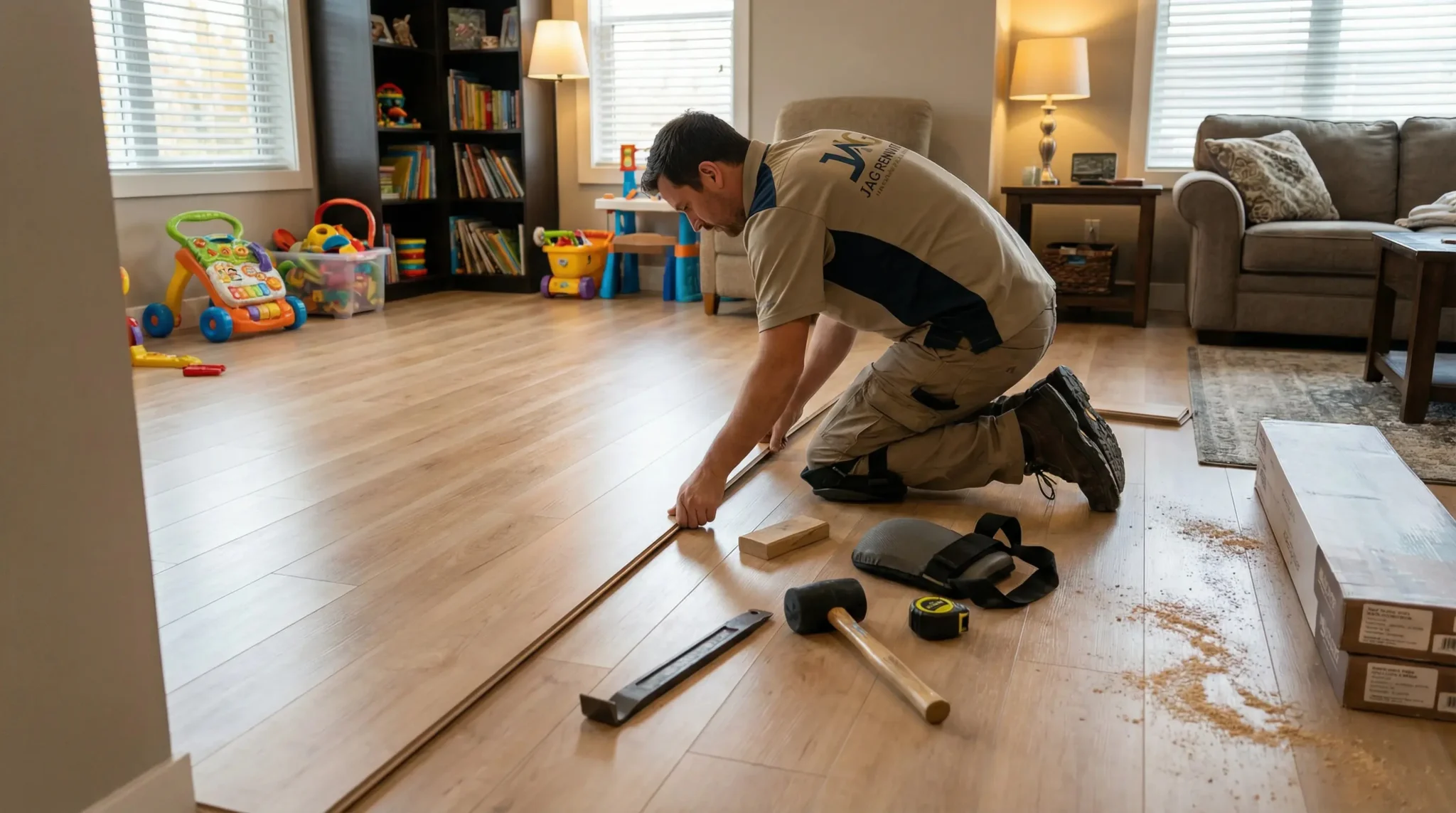
You’re not just picking a color or style. You’re choosing flooring that needs to survive Long Island’s humidity swings, temperature changes, and whatever your family throws at it. That means understanding which materials actually perform in West Bay Shore homes—not just what looks good in a showroom.
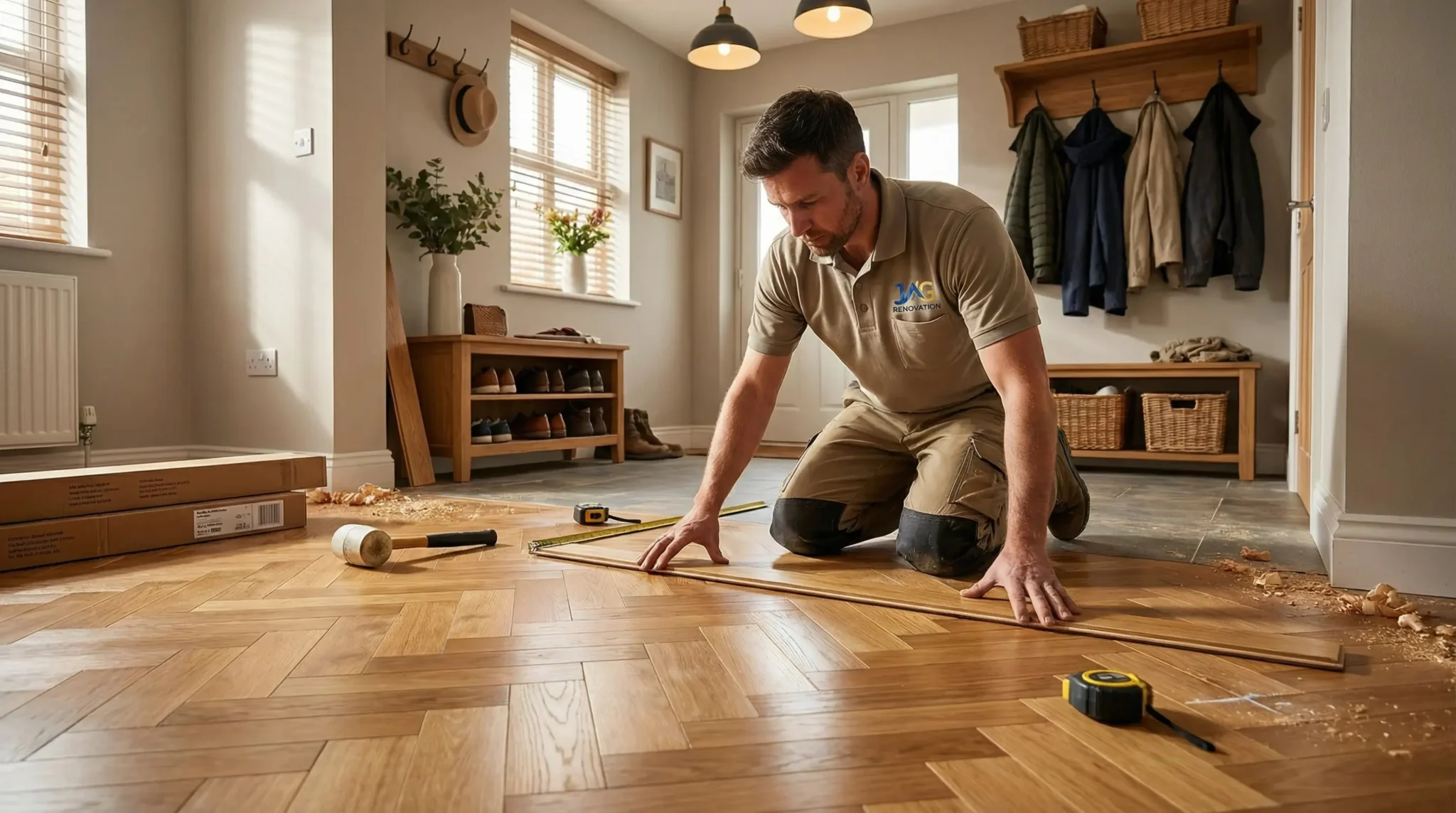
Engineered hardwood gives you the warmth of real wood with better moisture resistance. Luxury vinyl plank handles water, pets, and heavy traffic without the maintenance headaches. Tile works beautifully in kitchens and baths where moisture is constant. The right choice depends on your specific rooms, your subfloor condition, and how you actually live in your space.
We’ve been installing floors in Suffolk County homes for nearly a decade. We know which products hold up and which ones cause problems six months later. You get honest recommendations based on your home’s conditions—not whatever’s on sale or pays the best commission.
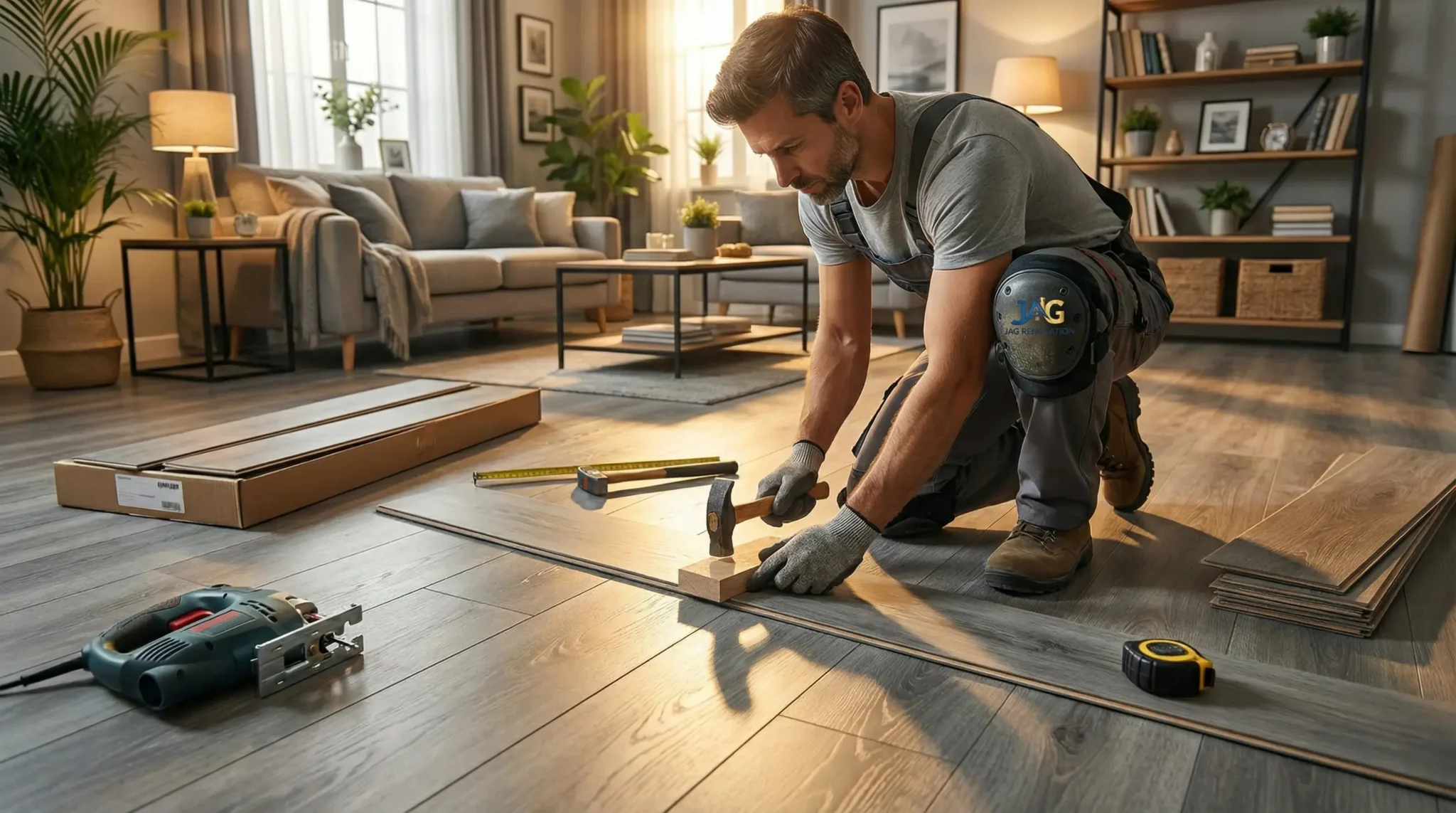
We specialize in interior renovations across Suffolk County, and flooring is a big part of what we do. We’re not a franchise or a sales team that subcontracts the actual work. We’re the people who show up, assess your subfloor, and install your new floors ourselves.
West Bay Shore homes come with their own challenges—coastal moisture, older foundations, split-level layouts that complicate transitions. We’ve handled enough local projects to know what works and what doesn’t. When we say engineered flooring performs better than solid hardwood in high-humidity areas, that’s not a sales pitch. That’s what we’ve seen hold up over time.
You won’t get pressure tactics or inflated quotes with hidden fees. Just clear communication about what your project actually requires and what it’ll cost.

First, we assess your existing floors and subfloor condition. This matters more than most homeowners realize. Uneven subfloors, moisture issues, or structural problems need addressing before new flooring goes down—otherwise you’re just covering up future problems.
Next, we discuss material options based on your rooms, your budget, and your home’s specific conditions. If you’re dealing with basement moisture or a kitchen that sees constant traffic, that changes the recommendation. We’re not trying to upsell you—we’re trying to prevent callbacks six months later when the wrong material starts failing.
Installation timing depends on the material and square footage, but most residential flooring projects take a few days to a week. Hardwood and engineered floors need time to acclimate to your home’s humidity levels before installation. Luxury vinyl and tile can move faster. We’ll give you a realistic timeline upfront, not an optimistic guess that gets extended three times.
After installation, we walk you through maintenance requirements. Different flooring types need different care, and knowing what to do—and what to avoid—makes a real difference in how long your floors look good.
Ready to get started?
Hardwood flooring still tops the list for resale value and aesthetic appeal, but solid hardwood struggles with Long Island’s humidity. Engineered hardwood offers the same look with a construction that handles moisture better—real wood veneer over a stable plywood core. It expands and contracts less, which means fewer gaps in winter and less cupping in summer.
Luxury vinyl plank has come a long way from the vinyl floors you remember. Modern LVP is waterproof, durable, and available in styles that genuinely mimic hardwood or tile. It’s the most practical choice for basements, kitchens, bathrooms, and homes with pets. Installation is straightforward, and it performs well over concrete slabs that might have moisture issues.
Tile flooring works beautifully in wet areas and high-traffic zones. Ceramic and porcelain tile handle water, scratches, and temperature changes without breaking down. The installation is more involved—proper underlayment and waterproofing matter—but tile lasts decades when installed correctly.
Laminate flooring offers a budget-friendly option that looks decent and installs quickly. It’s not waterproof like LVP, so it’s better suited for bedrooms and living areas than kitchens or baths. Carpet still has a place in bedrooms where comfort matters more than durability, though it’s fallen out of favor in most other rooms.

Engineered hardwood and luxury vinyl plank both handle Long Island’s climate well, but for different reasons. Engineered hardwood gives you real wood’s appearance with better dimensional stability. The cross-grain construction resists the expansion and contraction that causes solid hardwood to gap in winter and cup in summer.
Luxury vinyl plank is fully waterproof and handles humidity, temperature swings, and moisture without any of the maintenance concerns of wood. If your home has concrete slabs, basement spaces, or rooms where water exposure is likely, LVP performs better than any wood product. It’s not trying to be hardwood—it’s solving different problems.
Solid hardwood can work in climate-controlled main living areas if you’re committed to managing humidity levels year-round. But in coastal areas like West Bay Shore, you’re fighting an uphill battle. Most homeowners are happier with engineered options that don’t require constant monitoring.
Most residential flooring projects take three to seven days depending on square footage, material choice, and subfloor condition. That’s actual installation time—not including material acclimation, which adds a few days for hardwood and engineered products.
Luxury vinyl and tile can start immediately once materials arrive. Hardwood and engineered flooring need to sit in your home for 48-72 hours to adjust to your humidity levels. Skip this step and you risk gaps or buckling later. It’s not optional if you want floors that perform correctly.
Subfloor prep can add time if we find issues during the initial assessment. Uneven surfaces need leveling. Moisture problems need addressing. Squeaky floors need securing. These aren’t upsells—they’re necessary steps that prevent problems after your new floors are down. We’ll identify any prep work during the estimate so you know the full timeline upfront.
Sometimes, but it’s not always the right move. Installing over existing flooring saves time and disposal costs, but it only works if the current floor is level, stable, and appropriate for the new material you’re installing.
Luxury vinyl can go over existing vinyl, tile, or wood if the surface is smooth and well-adhered. Laminate can overlay similar surfaces under the right conditions. But if your existing floor is uneven, damaged, or showing signs of moisture problems, covering it up just hides issues that’ll cause your new floor to fail.
Hardwood and engineered flooring usually require removing old flooring to properly assess and prepare the subfloor. Wood installation is really about managing expansion and contraction, which requires a stable, level base. Tile always needs removal—you can’t install new tile over old tile and expect proper adhesion. We’ll assess your specific situation and recommend the approach that actually works long-term, not just the fastest option.
For 1,000 square feet in West Bay Shore, you’re looking at roughly $9,000 to $15,000 for quality hardwood or engineered flooring including materials and installation. Luxury vinyl plank runs lower—typically $6,000 to $10,000 for the same area. Tile falls somewhere in between depending on the specific product and installation complexity.
Those ranges include proper subfloor prep, professional installation, and materials that’ll actually hold up. The lowest bids you’ll see usually skip prep work, use builder-grade materials, or hide costs that appear later. The highest quotes often include unnecessary upsells or inflated labor rates.
We price projects transparently based on your specific conditions. If your subfloor needs extensive leveling or moisture remediation, that affects cost. If you’re installing in a straightforward space with good existing conditions, you’ll pay less. We’ll walk through exactly what you’re paying for and why—no hidden fees, no surprise charges later.
Yes, we handle removal of existing flooring and disposal as part of the installation process. Removing old flooring isn’t just about pulling up materials—it’s about assessing what’s underneath and identifying any issues before new flooring goes down.
Old carpet removal is straightforward, but we’re checking the subfloor for damage, unevenness, or moisture problems while we work. Tile removal takes more effort and creates more debris, but it lets us verify the subfloor is sound. Hardwood removal reveals whether your subfloor needs repair or leveling.
We dispose of all materials properly and leave your space clean. You won’t have a dumpster sitting in your driveway for weeks or debris piled in your garage. Removal and disposal are factored into your project quote upfront—not added as surprise charges later.
Hardwood and engineered floors need regular sweeping or vacuuming to prevent grit from scratching the finish. Use wood-specific cleaners, not water-based mops that can damage the finish over time. Plan on refinishing every 7-10 years depending on traffic and wear. Engineered floors with thinner veneer layers can only be refinished once or twice.
Luxury vinyl plank is the lowest maintenance option. Sweep or vacuum regularly, mop with vinyl-safe cleaner when needed. That’s it. No refinishing, no special treatments, no worrying about water damage. The wear layer protects against scratches and stains for years.
Tile requires regular cleaning and occasional grout maintenance. The tile itself is nearly indestructible, but grout lines can stain or crack over time. Sealing grout every couple years prevents staining and moisture penetration. Cracked grout should be repaired promptly to prevent water from reaching the subfloor.
Carpet needs regular vacuuming and professional cleaning every 12-18 months. Stains should be addressed immediately—the longer they sit, the harder they are to remove. Even with good maintenance, carpet typically needs replacement every 7-10 years in high-traffic areas.