
Hear from Our Customers
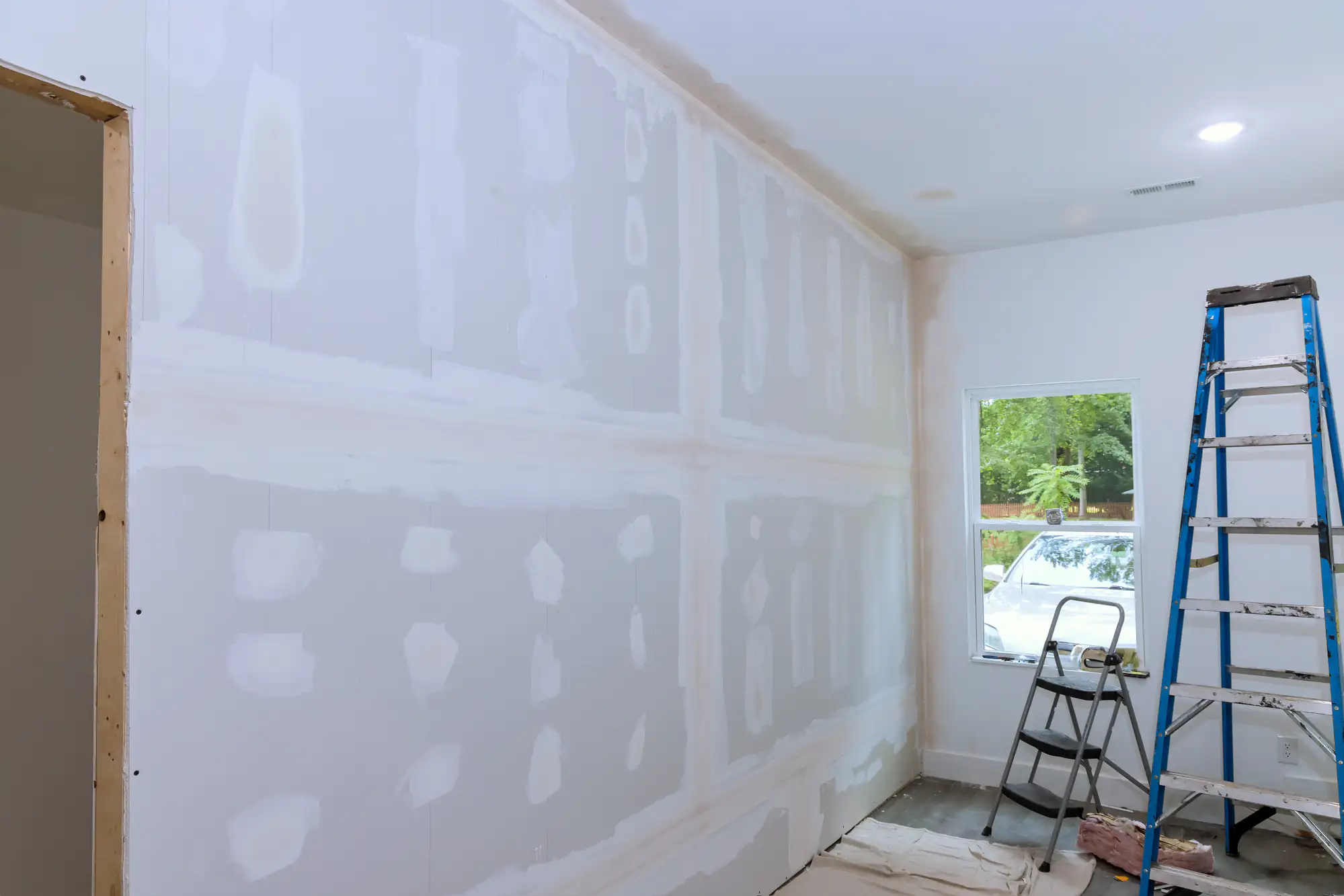
You know what bad drywall work looks like. Visible seams that catch the light. Texture that doesn’t quite match. Corners that crack within months because someone rushed the taping.
Good sheetrock work disappears. You don’t notice the seams. The surface is smooth enough that paint goes on clean. Corners stay tight through temperature swings and settling.
That’s what nearly ten years of hands-on experience gets you. We’re not learning on your walls. Every sheet gets measured twice, every joint gets proper compound application, and every surface gets sanded to the level it needs—not the level that’s fastest. Your project gets the time it actually requires, and you get walls that look like walls should: invisible until you decide to hang something on them.
We’ve been handling interior work throughout Suffolk County for nearly a decade. We’re the team homeowners call when they need sheetrock installation that won’t need fixing later, or repairs that actually blend in.
You’re working with licensed, insured contractors who’ve seen what happens when drywall gets rushed—and who know how to avoid those problems on your project. We’ve worked in enough Babylon homes to understand how Long Island’s coastal climate affects interior walls, what local building inspectors look for, and how to handle the quirks of older construction mixed with modern materials.
Most of our work comes from referrals. That happens when you show up on time, explain what you’re doing, and leave the job cleaner than you found it.
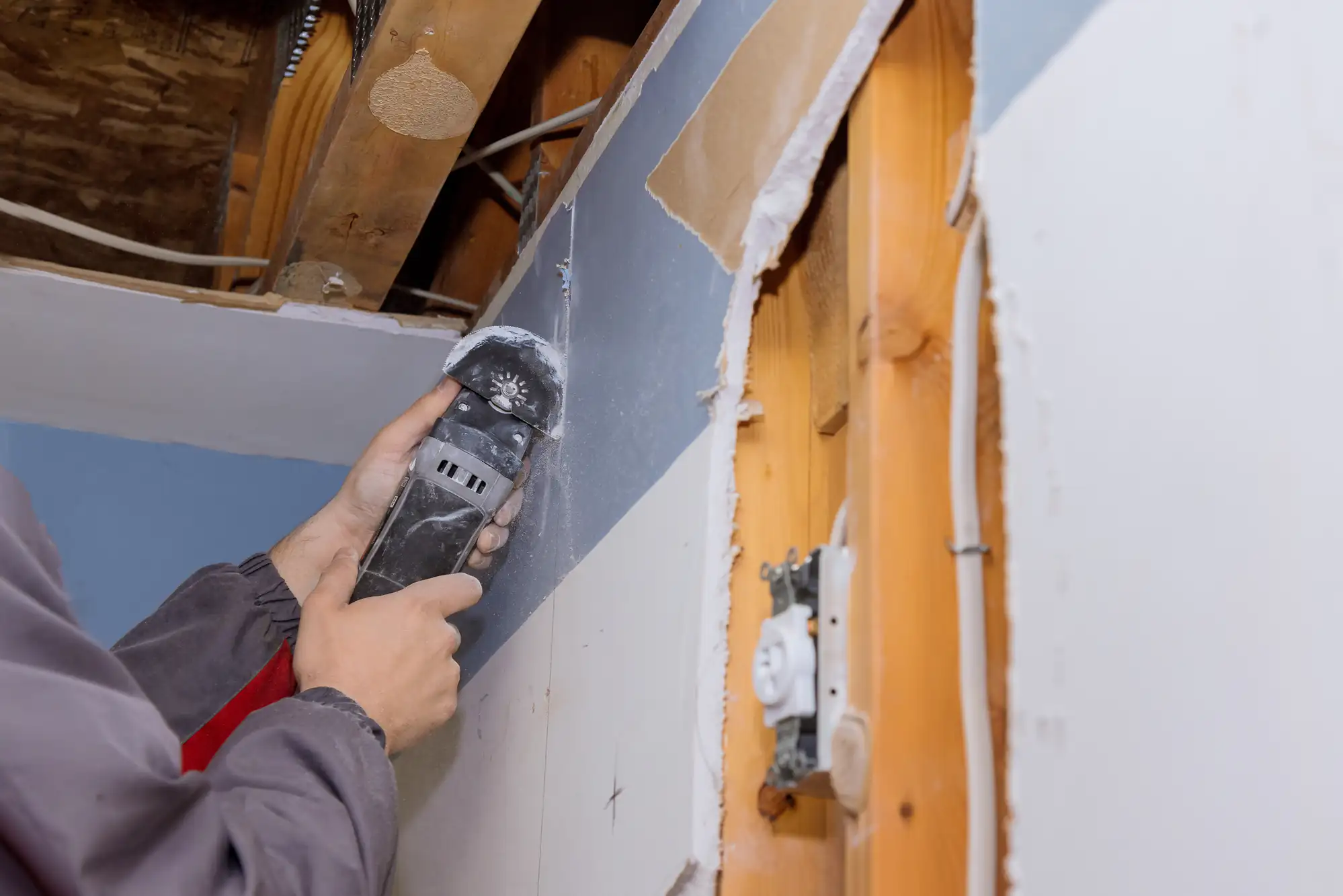
First, we look at what you’re dealing with. If it’s new construction or an addition, we measure the space and calculate materials. For repairs, we assess the damage—water stains, cracks, holes—and determine whether you need a patch or a full panel replacement.
Next comes prep. We protect your floors and furniture, then handle any demo work if we’re replacing damaged sections. New sheetrock gets hung with proper fastener spacing and staggered seams to minimize future cracking. This is where experience matters—knowing how tight to drive screws without breaking the paper face, how to handle corners around windows, where to place seams so they’re easier to finish.
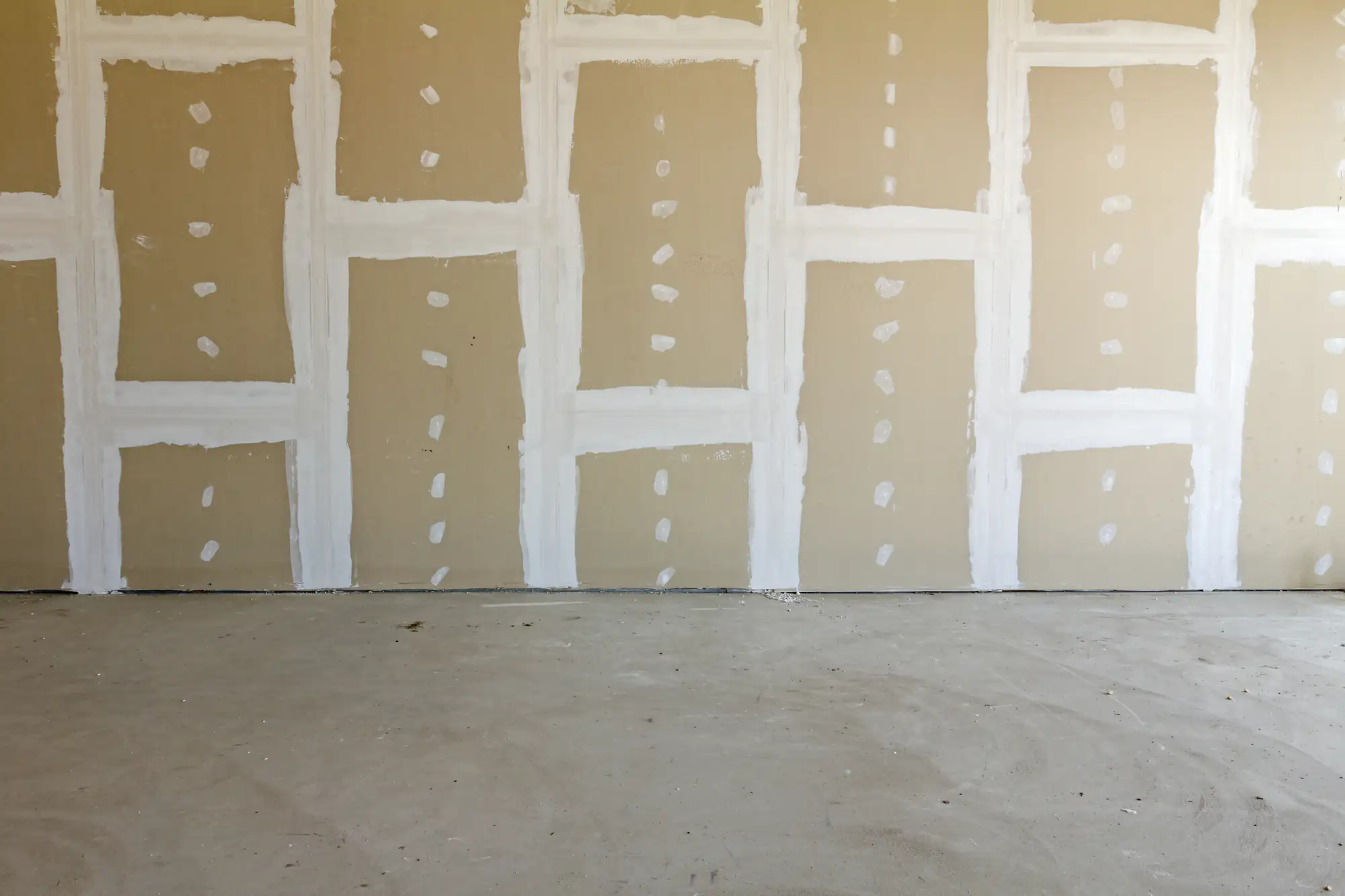
Then comes finishing: taping, multiple coats of compound with drying time between each, sanding to your desired smoothness level. If you’re matching existing texture, we replicate it. If you want smooth walls for painting, we take it to that level. Finally, we prime if that’s part of your scope, clean up completely, and walk you through the finished work so you can see exactly what you’re getting.
Ready to get started?
You’re getting full-service drywall work. That means hanging new sheetrock for additions, basements, or renovations. It means repairing damage from water leaks, accidents, or settling. It includes all the finishing steps—taping, mudding, sanding—to whatever level your walls need.
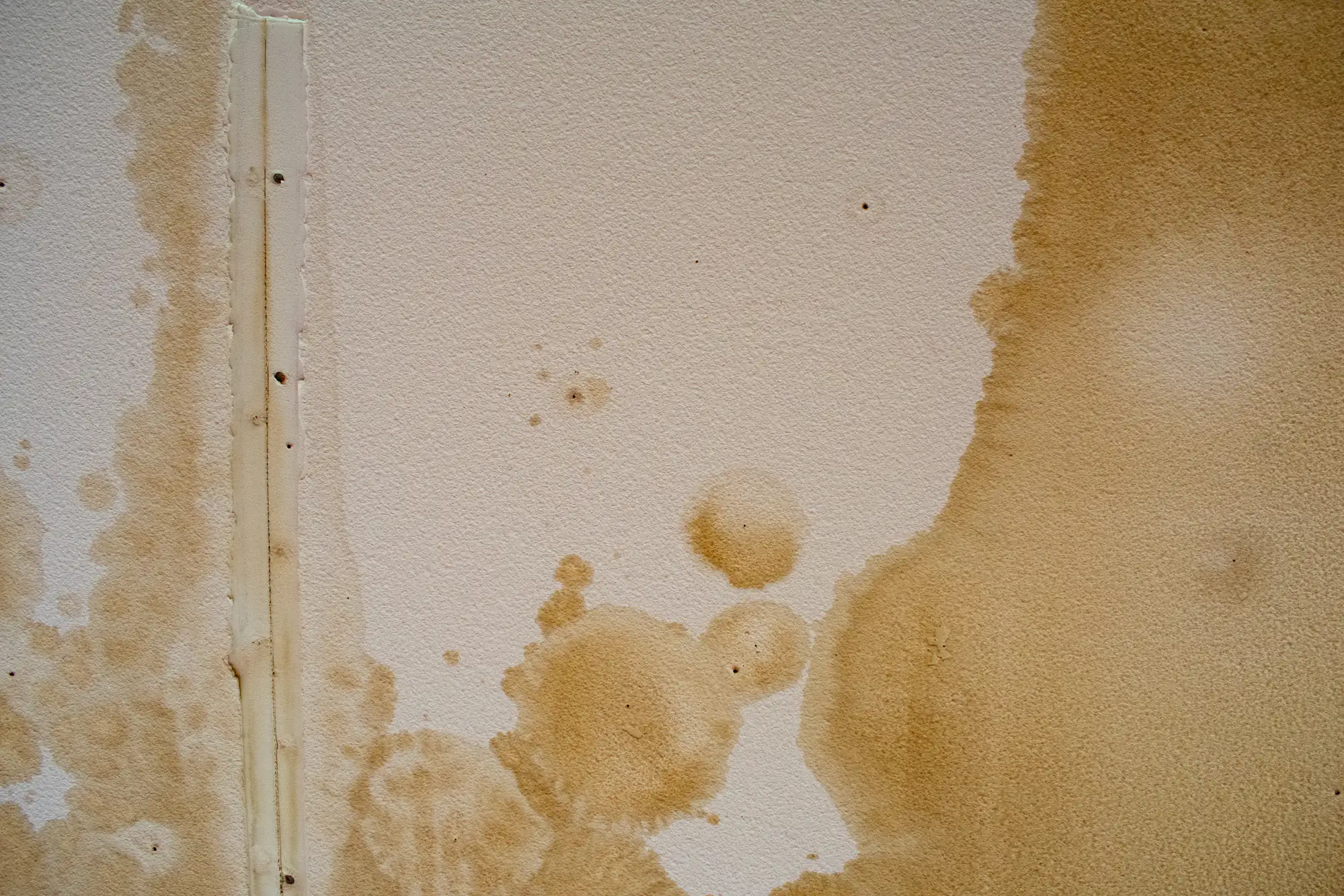
For Babylon homeowners, this often involves dealing with water damage from coastal weather. Long Island homes face humidity, occasional flooding, and roof leaks that show up on ceilings first. We handle those repairs with proper moisture remediation before installing new material, so you’re not just covering up a problem that’ll reappear.
Commercial work gets the same attention. Retail spaces, offices, and rental properties need drywall installation that meets code and looks professional. We work around your schedule when possible and complete projects efficiently without sacrificing quality.
You also get honest pricing. We calculate material costs, labor hours, and complexity factors, then give you a number that won’t change unless the scope changes. No hidden fees for “unexpected” work that any experienced contractor should have anticipated from the start.
Most homeowners spend between $400 and $800 for standard repair work—that’s patching a few holes, fixing cracks, or replacing a damaged section of wall or ceiling. Smaller jobs like patching a single hole might run $200 to $300. Larger projects involving water damage, multiple rooms, or full wall replacement can reach $2,000 to $6,000 depending on square footage and finishing requirements.
The variables that affect your cost: damage extent, ceiling height, texture matching complexity, and whether we’re just patching or replacing entire panels. Water damage usually costs more because we’re addressing underlying issues, not just the visible surface problem.
We give you an upfront estimate after seeing the actual damage. That number includes materials, labor, and finishing work. If we find additional problems once we open up a wall—like mold or structural issues—we’ll discuss it with you before proceeding, not after.
A single room typically takes two to four days from start to finish. That includes hanging, taping, applying multiple coats of compound with drying time between each, sanding, and cleanup. Larger projects like finishing a basement or handling multiple rooms can take one to two weeks.
The timeline depends mostly on drying time, not labor hours. Joint compound needs to dry completely between coats, and rushing that process leads to cracking and poor adhesion. We can’t speed up chemistry, and you don’t want us to try.
Weather affects drying time too. High humidity—common in Babylon, especially near the water—slows the process. We account for that in our scheduling so you get realistic completion dates, not optimistic ones that we’ll miss. If your project has a firm deadline, tell us upfront so we can plan accordingly or let you know if it’s achievable.
Yes, but texture matching is more art than science. We can replicate most common textures—orange peel, knockdown, skip trowel, even older popcorn finishes if that’s what you’re working with. The challenge is making a repair blend seamlessly with walls that might be decades old.
Older texture often has subtle variations from settling, multiple paint layers, or changes in application technique over time. We get as close as possible by testing the pattern on scrap material first, then applying it to your repair area. Most of the time, you won’t notice the repair once it’s painted. Occasionally, especially with unusual custom textures, there’s a slight difference that becomes invisible after a few months as everything settles.
If perfect matching is critical—say, for a highly visible area in a home you’re selling—we might recommend texturing the entire wall rather than just the repair. That guarantees consistency but adds cost. We’ll discuss your options and let you decide what makes sense for your situation and budget.
Yes, and we handle them properly. Water-damaged drywall needs more than just patching. You’re dealing with potential mold, compromised structural integrity, and moisture that needs to dry out before new material goes up.
First, we identify and confirm the water source is fixed—there’s no point installing new sheetrock if the leak is still active. Then we remove damaged material, check framing for rot or mold, treat any issues we find, and let everything dry completely. Only then do we install new drywall. This takes longer than a standard repair, but it’s the only way to avoid recurring problems.
For Babylon homeowners, water damage often comes from roof leaks, coastal storms, or humidity issues in basements near the water table. We’ve seen what happens when contractors skip the remediation steps and just cover up wet drywall—it fails within months. You’re paying for the repair once, and you’re getting it done right so you don’t pay for it twice.
Nothing, practically speaking. Sheetrock is a brand name owned by USG Corporation, but it’s become the generic term most people use for drywall—like Kleenex for tissues or Band-Aid for bandages. Both terms refer to the same product: gypsum panels used for interior walls and ceilings.
When you’re getting estimates, don’t worry about whether a contractor says “drywall” or “sheetrock.” What matters is the quality of material they’re using and how they’re installing it. Standard panels are half-inch thick for walls, five-eighths for ceilings. Moisture-resistant (green board) or mold-resistant (purple board) versions exist for bathrooms and basements.
We use professional-grade materials appropriate for your specific application. That means moisture-resistant panels in bathrooms, impact-resistant panels in high-traffic areas if needed, and standard panels everywhere else. The installation technique matters more than the brand name—proper fastener spacing, correct joint treatment, adequate drying time between coats. That’s what determines whether your walls hold up or start showing problems within a year.
Hanging drywall isn’t complicated. Finishing it well is. If you’re comfortable with the physical work and have time to learn the finishing process, small repairs are DIY-friendly. Patching a hole, fixing a crack—those are manageable weekend projects if you’re patient with the learning curve.
Full installations are different. Hanging sheets on ceilings requires help and proper bracing. Finishing seams so they disappear takes practice most homeowners don’t have. Texture matching is difficult even for experienced contractors. And mistakes are expensive to fix—bad taping jobs need to be scraped off and redone, which costs more than hiring a professional from the start.
The other factor: drywall dust. Sanding creates fine particles that get everywhere and contain materials you don’t want to breathe, especially if you have respiratory issues. Professional contractors have dust control equipment and experience working efficiently. If you’re living in the space during the work, that matters. Consider your skill level honestly, price out materials and tool rentals, and compare that to professional estimates. Sometimes DIY saves money. Often it doesn’t, once you factor in your time and the risk of needing professional fixes later.