
Hear from Our Customers
You’re not just getting drywall hung. You’re getting work that holds up when your buyer’s attorney asks for the Certificate of Occupancy. Work that doesn’t buckle when Long Island humidity rolls in off the water. Work that actually passes Brookhaven’s inspections without a callback.
That matters when you’re trying to sell. It matters when you’re refinancing. It matters when you just want to know the walls in your home were done right.
Most sheetrock contractors can tape and mud. Not all of them understand that Brookhaven requires permits for structural changes. Not all of them know which materials hold up in coastal air. Not all of them show up when they say they will.
We’ve spent nearly a decade doing residential and commercial drywall installation across Suffolk County. We know what the inspectors look for. We know what fails in five years versus what lasts. And we know that your time and your budget both matter.
We’re not new to Brookhaven. We’ve worked in enough homes here to know that the building codes are stricter than most towns, the inspectors don’t mess around, and the salt air will expose bad work faster than anywhere else on Long Island.
We’re licensed and insured in Suffolk County. We pull permits when they’re required. We use contracts for every job over $500, because that’s the law and because it protects both of us.
You’re hiring a local sheetrock contractor who’s seen what happens when work isn’t done right the first time. We’ve ripped out plenty of failing drywall from other jobs—walls that were never meant to handle moisture, corners that crack after one winter, tape that bubbles because someone rushed it. We don’t work that way.
You call or message us with what you need. We set up a time to walk the space—whether it’s a basement remodel, a commercial office build-out, or drywall repair from a leak. We measure, we ask questions about your timeline, and we give you a clear price. No range. No “it depends.” A number you can actually use.
If the job requires a permit in Brookhaven, we tell you up front. We handle the paperwork and make sure everything is filed before we start. Then we schedule the work around your life, not ours.
During installation, we’re using moisture-resistant materials if you’re near water. We’re taping and applying compound in stages, not all at once, because that’s how you avoid cracks and bubbles. We’re checking level and plumb as we go. And if something doesn’t look right, we fix it before we move on.
When we’re done, the walls are smooth, the seams are invisible, and the work passes inspection. You’re not calling us back in six months because something failed. You’re moving on with your project.
Ready to get started?
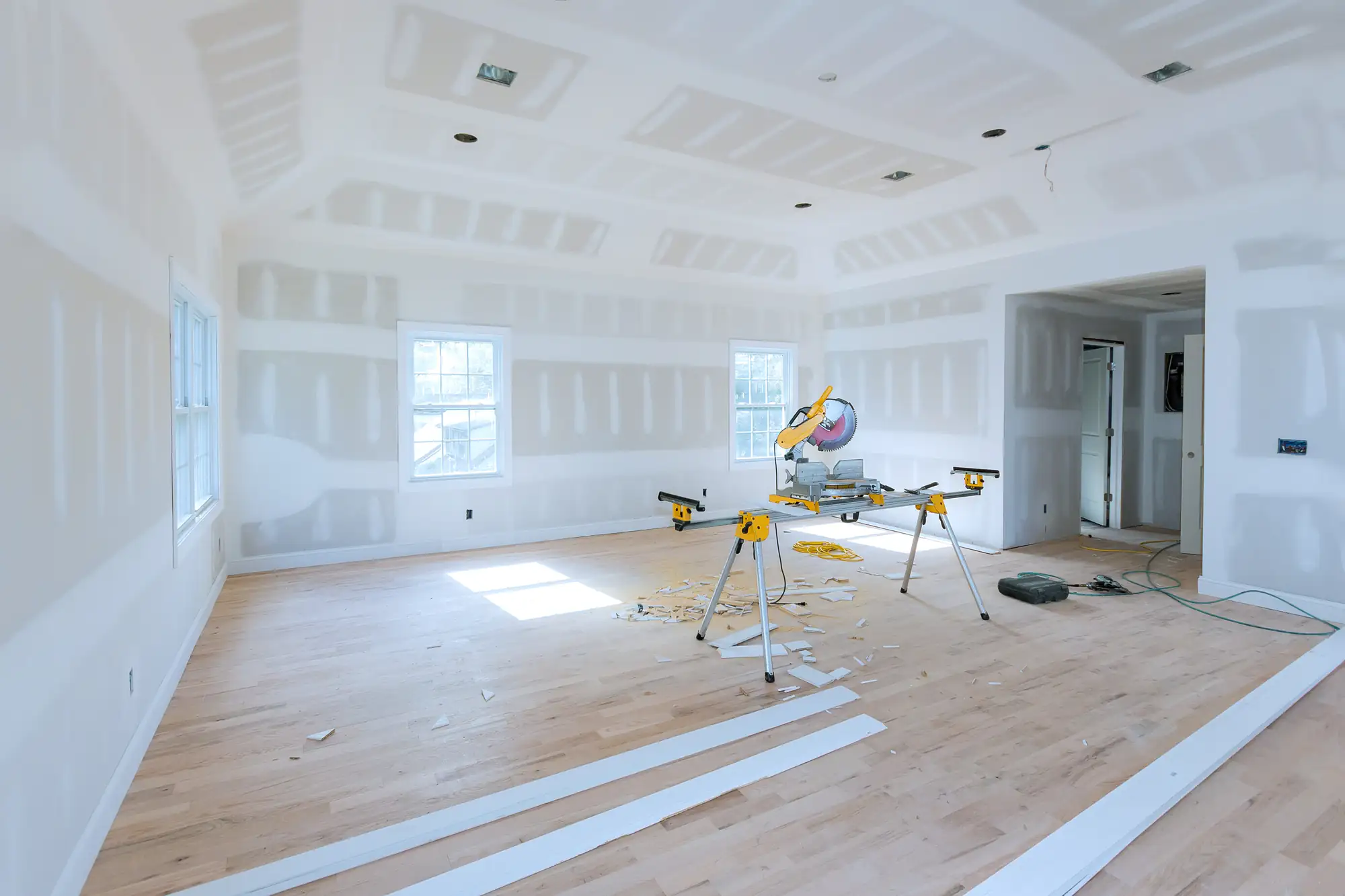
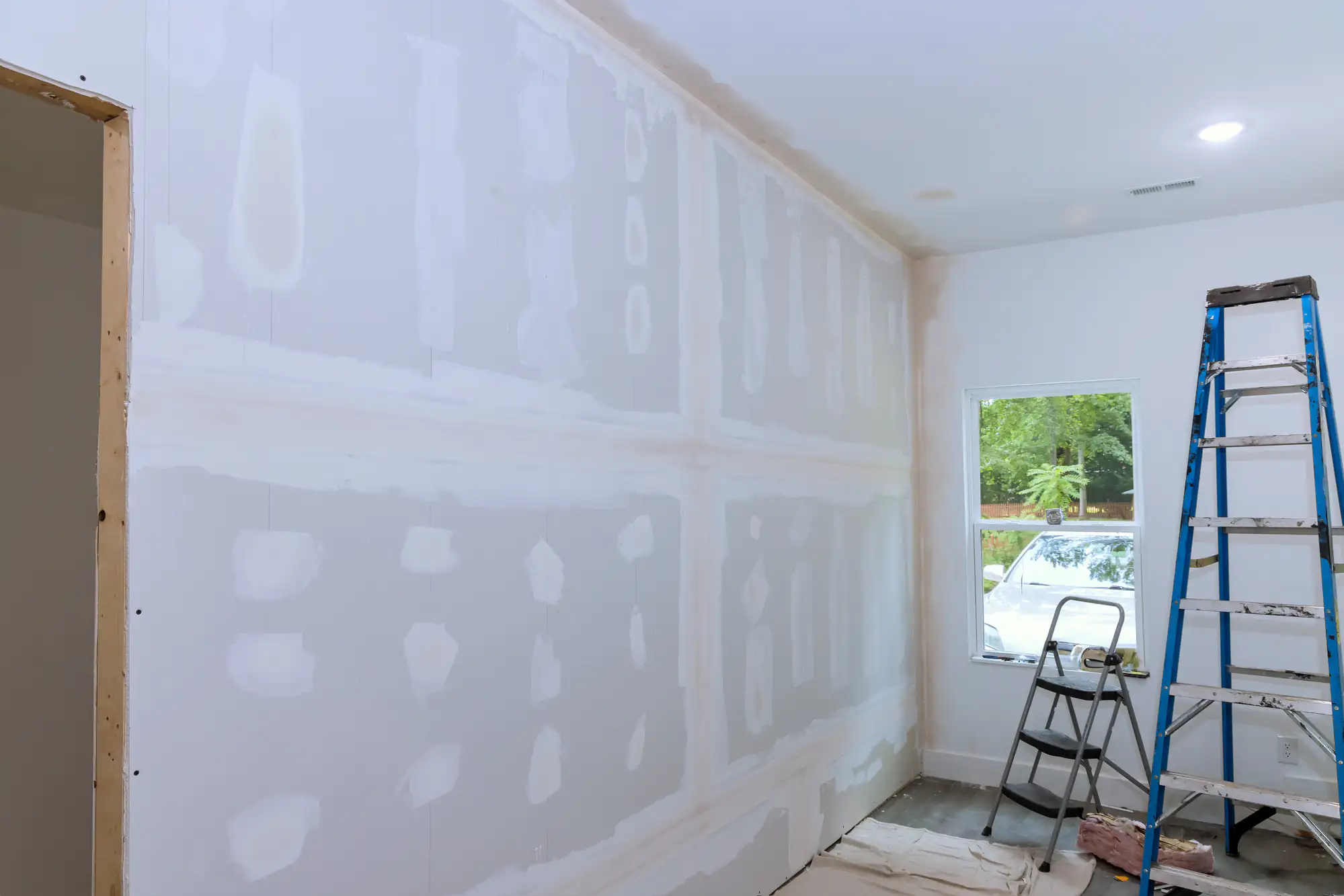
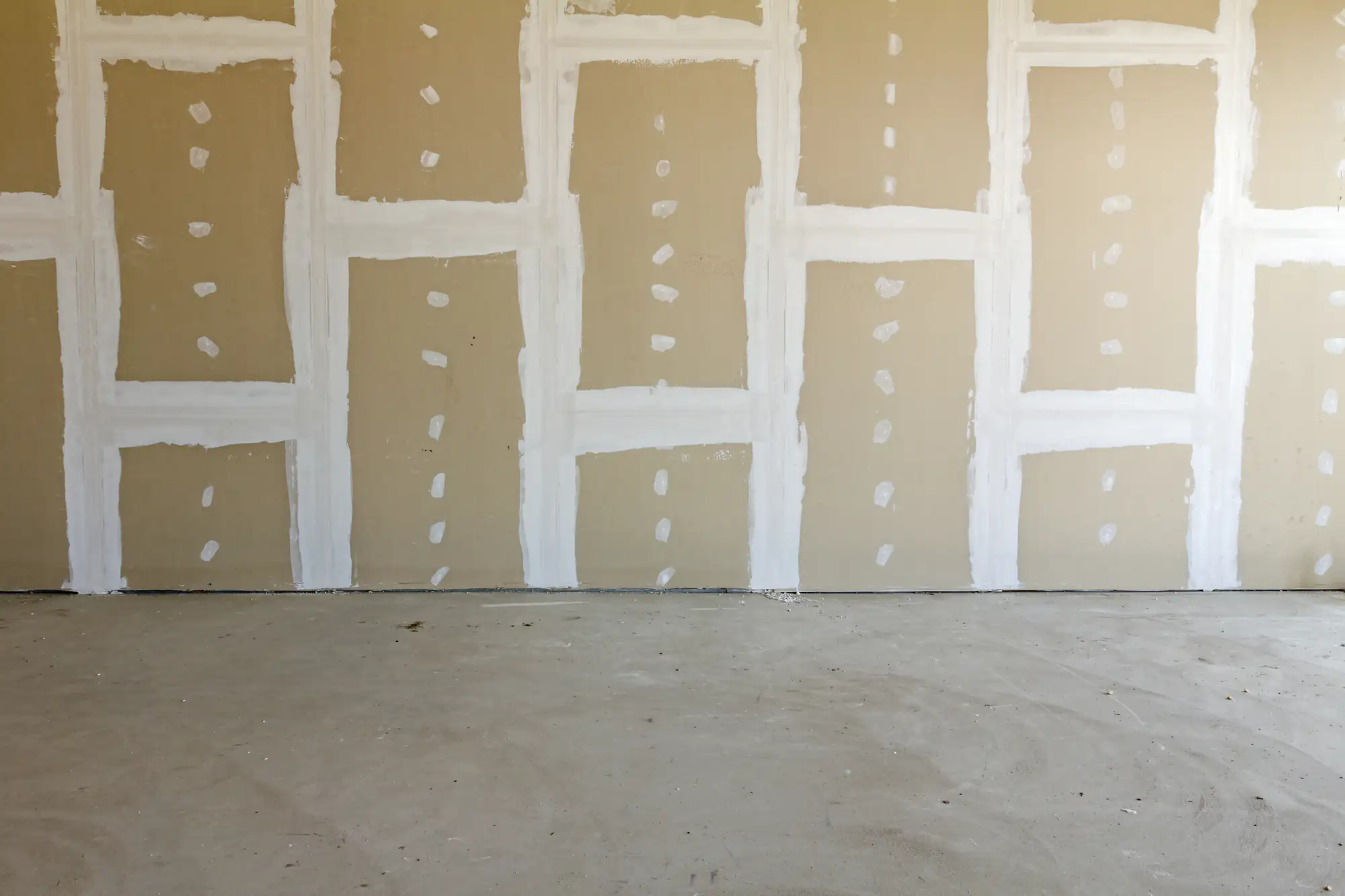
We handle sheetrock installation for new construction and renovations—hanging drywall sheets, taping seams, applying joint compound, sanding smooth, and prepping for paint. If you’re adding a room, finishing a basement, or opening up walls, we’re doing the full build-out.
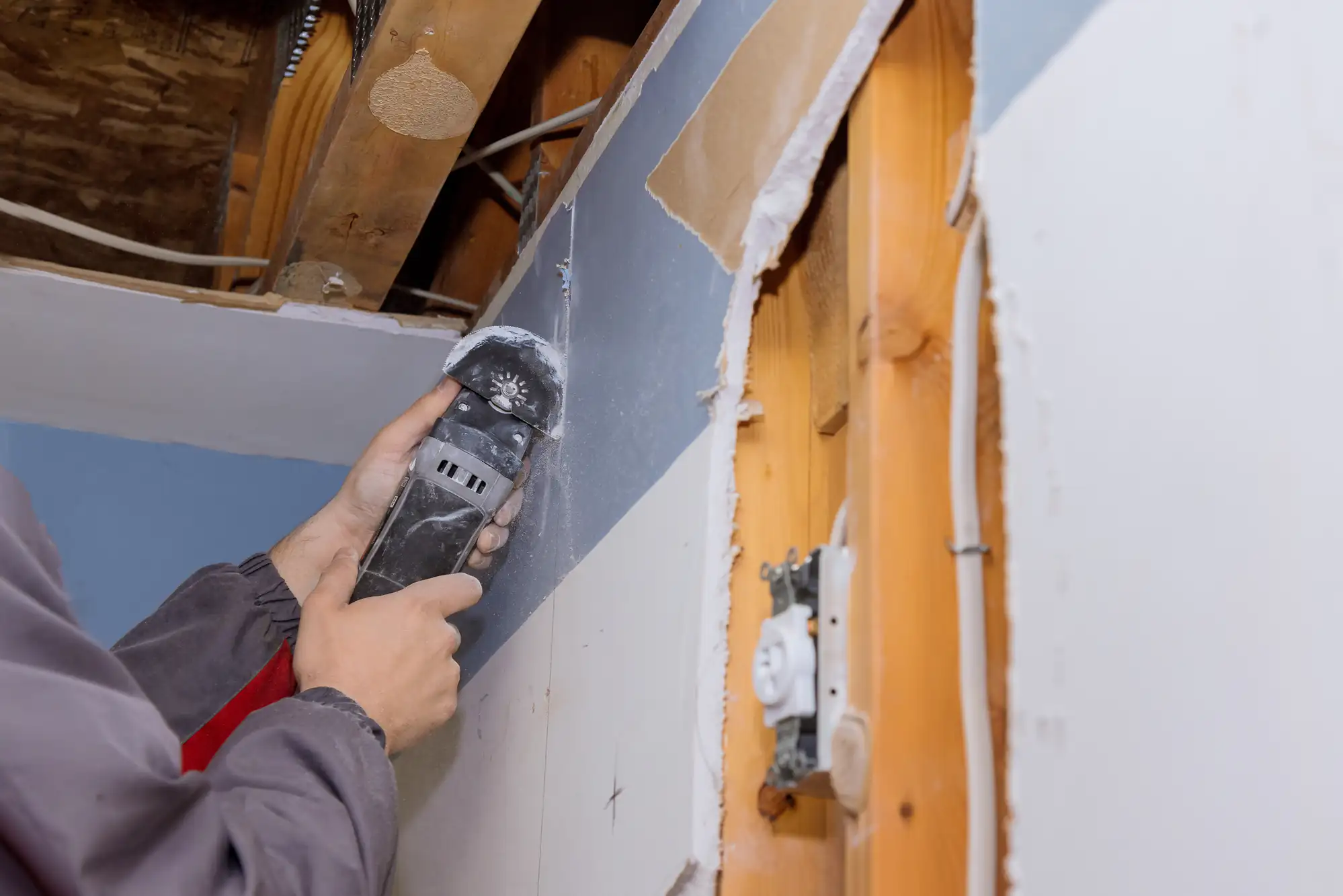
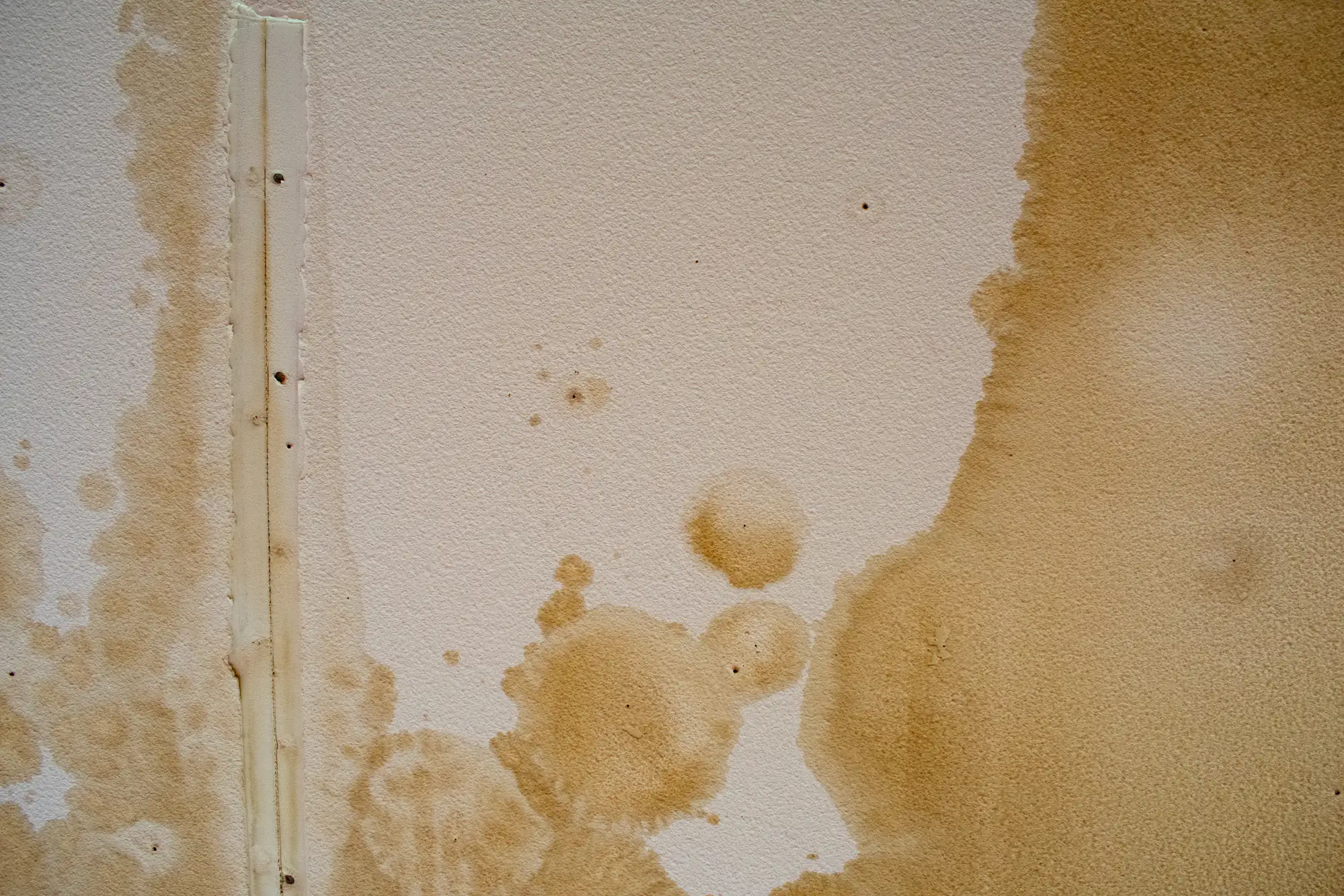
We also do drywall repair. That means fixing holes, cracks, water damage, or bad work from someone else. If your walls are failing because the wrong materials were used or the job was rushed, we’ll remove what’s damaged and replace it with something that lasts.
For commercial projects in Brookhaven, we’re working with fire-rated drywall, soundproofing, and materials that meet code for your building type. Retail spaces, offices, medical facilities—we’ve done it. We know the inspectors in Suffolk County expect documentation, and we keep it organized.
One thing we don’t do: work without a plan. If your project needs a permit, we’re getting one. If it doesn’t, we’ll tell you why. But we’re not cutting corners to save a few days or a few dollars, because that always costs more later.
It depends on what you’re doing. If you’re just patching a hole or replacing a damaged section of drywall, you typically don’t need a permit. But if you’re removing or adding walls, changing the layout of a room, or doing any structural work, Brookhaven requires a permit.
Here’s why that matters. When you go to sell your home, the buyer’s attorney will ask for a Certificate of Occupancy. If you’ve done unpermitted work, you can’t get one. That kills deals. It also means you can’t prove the work was inspected, which makes buyers nervous and gives them leverage to renegotiate or walk away.
We pull permits when they’re required. It adds a little time to the schedule, but it protects your investment and keeps everything legal. If you’re not sure whether your project needs one, we’ll tell you during the estimate.
A single room usually takes two to three days—one day to hang the drywall sheets, another day or two for taping and applying joint compound, then sanding and final prep. Larger projects like a full basement or multiple rooms take longer, usually a week to ten days depending on size and complexity.
The timeline also depends on whether we’re working around other trades. If electricians or plumbers still need access, we coordinate with them so nobody’s waiting around. And if the job requires multiple coats of compound—which it should—we’re not rushing the dry time just to finish faster.
We’ll give you an honest timeline during the estimate. If something changes, we’ll let you know right away. But we don’t disappear for days or leave jobs half-finished. You’ll know when we’re coming and when we’ll be done.
Regular drywall is fine for most interior spaces—bedrooms, living rooms, hallways. It’s made of gypsum sandwiched between paper. But in areas with moisture—bathrooms, basements, kitchens, or anywhere near Long Island’s coastal humidity—you need moisture-resistant drywall, sometimes called green board or purple board depending on the brand.
Moisture-resistant drywall has a treated core and facing that resist mold and don’t break down when they get damp. That’s critical in Brookhaven because of how much moisture comes off the water. Regular drywall will eventually bubble, sag, or grow mold if it’s installed in the wrong place.
We use the right materials for the space. If you’re finishing a basement or remodeling a bathroom, we’re not using standard drywall just because it’s cheaper. We’re using what will actually last in Suffolk County’s climate.
Yes, but it takes some skill. If you’re repairing a section of wall or adding new drywall in a room that already has texture—like orange peel, knockdown, or skip trowel—we can match it so the repair blends in. It’s not always perfect on the first pass, especially with older textures, but we get it close enough that you won’t notice it once it’s painted.
Matching texture is part art, part experience. You need to know how much compound to use, what tools to use, and how to apply it so it doesn’t look like a patch job. A lot of contractors skip this step or do it poorly, and then you’re stuck with a visible repair that stands out every time you walk by.
If your walls are smooth, that’s actually easier. We sand everything flush, prime it, and it disappears. Either way, the goal is the same—when we’re done, you shouldn’t be able to tell where the repair was.
Cracks happen for a few reasons. Sometimes it’s settling—your house shifts slightly over time, and the drywall moves with it. Sometimes it’s poor installation—corners that weren’t taped correctly, seams that didn’t get enough compound, or screws that were driven too deep. And sometimes it’s moisture or temperature changes that cause the material to expand and contract.
You can’t stop a house from settling, but you can reduce cracking by using the right techniques. That means proper taping at seams and corners, the right amount of joint compound applied in thin coats, and screws placed correctly so they’re flush but not breaking the paper. We also use moisture-resistant materials in areas where humidity is an issue, because that prevents the kind of swelling and shrinking that leads to cracks.
If you’ve got cracks now, we’ll fix them. But more importantly, we’ll figure out why they happened so they don’t come back. Sometimes that means adding blocking behind the drywall for support. Sometimes it means using a different compound or mesh tape. It depends on the situation, but we’re not just covering up the problem.
It depends on the size of the job, the condition of the space, and what materials you need. A small repair—patching a hole or fixing a crack—might run a few hundred dollars. A full room of new drywall installation, including taping, mudding, and sanding, typically costs more depending on square footage and ceiling height. Larger projects like basements or whole-home renovations are priced based on scope.
We don’t give estimates over the phone because there are too many variables. We need to see the space, measure it, and understand what you’re trying to do. Then we give you a written price that includes labor, materials, and any permit costs if applicable. No surprises. No “we didn’t realize” charges later.
What we don’t do is lowball the price to get the job and then add fees once we’re halfway through. If something unexpected comes up—like water damage behind the wall that needs fixing first—we’ll talk to you about it before we do the work. You’ll always know what you’re paying and why.