
Hear from Our Customers
You’re not looking for the cheapest bid. You’re looking for someone who shows up on time, does the work right, and doesn’t leave your home looking like a construction zone.
That’s what matters when you’re dealing with sheetrock installation or drywall repair. The difference between a smooth, lasting finish and one that cracks in six months comes down to prep work, material quality, and whether the contractor actually knows what they’re doing. Most homeowners in Hauppauge don’t realize how much dust standard drywall work creates until it’s coating their furniture. We use dust-containment methods that keep your space livable while we work.
You get texture matching that blends seamlessly with existing walls. You get repairs handled correctly the first time—whether it’s water damage, settlement cracks, or holes from old fixtures. And you get someone who answers the phone when you call, explains what’s happening, and sticks to the timeline we gave you.
No hidden fees tacked on at the end. No subcontractors who don’t show up. Just straightforward work from a local team that’s been doing this in Suffolk County for nearly a decade.
Jaguar Renovations has been handling interior projects across Hauppauge and the surrounding area since 2016. We’re licensed, insured, and we don’t subcontract our sheetrock work to strangers. When you hire us, you’re working with the same crew from start to finish.
Hauppauge homeowners are investing heavily in their properties right now—median home prices are up over 5%, and more people are choosing to renovate rather than move. That means you need contractors who understand what’s at stake. We’ve worked in homes from older ranches near the Long Island Rail Road station to newer builds off Veteran’s Memorial Highway, and we know how different wall systems behave over time.
We’re not the company that rushes through a job to get to the next one. We’re the ones who take the time to prep correctly, match your existing finishes, and clean up like we were never there.
First, we come out to see what you’re dealing with. We measure the space, check for underlying issues like moisture or structural concerns, and talk through what you want. You’ll get a clear estimate with no fine print—just a breakdown of materials, labor, and timeline.
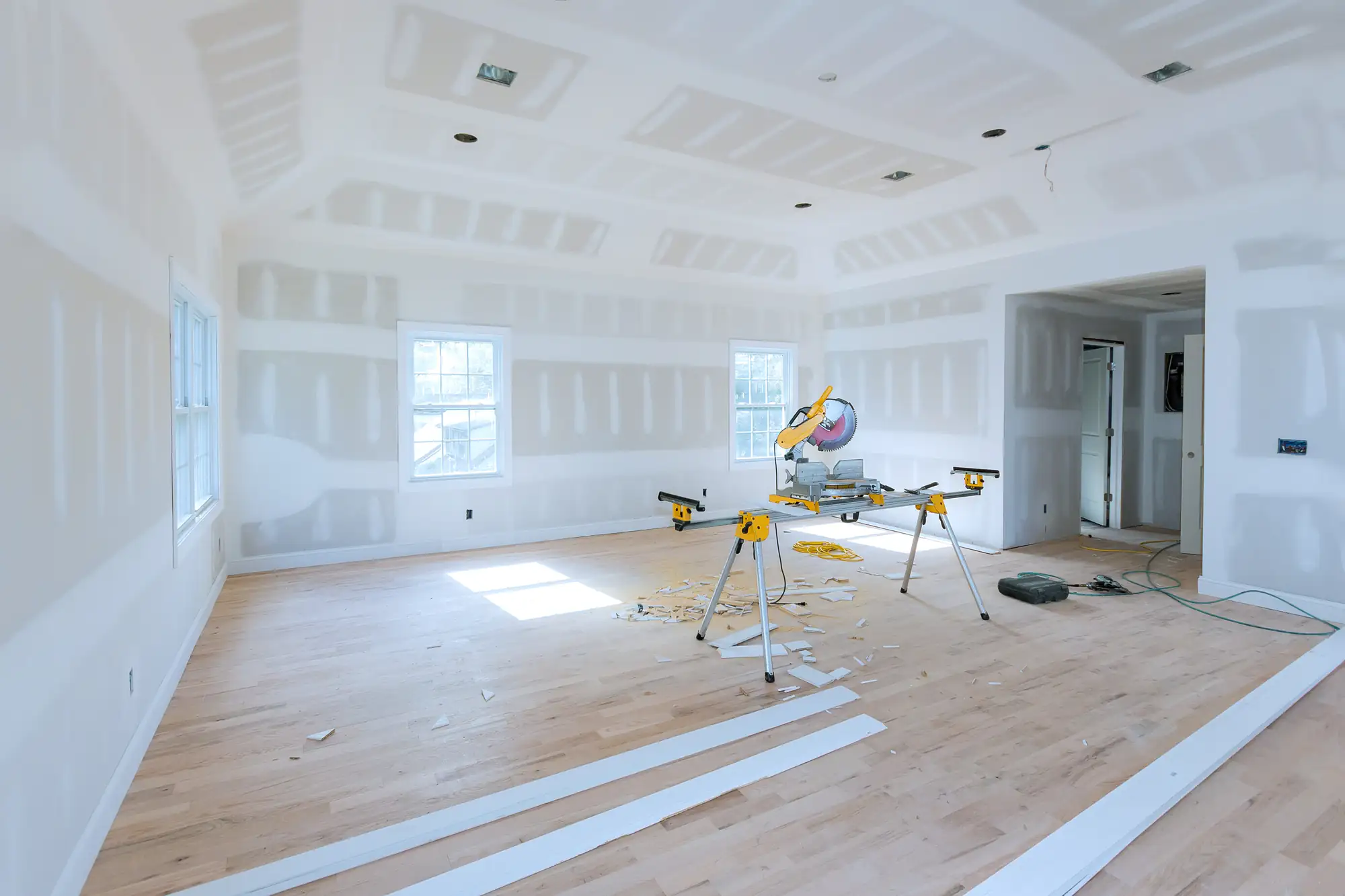
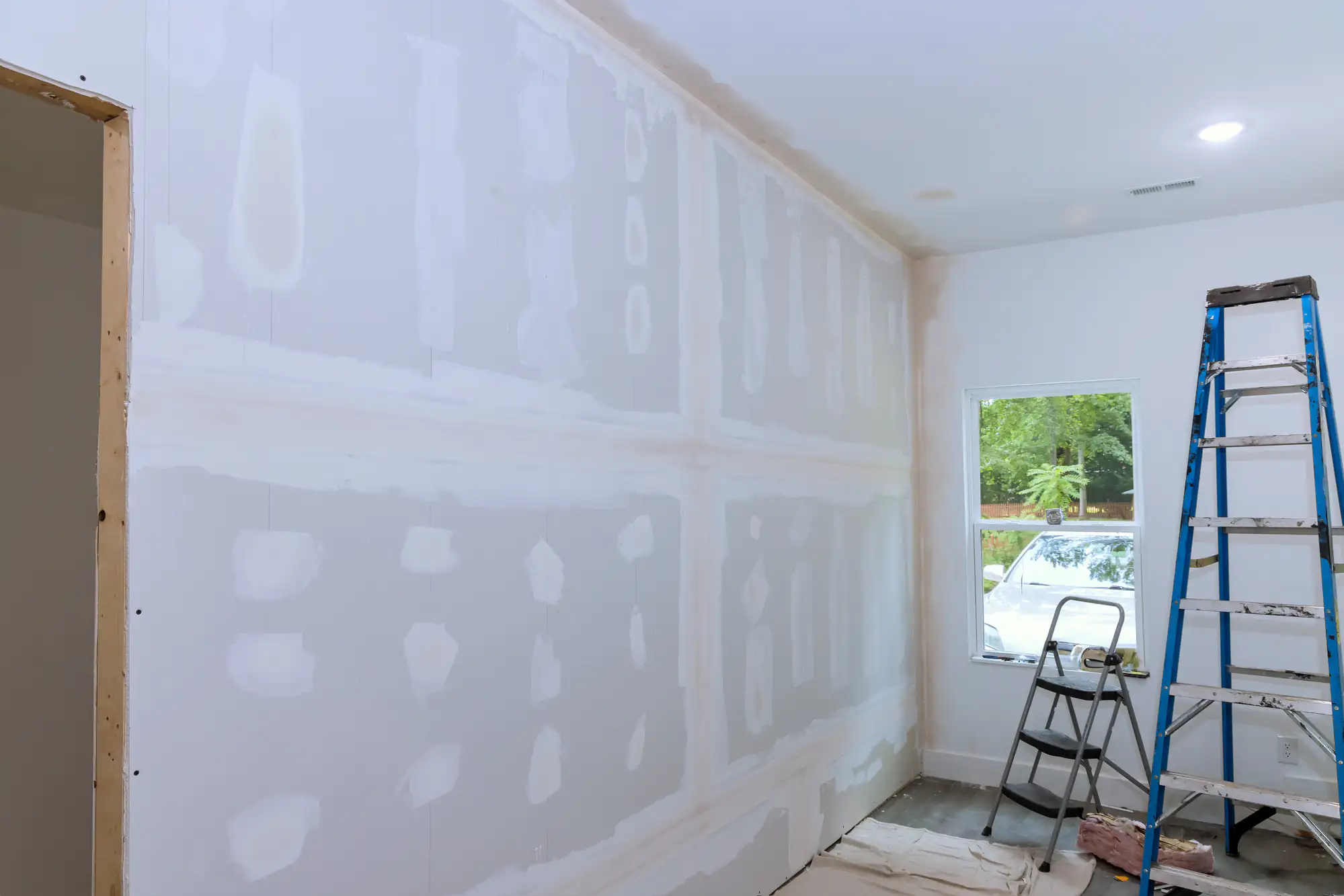
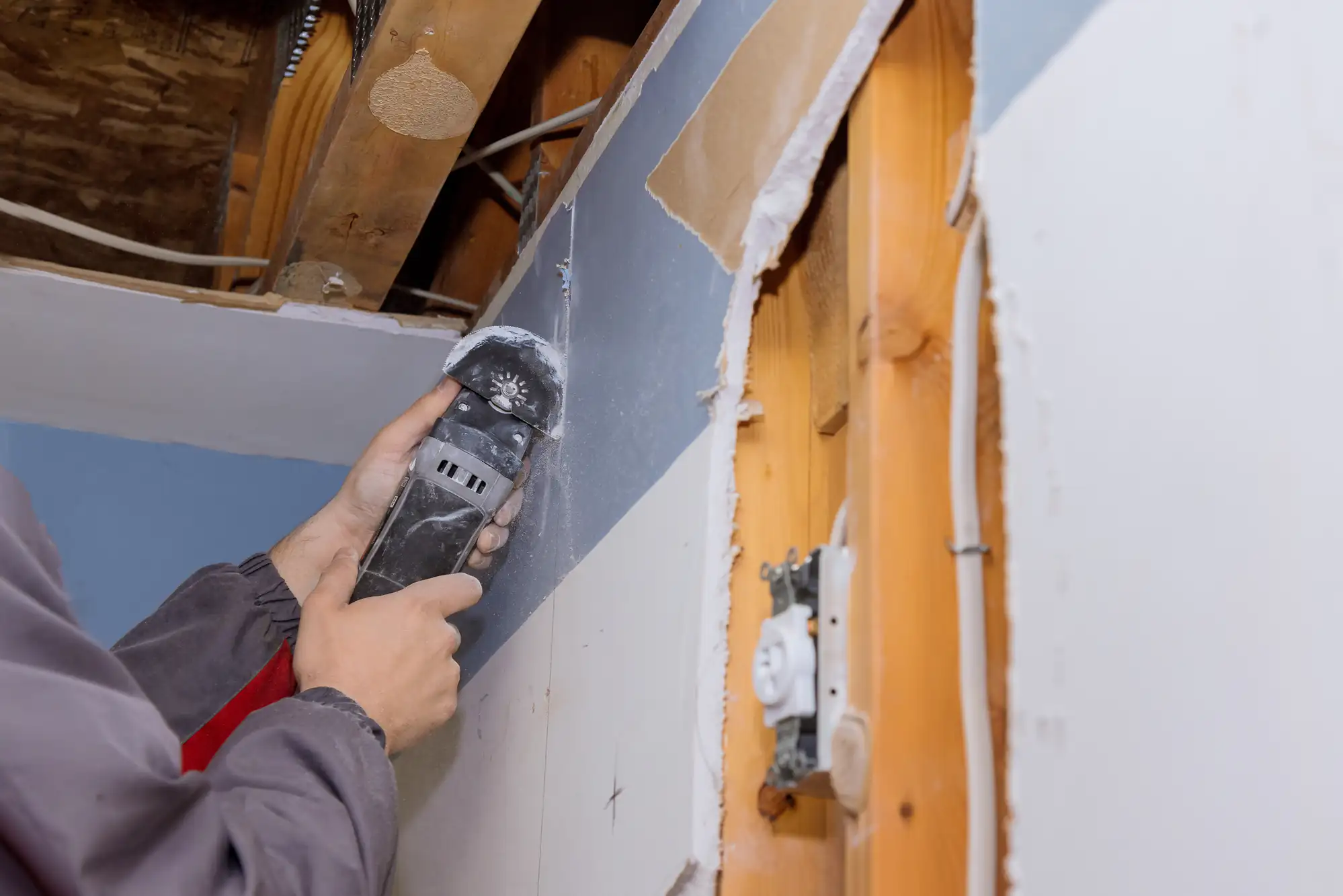
Once we start, we protect your floors and furniture, then begin any demo or prep work. If we’re repairing existing drywall, we cut out damaged sections cleanly and check the framing behind it. For new installations, we hang sheets with proper fastener spacing and stagger seams to prevent cracking. Every edge gets taped and multiple coats of joint compound, sanded smooth between layers.
Here’s where most contractors cut corners: they rush the sanding or skip primer. We don’t. We sand until the surface is perfectly smooth, prime it correctly, and make sure textures match before any paint goes on. If you’re dealing with water damage, we also address the source and treat for mold before closing anything up.
Cleanup happens daily, not just at the end. We bag debris, vacuum dust, and leave your home in better shape than we found it. The final walkthrough happens with you—we don’t consider the job done until you’re satisfied with how it looks.
Ready to get started?
You’re getting full-service sheetrock work—installation, repair, texturing, finishing, and paint-ready prep. We handle everything from small patch jobs to complete room overhauls, basements, and ceiling repairs.
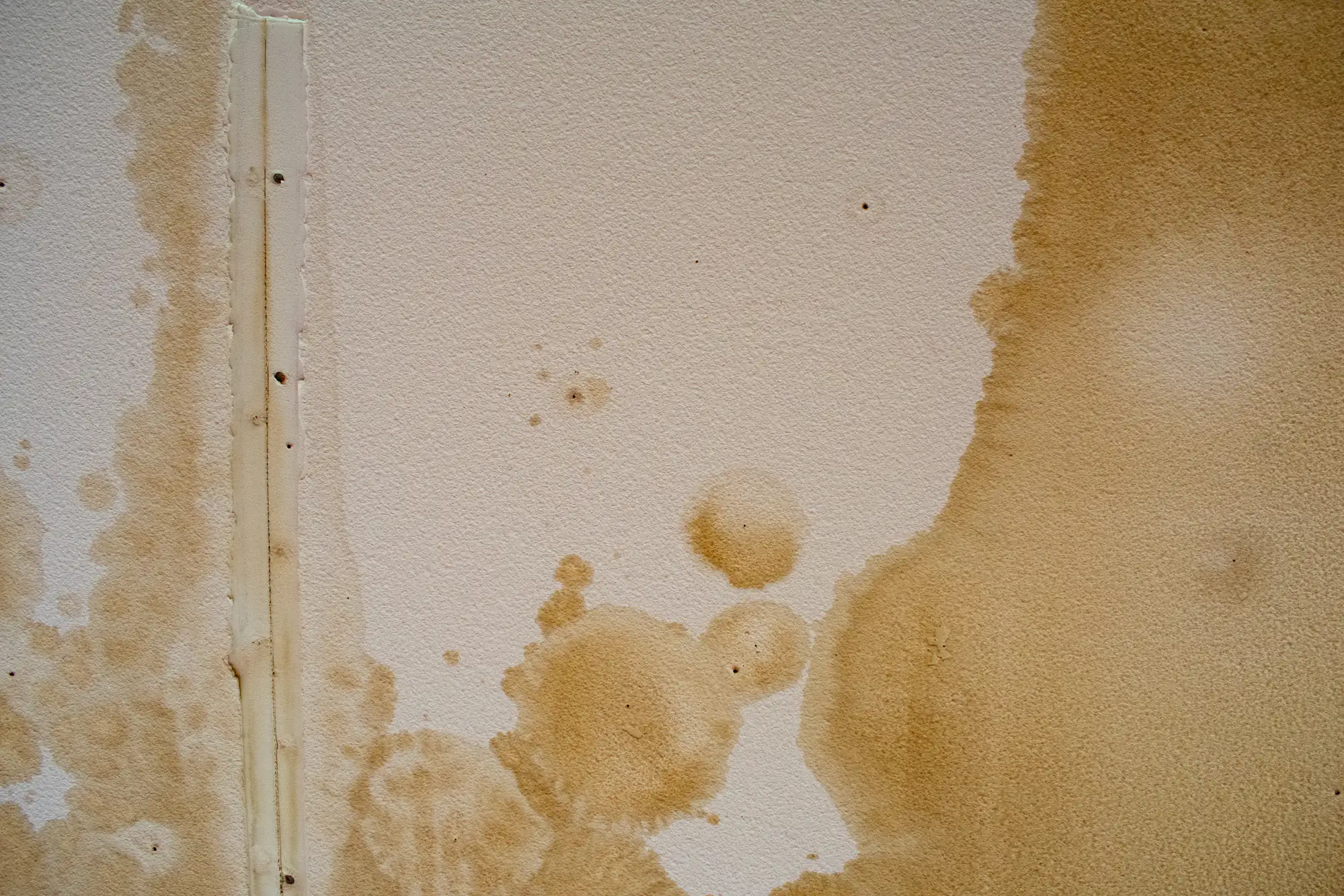
In Hauppauge, we see a lot of water damage from roof leaks, bathroom moisture, and basement seepage. That’s common in older homes, especially near areas with poor drainage. We don’t just patch over stains—we replace compromised panels, treat for mold, and fix the underlying issue so it doesn’t come back. If your walls have settlement cracks from the home shifting over time, we address those properly with reinforced taping techniques that prevent them from reopening.
For renovations, we demo old walls, install new sheetrock, and finish it to match your existing texture—whether that’s smooth, knockdown, orange peel, or something custom. We also handle ceiling repairs, which are trickier than walls because gravity works against you and imperfections show more easily under light.
Suffolk County homeowners are spending an average of $20,000 on renovations right now, and a big chunk of that goes toward fixing walls that weren’t done right the first time. You’re better off paying for quality work upfront than dealing with callbacks, cracks, and repaints a year later.
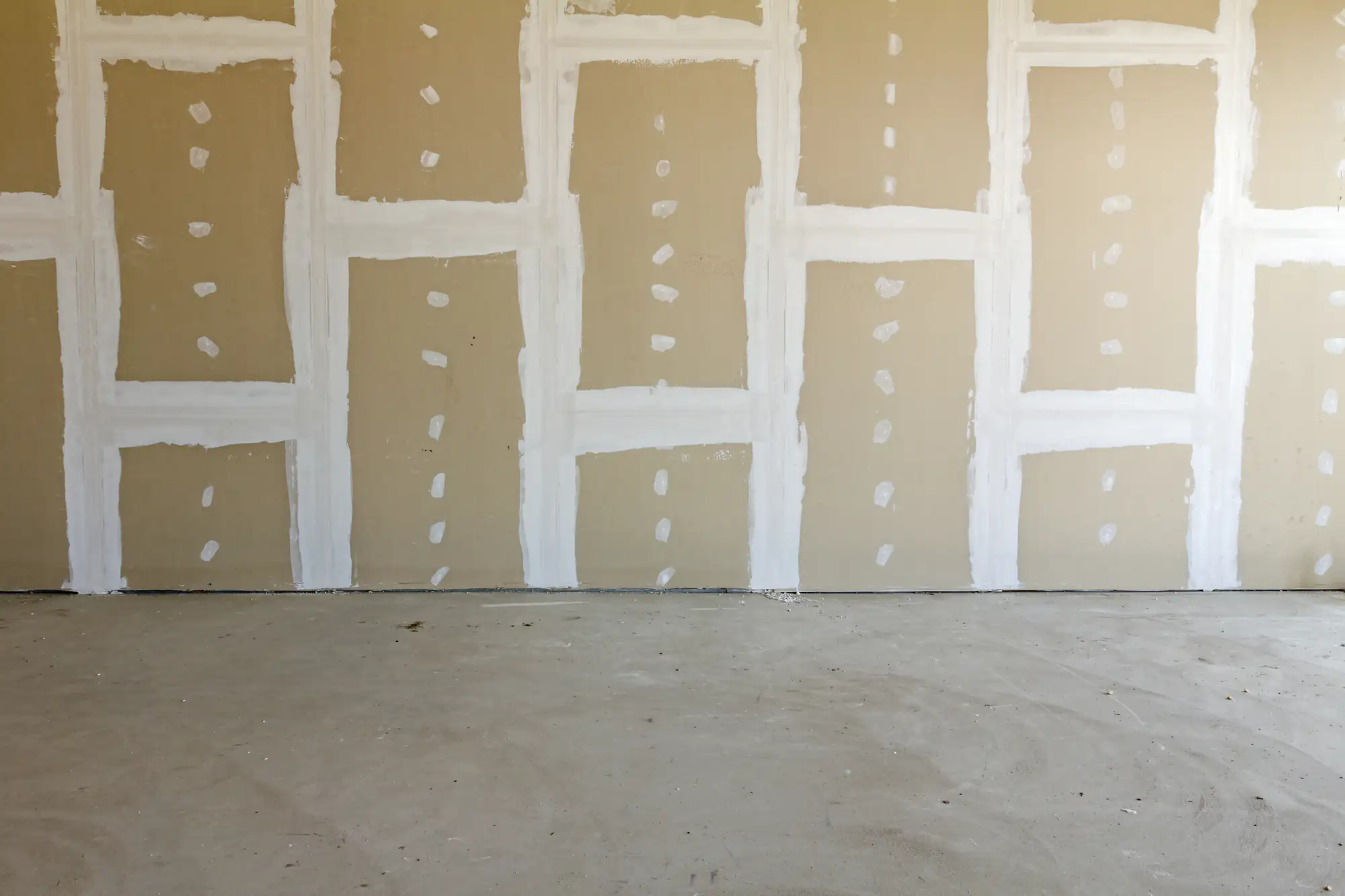
For a standard 12×12 room, you’re looking at about three to five days from start to finish. That includes hanging the drywall, taping and mudding (which requires multiple coats with drying time in between), sanding, priming, and final prep for paint.
Larger spaces or rooms with complex angles, high ceilings, or water damage take longer. Basements often add time because of moisture concerns and the need to work around mechanicals like ductwork and wiring. If we’re matching existing textures, that adds another day for application and drying.
Rushing this process is how you end up with visible seams, cracks, and uneven surfaces. Each coat of joint compound needs to dry completely before the next one goes on, and sanding between coats is what creates that smooth, professional finish. We’ll give you a realistic timeline upfront based on your specific project, and we stick to it.
Repair works when the damage is localized—small holes, minor cracks, or surface issues that don’t affect the structural integrity of the panel. We cut out the damaged section, patch it with new material, tape and mud the seams, and blend it into the surrounding wall. This is cost-effective and usually takes a day or two.
Full replacement makes sense when you’re dealing with extensive water damage, large holes, or walls that have been patched multiple times and look uneven. In those cases, it’s often faster and cheaper in the long run to tear out the entire panel and start fresh. You get a completely smooth surface without the patchwork look, and there’s no risk of hidden mold or compromised drywall behind old repairs.
We’ll assess the damage and tell you honestly which approach makes sense. Sometimes homeowners think they need full replacement when a repair will do the job, and we’re not going to upsell you on work you don’t need.
Drywall dust is one of the biggest complaints homeowners have about this type of work, and for good reason—it gets everywhere if you’re not careful. We use dust-containment systems that include plastic barriers to seal off the work area, HEPA-filter vacuums attached to our sanders, and daily cleanup protocols.
Sanding is where most of the dust comes from, so we vacuum as we sand rather than letting it settle on surfaces. We also lay down floor protection and cover vents so dust doesn’t circulate through your HVAC system. At the end of each day, we bag all debris, wipe down surfaces in the work area, and vacuum thoroughly.
You’ll still want to do a final cleaning after we’re done—some fine dust is unavoidable—but it’s a huge difference from contractors who just sand and leave. We’ve had clients tell us they were shocked at how clean their homes stayed compared to previous experiences with other drywall contractors.
Yes, and this is one of those details that separates decent work from professional work. Matching texture requires the right tools, the right mix consistency, and experience knowing how different application techniques create different finishes.
Common textures in Hauppauge homes include knockdown, orange peel, skip trowel, and smooth finishes. We bring samples of your existing texture to match off-site, then apply it to the repaired area using the same method that was originally used. Once it’s primed and painted, you shouldn’t be able to tell where the repair was done.
If your walls have an older or unusual texture, we take extra time to replicate it correctly. Some textures were applied with tools or techniques that aren’t common anymore, so we adapt our approach to match what’s there. The goal is seamless blending—no obvious patches, no mismatched sheen, no difference in how light hits the surface.
We handle the sheetrock side of water damage, which includes removing compromised panels, treating the area, and installing new drywall. If there’s visible mold, we follow proper remediation protocols—removing affected materials, treating the framing with antimicrobial solutions, and ensuring the area is completely dry before closing it up.
What we don’t do is major mold remediation that requires environmental testing or structural repairs to roofing or plumbing. If the damage is extensive, we’ll refer you to a specialist and coordinate with them so the drywall work happens at the right stage of the process.
Water damage is common in Hauppauge, especially in basements and bathrooms. The key is addressing the source of the moisture before replacing the drywall—otherwise, you’re just covering up a problem that’s going to come back. We check for leaks, poor ventilation, and drainage issues as part of our assessment, and we’ll tell you if something needs to be fixed before we proceed.
Costs vary based on the scope of work, but here’s a general range: small repairs (patching a few holes or cracks) typically run a few hundred dollars. A full room installation with finishing usually falls between $1,500 and $3,500 depending on size and complexity. Larger projects like basements or whole-home renovations scale up from there.
Water damage repairs cost more because of the additional steps—removing damaged material, treating for mold, addressing moisture sources, and ensuring everything is dry before reinstalling. Matching custom textures or working around tricky layouts also adds to the price.
We give you a detailed estimate upfront that breaks down materials, labor, and timeline. No surprises, no “we found something” upcharges unless there’s genuinely an unforeseen issue—and if that happens, we talk to you before doing any additional work. Suffolk County homeowners are spending serious money on renovations right now, and you deserve to know exactly what you’re paying for before we start.