
Hear from Our Customers
When your walls are installed correctly, you don’t think about them. They’re smooth, they’re straight, and they stay that way for decades.
That’s what happens when someone who knows what they’re doing handles your residential sheetrock installation. No callbacks for cracks that shouldn’t be there. No uneven seams catching light from every angle. Just clean, finished walls that hold paint well and look the way they should.
You’re not just paying for drywall sheets to go up. You’re paying for the skill to tape, mud, and finish them so they disappear into your home. That’s the difference between a quick job and one that actually lasts. In Huntington, where homes have character and homeowners notice details, that difference matters.
We’ve spent close to ten years working inside homes across Huntington and the surrounding Suffolk County area. We’ve handled everything from small drywall repair jobs to full-scale basement and kitchen remodels that required extensive sheetrock installation.
What keeps us busy isn’t advertising. It’s homeowners who appreciate transparent communication, fair pricing, and work that doesn’t need fixing six months later. We’re not the biggest operation, and we’re fine with that. It means we can focus on doing the job right instead of rushing to the next one.
Huntington homeowners deal with older homes, water damage from coastal weather, and the challenge of finding contractors who actually return calls. We get it, because we’ve been here long enough to hear the same frustrations over and over. That’s exactly why we built our business differently.
First, we come out to see what you’re working with. We measure, assess any existing damage or complications, and talk through what you’re trying to accomplish. You’ll get a clear breakdown of costs before any work starts.
Once we’re on the same page, we schedule the work around your life, not ours. Installation timing depends on the scope—a single room might take a couple of days, while larger projects can run one to two weeks. Our crews install between 45 and 80 sheets per day depending on the space, which means we’re efficient without cutting corners.
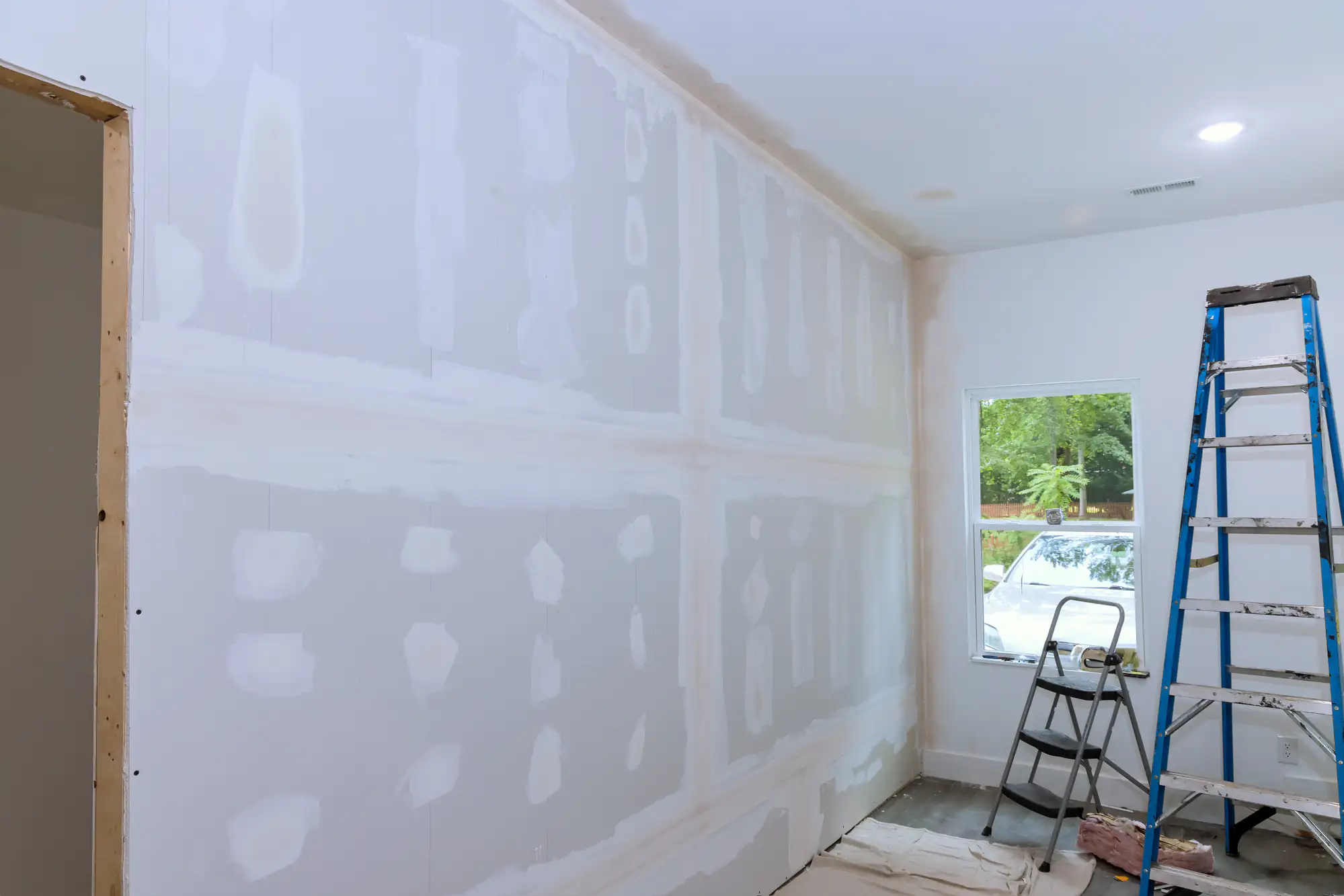
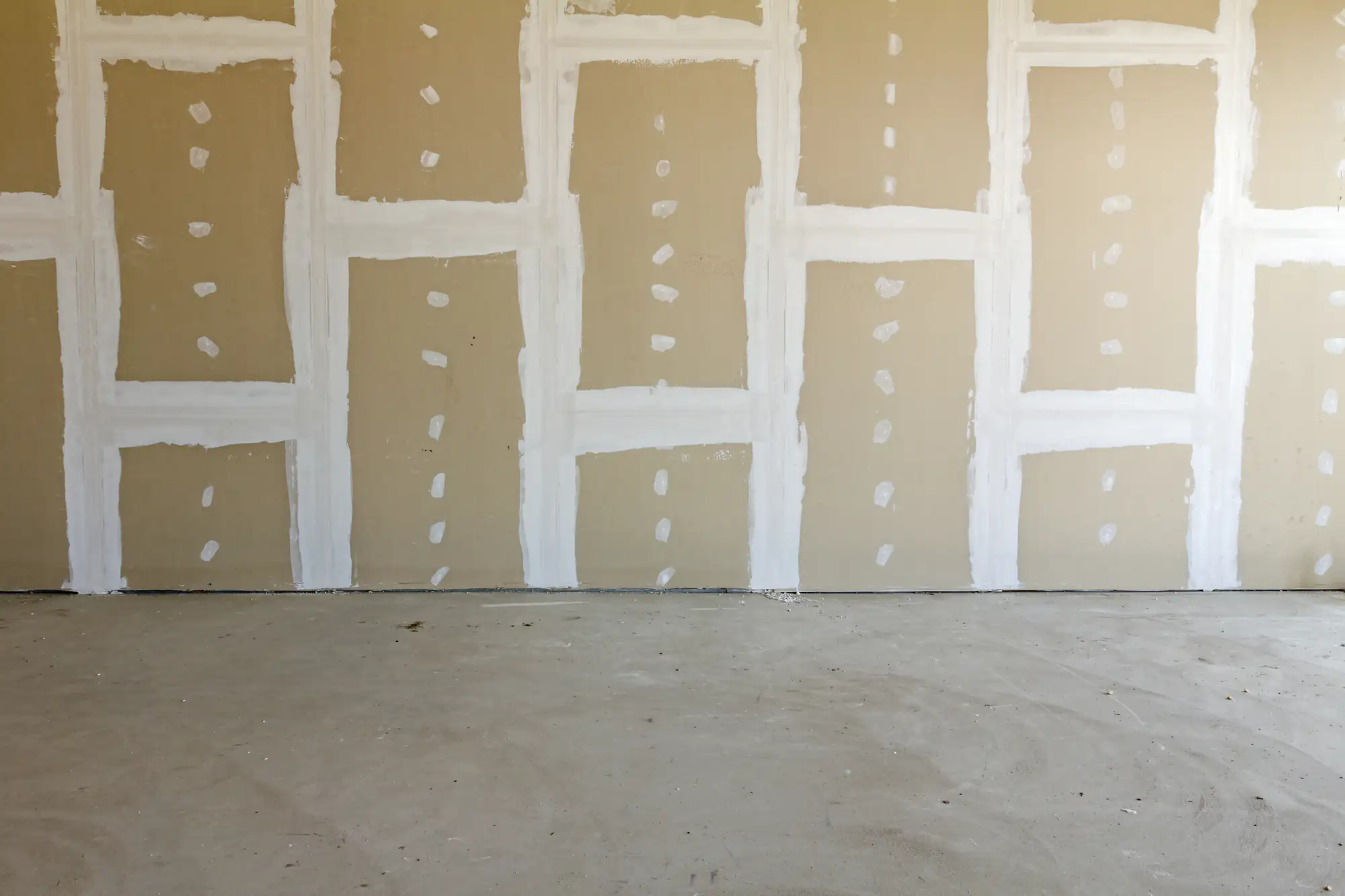
After the sheets are up, the real craftsmanship begins. Taping, mudding, sanding—this is where experience shows. We apply drywall taping compound in layers, letting each dry properly before the next. Rushing this phase is how you end up with visible seams and cracks later. We don’t rush it.
The final step is cleanup and walkthrough. You shouldn’t have to spend your weekend vacuuming drywall dust. We handle that, then walk you through the finished work so you can see exactly what you’re getting.
Ready to get started?
Our sheetrock services cover new installation, repairs, finishing, and everything in between. Whether you’re dealing with water damage in your Huntington home, opening up walls for a remodel, or finishing a basement, we handle the full scope.
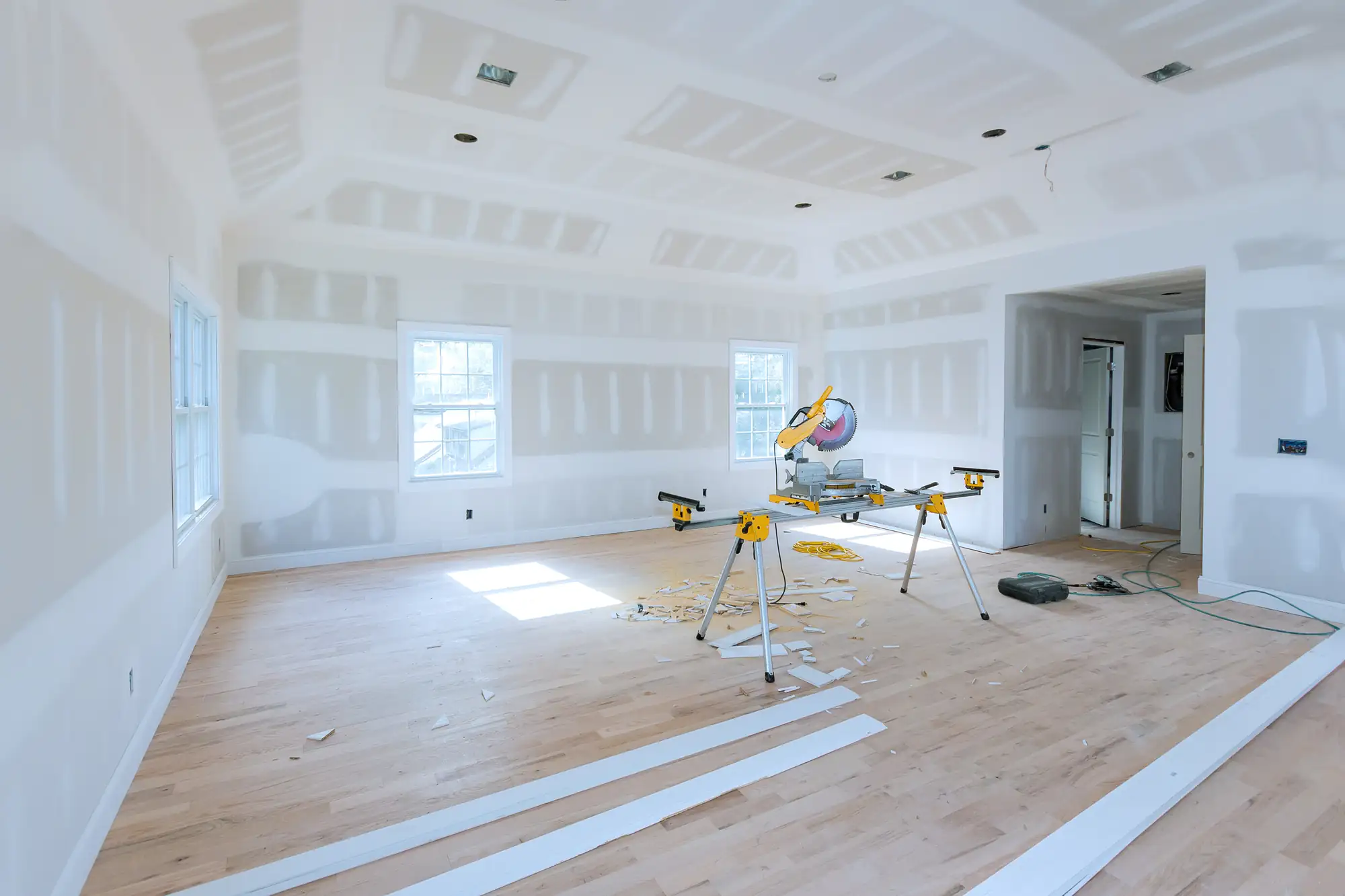
For new construction or additions, we install drywall sheets, tape and mud all seams, and finish to your preferred texture level. Most homeowners in this area prefer a smooth finish, especially in main living spaces. We can also match existing textures if you’re adding onto an older home.
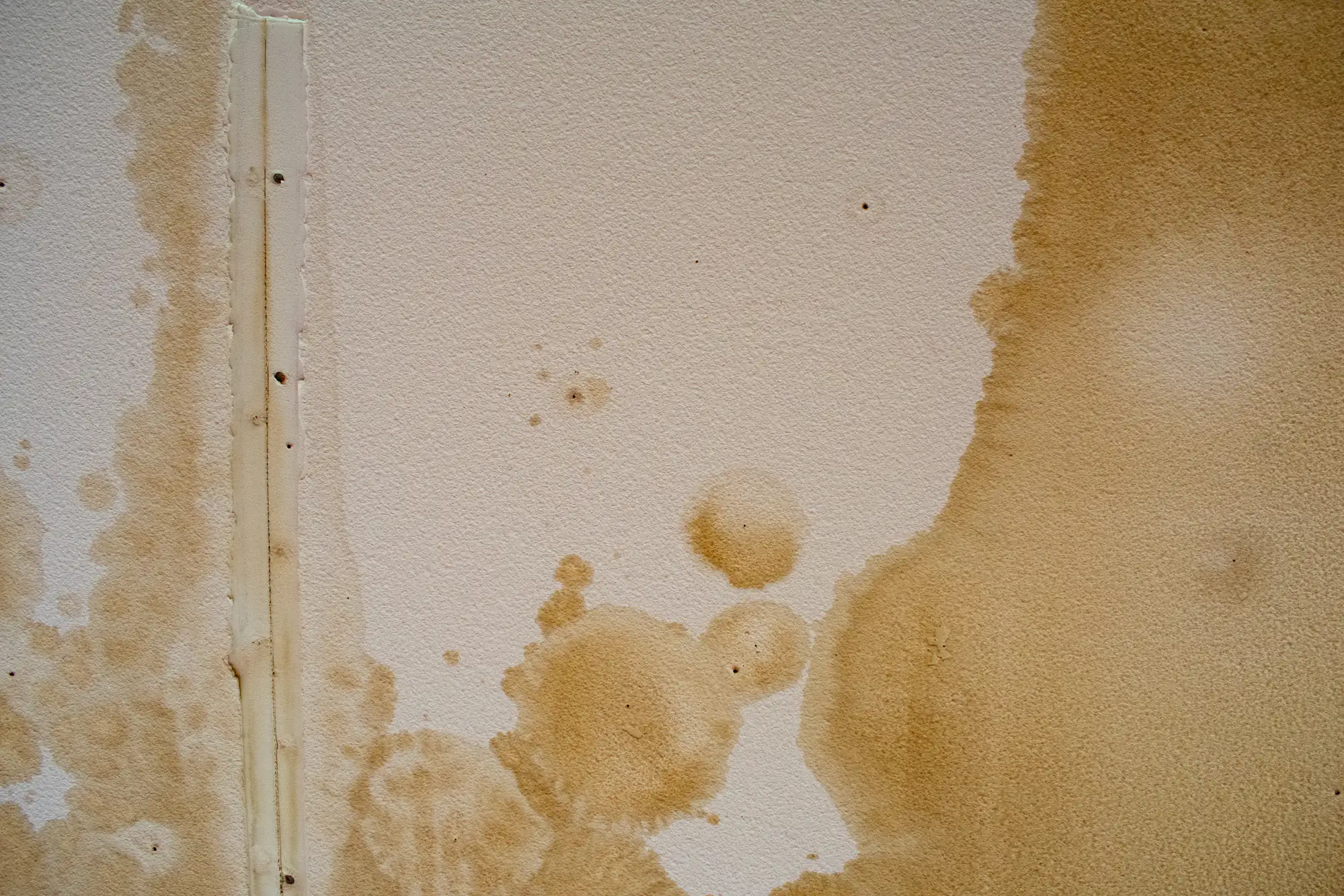
Repair work is common here. Coastal humidity, settling foundations, and everyday wear create cracks, holes, and water stains. We don’t just patch over problems—we address what caused them when possible, then repair the surface so it blends seamlessly with surrounding walls.
Commercial drywall installation follows the same quality standards but often works on tighter timelines. We’ve handled retail spaces, office build-outs, and restaurant renovations throughout Suffolk County. The process is similar, but the coordination and scheduling look different. Either way, you get the same level of craftsmanship and the same straightforward communication.
For most residential projects in Huntington, you’re looking at somewhere between $1.15 and $1.35 per square foot for professional installation and finishing. That range accounts for the complexity of the job, ceiling height, and how much prep work is involved.
A standard 12×12 room with 8-foot ceilings runs around $450 to $550 for materials and labor combined. Larger projects like finishing a basement or handling multiple rooms obviously cost more, but the per-square-foot rate typically stays in that range.
What changes the price? Access issues, water damage that needs addressing first, custom textures, or intricate ceiling work. If we’re matching existing plaster textures in a historic Huntington home, that takes more time and skill than a standard smooth finish. We’ll walk through all of that during the estimate so there’s no confusion about what you’re paying for.
A single room usually takes two to three days from start to finish. That includes hanging the sheets, taping, applying multiple coats of compound, sanding, and cleanup. Each layer of mud needs time to dry properly, which is why the work spans multiple days even for smaller spaces.
Whole-home projects or large renovations can take anywhere from one to two weeks. A 2,000 square foot home with standard 8-foot ceilings might take a week and a half if we’re doing every room. Basements, additions, and commercial spaces follow similar timelines based on square footage and complexity.
Weather affects drying times, especially in humid Long Island summers. We account for that in scheduling. Rushing the drying process leads to cracks and poor adhesion, which defeats the purpose of hiring a professional sheetrock contractor in the first place. We’d rather add an extra day than deliver subpar work.
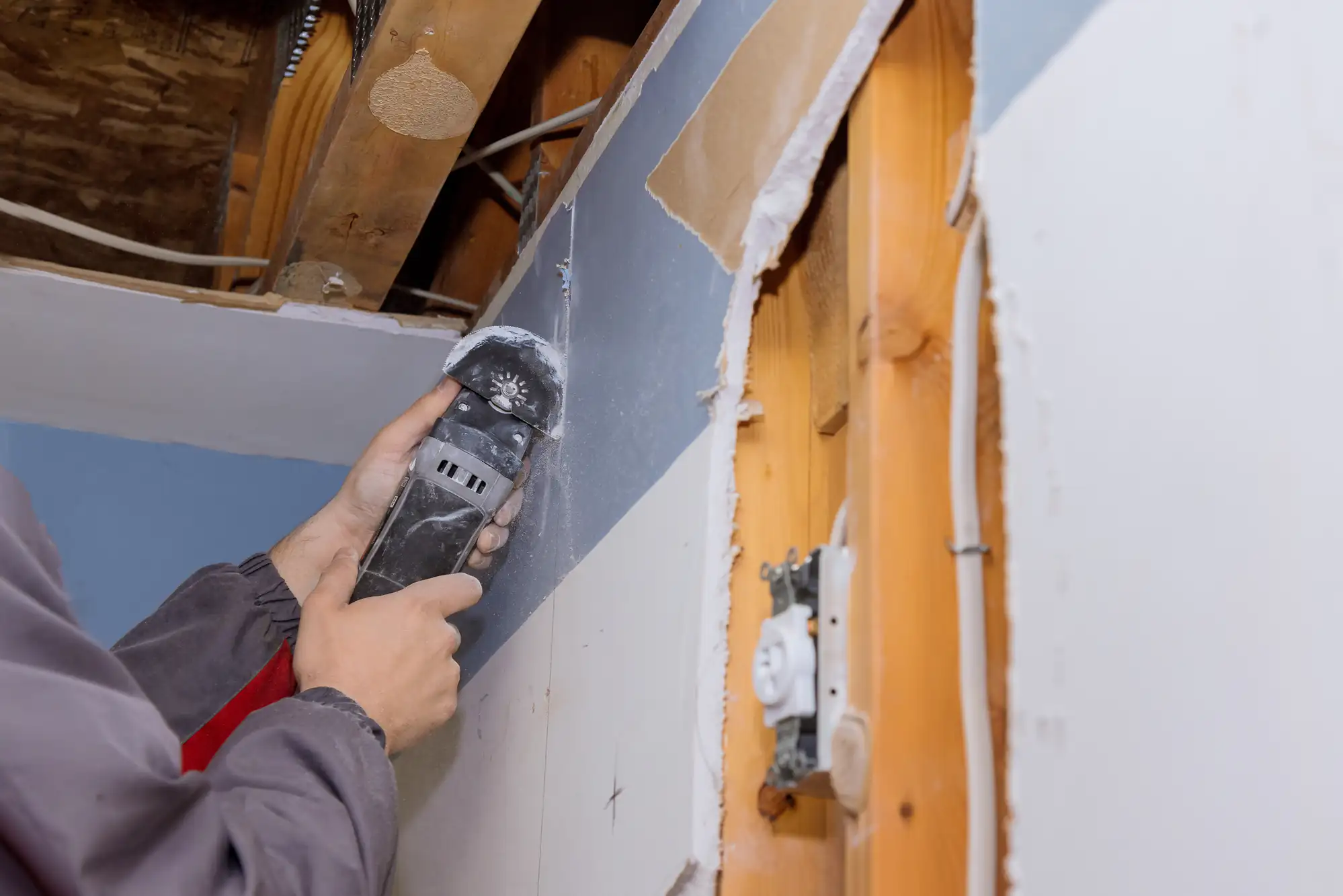
Repair makes sense when the damage is localized—a hole from moving furniture, a crack from settling, or a small section with water damage. We cut out the damaged area, patch it with new material, tape and mud it, then blend the repair into the surrounding wall. Most repairs are invisible once painted.
Full replacement becomes necessary when damage is widespread or the existing drywall has failed structurally. If water damage has compromised an entire wall, or if you’re dealing with outdated materials like old plaster that’s crumbling, replacement is the smarter move. It costs more upfront but saves you from repeated repairs.
In Huntington’s older homes, we often see situations where previous repairs were done poorly and now the whole section needs redoing. That’s frustrating for homeowners, but it’s also fixable. We’ll tell you honestly which approach makes sense for your specific situation. Sometimes a repair buys you years. Sometimes it’s throwing money at a problem that needs a real solution.
Yes. The core skills are the same, but the projects look different. Residential work in Huntington typically involves remodels, additions, basement finishing, and repairs. You’re working around families, pets, and daily routines. Communication and cleanup matter as much as the installation itself.
Commercial projects—office build-outs, retail spaces, restaurants—usually have tighter deadlines and require coordination with other trades. The work often happens after hours or on weekends to avoid disrupting business operations. We’ve handled both throughout Suffolk County for years.
The quality standards don’t change based on whether it’s your home or your business. Proper installation, clean finishing, and attention to detail matter regardless of the setting. What changes is the scheduling, the scale, and sometimes the fire-rating requirements for commercial spaces. We’re set up to handle both without compromising on either.
Small cracks, minor holes, and surface damage are usually straightforward repairs. If you can see drywall paper or the gypsum core but the wall still feels solid, that’s typically a repair job. Same with nail pops, small dents, or damage from removing old fixtures.
Larger concerns include cracks that keep coming back, sagging sections, soft or spongy areas when you press on the wall, or visible water stains that indicate ongoing moisture issues. Those suggest structural problems, water damage, or foundation movement that needs addressing before any cosmetic repair makes sense.
In Huntington’s coastal climate, water intrusion is common. If you’re seeing repeated damage in the same area, that’s a sign something else is going on. We’ll identify what’s causing the problem during our assessment. Sometimes it’s a simple fix. Sometimes it requires bringing in other specialists before we touch the drywall. Either way, you’ll know what you’re dealing with before we start any work.
Expect dust, noise, and people in your home during work hours. We contain the work area as much as possible, but drywall installation creates mess. Sanding especially kicks up fine dust that travels. We use dust barriers and clean up daily, but you’ll want to plan accordingly if you have respiratory sensitivities or young children.
The work itself is loud. Cutting sheets, screwing them into studs, and using power sanders all create noise. Most of our work happens during normal business hours, typically 8 AM to 4 PM. We’ll confirm scheduling before we start so you know exactly when we’ll be there.
You’ll see progress in stages. Day one looks rough—just sheets on the walls with visible seams and screws. Day two and three involve taping and mudding, which looks worse before it looks better. By day four or five, after sanding and final coats, you start seeing finished walls. Understanding that progression helps set expectations. The final result is smooth, clean walls ready for paint, but the middle stages aren’t pretty. That’s normal.