
Hear from Our Customers
Here’s what matters when you’re hiring someone to handle your walls: the seams disappear, the corners are crisp, and you’re not dealing with callbacks or touch-ups three months later. That’s what professional sheetrock installation actually delivers.
Most homeowners in Sayville don’t realize how much bad drywall work costs them down the road. Poor taping shows through paint. Uneven joints catch light from every angle. Rushed finishing means you’re looking at texture problems before the first year is up.
When the job’s done correctly from the start, your painter has an easier time, your walls hold up through humidity and settling, and you’re not second-guessing whether you should’ve hired someone else. You’re also not paying twice—once for the cheap job, and again to fix it. That’s the difference between drywall installation that checks a box and sheetrock work that actually protects your investment.
We’ve been handling interior renovations across Sayville and Suffolk County for close to ten years. We’re not a crew that shows up, hangs some sheets, and disappears. We’re the team homeowners call when they need sheetrock work done right—whether that’s a full basement finish, repairing water damage, or prepping walls for a kitchen remodel.
Sayville homes come with their own challenges. Older construction, settled foundations, humidity from being near the water—it all affects how drywall performs over time. We’ve worked in enough local homes to know what holds up and what doesn’t.
What keeps clients coming back isn’t just the quality of the work. It’s the fact that we communicate clearly, show up when we say we will, and don’t surprise you with costs that weren’t part of the conversation. That’s how we’ve built a reputation here—one job at a time, with homeowners who actually refer us to their neighbors.
Every residential sheetrock installation starts with an honest assessment. We walk the space with you, measure what needs to be done, and talk through your timeline and budget. You’ll get a clear estimate with no hidden fees—what we quote is what you pay.
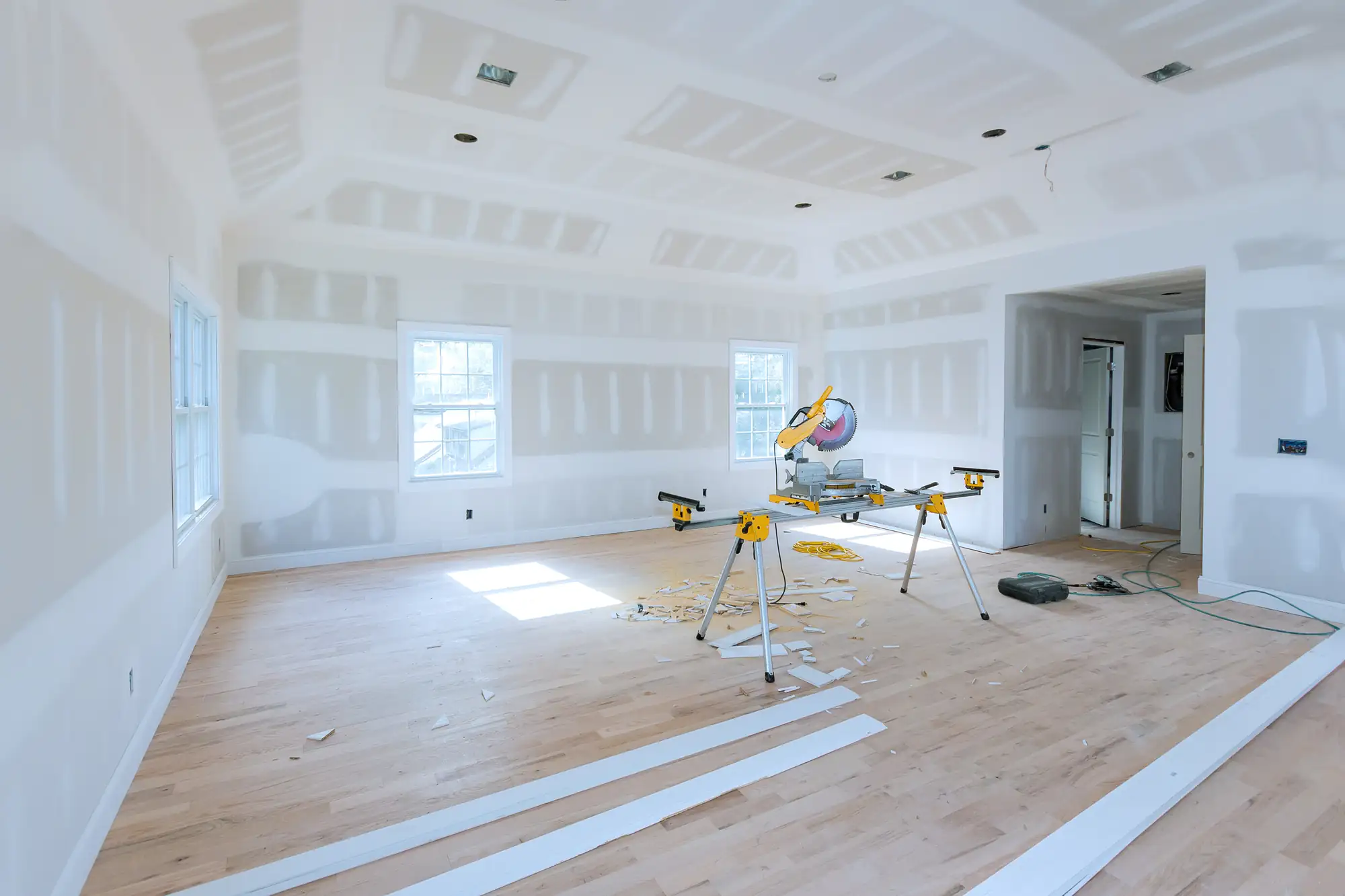
Once we’re on site, the work follows a sequence that matters. Sheetrock sheets go up from the ceiling down, which keeps seams tight and prevents gaps that show up later. We’re careful around electrical boxes, windows, and any custom carpentry that’s already in place. If there’s existing damage or an issue behind the walls, we let you know before we cover it up.
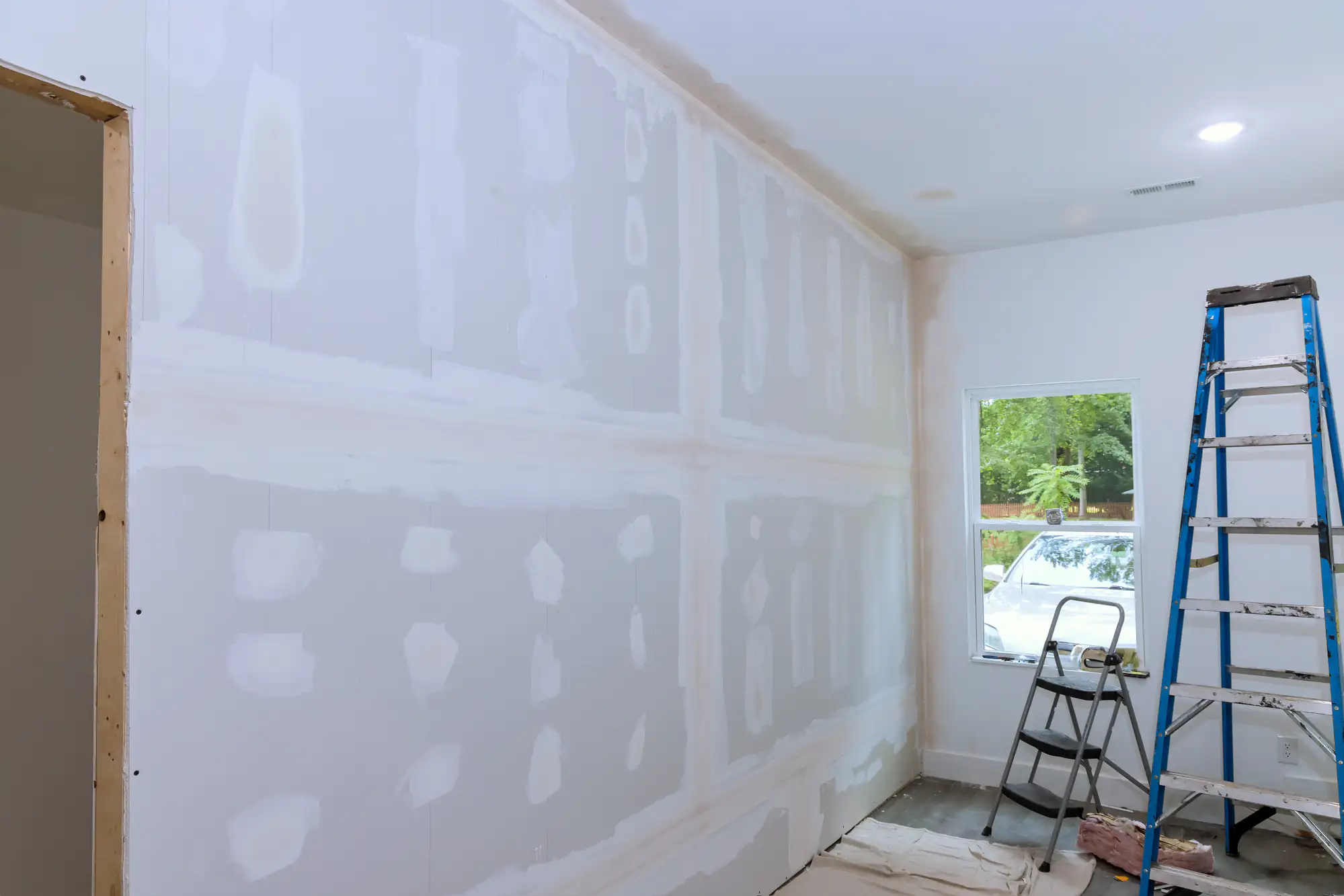
After the drywall installation is complete, the real craftsmanship starts. Taping, mudding, and finishing take time if you want walls that look smooth under any light. We use quality drywall taping compound and take the extra passes needed to get it right. Most jobs get a level five finish, which means your painter won’t be fighting texture or imperfections.
Before we leave, you walk the job with us. If something doesn’t meet your expectations, we address it then—not after you’ve already paid. That’s how professional sheetrock contractors should operate, and it’s how we’ve done business in Sayville for years.
Ready to get started?
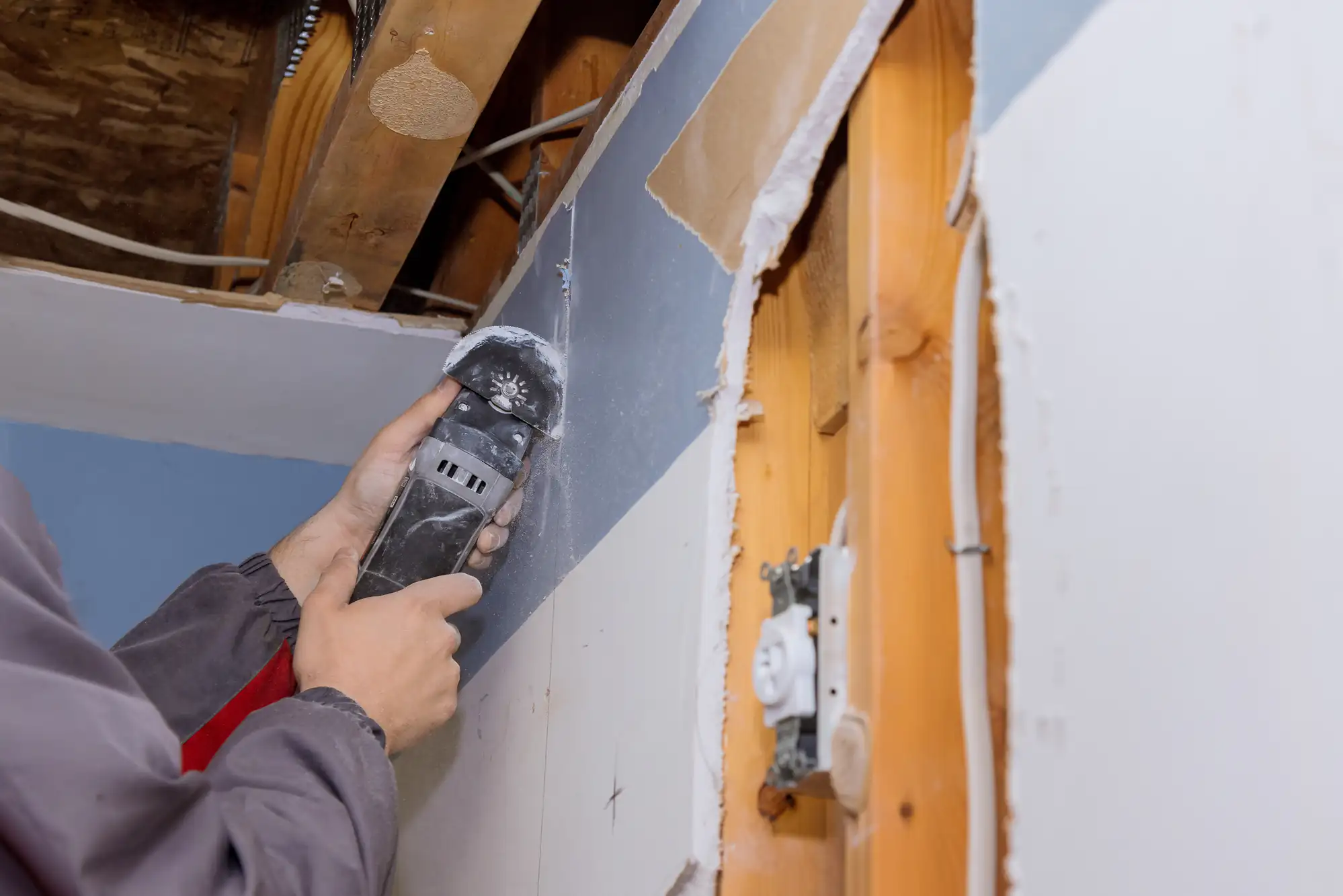
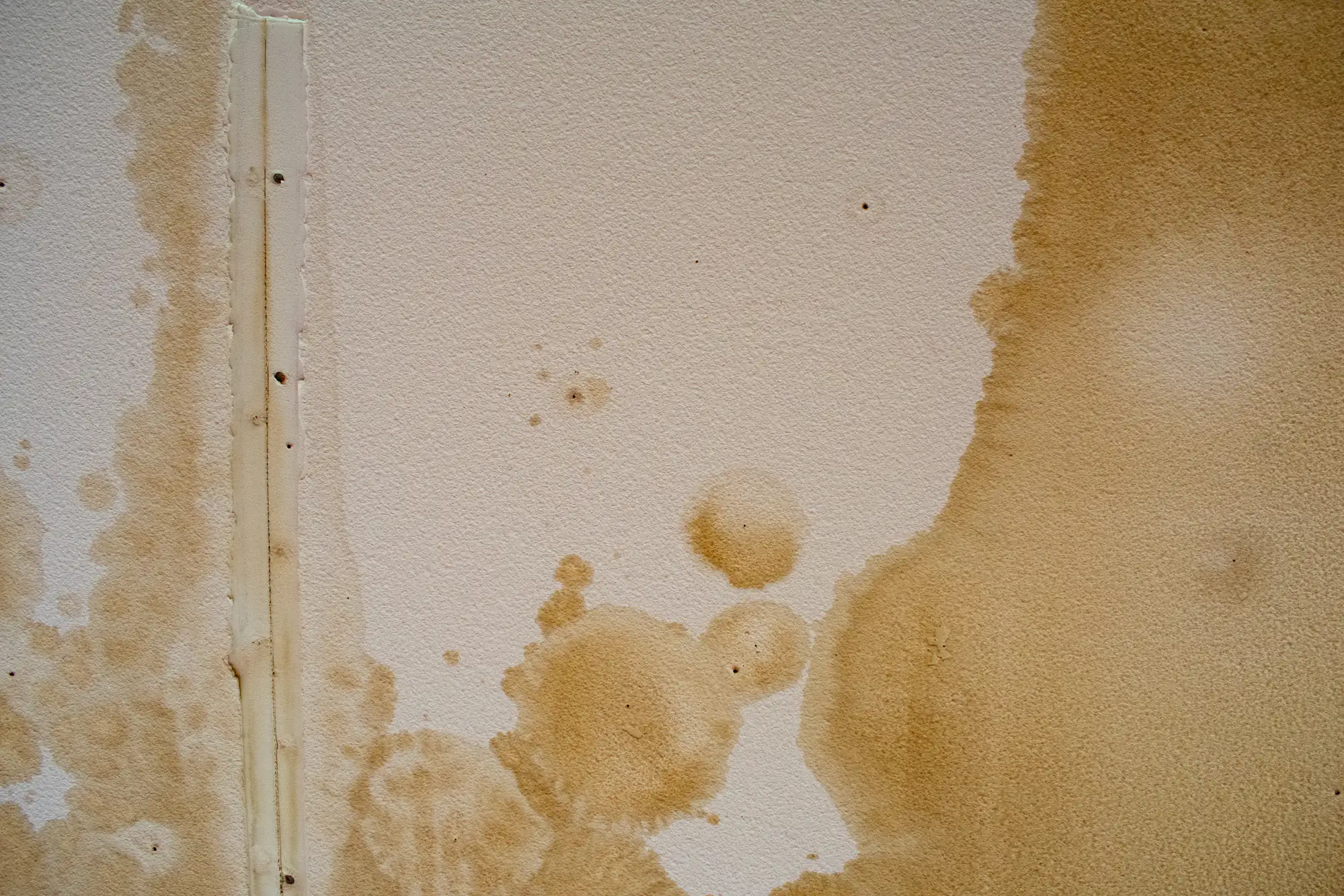
Our sheetrock services cover the full scope of what homeowners in Sayville actually need. That includes new drywall installation for additions, basements, and renovations. It also includes drywall repair—whether you’re dealing with cracks from settling, holes that need patching, or water damage that requires cutting out and replacing sections.
We handle both residential sheetrock installation and commercial drywall installation for local businesses. The process is similar, but commercial jobs often move faster and require coordination with other trades. Either way, the standards don’t change.
If you’re working with other contractors—electricians, plumbers, HVAC—we coordinate so the sheetrock goes up after rough-ins are inspected and before finish work starts. It’s a simple step that prevents delays and keeps your project on schedule. For homeowners managing their own renovations, that kind of communication makes a bigger difference than most people realize.
Sayville’s housing stock ranges from historic homes near the waterfront to newer construction in surrounding neighborhoods. Older homes sometimes need custom solutions—matching existing plaster thickness, working around irregular framing, or dealing with lath that’s still in decent shape. We’ve handled enough variety locally to know what works and what creates problems. You’re not getting a one-size-fits-all approach. You’re getting a drywall installation contractor who adjusts the plan based on what your specific project actually needs.
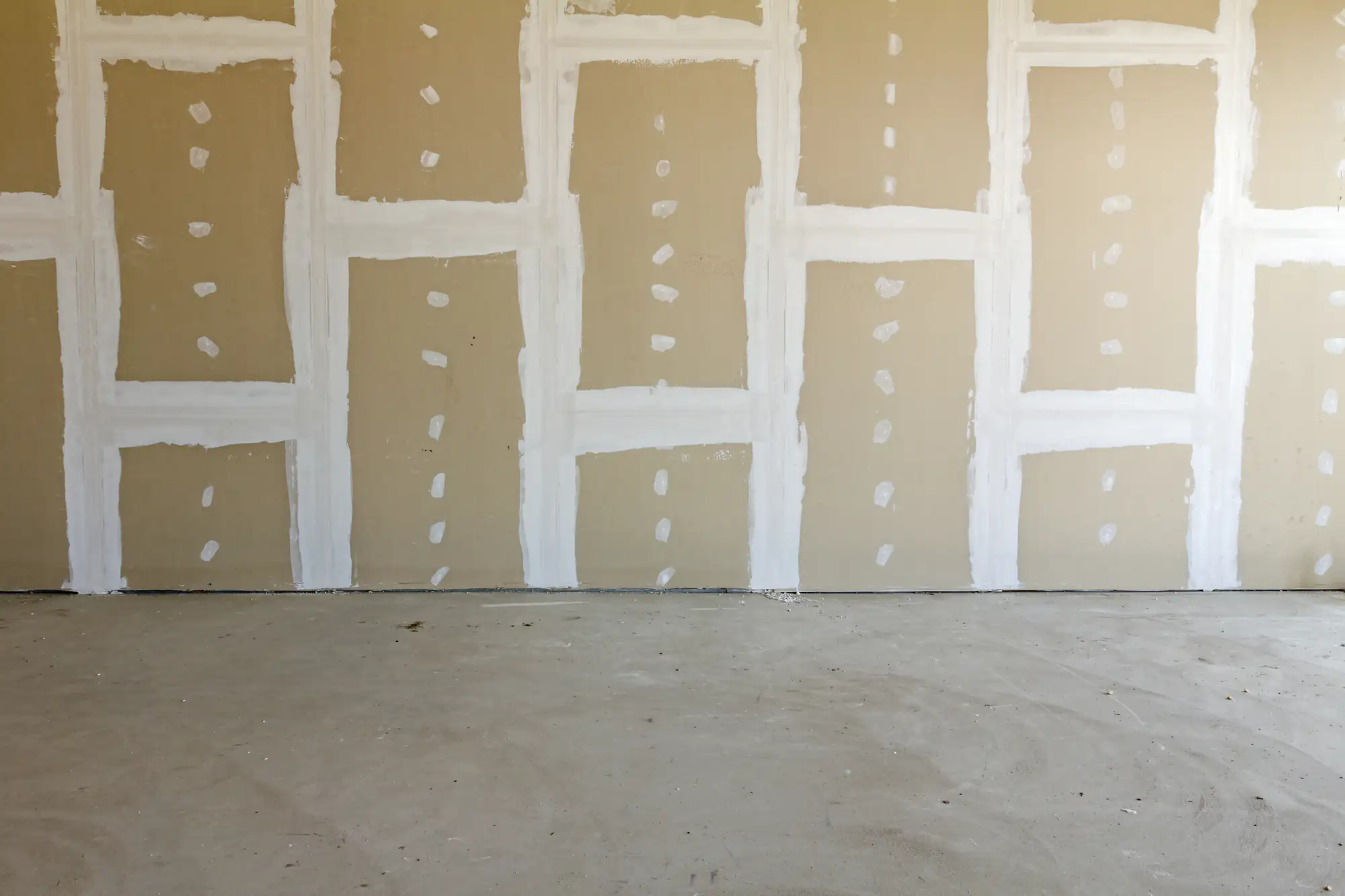
Most drywall installation runs between $1.50 and $3.00 per square foot in Suffolk County, but that range shifts depending on the scope of your project. A straightforward bedroom or basement with few cuts and obstacles will land on the lower end. Jobs that involve high ceilings, multiple corners, or intricate layouts with lots of electrical and plumbing penetrations cost more because they take more time and precision.
Drywall repair pricing works differently. Small patches might be a flat service call. Larger repairs—like replacing full sheets after water damage—get priced closer to new installation rates, plus any prep work needed to address what caused the damage in the first place.
We don’t give ballpark numbers over the phone because every home is different. What we do is visit your property, measure the space, talk through your expectations, and give you a written estimate that reflects the actual work. No surprises, no padding, no pressure. That’s how transparent pricing should work, and it’s how we’ve operated in Sayville for nearly ten years.
There isn’t one—at least not in the way most people use the terms. Sheetrock is a brand name owned by USG Corporation, but it’s become so common that people use it to describe any gypsum drywall panel. It’s like calling all tissues Kleenex.
The actual product is drywall: sheets of gypsum plaster pressed between two layers of heavy paper. It comes in different thicknesses, with half-inch being standard for walls and five-eighths-inch often used for ceilings or fire-rated applications. Some panels are moisture-resistant (green board or purple board), which matters in bathrooms, basements, or anywhere humidity is an issue.
When you’re hiring a sheetrock contractor or a drywall installation contractor, you’re hiring the same skill set. What matters more than the brand of material is how it’s installed, finished, and whether the person doing the work knows how to handle the specific conditions in your home. That’s where experience makes the difference—not whether the label says Sheetrock or another manufacturer’s name.
A single room usually takes one to three days depending on size and complexity. That includes hanging the drywall sheets, taping the seams, applying joint compound, sanding, and doing the final finish coats. Larger projects like full basements or whole-home renovations stretch longer, but the process stays the same.
The hanging itself is the fastest part. What takes time is the finishing. Each coat of drywall taping compound needs to dry before the next one goes on, and you can’t rush it without creating problems. If we try to sand too early or skip a coat, you’ll see it once the paint goes up—and that means callbacks, which waste your time and ours.
Weather and humidity affect dry times, especially in Sayville where we’re close to the water. In summer, things move a little faster. In winter or during a stretch of rainy days, we might need an extra day between coats. We’ll let you know upfront what to expect based on the season and the scope of your job, so you’re not left guessing when you can move on to the next phase of your renovation.
Yes, but it depends on what kind of texture you’re working with and how much of the wall needs repair. If you’ve got a small patch in a room with knockdown or orange peel texture, matching it is straightforward. We replicate the pattern using the same tools and techniques, then blend the edges so the repair disappears once it’s painted.
Older homes in Sayville sometimes have plaster walls with textures that aren’t used anymore—swirls, stipples, or heavy trowel patterns. Those take more skill to match, and sometimes the best option is to skim coat the entire wall so everything’s uniform. It’s not always what homeowners want to hear, but a perfect patch on one section of a wall can still look off if the rest of the surface has aged or settled differently.
If you’re dealing with significant damage or planning a larger renovation, it’s worth asking whether matching old texture is the right move or if refinishing the whole surface makes more sense. We’ll walk you through both options, show you what’s realistic, and let you decide what fits your budget and timeline. The goal is a finished wall that looks right—not just technically correct, but actually blends in the way you expect it to.
It depends on the scope of the work. If you’re patching a hole or replacing a damaged section of drywall, you typically don’t need a permit. But if your project involves structural changes—removing or adding walls, altering framing, or doing work that affects electrical, plumbing, or HVAC systems—then yes, you’ll need permits from the Town of Islip.
Most basement finishes, additions, and significant renovations require permits because they involve more than just cosmetic updates. The permit process ensures the work meets local building codes, gets inspected at the right stages, and doesn’t create safety or resale issues down the road. Skipping permits might save time upfront, but it can cost you during a home sale or if an insurance claim ever comes up.
We handle permit coordination as part of the project when it’s required. That means pulling the permits, scheduling inspections, and making sure everything passes before we move to the next phase. You don’t have to navigate Town of Islip requirements on your own or worry about whether the work will pass inspection. For homeowners in Sayville managing a renovation, that takes one more thing off your plate and keeps the project moving without unnecessary delays.
Clear the work area as much as possible. Move furniture, take down wall hangings, and cover anything that can’t be relocated. Drywall work creates dust, especially during sanding, so the less you have in the space, the easier cleanup will be.
Make sure any rough-in work is complete and inspected before we arrive. That means electrical boxes are installed, plumbing is in place, HVAC ducts are run, and insulation is up if your project requires it. We can’t hang sheetrock over unfinished or uninspected rough-ins, and delays at that stage push everything else back.
If you’re working with other contractors, coordinate schedules so we’re not waiting on someone else or blocking access for another trade. Good communication between everyone on the job keeps things moving and prevents the kind of scheduling conflicts that add weeks to a project. We’ll do our part to stay on timeline, but renovation projects only flow smoothly when all the pieces line up. If you’re not sure what needs to happen before we start, ask during the estimate. We’d rather answer questions upfront than deal with surprises once we’re on site.