
Hear from Our Customers
You’re not looking for the cheapest bid. You’re looking for walls and ceilings that don’t crack in six months, seams you can’t see, and a crew that doesn’t leave your house looking like a dust storm hit it.
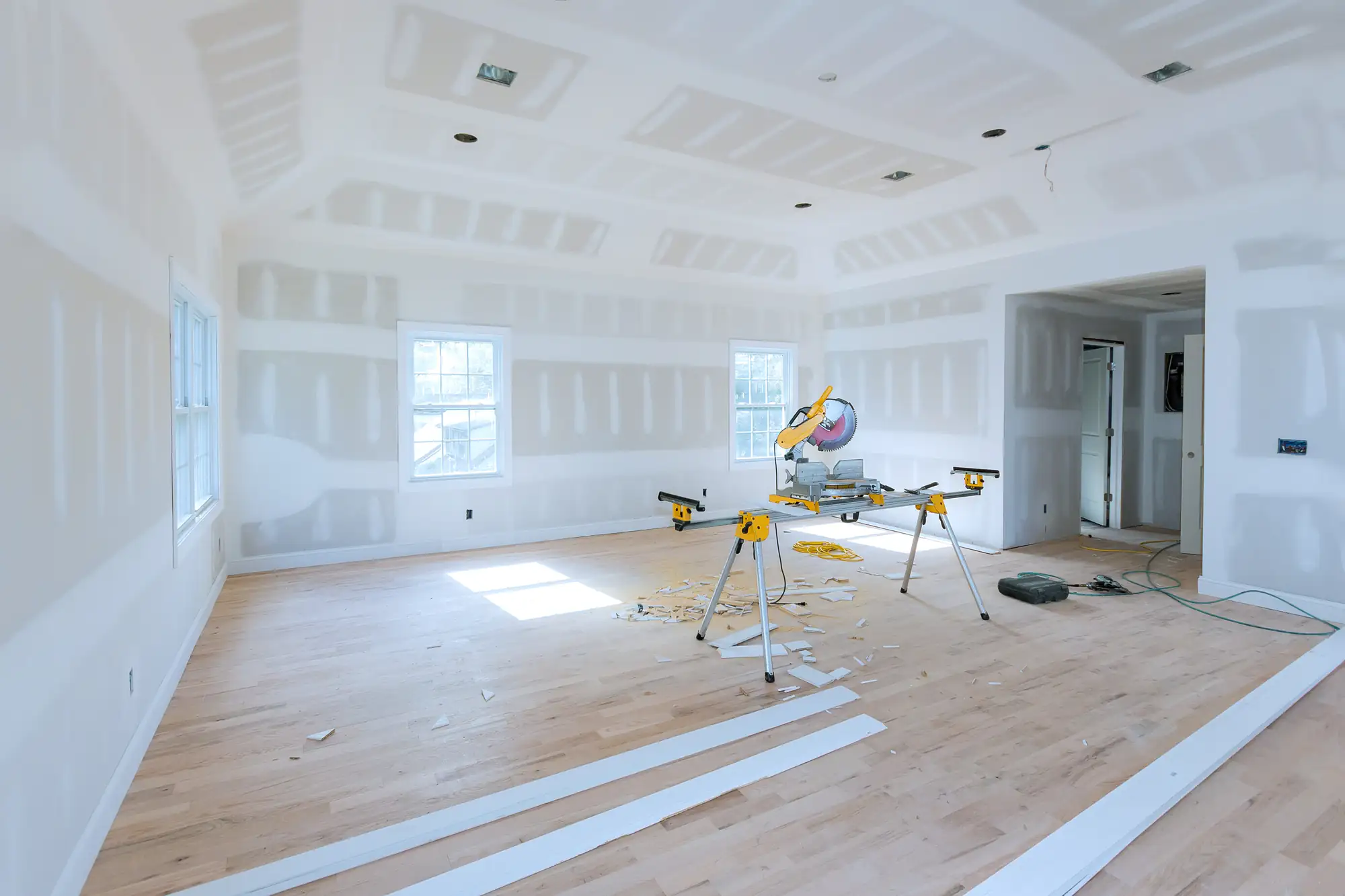
That’s what happens when sheetrock installation is handled by people who’ve been doing this for nearly a decade. The sheets go up square. The mud gets applied in thin, even coats. The sanding is done with dustless equipment, not a hand sander that coats your furniture in powder.
You end up with smooth, durable surfaces ready for paint. No callbacks. No excuses. Just finished walls that look like they were always there, whether it’s one damaged panel or an entire room from the studs up.
We’ve been working in South Huntington and across Suffolk County since 2016. We’re licensed, insured, and we don’t operate like the high-pressure outfits that quote low and add on later.
Our work covers everything from small drywall repair jobs—water damage, holes, cracks—to full residential sheetrock installation for additions, basements, and remodels. We also handle commercial drywall projects where timing and clean execution matter.
South Huntington homeowners deal with older housing stock, humidity from being near the water, and the usual wear that comes with Long Island living. We’ve seen it all, and we know how to fix it right the first time.
It starts with an honest assessment. We look at what you need—whether that’s patching a ceiling, replacing water-damaged panels, or hanging and finishing an entire room. You get a clear price with no surprises later.
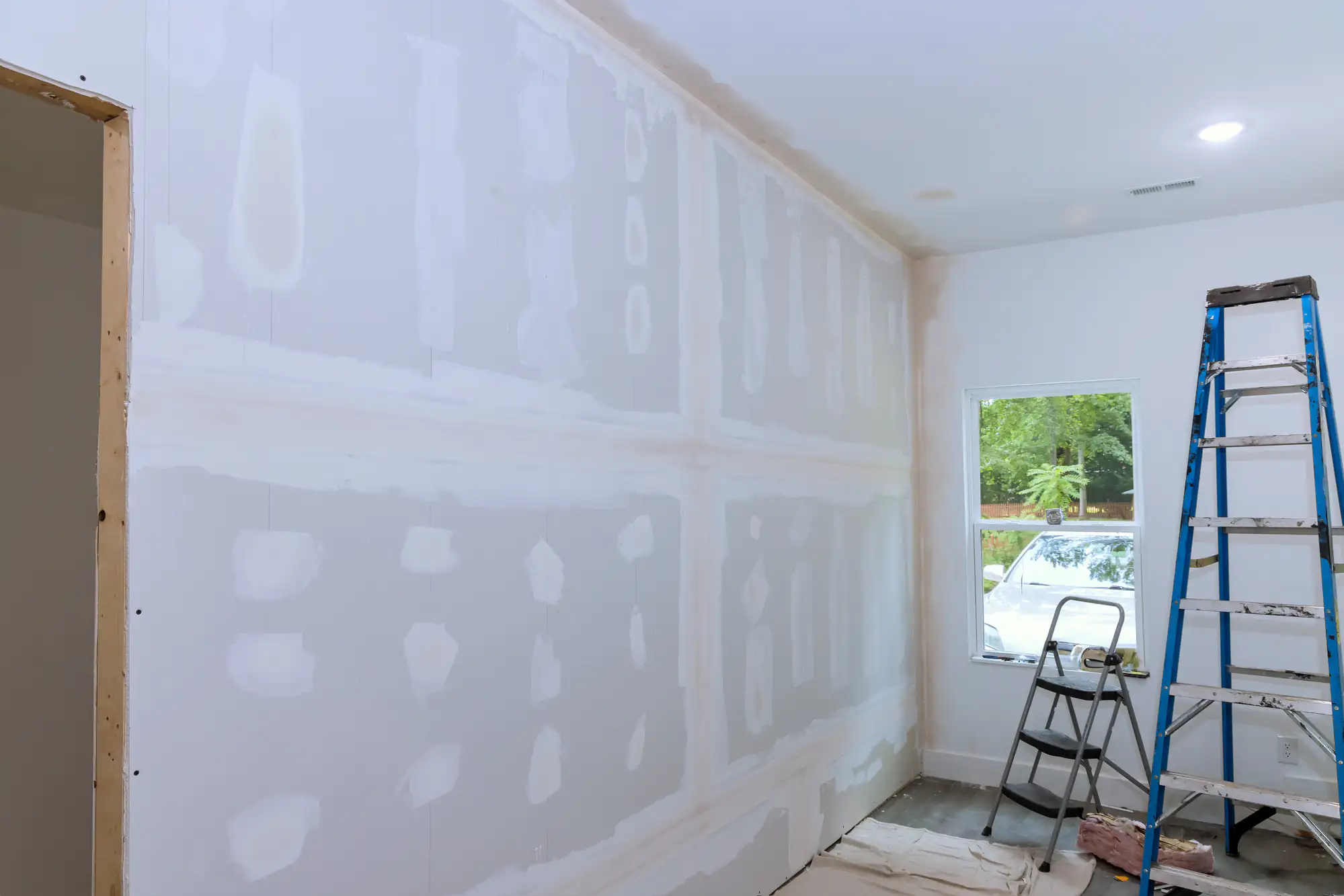
Once we start, the sheetrock sheets go up with attention to layout and structure. We’re not just slapping up panels. We’re thinking about seams, corners, and how everything will look once it’s taped and mudded.
The taping and mudding process is where most contractors cut corners. We don’t. Multiple thin coats of drywall taping compound, proper drying time between layers, and dustless sanding with industrial vacuums and drop cloths to protect your floors and furniture.
When we’re done, your walls are smooth and ready for primer. If you want us to paint too, we handle that. If you’ve got your own painter lined up, they’ll have a perfect surface to work with.
Ready to get started?
You’re getting full-scope drywall work. That means new sheetrock installation for additions, basements, garages, or whole-home remodels. It also means sheetrock repair for damaged sections—whether that’s from water leaks, holes, cracks, or poor work done by someone else.
We handle texture matching on older walls and ceilings, which matters in South Huntington where many homes have original plaster or textured finishes. Getting that match right takes experience, not guesswork.
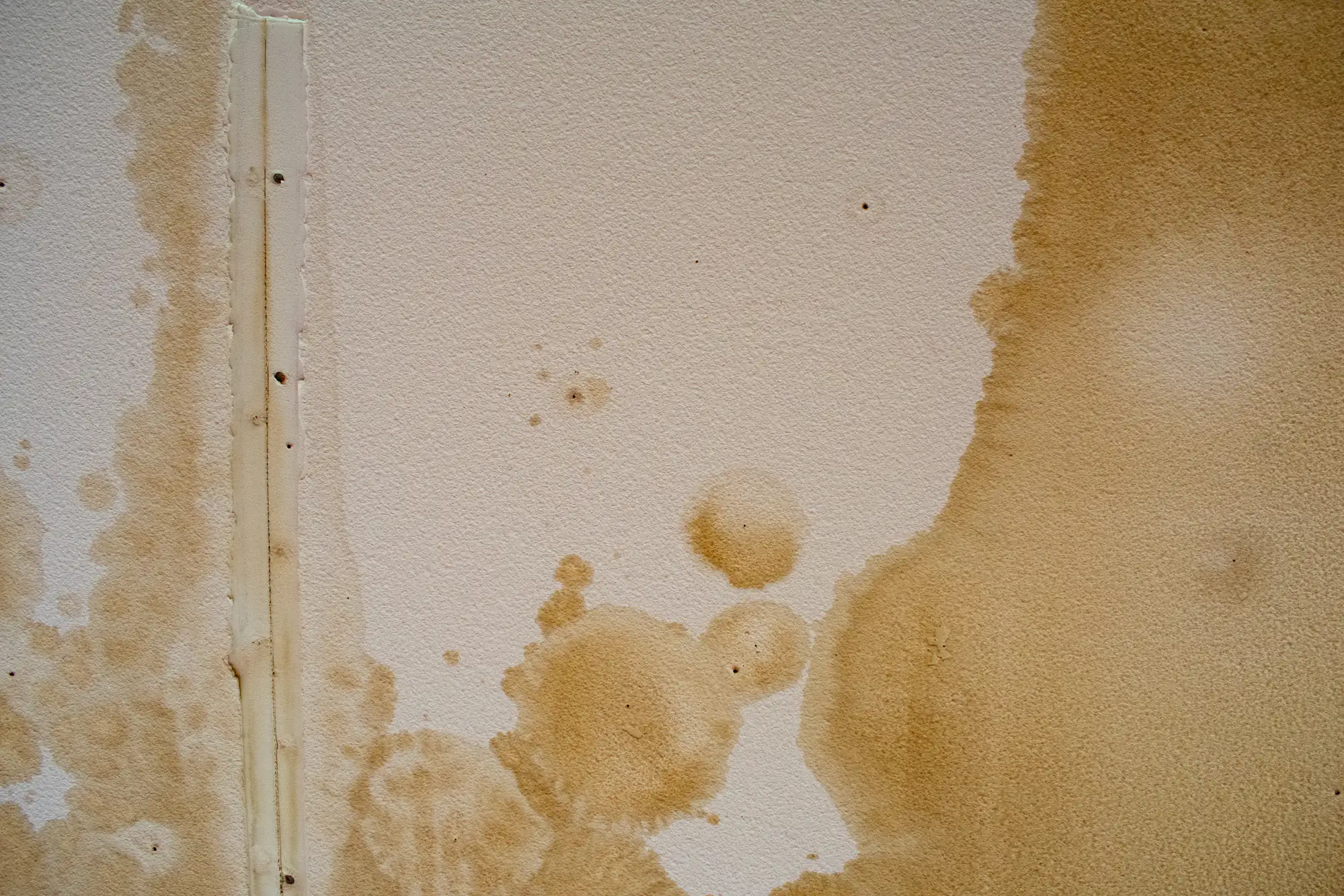
For water damage, we don’t just cover it up. We identify the source, remove and replace affected panels, treat for mold if needed, and refinish so you’d never know there was a problem. That’s especially important in areas with older roofing or plumbing, which is common around here.
Commercial clients get the same level of care—clean job sites, respect for business hours, and drywall installation that meets code and looks professional. We’ve worked in offices, retail spaces, and multi-family buildings throughout Suffolk County.
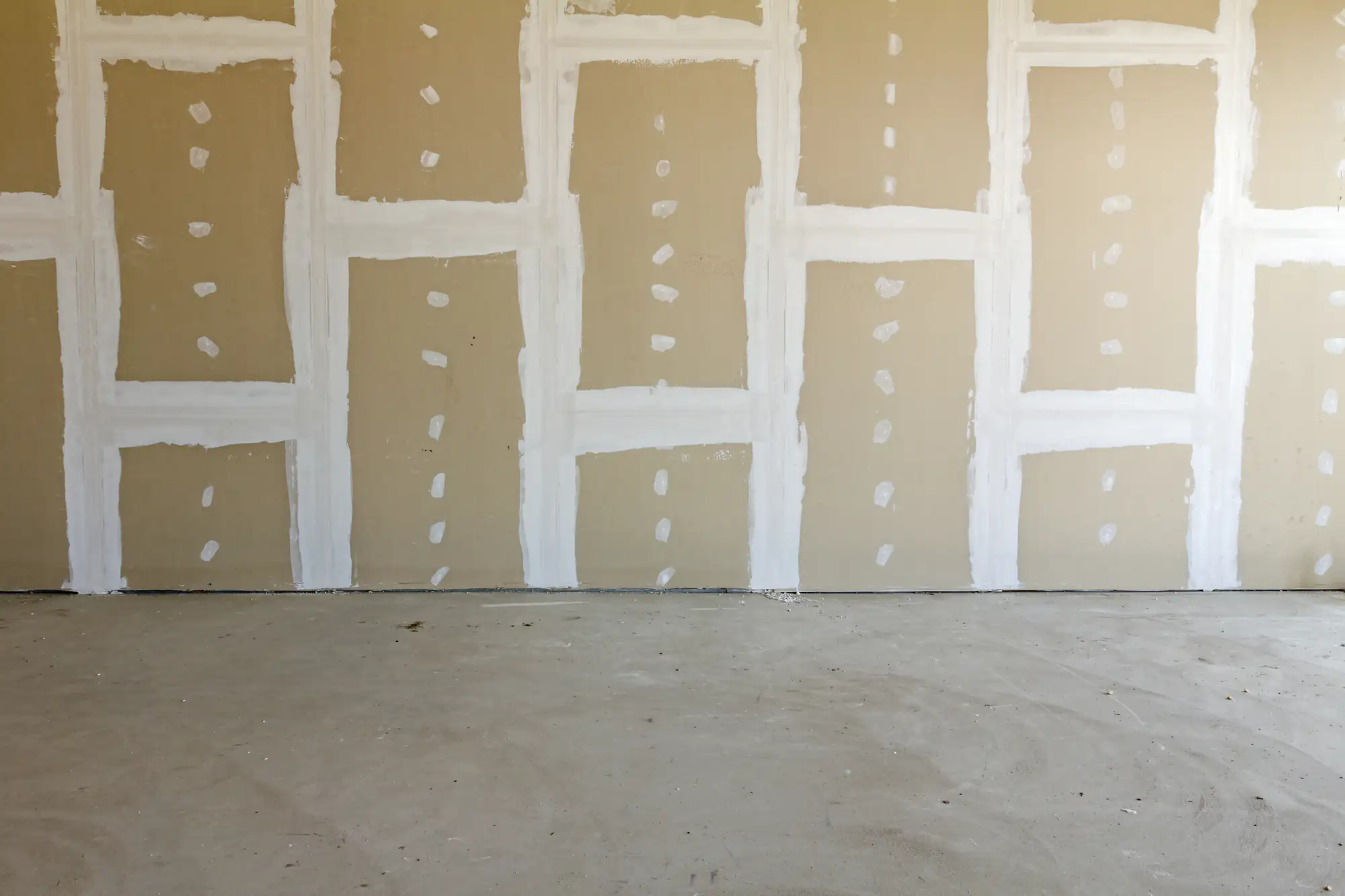
For basic drywall installation, expect to pay between $2.25 and $2.70 per square foot in 2026, including materials, labor, taping, mudding, and sanding. That’s the going rate for quality work in Suffolk County right now.
A standard 12×12 room with 8-foot ceilings comes out to around $650 to $800 for walls and ceiling combined. Larger projects like finishing a basement or adding a room obviously cost more, but the per-square-foot pricing stays consistent.
Repairs are usually quoted as flat-rate jobs. A small hole patch might run $150 to $250. Water damage repair with panel replacement typically starts around $400 depending on the extent of damage and whether mold treatment is needed. We give you the real number up front, not a lowball estimate that grows once we’re halfway done.
A single room usually takes two to three days from start to finish. Day one is hanging the sheets. Day two is taping and applying the first coats of mud. Day three is final coats, sanding, and cleanup.
Larger projects like a full basement or multiple rooms can take a week or more, depending on square footage and whether we’re also handling insulation, framing adjustments, or other prep work.
The mudding process can’t be rushed. Each coat needs to dry properly or you end up with cracks and an uneven surface. We use quick-setting compounds where appropriate and run fans to speed drying time, but we’re not cutting corners just to finish faster. You’re better off waiting an extra day than repainting in six months because the seams failed.
Yes, and it’s one of the most common requests we get in South Huntington. Many homes here have knockdown, orange peel, or popcorn ceiling textures that need to match when you’re repairing a section.
Texture matching takes practice and the right tools. We keep different spray guns and trowels on hand to replicate whatever finish you’ve got. The key is getting the mud consistency right and applying it at the correct distance and pressure.
If your existing texture is outdated or you’re tired of it, we can also skim-coat the entire surface smooth and give you a modern flat finish. That’s become more popular as homeowners move away from heavy textures. Either way, the repair won’t be the obvious patch job you see in poorly done work.
First, fix the leak. Replacing drywall without addressing the water source just means you’ll be replacing it again in a few months. If you’re not sure where the water’s coming from, we can help identify it.
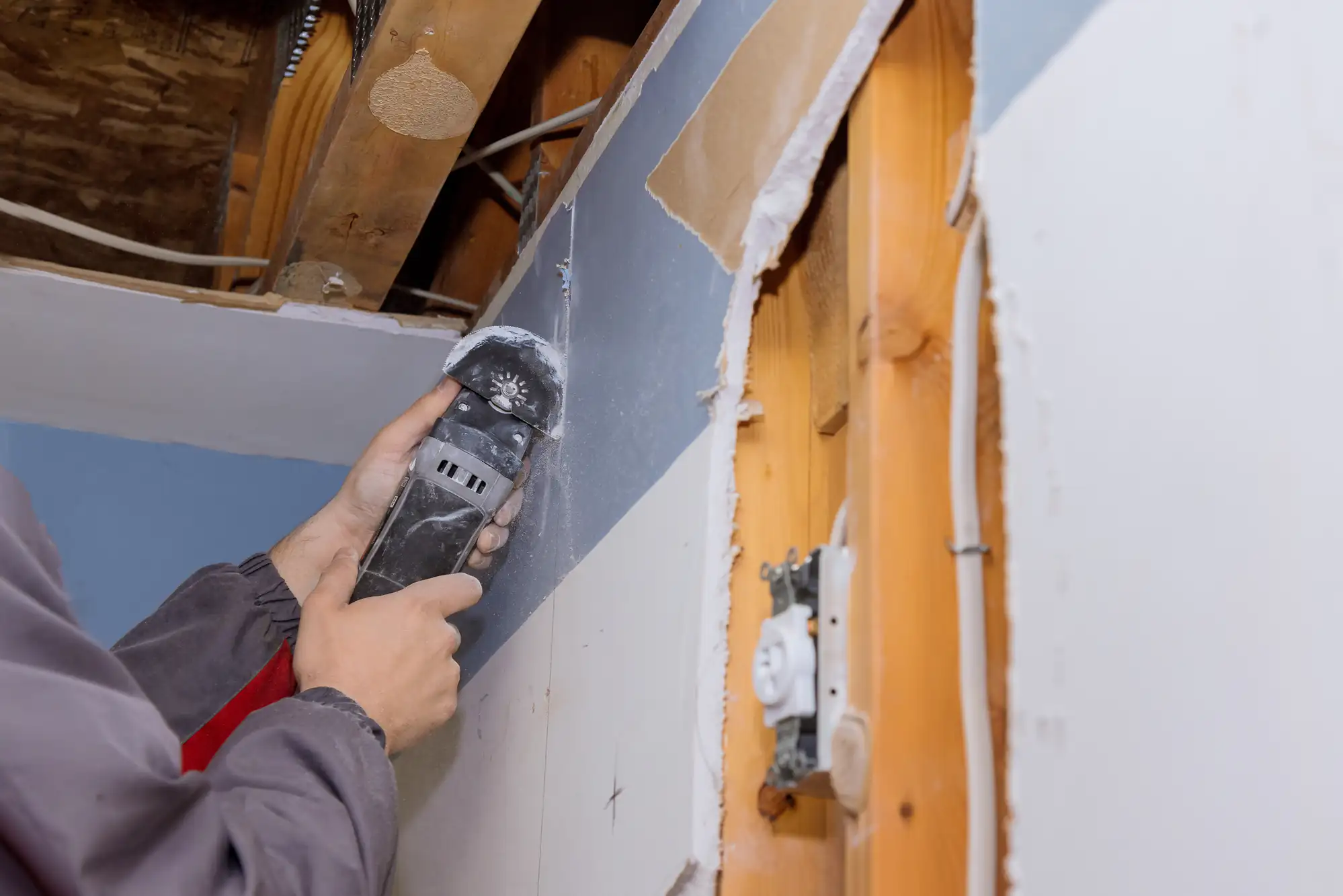
Once the leak is fixed, the damaged sheetrock needs to come out. Water-damaged drywall loses its structural integrity, grows mold, and stains through paint no matter how many coats you apply. We cut out the affected area, check the framing and insulation behind it, treat for mold if present, and install new panels.
South Huntington’s proximity to the water means humidity and occasional roof leaks are common. We’ve handled everything from small ceiling stains to entire walls that needed replacement after pipe bursts. The repair process is straightforward, but it needs to be done thoroughly or the problem comes back.
Yes, we use vacuum sanders connected to HEPA filtration systems, and yes, it makes a massive difference. Traditional sanding creates a fine dust that settles on everything in your home and takes days to fully clean up.
Dustless sanding captures about 95% of the dust right at the source. We also use drop cloths and seal off doorways when needed. You’ll still want to do a light cleaning after we’re done, but it’s nothing like the mess that comes from hand-sanding with a block and screen.
This matters especially if you’re living in the house during the work, or if you have respiratory sensitivities. The equipment costs more and takes longer to set up, but it’s the professional way to handle finishing work. Most homeowners are surprised at how clean the space stays compared to what they’ve experienced with other contractors.
Yes. We’re fully licensed and carry both liability insurance and workers’ compensation coverage. That protects you if something goes wrong on the job—whether that’s property damage or an injury.
A lot of handymen and unlicensed contractors do drywall work in Suffolk County. They’re cheaper up front, but you’re taking on risk. If someone gets hurt on your property and they’re not covered, you could be liable. If they damage your plumbing or electrical and they’re not insured, you’re paying to fix it.
We provide proof of insurance before starting any job. It’s part of doing business the right way, and it’s one of the reasons homeowners keep calling us back when they need other work done. You’re not just hiring someone who knows how to hang sheetrock—you’re hiring a legitimate contractor who stands behind the work.