
Hear from Our Customers
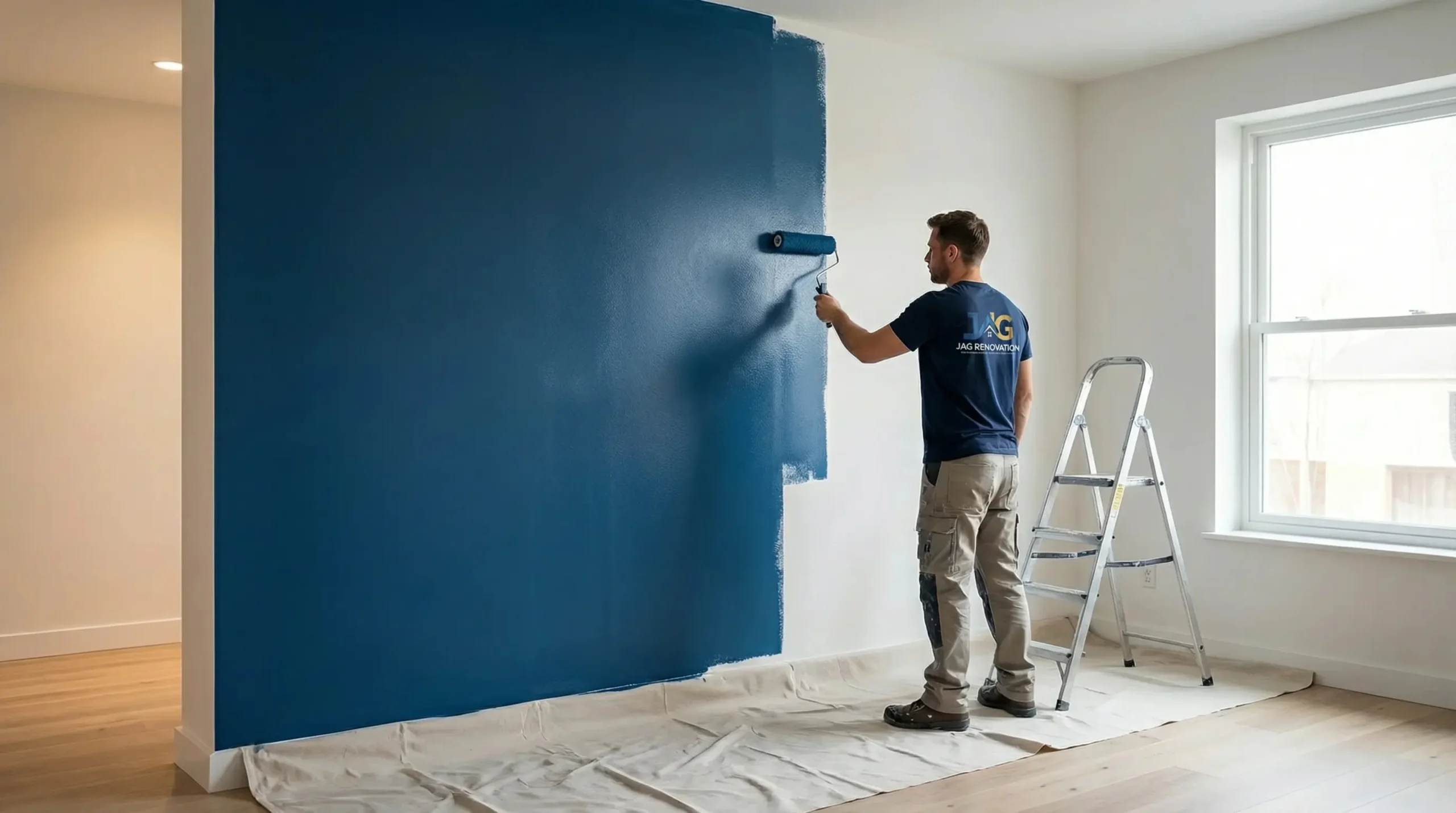
You’re not just getting color on your walls. You’re getting protection that stands up to what Montauk throws at it—salt air, storm surge, and temperature swings that destroy ordinary paint jobs within two years.
We use Benjamin Moore’s marine-grade coatings and zero-VOC formulas that cure properly in coastal conditions. Your family breathes cleaner air immediately, and your exterior surfaces stay protected longer.
That means fewer repaints, lower maintenance costs, and a home that holds its value against the elements. No more watching your investment fade and peel while you’re still paying for the last paint job.
We’ve been solving Suffolk County’s toughest painting problems since we started—nearly a decade of dealing with everything from Ditch Plains salt spray to Montauk Point wind exposure.
Most contractors learn coastal painting the hard way, on your dime. We already know which primers bond to salt-damaged surfaces, when weather windows actually work for curing, and why standard latex fails here within 18 months.
You get that experience upfront, not expensive trial and error. Licensed, insured, and backed by relationships with homeowners who’ve watched their neighbors repaint twice while their Jaguar job still looks fresh.
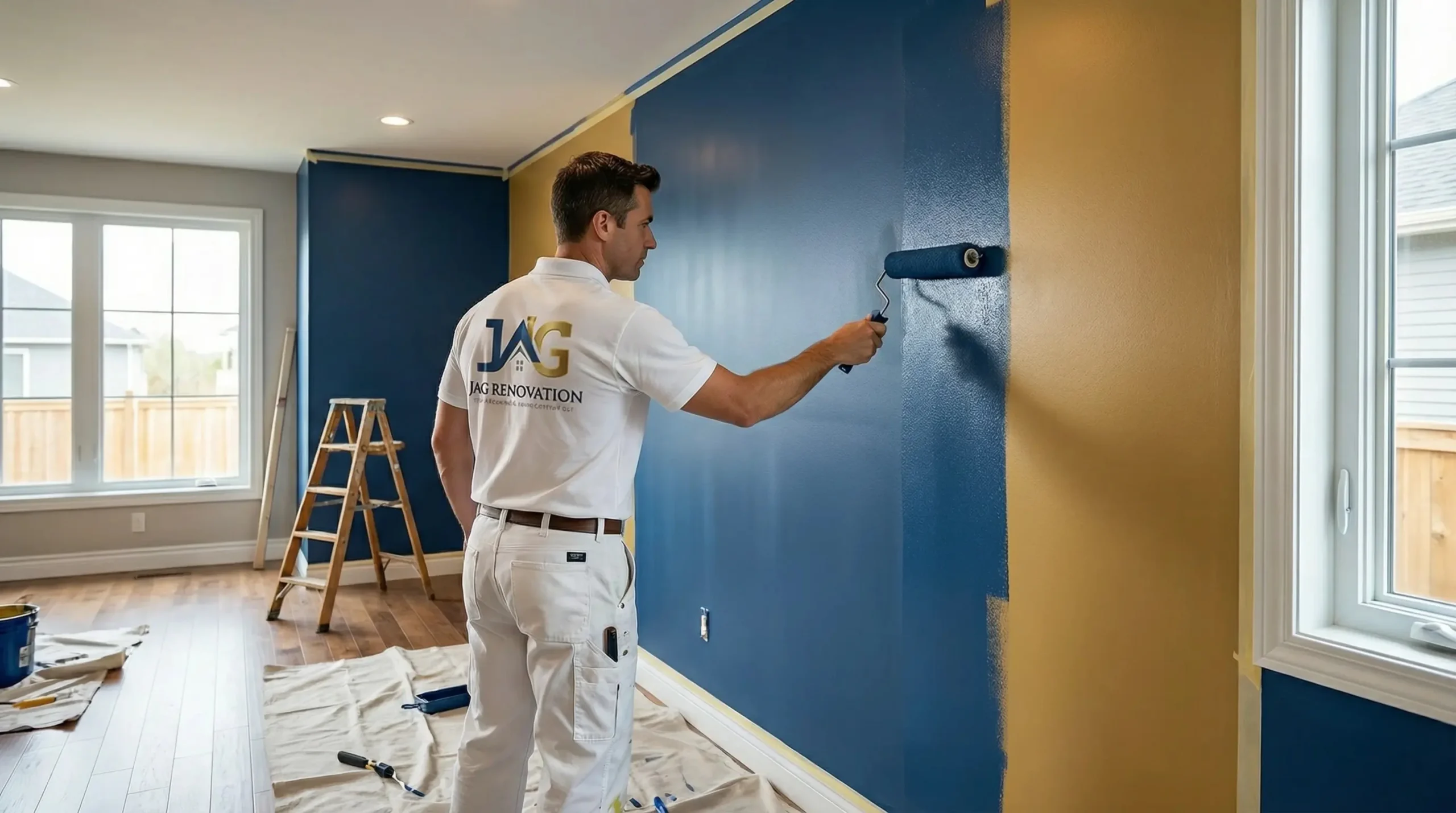
First, we assess your surfaces and timing. Montauk’s weather doesn’t follow the calendar—we schedule based on actual salt spray levels, humidity readings, and extended dry forecasts, not arbitrary dates.
Surface prep comes next. Power washing to remove salt buildup, scraping and sanding compromised areas, and sealing any moisture entry points. This isn’t optional in coastal environments—it’s the difference between a five-year paint job and a fifteen-year one.
Then we apply Benjamin Moore’s marine-grade systems in proper film thickness. Primer that bonds to salt-affected surfaces, topcoats that flex with temperature changes, and cure schedules that account for coastal moisture. You get protection that works with Montauk’s environment, not against it.
Ready to get started?
We exclusively use Benjamin Moore’s coastal-rated products—Eco Spec for zero-VOC interiors, marine-grade acrylics for exteriors, and specialized primers for salt-damaged substrates. These aren’t standard paints with marketing claims; they’re formulations designed for environments like ours.
Montauk properties face unique challenges. Salt air accelerates corrosion, temperature swings cause expansion and contraction, and humidity affects cure times. Standard painting approaches fail because they ignore these factors.
Our material selection accounts for your specific exposure—windward versus protected sides, proximity to surf, and substrate conditions. You get paint systems engineered for your exact situation, not one-size-fits-all solutions that work in Kansas but fail at the Point.
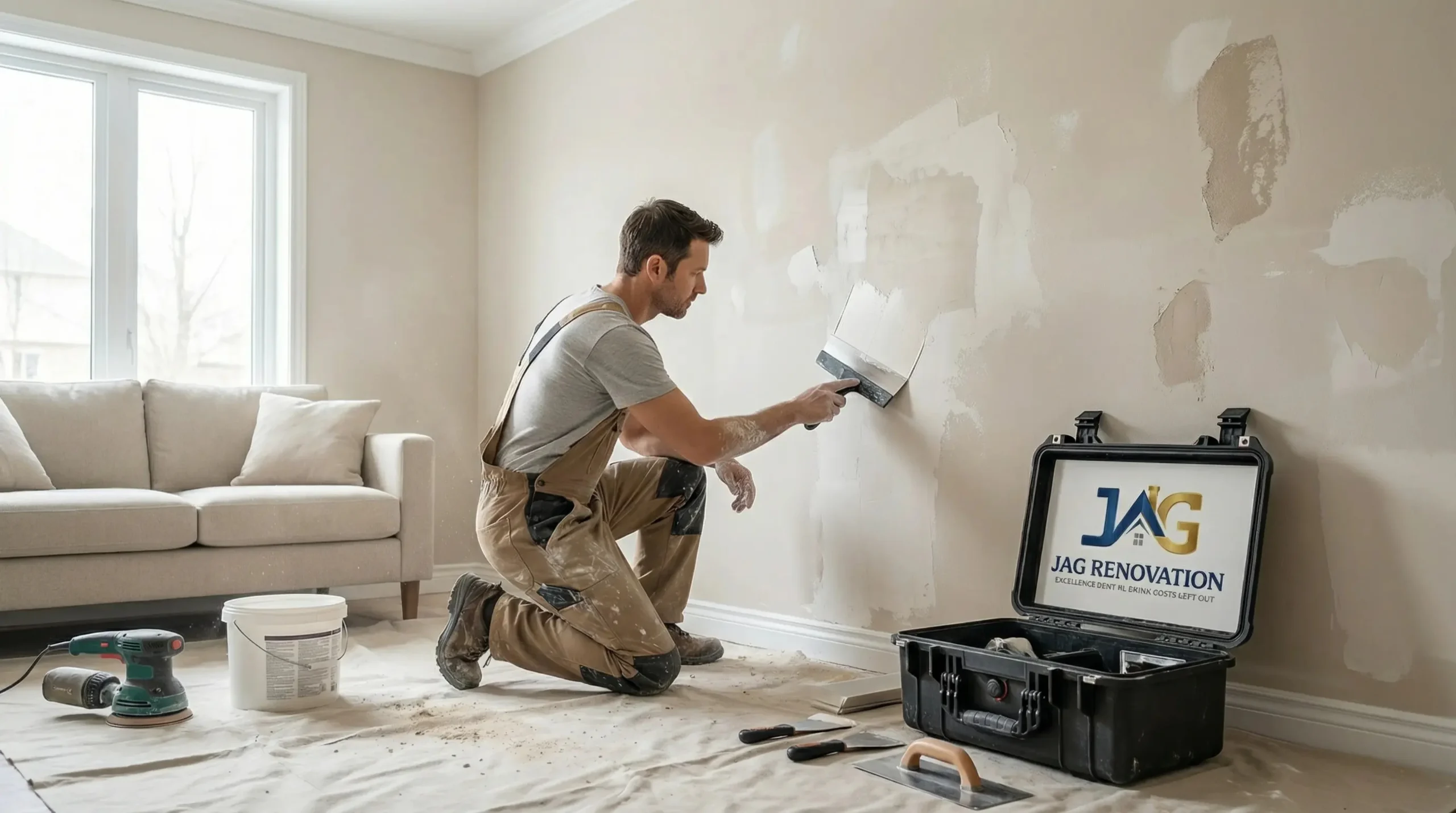
Late spring through early fall provides the most reliable weather windows, but timing depends more on specific conditions than calendar dates. We look for extended periods with low humidity, stable temperatures in the paint manufacturer’s range, and minimal salt spray activity.
Avoid painting during marine layer events, when high winds carry salt onto wet surfaces, or when rain is forecast within 48 hours. The key is patience—rushing a coastal paint job because of scheduling pressure leads to adhesion failures and premature coating breakdown.
We monitor local marine weather forecasts and salt spray measurements to identify optimal application windows. This approach takes longer than inland painting, but it’s the difference between a paint job that lasts three years and one that protects for over a decade.
Benjamin Moore’s marine-grade formulations contain higher levels of acrylic resins and specialized additives that resist salt corrosion and UV degradation. Their Eco Spec line offers zero VOCs with antimicrobial properties, while their exterior systems include corrosion-inhibiting primers designed for coastal exposure.
Standard paints fail in salt air because they lack the chemical resistance and flexibility needed for coastal conditions. Benjamin Moore’s coastal-rated products maintain adhesion and color stability under salt spray, temperature cycling, and high UV exposure that destroys ordinary coatings.
The company’s Gennex colorant system also ensures color consistency and fade resistance in harsh coastal light. This matters in Montauk where sun reflection off water intensifies UV exposure beyond typical levels. You get color that stays true and protection that lasts.
Salt damage requires aggressive surface preparation beyond standard painting prep. We start with power washing using specialized cleaners that neutralize salt deposits and remove chalky residue that prevents proper adhesion.
Next comes mechanical preparation—scraping loose and failing coatings, sanding to sound substrate, and treating any corrosion spots with appropriate primers. Salt-affected wood often needs consolidation treatment, while metal surfaces require corrosion-inhibiting primers applied within hours of cleaning.
The final step is sealing all moisture entry points with marine-grade sealants. Salt accelerates water penetration, so every joint, crack, and penetration must be properly sealed before coating application. This comprehensive prep work takes time but prevents the coating failures that plague rushed coastal paint jobs.
Modern zero-VOC formulations like Benjamin Moore’s Eco Spec actually perform better in coastal humidity than traditional paints. They cure through water evaporation rather than solvent release, making them less sensitive to moisture levels during application.
The key advantage is immediate occupancy—zero-VOC paints eliminate the strong odors and off-gassing that can linger for weeks in humid coastal environments. Your family can use painted spaces immediately without health concerns or ventilation requirements.
These paints also resist mildew and bacterial growth better than conventional formulations, which matters in Montauk’s moisture-rich environment. You get healthier indoor air quality and surfaces that stay cleaner longer, particularly important for families with allergies or respiratory sensitivities.
With proper materials and application, exterior coatings should provide 8-12 years of protection, while interior work can last 10-15 years or more. The key variables are surface preparation quality, material selection, and application timing relative to weather conditions.
Coastal properties that receive annual maintenance—cleaning salt deposits, touching up minor damage, and checking sealant integrity—consistently achieve longer coating life. Neglected surfaces, even with premium materials, fail prematurely due to salt accumulation and moisture penetration.
We provide specific maintenance recommendations based on your property’s exposure level and coating system. Following these guidelines extends paint life significantly and prevents the major failures that require complete repainting. The investment in proper materials and application pays dividends through reduced maintenance frequency.
Our estimates include comprehensive surface evaluation, salt damage assessment, and weather-appropriate scheduling recommendations. We specify exact Benjamin Moore product systems, surface preparation requirements, and application procedures for your specific coastal exposure.
Material costs reflect marine-grade primers, topcoats, and sealants rather than standard products that fail in coastal conditions. Labor estimates account for extended prep work, weather delays, and proper cure time between coats—factors that rushed contractors often underestimate.
We also include maintenance recommendations and warranty terms specific to coastal applications. You get transparent pricing based on what actually works in Montauk’s environment, not generic estimates that lead to change orders and coating failures. No surprises, no shortcuts, no hidden costs that appear after we start work.