
Hear from Our Customers
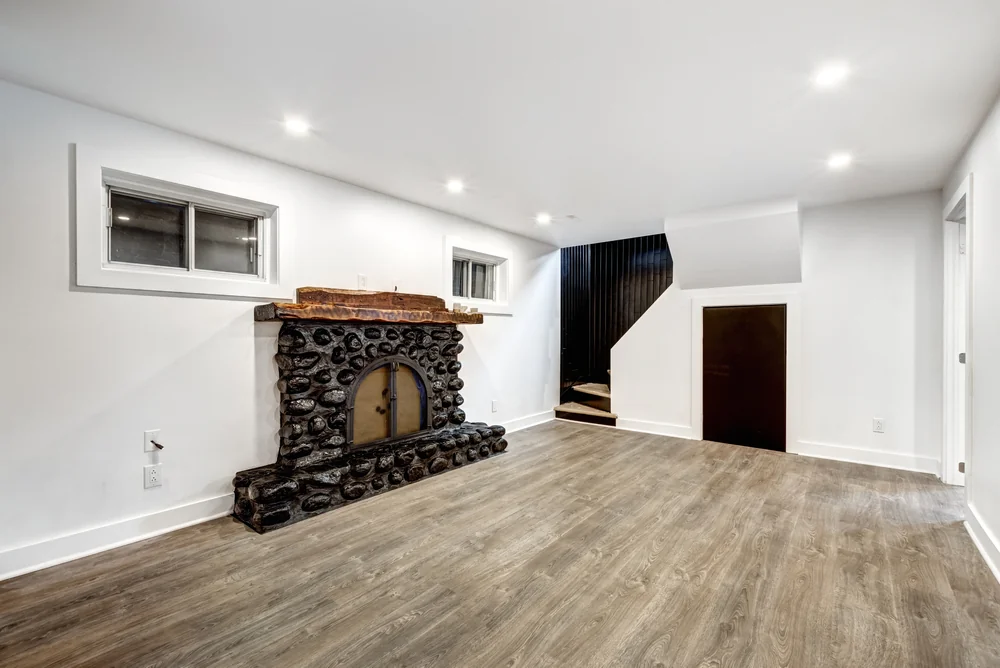
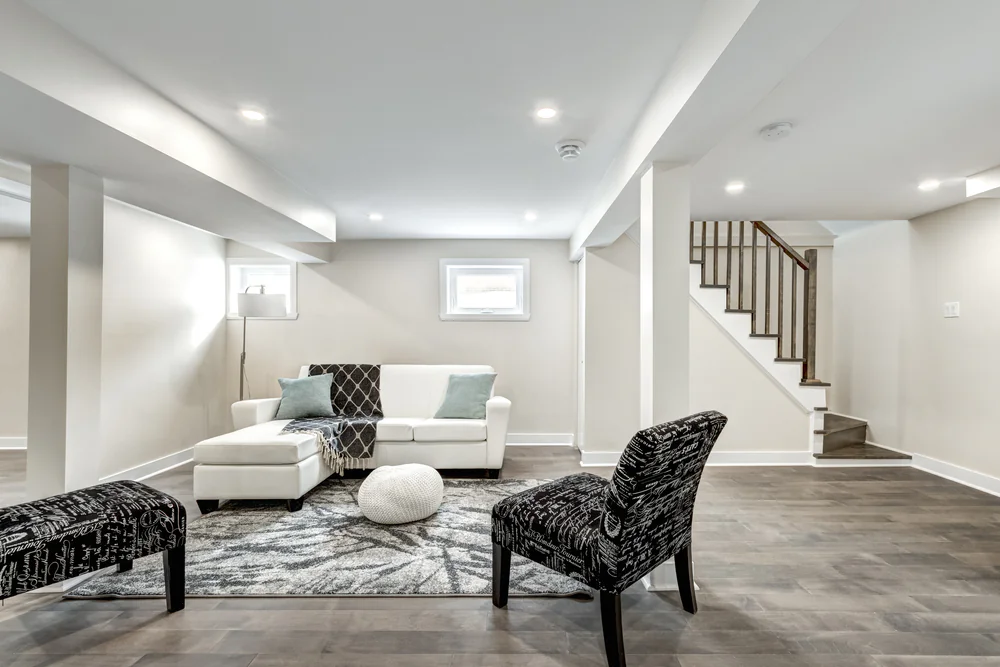
Your basement could be the home office you’ve been trying to carve out of a bedroom. Or the guest space that keeps visiting family comfortable instead of cramped. Maybe it’s the entertainment area where your kids actually want to hang out, or the quiet retreat you disappear to after a long day.
Whatever you need that space to become, finishing it the right way means you’re not dealing with musty smells three months later. It means the walls don’t crack because someone skipped the moisture assessment. It means egress windows that actually meet code so the space is legal and safe.
Most basements in Babylon sit unfinished because homeowners worry about picking the wrong contractor. You’ve seen the stories—water damage that wasn’t addressed, unlicensed crews that disappear mid-project, costs that balloon without warning. That hesitation makes sense when you’re looking at a $30,000 to $80,000 investment.
The difference between a basement that adds value and one that becomes a liability comes down to how it’s built. Proper waterproofing. Code-compliant electrical and egress. Crews that know Suffolk County requirements and actually show up to finish the job.
We’ve been handling basement renovations across Babylon and Suffolk County for close to ten years now. All licensed, all insured, all in-house crews—no subcontractors we can’t vouch for.
When you’re turning an unfinished basement into livable space, you need someone who knows how to handle moisture before it becomes mold. Someone who understands that Suffolk County building codes aren’t suggestions. Someone who gives you a fixed price upfront and sticks to it.
Babylon homeowners deal with specific challenges—older homes with foundation quirks, water tables that require real waterproofing solutions, and building departments that expect proper permits. We’ve worked through all of it. Your basement project gets handled by the same crew from start to finish, and we back the work with a one-year warranty because we know it’s done right the first time.
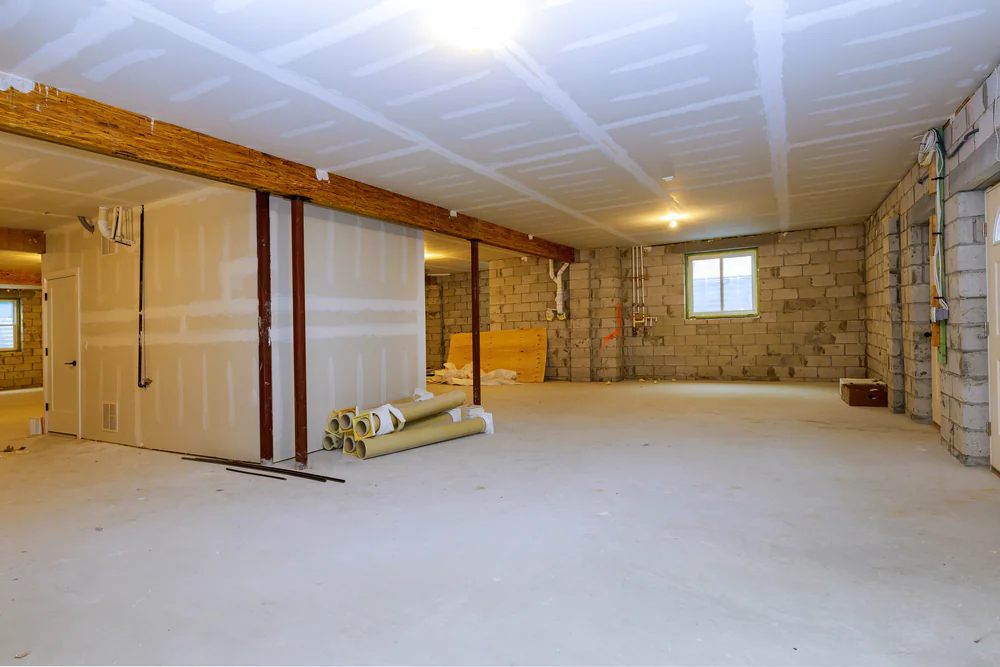
First, we come look at your basement. Not to sell you, but to assess what you’re actually working with—moisture levels, foundation condition, ceiling height, mechanicals that need to stay accessible. This tells us what’s realistic for your space and what problems need solving before we frame a single wall.
Then you get a detailed estimate with fixed pricing. No allowances that let costs creep up later. No vague line items. You’ll know what the electrical work costs, what the egress window installation runs, what you’re paying for materials versus labor. If your project needs permits—and most basement finishing does in Babylon—we handle that process.
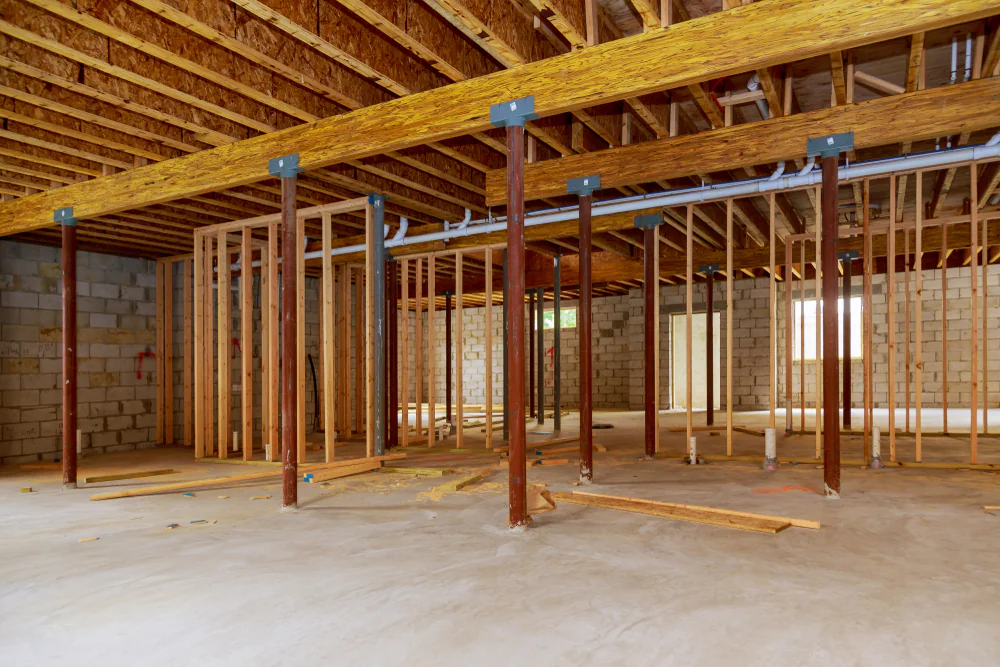
Once work starts, the same licensed crew stays on your job until it’s complete. Framing, insulation, drywall, electrical, any plumbing if you’re adding a bathroom. We’re typically looking at 8 to 16 weeks depending on size and scope, but you’ll know the timeline before we start.
The space gets inspected, you do a final walkthrough, and you get a warranty that covers our workmanship for a full year. If something’s not right, we come back and fix it. That’s the deal.
Ready to get started?
Moisture control comes first. If your basement has water issues—even minor ones—finishing over them just hides a problem that’ll cost more later. We assess humidity levels, check for foundation cracks, and install proper waterproofing materials before any framing happens. Most Babylon homes need dehumidification systems to keep levels between 30-50% year-round.
Egress windows aren’t optional if you’re creating a bedroom or want the space to count toward your home’s value. Suffolk County requires them, and they typically run $6,000 to $12,000 installed. We handle the foundation cutting, window installation, and well construction to meet code requirements.
The actual finishing work covers framing, insulation that keeps the space comfortable, electrical for lighting and outlets, drywall, and whatever flooring makes sense for below-grade installation. If you’re adding a bathroom, that means plumbing rough-in and fixture installation. We can work around your mechanicals—furnace, water heater, electrical panel—so they stay accessible but don’t dominate the space.
Everything gets permitted through Babylon’s building department. That’s not us being cautious, that’s us making sure your finished basement is legal, safe, and doesn’t create issues when you eventually sell. The work gets inspected at key stages, and you’re not left hoping everything was done right.

Most basement finishing projects in Babylon run between $50 and $150 per square foot, which puts a typical 800-square-foot basement somewhere in the $40,000 to $120,000 range. That’s a wide spread because the scope varies dramatically based on what you’re building.
A basic finishing job—framing, insulation, drywall, basic electrical, and simple flooring—lands on the lower end. Add a full bathroom, custom built-ins, upgraded lighting, or an egress window for a legal bedroom, and costs climb. If your basement needs serious moisture remediation or foundation work before finishing can even start, that’s additional.
The return makes sense for most Babylon homeowners. Basement finishing typically returns about 70% of your investment when you sell, and it’s the most cost-effective way to add square footage to your home. You’re not building an addition or moving to get more space—you’re using what’s already there.
Fixed pricing matters here. Some basement remodel contractors use allowances or estimates that shift as the project moves forward. We give you the full number upfront so you can actually plan your budget instead of hoping costs don’t spiral.
Yes, almost certainly. Any basement finishing work that involves structural changes, electrical, plumbing, or creating habitable space requires permits through Babylon’s building department. That’s not bureaucracy for its own sake—it’s how Suffolk County ensures the work meets safety codes and your home’s value is protected.
Egress windows are the big one most homeowners don’t realize they need. If you’re finishing the basement as anything other than storage, and especially if you’re adding a bedroom, code requires an emergency exit. That means a window large enough for egress, installed at the right height, with a proper window well. Inspectors check this specifically.
Electrical work needs permits because basement wiring has to meet current code—GFCI outlets in certain areas, proper circuit capacity, grounded systems. Plumbing permits apply if you’re adding a bathroom or wet bar. Even if you’re just finishing the space without adding these features, the framing and occupancy change typically requires approval.
We handle the permit process as part of the project. You’re not filling out forms or scheduling inspections—that’s on us. The work gets inspected at rough-in and final stages, and you get documentation that the basement was finished legally. That matters when you sell because buyers and their inspectors will ask.
Moisture control starts before we touch a single stud. We test your basement’s current humidity levels and check for water intrusion—foundation cracks, poor drainage, condensation issues, or signs of previous water damage. If those problems exist, finishing over them just creates an expensive mold farm.
Most Babylon basements need a quality dehumidification system running year-round to maintain 30-50% humidity. That’s the range where mold can’t establish itself and your finished space stays comfortable. We’re not talking about a portable unit from a big box store—those can’t keep up. You need a whole-basement system sized correctly for your square footage.
Waterproofing materials matter too. We use moisture-resistant insulation, not standard fiberglass that holds water. Flooring goes in with moisture barriers underneath. If your foundation shows active water issues, those get addressed first—exterior drainage correction, sump pump installation, crack sealing, whatever your specific situation requires.
The framing stays off the floor and walls slightly to allow air circulation. Drywall gets mold-resistant products in below-grade applications. These aren’t expensive upgrades—they’re standard practice for basement finishing that actually lasts. Skipping them saves money for about six months until you’re dealing with musty smells and health concerns.
Most basement finishing projects run 8 to 16 weeks from start to completion, but your specific timeline depends on the scope of work and what surprises we find once walls are open. A straightforward finishing job—framing, electrical, drywall, flooring—typically takes 8 to 10 weeks. Add a bathroom, egress window, or custom features, and you’re looking at 12 to 16 weeks.
Permit approval adds time on the front end. Babylon’s building department usually processes permits within a few weeks, but that’s before work starts, not part of the construction timeline. Inspections happen at specific stages—rough framing, electrical, plumbing if applicable, and final. We schedule those as we go, and they rarely slow things down if the work’s done right.
Weather affects egress window installation since that involves cutting your foundation from outside. We can’t pour concrete in freezing temperatures, so winter projects sometimes need that piece scheduled for spring. The interior work continues regardless.
The bigger variable is what we discover during demolition if you have an existing finished basement we’re renovating. Old water damage, outdated electrical that needs full replacement, foundation issues that weren’t visible—those add time and cost. That’s why the initial assessment matters. We’re looking for problems before they become surprises three weeks into your project.
Yes, but it requires specific code compliance that not all basements can accommodate. For a legal bedroom, Suffolk County requires an egress window—minimum 5.7 square feet of opening, no more than 44 inches from the floor, with a window well that allows emergency exit. If your basement has the ceiling height and exterior access for this, a bedroom is possible.
Bathrooms are more straightforward but still need proper planning. You need plumbing access—either existing lines you can tie into or the ability to run new supply and drain lines. Most Babylon homes have the main stack accessible in the basement, which makes this feasible. The bathroom needs proper ventilation since you’re below grade, and electrical needs GFCI protection.
Ceiling height matters for both. Suffolk County requires 7-foot minimum ceiling height in habitable spaces. Some older Babylon homes have lower basement ceilings that limit what you can legally finish. We measure this during the initial assessment because there’s no workaround—if the height isn’t there, the space can’t be a legal bedroom regardless of what else you do.
The cost difference is significant. Adding a full bathroom typically adds $15,000 to $25,000 to your project. Egress windows run $6,000 to $12,000 installed. But if you need the bedroom for aging parents, a home office that converts to guest space, or you’re planning to stay in your home long-term, the investment usually makes sense.
The cheapest bid usually means someone’s cutting corners you won’t see until later—and those corners are expensive to fix. Unlicensed contractors skip permits because they can’t pull them. They use standard materials instead of moisture-resistant products. They subcontract the electrical and plumbing to whoever’s available instead of using qualified tradespeople.
Basement finishing done wrong creates problems that cost more than doing it right the first time. Mold from improper moisture control means tearing out walls and remediating—$10,000 to $30,000 depending on severity. Electrical that doesn’t meet code becomes a safety issue and a selling problem. Unpermitted work means buyers can’t get financing, or you’re ripping out your finished basement to bring it up to code before closing.
The contractors with the lowest bids often disappear mid-project or drag jobs out for months because they’re juggling too many at once. You’re left with an unfinished basement, money already spent, and no good options. We see this regularly—homeowners who tried to save 20% upfront and ended up spending double to fix it.
Licensed Suffolk County contractors cost more because the work is insured, permitted, and done by crews who know what they’re doing. You get a warranty that actually means something because the company will still be around next year. Fixed pricing means the number doesn’t change halfway through. That’s not a premium—that’s what basement finishing actually costs when it’s done right.