
Hear from Our Customers
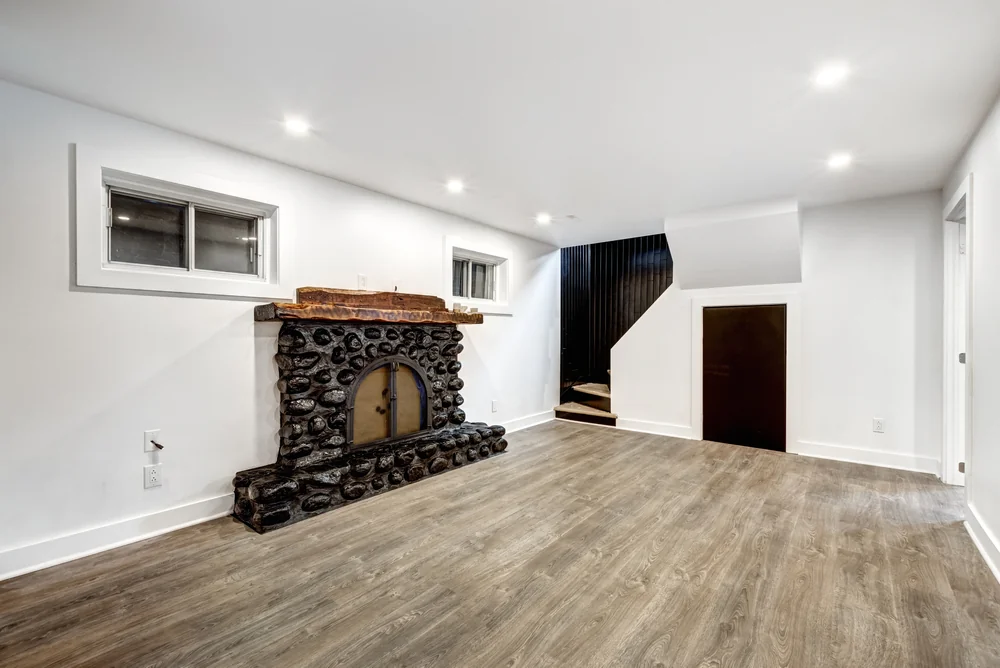
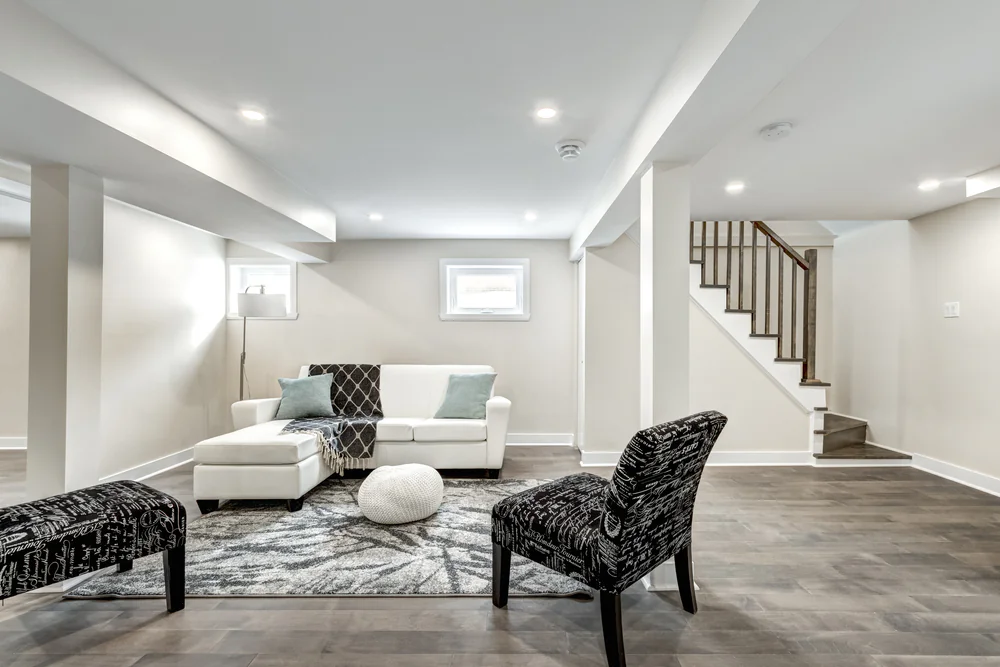
You’re sitting on hundreds of square feet that could be doing something for you. A finished basement means more room for your family without the cost of moving or building an addition. It’s space you already own—just not using yet.
Most West Islip homeowners finish their basements for one of three reasons: they need a home office that actually has a door, they want a place where the kids can be loud without taking over the main floor, or they’re tired of looking at wasted square footage every time they go downstairs. Whatever the reason, a finished basement gives you functional space that fits how you actually live.
The return matters too. Basement finishing typically delivers 70-75% ROI when you sell, which makes it one of the smarter investments you can make in your home. You get the space now and most of your money back later.
We’ve been finishing basements across Suffolk County for nearly a decade. We use in-house crews for every job, which means the people who show up are the people we trained. No subcontractors. No handoffs. No wondering who’s responsible when something needs attention.
We’re licensed Suffolk County contractors who know the local building codes, permit requirements, and what actually works in Long Island basements. Moisture issues, egress windows, ceiling height restrictions—we’ve handled it all in homes just like yours throughout West Islip, Bay Shore, Babylon, and the surrounding towns.
You’ll get fixed pricing before we start, a one-year warranty on workmanship when we finish, and straight answers in between. That’s how we’ve built our reputation here.
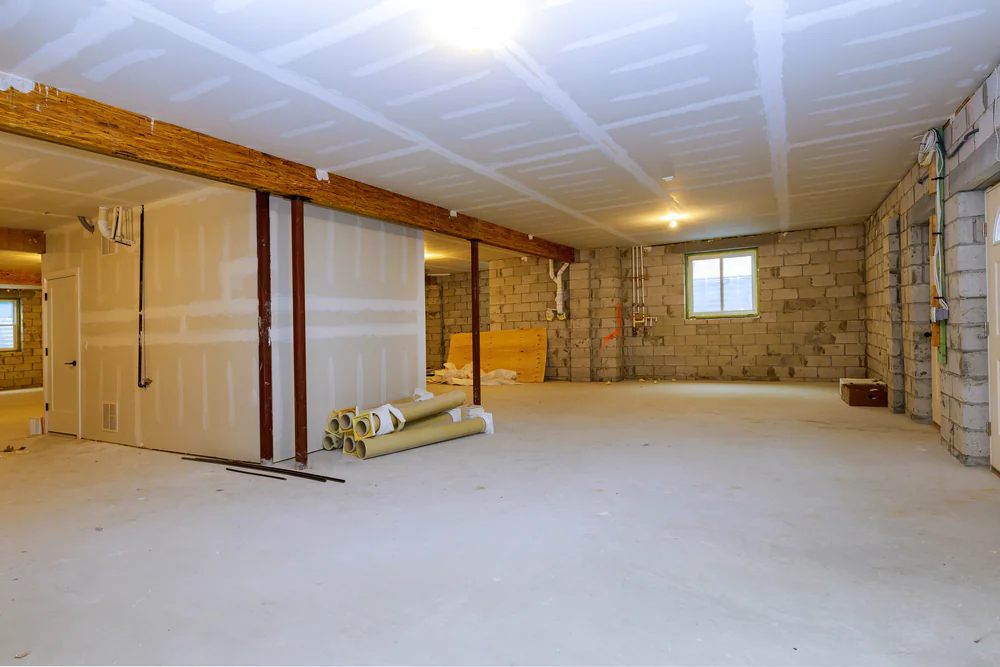
First, we come out to see your basement and talk through what you want to do with the space. We’ll look at the structure, check for moisture issues, measure everything, and discuss layout options that make sense for how you plan to use it.
Then we put together a detailed estimate with fixed pricing. You’ll know exactly what the project costs before we touch a tool. No allowances, no “we’ll figure it out later” line items—just clear numbers for the work you’re getting.
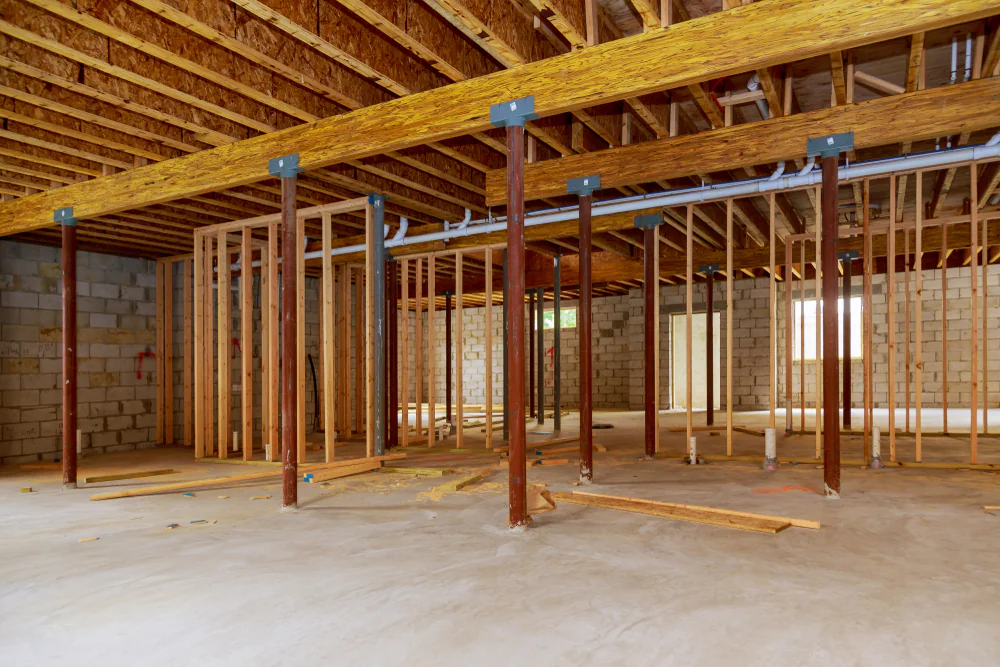
Once you’re ready to move forward, we handle the permits and schedule the work. Our crew shows up on time, does the work in phases (framing, electrical and plumbing, insulation, drywall, flooring, trim), and keeps you updated as we go. We coordinate inspections with Suffolk County as needed so everything passes the first time.
When we’re done, you’ve got a finished basement that’s code-compliant, covered by our workmanship warranty, and ready to use. Most basement finishing projects take 4-6 weeks depending on size and scope.
Ready to get started?
A complete basement remodel covers more than just throwing up some drywall. You’re looking at framing to create walls and define rooms, electrical work for lighting and outlets, HVAC adjustments so the space is comfortable year-round, and insulation to keep it that way. We install drywall, tape, and finish it smooth, then add flooring that can handle below-grade conditions without warping or growing mold.
Trim work, doors, and paint come next. If your basement needs egress windows to meet Suffolk County code for bedrooms, we handle that too. Same goes for bathroom rough-ins if you’re adding a half bath or full bath downstairs.
West Islip homes—especially older ones—sometimes have moisture concerns that need addressing before finishing work begins. We’ll identify those issues up front and recommend solutions like vapor barriers, dehumidification, or drainage improvements. Finishing over a moisture problem just creates a bigger one later, so we deal with it the right way from the start.
The goal is a basement that feels like part of your home, not an afterthought. That means proper lighting, good layout flow, and finishes that match the quality of your upstairs living space.

Most basement finishing projects in West Islip run between $30,000 and $75,000 depending on size, layout complexity, and what you’re including. A basic 600-square-foot open space with one bathroom will cost less than a 1,000-square-foot layout with multiple rooms, a full bath, and a wet bar.
The biggest cost drivers are bathrooms (plumbing is expensive), egress windows if you need them for code compliance, and the level of finishes you choose. Luxury vinyl plank costs less than hardwood. A drop ceiling costs less than drywall. We price everything upfront so you can make decisions based on real numbers, not guesses.
Suffolk County permit fees and inspection requirements add to the total, but they’re not optional—and they protect your investment when it’s time to sell. We include those costs in our estimate so there’s no surprise when the bill comes.
Yes. Any work that involves electrical, plumbing, or structural changes requires a permit in Suffolk County. That includes basement finishing. The permit process ensures your basement meets code for safety, egress, ceiling height, and ventilation—all things that matter if you ever sell your home.
We handle the permit application and coordinate inspections as part of our service. The town will inspect at rough-in (after framing and mechanicals are in but before drywall) and again at final. As long as the work is done right, inspections are straightforward.
Skipping permits might seem like a shortcut, but it creates problems later. Unpermitted work can kill a home sale, void your insurance, or force you to rip everything out and start over. It’s not worth the risk, especially when the permit process is manageable with a contractor who knows what they’re doing.
Most basement finishing projects take 4-6 weeks once we start. Smaller, simpler layouts can be faster. Larger basements with multiple rooms, bathrooms, or custom features take longer. Permit approval adds 1-2 weeks before we begin, depending on how busy the town is.
The timeline breaks down roughly like this: framing takes a few days, then electrical and plumbing rough-in, then insulation and drywall (which includes drying time for mud and paint). Flooring, trim, and final finishes come last. Inspections happen at specific points and can add a day or two if we need to schedule around the inspector’s availability.
Weather rarely affects basement work since we’re inside, but material delays or change orders can push things back. We’ll give you a realistic schedule upfront and keep you updated if anything shifts. Most homeowners are surprised how fast it goes once we’re rolling.
Luxury vinyl plank (LVP) is the most popular choice for Long Island basements, and for good reason. It’s waterproof, durable, looks good, and handles the temperature and humidity swings that basements go through. If moisture ever does show up, LVP won’t warp or buckle like hardwood or laminate will.
Carpet works in basements if you’re confident there’s no moisture issue and you want something soft underfoot. We usually recommend it for bedrooms or media rooms, not for the whole space. Tile is another solid option, especially in bathroom areas, but it’s cold underfoot unless you add radiant heat.
Avoid hardwood and laminate in basements. Hardwood costs too much to risk in a below-grade space, and laminate can swell if it gets damp. Long Island’s climate—humid summers, freeze-thaw cycles in winter—makes basements more vulnerable to moisture than upstairs floors. Your flooring choice should account for that.
Yes, and it’s one of the most common requests we get. Adding a bathroom makes your basement far more functional, especially if you’re creating a guest suite, home gym, or space where people will spend real time. The challenge is plumbing—you need to connect to your existing drain lines, and depending on your basement’s floor elevation, that might require a sewage ejector pump.
Most West Islip homes have slab foundations or crawl spaces that sit low enough to need a pump for basement bathrooms. The pump grinds waste and pumps it up to your main sewer line. It adds cost (usually $1,500-$3,000 installed), but it’s reliable and code-compliant.
We’ll assess your plumbing setup during the estimate and let you know exactly what’s required. Bathroom additions also need permits and inspections, which we coordinate. Budget around $10,000-$15,000 for a basic half bath, more for a full bath with a shower.
We don’t finish over moisture problems—we fix them first. That starts with figuring out where the moisture is coming from. Sometimes it’s condensation from temperature differences. Sometimes it’s groundwater seeping through the foundation. Sometimes it’s a grading issue outside that’s pushing water toward your house.
Once we identify the source, we recommend the right solution. That might be a vapor barrier on the walls, a dehumidifier, better exterior grading, or gutter improvements to move water away from your foundation. In some cases, interior drainage or a sump pump makes sense. We’ll tell you what’s necessary and what’s overkill.
Suffolk County’s soil and water table make moisture management a real consideration for basement finishing. We’ve worked in enough West Islip basements to know what works and what doesn’t. If your basement has active water intrusion, we’ll be straight with you about what needs to happen before we can finish the space properly.