
Hear from Our Customers
Most homeowners in East Hampton North have heard the horror stories. Contractors who ghost after the deposit. Projects that drag on for months with no explanation. Estimates that balloon halfway through the job.
You’re looking for something different. A licensed contractor who shows up when they say they will, communicates clearly about timelines and costs, and actually finishes what they start.
That’s what separates a professional home improvement contractor from someone who just talks a good game. You want your kitchen functional again before the holidays. You need your bathroom remodel completed without tearing apart your entire routine for half a year. You’re investing serious money into your home, and you deserve to know exactly where it’s going.
When the work is done right, you’re not calling someone back to fix mistakes. You’re not wondering if that paint job will hold up or if those cabinets were installed correctly. You’re just enjoying a space that works better and looks exactly how you pictured it.
Jaguar Renovation has been handling interior renovations across Suffolk County for nearly a decade. We’re not the biggest operation in East Hampton North, and that’s intentional. Staying focused on residential contractor work means we can actually manage our projects instead of spreading too thin.
Our crews are in-house, not subcontracted out. That means when you call with a question, we know exactly what’s happening on your job because our people are the ones doing the work. No finger-pointing, no excuses about waiting on someone else’s schedule.
We’ve seen what happens when contractors overpromise and underdeliver in this area. The permitting process alone in East Hampton North can derail a project if you don’t know what you’re doing. We’ve built relationships with local suppliers, understand the code requirements, and know how to keep jobs moving without cutting corners.

It starts with a real conversation about what you want to change and why. We walk through your space, take measurements, and talk through options that make sense for how you actually use the room. No pressure, no upselling services you don’t need.
Then you get a written estimate that breaks down labor, materials, and timeline. Not a vague ballpark number that changes later. If something comes up during the job that affects cost, we talk to you before moving forward, not after.
Once work begins, our crew shows up on schedule and keeps the space as clean as possible while tearing into walls or ripping out old fixtures. We’re not going to pretend renovation is mess-free, but we contain it and clean up daily instead of leaving your home looking like a disaster zone.
Throughout the project, you get regular updates. Not because we’re trying to impress you with customer service, but because you have a right to know what’s happening in your own home. When we hit a milestone or need to make a decision, you hear about it.
The job wraps when everything passes inspection and you’re satisfied with the result. We do a final walkthrough, make sure you know how to maintain what we’ve installed, and hand over all your warranty information and permits.

Ready to get started?
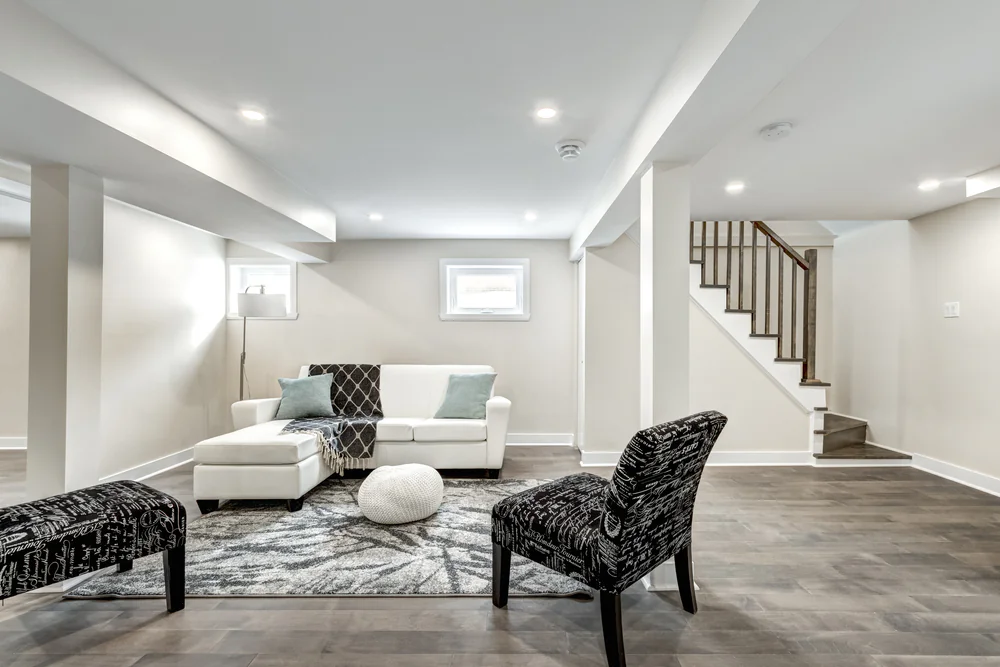
We handle the full range of interior renovations. Kitchen remodels from basic cabinet refacing to complete gut jobs with new layouts. Bathroom renovations that solve storage problems and update outdated fixtures. Basement finishing that turns wasted space into something you’ll actually use.
Our carpentry work covers custom built-ins, trim installation, and door replacements. Flooring projects include hardwood installation, refinishing, and luxury vinyl plank. We also do expert-level spackling and painting, which matters more than most people realize. Poor prep work shows through even the most expensive paint.
In East Hampton North specifically, we’re familiar with the older home stock that needs updating while preserving character. We know which walls are likely load-bearing in typical layouts from different eras. We understand that many homes here have quirks that require custom solutions, not cookie-cutter approaches.
The median home price in this area sits around $1.78 million, which means homeowners expect quality work that protects their investment. We price fairly for the market, typically ranging from $100-$250 per square foot depending on the scope and finishes you choose. That’s competitive for Suffolk County without being suspiciously cheap.

A complete kitchen remodel in East Hampton North typically runs between $40,000 and $100,000+ depending on size, layout changes, and finish selections. That’s higher than you’d pay in other parts of New York, but it reflects both the local cost of doing business and the quality expectations in this market.
The lower end of that range covers a standard 10×10 kitchen with new cabinets, countertops, appliances, and flooring but keeping the existing layout. You’re looking at stock or semi-custom cabinets, laminate or basic granite counters, and standard appliance packages.
The higher end involves layout changes that require moving plumbing or gas lines, custom cabinetry, premium countertop materials like marble or quartzite, high-end appliances, and detailed tile work. Adding structural changes like removing walls or expanding the footprint pushes costs even higher.
What drives the price up isn’t just materials. It’s the labor to do it right. Proper cabinet installation takes time. Tile work that looks clean and stays waterproof requires skill. Electrical and plumbing need to be done to code, which in East Hampton North means navigating specific local requirements on top of state regulations.
Yes, most substantial interior renovations in East Hampton North require permits, and skipping them creates serious problems down the line. Any work involving electrical, plumbing, structural changes, or significant alterations needs approval from the local building department.
Kitchen and bathroom remodels almost always require permits because they involve plumbing, electrical, and often structural modifications. Even if you’re not moving walls, updating electrical panels or relocating fixtures triggers permit requirements. Basement finishing definitely needs permits since you’re creating new living space.
Smaller jobs like painting, replacing cabinets without moving plumbing, or installing new flooring typically don’t require permits. But there’s a gray area, and it’s worth asking rather than assuming.
Why does this matter? Unpermitted work can kill a home sale. When you go to sell, buyers’ inspectors will spot modifications that should have been permitted. You’ll either need to get retroactive permits and potentially tear open walls to show the work was done correctly, or you’ll lose the deal. Insurance companies can also deny claims if they discover unpermitted work contributed to damage.
We handle the permit process as part of our service. It adds time to the project timeline, but it protects your investment and keeps everything legal. The cost of permits is built into our estimates upfront, not tacked on as a surprise later.
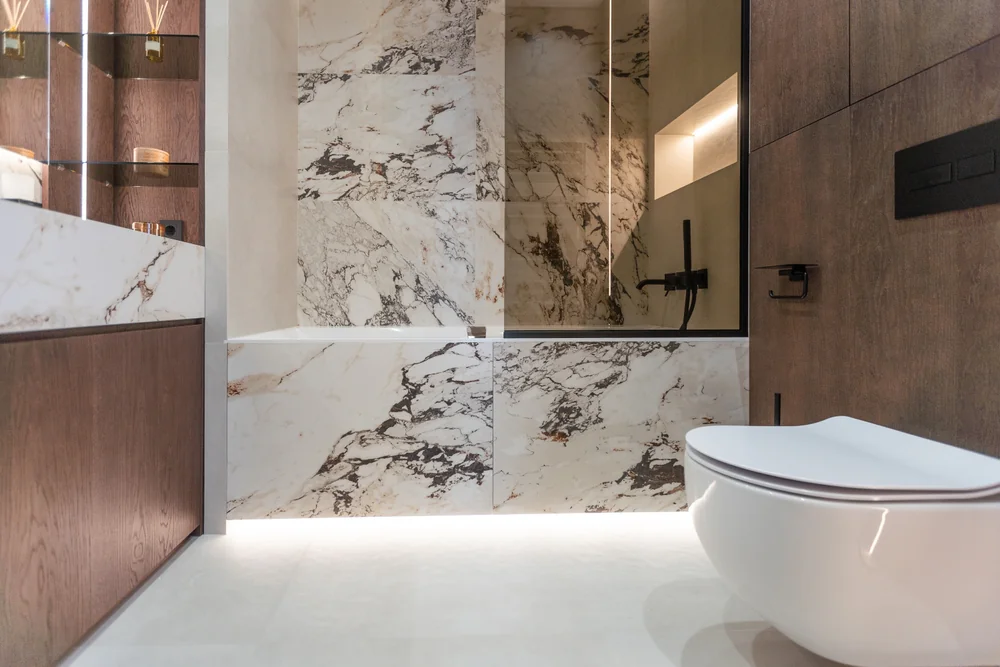
A full bathroom renovation in East Hampton North usually takes three to five weeks from start to finish. That assumes we’re gutting the existing bathroom down to studs, updating all plumbing and electrical, installing new fixtures, tiling, and finishing with paint and trim.
The timeline breaks down roughly like this: demolition and rough-in work takes about a week. That’s removing old fixtures, opening walls if needed, running new plumbing and electrical, and getting inspections. Tile installation and waterproofing takes another week to ten days because proper tile work can’t be rushed. Setting tile, letting it cure, grouting, and sealing takes time.
The final week to ten days covers installing the vanity, toilet, and fixtures, finishing any trim carpentry, painting, and final details. Then there’s a final inspection before you can actually use the space.
What slows projects down? Permit delays, which we account for in our timeline. Discovering unexpected issues like rotted subfloors or outdated plumbing that needs more extensive replacement. Material delays if you’ve selected something that’s backordered. Changes to the plan mid-project, which require new materials and push everything back.
We give you a realistic timeline upfront and update you if anything changes. Most delays aren’t anyone’s fault, they’re just part of renovation work in older homes. What matters is communicating about them instead of leaving you wondering why no one’s shown up for three days.
Start with licensing and insurance. In New York, any contractor doing work over $200 needs to be licensed. Ask for their license number and verify it’s current. Insurance matters because if someone gets hurt on your property or damages something, you don’t want to be liable.
Get everything in writing. A detailed contract should specify exactly what work is being done, what materials are being used, the timeline, payment schedule, and who’s responsible for permits. Vague contracts or handshake deals lead to disputes about what was actually agreed to.
Check references, but do it right. Don’t just ask if they were happy. Ask specific questions: Did the contractor communicate clearly? Did they stick to the budget? How did they handle problems that came up? Would you hire them again? Actually call these references instead of just reading online reviews, which can be gamed.
Pay attention to communication during the estimate process. If a contractor is hard to reach, vague about details, or pushy about signing immediately, that’s how they’ll be during your project. You want someone who answers questions directly, explains options clearly, and doesn’t pressure you into decisions.
Be wary of unusually low bids. If one estimate is significantly cheaper than others, there’s a reason. Either they’re cutting corners on materials, planning to upcharge later, or they don’t actually understand the scope of work. Quality contractors charge fairly for the market because they’re paying for skilled labor, proper materials, and insurance.
Yes, and honestly, that’s most of what we do in East Hampton North. Older homes come with challenges that newer construction doesn’t have: walls that aren’t plumb, floors that aren’t level, outdated electrical systems, plumbing that needs replacement, and layouts that don’t match modern living.
The key is knowing what you’re getting into before opening walls. We do a thorough assessment upfront and flag likely issues based on the home’s age and condition. That doesn’t mean we can predict everything, but we can give you a realistic picture instead of a best-case scenario that falls apart once work starts.
Common issues in older homes include knob-and-tube wiring that needs complete replacement, cast iron plumbing that’s corroded and needs updating, and structural modifications done decades ago without permits that need to be brought to code. We also see a lot of “creative” previous renovation work that needs to be undone before we can do things properly.
These challenges don’t make renovation impossible, they just require more planning and often a bigger budget than you’d need for the same work in a newer home. We price jobs based on what we actually expect to encounter, not an ideal scenario. If we open a wall and find it’s better than expected, great. If we find issues, we’ve already discussed the possibility and how we’ll handle it.
The advantage of working with local contractors who know the area is that we’ve seen the typical problems in homes from different eras in East Hampton North. We’re not surprised when a 1950s ranch has certain electrical issues or when a Victorian has plaster walls that need special handling.
Our estimates break down labor, materials, permits, and any other costs specific to your project. You see exactly what you’re paying for instead of one lump number. We list the specific materials we’re planning to use, including brands and grades, so you know you’re not getting the cheapest option unless that’s what you’ve chosen.
The price is firm for the scope of work described. If you decide mid-project that you want to upgrade countertops or add features that weren’t in the original plan, that changes the price. But if we quoted you for a full bathroom remodel with specific fixtures and finishes, that’s what you pay.
What about unexpected issues? If we open a wall and find something that needs to be addressed, we stop and discuss it with you before proceeding. You get an explanation of what we found, why it needs to be fixed, what it will cost, and what happens if you choose not to fix it. Then you decide how to move forward.
We don’t pad estimates with huge contingency fees just in case. We price based on what we expect the job to actually require. In our experience, most projects in East Hampton North come in at or very close to the estimate when everyone’s been realistic about scope from the beginning.
Payment terms are spelled out clearly. Typically we ask for a deposit to secure your spot on the schedule and order materials, progress payments at specific milestones, and final payment when the job is complete and you’re satisfied. We don’t ask for large upfront payments or full payment before work is done.