
Hear from Our Customers
You get written estimates that break down every cost before work starts. No vague line items, no “we’ll figure it out later” conversations. You know what you’re paying for materials, labor, permits, and timeline before anyone picks up a tool.
Your project gets managed by someone who’s spent nearly a decade working in Suffolk County homes. That means understanding how salt air affects your exterior trim choices, why your bathroom needs specific moisture barriers, and which permits you actually need versus which ones get skipped by contractors cutting corners.
You also get regular updates without having to chase anyone down. When there’s a delay, you hear about it immediately with a plan to adjust. When demo uncovers an issue like old water damage or outdated electrical, you get photos, an explanation of the problem, and options for fixing it with clear cost implications.
The end result is a finished space that looks exactly how you envisioned it, completed within the timeline discussed, without the stress of wondering if your contractor is going to show up or if you’re about to get hit with another unexpected charge.
We’ve been handling interior remodels across Suffolk County since 2016. We focus exclusively on residential work—kitchens, bathrooms, basements, custom carpentry, flooring, and full interior renovations for homeowners in Montauk and surrounding areas.
We’re fully licensed and insured in New York State, which matters more than most homeowners realize until something goes wrong. It means you’re protected if there’s an accident, and it means we’re accountable to state standards and local building codes.
What sets us apart in Montauk specifically is understanding coastal construction requirements. Your home faces different challenges than properties inland—higher moisture levels, salt air corrosion, stricter wind ratings for storm protection, and specific flood zone considerations depending on where you’re located. We factor all of that into material selection and installation methods so your renovation actually lasts.

It starts with a walkthrough of your space where we discuss what you want to change and why. We’re not there to upsell you on things you don’t need. We’re there to understand your goals, identify any potential issues with the existing structure, and give you an honest assessment of what’s realistic within your budget and timeline.
From there, you get a detailed written estimate. It includes material costs, labor breakdown, permit fees if applicable, and a realistic timeline that accounts for ordering materials, scheduling inspections, and the actual construction work. We also build in contingency planning because older homes in Montauk often reveal hidden issues once walls come down—things like outdated plumbing, insufficient insulation, or moisture damage that needs addressing before we can move forward.
Once you approve the estimate and we finalize the contract, we handle permit applications with the Town of East Hampton if your project requires them. Then we order materials, schedule our crew, and begin work according to the timeline we discussed.
Throughout the project, you get regular progress updates. If we encounter something unexpected, you hear about it the same day with photos and a clear explanation of what it means for your timeline and budget. No surprises, no runarounds.

Ready to get started?
You’re hiring local contractors who handle everything from expert-level spackling and painting to complete kitchen and bathroom remodels, basement finishing, custom carpentry, and flooring installation. If it’s inside your home and needs upgrading, we handle it.
For Montauk homeowners specifically, that means working with someone who understands your property’s unique needs. Homes here deal with constant salt air exposure, which accelerates corrosion on hardware and fixtures. Your bathroom and kitchen need moisture barriers installed correctly to prevent mold growth in a high-humidity coastal environment. Your flooring choices need to account for sand, moisture, and temperature fluctuations.
We also understand the local market dynamics. Montauk’s median home value sits at $1.19 million—nearly four times the national average. When you’re investing in a renovation, you need it done right because you’re protecting significant property value. Cheap shortcuts don’t just look bad; they cost you more in repairs down the line and can hurt resale value if you ever decide to sell.
Our approach is straightforward: we use quality materials rated for coastal conditions, we follow Suffolk County building codes to the letter, and we don’t cut corners to save time or boost our margins. You get work that lasts and looks exactly how you wanted it.

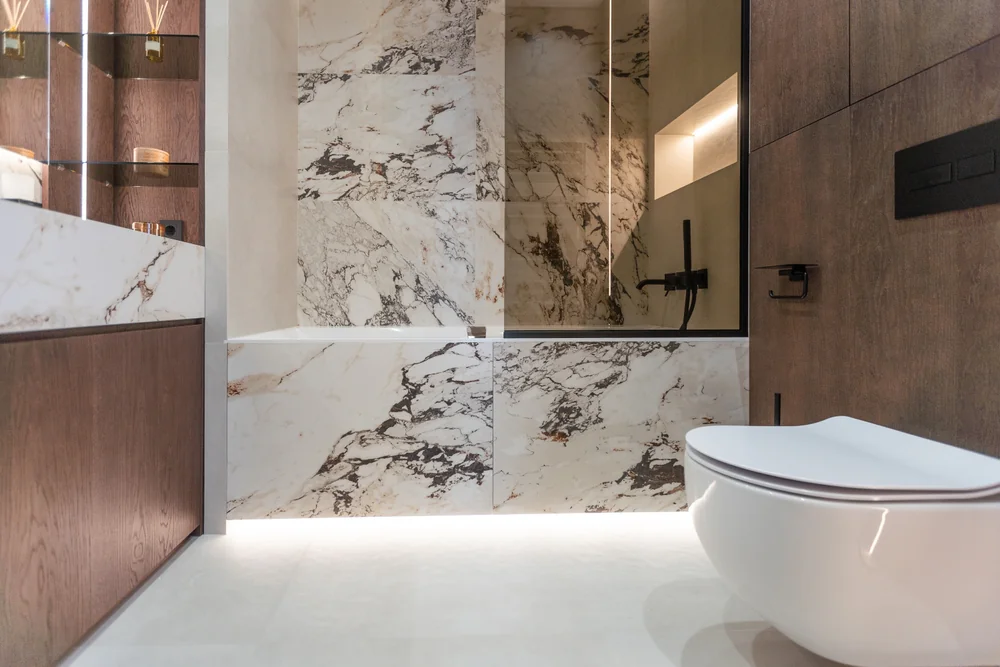
Kitchen remodels in Montauk typically range from $30,000 to $75,000 depending on size, material choices, and how much structural work is involved. Bathroom remodels usually run $15,000 to $35,000 for a full renovation including fixtures, tile, vanity, and any necessary plumbing or electrical updates.
Those ranges are higher than you’d see in other parts of Long Island, and there are specific reasons why. Material costs are elevated because everything needs to be rated for coastal conditions—moisture-resistant drywall, corrosion-resistant hardware, proper ventilation systems to handle humidity. Labor costs reflect the local market and the specialized knowledge required for coastal construction.
The other factor is what we find once we open up walls. Older Montauk homes often have outdated plumbing, insufficient insulation, or moisture damage that needs addressing before we can install new finishes. That’s why we recommend budgeting an additional 15-20% contingency for any renovation project here. It’s not about padding costs; it’s about being realistic with what these projects typically uncover.
It depends on the scope of your project. Simple cosmetic updates like painting, flooring replacement, or cabinet refacing typically don’t require permits. But if you’re doing any structural changes, plumbing modifications, electrical work, or adding square footage, you’ll need permits from the Town of East Hampton.
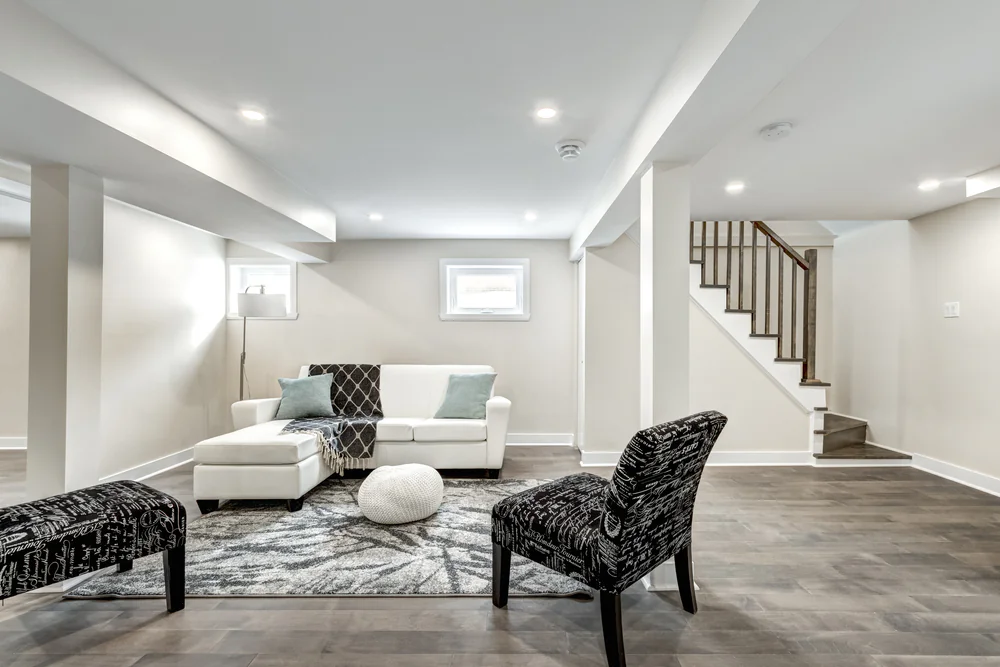
Kitchen and bathroom remodels usually require permits because they involve plumbing and electrical work. Basement finishing requires permits if you’re adding living space, egress windows, or making any structural modifications. The permit process in East Hampton can take several weeks, which is why we factor that timeline into our project schedule from the start.
Some homeowners are tempted to skip permits to save money or time. That’s a mistake. Unpermitted work can cause major problems when you try to sell your home, and it leaves you liable if something goes wrong. Insurance companies can deny claims if they discover unpermitted work contributed to damage. We handle all permit applications as part of our service, so you don’t have to navigate that process yourself.
A straightforward bathroom remodel typically takes three to four weeks once we start work. Kitchen remodels usually run six to eight weeks depending on complexity and whether we’re waiting on custom cabinets or specialty materials. Full basement finishing projects generally take eight to ten weeks.
Those timelines assume we’re not dealing with major structural issues, permit delays, or material backorders. In Montauk specifically, we also have to account for weather. Coastal storms can delay material deliveries, and high humidity days can affect how quickly certain materials cure or dry.
The other variable is how quickly you make decisions on selections like tile, fixtures, paint colors, and hardware. We provide you with a selection timeline upfront so you know when we need those decisions to keep the project on track. The projects that finish on time are the ones where homeowners stay engaged and responsive throughout the process. We’ll keep you updated on where we are and what’s coming next, but you need to be available to make decisions when they come up.
Start with licensing and insurance. Every contractor working in New York State should have a valid business license and comprehensive liability insurance. Ask to see proof of both before you sign anything. If they hesitate or make excuses, walk away.
Next, look for specific experience with coastal construction. Montauk homes face unique challenges that inland contractors might not understand. Ask how they handle moisture barriers in bathrooms, what materials they recommend for salt air exposure, and how they approach ventilation in coastal environments. If they give you vague answers or suggest the same approach they’d use anywhere else, they probably don’t have the specialized knowledge you need.
Get everything in writing. A detailed estimate should break down material costs, labor, permits, and timeline. Be wary of contractors who give you a single lump sum number without itemization. You need to understand what you’re paying for and where your money is going. Also ask about their communication process—how often will they update you, and what happens if they encounter unexpected issues? The contractors who are clear and specific about their process are usually the ones who deliver on their promises.
Moisture damage is the big one. Bathrooms and kitchens in coastal homes often have hidden water damage behind walls, under floors, or around windows. Sometimes it’s from old leaks that were never properly fixed. Other times it’s from inadequate moisture barriers that let humidity seep into wall cavities over years.
Outdated electrical systems are another common issue, especially in older Montauk properties. We’ll open up a wall and find knob-and-tube wiring or insufficient amperage for modern appliances. That needs to be brought up to current code before we can close walls and finish the renovation. It adds cost and time, but it’s not optional—it’s a safety issue.
We also frequently find insufficient insulation, particularly in basement spaces and exterior walls. Montauk’s temperature swings and humidity levels require proper insulation and vapor barriers to prevent condensation and mold growth. A lot of older homes were built before current energy codes, so upgrading insulation is often necessary during a renovation. The good news is that addressing these issues now prevents bigger problems later and makes your home more comfortable and energy-efficient year-round.
Usually because they’re leaving things out. The lowest bid often excludes permits, doesn’t account for proper coastal-rated materials, or assumes everything behind your walls is perfect and won’t need any repairs. Then halfway through the project, you start getting change orders that push the final cost higher than the original estimates from other contractors.
Another reason is differences in material quality. One contractor might quote you builder-grade cabinets and basic fixtures while another is pricing out mid-grade materials that will actually hold up to coastal conditions. If estimates don’t specify exact materials and brands, you’re comparing apples to oranges.
Labor quality matters too. Experienced contractors who understand coastal construction and local building codes charge more because their work is worth more. You’re paying for fewer mistakes, proper installation methods, and renovations that pass inspection the first time. The cheapest option usually means inexperienced crews, rushed work, or corners cut to keep costs down. In a high-value market like Montauk where your median home is worth over a million dollars, saving a few thousand on your contractor can cost you tens of thousands in repairs or lost property value down the line.