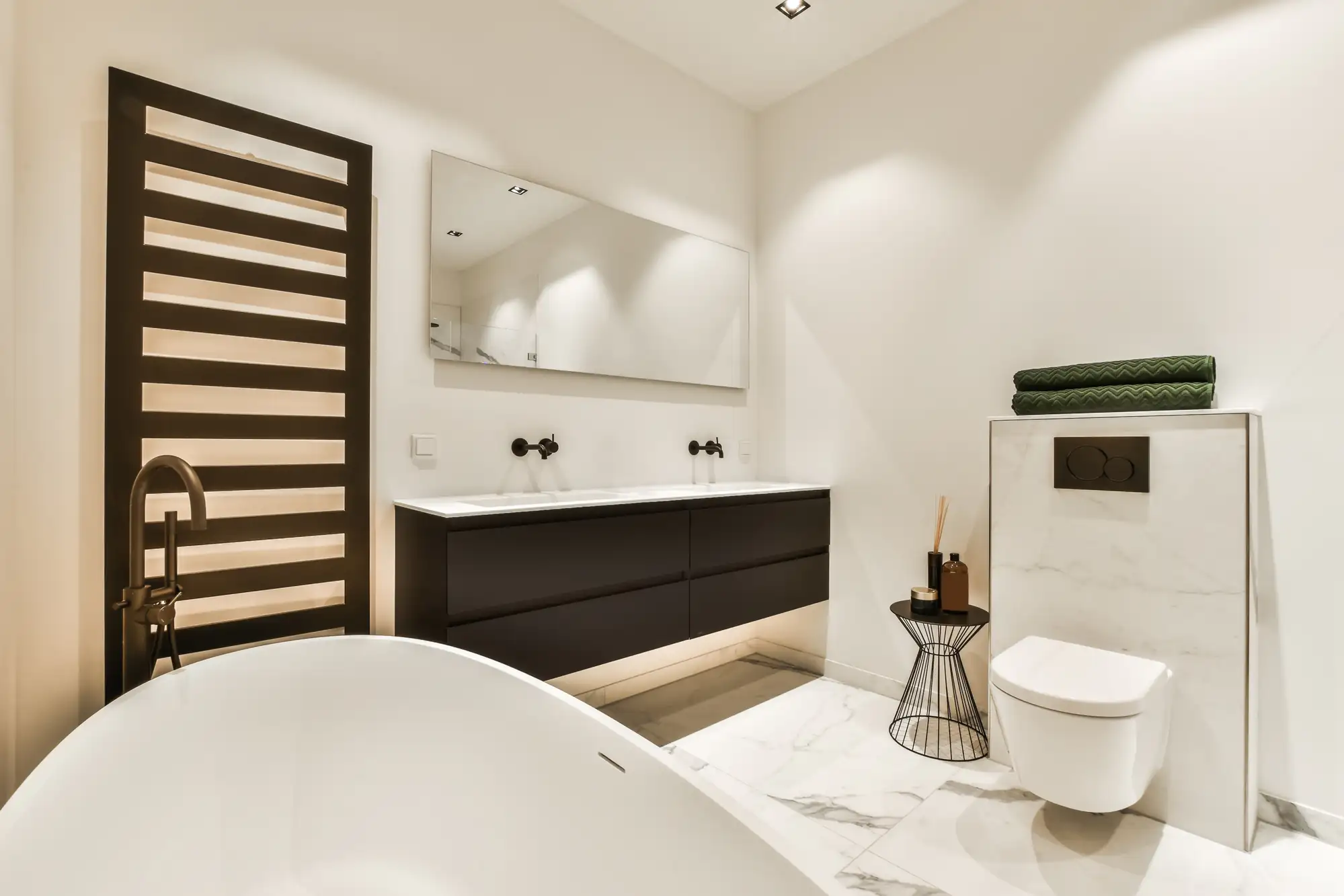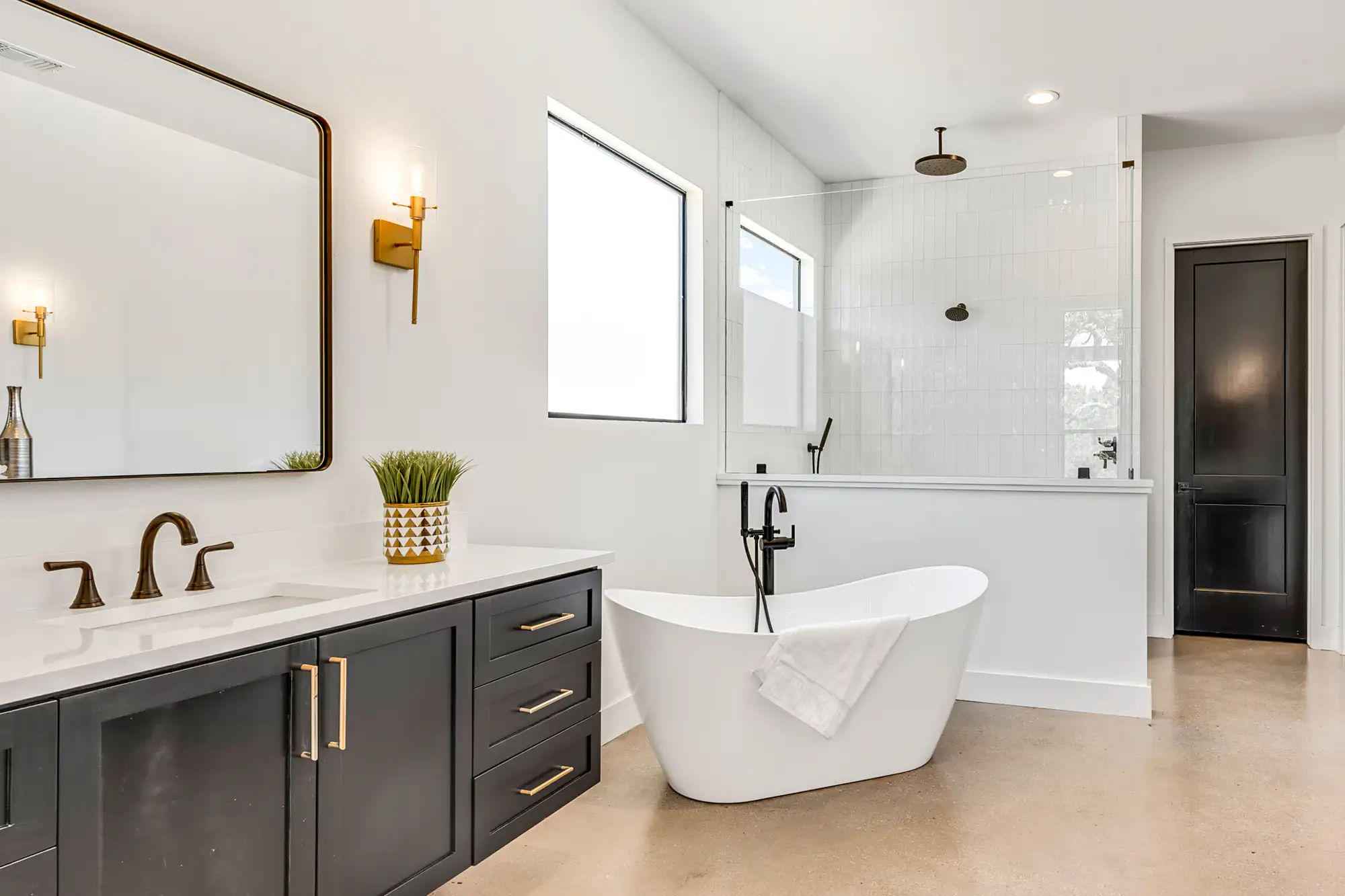
A budget bathroom remodel doesn't mean settling for less. Learn the strategies Suffolk County homeowners use to get quality results without the quality compromises or surprise costs.
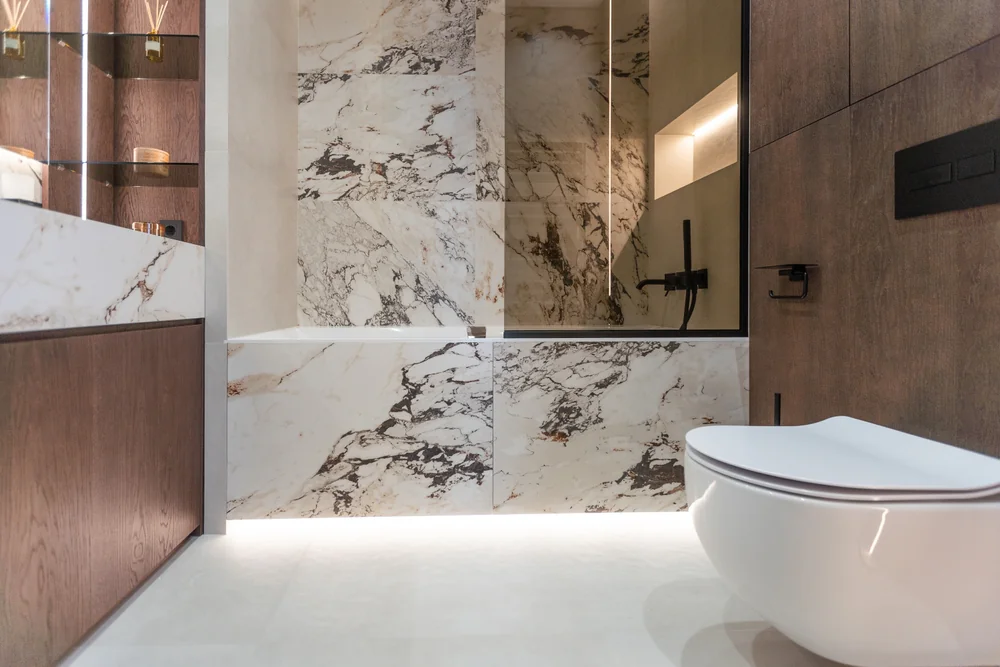
You’ve been staring at that outdated bathroom for months. The tile’s cracked, the vanity’s seen better days, and every time you step inside, you’re reminded that it needs work. But here’s the problem: you’ve heard the stories. The contractor who disappeared for weeks. The “small” project that somehow doubled in cost. The cheap materials that started falling apart six months later.
You want your bathroom updated, but you’re not interested in emptying your savings account or gambling on quality. The good news? A budget bathroom remodel doesn’t have to mean either of those things. It means being strategic about where you spend, what you prioritize, and who you trust to do the work. Let’s talk about how to actually pull that off.
A budget bathroom renovation isn’t about buying the cheapest everything and hoping it holds up. That approach backfires fast. Instead, it’s about understanding which elements deliver the most impact, which materials offer the best balance of cost and durability, and where you can make smart trade-offs without creating problems down the road.
The bathrooms that look great and last are the ones where someone took the time to plan strategically. That means keeping your existing layout to avoid expensive plumbing moves. It means choosing durable mid-range materials over luxury finishes that don’t actually perform better. And it means working with contractors who are upfront about costs instead of the ones who lowball the estimate and hit you with change orders later.
Most homeowners in Suffolk County spend between $7,500 and $25,000 on a small to mid-range bathroom remodel. Where you land in that range depends less on luck and more on the decisions you make before demolition ever starts. The difference between a renovation that stays on budget and one that spirals often comes down to planning, not just pricing.
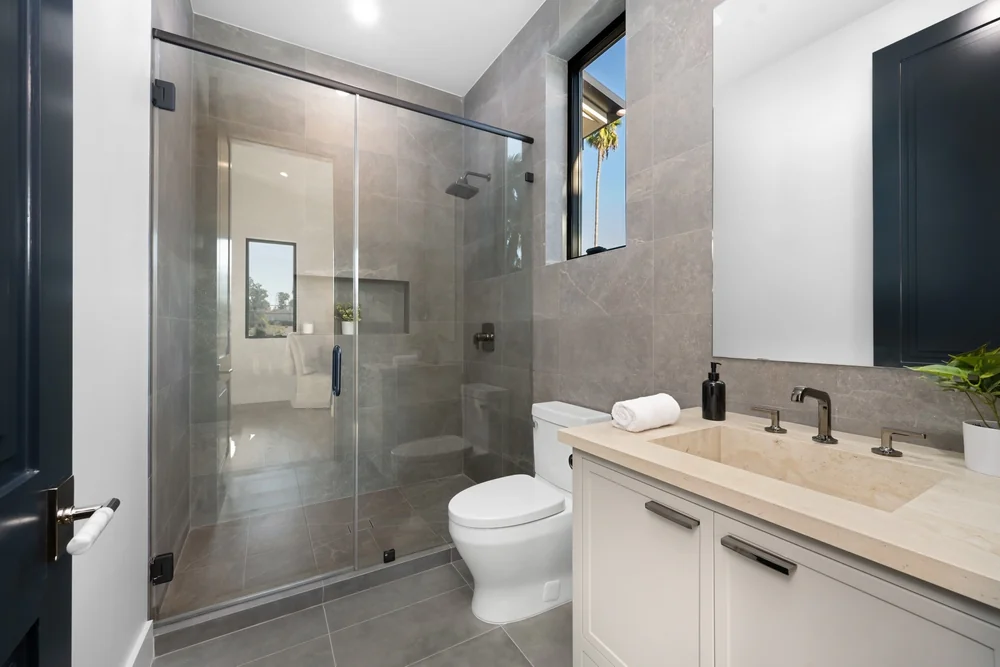
When you’re looking at a small bathroom remodel cost breakdown, it helps to know where your money actually goes. Labor typically eats up 30 to 50 percent of your total budget. That includes the plumber, electrician, tile installer, and general contractor coordinating everything. Materials account for another big chunk, and this is where your choices make the biggest difference.
A new vanity might run anywhere from $300 for a basic prefab unit to $3,000 for custom cabinetry. Tile can range from $2 per square foot for basic ceramic to $15 or more for natural stone. Fixtures, lighting, flooring, paint—it all adds up. But here’s what matters: you don’t need the most expensive option in every category to get a bathroom that looks sharp and functions well.
The key is knowing where to invest and where to save. A quality vanity with good hardware will serve you better than a flimsy one with a fancy countertop. Durable luxury vinyl tile often outperforms natural stone in a bathroom environment and costs a fraction of the price. A fresh coat of moisture-resistant paint and updated lighting can transform the feel of the space for a few hundred dollars.
Smart homeowners also build in a 10 to 15 percent contingency for unexpected issues. Older homes especially tend to reveal surprises once you open up walls or pull up flooring. Water damage, outdated wiring, or plumbing that needs updating aren’t fun discoveries, but they’re a lot easier to handle when you’ve planned for the possibility.
The small bathroom remodel cost in Suffolk County typically ranges from $7,500 to $15,000 for a quality refresh that includes new fixtures, updated tile or flooring, a vanity upgrade, and fresh paint. If you’re keeping the existing layout and choosing mid-range materials, you can stay toward the lower end of that range and still get results that last. For context, the average bathroom remodel on Long Island runs about $14,808, but strategic choices can keep you comfortably below that while still delivering the quality and durability you need.
A low cost bathroom remodel works when you’re strategic, not when you’re just cheap. There’s a difference, and it shows up about six months after the project wraps. The bathroom that used cheap grout starts staining. The discount faucet starts dripping. The painted tile that seemed like a clever hack starts peeling. You end up spending more to fix problems than you saved upfront.
The strategies that actually work focus on maximizing impact while maintaining quality where it counts. Keep your existing layout whenever possible. Moving a toilet or relocating plumbing lines can add $3,000 to $5,000 to your budget without changing how the bathroom looks or functions. Unless your current layout is genuinely dysfunctional, work with what you have.
Focus your budget on the elements people see and use every day. A new vanity, updated fixtures, fresh tile or a quality tub surround, and improved lighting make the biggest visual difference. These are the upgrades that change how the space feels when you walk in. Paint is one of the highest-impact, lowest-cost updates you can make. A few hundred dollars in moisture-resistant paint can completely refresh the walls and ceiling.
Choose materials that balance cost with performance. Luxury vinyl tile has come a long way and offers excellent durability and water resistance at a fraction of the cost of natural stone or high-end ceramic. Prefabricated tub and shower surrounds can look clean and modern while costing significantly less than custom tile work—and they’re often easier to maintain. Quartz or laminate countertops deliver a polished look without the price tag or maintenance requirements of marble or granite.
Refinish instead of replace when it makes sense. If your existing tub is structurally sound but dated, refinishing can give you a fresh surface for a few hundred dollars instead of the thousands it costs to demo and install a new one. The same goes for cabinets—a quality paint job with new hardware can transform a vanity that’s still functionally solid.
Where you should never cut corners: waterproofing, ventilation, and any work that involves plumbing or electrical systems. These aren’t visible once the project is done, but they’re what keeps your bathroom functional and prevent expensive damage down the road. Proper waterproofing behind tile and around wet areas is non-negotiable. Adequate ventilation prevents mold and moisture damage that can cost thousands to remediate. And plumbing or electrical work needs to be done right the first time, up to code, and by licensed professionals who know Suffolk County requirements.
Want live answers?
Connect with a Jaguar Renovation expert for fast, friendly support.
An affordable bathroom remodel isn’t about finding the cheapest materials. It’s about finding the materials that give you the look and durability you need at a price that fits your budget. That requires understanding what you’re actually buying and what trade-offs you’re making.
Bathroom environments are tough on materials. You’re dealing with moisture, temperature swings, humidity, and constant use. Materials that work fine in a living room can fail quickly in a bathroom. Porous surfaces stain. Cheap finishes corrode. Poor-quality tile cracks. The materials you choose need to be up to the job, or you’ll be redoing the work sooner than you’d like.
The good news is that mid-range materials have improved dramatically. You don’t need luxury finishes to get a bathroom that looks good and holds up well. You just need to know what to look for and where the smart trade-offs are. The materials that deliver the best value are the ones designed specifically for high-moisture environments, backed by manufacturers with solid reputations, and proven to last through years of daily use.
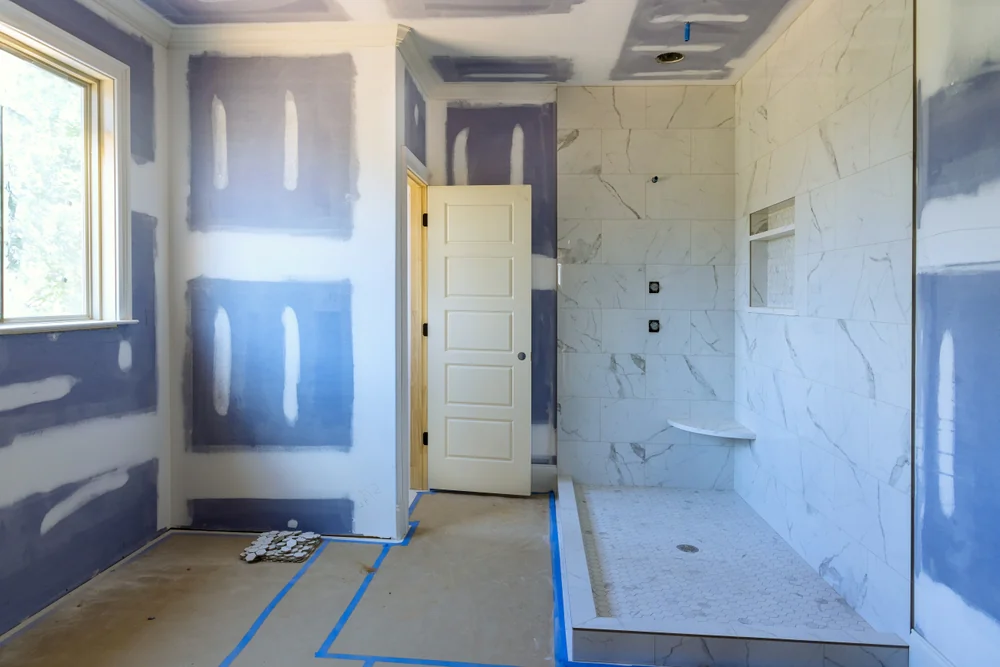
Tile is one of those areas where you have a huge range of options, and price doesn’t always correlate with performance. Natural stone looks beautiful, but it requires sealing and ongoing maintenance. It’s also more expensive to buy and install. Porcelain and ceramic tile offer excellent durability and water resistance at a much lower cost, and modern manufacturing means you can find options that mimic the look of natural stone or wood convincingly.
For flooring, luxury vinyl tile has become a go-to for budget-conscious remodels. It’s 100 percent waterproof, comfortable underfoot, easy to install, and available in styles that convincingly replicate wood, stone, or ceramic. It performs well in high-moisture environments and costs significantly less than the materials it imitates. Quality LVT from brands like LifeProof or TrafficMASTER can run $2 to $4 per square foot, compared to $8 to $15 or more for natural stone or high-end ceramic.
Countertops are another area where you can save without sacrificing the look. Quartz offers durability and a polished appearance without the maintenance requirements of natural stone. Laminate has evolved beyond the dated options of decades past—modern high-end laminate can deliver a clean, contemporary look at a fraction of the cost of stone. If your existing countertop is in decent shape, refinishing kits can give you a fresh surface for under $100.
When it comes to tub and shower surrounds, prefabricated options have improved dramatically. Acrylic or composite surrounds are water-tight, low-maintenance, and available in styles that look far better than the builder-grade options of the past. They cost less to purchase and install than custom tile work, and they eliminate grout lines that require ongoing maintenance and can become a source of leaks or mold if not properly maintained.
The strategy that works: choose durable, water-resistant materials designed specifically for bathrooms. Prioritize function and longevity over trends. A timeless, neutral foundation with quality materials will serve you better than trendy finishes that date quickly or cheap materials that fail early. Think about how the bathroom will look and perform five years from now, not just how it photographs today.
Fixtures and hardware are where you can make a big visual impact without necessarily spending a fortune. The key is focusing on quality in the components that get used constantly and choosing finishes that coordinate without requiring everything to match perfectly.
Vanities set the tone for the entire bathroom. A quality vanity with solid construction and good hardware will outlast a cheap one by years. You don’t need custom cabinetry to get something that looks good and functions well. Many mid-range prefab vanities offer solid wood or quality engineered wood construction, soft-close drawers, and attractive finishes in the $500 to $1,500 range. That’s a fraction of what custom cabinetry costs, and for most bathrooms, it’s more than adequate.
If you have an existing vanity with good bones, consider refinishing instead of replacing. A fresh coat of paint, new hardware, and an updated countertop can completely transform the look for a few hundred dollars. This works especially well if the vanity has quality construction but a dated finish. You’re essentially getting a new look without the cost of demolition, disposal, and new installation.
Faucets and showerheads are worth investing in at a moderate level. You don’t need the most expensive options, but going too cheap means dealing with leaks, corrosion, and poor performance. Mid-range faucets from reputable brands typically run $100 to $300 and offer solid construction, reliable performance, and finishes that hold up. The same goes for showerheads—spending $50 to $150 gets you good water pressure, durable construction, and a finish that won’t corrode after a year.
Toilets have a wide price range, but you don’t need to spend thousands to get one that works well. A quality two-piece toilet from a reputable manufacturer typically costs $200 to $500 and will perform reliably for years. Features like water efficiency and a comfortable height are worth prioritizing over fancy designs that don’t improve function. Modern water-efficient toilets can also reduce your water bill over time, adding long-term value to the upfront investment.
Lighting makes a bigger difference than most people realize. Outdated lighting makes even a renovated bathroom feel dull. Modern vanity lights, a quality exhaust fan with adequate ventilation capacity, and potentially recessed lighting can completely change how the space feels. This is an area where spending a few hundred dollars delivers noticeable impact. Good lighting improves function, makes the space feel larger, and highlights the other upgrades you’ve made.
Hardware—towel bars, toilet paper holders, cabinet pulls—is where you can tie the look together without spending much. Coordinating finishes across hardware creates a cohesive feel. You don’t need everything to match perfectly, but keeping finishes in the same family (all brushed nickel, all matte black, etc.) creates visual harmony. Quality hardware costs more than the cheapest options but not dramatically so, and it’s worth it for the durability and appearance.
The approach that works: invest in quality for the components that see daily use and affect function—faucets, showerheads, the vanity structure. Save on decorative elements and finishes where mid-range options perform just as well as luxury ones. Coordinate finishes to create a pulled-together look without requiring everything to be high-end. The result is a bathroom that looks intentional and well-designed without the luxury price tag.
A budget bathroom remodel works when you’re strategic about where you spend, realistic about what you need, and careful about who you trust to do the work. It’s not about finding the cheapest option in every category. It’s about making informed choices that balance cost with quality and focusing your budget on the elements that matter most.
The bathrooms that deliver lasting value are the ones where someone took the time to plan thoughtfully, chose materials that suit the environment, and worked with contractors who were transparent about costs and committed to doing the work right. You don’t need an unlimited budget to get a bathroom you’re happy with. You need a clear plan, smart priorities, and a team that respects both your budget and your home.
If you’re ready to move forward with a bathroom renovation that delivers quality results without the surprise costs or quality compromises, we bring nearly a decade of experience helping Suffolk County homeowners get exactly that. Transparent pricing, in-house crews, and a commitment to craftsmanship that lasts—that’s how a budget bathroom remodel should work.
Summary:
Share: