A practical guide for Long Island homeowners on power washing methods, seasonal timing, local pricing, and what a good clean can uncover before it becomes a bigger problem.

Most homeowners start thinking about power washing in spring — the siding looks dark, the driveway has that greenish tint, and you want the house looking sharp before summer. That instinct is right. But there’s a lot more to it than renting a machine and going at it on a Saturday morning.
Suffolk County has its own set of conditions that affect how, when, and how often you should be cleaning your home’s exterior. Salt air, high humidity, aging housing stock — these aren’t details you’ll find in a generic national guide. This is the version written for Long Island.
These three terms get used interchangeably, but they’re not the same thing — and using the wrong method on the wrong surface is one of the more common and costly mistakes homeowners make.
Power washing uses heated water at high pressure. That combination is effective on dense, durable surfaces like concrete driveways, brick, and stone — anywhere you need to break up oil stains, heavy mold, or years of built-up grime. Pressure washing is similar but uses cold water. It covers a lot of the same ground and works well for most hard surfaces. Soft washing is the one people overlook: low pressure paired with a cleaning solution that does the heavy lifting chemically rather than mechanically. It’s the right call for vinyl siding, painted wood, cedar shake, and older surfaces where high pressure would cause real damage.
National averages get thrown around a lot in this space. You’ll see figures like $170 to $360 for a full house wash. Those numbers aren’t wrong — they’re just not Long Island numbers.
Suffolk County runs higher than the national average, and there are straightforward reasons for that. Labor costs here are higher. Legitimate operators carry insurance and licensing that adds to their overhead. And the work itself often takes longer on older homes with more surface complexity. Local providers in Suffolk County report realistic ranges running from $250 on the low end to $2,000 or more depending on the scope — a single-story ranch is a very different job than a three-story colonial with a wraparound deck, a detached garage, and a paver driveway.
What actually drives the price? Square footage is the obvious one, but surface type matters just as much. Concrete and brick can handle more aggressive treatment and tend to be faster. Soft-wash jobs on vinyl siding or older painted wood require more careful setup, slower work, and chemical solutions that cost more than water. The number of stories affects it too — working off a ladder or with extended equipment adds time and risk. The level of contamination is another factor. A house that gets cleaned every year is a different job than one that hasn’t been touched in a decade.
One thing worth knowing: if a quote seems unusually low, it’s worth asking why. Unlicensed operators who skip insurance price low because they’re not carrying the overhead that protects you. In New York State, if an uninsured worker gets hurt on your property, the liability doesn’t automatically fall on them. Ask for the license number and proof of insurance before anyone starts work — a legitimate company will hand that over without hesitation.
Timing matters more than most people realize, and Long Island has a specific window that works better than anything else.
The sweet spot is mid-March through May. After the last frost, before the summer humidity kicks in, and before painting contractors‘ schedules fill up. That last point matters if you’re planning to repaint — professional painters require a clean, dry surface, and skipping the wash means new paint that fails within a season. Spring cleaning also gives you a clear picture of what winter left behind: salt residue from road spray, mold that accelerated under snow cover, and any damage from freeze-thaw cycles that need attention before they get worse.
Summer sounds convenient but comes with real drawbacks. When it’s hot and sunny, cleaning agents can dry on the surface before they’re rinsed off, leaving streaks and residue. You’re also competing with the peak of mold and algae growth — Long Island summers regularly hit 70% relative humidity or higher, and that’s ideal growing conditions for the biological growth you’re trying to remove.
Fall is the other good window — after hurricane and nor’easter season deposits debris and salt spray, and before temperatures drop below freezing. Many Suffolk County homeowners do a spring wash and a lighter fall cleanup, which is a reasonable approach given how much the coastal environment accelerates accumulation.
What doesn’t get talked about enough is how Long Island’s proximity to water changes the cleaning frequency equation entirely. Homes within a few miles of the Great South Bay, Long Island Sound, or the Atlantic — think Bay Shore, Islip, Patchogue, Port Jefferson, or Setauket — deal with salt air that accelerates mold, algae, and surface degradation faster than inland properties. The national “every one to two years” guideline doesn’t account for that. For coastal Suffolk County homes, annual cleaning is often the practical reality, not an upsell.
Want live answers?
Connect with a Jaguar Renovation expert for fast, friendly support.
Here’s the part that doesn’t get talked about enough: a thorough exterior wash doesn’t just clean your house. It shows you exactly what’s going on underneath.
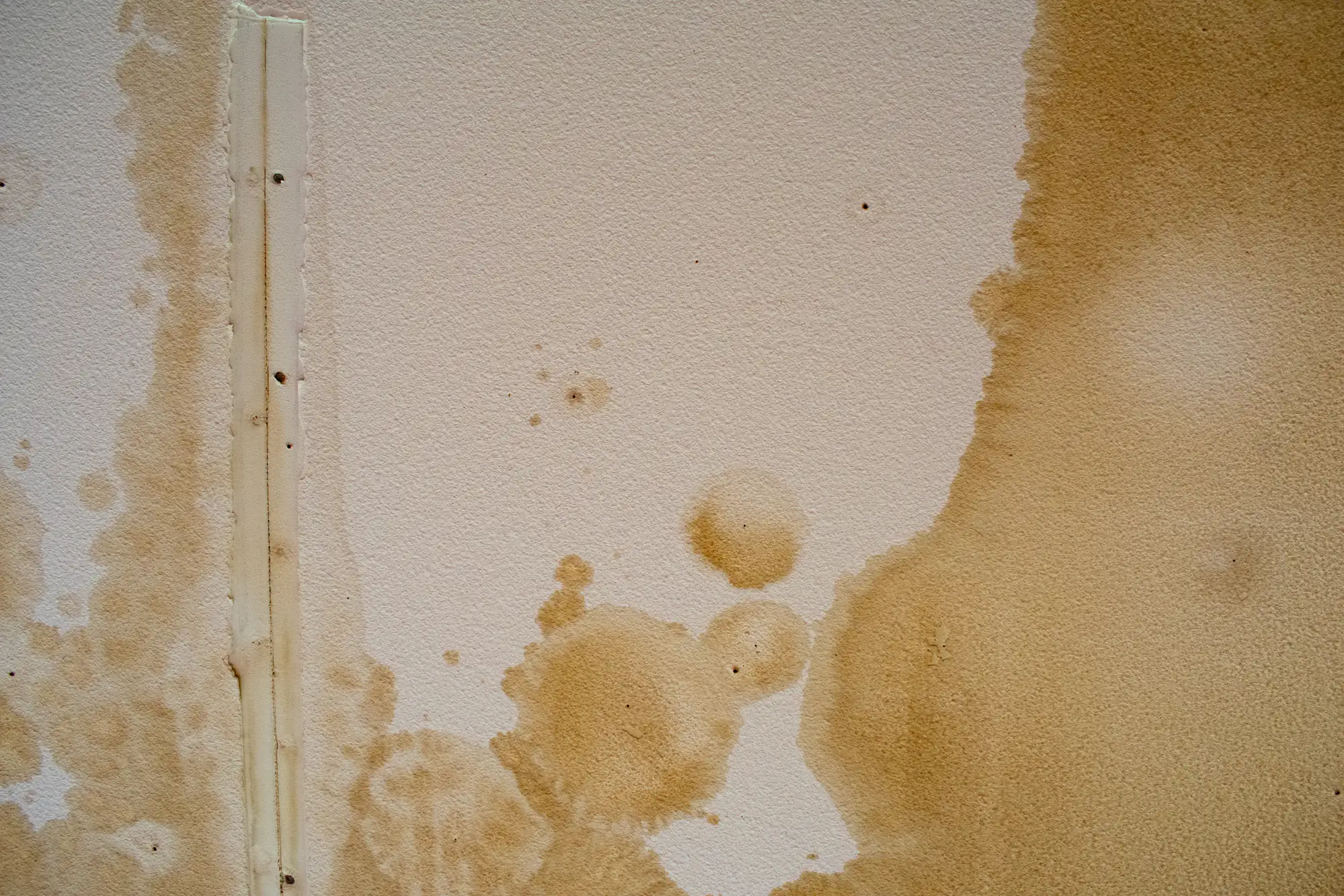
Peeling paint, damaged caulking, rotting trim, cracked siding, compromised window seals — these problems are easy to miss when they’re covered in grime. Once that layer is gone, they’re obvious. That’s not a bad outcome. Catching those issues in spring means you have the time and the weather window to address them before the next storm season. Finding them in November means water intrusion, mold inside your walls, and a much bigger repair bill.
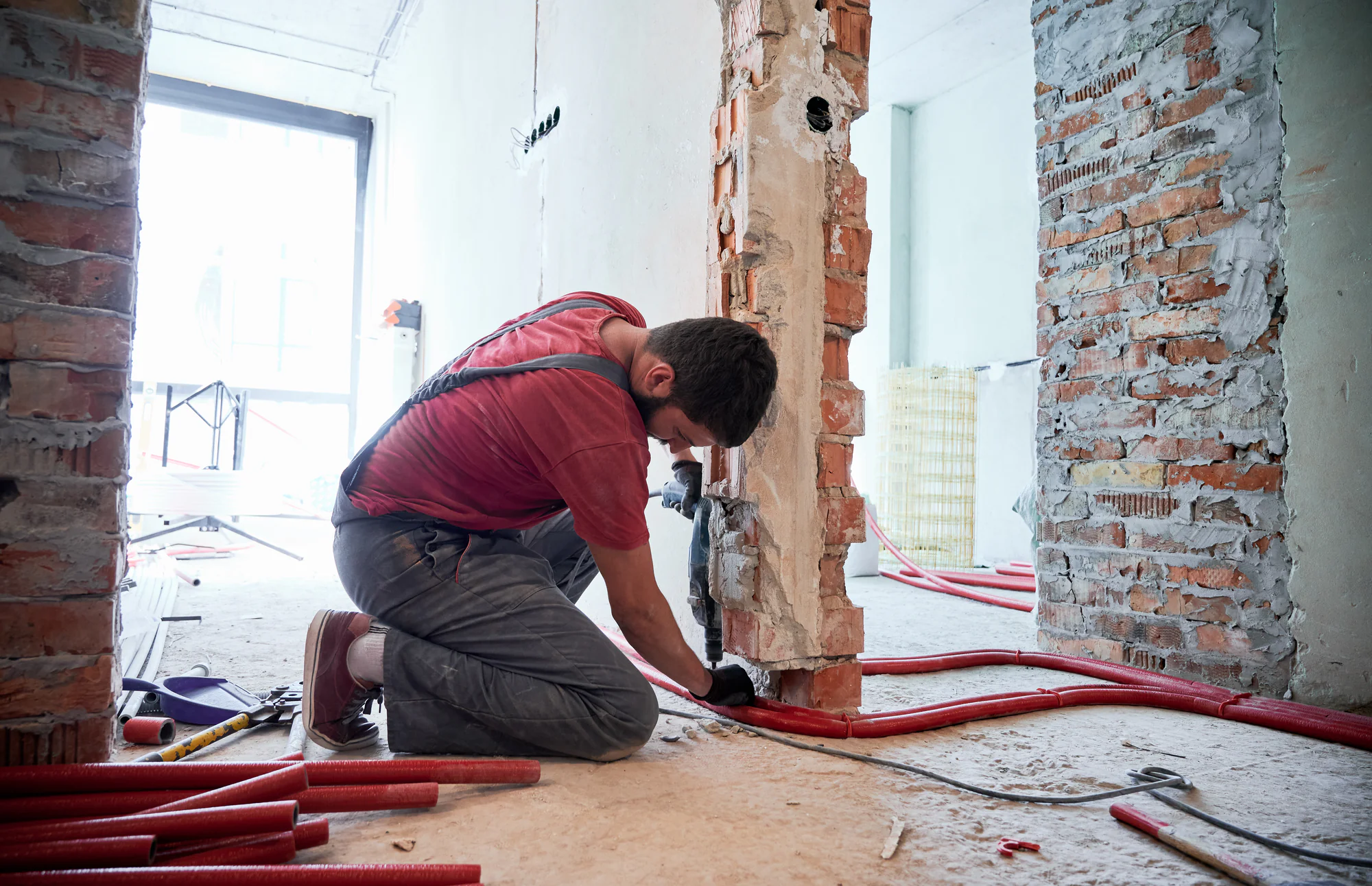
It’s easy to think of power washing as a cosmetic project — the house looks better, you feel good about it, done. But the more useful frame is maintenance. Mold, algae, and lichen aren’t just sitting on top of your siding. Over time, they break down surface materials, degrade paint, and work their way into gaps that shouldn’t have gaps. Regular cleaning extends the life of your exterior finishes and reduces the long-term cost of keeping the house in good shape.
The math is straightforward. A professional exterior wash costs a fraction of what it costs to replace siding, repaint a full exterior, or remediate mold that’s gotten behind the walls. Homeowners who clean regularly spend less on repairs over time — not because nothing goes wrong, but because they catch problems when they’re still small.
This is especially true in Suffolk County’s older housing stock. A lot of the homes in Huntington, Babylon, Smithtown, and Brookhaven were built in the 1950s through the 1970s. Those homes have materials that require more careful handling — older vinyl, painted wood, cedar shake — and they’ve had more years to accumulate the kind of damage that hides under surface grime. A soft wash done right on a 1960s Cape is a very different job than blasting a new concrete driveway, and the value of doing it correctly shows up in the surfaces that don’t get damaged in the process.
What a wash reveals also changes the conversation about what comes next. Homeowners who discover peeling paint or soft wood around windows after a spring clean now have a clear, specific list of things to address — and a timeline that works in their favor. That’s a better position than discovering those same problems in October when contractor schedules are full and cold weather is closing in.
The barrier to entry in this industry is low. Anyone with a pressure washer and a truck can offer services, and a lot of them do. That’s not a reason to avoid hiring out — it’s a reason to know what to ask before you do.
The first question is always licensing and insurance. In New York, when exterior cleaning connects to broader home improvement work, the Home Improvement Contractor license applies. Ask for the number. A legitimate operator gives it to you without a pause. Ask for proof of insurance too — general liability and workers’ compensation. If someone hedges on either of those, that’s your answer.
The second thing to look for is whether they ask about your surfaces before quoting. A contractor who gives you a price without knowing what your siding is made of, how old the house is, or what you’re dealing with on the driveway is not adjusting their approach to your home. They’re applying one method to everything, which works fine on concrete and causes real problems on older painted wood or vinyl.
Good operators also protect what’s around the work area — electrical outlets get taped, plants and landscaping get covered or rinsed, air conditioning units get shielded. These aren’t extras. They’re standard practice for anyone doing the job properly. If a contractor doesn’t mention any of this when you ask how they work, it’s worth asking directly.
Finally, get the estimate in writing before work starts. A verbal number that changes after the job is done is one of the most common complaints across every trade. A written estimate protects both sides and signals that the contractor is running a professional operation. At Jaguar Renovation, we deliver detailed estimates within 48 hours — and the price we quote is the price you pay.
Power washing is one of those things that looks simple until you’re standing in front of a house that’s been damaged by the wrong pressure setting, or looking at a repair bill for a problem that was hiding under two years of grime. Getting it right isn’t complicated — it just requires knowing which method fits your surface, timing it for Long Island’s specific seasonal window, and hiring someone who’s actually accountable for the work.
If a spring wash reveals something that needs attention — peeling paint, damaged trim, surfaces that need repair before the next coat — that’s where we come in. We’ve been working with Suffolk County homeowners for nearly a decade, and we know what Long Island homes need across every season. We’re licensed (HI-71285), fully insured, and our crews are in-house — no subcontractors, no finger-pointing, no surprise costs after the fact.
When you’re ready to talk through what your home needs, reach out to Jaguar Renovation. We’ll give you a straight answer and a written estimate within 48 hours.
Summary:
Article details:
Share: