
Hear from Our Customers
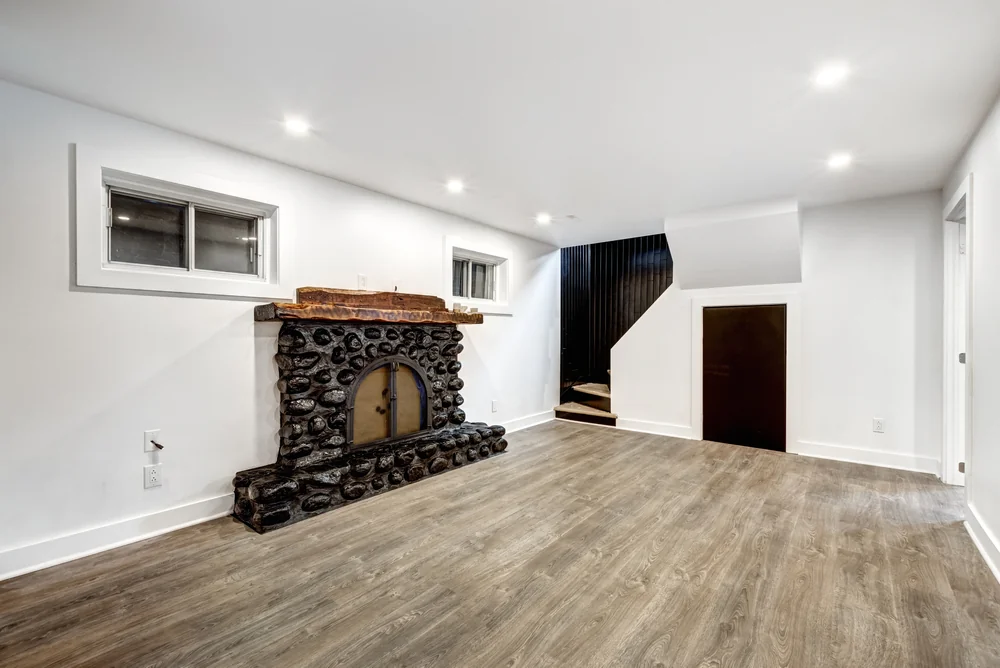
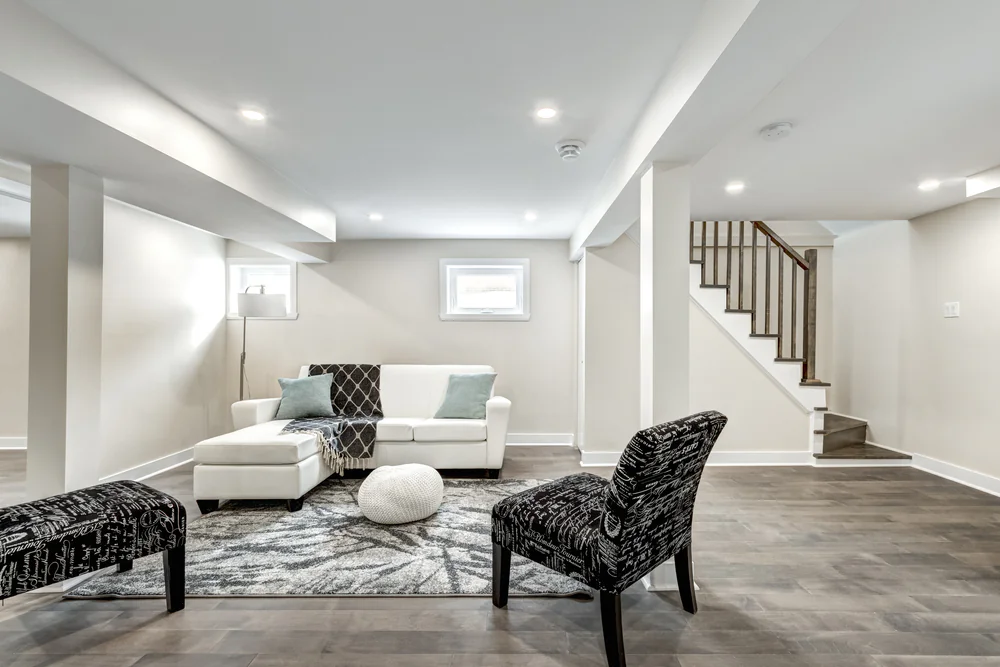
You’re not just getting a finished basement. You’re getting space that solves a problem—whether that’s a home office that actually has a door, a gym you don’t have to drive to, or a guest room that doesn’t double as storage.
Most basements in Coram sit unused because they feel like basements. Concrete floors, exposed joists, that damp smell you can’t quite place. We change that.
The difference isn’t just drywall and carpet. It’s proper moisture management so you’re not dealing with mold two years later. It’s egress windows that meet Suffolk County code if you’re adding a bedroom. It’s insulation that keeps the space comfortable year-round, not just tolerable. You end up with square footage that actually adds value to your home and your day-to-day life—not a half-finished project you avoid showing guests.
We’ve been finishing basements across Suffolk County for almost ten years. That’s long enough to know what works in Coram homes and what doesn’t—and why Long Island basements need different treatment than projects inland.
We’re licensed Suffolk County contractors. We carry full insurance. We use in-house crews, not subcontractors you’ve never met. And we back our work with a one-year warranty on workmanship because we’re still here when you need us.
You won’t get a sales pitch or pressure to sign the same day. You’ll get fixed pricing upfront, a clear timeline, and someone who shows up when they say they will. That’s how we’ve built our reputation here, and it’s how we plan to keep it.
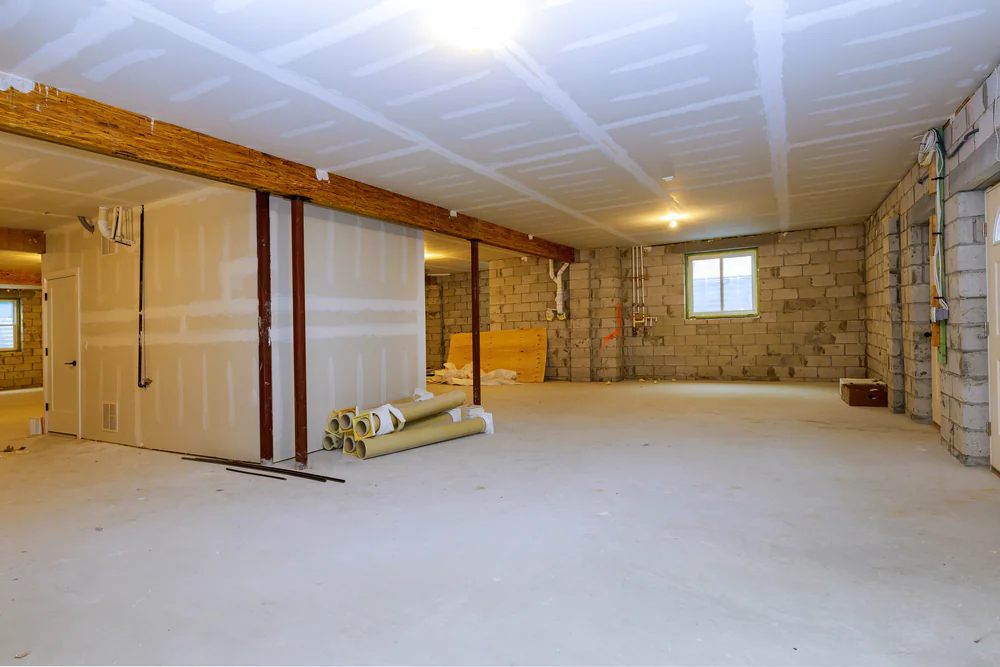
First, we come out to see your space. We’re looking at ceiling height, moisture issues, electrical access, and what you actually want to use the basement for. That conversation shapes everything else.
Then we give you fixed pricing. Not an estimate that balloons later—a number that includes materials, labor, permits, and anything else the job requires. You’ll know what you’re spending before we start.
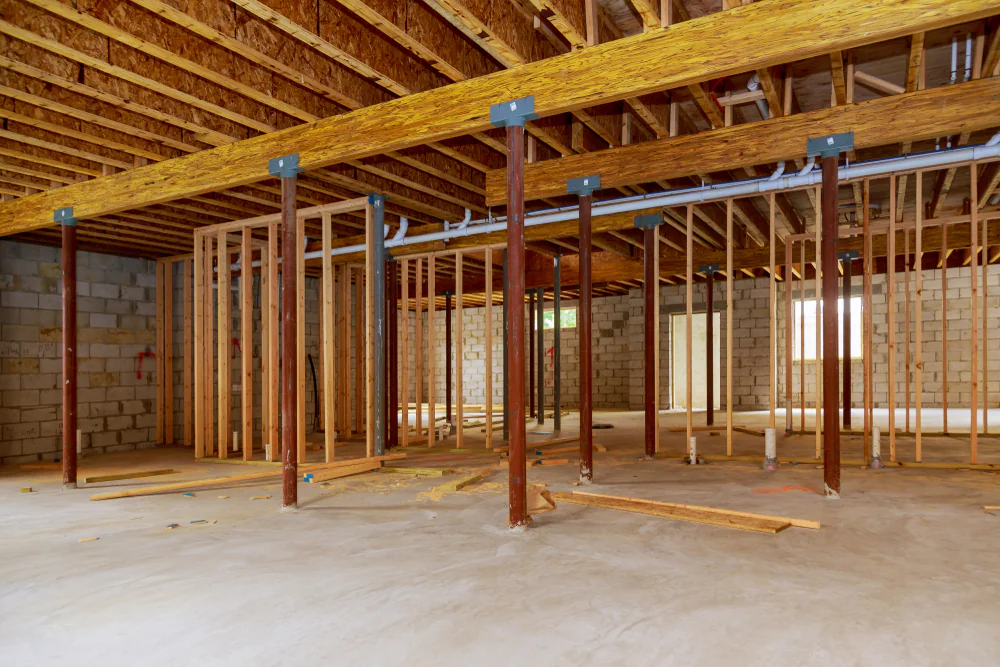
Once you’re ready to move forward, we handle the Suffolk County permits and inspections. We’re the ones dealing with code requirements like minimum ceiling heights and egress windows—not you. Our crews show up on schedule, do the work in-house, and keep the site cleaner than most. Framing, electrical, plumbing, insulation, drywall, flooring—it all happens in sequence, and you’re kept in the loop the whole time.
When we’re done, you get a final walkthrough and a one-year warranty. If something’s not right, we come back and fix it. That’s the deal.
Ready to get started?
A finished basement in Coram isn’t just drywall and paint. It’s a system that has to work with Long Island’s unique challenges—like sitting close to the water table and dealing with hydrostatic pressure that causes moisture problems.
We start with moisture control. That might mean waterproofing, vapor barriers, or addressing drainage issues before we frame a single wall. If your basement has that musty smell or visible water stains, we’re fixing the cause, not covering it up.
Then comes framing, insulation, electrical, and plumbing if you’re adding a bathroom or wet bar. We install egress windows where required by code—especially if you’re turning the space into a bedroom. Drywall, flooring, trim, and paint come last. You’re also getting permits pulled, inspections scheduled, and Suffolk County code compliance handled by people who do this regularly.
The goal is a basement that feels like the rest of your home. Not a retrofitted dungeon. Comfortable year-round, dry, well-lit, and built to last. That’s what you should expect from basement remodelers who know what they’re doing.

Most basement finishing projects in Suffolk County run between $98 and $135 per square foot for standard work. That includes framing, insulation, drywall, basic electrical, flooring, and paint. If you’re adding a bathroom, wet bar, or dealing with serious moisture issues, expect to be on the higher end or above that range.
A 600-square-foot basement usually costs between $58,000 and $81,000. A 1,000-square-foot space can run $98,000 to $135,000 or more depending on finishes and complexity. If your basement needs a French drain or sump pump system because of water table issues—which is common in parts of Long Island—that adds another $8 to $12 per square foot.
We give you fixed pricing after we see your space. No ballpark guesses. You’ll know what the job costs before we start, and that number doesn’t change unless you change the scope.
Plan on eight to twelve weeks for most basement finishing projects. That timeline assumes we’re starting with an empty, unfinished basement and taking it to a fully finished space.
Permit approval in Suffolk County can add a few weeks to the front end, depending on the scope of work and how busy the building department is. Once we have permits in hand, the physical work moves in stages: framing and rough-ins first, then insulation and drywall, followed by flooring, trim, and paint.
If we’re dealing with moisture remediation, adding a bathroom, or working around your schedule to keep disruption low, it might take a bit longer. We’ll give you a realistic timeline upfront and keep you updated if anything shifts. The goal is to get it done right, not done fast.
Yes. Any structural work, electrical, plumbing, or changes that affect egress or habitability require a permit in Suffolk County. That includes finishing a basement.
The permit process ensures the work meets New York building codes—things like minimum ceiling height (seven feet for finished basements), proper egress windows if you’re adding a bedroom, and code-compliant electrical and plumbing. Skipping permits might save time upfront, but it creates problems when you sell the house or file an insurance claim.
We handle the permit application and inspections as part of the job. You’re not dealing with the building department or figuring out what’s required. That’s on us. It’s one less thing you have to worry about, and it keeps the project legal and insurable.
Fix them first. Finishing over an existing moisture problem doesn’t make it go away—it just hides it until mold shows up or your drywall starts falling apart.
If you’re seeing water stains, efflorescence (that white chalky stuff on concrete), or smelling something musty, there’s active moisture. We’ll figure out where it’s coming from—whether it’s groundwater seeping through the foundation, condensation, or poor grading outside—and address it before we frame anything. That might mean exterior waterproofing, interior drainage systems like a French drain and sump pump, or vapor barriers and dehumidification.
Long Island basements deal with high water tables and hydrostatic pressure because we’re surrounded by water. It’s not optional to handle moisture correctly here. If we skip that step, you’re throwing money at a project that won’t last. We’d rather do it right the first time.
Yes, but it has to meet code. Adding a bedroom means installing an egress window—a window large enough for emergency exit that meets size and height requirements under New York building code. That usually involves cutting through your foundation, which is a bigger job than a standard window install.
Bathrooms require plumbing and proper venting. If your basement doesn’t have existing plumbing rough-ins, we’re either breaking through the slab to tie into your main line or installing an up-flush system. Both work, but they affect cost and timeline differently.
We handle the design, permits, and inspections for both. You’ll end up with a legal bedroom or bathroom that adds real value to your home—not unpermitted space that causes problems down the road. If you’re planning to use the basement as a rental or in-law suite, doing it right matters even more.
Because cheap usually costs more in the long run. The contractors bidding way under market are either cutting corners, using subcontractors they don’t supervise, or planning to hit you with change orders once the job starts.
You’ll see it in the details: no vapor barrier, improper insulation, unlevel floors, electrical that doesn’t pass inspection. Or they’ll disappear halfway through and you’re stuck hiring someone else to finish. We’ve redone enough of those jobs to know the pattern.
We’re not the cheapest option in Coram. We’re the option that shows up with licensed crews, pulls permits, uses quality materials, and backs the work with a warranty. You’re paying for a basement that’s done right the first time—one that stays dry, passes inspection, and actually adds value to your home. That’s worth more than saving a few thousand upfront and dealing with problems for years.