
Hear from Our Customers
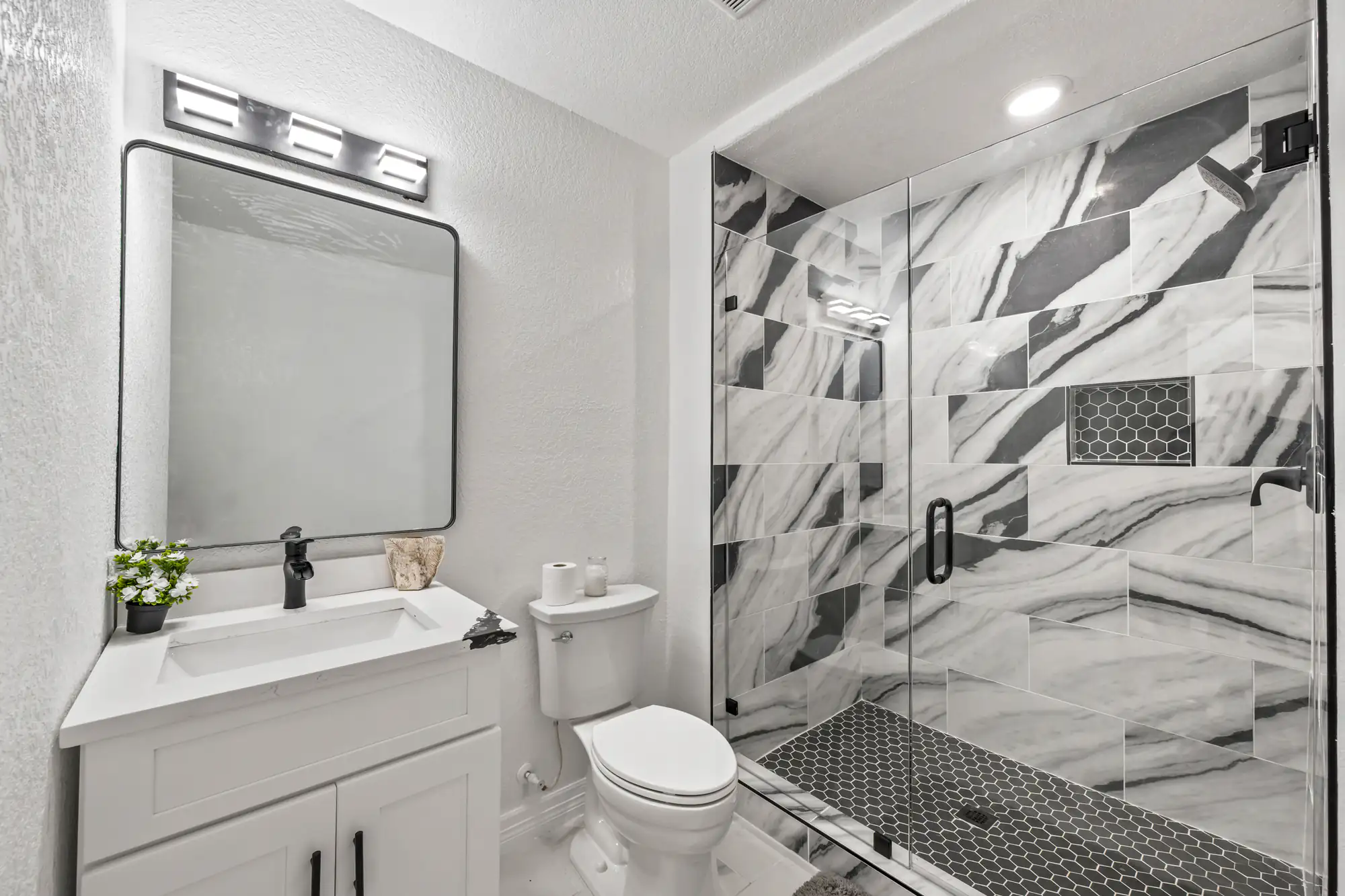
You’re tired of that outdated bathroom. The grout’s stained, the tub’s chipped, and the layout hasn’t made sense since you moved in. You want something functional, something you’re not embarrassed to show guests, and something that doesn’t feel like a project you’ll regret halfway through.
Here’s what changes after a proper bathroom remodel. You get a space that actually fits how you live—whether that’s a walk-in shower that’s easier to clean than your old tub, heated floors that take the edge off Long Island winters, or just enough storage so your counters aren’t cluttered. The finishes hold up because they’re chosen for durability, not just looks.
And you’re not dealing with three different contractors for plumbing, tile, and electrical. One team handles permits, demolition, installation, and cleanup. You know the timeline before work starts, the price doesn’t balloon halfway through, and when it’s done, it’s actually done.
We’ve been doing bathroom renovations across Suffolk County since 2015. We’re licensed, insured, and we’ve worked in enough Gordon Heights homes to know what you’re dealing with—whether it’s older plumbing that needs updating to meet code or layouts that waste space.
We don’t do sales pressure or vague estimates that turn into change orders. You get a written quote that breaks down materials and labor before any work begins. If we find something unexpected during demo, we talk to you before moving forward.
Most of our work comes from referrals. That happens when you treat people’s homes like they matter and finish projects the way you said you would.
It starts with a walkthrough at your home. We look at the space, talk through what you want to change, and go over any structural or plumbing issues that might affect the project. You’ll get a detailed estimate that covers everything—demo, materials, labor, permits, disposal.
Once you approve the plan, we pull the necessary permits through Suffolk County. Most bathroom remodels here require permits for plumbing, electrical, or structural changes, and we handle that process so you don’t have to track down inspectors or navigate Town Hall requirements.
Demo comes next. We protect the rest of your home, remove old fixtures and finishes, and assess what’s behind the walls. If there’s outdated wiring or plumbing that needs attention, we let you know right away with options and costs before proceeding.
Then it’s installation—new plumbing and electrical rough-ins, waterproofing, tile work, vanity and fixture installation, flooring, and paint. We work in a sequence that minimizes how long you’re without a functioning bathroom, typically two to three weeks for a full remodel. When we’re done, we clean up, haul away debris, and walk you through the finished space.

Ready to get started?
A complete bathroom renovation covers more than swapping out a vanity. You’re looking at new tile or waterproof flooring, updated plumbing and electrical to current code, shower or tub installation, vanity and countertop, toilet, lighting, ventilation, and paint. If your layout isn’t working, we can relocate fixtures—though that adds to the timeline and cost because of additional plumbing and permit requirements.
Gordon Heights homes built in the early ’90s sometimes have plumbing or electrical that’s outdated or not up to current Suffolk County code. We factor that into the estimate when possible, but older homes can reveal surprises once walls are opened. When that happens, you get a clear explanation and pricing before any extra work begins.
If you’re ready to bring this vision to life locally, a professional bathroom remodeler in Gordon Heights can help you map out the perfect layout for your specific footprint. Curbless designs work well if your subfloor allows for proper drainage slope. Porcelain tile is the standard for floors and shower walls—it handles moisture better than natural stone and doesn’t need sealing.
Radiant floor heating is worth considering if you’re already tearing up the floor. It warms tile quickly, helps the bathroom dry out after showers, and it’s one of those upgrades people notice every single morning during Long Island winters.
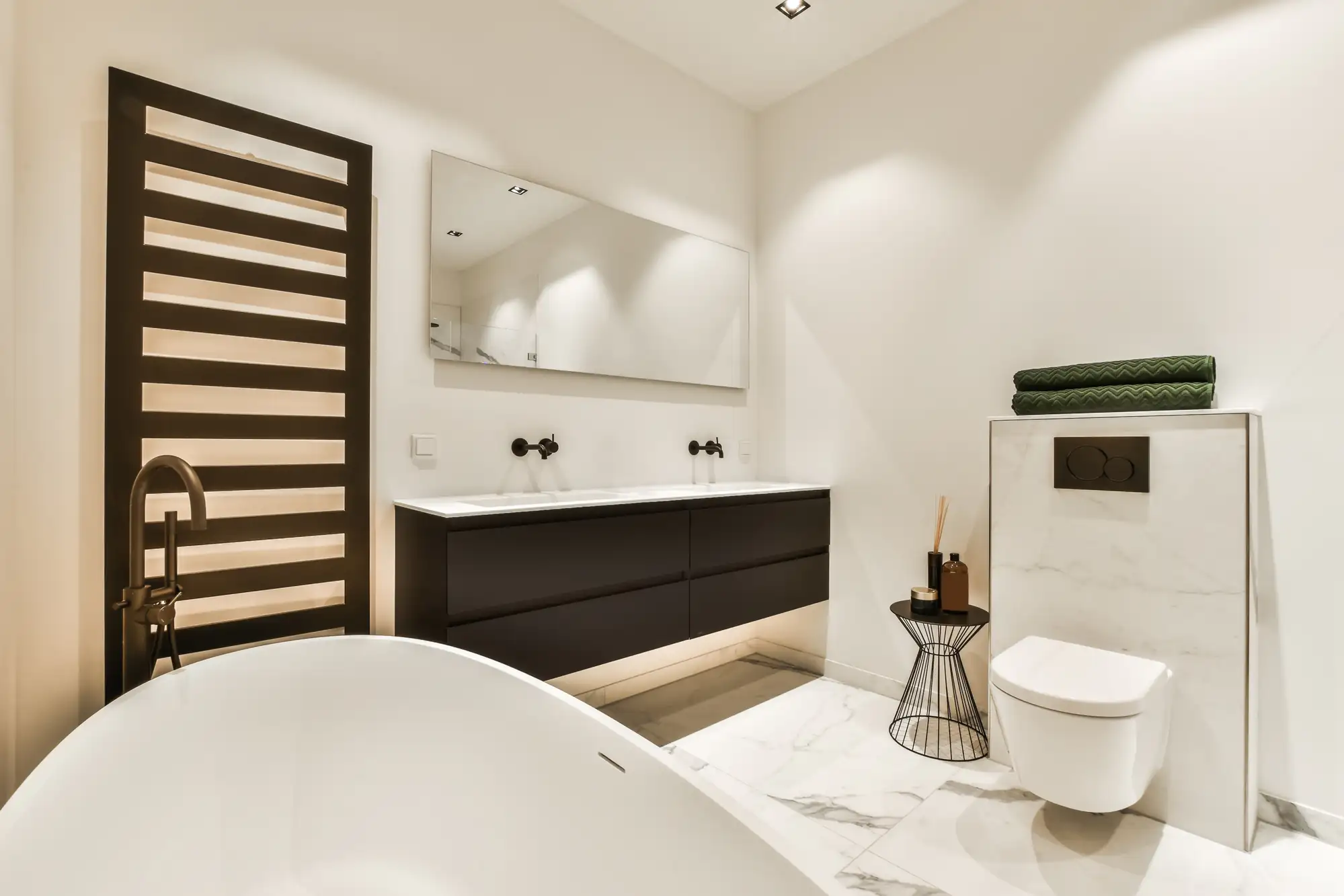
Most bathroom remodels in Gordon Heights run between $15,000 and $35,000 depending on size, materials, and how much you’re changing. A basic refresh—new vanity, toilet, tile, paint—lands on the lower end. A full custom renovation with relocated plumbing, high-end fixtures, heated floors, and a frameless glass shower pushes toward the higher end.
The biggest cost drivers are labor, tile work, and plumbing. If you’re moving the toilet or shower location, that requires rerouting drain lines and often cutting into the slab or subfloor, which adds time and expense. Fixtures and finishes vary widely in price, so your material choices make a big difference in the final number.
We give you a detailed written estimate before starting so you know where your money is going. If something comes up during the job—like old cast iron pipes that need replacing—we discuss it with you and provide pricing before proceeding. No surprise bills at the end.
Yes, most bathroom remodeling projects in Suffolk County require permits, especially if you’re doing any plumbing work, electrical work, or structural changes. Even replacing a vanity or toilet often requires a plumbing permit if you’re altering supply or drain lines.
The Town of Brookhaven, which covers Gordon Heights, requires a building permit for renovations. Basic alteration permits typically start around $250 for projects under $50,000, with additional fees for plumbing and electrical. The permit process involves submitting plans, getting approval, and scheduling inspections at rough-in and final stages.
We handle the permit process as part of your bathroom renovation. We submit the paperwork, coordinate with inspectors, and make sure all work meets current code. That’s important because unpermitted work can cause problems later when you sell your home or file an insurance claim. It also ensures the job is done safely and correctly from a structural and systems standpoint.
A full bathroom remodel typically takes two to three weeks from demo to completion. Smaller updates—like replacing a vanity, toilet, and doing some tile work—might be done in a week. Larger projects that involve moving plumbing, custom tile work, or dealing with unexpected issues in older homes can stretch to four weeks.
The timeline depends on a few things: permit approval and inspection scheduling, material availability, and whether we find problems once walls are opened. Gordon Heights homes from the early ’90s sometimes have plumbing or electrical that needs updating, which can add a few days if it wasn’t visible during the initial assessment.
We give you a realistic timeline upfront and keep you updated if anything changes. Most of the work happens during business hours, and we coordinate with you on access and scheduling so it’s not completely disrupting your routine. You’ll be without a fully functioning bathroom during construction, so if it’s your only bathroom, plan accordingly—sometimes neighbors or family can help during that stretch.
Porcelain tile is the best choice for bathroom floors in Gordon Heights and across Long Island. It’s waterproof, durable, easy to clean, and it holds up to the humidity and temperature swings we get here. It’s also slip-resistant when you choose a matte or textured finish, which matters when floors get wet.
Luxury vinyl plank is another solid option if you want something softer underfoot and easier on the budget. It’s fully waterproof if installed correctly, and it looks good. But tile is still the standard for resale value and long-term durability, especially in a full bathroom remodel.
If you’re doing tile, consider adding radiant floor heating during the remodel. It’s easier and cheaper to install when the floor is already torn up, and it makes a noticeable difference on cold mornings. The system warms the tile quickly and helps the floor dry faster after showers, which is helpful in a climate where moisture can be an issue.
That depends on your household and your home. If you have young kids or you’re planning to sell soon and your house only has one bathroom, keeping a tub might make sense for resale. But if this is your primary bathroom and you never use the tub, a walk-in shower is usually the better move.
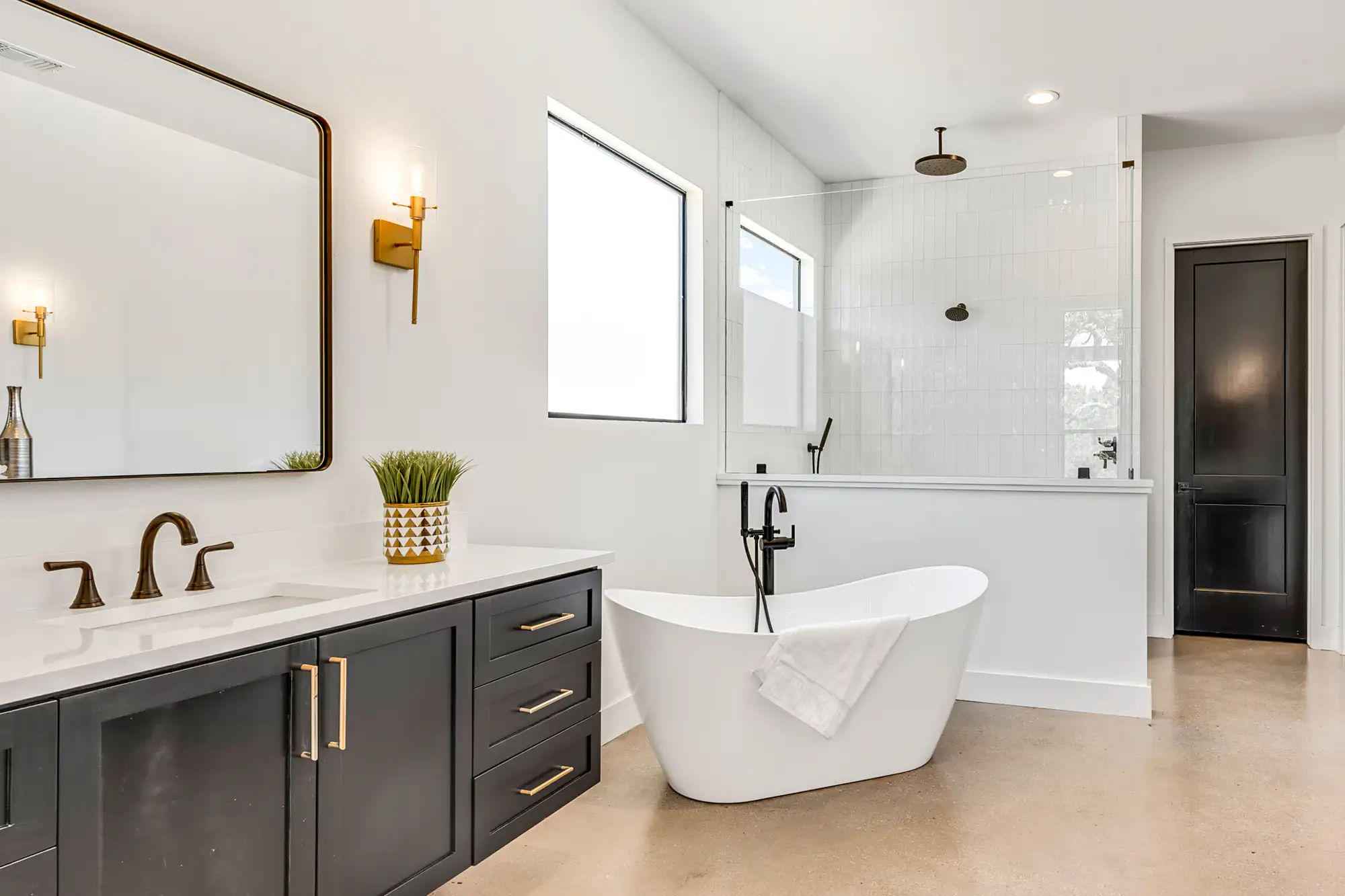
Walk-in showers are easier to clean, they make small bathrooms feel bigger, and they’re more accessible as you age. A curbless or low-threshold design is even easier to step into and it keeps the sightlines open. Frameless glass, large-format tile, and a linear drain give you a clean, modern look that’s popular in 2026 bathroom renovations.
In Gordon Heights, most homeowners doing a full bathroom remodel are choosing showers over tubs unless there’s a specific need. If you’re worried about resale, check whether your home has another bathroom with a tub. If it does, you’re usually fine converting the primary bath to a shower. We can walk you through layout options during the consultation based on your space and how you actually use the bathroom.
Start with licensing and insurance. Any contractor doing work in New York should be licensed and carry liability insurance and workers’ comp. Ask to see proof before you hire anyone. That protects you if someone gets hurt on the job or if something gets damaged during the remodel.
Get a detailed written estimate that breaks down labor, materials, permits, and timeline. If a quote seems way lower than others, that’s usually a red flag—it either means corners are getting cut or you’ll see change orders pile up once work starts. A good estimate should be thorough enough that you understand what you’re paying for.
Check references and previous work. Ask how the contractor handled problems or delays, whether they communicated clearly, and if the final cost matched the estimate. Bathroom remodels involve coordination across multiple trades—plumbing, electrical, tile, carpentry—so you want someone who manages all of that without you having to chase down subcontractors.
Finally, trust your gut. If someone’s pushy, vague about pricing, or doesn’t show up on time for the estimate, that’s probably how the whole project will go. You want a contractor who listens to what you need, explains the process clearly, and treats your home with respect. That’s how we’ve operated in Suffolk County for nearly a decade, and it’s why most of our work comes from referrals.