
Hear from Our Customers
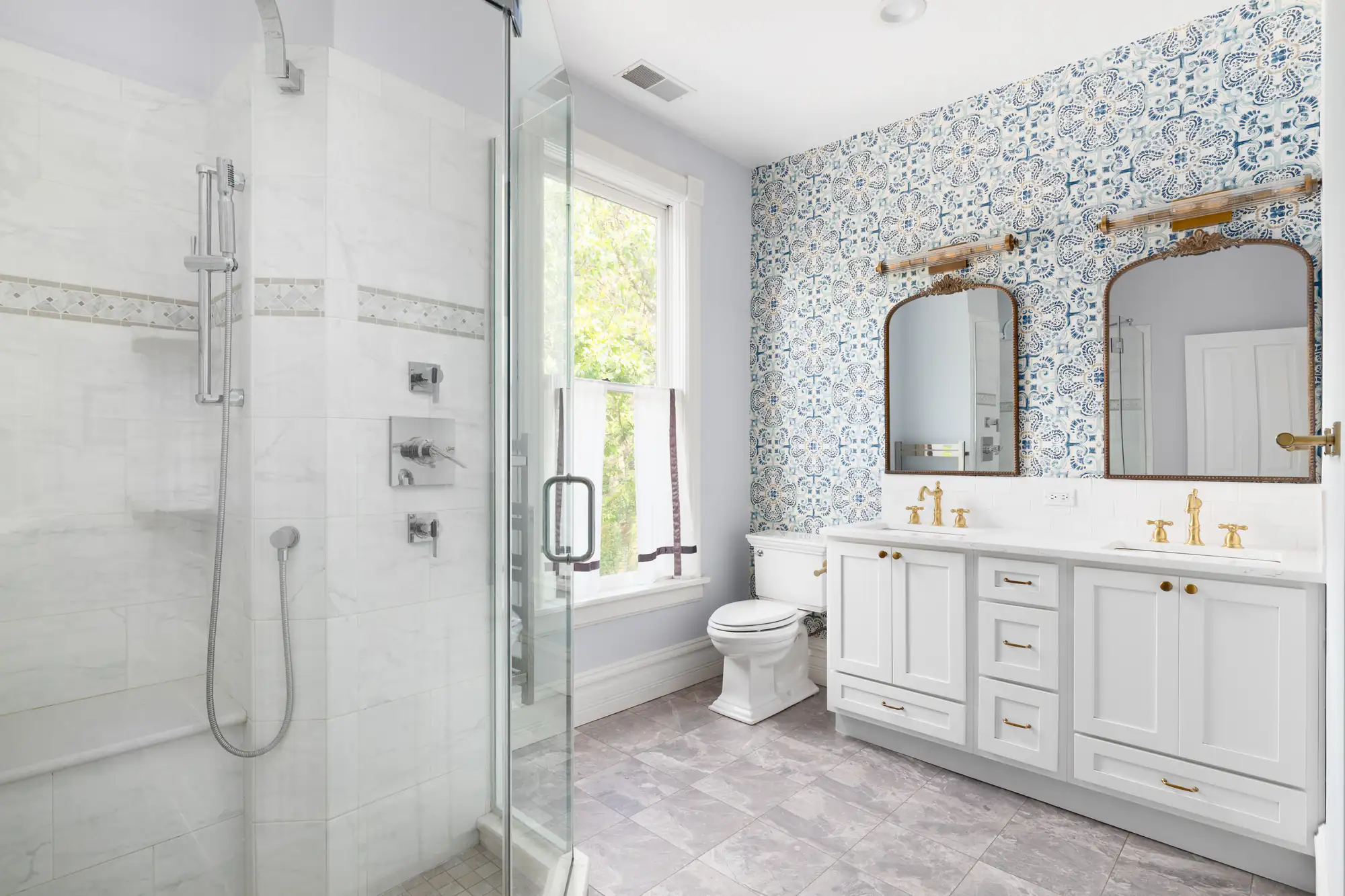
Your bathroom should work for you, not against you. When you’re stepping around that cracked tile, waiting for hot water that takes too long, or dealing with a shower door that never quite closes right, those aren’t just minor annoyances. They’re daily reminders that something needs to change.
A proper bathroom remodel fixes what’s broken and anticipates what could break next. That means addressing the moisture issues common in Long Island homes before they become mold problems. It means selecting materials that handle humidity without warping or corroding. It means installing ventilation that actually works, not just meets minimum code.
The result isn’t just a prettier space. It’s a bathroom where everything functions the way it should, where you’re not mentally cataloging repairs every time you walk in, and where you can actually enjoy getting ready in the morning instead of working around problems.
Your home value increases, sure. But more importantly, you stop thinking about all the things that used to annoy you every single day.
We’ve been doing residential bathroom remodeling across Suffolk County since 2015. That’s long enough to know which materials hold up in coastal humidity and which ones fail within two years. Long enough to understand how Noyack homes are built and what surprises might be hiding behind those walls.
You’re not getting a sales pitch from someone who just learned about bathroom renovations last month. You’re working with contractors who’ve handled everything from simple shower installations to complete bathroom reconstructions in homes just like yours.
The Hamptons market demands quality, and homeowners here know the difference between work that looks good in photos and work that actually lasts. We focus on the second one. Licensed, insured, and straightforward about what your project actually requires—not what we can upsell you into.
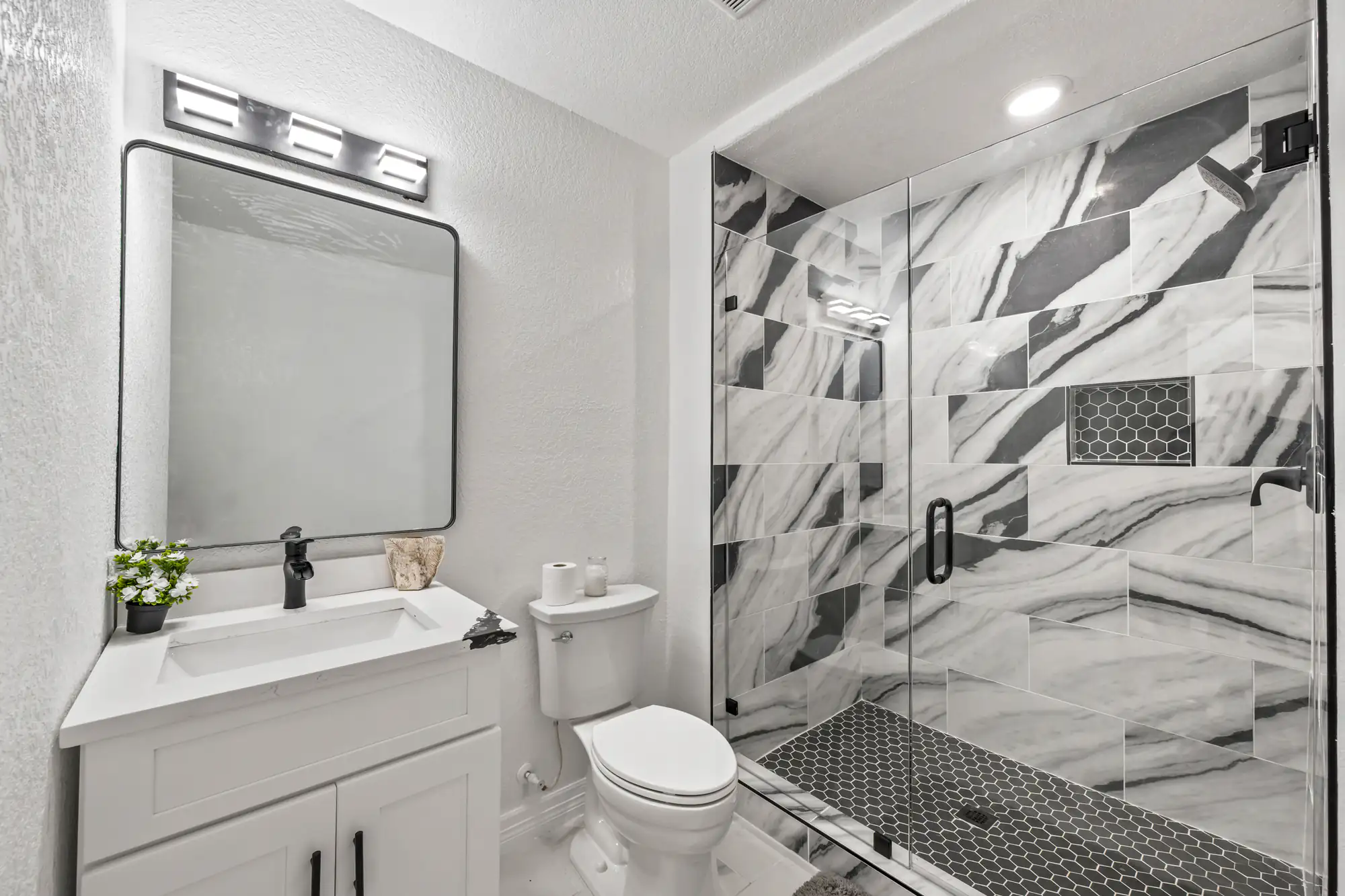
First, we look at your current bathroom and talk through what’s not working. Not what we think should change, but what you actually need fixed or improved. Then you get a detailed quote that covers everything: materials, labor, timeline, cleanup. If something changes during the project, you know about it before any extra work happens.
Once we start, we handle permits, demolition, and protecting the rest of your home from dust and debris. The plumbing and electrical get updated to current code—especially important in older Noyack properties where systems haven’t been touched in decades. We’re checking for proper drainage, making sure your ventilation can handle Long Island humidity, and confirming everything is level and waterproofed correctly.
After the infrastructure work comes the finish: your tile, fixtures, vanity, lighting, whatever we specified in your quote. We’re not rushing to get to the next job. We’re making sure caulk lines are clean, grout is sealed, doors close properly, and water pressure is where it should be.
Final walkthrough happens with you, not without you. You see everything, test everything, and ask questions about anything that doesn’t look right. Then we clean up completely and hand over a bathroom that actually works the way you expected.
Ready to get started?
Your bathroom remodel covers design consultation, all necessary permits, demolition, plumbing updates, electrical work, flooring, wall treatments, fixture installation, and final cleanup. You’re not coordinating multiple contractors or wondering who’s responsible for what.
Materials are selected for durability in New York’s climate, from moisture-resistant flooring to fixtures that won’t corrode or wear down quickly. You get quality that lasts, not just something that looks good for the first year. Walk-in shower installation, bathtub replacement, vanity upgrades, tile work—whatever your space needs.
Noyack homes near the bay deal with higher humidity levels than inland properties. That affects everything from paint selection to how we seal your shower. Ventilation is especially important to prevent mold and moisture damage, so your renovation includes proper exhaust fan installation or upgrades to handle that effectively.
The goal isn’t to give you the most expensive bathroom we can talk you into. It’s to give you a bathroom that matches how you actually live, handles the local climate, and doesn’t need major repairs three years from now. That’s what custom bathroom remodeling should mean—built for your home, your routine, and your budget.
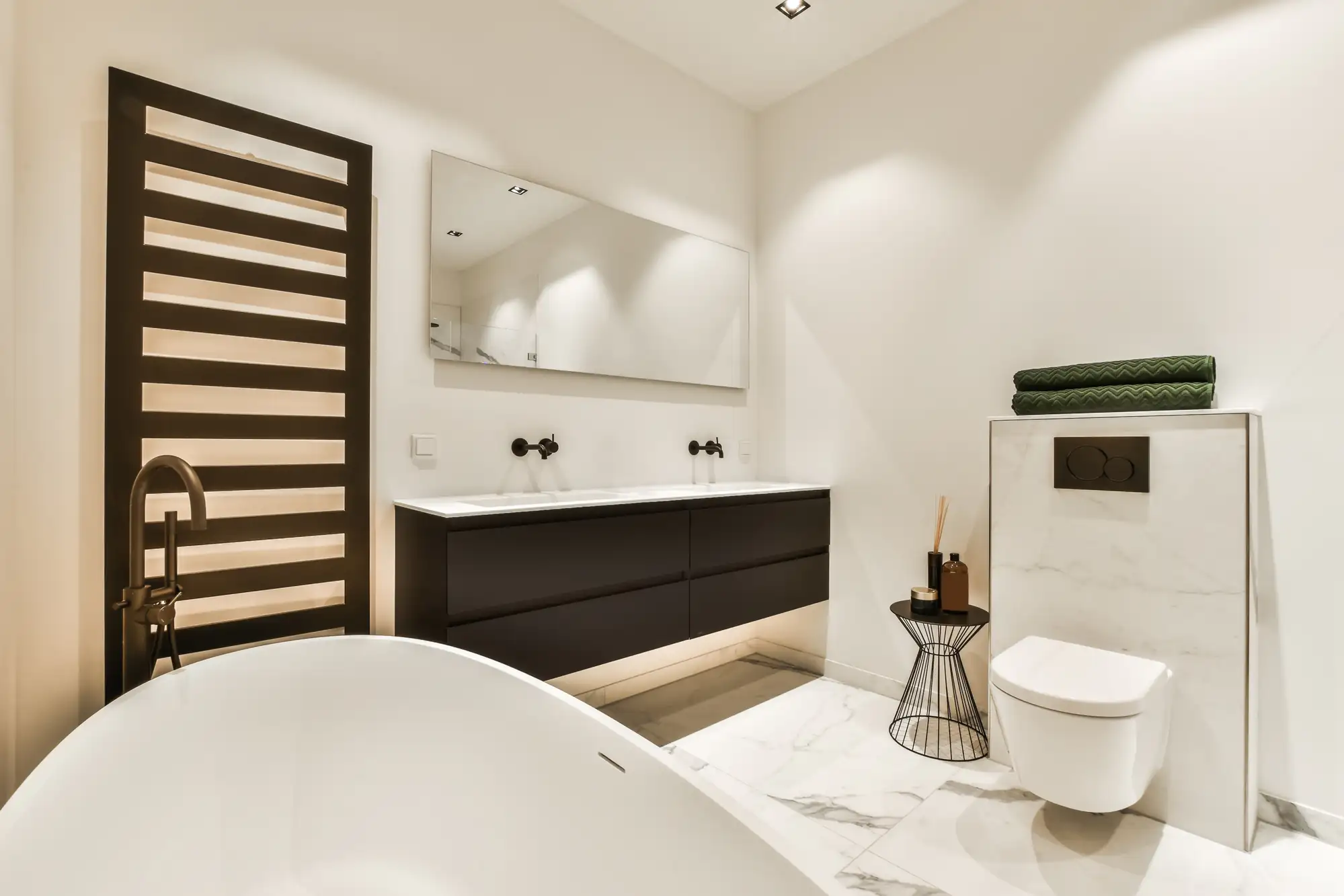
Most bathroom renovations take two to four weeks from demolition to final walkthrough, depending on the scope. A straightforward remodel—new tile, fixtures, vanity, and paint—usually lands closer to two weeks. If you’re reconfiguring the layout, moving plumbing, or dealing with unexpected issues like old cast iron pipes or subfloor damage, you’re looking at three to four weeks.
Delays happen when materials arrive late or when we open up walls and find problems that need fixing before we can move forward. We don’t hide that possibility. If your bathroom has original plumbing from the 1960s or signs of water damage, there’s a chance we’ll need extra time to address it properly.
The timeline also depends on permit approval, which varies by municipality. We handle that process, but it’s not always predictable. What we can control is showing up when we say we will, communicating if anything changes, and not dragging out the work because we’re juggling too many jobs at once.
Bathroom remodel costs in Noyack typically range from $15,000 to $40,000, depending on size, materials, and how much you’re changing. A basic refresh with new fixtures, tile, and paint runs lower. A complete gut with custom tile work, high-end fixtures, layout changes, and new plumbing runs higher.
The Hamptons market tends toward premium materials, which affects pricing. Porcelain tile costs more than basic ceramic. A frameless glass shower enclosure costs more than a standard tub-shower combo. Custom vanities cost more than stock options. You’re paying for materials that last and look right in a high-end home.
What shouldn’t happen is surprise costs halfway through your project. We give you a detailed quote upfront that includes labor, materials, permits, and disposal. If we find something during demolition that needs addressing—rotted subfloor, outdated wiring, mold remediation—we discuss it with you before proceeding. You approve the extra work and cost, or we find another solution. No one likes budget surprises, and we’re not in the business of creating them.
Most bathrooms can accommodate walk-in shower installation, even if you currently have a bathtub. The question is whether your space works better with a curbless shower, a low-threshold design, or a standard shower base. That depends on your subfloor structure, drainage setup, and how much floor space you’re working with.
Curbless showers—the kind with no step at all—require proper floor pitch and waterproofing. If your bathroom is on a concrete slab, that’s more complicated than if it’s over a basement or crawl space where we have access to adjust plumbing. We’ll tell you what’s feasible in your specific situation, not just what looks good in photos.
Walk-in showers are popular right now, partly because they’re easier to access as you age and partly because they make small bathrooms feel larger. If you’re replacing a tub you never use, it’s usually a smart move. Just know that removing your only bathtub can affect resale value if your home doesn’t have another one. We’ll talk through those considerations during your consultation so you’re making a decision that makes sense for your situation.
No. We handle the entire bathroom renovation from plumbing and electrical to tile installation and finish carpentry. You’re working with one company that’s responsible for the whole project, not trying to coordinate schedules between a plumber, electrician, tile setter, and painter who may or may not show up when they’re supposed to.
That single-source approach matters more than it might seem. When the tile guy blames the plumber for uneven walls, or the plumber says the electrician put outlets in the wrong spot, you’re stuck mediating. When one company handles everything, there’s no finger-pointing. If something isn’t right, we fix it.
It also means better quality control. We’re not rushing through the plumbing rough-in to hand off to the next contractor. We’re doing it right because we’re the ones who’ll be installing tile over it and dealing with any problems that come up. That accountability makes a difference in how your bathroom turns out and how long it lasts.
The most practical aging-in-place features are curbless or low-threshold showers, grab bars installed into blocking during construction, non-slip flooring, handheld showerheads, and comfort-height toilets. These aren’t just for elderly homeowners. They make bathrooms easier and safer for anyone recovering from surgery, dealing with mobility issues, or just wanting a bathroom that’s easier to use long-term.
Curbless showers eliminate the tripping hazard of stepping over a tub edge. Grab bars give you something sturdy to hold onto when getting in and out of the shower—but only if they’re anchored into solid blocking behind the tile, not just drywall. We install that blocking during construction so grab bars can go in now or later without tearing into finished walls.
Wider doorways, better lighting, and lever-style faucets also make a difference. The goal isn’t to make your bathroom look institutional. Modern grab bars and accessible fixtures don’t scream “medical equipment” anymore. They just make your bathroom easier to use, whether you need that accessibility now or want it available down the road. It’s cheaper to build it in during a remodel than to retrofit everything later.
Visible mold, musty odors, water stains on ceilings or walls, peeling paint, or soft spots in your floor or walls usually indicate moisture problems that need addressing. Long Island’s humidity makes bathrooms especially vulnerable if ventilation is inadequate or if there’s been a slow leak behind the walls for months or years.
We’ll know more once we open things up during demolition. Sometimes what looks like a small stain on the ceiling is actually significant mold growth on the backside of drywall or inside wall cavities. If we find mold, we’ll contain the area, remove affected materials, treat the space properly, and fix whatever caused the moisture problem in the first place—whether that’s a leaking pipe, missing waterproofing, or insufficient ventilation.
Mold remediation adds cost and time to your project, but skipping it means you’re just covering up a problem that will come back. We’re not going to install beautiful new tile over moldy studs and call it finished. If your bathroom needs remediation, we’ll handle it correctly so your remodel lasts and your indoor air quality isn’t compromised. You’ll get documentation of what we found and what we did to fix it.