
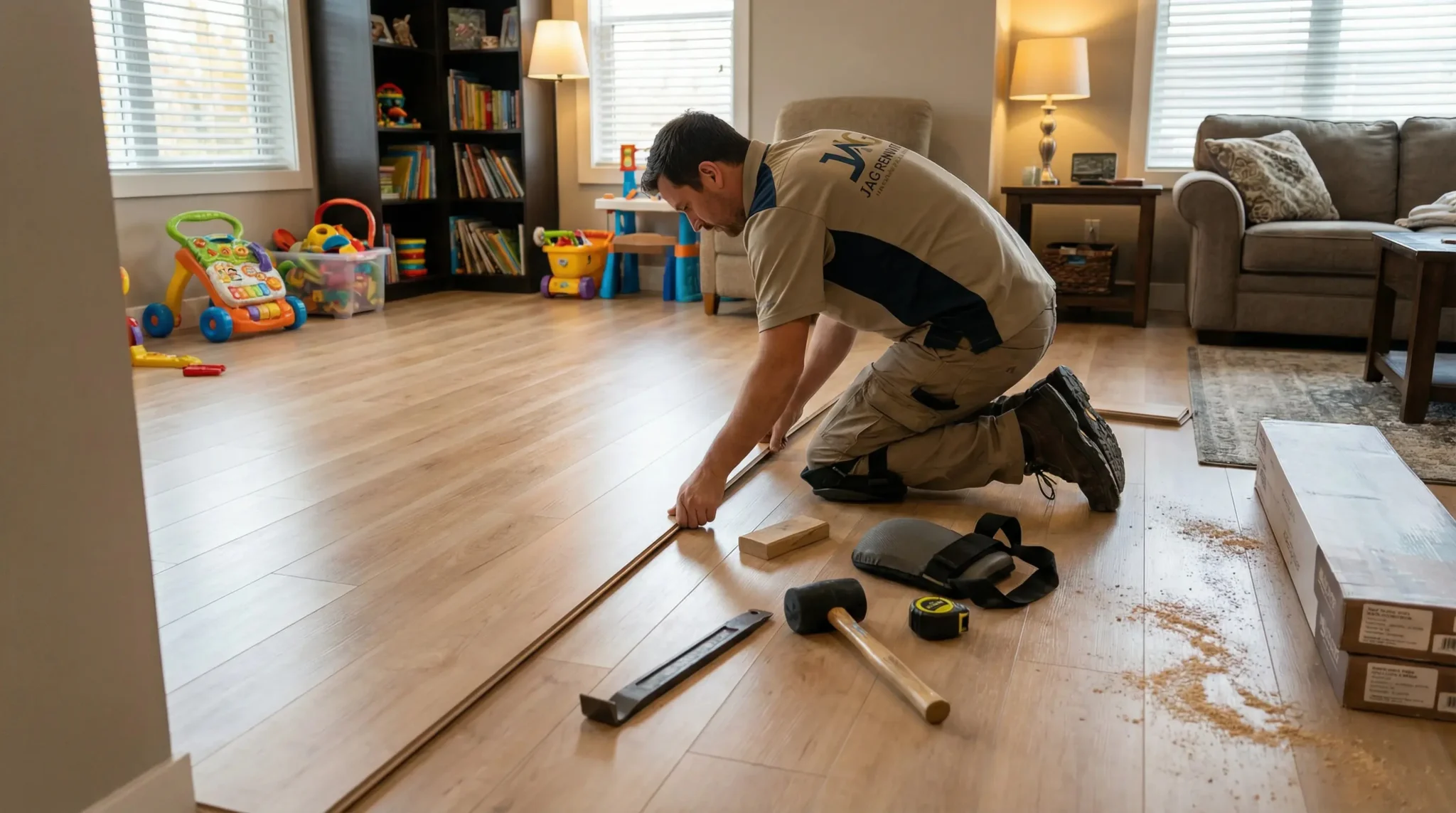
Hear from Our Customers
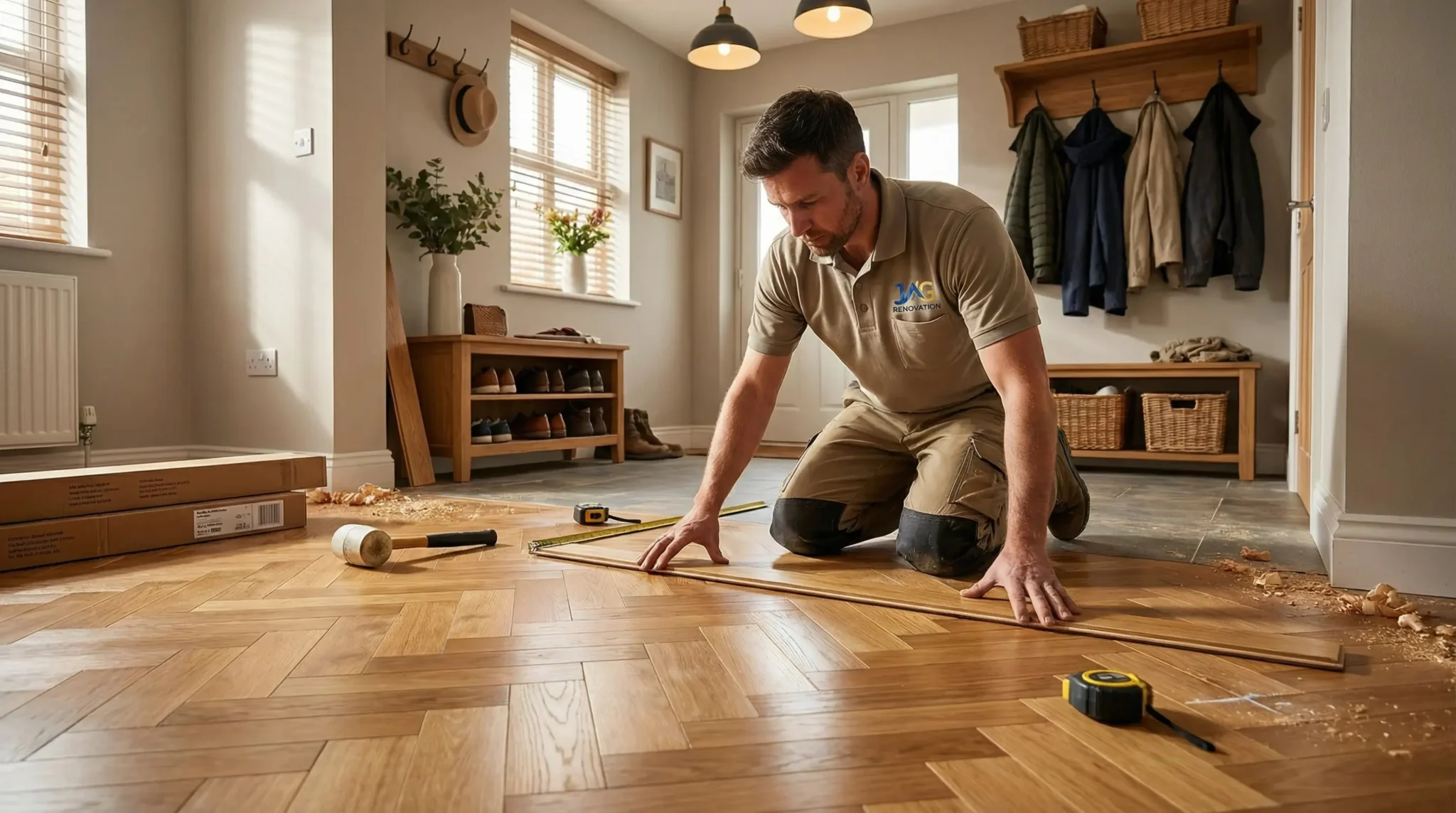
You’re not just replacing what’s underfoot. You’re fixing the moisture problems, the uneven subfloors, and the installation shortcuts that caused your old floors to fail in the first place.
Suffolk County’s coastal humidity isn’t kind to traditional flooring. Salt air, groundwater seepage, and seasonal moisture swings create conditions that warp hardwood and buckle laminate within months if the prep work isn’t done right. We’ve spent nearly a decade learning exactly what works here and what doesn’t.
When we install your floors, you get proper moisture barriers, climate-appropriate materials, and subfloor prep that accounts for Noyack’s sandy soil and water table. That means your investment actually lasts. No callbacks for buckling. No premature replacement. Just floors that hold up to real life in a coastal home.
We’ve handled flooring projects across Suffolk County for nearly a decade. We’re not a franchise or a crew that shows up once and disappears. We’re local contractors who understand what Noyack homeowners deal with—coastal moisture, sandy soil, homes built in different eras with different challenges.
We don’t use sales pressure or hide costs in fine print. You get transparent pricing, honest timelines, and installation done by people who’ve seen every flooring problem this area can throw at a home. Our work speaks for itself because we’ve been here long enough to see our installations hold up year after year.
If you’re tired of contractors who overpromise and under-deliver, or who don’t understand why your floors failed the first time, we’re the call you should make.

First, we come to your home and assess what you’re working with. Not just the surface—we’re checking subfloors, moisture levels, transitions between rooms, and any structural issues that could cause problems later. You’ll know exactly what needs to happen before we touch a single board.
Then we walk you through material options that actually make sense for your space. Hardwood in a bathroom near the coast? Probably not. Luxury vinyl plank in a high-traffic kitchen? Now we’re talking. We explain what works, what doesn’t, and why—no upselling, just honest guidance based on how you live and where your home sits.
Installation starts with proper prep. We’re talking moisture barriers, subfloor leveling, acclimation time for materials, and attention to expansion gaps that matter in humid climates. Then we install your flooring with the kind of precision that comes from doing this hundreds of times. You’re not our first coastal home, and you won’t be our last.
When we’re done, we walk you through maintenance and care. You’ll know how to protect your investment and keep your floors looking great for years.
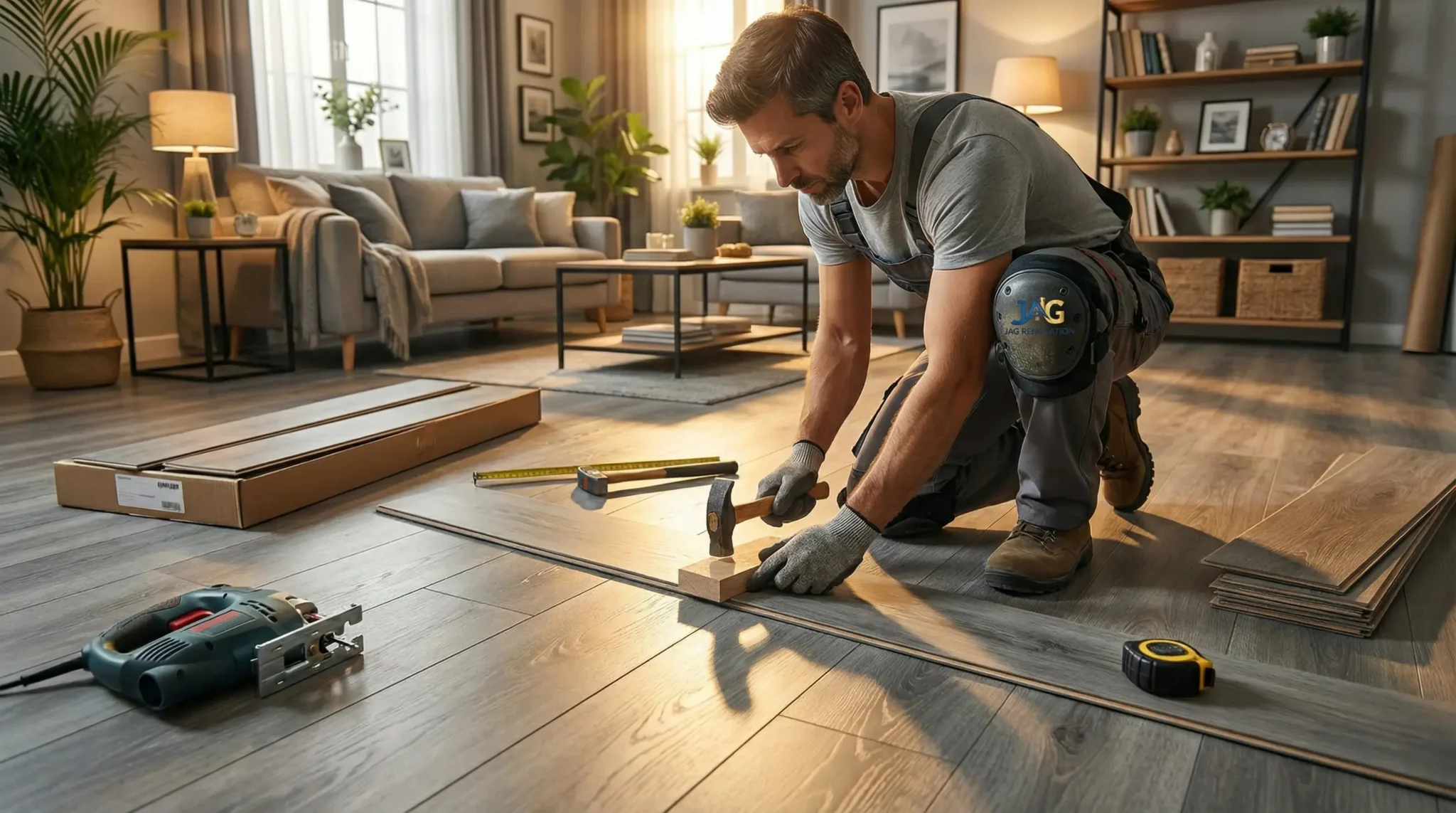
Ready to get started?
We install hardwood, engineered hardwood, luxury vinyl plank, laminate, ceramic and porcelain tile, and carpet. Each material gets handled differently because each one has different requirements—especially in Suffolk County’s climate.
Hardwood installations here require moisture barriers and proper acclimation that you won’t find in drier climates. We use finishing techniques and sealers designed for coastal humidity. Vinyl and laminate need subfloor prep that accounts for seasonal moisture changes. Tile work requires proper waterproofing and grout sealing to prevent moisture intrusion.
Noyack homes deal with unique challenges. Older homes near the water often have settling foundations and uneven subfloors. Newer construction might have builder-grade materials that weren’t designed for long-term performance. We’ve worked in both, and we know how to address the specific issues your home presents.
You also get realistic timelines. We don’t rush jobs to move on to the next one. We schedule properly, show up when we say we will, and communicate if anything changes. Your project gets the time it needs to be done right.

Luxury vinyl plank is the most forgiving option for coastal homes. It handles moisture better than anything else, won’t warp from humidity swings, and modern versions look remarkably close to real hardwood. If you’re within a mile of the water or deal with basement moisture, this is usually your best bet.
Engineered hardwood works well if you want real wood but need better moisture resistance than solid hardwood offers. The layered construction handles humidity changes without the cupping and warping you see with traditional hardwood. We install it with proper moisture barriers and finishing that adds another layer of protection.
Solid hardwood can work in Noyack homes, but only in the right conditions. You need good climate control, proper subfloor prep, and realistic expectations about seasonal movement. We’ll tell you upfront if your home isn’t a good candidate—we’d rather be honest now than deal with callbacks later.
Most residential flooring projects take three to five days from start to finish. That includes subfloor prep, material acclimation, installation, and cleanup. Larger homes or projects with multiple flooring types obviously take longer.
The timeline depends on what we’re working with. Ripping out old flooring and addressing subfloor issues adds time. Installing tile takes longer than vinyl because of setting time and grouting. Hardwood needs acclimation time before installation—we’re not installing boards straight off the truck.
We give you a realistic schedule during the estimate. If we say five days, we mean five days. We don’t overpromise to win the job and then drag it out. You’ll know when we’re starting, what’s happening each day, and when you can use your floors again.
Yes. We move furniture, remove old flooring, and haul away debris. You don’t need to rent a dumpster or coordinate with other contractors—we handle the entire process.
We protect your walls, doorways, and remaining floors during the work. Dust containment matters, especially in occupied homes, so we use barriers and proper cleanup procedures. You’re not living in a construction zone longer than necessary.
Old flooring removal sometimes reveals problems—damaged subfloors, moisture damage, or structural issues that weren’t visible before. When that happens, we stop, show you what we found, and explain your options. No surprises on the final bill. You approve any additional work before we proceed.
Luxury vinyl plank typically runs $6-12 per square foot installed, depending on quality and brand. Laminate sits in a similar range. These are your most budget-friendly options that still deliver good performance and appearance.
Engineered hardwood usually costs $10-18 per square foot installed. Solid hardwood runs $12-25+ per square foot depending on species, grade, and finish. Tile varies widely—basic ceramic might be $8-15 installed, while high-end porcelain or natural stone can hit $20-30+ per square foot.
Those ranges include materials, labor, subfloor prep, and basic installation. They don’t include extensive subfloor repairs, custom patterns, or specialty materials. We give you exact pricing after seeing your space and understanding what you want. No ballpark estimates that magically increase later.
Sometimes. If your existing flooring is a current product line and we can source the same material, matching is straightforward. The challenge comes with discontinued products, aged finishes, or materials that have changed color over time.
Hardwood is particularly tricky because wood ages and changes color with UV exposure. Even if we find the exact same species and stain, new boards will look different next to 10-year-old floors. We can get close with custom staining and finishing, but perfect matches are rare.
Your best options are either replacing enough area that the transition happens in a natural break—like a doorway—or choosing a complementary material that’s clearly different rather than almost-matching. We’ll look at what you have and give you honest feedback about what’s possible before you commit to anything.
Usually within two to three weeks. We’re not so busy that you’re waiting months, but we’re also not so slow that we can start tomorrow—that’s usually a red flag with contractors.
The timeline depends on material availability. Stock materials we can get quickly. Custom orders or specialty products might need four to six weeks. We order materials as soon as you approve the estimate so they’re ready when our schedule opens up.
We don’t book jobs and then push them back repeatedly. When we give you a start date, that’s when we’re showing up. If something changes—material delays, weather issues, whatever—you’ll know immediately, not the day before we’re supposed to start.