

Hear from Our Customers
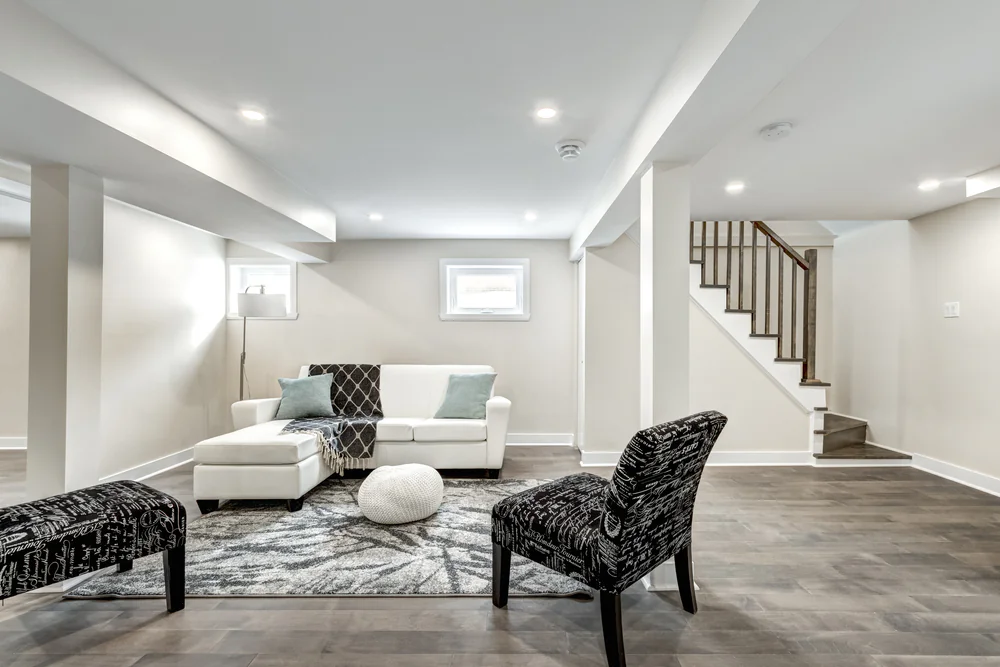
You’re not just getting a remodeled kitchen or finished basement. You’re getting your time back because someone else is managing the chaos. You’re avoiding the horror stories your neighbors lived through—the contractor who stopped showing up, the “small” project that doubled in price, the three-month job that hit month seven with no end in sight.
When you work with a licensed contractor who runs their own crews, the project moves on your timeline, not someone else’s availability. The same team that starts your job finishes it. No waiting for subcontractors to fit you in between other jobs.
Your home stays livable during construction because the work site stays organized. You get transparent pricing upfront—the number you see is what you pay. And when the job wraps, your space actually looks like what you imagined, not some compromise you settled for because you were exhausted from the process.
We’ve spent almost ten years handling interior remodels across Suffolk County. We’re licensed, insured, and we use our own crews for every project—spackling, painting, custom carpentry, flooring, kitchens, bathrooms, basements.
East Farmingdale homeowners know the local contractor landscape. They’ve heard the stories about unlicensed operators on the Suffolk County Consumer Affairs “Wall of Shame.” They’ve watched neighbors deal with contractors who quote low, then nickel-and-dime their way to double the original price.
We built our business on the opposite approach. Transparent contracts. No hidden fees. No high-pressure sales tactics. Just honest work that increases your home’s value while you live comfortably during construction.

First, we walk through your space and listen to what you want. Not what we think you should want—what you actually need your home to do for you. We discuss timeline, budget, and any concerns you have about living through construction.
Then you get a detailed estimate. Line items, materials, labor—everything spelled out so you know exactly what you’re paying for. No vague “allowances” that balloon later. If something needs to change mid-project, we discuss it before any extra work happens.
Once you approve, our licensed in-house team starts work. Same crew from demo to final walkthrough. We keep the job site clean and organized because we respect that this is your home, not just our work site. You get regular updates on progress—no chasing us down for information.
When we finish, we do a final walkthrough together. You point out anything that needs adjustment, we handle it, and then you’re done. No lingering punch list that takes months to complete.

Ready to get started?
Interior remodeling covers a lot of ground, and in East Farmingdale’s housing market—where homes average well into the six figures—your renovation needs to be done right. We handle expert-level spackling and painting, custom carpentry that actually fits your space, flooring installation, and complete kitchen, bathroom, and basement remodels.
Suffolk County requires proper licensing for home improvement work, and for good reason. Licensed contractors carry insurance that protects you if something goes wrong. We’re licensed through Suffolk County Consumer Affairs, fully insured, and we pull permits when required.
Local general contractors in this area typically charge between $50-$150 per hour, with project-based pricing including a 10-20% markup on construction costs. We price by the project, not the hour, so you know your total investment upfront. And because we use our own crews instead of subcontractors, we control quality and timing without adding layers of markup.
Long Island’s housing market makes smart renovations worth the investment. Entry door replacements show ROI above 188%. Kitchen and bathroom remodels remain among the most requested projects because they directly impact daily life and resale value. Basement finishing transforms unused square footage into functional living space—especially valuable as multigenerational living becomes more common across Suffolk County.

Suffolk County requires home improvement contractors to hold a valid license issued through the Department of Consumer Affairs. You can verify any contractor’s license status directly through the county’s online database or by calling their office.
Ask for the license number upfront. Licensed contractors will give it to you immediately because they know you’re doing your homework. If someone hesitates or says they’re “working on it,” that’s your signal to walk away.
Suffolk County also maintains a “Wall of Shame” listing unlicensed contractors who’ve been caught operating illegally. It exists because unlicensed contractors can’t be held accountable the same way licensed ones can. If something goes wrong on your project, an unlicensed contractor can walk away and you have almost no recourse. Licensed contractors risk losing their ability to work if they abandon projects or engage in fraud.
Subcontractors work for themselves, not the general contractor. That means your project gets scheduled around their other jobs. If they’re running behind on someone else’s kitchen, your bathroom waits.
When a general contractor uses in-house crews, those workers show up to your job every scheduled day because that’s their only job. No juggling multiple clients. No waiting for someone to “fit you in” after they finish another project.
Quality control is also tighter with in-house crews. If something isn’t right, there’s no finger-pointing between the general contractor and a subcontractor about who’s responsible. One team, one point of accountability. Problems get fixed immediately instead of turning into a scheduling nightmare where you’re waiting weeks for the sub to come back.
The cost difference isn’t as big as you’d think, either. General contractors who sub everything out still mark up the subcontractor’s price—usually 10-20%—so you’re paying for that coordination layer anyway.
A full kitchen remodel typically runs 6-8 weeks from demo to completion. Bathrooms usually take 3-4 weeks. Those timelines assume no major surprises like hidden water damage or outdated electrical that needs upgrading to code.
The timeline depends on scope. If you’re just replacing cabinets and countertops, that’s faster than reconfiguring the entire layout and moving plumbing. Custom elements like special-order tile or custom cabinetry add time because you’re waiting on manufacturing and delivery.
What derails timelines most often is poor planning upfront. If you haven’t finalized material selections before demo starts, the project stops while you make decisions. If the contractor didn’t pull proper permits and the town shuts down the job, you’re stuck waiting for inspections.
Working with local general contractors who know Suffolk County’s permit requirements keeps your project moving. We handle permit applications before work starts, schedule inspections at the right milestones, and keep materials ordered ahead of when we need them so installation doesn’t stall.
Basic basement conversions start around $25,000. That gets you framed walls, drywall, basic flooring, electrical, and a simple bathroom if needed. High-grade finishes with custom features can push past $60,000 depending on square footage and what you’re building down there.
The wide price range reflects what you’re actually creating. A simple rec room with carpet and painted drywall costs less than a full apartment-style setup with a kitchen, separate entrance, and high-end finishes. Bathrooms add significant cost because you’re running new plumbing and dealing with below-grade drainage requirements.
Suffolk County’s building codes are strict about basement finishing, especially regarding egress windows, ceiling height, and moisture control. If your basement doesn’t meet code requirements, you’ll need to address those issues before finishing work can proceed. That might mean enlarging window wells, installing a sump pump, or lowering the floor—all of which add cost.
Get multiple detailed estimates that break down exactly what’s included. “Basement finishing” means different things to different contractors. Make sure you’re comparing the same scope of work, not just bottom-line numbers.
Read the contract before you sign it. Every line item should be spelled out—materials, labor, permits, disposal fees. If something says “allowance” without specifying what that covers, ask for clarification. Allowances are where surprise costs hide.
Ask what happens if something unexpected comes up mid-project. Older homes in East Farmingdale often reveal issues once walls open up—outdated wiring, water damage, structural problems. A good contract outlines the change order process: how you’ll be notified, how changes get priced, and how approval works before any extra work starts.
Get everything in writing. If the contractor verbally promises something that isn’t included in the written contract, it doesn’t exist. Verbal promises disappear when disputes arise. Written contracts hold up if you need to enforce them.
Licensed home improvement contractors in Suffolk County are required to provide written contracts for jobs over $500. That contract must include specific information: total price, payment schedule, start and completion dates, and a description of the work. If a contractor pushes back on putting details in writing, that’s a red flag.
Most homeowners stay put during kitchen and bathroom remodels. It’s inconvenient, but manageable if the contractor keeps the work site contained and maintains reasonable hours. You’ll be washing dishes in the bathroom sink and eating a lot of takeout, but you avoid the cost and hassle of temporary housing.
Whole-house renovations or projects affecting multiple rooms simultaneously are harder to live through. If you’re gutting the kitchen and both bathrooms at once, you’re looking at no running water or cooking capability for weeks. That’s when temporary relocation makes sense.
Talk through the logistics during planning. A good residential contractor will set up temporary barriers to contain dust, establish clear paths through your home so you’re not climbing over materials, and schedule noisy work during reasonable daytime hours. They’ll also coordinate work so you’re never completely without essential utilities.
The key is communication. If you need the crew to avoid certain hours because you work nights, or you need access to specific rooms at certain times, say so upfront. We can work around your schedule if we know what you need—but we can’t read your mind.