
Hear from Our Customers
You’re not looking for the cheapest quote. You’re looking for walls that don’t crack in six months, seams that don’t show through paint, and a contractor who actually returns your calls.
That’s what proper sheetrock installation looks like. The fasteners go in the right places. The joints get taped and mudded correctly. The finish is smooth enough that your painter won’t complain.
When the job’s done, you shouldn’t see where one sheet ends and another begins. You shouldn’t worry about whether it’ll hold up. And you definitely shouldn’t be dealing with surprise charges or half-finished work because the crew moved on to the next job.
We’ve been handling residential sheetrock installation and commercial drywall projects across East Farmingdale and Suffolk County since 2016. That’s long enough to know which materials hold up in Long Island’s humidity and which shortcuts come back to bite homeowners.
Our approach is straightforward. You get a clear estimate with no hidden costs. We show up when we say we will. The work gets done to code, with proper materials, and we clean up when we’re finished.
Most of our business comes from referrals—homeowners who had a good experience and told their neighbors. That doesn’t happen by accident. It happens when you treat people’s homes with respect and do the work right the first time.
First, we look at your space. We measure, check for any moisture issues or structural concerns, and give you a clear estimate. No pressure to sign anything on the spot.
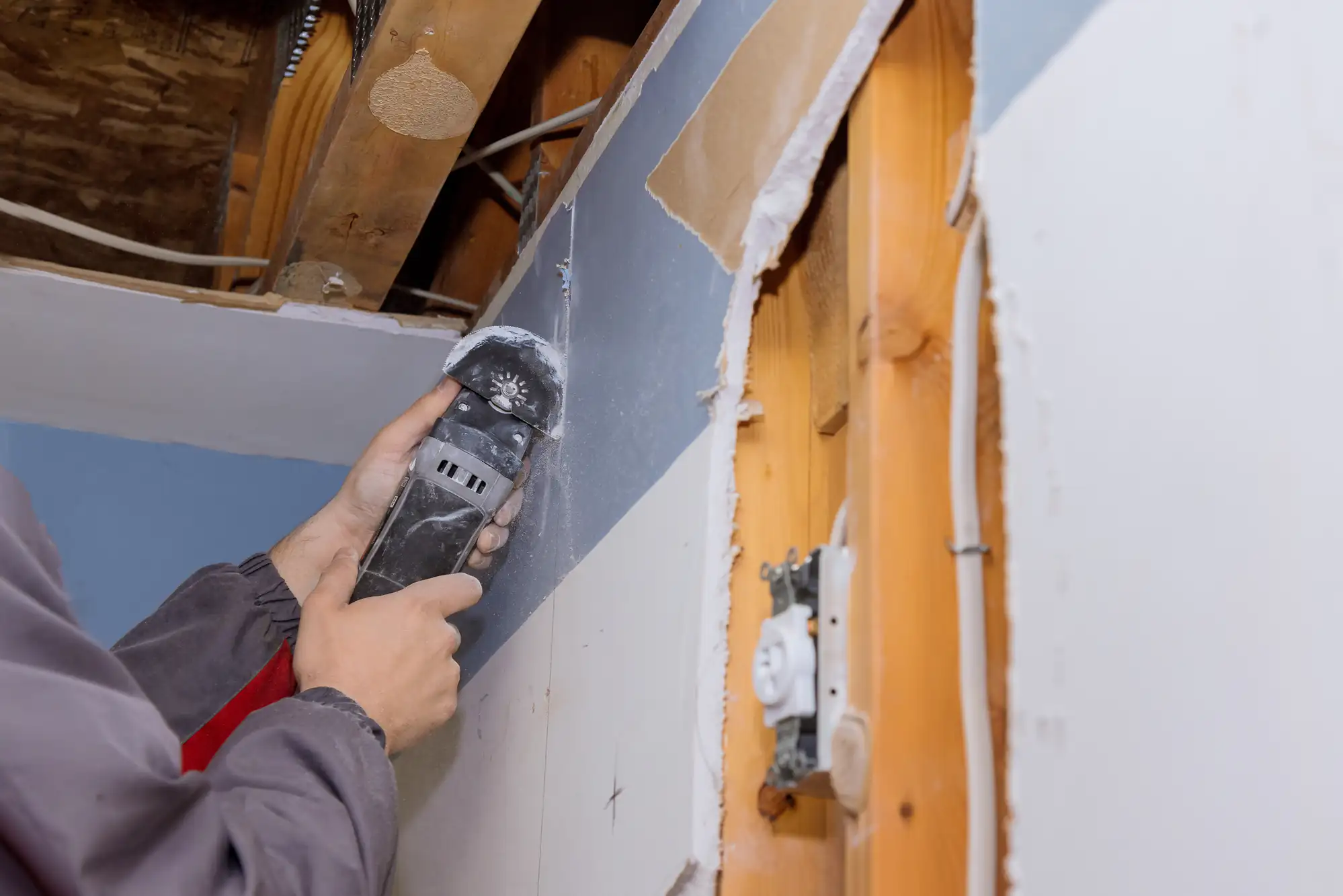
Once you’re ready to move forward, we schedule the work around your timeline. For new construction or additions, we hang the sheets, secure them properly to studs, and make sure everything’s level. For repairs, we cut out damaged sections, match the existing texture, and blend it so you can’t tell where the fix was made.
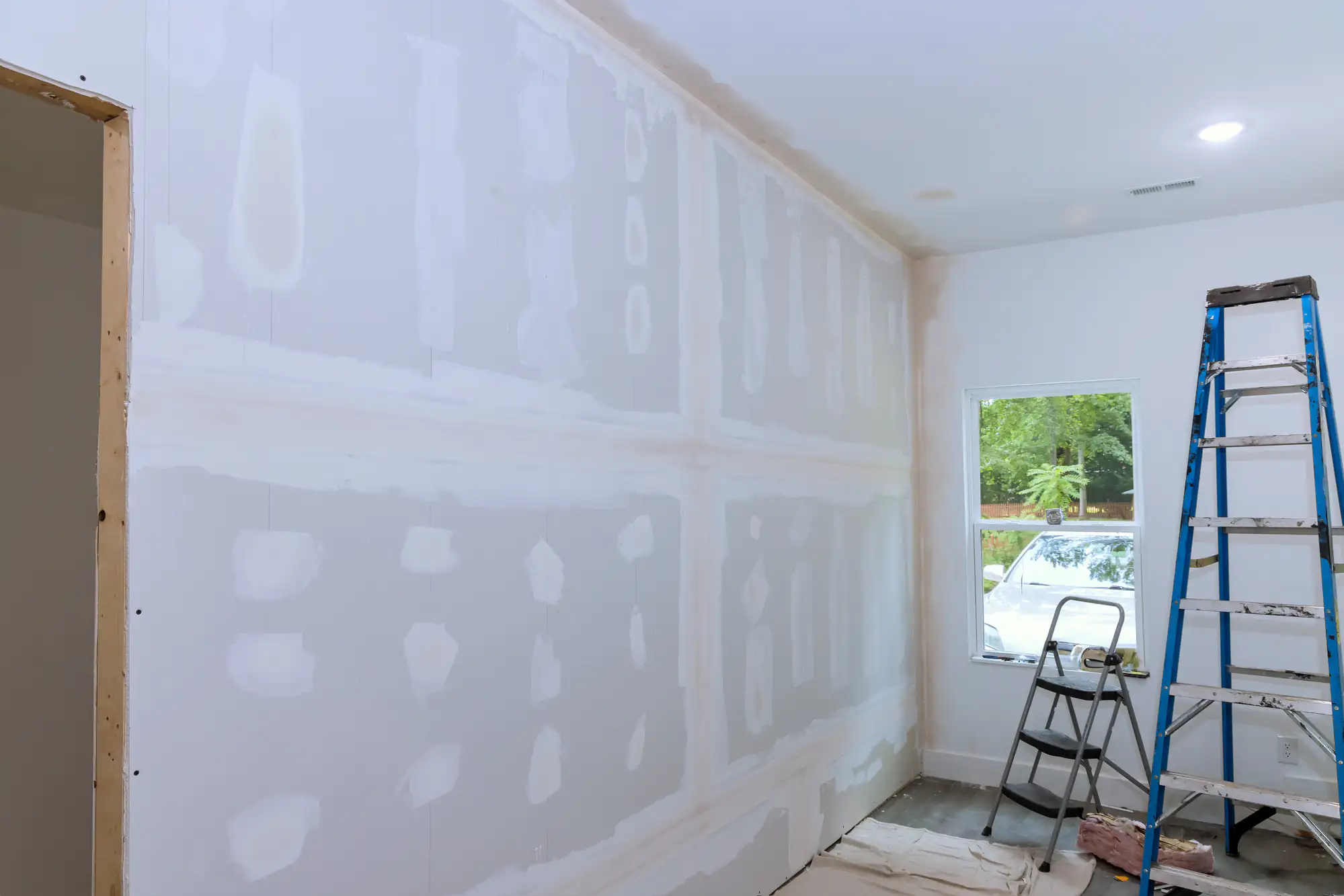
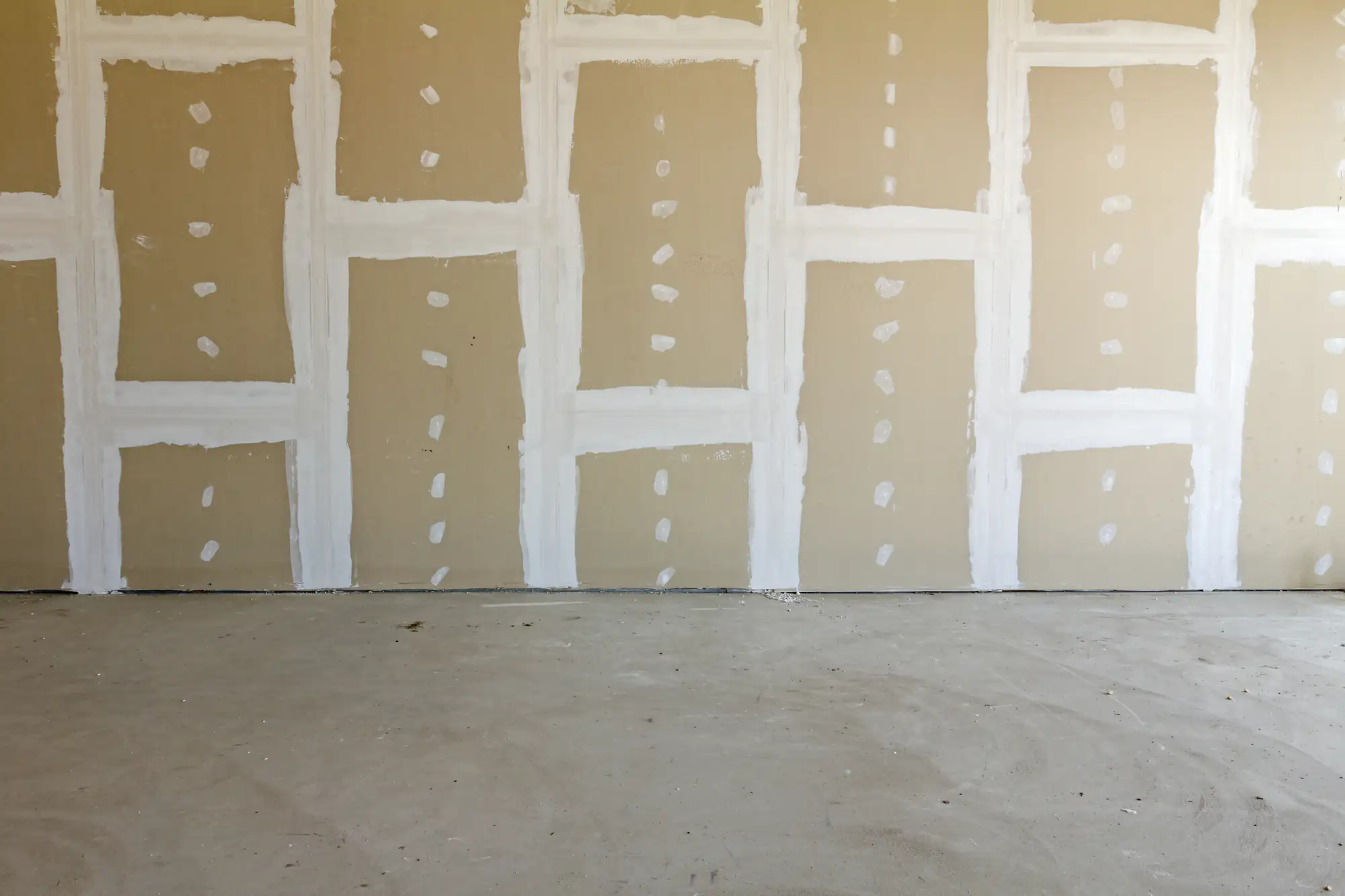
The taping and mudding process takes a few passes. Each coat needs to dry before the next one goes on. We sand between coats to get that smooth finish. If you’re in a rush, we’ll tell you upfront how long it actually takes—not how long you want to hear.
After the final coat dries and gets sanded, we prime it if that’s part of your project. Then we clean up the dust, haul away the scraps, and leave you with walls ready for paint.
Ready to get started?
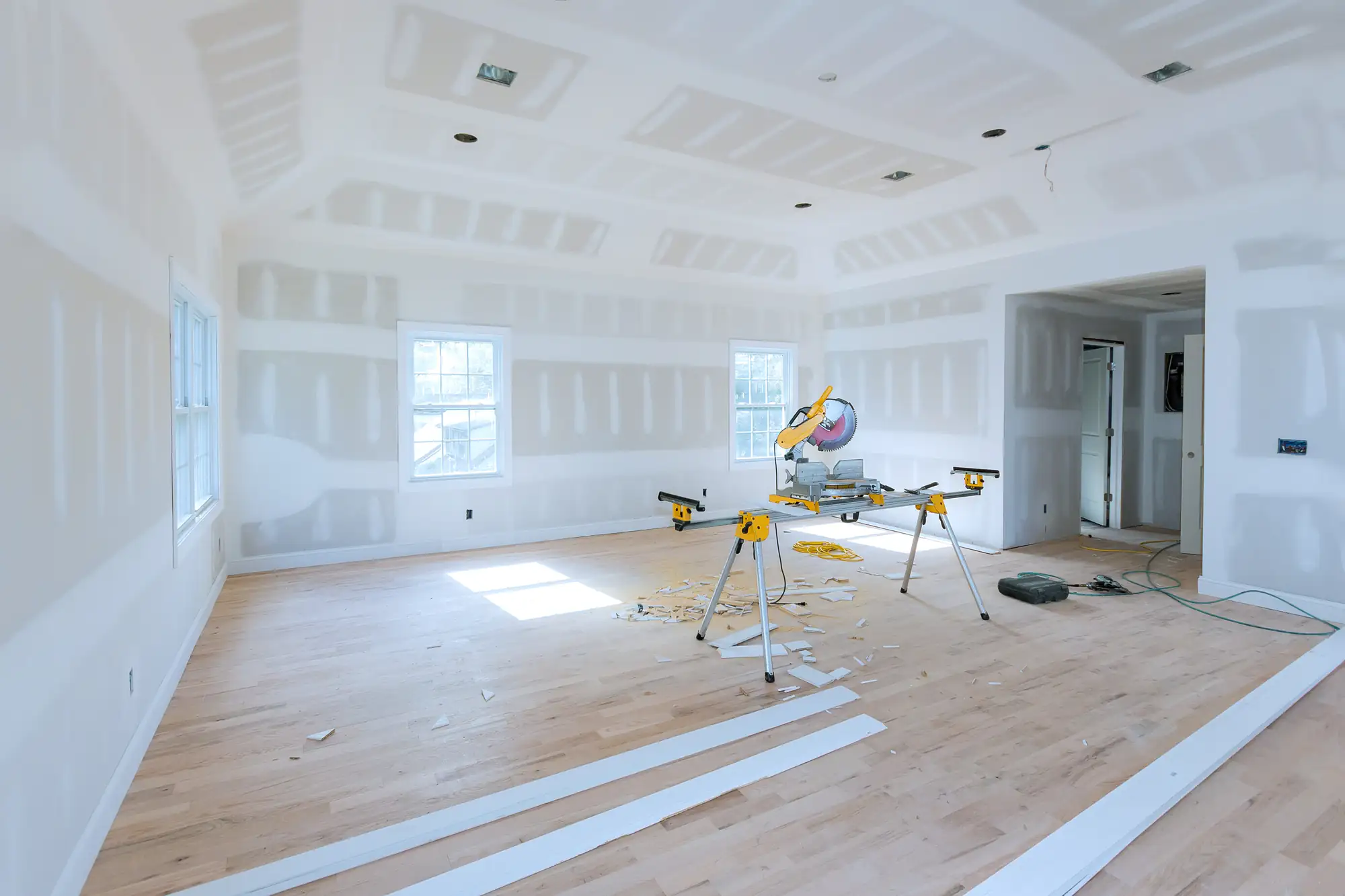
Sheetrock installation covers new construction, room additions, basement finishing, and full renovations. We handle everything from framing inspection to final sanding. If your project needs moisture-resistant drywall for bathrooms or kitchens, we use the right materials for the job.
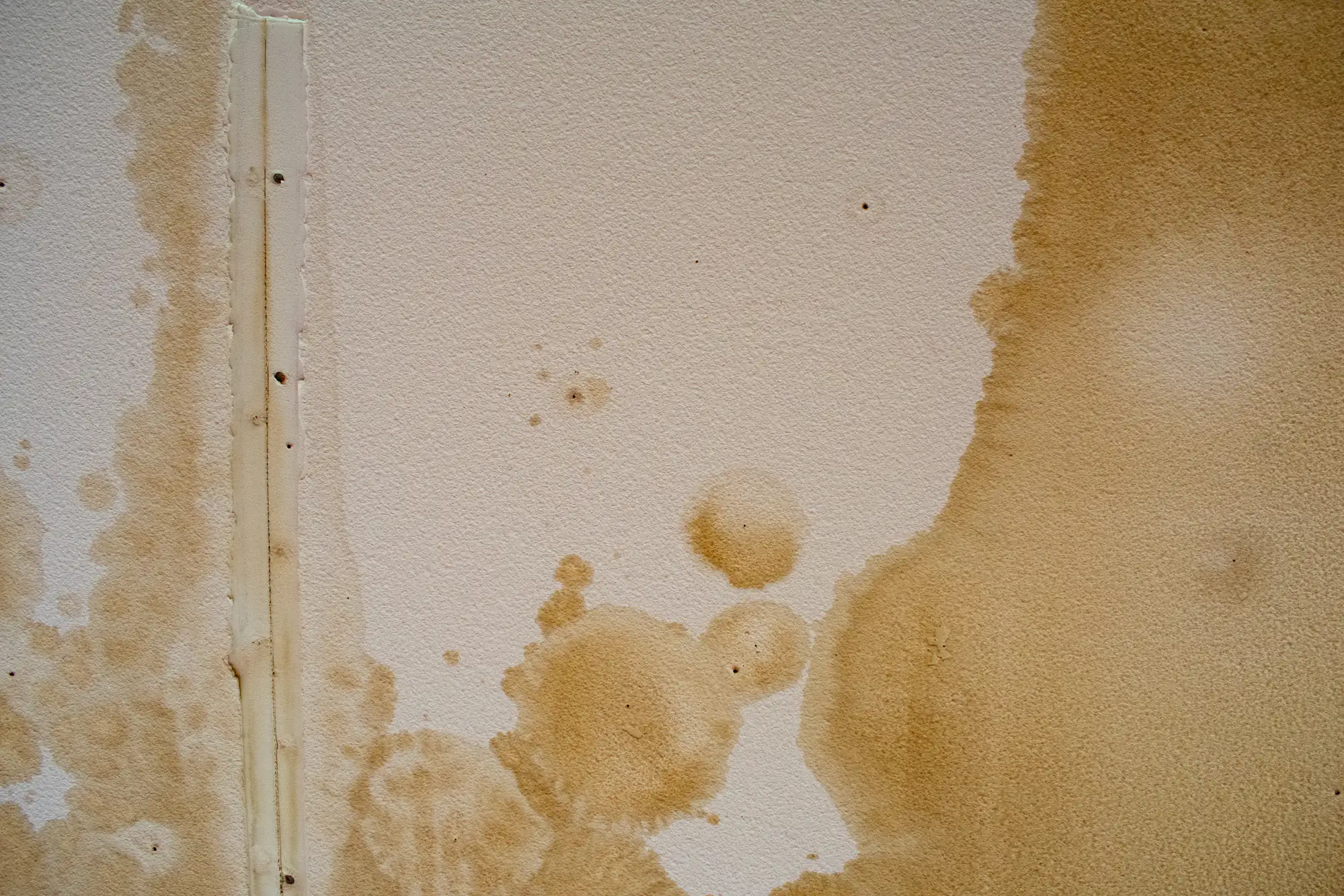
Repairs are different. Maybe you’ve got holes from old fixtures, cracks from settling, or water damage from a leak. We cut out the damaged section, sister in new backing if needed, patch it with matching material, and finish it to blend with your existing walls.
In East Farmingdale, we see a lot of older homes with plaster that’s failing. Converting to drywall gives you a more stable surface and makes future repairs easier. We can also handle popcorn ceiling removal and replacement—common in homes built in the 70s and 80s around here.
Commercial work is available too. Office build-outs, retail spaces, and property management repairs. Same standards, just different scale and scheduling requirements.
For a standard 12×12 room, you’re typically looking at $500 to $2,000 depending on ceiling height, number of corners, and finish level. That includes materials, labor, taping, mudding, and sanding.
Repairs run differently. Small holes or cracks might have a minimum service charge around $150. Larger damage—like water-damaged sections or multiple rooms—gets priced by square footage, usually between $1.20 and $4.10 per square foot depending on complexity.
We give you the full breakdown upfront. No “we’ll see when we get in there” pricing. If we find something unexpected during the job, we talk to you before doing extra work. The estimate we give you is what you pay unless you approve changes.
Nothing, really. Sheetrock is a brand name that became the common term—like Kleenex for tissues. It’s all gypsum board sandwiched between paper.
What does matter is the type you use. Standard drywall works fine for most interior walls. Moisture-resistant (green board or purple board) goes in bathrooms, laundries, and kitchens. Fire-rated drywall is required by code in certain locations like garages and between units in multi-family homes.
Thickness matters too. Half-inch is standard for walls. Five-eighths-inch is heavier, more soundproof, and required for fire ratings. Quarter-inch is for curves or layering over existing walls. We use whatever’s appropriate for your specific project and local building codes.
A single room usually takes two to four days. Day one is hanging the sheets. Days two through four are taping, mudding, and sanding—each coat needs 24 hours to dry properly.
Larger projects take longer. A full basement might be a week to ten days. Whole-house renovations get scheduled in phases so you’re not living in a construction zone the entire time.
Repairs are faster. Most small fixes get done in a day, though you’ll need to wait for mud to dry before painting. If we’re matching existing texture, that might add a day for the texture to cure. We’ll give you a realistic timeline upfront—not the best-case scenario that never actually happens.
Yes, but it takes some skill. Orange peel, knockdown, and skip trowel are the most common textures in East Farmingdale homes. We keep samples of different patterns and match them to your existing walls before applying anything.
The trick is blending the edges so there’s no visible line between old and new. That means feathering out the texture beyond the repair area and sometimes re-texturing a full wall or section to make it seamless.
If your texture is really unusual or your walls are older plaster, we’ll be honest about whether we can match it perfectly. Sometimes close enough is the best option. Other times it makes more sense to re-texture an entire wall for consistency. We’ll show you examples and let you decide what you’re comfortable with.
For repairs and simple replacements, usually not. If you’re finishing a basement, adding a room, or doing structural work, then yes—you need permits from the Town of Babylon building department.
Permits aren’t just red tape. They ensure the work meets fire codes, structural requirements, and safety standards. Inspectors check that electrical and plumbing are properly covered, fire-rated materials are used where required, and everything’s up to code.
We handle the permit process if your project needs it. That includes submitting plans, scheduling inspections, and making sure everything passes. It adds some time to the project, but it protects your investment and keeps you legal if you ever sell the house.
Clear the room as much as possible. Move furniture out or to the center and cover it. Take down wall decorations, curtains, and anything fragile. Dust gets everywhere despite our best efforts at containment.
Make sure we have clear access to the work area and a place to stage materials. If we’re working on upper floors, we need a path to get sheets upstairs—they’re four feet wide and awkward in tight stairwells.
If you have pets, plan to keep them in a separate area. The noise and activity stress them out, and we don’t want anyone darting out an open door. For multi-day projects, you’ll want to plan around the dust and disruption—maybe stay elsewhere if we’re doing a whole floor.
We’ll protect your floors and do our cleanup, but sheetrock dust is fine and gets into everything. Expect to do some extra cleaning after we’re done, especially if you have HVAC vents in the work area.