
Hear from Our Customers
You’re not replacing your floors because you want to. You’re doing it because the current ones are scratched, warped, outdated, or just don’t work anymore. Maybe the hardwood is gapping every winter. Maybe the tile in your entryway is cracked. Maybe you’re tired of carpet that shows every stain.
Here’s what matters: the new floors need to last. They need to handle kids, pets, coastal humidity, and whatever else your household throws at them. And you need someone who knows which materials actually perform in Greenport’s climate—not just what looks good in a showroom.
That’s where experience makes the difference. We’ve installed flooring in hundreds of Suffolk County homes. We know engineered hardwood outperforms solid wood when humidity swings between seasons. We know luxury vinyl handles moisture without the maintenance headaches. We test moisture levels before installation, acclimate materials properly, and use the right underlayment and vapor barriers for your specific subfloor conditions.
You get floors that look great and actually hold up. No callbacks for buckling. No gaps that appear six months later. Just honest work that lasts.
Jaguar Renovations has been installing floors in Greenport and throughout Suffolk County since 2016. We’re licensed, insured, and we handle everything from hardwood and tile to luxury vinyl and laminate flooring installation.
What sets us apart isn’t just experience—it’s how we work. No high-pressure sales tactics. No hidden costs that show up halfway through the job. We give you transparent pricing upfront, explain what materials make sense for your home’s specific conditions, and keep you informed through every step of the process.
Most of our work comes from referrals, which tells you something. Homeowners in Greenport deal with unique challenges—coastal moisture, temperature swings, older homes with subfloor quirks. We’ve seen it all, and we know how to install flooring that performs long-term in this environment.

First, we come to your home and assess what you’re working with. We check subfloor conditions, test moisture levels, measure the space, and talk through what you’re looking for. This isn’t a sales pitch—it’s a real conversation about what materials make sense for your lifestyle, your budget, and your home’s specific conditions.
Once you approve the estimate, we order materials and schedule installation. Before we start, we let the flooring acclimate in your home for the manufacturer-recommended period—usually 7-14 days for hardwood. Skipping this step causes problems later. We don’t skip it.
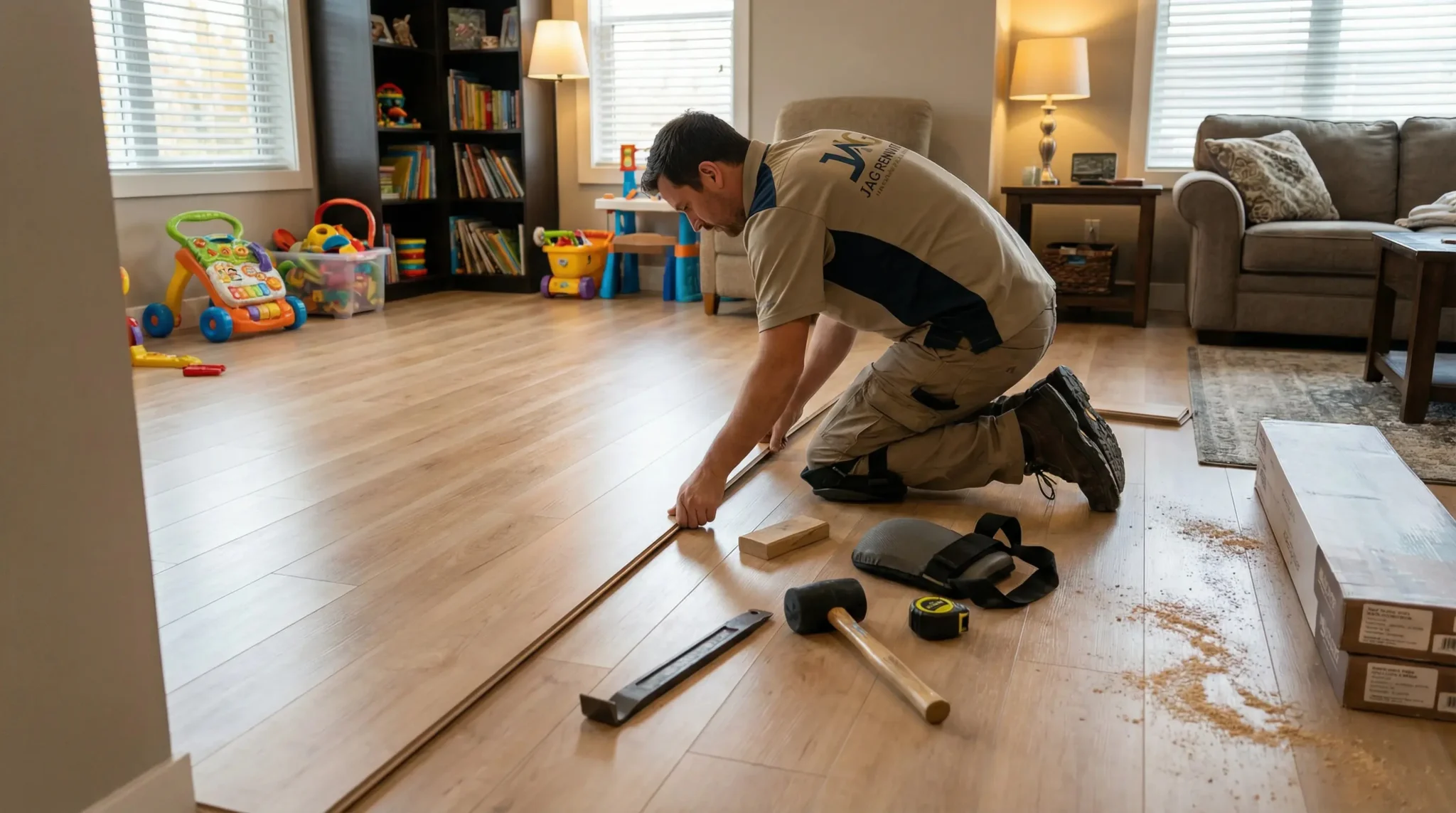
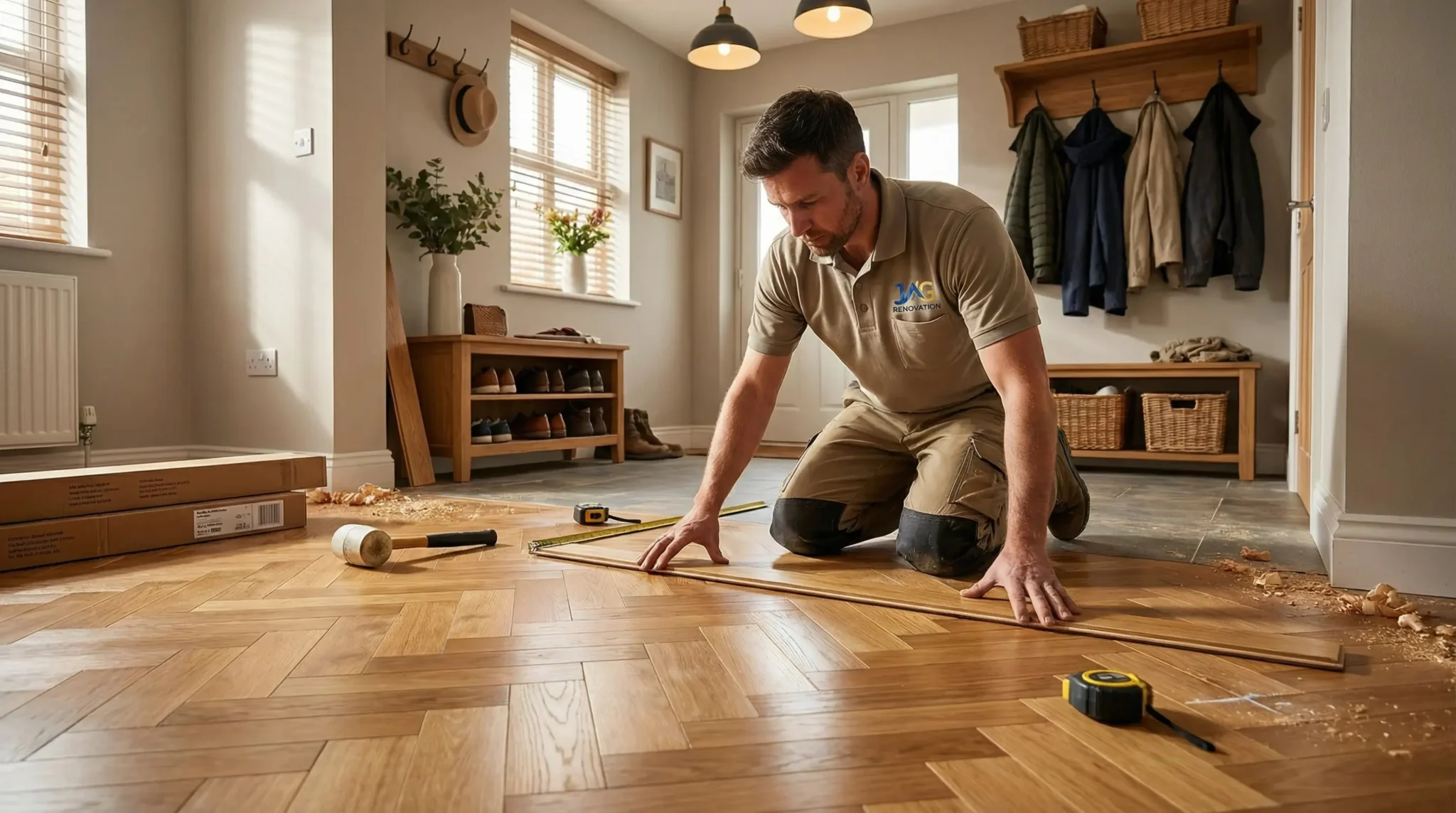
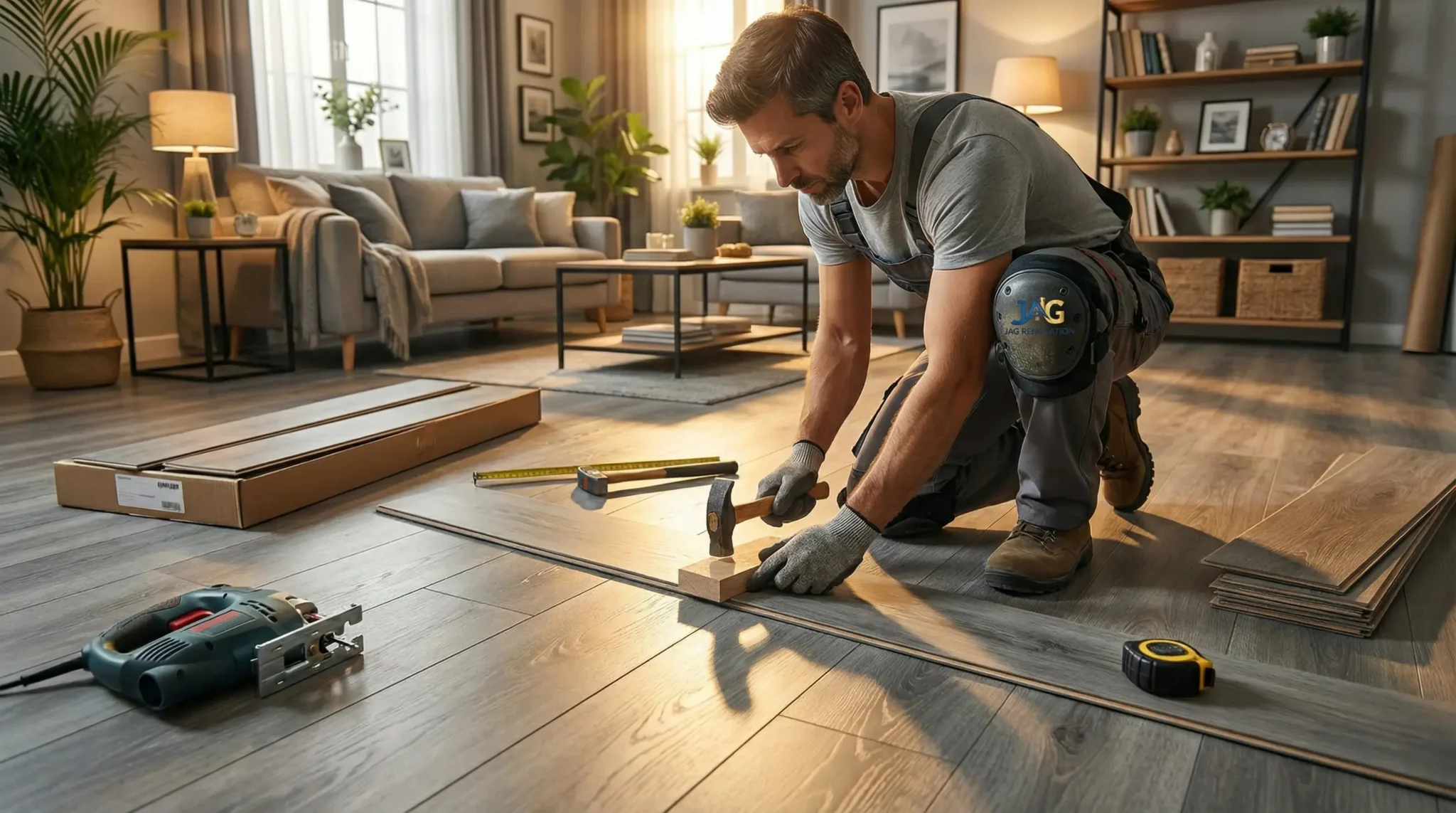
During installation, we prep the subfloor properly, install vapor barriers where needed, and make sure every plank, tile, or sheet is set correctly. We’re not rushing to the next job. We’re making sure your floors are installed right the first time.
After installation, we walk through the space with you, answer any questions about care and maintenance, and make sure you’re completely satisfied. Then we clean up and get out of your way so you can enjoy your new floors.
Ready to get started?
Hardwood flooring remains the top choice for most Greenport homeowners, but solid hardwood isn’t always the right answer. Engineered hardwood performs better in Suffolk County’s variable humidity because it’s more dimensionally stable. You get the same look without the seasonal gapping issues.
Luxury vinyl flooring has come a long way. Today’s luxury vinyl plank is completely waterproof, handles coastal moisture without problems, and looks remarkably close to real wood. It’s a smart choice for kitchens, basements, bathrooms, and homes with pets or kids. Installation is faster than hardwood, and maintenance is minimal.
Tile floor installation works well in entryways, bathrooms, and kitchens where moisture is a concern. Ceramic tile and porcelain tile both perform well, but porcelain is denser and more water-resistant. We handle everything from simple layouts to custom patterns with decorative borders.
Laminate flooring installation offers a budget-friendly option that’s improved significantly in recent years. Modern laminate is more durable and realistic-looking than older versions, though it’s not waterproof like luxury vinyl. It’s a good middle-ground option for bedrooms and living areas where moisture isn’t a major concern.
Whatever material you choose, we install it correctly. That means proper subfloor prep, appropriate underlayment, correct acclimation time, and attention to manufacturer specifications. Cutting corners on installation ruins even the best materials.

Engineered hardwood and luxury vinyl perform exceptionally well in Greenport and throughout Suffolk County. The coastal climate means humidity levels swing between summer and winter, which causes solid hardwood to expand and contract more than engineered products.
Engineered hardwood has a plywood core with a real wood veneer on top. This construction makes it more dimensionally stable than solid hardwood, which means fewer gaps in winter and less cupping in summer. You still get the look and feel of real wood, but with better performance in variable humidity.
Luxury vinyl plank is completely waterproof, which makes it ideal for areas where moisture is a concern—kitchens, bathrooms, basements, and entryways. It’s also a smart choice if you have pets or kids, since it’s more scratch-resistant than hardwood and easier to maintain. Modern luxury vinyl looks remarkably realistic, and most people can’t tell the difference from real wood unless they’re on their hands and knees.
Installation time depends on the size of your space, the type of flooring, and what prep work is needed. A typical 200-square-foot room usually takes 1-2 days for hardwood or luxury vinyl installation, not including acclimation time.
Acclimation is critical and often overlooked. Hardwood and laminate need to sit in your home for 7-14 days before installation so the material can adjust to your home’s temperature and humidity levels. Installing flooring that hasn’t acclimated properly leads to gapping, buckling, and other problems down the road. We follow manufacturer guidelines on this—no shortcuts.
Subfloor prep adds time but prevents bigger problems. If your subfloor isn’t level or has moisture issues, we need to address that before installing new flooring. Skipping this step causes squeaks, uneven floors, and premature wear. We’d rather take the extra day upfront than have you call us back in six months with issues that could have been prevented.
Yes, rooms need to be cleared before we start installation. We can help move heavy furniture if needed, but smaller items, decor, and anything breakable should be removed ahead of time.
Moving furniture isn’t just about access—it’s about protecting your belongings. Flooring installation creates dust, even with our best efforts to contain it. We use floor protection and take precautions, but it’s safer for your furniture and belongings to be out of the work area entirely.
If you have large pieces like bedroom sets or entertainment centers that are difficult to move, let us know during the estimate. We can plan around them or help relocate them to another room during installation. The goal is to make the process as smooth as possible while protecting both your home and your belongings.
Small gaps in hardwood flooring are normal and usually appear during winter when indoor humidity drops. Wood is a natural material that expands in humid conditions and contracts when it’s dry. The key is keeping those gaps minimal through proper installation and humidity control.
We prevent excessive gapping by acclimating all hardwood flooring in your home for the manufacturer-recommended time period before installation. This allows the wood to adjust to your home’s specific conditions. We also check subfloor moisture levels and install vapor barriers when needed to prevent moisture-related movement.
Maintaining consistent indoor humidity between 30-50% year-round is the best way to minimize gapping. A whole-home humidifier helps in winter when heating systems dry out indoor air. Small seasonal gaps that close back up in summer are normal and not a defect. Large gaps that don’t close or gaps that appear in new floors within the first few months usually indicate installation issues—which is why proper acclimation and moisture testing matter so much upfront.
Flooring costs vary widely based on material choice, room size, subfloor condition, and installation complexity. As a rough guide, luxury vinyl typically runs $8-12 per square foot installed, engineered hardwood ranges from $12-18 per square foot, and tile installation usually falls between $10-20 per square foot depending on the tile and layout.
Those numbers include materials, labor, and standard prep work. Additional costs come into play if we need to level the subfloor, remove multiple layers of old flooring, or address moisture issues. We identify those needs during the initial assessment and include them in your estimate—no surprise charges later.
The cheapest option isn’t always the best value. Luxury vinyl costs less than hardwood upfront, but hardwood can be refinished multiple times over its lifespan. Tile costs more to install but lasts decades with minimal maintenance. We walk through the pros and cons of each material for your specific situation so you can make an informed decision based on your budget, lifestyle, and long-term plans for the home.
Sometimes you can install over existing flooring, but not always. It depends on what’s currently there, what you’re installing, and the condition of the subfloor underneath.
Luxury vinyl and laminate can often be installed over existing vinyl, tile, or hardwood if the surface is smooth, level, and in good condition. Installing over old flooring saves time and money on removal and disposal. However, if the existing floor is damaged, uneven, or has moisture issues, it needs to come up first.
Hardwood and tile almost always require removing the old flooring. Hardwood needs to be nailed or glued directly to the subfloor, and tile needs a completely flat, stable surface. Installing over existing floors in these cases leads to squeaks, movement, and premature failure. We assess your specific situation during the estimate and let you know what’s required. If removal is necessary, we handle it and dispose of the old materials properly.