
Hear from Our Customers
You’re not looking for the cheapest bid. You’re looking for walls that don’t crack in six months, seams that disappear, and a contractor who shows up when they say they will.
That’s what matters when you’re renovating a kitchen, finishing a basement, or repairing damage from a leak. The difference between a quick patch job and professional sheetrock work shows up fast—in how the paint looks, how long it lasts, and whether you’re calling someone back in a year to fix what should’ve been done right the first time.
Greenport homes deal with humidity from the water, temperature swings, and settling that older structures go through. Your walls take all of that. If the installation isn’t done with the right materials and technique, you’ll see it. Tape lines that telegraph through paint. Corners that crack. Textures that don’t match.
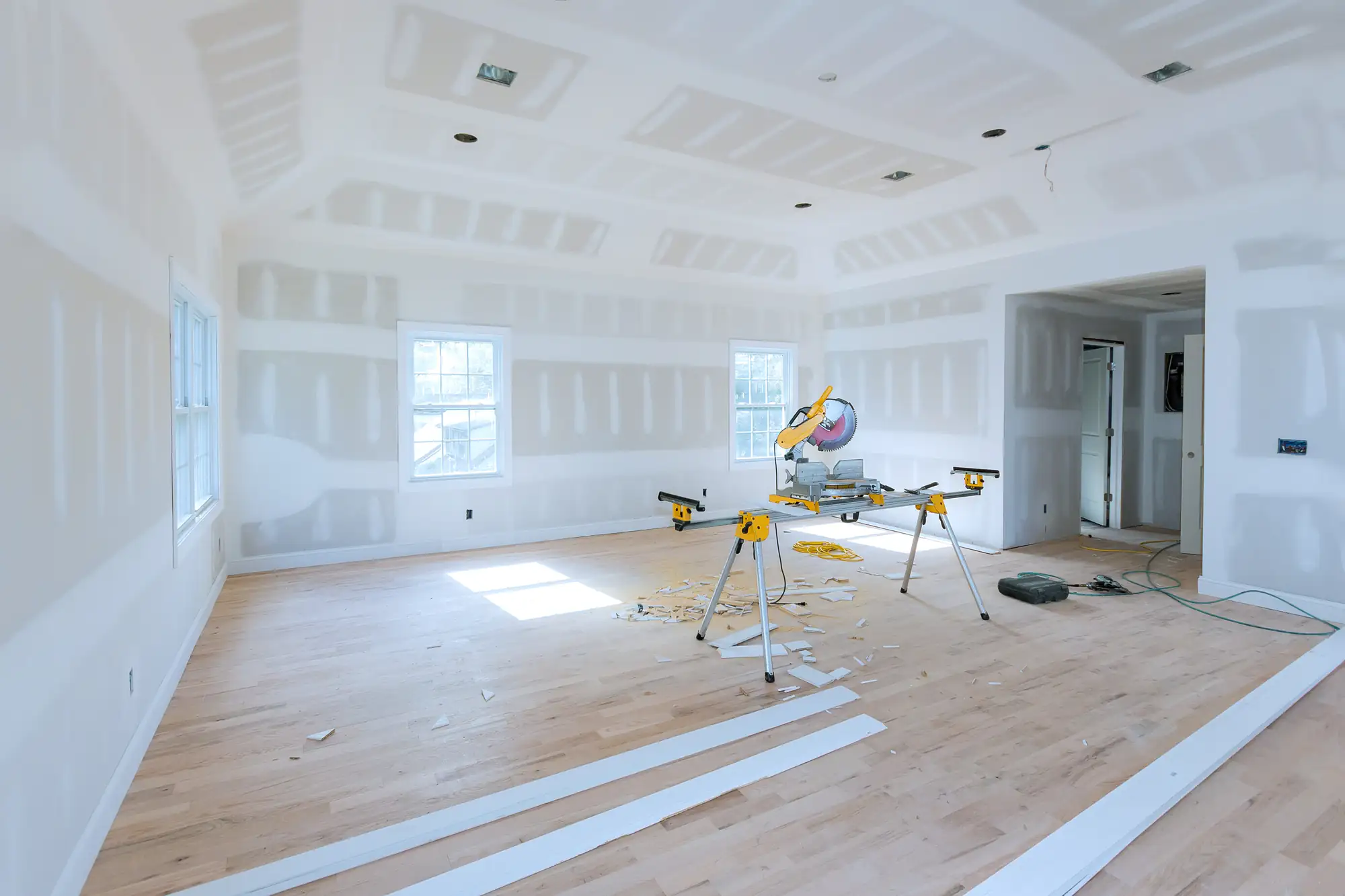
We handle residential sheetrock installation the way it’s supposed to be done. That means proper fastening, careful taping, multiple coats where needed, and sanding that actually gets the surface ready for finish work. No shortcuts. No coming back to fix what we already got paid for.
We’ve been doing interior renovations in Suffolk County for almost ten years. That’s long enough to know what works in homes around here and what doesn’t.
Greenport has a mix of historic homes near the village and newer construction spreading out toward the vineyards. Both need different approaches. Older homes might need plaster repair before sheetrock goes up. Newer builds might need better finishing than the builder provided. We’ve handled both, plenty of times.
What keeps people calling us back isn’t just the work. It’s how we do it. You get a clear price before we start. You get updates when something changes. You don’t get upsold on things you don’t need. That’s not a marketing line—it’s how we’ve stayed busy for nearly a decade without spending a dime on pushy sales tactics.
First, we come look at the space. We’re checking the framing, looking for moisture issues, measuring for material, and talking through what you actually need. If there’s a problem that’ll cause issues later, we tell you now—not after we’ve hung the rock.
Once we agree on scope and price, we schedule the work. We bring in the right sheetrock sheets for the job—moisture-resistant for bathrooms, fire-rated where code requires it, standard for living areas. The sheets go up with proper fastener spacing and staggered seams to prevent cracking.
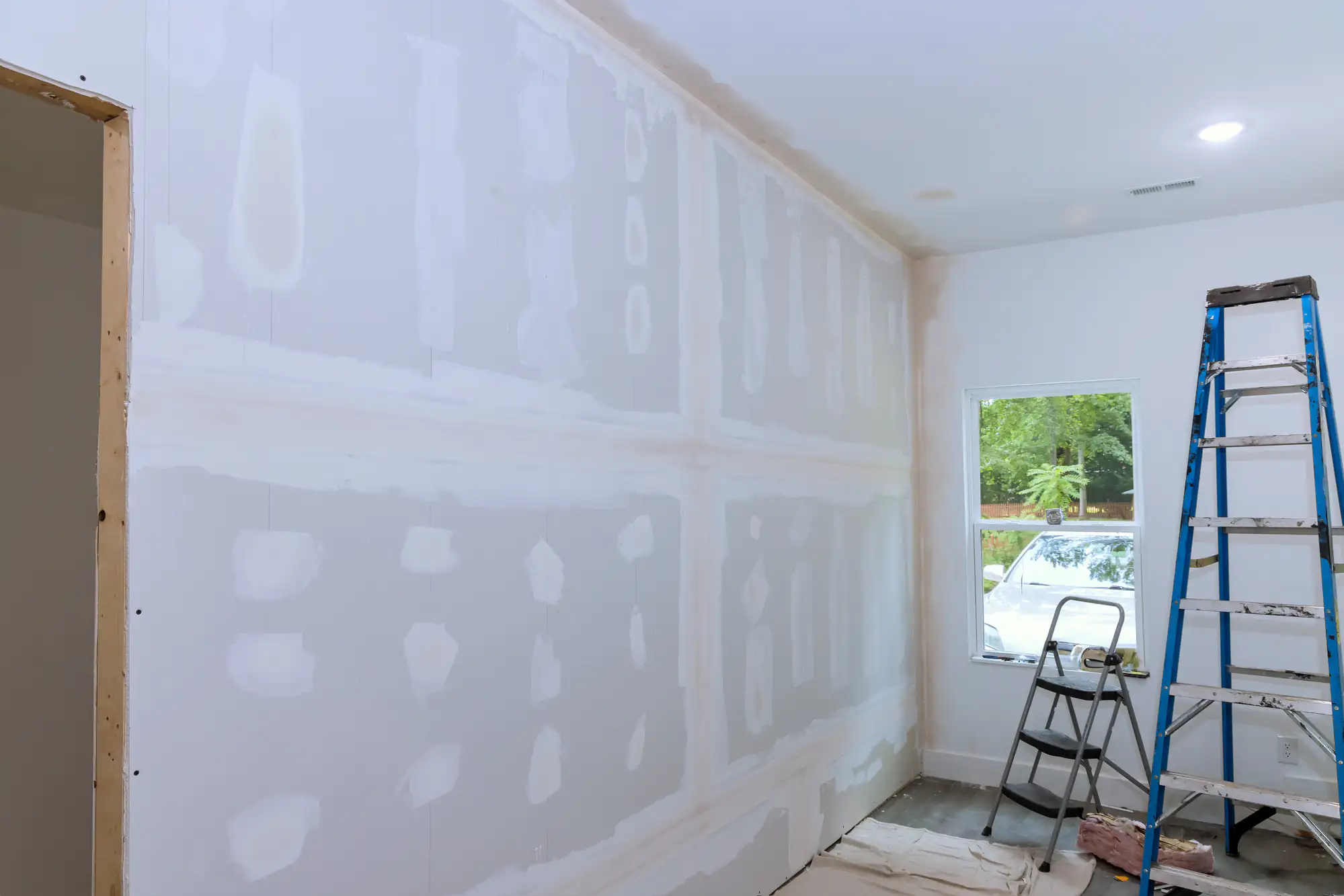
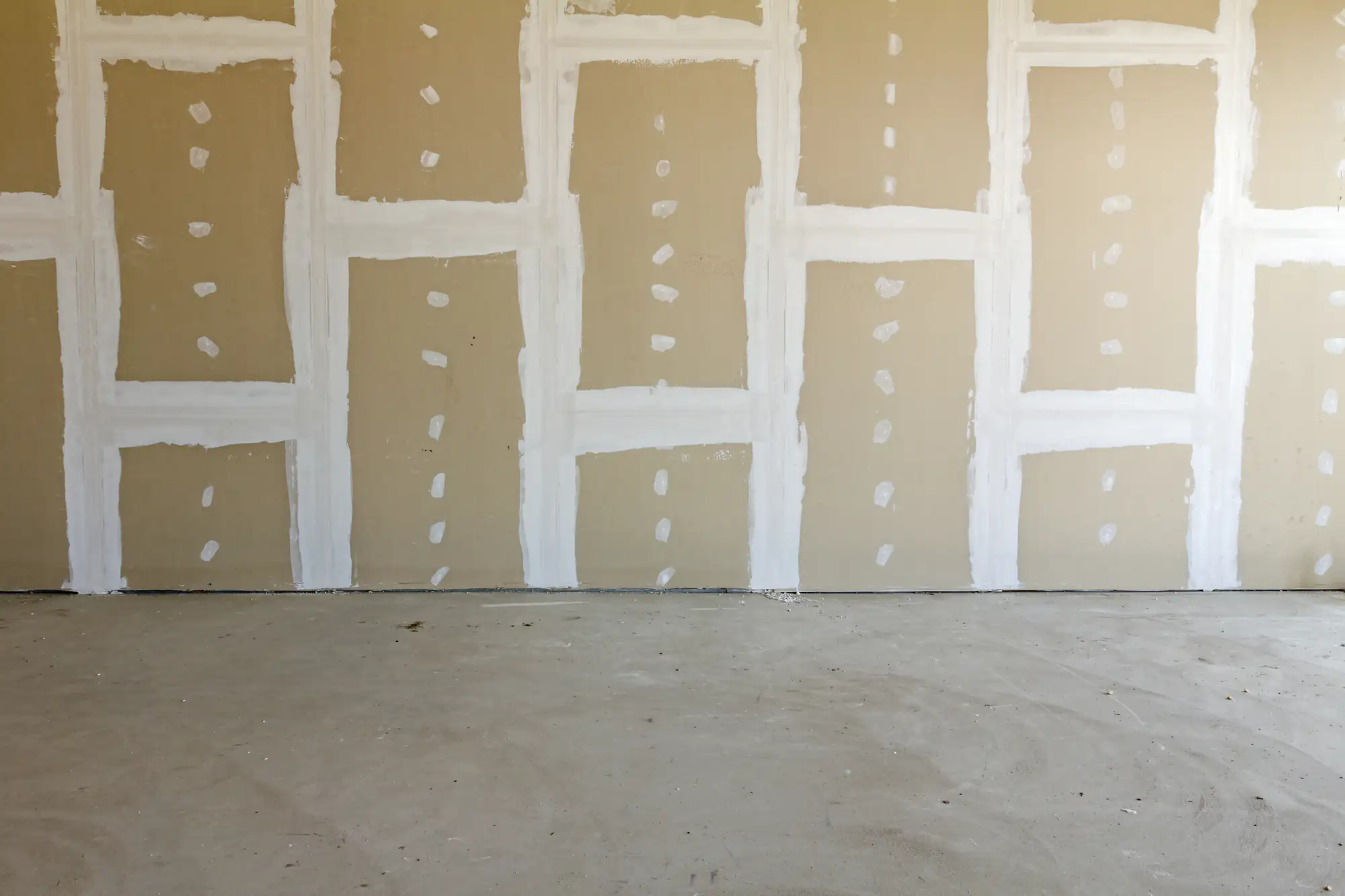
Then comes taping and mudding. This is where most contractors rush. We don’t. First coat embeds the tape. Second coat builds it out. Third coat feathers it smooth. Each layer needs to dry before the next goes on, and each gets sanded properly. The drywall taping compound we use is quality material that doesn’t shrink or crack as it cures.
After final sanding, we prime the surface so it’s ready for your painter—or we handle the painting too if that’s part of your project. You’re left with walls that look clean, feel smooth, and won’t need a fix in six months.
Ready to get started?
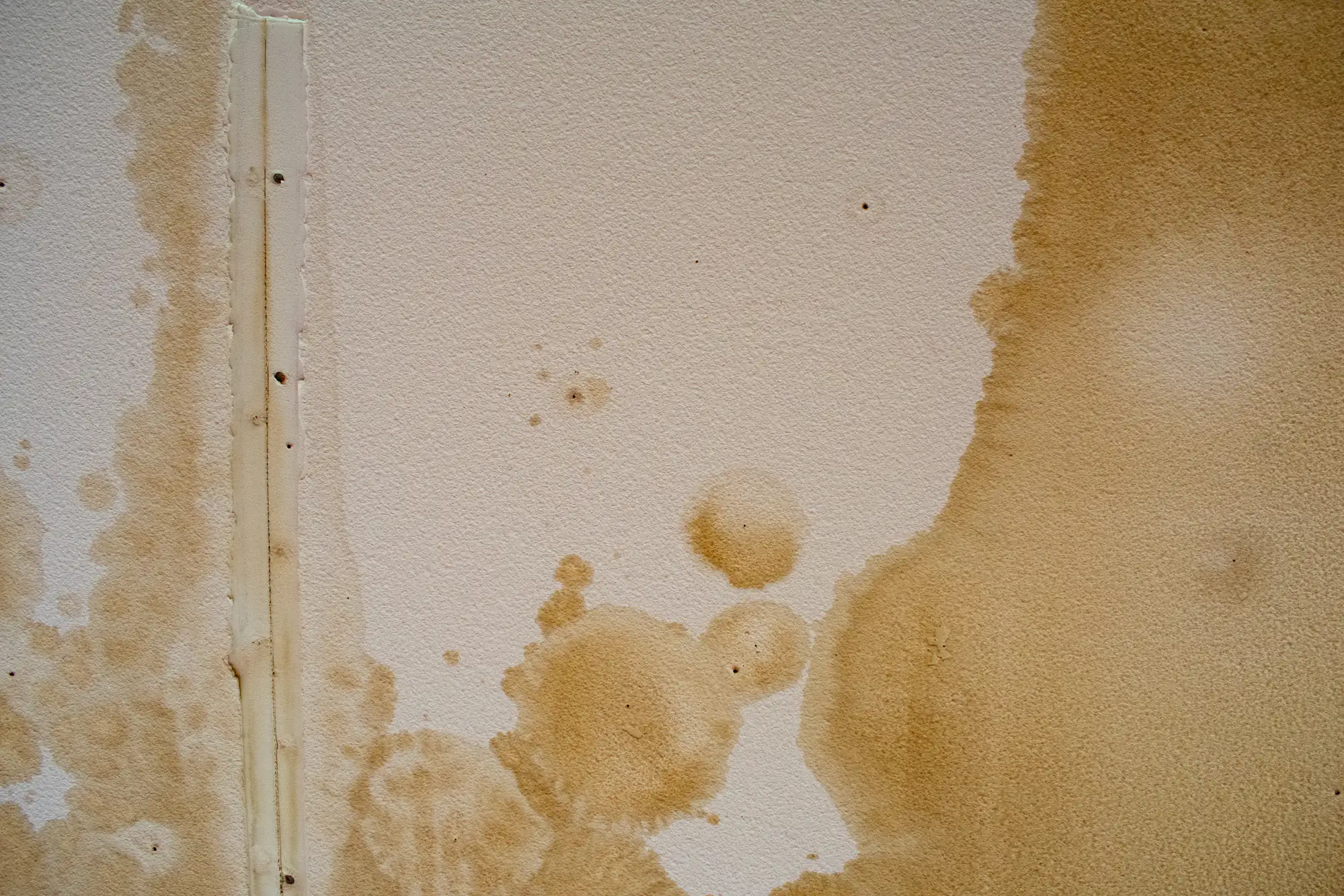
We handle new installations for additions, renovations, and basement finishes. We also do repairs—holes from doorknobs, cracks from settling, water damage, bad texture jobs that need to be redone.
Greenport’s coastal location means homes here deal with more moisture than inland properties. Bathrooms and kitchens need moisture-resistant drywall, not standard sheets. Basements near the water table need careful attention to vapor barriers and mold prevention before any sheetrock goes up. We account for that in every job.
If you’re doing a larger renovation—kitchen, bathroom, whole-floor remodel—we coordinate with the other trades. Electricians and plumbers do their rough-in, we close the walls, then finish work happens. It’s a sequence that has to happen in order, and we make sure it does.
You’re not just hiring someone to screw up panels and slap mud on seams. You’re hiring someone who knows how to prep a surface, match existing textures, work around old plaster, and deliver a finish that’s ready for whatever comes next. That’s what nearly ten years of doing this in Suffolk County gets you—a crew that’s seen it all and knows how to handle it.
It depends on the size of the job, the type of drywall needed, and how much prep work is involved. A small repair might run a few hundred dollars. A full room or basement could be several thousand.
What drives cost is labor and material. Standard half-inch drywall is cheaper than moisture-resistant or fire-rated sheets. A simple patch is faster than matching a skip-trowel texture on a twelve-foot ceiling. If we’re tearing out old plaster or fixing framing issues before we hang new rock, that adds time.
We give you a clear price after we see the space. No range, no “depends on what we find” unless there’s genuinely something hidden we can’t see until we open a wall. And if that happens, we stop and talk to you before we keep going. You’ll know what you’re paying before we start, and that number doesn’t change unless the scope does.
A quick patch fills the hole. A real repair makes it disappear.
If you’ve got a hole in the wall, the fast way is to smear some compound in there, sand it flat, and paint over it. It’ll look okay for a few weeks. Then it’ll shrink, crack, or show a shadow where the repair is because the surface isn’t level with the surrounding wall.
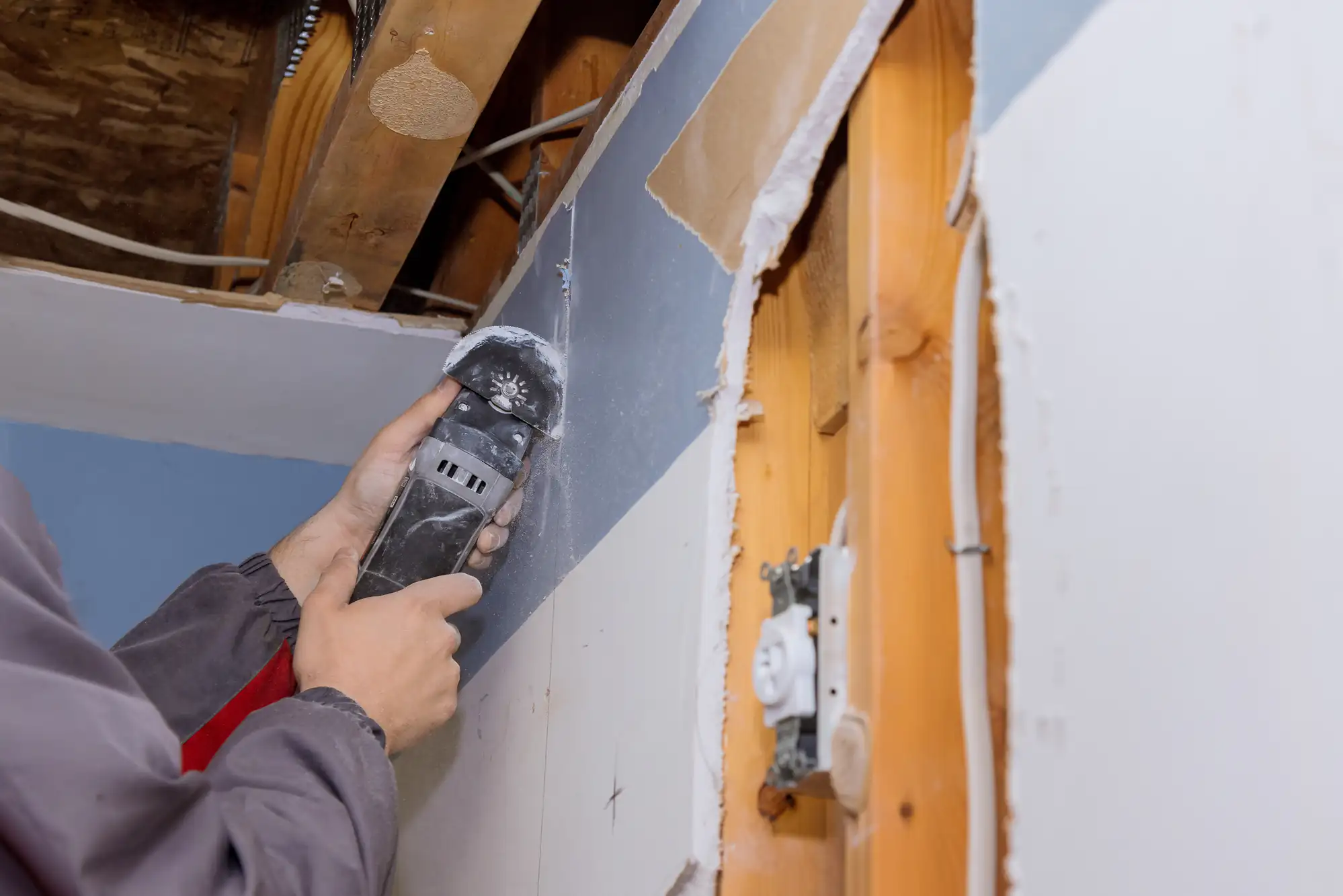
The right way is to cut the damaged area back to solid material, install a backer or new piece of drywall, tape the seams properly, apply multiple coats of compound with drying time between each, sand it smooth, prime it, and then paint. It takes longer. It costs more. But you won’t see it in six months, and you won’t be calling someone else to redo it.
Yes, in most cases. Matching texture is part of the job when you’re doing repairs or additions to existing spaces.
Common textures like orange peel or knockdown are straightforward to replicate. Older hand-troweled textures or custom patterns take more work, but they’re doable. We keep samples of different finishes and test them on scrap before we apply anything to your wall.
The trick is in the application. Too much texture and it stands out. Too little and it looks flat compared to the rest of the room. We take the time to get it right so the repair blends in. If your walls have a smooth finish, we make sure the patched area is just as smooth—no ridges, no visible seams, no difference in how light hits the surface.
A single room might take two to three days. A whole floor or basement could take a week or more, depending on size and complexity.
The actual hanging of the drywall is the fastest part. It’s the finishing that takes time. Each coat of joint compound needs to dry before the next one goes on. Rushing that process leads to cracking and shrinkage. We don’t rush it.
If you need the work done by a certain date—maybe you’ve got flooring scheduled after or a painter lined up—we plan backward from that deadline and tell you if it’s realistic. We’re not going to say yes to a timeline we can’t hit just to get the job. You’ll know upfront how long it’ll take, and we stick to that schedule unless something legitimately unexpected comes up.
It depends on what you’re doing. If you’re patching a hole or replacing a damaged section, probably not. If you’re finishing a basement, adding a room, or doing structural work that involves new walls, yes.
Greenport follows New York State building code, and Suffolk County has its own requirements on top of that. Any work that changes the structure or layout of your home typically needs a permit. That includes framing new walls, moving walls, or finishing previously unfinished space.
We handle permit applications as part of the job if they’re required. It’s not complicated, but it does add time to the schedule—plan for a few weeks between application and approval before work starts. Skipping permits might seem easier, but it causes problems when you go to sell or if you ever need to file an insurance claim. We do it right from the start.
Clear the room as much as you can. Move furniture, take down wall hangings, and cover anything that can’t be moved with plastic. Drywall work creates dust, even with good cleanup.
If we’re working in a basement or unfinished space, make sure we have clear access and enough room to maneuver full sheets of drywall—they’re four feet wide and eight to twelve feet long. Tight stairways or narrow doorways can make material delivery tricky, so we’ll talk through access during the initial visit.
Make sure any electrical, plumbing, or HVAC rough-in is done before we arrive. Once the drywall is up, it’s a lot harder to move a wire or add an outlet. If you’re not sure whether something needs to happen first, ask. We’d rather spend five minutes on the phone talking through the sequence than show up and find out the electrician still needs two days in there.