
Hear from Our Customers
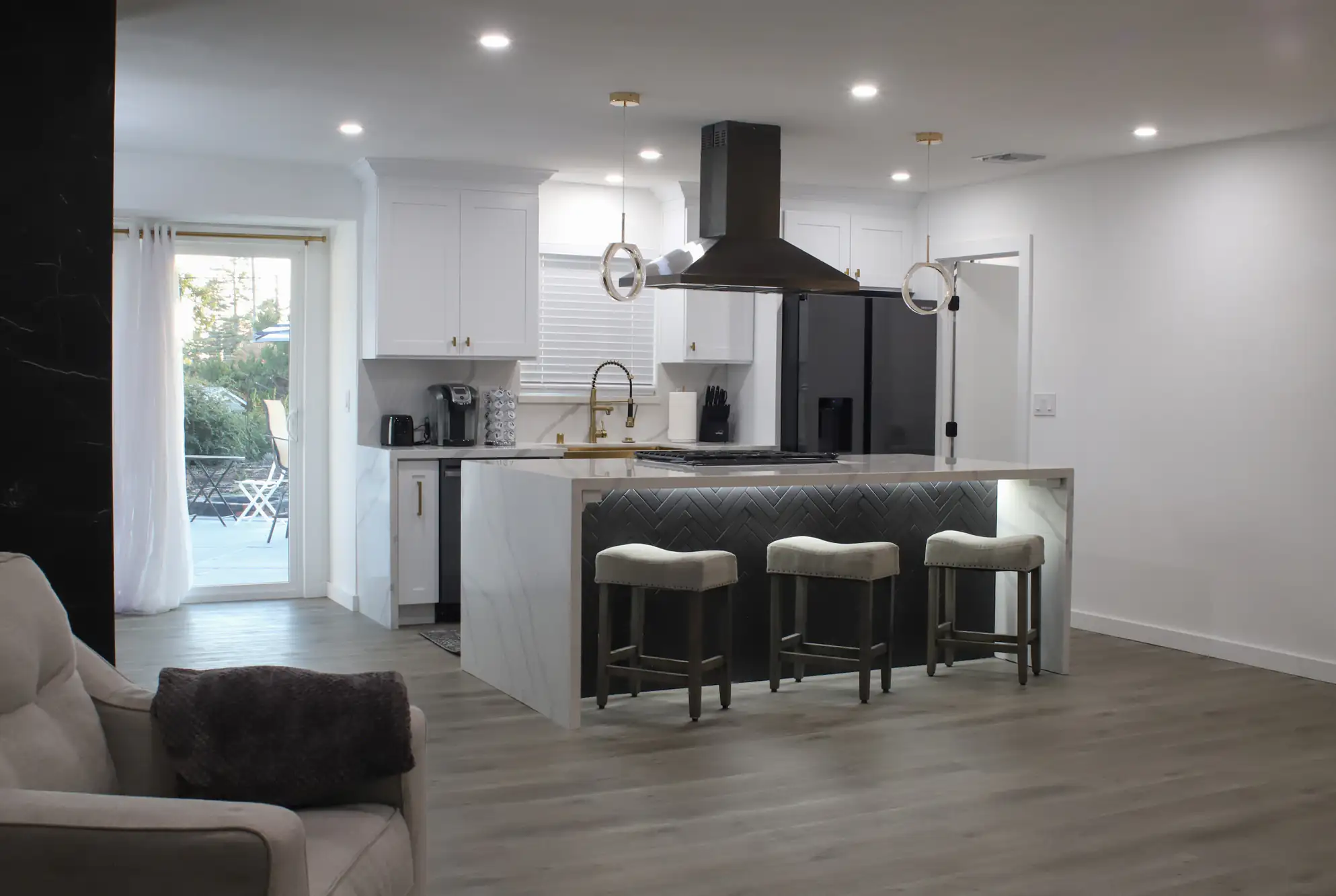
You stop fighting with cabinet doors that won’t close. You stop working around that awkward corner where nothing fits. You actually have counter space when you’re prepping dinner for four instead of playing Tetris with cutting boards.
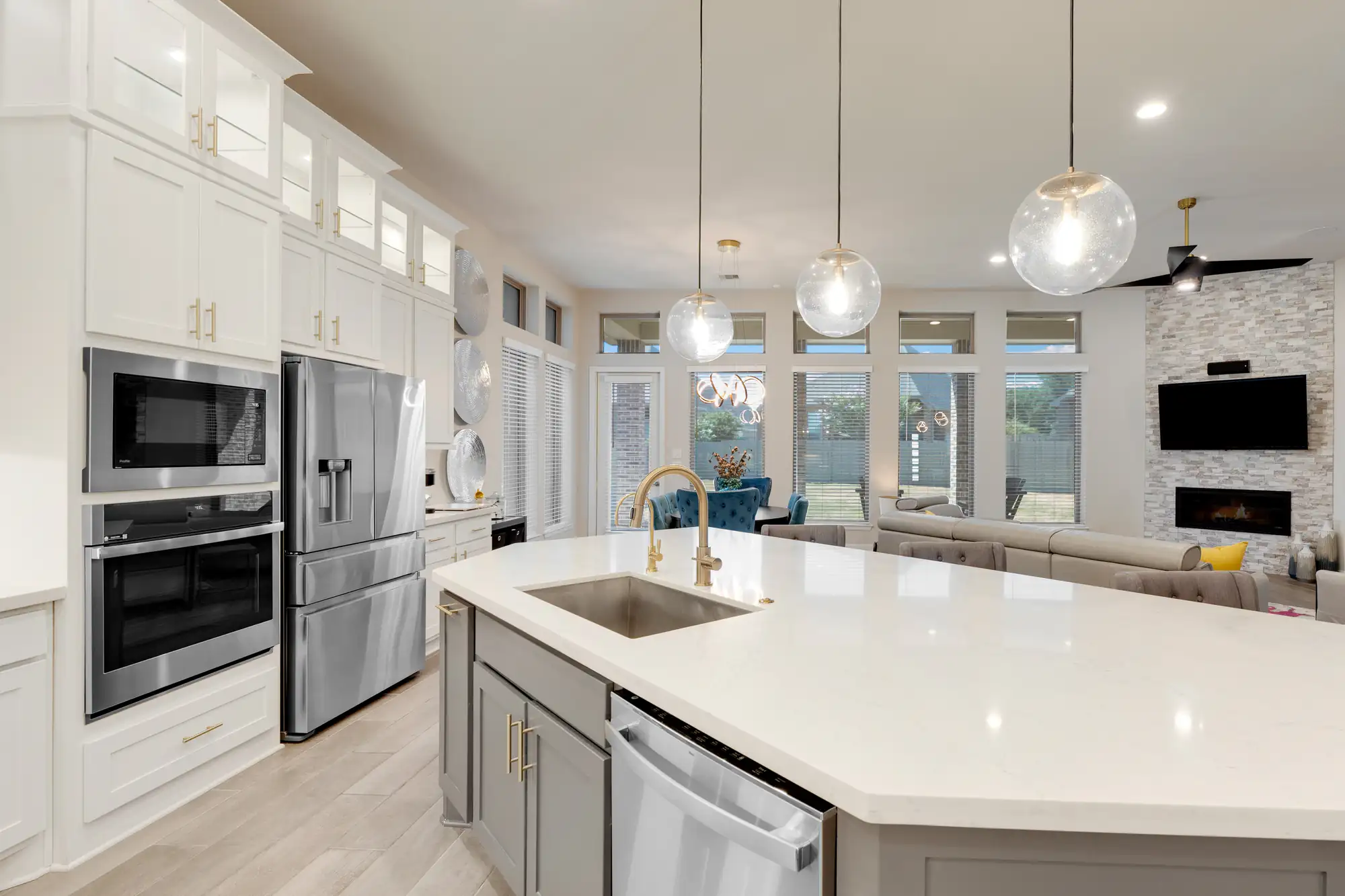
A functional kitchen changes how you move through your day. You’re not annoyed every time you cook. You’re not embarrassed when friends come over. You’ve got storage that makes sense, lighting that works, and a layout designed around how you actually use the space.
The difference shows up in small moments—finding what you need without digging, having room to work, walking into a space that doesn’t immediately frustrate you. That’s what a well-planned kitchen renovation does. It removes friction you didn’t realize you were tolerating every single day.
We’ve been handling kitchen remodels across Suffolk County since 2016. We’re licensed, bonded, and insured—and we’ve worked in enough Islip Terrace homes to know what matters to homeowners here.
You’re not getting a national franchise or a contractor juggling 15 jobs at once. You’re working with a local team that shows up, communicates clearly, and doesn’t disappear halfway through your project. We’ve built our reputation on doing what we say we’ll do, when we say we’ll do it.
Most of our work comes from referrals. That happens when you treat people fairly, price things honestly, and deliver kitchens that hold up years later.
We start with a consultation at your home. You show us what’s not working, we ask questions about how you use your kitchen, and we take measurements. No pressure, no sales pitch—just a conversation about what’s realistic for your space and budget.
From there, we put together a detailed proposal. You’ll see exactly what’s included, what materials we’re using, and what the timeline looks like. If something doesn’t make sense, we explain it. If you want to adjust the scope, we revise it.
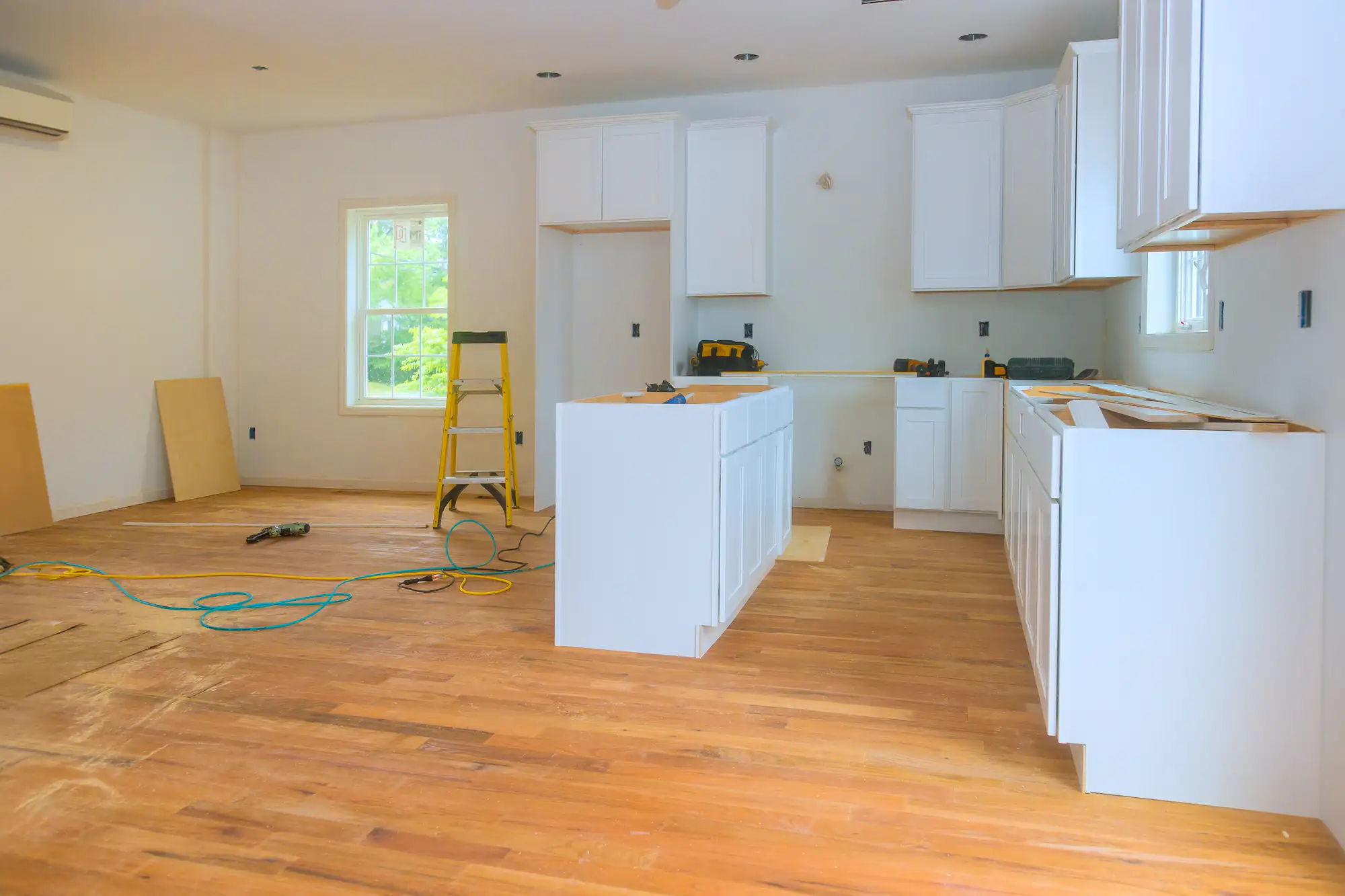
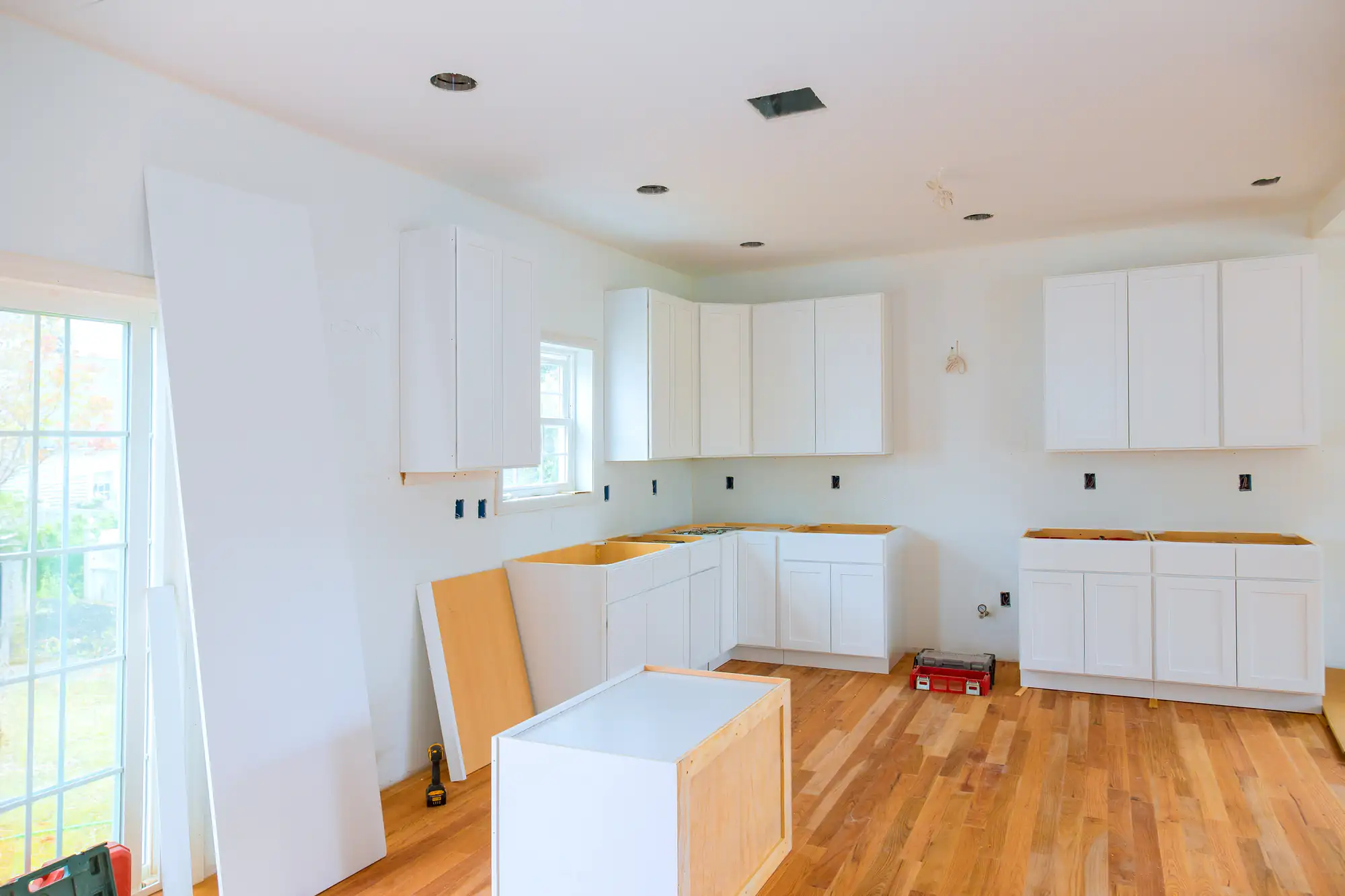
Once you approve the plan, we handle permits and scheduling. Demo happens first—we protect the rest of your home and remove what needs to go. Then comes the build: cabinetry, countertops, backsplash, flooring, lighting, appliances. We coordinate every trade and keep you updated as we move through each phase.
At the end, we walk through everything together. You’ll know how to care for your new surfaces, where shutoffs are, and how everything operates. We don’t consider the job done until you’re confident in your new kitchen.
Ready to get started?
Every kitchen remodel we do in Islip Terrace includes custom cabinet installation designed for your specific layout. You’re not stuck with stock sizes that waste space or create awkward gaps. We build storage solutions around your cookware, your pantry needs, and how you actually organize your kitchen.
Countertops, backsplash, and flooring get selected based on durability and how you use the space. If you’ve got kids who spill everything, we’ll steer you toward materials that can handle it. If you’re cooking daily, we’ll talk about heat resistance and stain protection. These aren’t just aesthetic choices—they affect how your kitchen performs over time.
Lighting matters more than most people realize. We design task lighting for prep areas, ambient lighting for the overall space, and accent lighting where it makes sense. Electrical outlets get placed where you’ll actually use them—not just where code requires them.
Suffolk County homeowners typically invest between $50,000 and $150,000 depending on kitchen size and finishes. We price everything upfront so you can make informed decisions without surprises halfway through construction.
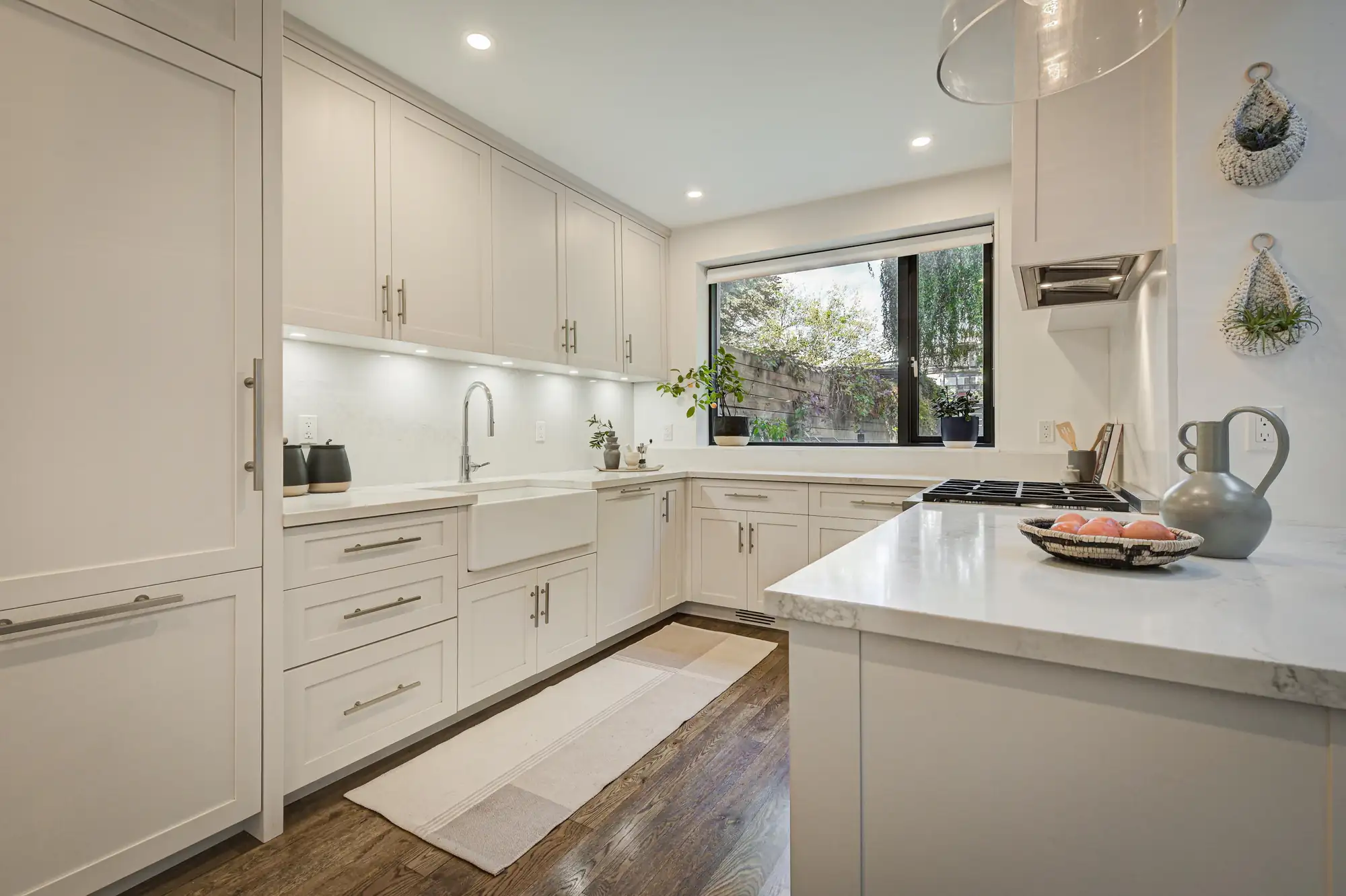
Most full kitchen remodels take 6 to 10 weeks from demo to completion. That timeline depends on the scope—if you’re moving plumbing or gas lines, expect closer to 10 weeks. If you’re keeping the existing layout and swapping cabinets, countertops, and finishes, you’re looking at 6 to 8 weeks.
Custom cabinetry takes 4 to 6 weeks to fabricate after you finalize selections. We order those early so they arrive when we need them. Countertop fabrication adds another 2 to 3 weeks once templates are done.
Weather rarely affects interior work, but material delays can happen. We build buffer time into schedules and communicate immediately if something’s running behind. You’ll know where we are in the process every week.
Underestimating how they’ll actually use the space. People design for how they think a kitchen should look instead of how they’ll move through it daily. That’s how you end up with a gorgeous island that blocks your workflow or cabinets that look great but don’t hold your appliances.
We ask detailed questions during planning: Where do you prep food? Where do you want your coffee station? Do you bake regularly? How many people cook at once? Those answers determine cabinet depth, counter height, outlet placement, and traffic flow.
The other common mistake is choosing materials based purely on appearance. That marble countertop looks incredible, but if you cook with acidic ingredients regularly, it’ll etch and stain. We help you choose finishes that match both your aesthetic and your actual kitchen habits.
Yes, if you’re doing anything beyond cosmetic updates. Moving walls, relocating plumbing, upgrading electrical panels, or changing gas line locations all require permits from the Town of Islip. Even some cabinet installations need permits if they affect structural elements.
We handle the permit process. We pull what’s needed, schedule inspections, and make sure everything meets local code. Suffolk County has specific requirements for ventilation, electrical, and plumbing work—we’ve been navigating those regulations for years.
Skipping permits creates problems when you sell your home. Unpermitted work shows up during inspections and can kill deals or force you to rip out renovations. It’s not worth the risk or the headache. Do it right the first time.
We can absolutely work with your existing layout if it functions well. Keeping plumbing and gas lines where they are saves money and shortens timelines. You can still completely transform the look and functionality with new cabinets, countertops, lighting, and finishes.
That said, if your current layout creates problems—poor workflow, wasted space, awkward traffic patterns—it’s worth considering changes. Moving a sink three feet or relocating your range can dramatically improve how the kitchen works. We’ll tell you honestly whether layout changes will give you enough benefit to justify the added cost.
Some homeowners want to maximize space by removing a wall or expanding into an adjacent area. We handle that too, including structural engineering if needed. The question is always: what will make the biggest difference in how you use this kitchen every day?
Custom kitchen cabinet installation typically runs $15,000 to $40,000 depending on kitchen size, cabinet quality, and complexity. A standard 10×10 kitchen with mid-range cabinets costs around $18,000 to $25,000 installed. Larger kitchens or premium materials push that higher.
Stock cabinets are cheaper but you’re limited to standard sizes. Custom cabinets cost more upfront but they use every inch of available space and last significantly longer. We price both options so you can see the difference and decide what makes sense for your budget and timeline.
Installation includes removal of existing cabinets, any necessary wall prep, mounting new cabinets, installing hardware, and ensuring everything is level and secure. If you’re adding features like pull-out shelves, soft-close hinges, or specialized organizers, those get factored into the total cost.
Start with licensing and insurance. Any contractor working on your home should be licensed, bonded, and insured in New York. Ask for proof. If they hesitate or make excuses, walk away.
Look at how they communicate. Do they answer questions directly? Do they explain costs clearly? Do they return calls within a reasonable timeframe? Communication during the sales process tells you what communication will be like during construction.
Ask for references from recent kitchen remodels, preferably in Suffolk County. Talk to those homeowners. Ask if the contractor showed up when promised, stayed on budget, handled problems professionally, and left the job site clean. Past performance is the best predictor of future results.