
Hear from Our Customers
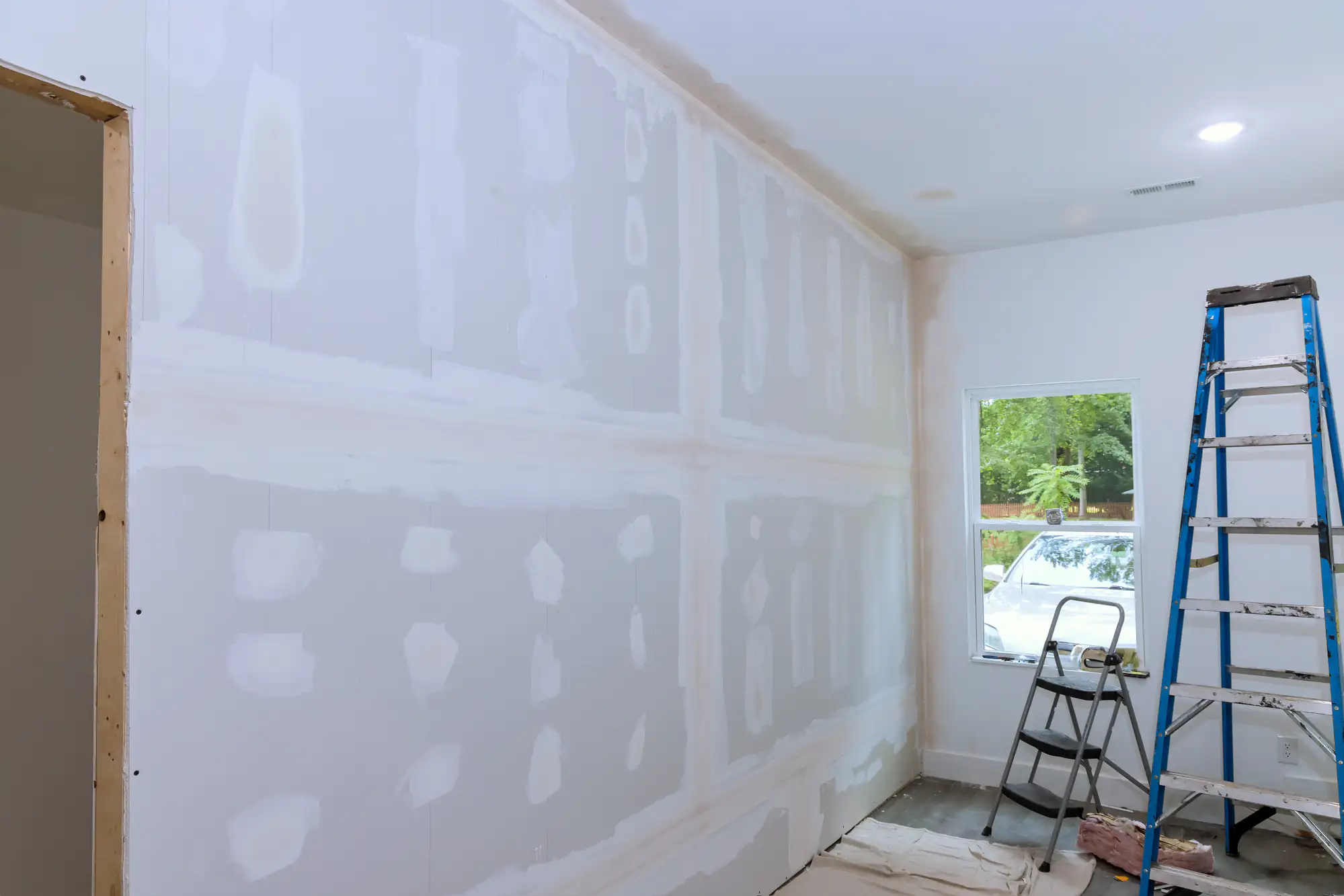
You know what bad drywall looks like. Visible seams after the paint dries. Corners that aren’t quite straight. Texture that doesn’t match the rest of the room.
That’s what happens when the taping compound isn’t applied right or the finishing work gets rushed. You end up repainting sooner than you should, or worse—living with walls that look cheap even though you paid good money.
Good sheetrock work disappears. You shouldn’t see joints, fasteners, or uneven surfaces. The texture should blend. The corners should be crisp. And when the painter shows up, they shouldn’t have to fix anything before they start.
That’s what we do. We handle residential sheetrock installation and commercial projects the same way—with the kind of attention that keeps you from calling someone back to fix it later. You’re not paying for speed. You’re paying for walls that actually look finished.
We’ve been doing interior work across Suffolk County for close to ten years now. Sheetrock, spackling, full remodels—the kind of projects where the details matter and shortcuts show up fast.
Islip Terrace homeowners deal with the same things we see everywhere on Long Island: older homes that settle, water damage from storms, renovations that need to match existing finishes. We’ve worked in enough of them to know what holds up and what doesn’t.
We don’t oversell. We don’t pad estimates with line items you don’t need. You get honest pricing, clear communication, and work that’s done right the first time. That’s how we’ve stayed busy here—by showing up when we say we will and finishing the job the way it should be done.
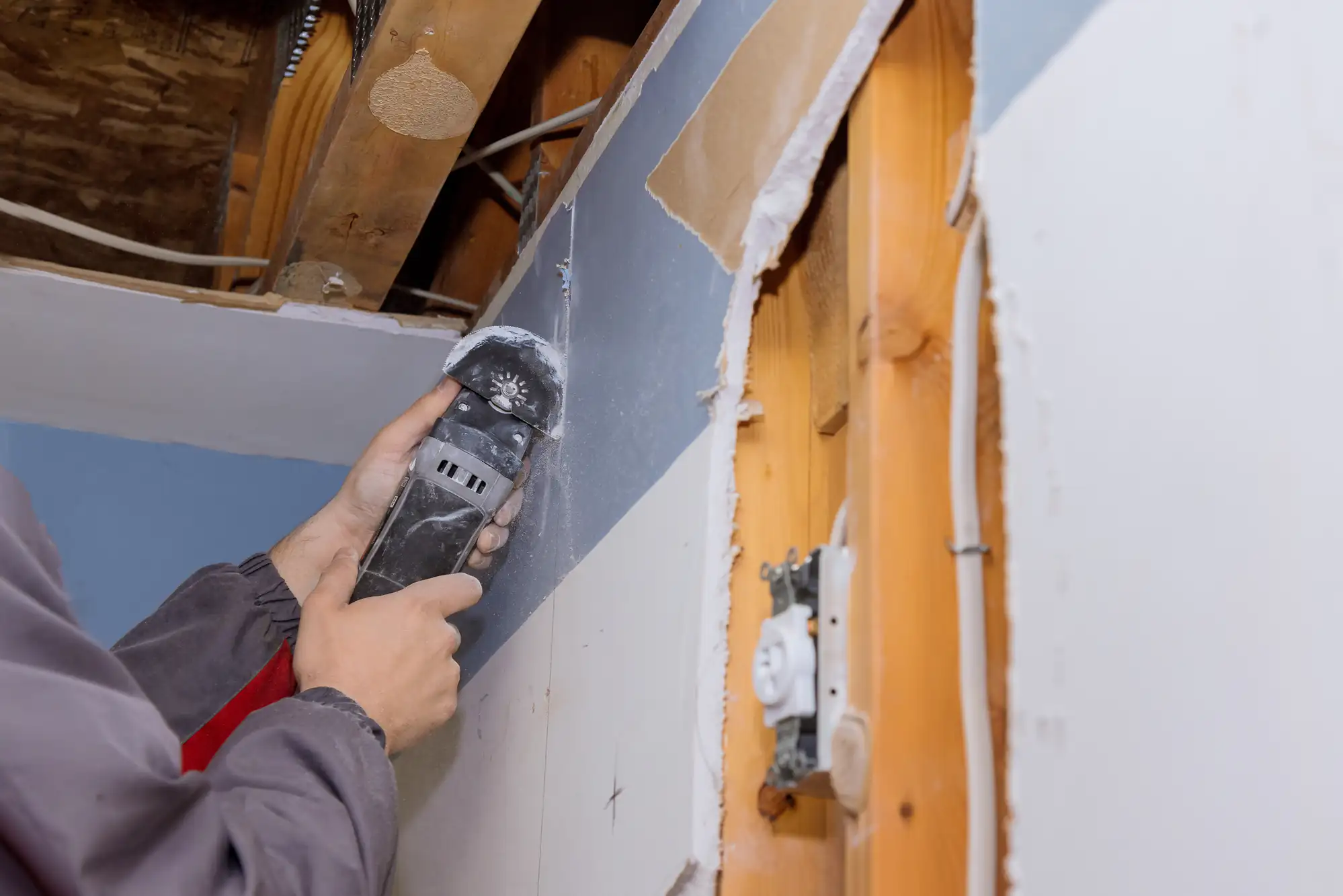
First, we look at the space. We measure, check for any moisture or structural issues, and talk through what you’re trying to accomplish. If there’s old drywall that needs to come down, we handle removal and disposal.
Then we hang the sheetrock sheets. We use the right thickness for the job—half-inch for most walls, five-eighths for ceilings or areas that need fire resistance. Everything gets fastened properly so nothing pops or sags later.
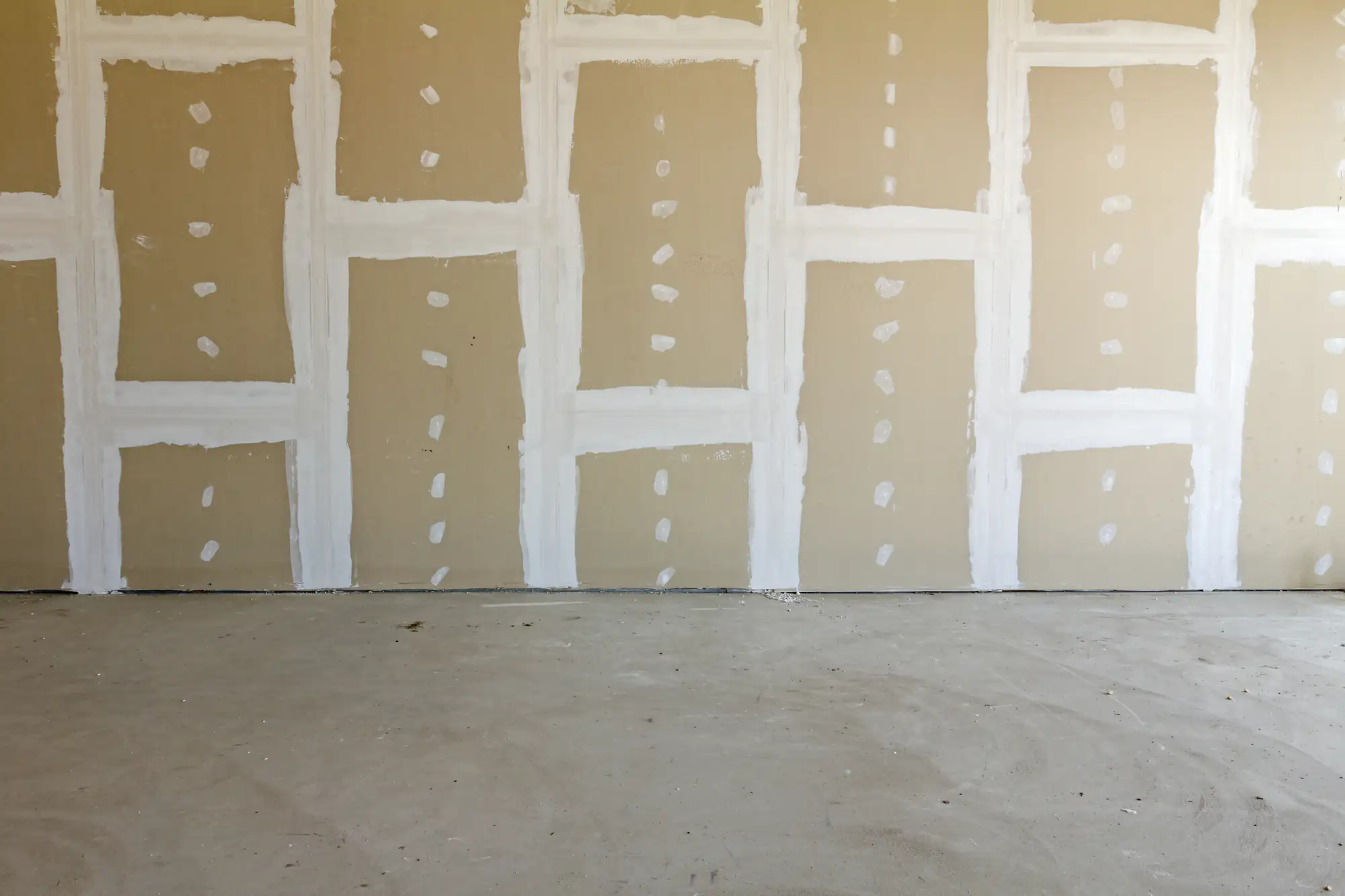
Next comes taping and mudding. This is where most contractors either shine or fall apart. We apply drywall taping compound in layers, sanding between coats until the surface is smooth and the seams are invisible. If you have textured walls, we match them. If it’s a repair, we blend it so you can’t tell where the old wall ends and the new one starts.
Finally, we prime the surface so it’s ready for paint. If you need us to handle the painting too, we do that. If you’ve got your own painter lined up, they’ll have a clean surface to work with and nothing to fix before they start.
Ready to get started?
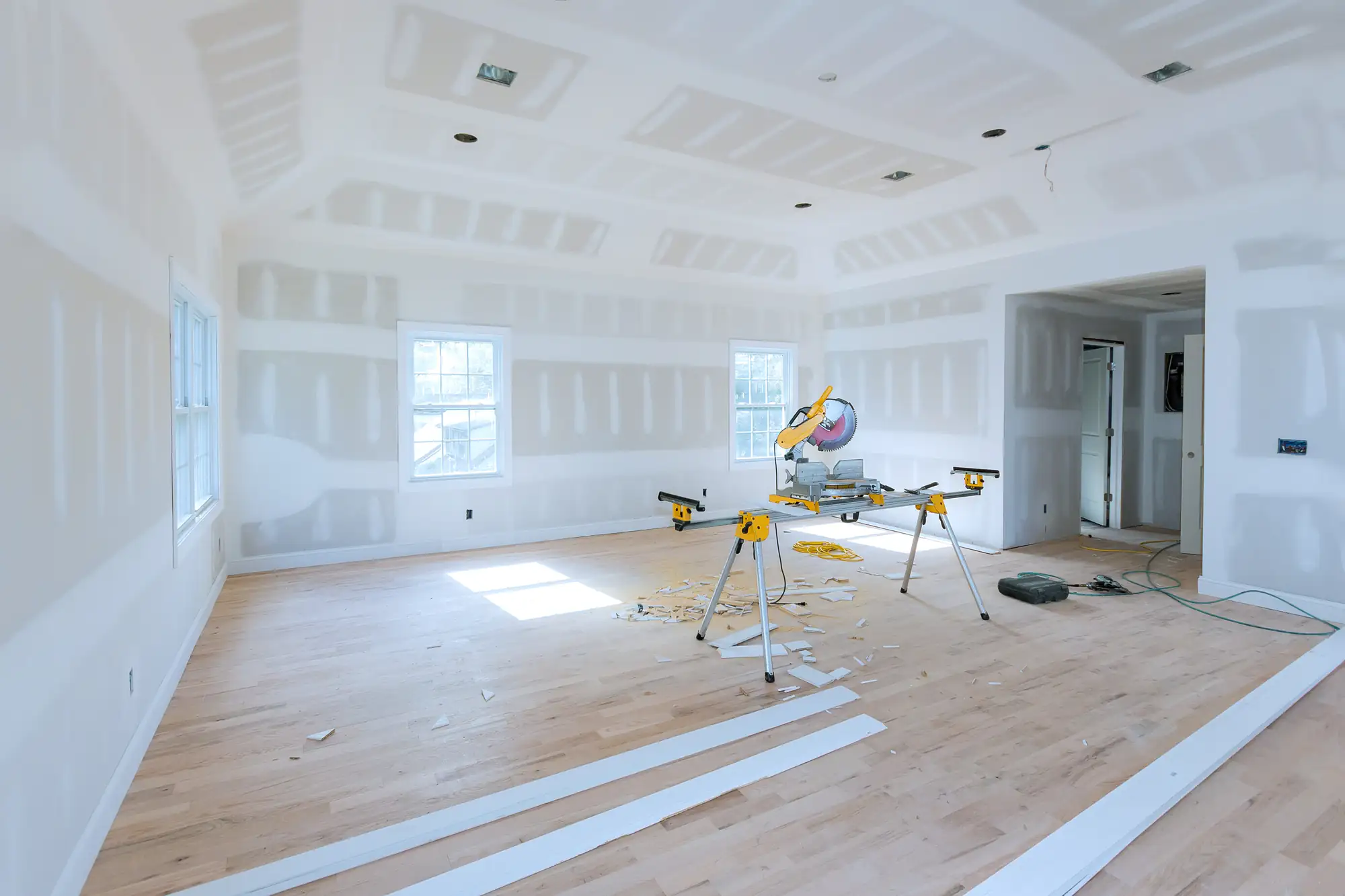
You get full sheetrock installation for new construction or renovations—walls, ceilings, basements, additions. We also handle drywall repair for water damage, cracks from settling, holes from accidents, or texture that’s been damaged over time.
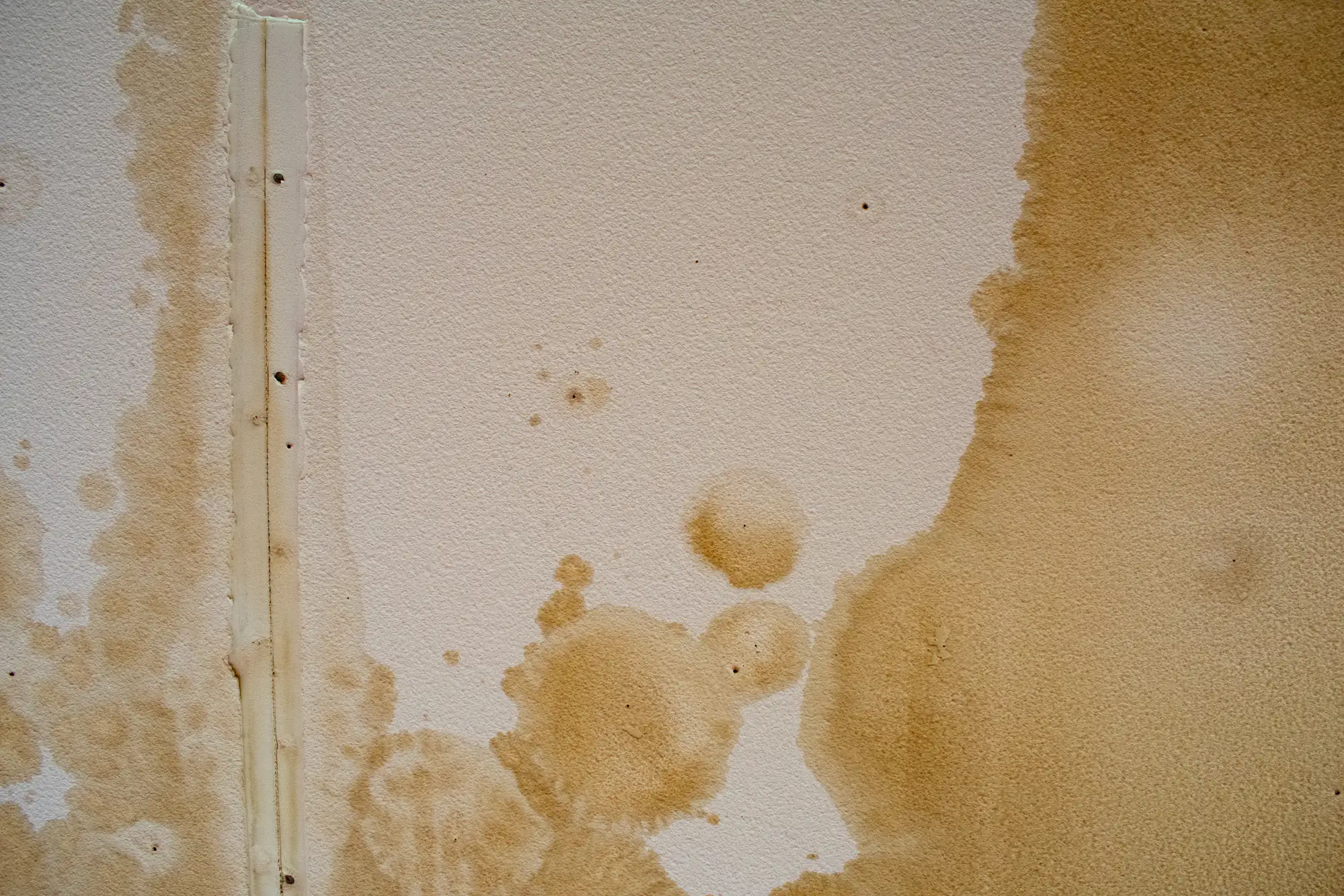
In Suffolk County, water damage is common. Storms, old roofs, plumbing leaks—they all leave stains and soft spots that need more than a quick patch. We cut out the damaged section, check for mold, replace it with new material, and finish it so it blends with the surrounding wall.
For older homes in Islip Terrace, matching existing textures is a big part of the job. Knockdown, orange peel, skip trowel—we’ve done them all. We don’t just slap mud on the wall and hope it looks close. We take the time to match the pattern so the repair actually disappears.
Commercial drywall installation is a different animal. Larger spaces, tighter timelines, coordination with other trades. We’ve handled office build-outs, retail spaces, and multi-unit properties where the schedule matters as much as the quality. You get the same level of finish, just scaled to fit the scope of the project.
Most residential projects run between $1.50 and $3.50 per square foot for material and labor combined. That includes hanging, taping, mudding, and finishing—basically everything except paint.
Smaller repairs cost less. Fixing a hole or patching water damage usually falls between $200 and $550 depending on the size and how much prep work is involved. If we’re removing old drywall first, that adds another $0.40 to $1.25 per square foot.
Larger rooms or full-home projects bring the per-square-foot cost down because there’s less setup and fewer transitions. A big basement or open-concept remodel is more efficient than patching three small areas in different rooms. We give you a flat quote upfront so you know exactly what you’re paying before we start.
A single room usually takes two to four days depending on the size and whether we’re doing walls, ceilings, or both. That includes hanging, taping, mudding, sanding, and priming.
The mudding process is what takes time. Each coat of drywall taping compound needs to dry before we can sand it and apply the next one. Rushing that step is how you end up with visible seams and uneven surfaces. We don’t skip drying time just to finish faster.
Larger projects like basements or whole-home renovations take longer—sometimes a week or two depending on square footage and how much coordination is needed with other trades. We’ll give you a realistic timeline upfront and keep you updated if anything changes. Most delays come from things like unexpected water damage or structural issues we find once the old walls are open.
Yes. Matching texture is one of those things that separates a decent drywall contractor from one who actually knows what they’re doing.
We start by looking at the existing finish—knockdown, orange peel, skip trowel, or something custom. Then we test the pattern on a scrap piece or in a closet until it matches. The trick is getting the right consistency in the mud and using the same application technique. Too thick and it looks heavy. Too thin and it won’t hold the pattern.
Once we’ve dialed it in, we apply it to the repair area and blend the edges so there’s no hard line where the new texture starts. After it dries and gets painted, you shouldn’t be able to tell where we worked unless you’re really looking for it. That’s the standard we hold ourselves to on every repair in Islip Terrace and across Suffolk County.
Nothing, really. Sheetrock is a brand name that became the common term for drywall, kind of like how people say Kleenex instead of tissue.
Both refer to gypsum board panels used for interior walls and ceilings. The core is made of gypsum plaster pressed between two sheets of heavy paper. It’s fire-resistant, relatively inexpensive, and easy to work with compared to older methods like plaster and lath.
You’ll also hear it called gypsum board, wallboard, or plasterboard depending on who you’re talking to. Contractors tend to say drywall. Homeowners usually say sheetrock. We use both terms interchangeably because everyone knows what we’re talking about. What matters more than the name is how it’s installed—and that’s where the quality of the contractor makes all the difference.
Yes, and it’s one of the most common calls we get. Long Island weather is tough on homes—nor’easters, heavy rain, humidity in the summer. All of it finds its way into walls eventually.
Water-damaged drywall needs to be cut out and replaced, not patched over. If the material is soft, stained, or sagging, it’s compromised. Painting over it won’t fix the problem. We remove the damaged section, check the framing and insulation behind it for mold or rot, treat anything that needs it, and install new sheetrock.
Then we finish it to match the surrounding wall so you can’t tell anything was ever wrong. If the damage came from a roof leak or plumbing issue, we’ll let you know what we see so you can get that fixed before it happens again. We’ve seen too many homeowners pay for drywall repair twice because the source of the water never got addressed.
We do. Residential sheetrock installation is most of what we handle—basements, kitchens, bathrooms, additions, whole-home remodels. But we also take on commercial drywall installation for offices, retail spaces, and multi-unit buildings.
The process is similar, but commercial jobs usually involve larger square footage, tighter deadlines, and more coordination with other contractors. You’re working around electricians, plumbers, HVAC crews—everyone’s on a schedule and delays cost money.
We’ve done enough of both to know how to move fast without cutting corners. You still get clean seams, straight corners, and smooth finishes. The difference is scale and timeline, not quality. If you’re a property manager or business owner in Suffolk County who needs drywall work done right and done on time, we can handle it.