
Hear from Our Customers
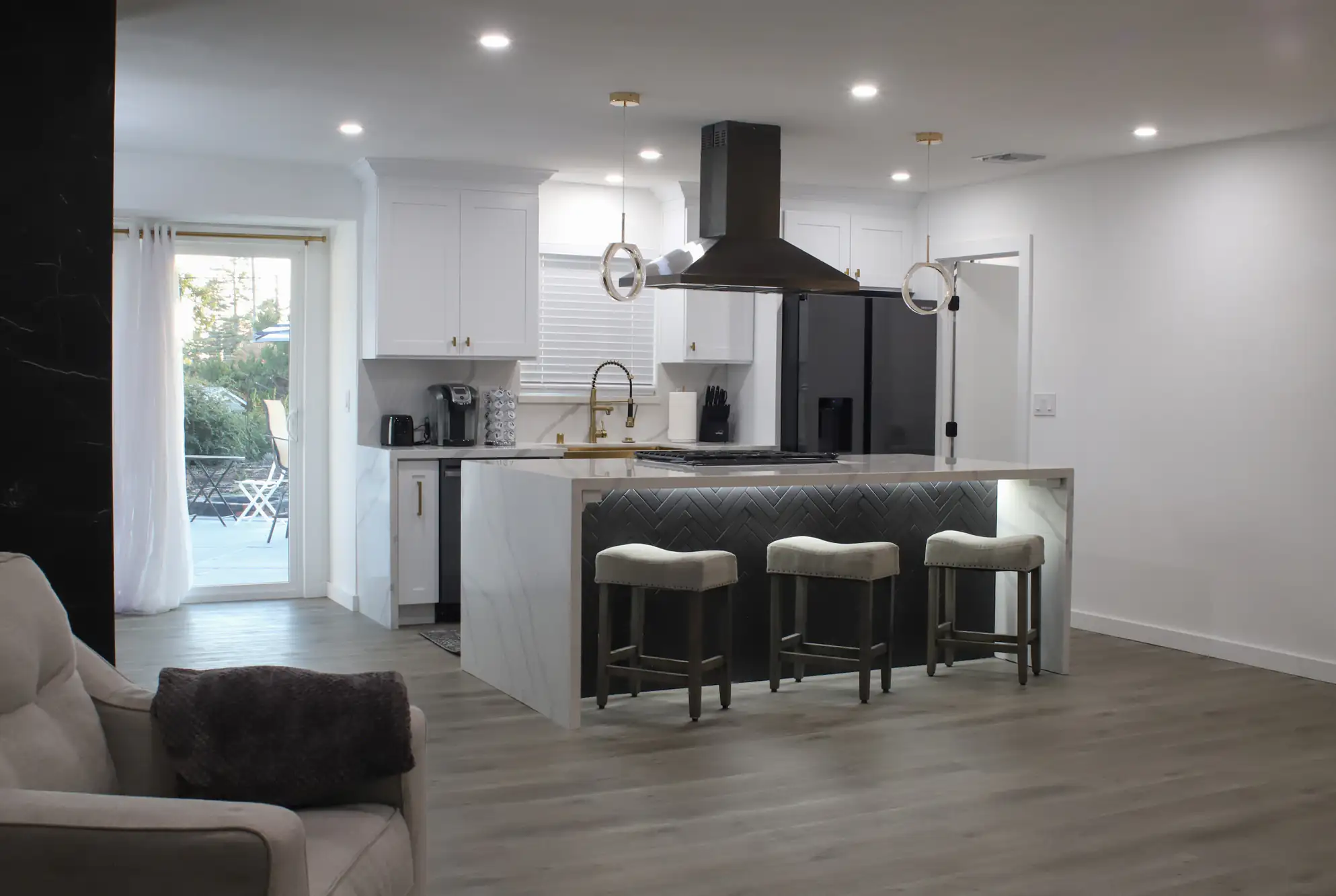
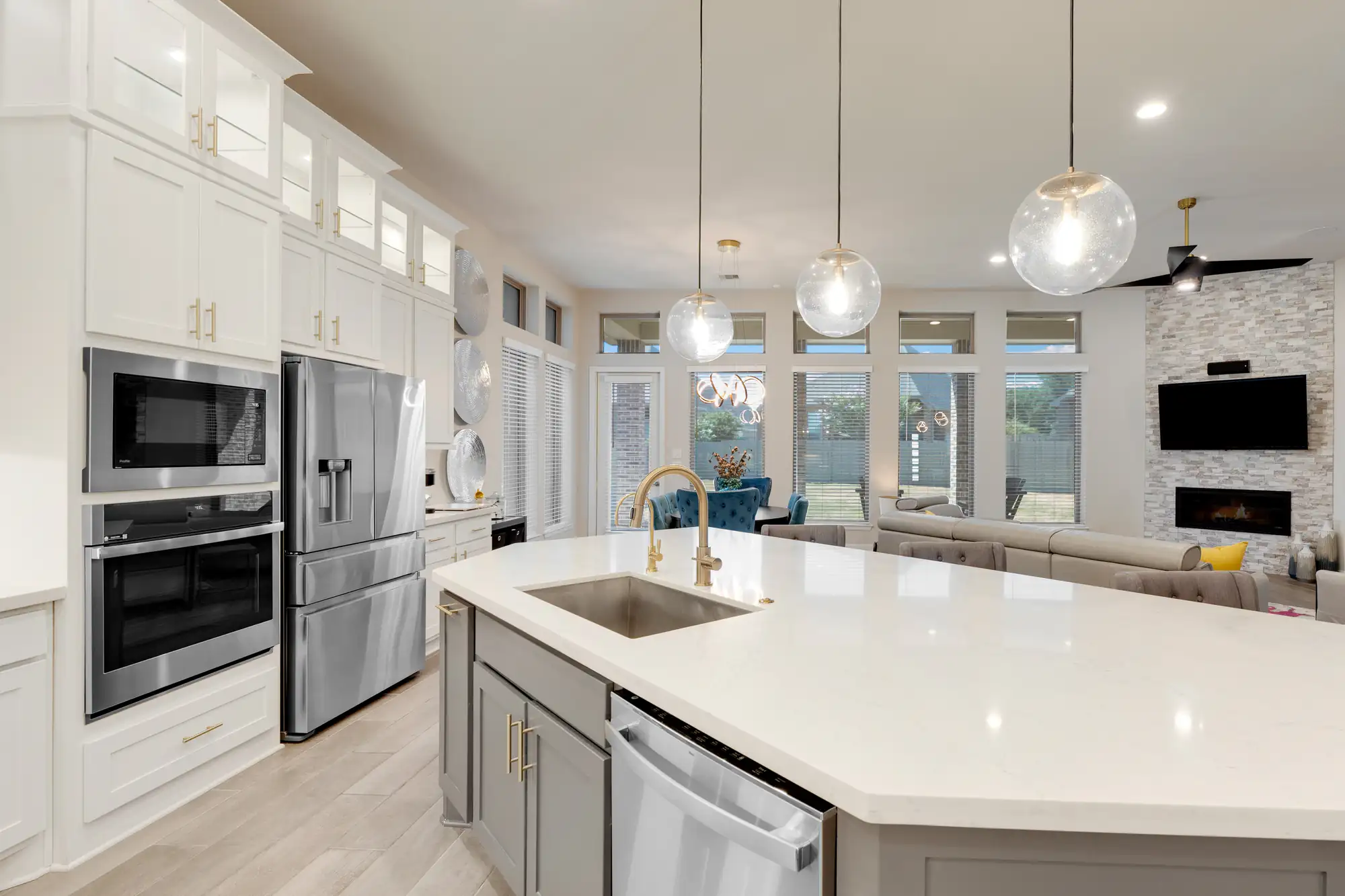
You’re not just getting new cabinets or countertops. You’re getting a space that changes how your entire house feels when you walk through the door.
The kitchen you’re picturing—the one that’s functional, beautiful, and actually suits how you live—that’s what happens when the job is done by people who know what they’re doing. No surprises halfway through the project. No “we didn’t realize that would cost extra” conversations. Just clear communication from the first meeting to the final walkthrough.
Most homeowners in St. James are dealing with kitchens that haven’t been touched in 15 or 20 years. The layout doesn’t make sense anymore. The cabinets are falling apart. The whole room feels stuck in another decade. A proper kitchen remodel fixes all of that—and it does it without the chaos you’re probably worried about.
We’ve spent nearly 10 years working on homes across Suffolk County. We’re not a national franchise or a crew that showed up last year. We know the neighborhoods in St. James, the common issues with older homes here, and what it takes to get permits and inspections handled correctly.
You’ve probably gone through a few contractors before finding someone you actually trust. That’s normal. What’s not normal is finding a kitchen remodeling company that communicates clearly, shows up when they say they will, and doesn’t try to upsell you on things you don’t need.
We handle everything—design, demolition, custom carpentry, cabinet installation, countertops, flooring, plumbing, electrical. You’re not coordinating five different companies. You’re working with one team that’s accountable for the entire project.
First, we come to your house in St. James and walk through what you want. Not what we think you should want—what actually matters to you. We measure everything, talk through your budget, and figure out what’s realistic.
Then we put together a design and a detailed estimate. No vague line items. No “we’ll figure that out later.” You’ll know what you’re paying for before anything starts.
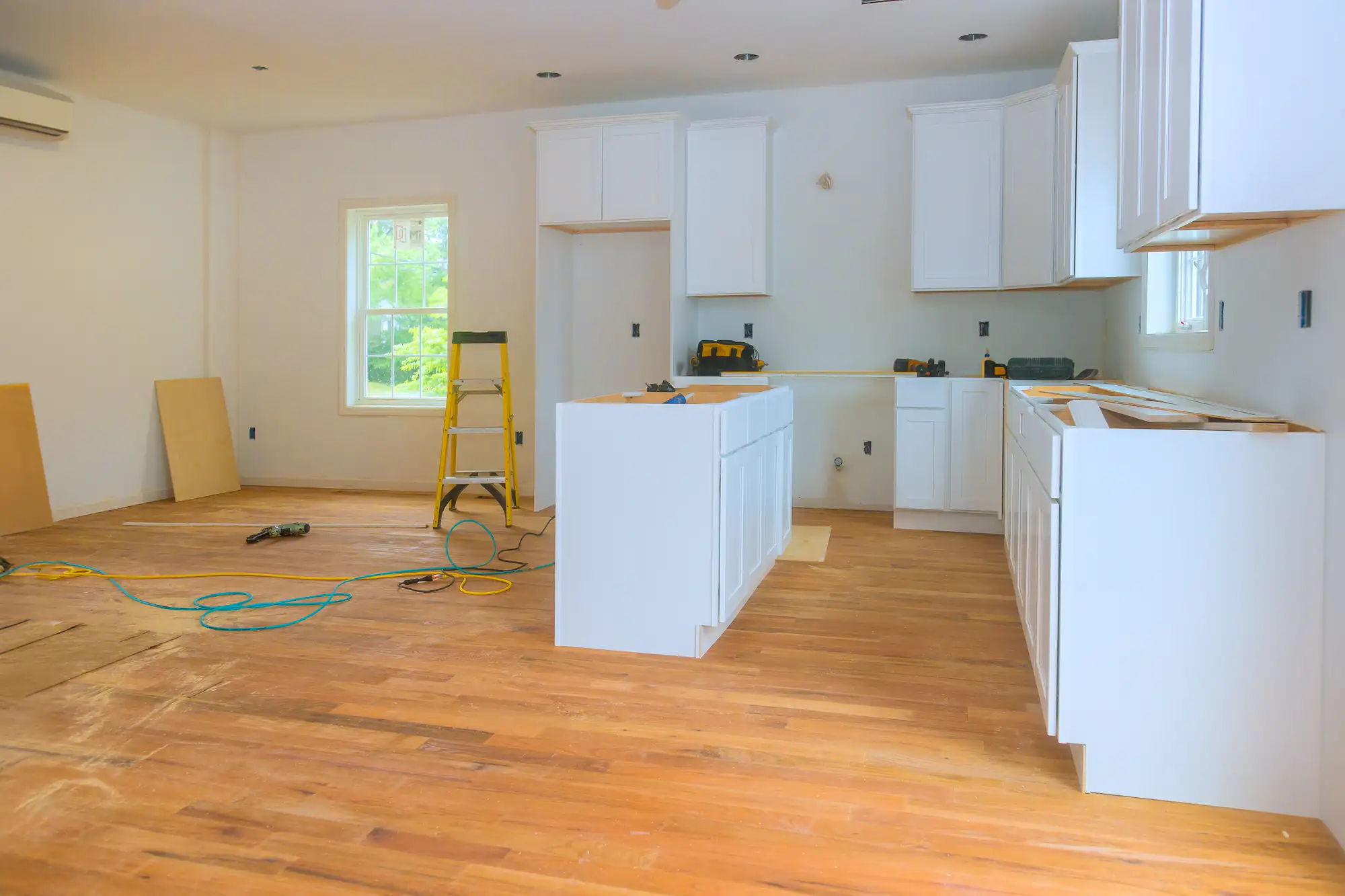
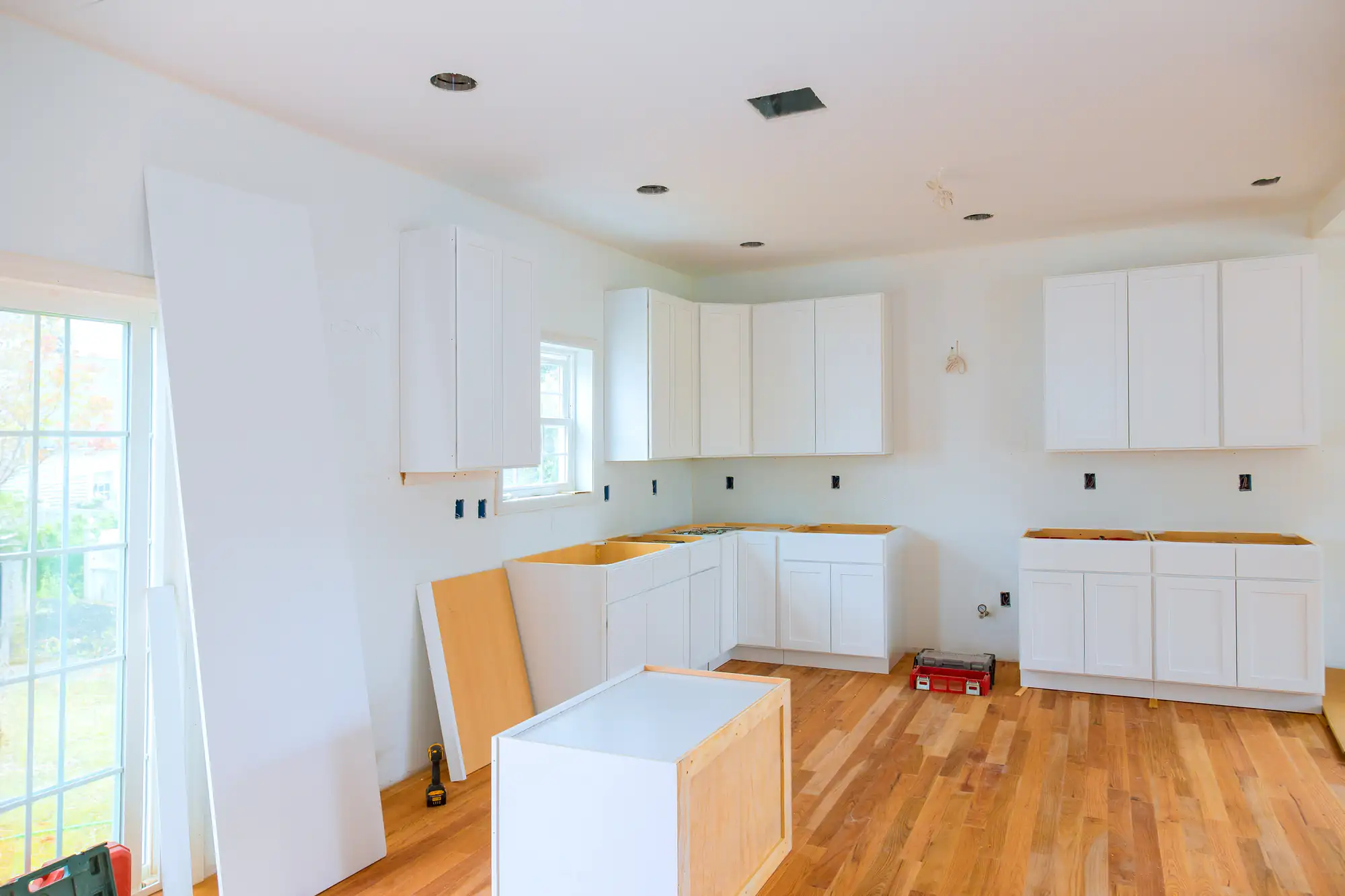
Once you’re ready to move forward, we handle the permits and scheduling. Demo happens first—out with the old. Then we start rebuilding: framing, electrical, plumbing, drywall. After that comes the finish work: custom kitchen cabinets installation, countertops, backsplash, flooring, paint.
The whole process typically takes anywhere from a few weeks to a couple of months depending on the scope. We’re not the fastest crew in Suffolk County, but we’re thorough. You’ll know what’s happening at each stage, and if something comes up—like old plumbing that needs replacing—we’ll talk through it with you before moving forward.
Ready to get started?
A complete kitchen renovation covers more than most people realize. You’re not just swapping out cabinets. You’re often dealing with layout changes, new electrical for updated lighting and appliances, plumbing for sinks and dishwashers, and structural work if you’re opening up walls.
In St. James, a lot of homes were built in the 60s, 70s, and 80s. That means you’re sometimes dealing with outdated wiring, old cast iron plumbing, or floors that aren’t level. A good kitchen remodel contractor accounts for all of that upfront so you’re not surprised when the walls come down.
Our kitchen renovation services include everything from design and layout planning to custom kitchen cabinets installation, countertop fabrication and installation, tile work, flooring, painting, and trim carpentry. We also coordinate with electricians and plumbers who we’ve worked with for years—people we trust to do the job right.
Cabinets typically eat up the biggest chunk of your budget, sometimes close to 30% of the total cost. That’s why we spend time helping you find options that fit your style and your budget without sacrificing quality. You’re not getting pressured into the most expensive option. You’re getting honest advice about what makes sense for your home.
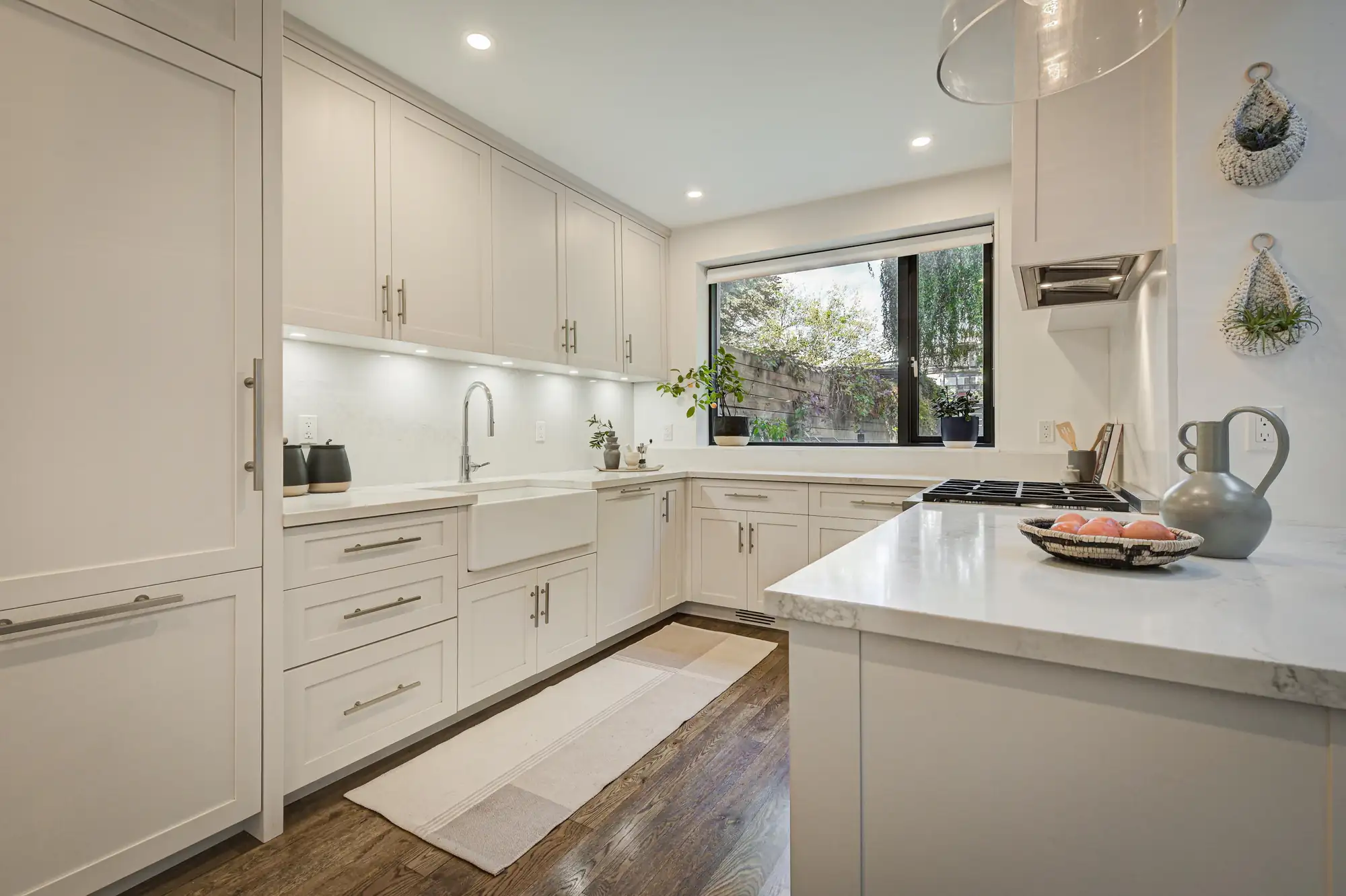
Most kitchen remodeling projects in St. James and the surrounding Suffolk County area run anywhere from $35,000 to over $100,000 depending on the size of your kitchen and what you’re changing. A smaller kitchen with basic updates—new cabinets, countertops, and appliances—will land on the lower end. A full gut renovation with layout changes, custom cabinetry, high-end finishes, and structural work will cost significantly more.
Here’s what drives the price up: moving plumbing or gas lines, taking down walls, upgrading electrical panels, custom carpentry, and premium materials. Here’s what keeps it reasonable: working with your existing layout, choosing stock or semi-custom cabinets, and keeping the footprint the same.
We always recommend setting aside 10 to 20% of your total budget for unexpected issues. It’s not uncommon to find old plumbing that needs replacing, outdated wiring that doesn’t meet code, or subfloor damage once the old flooring comes up. Planning for that ahead of time means you’re not scrambling when it happens.
A typical kitchen remodel takes anywhere from four to eight weeks once work starts, but that timeline shifts depending on the scope of your project. If you’re doing a simple refresh—new cabinets, countertops, backsplash, and paint—you’re looking at the shorter end. If you’re reconfiguring the layout, moving appliances, or dealing with structural changes, expect closer to two or three months.
Delays happen. Materials get backordered. Inspections take longer than expected. Hidden issues pop up once the walls are open. A realistic contractor will tell you that upfront instead of promising a timeline they can’t hit.
The other thing that affects timing is decision-making. If you’re still picking out tile or cabinet hardware three weeks into the job, that pushes everything back. The faster you make selections, the faster we can keep moving. We’ll give you a clear timeline during the planning phase and keep you updated if anything changes.
Yes, and it’s one of the smartest ways to control costs if your current layout already works. Keeping your sink, stove, and fridge in the same spots means you’re not paying to reroute plumbing, gas lines, or electrical. That alone can save you thousands of dollars.
Most kitchens don’t actually need a layout change. What they need is better cabinets, updated countertops, new flooring, and improved lighting. Swapping out old cabinets for custom kitchen cabinets that use your space more efficiently makes a massive difference. Adding under-cabinet lighting, a new backsplash, and modern fixtures completely transforms the look without touching a single pipe.
That said, if your layout genuinely doesn’t work—if your work triangle is awkward, you don’t have enough counter space, or the flow just feels off—then it’s worth considering a reconfiguration. We’ll walk through your space and give you an honest assessment of whether a layout change makes sense or if you’re better off working with what you have.
Start with experience. You want a kitchen renovation contractor who’s done this specific type of work for years, not someone who does a little bit of everything. Ask how long they’ve been in business, how many kitchens they’ve completed, and whether they handle the work themselves or subcontract everything out.
Next, look at how they communicate. Do they respond quickly? Are they clear about pricing? Do they explain what’s included in the estimate, or is everything vague? A good contractor will walk you through the process, answer your questions without making you feel dumb for asking, and give you a detailed breakdown of costs before you sign anything.
Check that they’re licensed and insured. In New York, that’s not optional. You also want to see references or photos of completed projects. If they’ve been doing kitchen and remodeling work in St. James or nearby towns, they should have plenty of examples to show you. And pay attention to how they handle problems. Every renovation hits a snag at some point. What matters is whether your contractor communicates about it and solves it without drama.
You don’t have to, but your kitchen will be out of commission for most of the project. That means no sink, no stove, and limited access to the space while we’re working. Some homeowners set up a temporary kitchen in another room with a microwave, toaster oven, and cooler. Others eat out more than usual or rely on takeout.
The messiest part is demo and the first week of construction. There’s dust, noise, and a lot of activity. After that, it’s more manageable, but you’re still without a functional kitchen until the end. If you have young kids, pets, or a low tolerance for disruption, staying somewhere else for a week or two during the heavy construction phase might make sense.
We do everything we can to minimize the mess—covering doorways with plastic, using dust barriers, and cleaning up at the end of each day. But it’s still a construction zone. Most of our clients in St. James stay in their homes during the remodel and make it work. It’s inconvenient, but it’s temporary, and the end result is worth it.
Late winter and early spring are typically the best times to start a kitchen remodeling project. Fewer homeowners are thinking about renovations during those months, which means contractors are more available and you’re not competing with a dozen other projects for scheduling.
Summer and fall are the busiest seasons for kitchen remodel contractors. Everyone wants the work done before the holidays or while the weather is nice. That’s when timelines get pushed out and availability gets tight. If you’re planning a remodel, reaching out in January or February gives you more flexibility with scheduling and often faster turnaround times.
That said, kitchen renovations happen year-round. If you need it done in the summer or fall, we’ll make it work. The key is planning ahead. The earlier you start the conversation, the more control you have over timing. Waiting until you’re ready to start next week usually means waiting a lot longer than you’d like.