
Hear from Our Customers
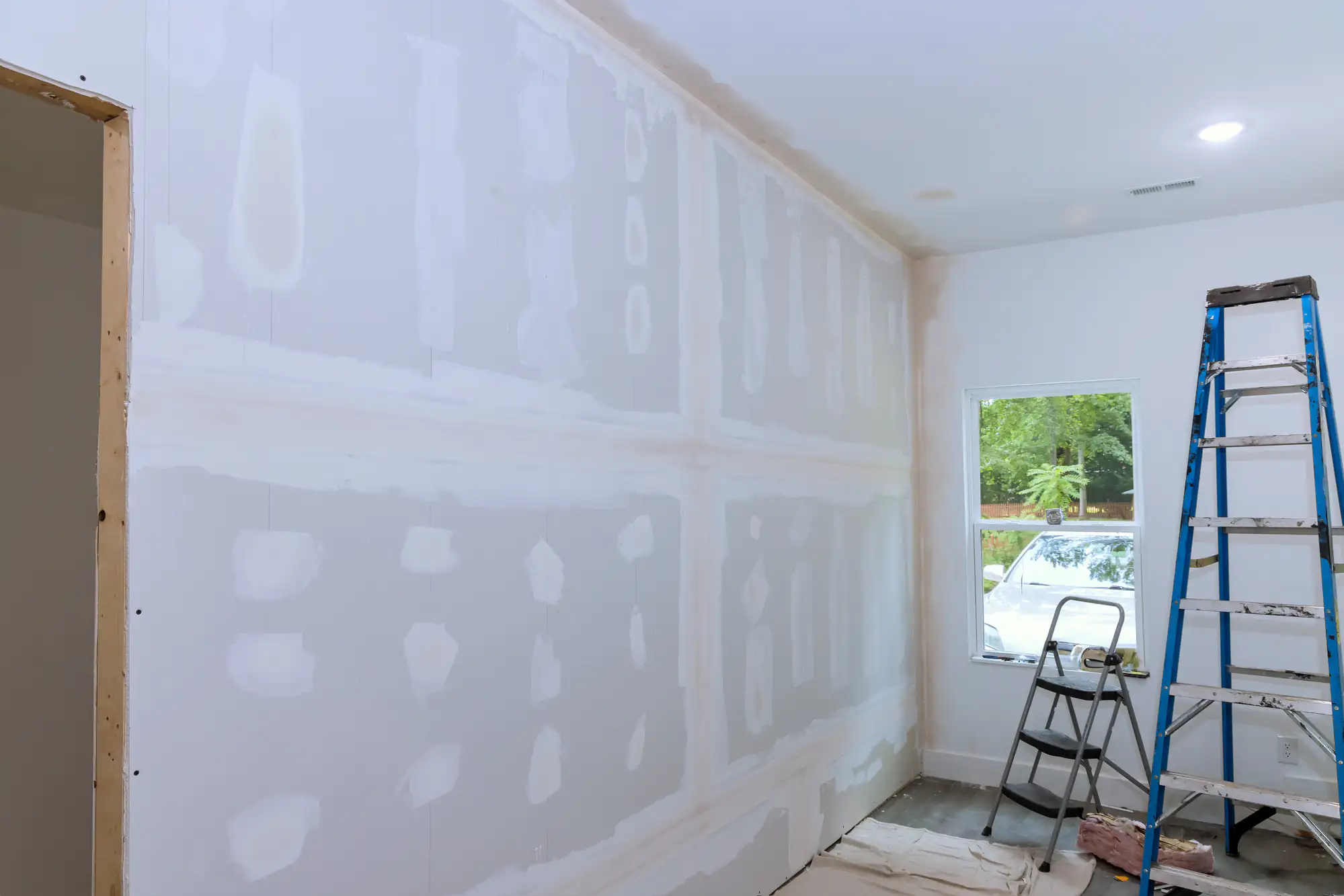
You’re not looking for a lecture on drywall types. You need walls that look finished, seams you can’t see, and a contractor who doesn’t leave your house looking like a dust storm hit it.
That’s what matters when you’re hiring someone to hang and finish sheetrock. The work either looks right or it doesn’t. You either trust the person doing it or you’re checking over their shoulder every hour.
Here’s what actually happens when the job’s done correctly: your painter doesn’t find problems, you don’t see tape lines when the light hits the wall, and you’re not calling someone back to fix what should’ve been right the first time. That’s the difference between residential sheetrock installation done by someone who cares about the outcome and someone just trying to get to the next job.
We’ve been working inside Suffolk County homes for almost ten years. We’ve handled sheetrock in split-levels from the ’60s, additions that don’t quite line up, and basements where nothing is square.
Copiague homeowners deal with the same challenges most of Long Island does: older construction, quirky layouts, and local codes that matter when you’re pulling permits. We know what inspectors look for, how to handle uneven framing, and when to speak up if something upstream is going to cause you problems down the road.
We’re licensed, insured, and local. You’ll work with the same people from estimate to cleanup, and we don’t disappear halfway through your project.
First, we walk the space with you. We measure, check the framing, talk through what you’re trying to accomplish, and give you a clear price. No ranges, no “we’ll see when we get in there” unless there’s genuinely something hidden we can’t assess yet.
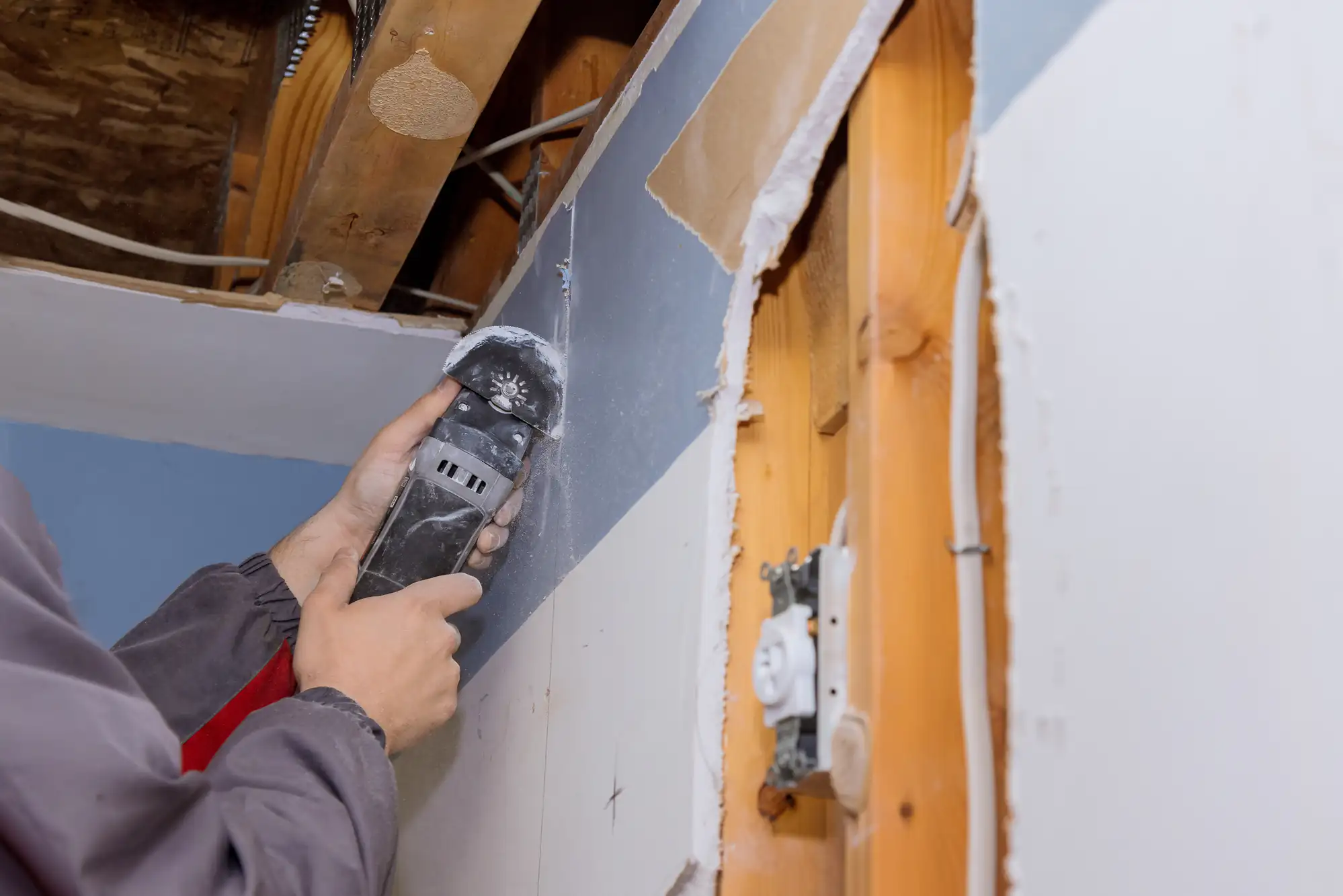
Once we start, we protect your floors and furniture, hang the sheetrock, and tape the seams with the right compound for a smooth finish. We sand carefully because that’s where most contractors rush and that’s where you see the problems later. If we’re doing drywall repair instead of full installation, we match texture and blend edges so you can’t tell where the patch was.
Cleanup happens daily, not just at the end. We don’t leave dust sitting on your counters for a week. When we’re finished, we walk the job with you, make sure you’re happy with it, and leave you with walls that are ready for whatever comes next—paint, wallpaper, or just living in a space that finally looks finished.
Ready to get started?
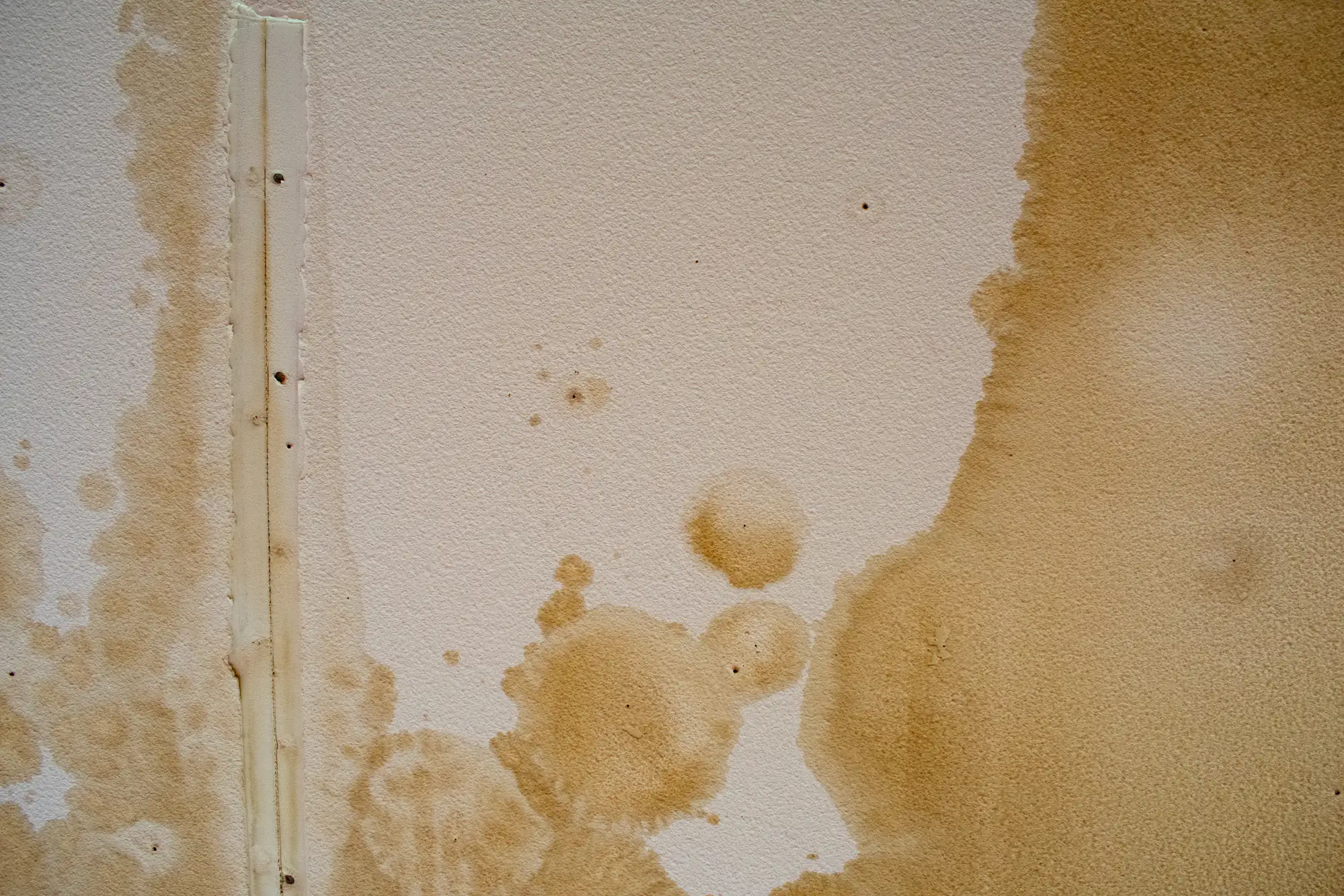
We handle full sheetrock installation for renovations, additions, and basements. That includes hanging sheets, taping and mudding seams, sanding to a smooth finish, and cleaning up the mess that comes with it. If you’re dealing with damaged drywall—cracks, holes, water damage, or bad texture—we do drywall repair that blends in with the surrounding wall.
In Copiague and throughout Suffolk County, a lot of homes have plaster walls that are cracking or failing. We can remove old plaster and install new drywall, or we can skim-coat over existing surfaces if the structure is still solid. It depends on what’s actually going on behind the surface, and we’ll tell you honestly what makes sense.
You’ll also get transparency on materials. We use the right thickness and type of drywall for the job—moisture-resistant sheets in bathrooms, fire-rated boards where code requires it, and standard sheets everywhere else. We don’t upcharge you for “premium” drywall when standard is what’s called for, and we don’t cut corners using thin sheets that’ll crack in a year.
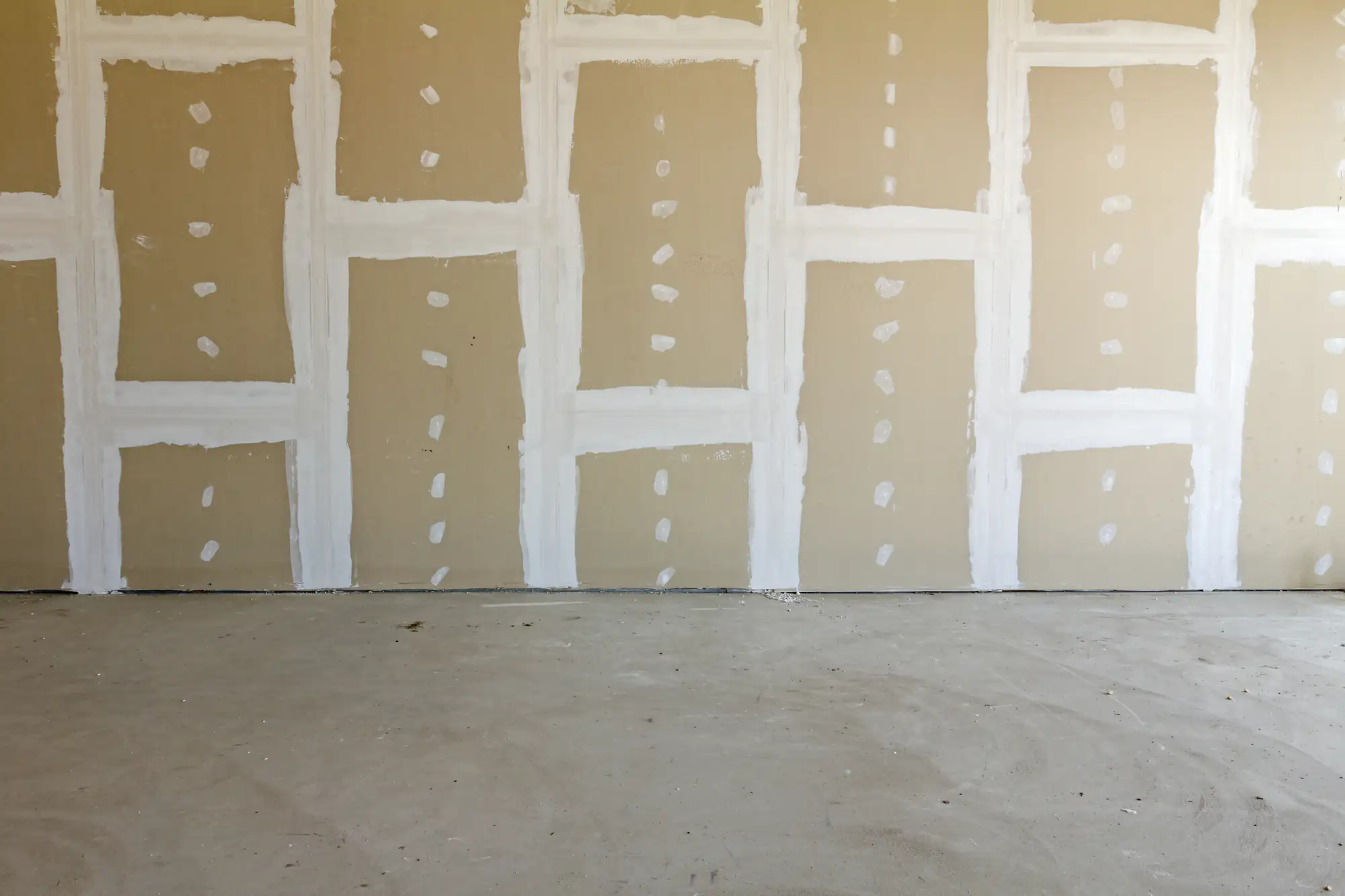
Most residential sheetrock installation runs between $1.50 and $3.00 per square foot, depending on ceiling height, room layout, and how much prep work is involved. A typical room might cost anywhere from $800 to $2,500 once you factor in materials, labor, taping, mudding, and sanding.
Here’s what affects the price: if your framing is uneven, we’ll spend extra time shimming and adjusting so the sheets hang flat. If you have high ceilings or need scaffolding, that adds labor time. If you want a skip-trowel texture or something beyond a smooth finish, that’s additional work.
We don’t give you a price range and then tell you it’s higher once we start. We assess the space, give you a number, and stick to it unless you change the scope. That’s how pricing should work.
There isn’t one. Sheetrock is a brand name that became the common term, like Kleenex or Bandaid. Drywall is the generic name for the same product—gypsum panels used to finish interior walls and ceilings.
Some contractors will try to make it sound like one is better than the other, but they’re talking about the same thing. What actually matters is the type and thickness of the panel. You want 5/8-inch fire-rated drywall between your garage and living space. You want moisture-resistant (green board or purple board) in bathrooms. You want standard 1/2-inch sheets in most other rooms.
We use the right product for the application and don’t overcomplicate it. If you’re getting quotes and someone’s making a big deal about “sheetrock vs drywall,” they’re either confused or trying to upsell you.
A single room usually takes two to four days from start to finish. Hanging the sheets is the fastest part—usually a day or less. Taping, applying joint compound, and sanding takes longer because each coat needs to dry before the next one goes on.
If we’re finishing a basement or doing multiple rooms, expect a week to ten days depending on square footage. Drywall repair is faster—small patches can be done in a day or two, though you’ll still need to wait for compound to dry before painting.
Weather and humidity affect drying time, especially in Long Island’s summer humidity. We don’t rush the process just to get out faster. Wet mud that gets sanded too early creates problems you’ll see as soon as the paint goes on.
If you’re just replacing damaged drywall or refinishing existing walls, you typically don’t need a permit. If you’re finishing a basement, building out an addition, or doing structural work that involves new framing, you’ll need permits from the Town of Babylon.
Permits aren’t just red tape. They ensure the work meets fire safety codes, especially around garages and between units in multi-family homes. Inspectors check that fire-rated drywall is used where required and that electrical and plumbing rough-ins are done correctly before walls get closed up.
We handle permit applications if your project requires them, and we schedule inspections at the right stages. Don’t let a contractor talk you into skipping permits on work that requires them. It’ll come back to bite you when you sell the house or file an insurance claim.
Yes, but it depends on what texture you currently have. Smooth walls are the easiest to match—we feather the edges of the repair until you can’t see where the patch starts. Orange peel and knockdown textures take more work but are still very doable with the right tools and technique.
Popcorn ceilings are harder. If your ceiling was done before the 1980s, it might contain asbestos, which means it needs testing before we disturb it. If it’s newer popcorn, we can match it, but the new texture often looks slightly different until it gets painted.
The key to invisible repairs is blending at the edges and using the same finish technique as the original surface. We don’t just slap mud in a hole and call it done. We take the time to make it look like the damage was never there.
Sanding joint compound creates fine dust that gets everywhere if it’s not controlled. That’s just the nature of the process—you’re smoothing hardened gypsum-based mud, and the particles are light enough to float through your whole house.
Good contractors minimize the mess. We use dust barriers to isolate the work area, run air scrubbers when possible, and sand with vacuum attachments that catch most of the dust at the source. We also clean as we go, not just at the end of the job.
You’ll still have some dust, but it shouldn’t coat your entire house. If a contractor tells you “drywall is just messy,” they’re not taking the right precautions. It’s messy if you let it be messy. It’s manageable if you actually care about the customer’s home.