
Hear from Our Customers
You’re not looking for the cheapest bid. You’re looking for someone who shows up on time, does clean work, and doesn’t leave you wondering if it’ll crack in six months.
That’s what separates a professional sheetrock contractor from someone who just hangs drywall. The taping is smooth. The corners are crisp. The texture matches. And when the job’s done, your floors aren’t covered in dust.
Most homeowners in Elwood, NY don’t realize how much of the final result comes down to prep and finish work. Hanging the sheetrock sheets is the easy part. It’s the taping, mudding, sanding, and matching that determine whether your walls look professionally finished or like a rush job. That’s where experience shows up.
You shouldn’t have to repaint twice because the first coat revealed waves in the drywall. You shouldn’t need to hire someone else to fix what the first contractor missed. And you definitely shouldn’t be vacuuming drywall dust out of your vents for the next three months.
We’ve been handling residential sheetrock installation and drywall repair across Elwood, NY and the surrounding Suffolk County area for nearly ten years. We’re not a crew that bounces between states chasing work. We’re local, and we’ve built our reputation here one project at a time.
Elwood homeowners deal with specific challenges—older homes with plaster that needs careful patching, water damage from coastal humidity, and settling cracks that come with Long Island’s soil conditions. We’ve seen it all, and we know how to address it properly the first time.
We don’t pressure you into upgrades you don’t need. We don’t disappear for days between phases. And we don’t leave your home looking like a construction zone. That’s not complicated—it’s just professional.
First, we walk through your space and assess what needs to happen. If it’s new construction, we’re measuring, planning layout, and confirming electrical and plumbing are clear. If it’s a repair, we’re identifying the cause—water damage, settling, impact—so we fix the problem, not just the symptom.
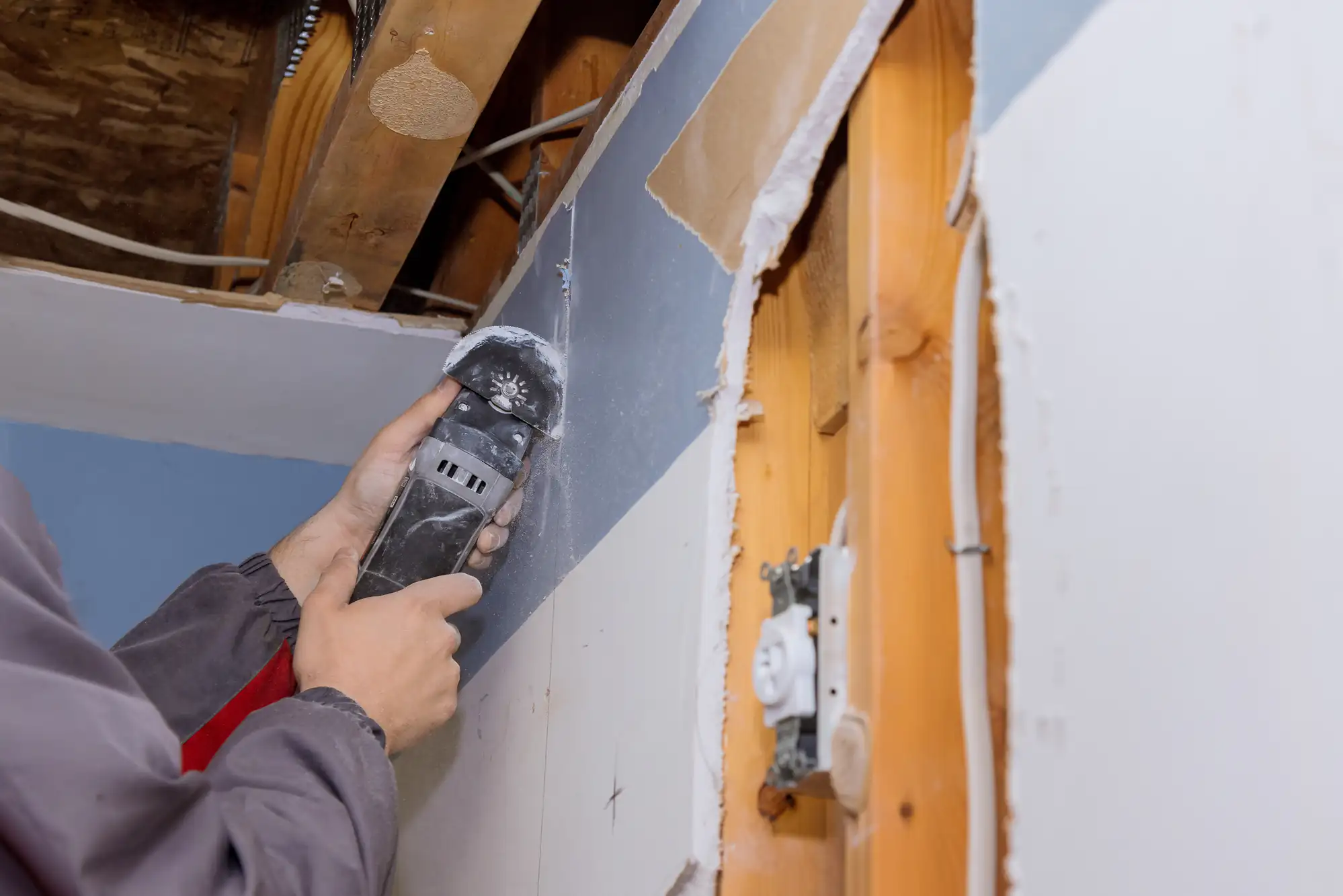
Next comes the actual installation. We hang the sheetrock sheets, secure them properly, and start the taping process. This is where most contractors cut corners. We use quality drywall taping compound, apply multiple coats, and sand between each one. It takes longer, but it’s the only way to get a smooth, professional finish.
Then we handle texture matching if you’re doing a repair, or apply your chosen finish if it’s new construction. We use dustless sanding equipment when possible and always protect your floors and furniture with drop cloths. Before we leave, we clean up completely—no drywall dust left behind in corners or vents.
Finally, we do a walkthrough with you. You see the work up close, we address any questions, and you’re clear on next steps if you’re painting or moving into another phase of your renovation.
Ready to get started?
Professional sheetrock services cover more than just hanging drywall. You’re getting proper surface preparation, which means old damaged sections are removed cleanly and framing is checked for stability. If studs are warped or spacing is off, that gets addressed before any new sheetrock goes up.
Installation includes precise cutting and fitting around outlets, windows, and fixtures. Corners get metal beading for durability. Seams are taped with quality compound and sanded smooth across multiple coats—not just one quick pass. For repairs, we match existing textures using techniques like skim coating so you can’t tell where the old wall ends and the new section begins.
In Elwood, NY, many homes were built between the 1950s and 1980s, which means you’re often dealing with plaster underneath or older drywall that’s brittle. We know how to work with both. We also understand Suffolk County’s building codes and permit requirements for larger renovations, so if your project needs inspections, we’re handling that correctly.
Commercial drywall installation follows a similar process but often involves fire-rated materials, soundproofing, and faster timelines. Whether it’s an office renovation in Elwood or a retail buildout, the same attention to finish quality applies—your space needs to look polished and professional when clients walk in.
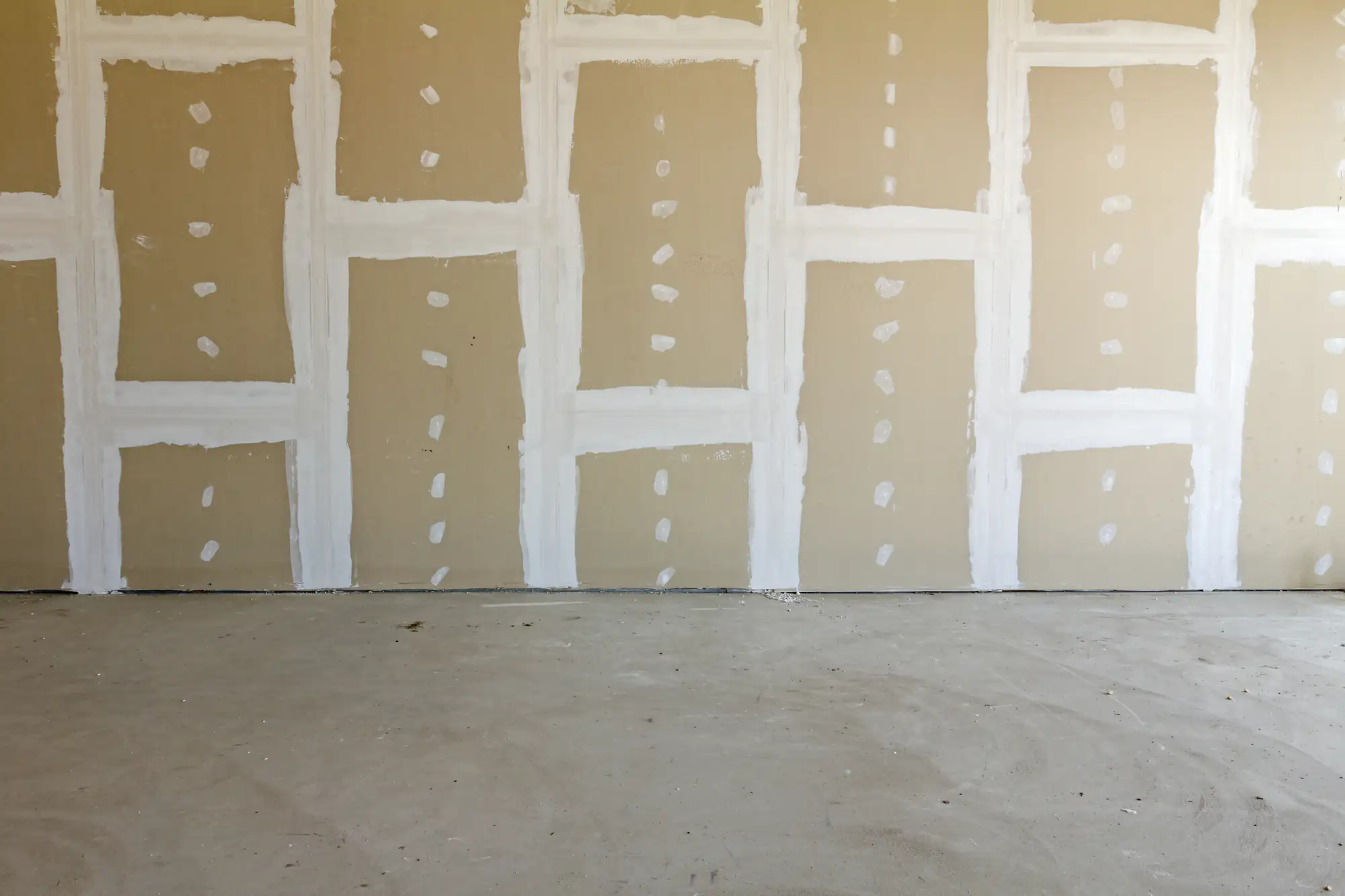
For a single room repair—fixing a few holes or cracks—you’re looking at one to two days once we account for multiple coats of compound and drying time between applications. Drywall taping compound needs to dry completely before the next coat goes on, and rushing that process leads to cracking later.
A full room installation, like finishing a basement or adding a new bedroom, typically takes three to five days depending on size and complexity. That includes hanging the sheetrock, taping, mudding, sanding, and cleanup. Larger projects like whole-home drywall in new construction can take one to two weeks.
Weather and humidity affect drying times, especially in Long Island’s coastal climate. Higher humidity in summer means compound takes longer to cure. We account for that in our timeline so you’re not left waiting or dealing with a rushed job that fails inspection.
Most cracks come from three sources: house settling, temperature fluctuations, or improper installation. Long Island homes settle as soil shifts, especially in areas with sandy or clay-heavy ground like parts of Elwood. That movement stresses drywall seams and corners, causing cracks over time.
Temperature changes make framing lumber expand and contract. If sheetrock was installed too tightly or without proper fastening, that movement translates into cracks. Water damage weakens drywall, and even after it dries, the structural integrity is compromised.
To fix cracks permanently, we don’t just fill them with spackling and paint over. We cut out the damaged section if needed, reinforce with mesh tape or backing, apply multiple coats of compound, and sand smooth. If the crack is due to structural movement, we address the underlying cause—adding blocking, adjusting fasteners, or reinforcing the framing. Otherwise, the crack just comes back in six months.
Small damage—nail holes, minor dents, hairline cracks—gets repaired. There’s no reason to replace an entire sheet for cosmetic issues that can be fixed with compound and sanding. Even fist-sized holes can be patched effectively if the surrounding drywall is in good condition.
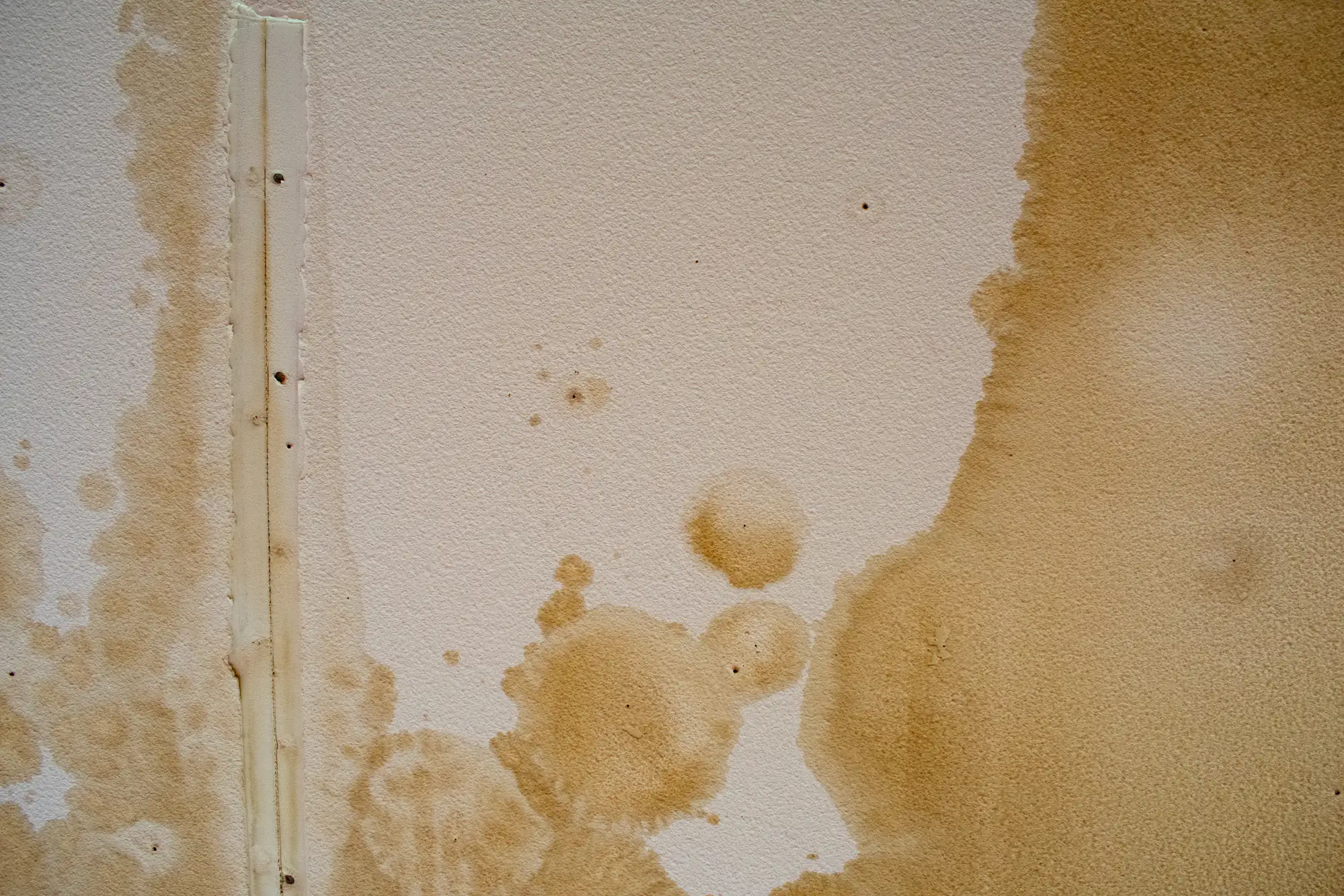
You replace sheetrock when there’s water damage, mold, or extensive cracking across large sections. Water-damaged drywall loses its strength and can harbor mold even after drying. Trying to repair it is a temporary fix that fails quickly. Same with drywall that’s crumbling or has multiple large holes close together—patching becomes more work than replacement.
In older Elwood homes with plaster walls, sometimes you’re dealing with a hybrid situation where drywall was installed over failing plaster. If the plaster is detaching from the lath, the drywall won’t hold properly. We assess the underlying structure and recommend the approach that actually solves the problem long-term, not just the cheapest short-term fix.
Small repairs—patching a few holes or fixing cracks—typically run a few hundred dollars depending on the number of locations and finish work required. A single room installation, like drywalling a basement or converted garage, generally falls between $1,500 and $3,500 depending on square footage, ceiling height, and finish level.
Whole-home drywall installation for new construction or gut renovations runs higher, usually calculated per square foot of coverage. Factors that affect cost include ceiling height (higher ceilings mean more labor and material), texture or finish type (smooth costs more than orange peel), and access difficulty (tight spaces or multiple stories add time).
In Suffolk County, professional sheetrock contractors charge more than handymen because the quality and warranty are different. You’re paying for proper taping technique, multiple finish coats, dustless sanding, and work that passes inspection. Cheap bids often mean shortcuts—fewer coats, poor taping, or subcontractors who disappear when problems arise. We provide transparent estimates with no hidden fees, so you know exactly what you’re paying for before work starts.
Yes. Residential sheetrock installation covers everything from single-room repairs to full home renovations—basements, additions, kitchens, bathrooms, and whole-house remodels. Most homeowners in Elwood are dealing with updates to older homes, finishing previously unfinished spaces, or repairing damage from leaks or settling.
Commercial drywall installation involves office build-outs, retail spaces, medical facilities, and light industrial projects. The materials and techniques differ slightly—commercial jobs often require fire-rated drywall, soundproofing between units, and faster turnaround times to minimize business disruption. We’re familiar with commercial building codes in Suffolk County and coordinate with other trades to keep projects on schedule.
The core skills are the same whether it’s residential or commercial: precise measurement, proper fastening, clean taping, and smooth finishing. What changes is the scale, timeline, and coordination. A homeowner can usually adjust their schedule around a multi-day project. A business owner needs the work done over a weekend or after hours. We handle both.
Sheetrock is a brand name for drywall, like Kleenex is for tissues. Most people use the terms interchangeably, and for practical purposes, they mean the same thing—gypsum panels used for interior walls and ceilings. Sheetrock is made by US Gypsum, but there are other manufacturers like National Gypsum (Gold Bond) and CertainTeed.
The quality difference between brands is minimal for standard residential applications. What matters more is the type of drywall—regular, moisture-resistant (green board), mold-resistant (purple board), or fire-rated (Type X). In Elwood homes, we often use moisture-resistant drywall in bathrooms and basements due to Long Island’s humidity levels.
For your project, the brand matters less than proper installation. Even the best sheetrock fails if it’s not taped correctly, fastened properly, or finished with enough coats. We use quality materials from reputable suppliers, but the real difference in your final result comes from the skill and care in installation. That’s what you’re hiring a professional sheetrock contractor for—not just the materials, but the expertise to use them correctly.