
Hear from Our Customers
You’re not dealing with cracks reappearing six months later. You’re not repainting because the seams are showing through. And you’re definitely not calling someone else to fix what should’ve been done correctly the first time.
When sheetrock is installed properly for Suffolk County conditions, it handles the humidity swings, the salt air, and the temperature changes that come with living on Long Island. That means smooth walls that stay smooth. Corners that stay crisp. Ceilings that don’t sag or crack when the seasons shift.
The difference isn’t just how it looks on day one. It’s how your walls look two years from now when other jobs are already failing. Proper taping, the right compound application, and materials chosen specifically for coastal environments—that’s what keeps your investment intact.
You shouldn’t have to think about your drywall after it’s finished. That’s the point.
We’ve been handling residential sheetrock installation across Suffolk County for almost ten years. That’s long enough to know which materials hold up in Holtsville’s climate and which shortcuts come back to haunt homeowners.
We’re fully licensed and insured, which protects both your property and anyone working on your project. Every installation meets local building codes, and we don’t move forward until the prep work is actually done—not just checked off a list.
Our pricing includes what the job actually requires. If your walls need moisture-resistant drywall because of bathroom humidity or basement conditions, that’s in the estimate upfront. Not mentioned later as an “unexpected cost.” You’ll know what you’re paying before we start, and that number doesn’t change unless you change the scope.
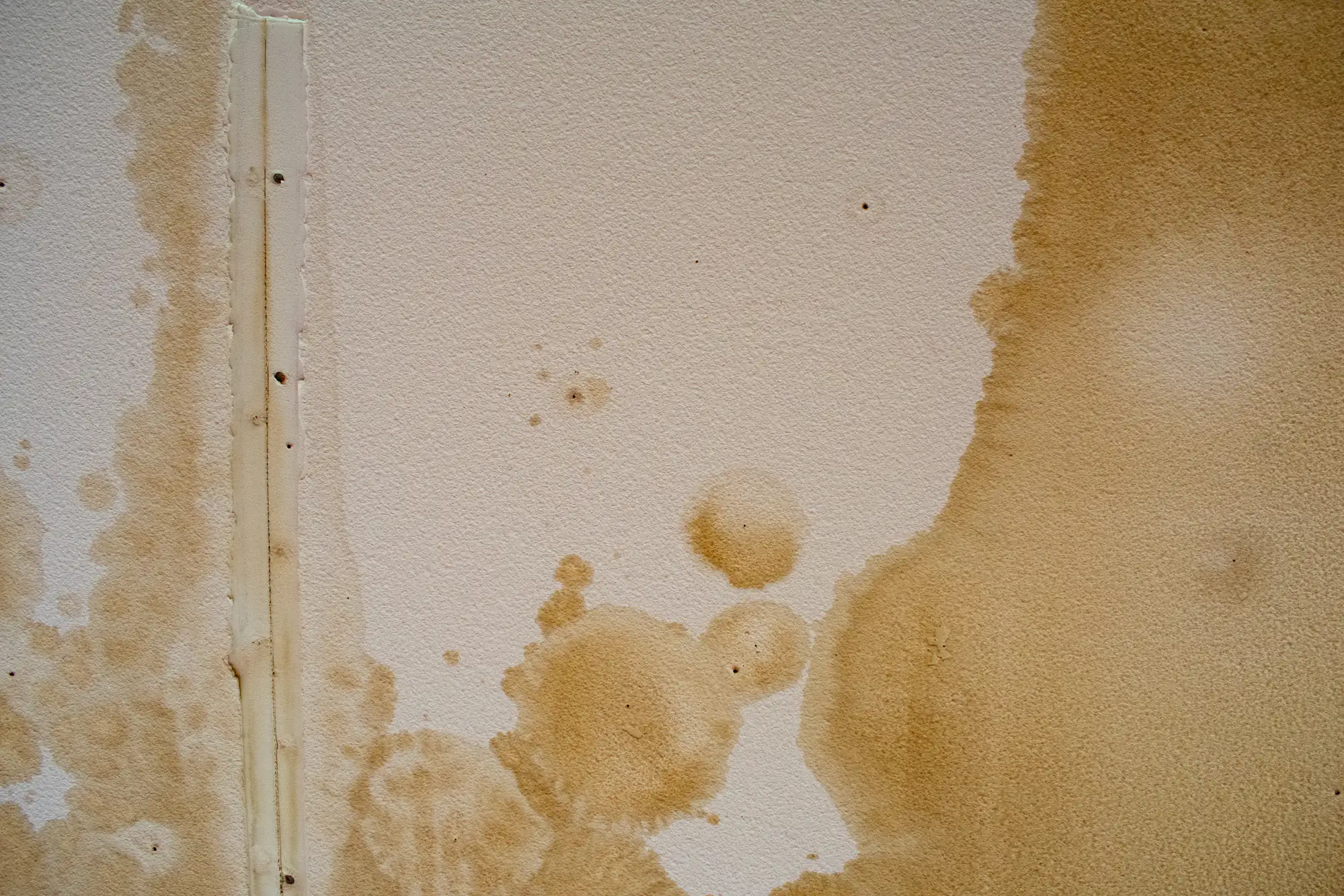
We start with an assessment of your space—what’s being repaired, what’s being replaced, and what’s causing the damage if it’s a repair job. Water damage gets treated differently than settling cracks. We’re looking at the actual problem, not just covering it up.
Once we’ve walked the space and confirmed measurements, you get a detailed estimate. It includes materials, labor, prep work, and finishing. If your project needs blocking for heavy fixtures or backing for chair rails, it’s listed. No assumptions, no “we’ll figure it out later.”
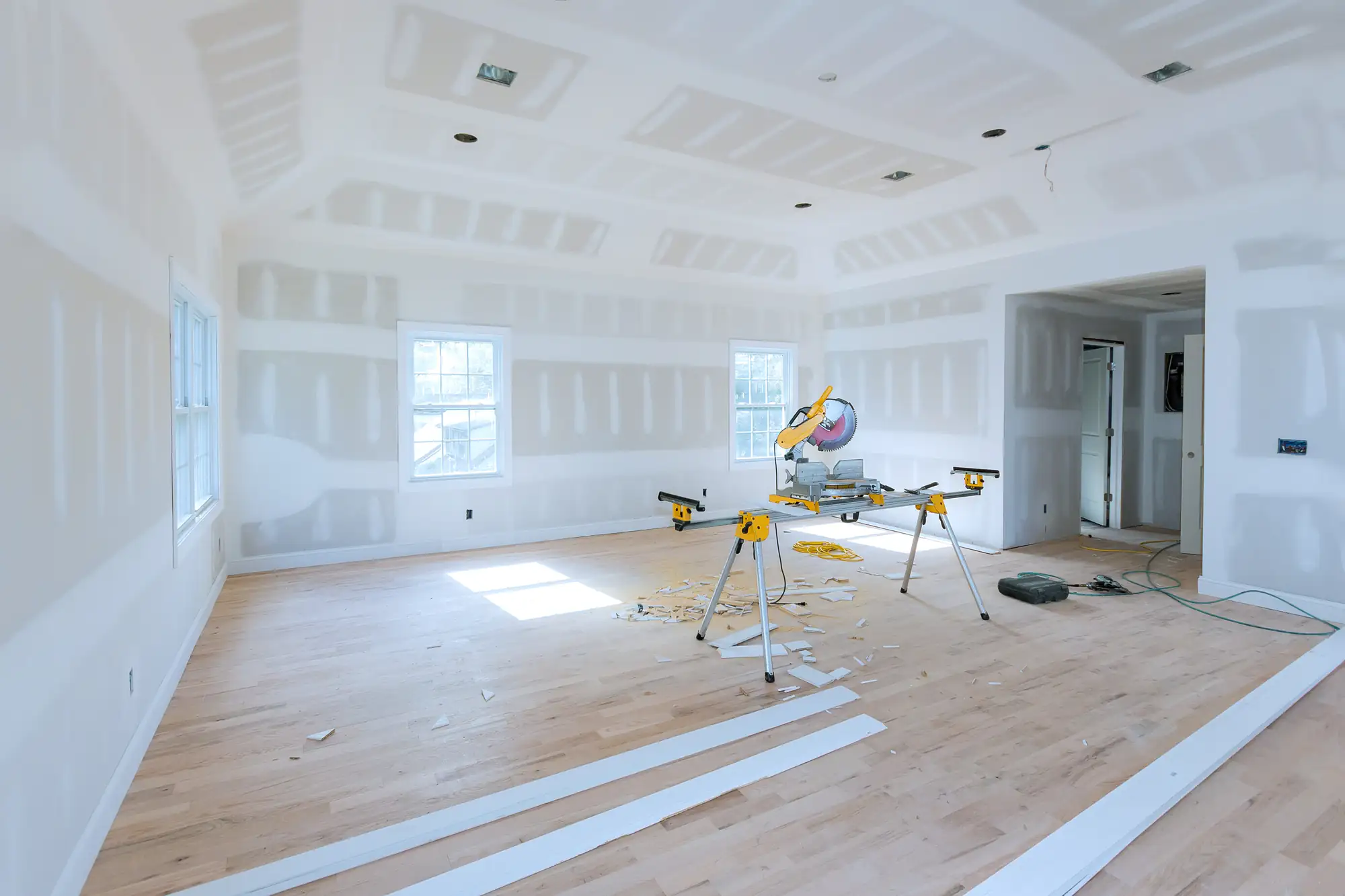
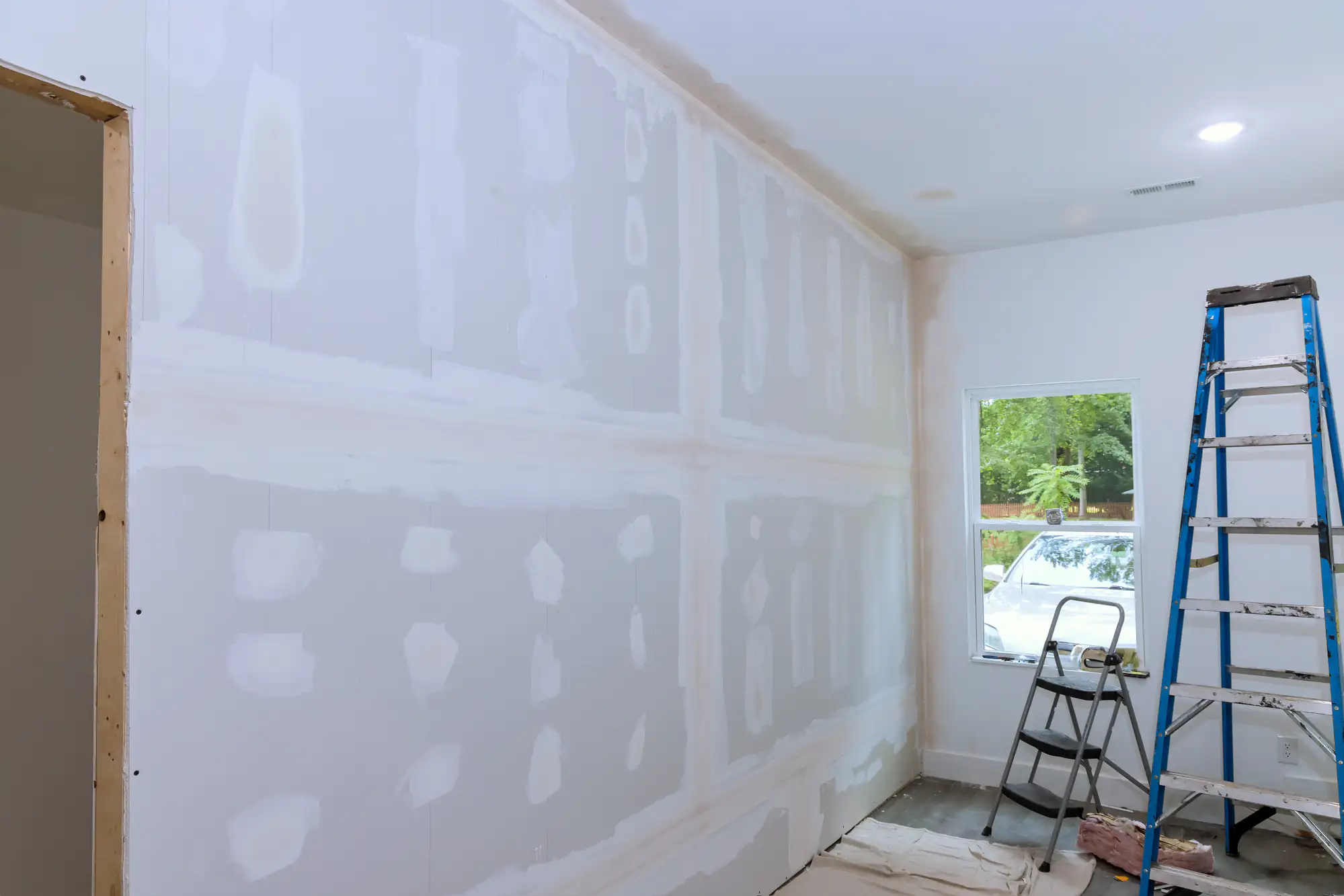
During installation, we handle everything from hanging sheets to taping seams, applying joint compound, sanding between coats, and finishing to your specified level. Level 4 is standard for most painted walls. Level 5 is what you want if you’re using flat paint or critical lighting that shows every imperfection.
After the final coat is sanded and primed, we walk the job with you. You see the work before we consider it complete. If something doesn’t meet the standard, we address it then—not after you’ve already paid.
Ready to get started?
Every sheetrock project we handle in Holtsville includes proper surface preparation, which is where most cheap jobs fail. We remove loose material, treat any moisture issues, and make sure the framing is sound before a single sheet goes up.
For installations, that means hanging drywall sheets with appropriate fastener spacing, using the right screws for the application, and ensuring every seam falls on solid backing. Corners get metal or paper beading depending on the location and traffic. High-impact areas get reinforced.
Taping and mudding isn’t a one-pass process. We apply drywall taping compound in multiple coats—each one feathered wider than the last and sanded smooth between applications. This is what creates invisible seams. Rushing this phase is what causes ridges and shadows that show through paint.
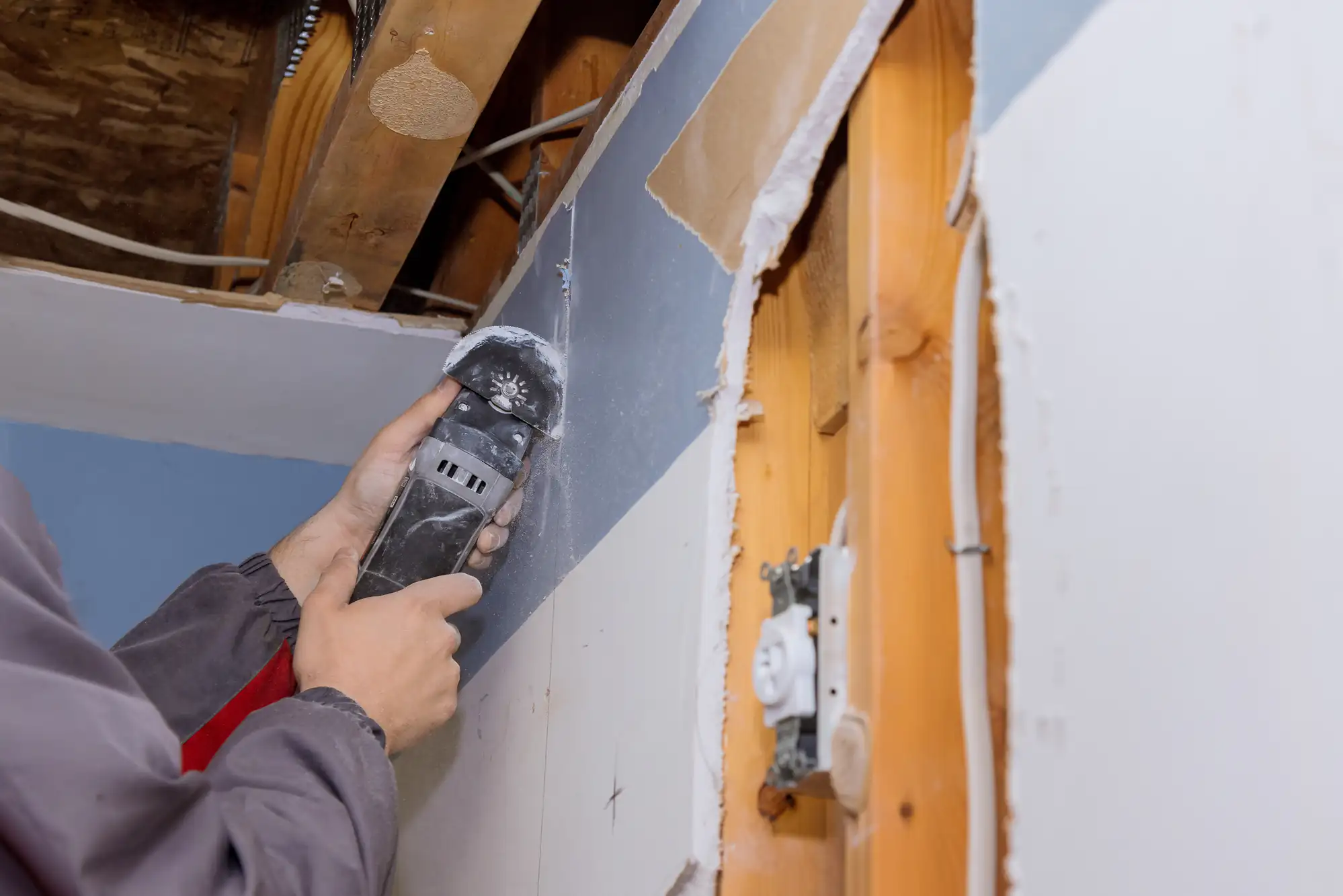
For repairs, we cut back to solid material, not just patch over damaged sections. If water caused the problem, we verify the source is fixed before we close the wall back up. Matching existing texture is part of the scope, whether it’s orange peel, knockdown, or smooth finish.
Suffolk County’s coastal environment requires moisture-resistant or mold-resistant drywall in certain applications. We use green board or purple board in bathrooms, basements, and anywhere humidity is a factor. It costs slightly more than standard drywall, but it’s the difference between a repair that lasts and one that fails within a year.
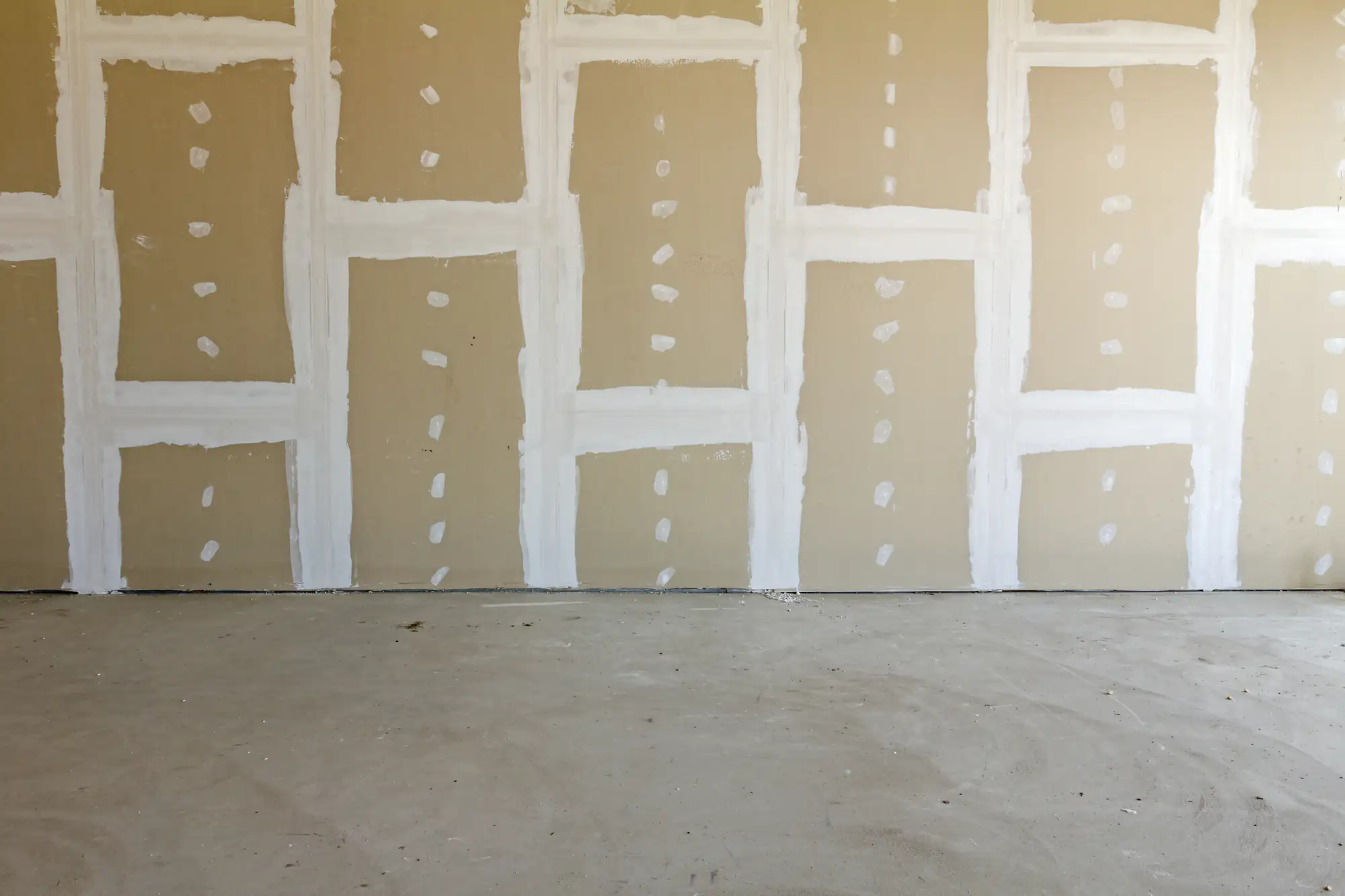
In 2025, homeowners in Suffolk County are paying between $2,187 and $2,370 for typical sheetrock installation projects. That range reflects standard residential work—not complex commercial jobs or projects with extensive water damage repair.
Your actual cost depends on square footage, ceiling height, the level of finish you need, and whether we’re working around existing fixtures or utilities. A straightforward bedroom with standard eight-foot ceilings costs less per square foot than a vaulted living room with cathedral ceilings and recessed lighting.
We provide itemized estimates that break down material costs, labor, and prep work. You’ll see exactly what you’re paying for before we start. If your project needs additional framing repair or moisture remediation, that’s identified during the initial assessment—not discovered halfway through the job and added to your bill.
Nothing. Sheetrock is a brand name that became synonymous with drywall, the same way people say “Kleenex” instead of “tissue.” Both terms refer to gypsum panels used for interior walls and ceilings.
The actual product you’re getting matters more than what you call it. Standard drywall works fine for most interior applications. Moisture-resistant drywall (green board) is what you want in bathrooms. Mold-resistant drywall (purple board) is better for basements or areas with persistent humidity issues.
We use different products depending on the location and conditions in your home. A powder room with a shower needs different material than a bedroom. We’re not upselling you on premium products you don’t need, but we’re also not installing standard drywall in places where it’s going to fail.
A single room typically takes two to four days from start to finish. That includes hanging the sheets, applying multiple coats of joint compound with proper drying time between each application, sanding, and priming.
Larger projects like whole-home renovations or basement finishing take longer—usually one to three weeks depending on square footage and complexity. Cathedral ceilings, intricate soffits, and curved walls add time because they require more precise cutting and finishing work.
The drying time between coats of joint compound is what it is. We can’t rush it without compromising the finish. Each coat needs to cure completely before we sand and apply the next layer. Trying to speed up this process is how you end up with cracks, ridges, and seams that telegraph through your paint.
Yes, texture matching is part of our repair process. Whether your existing walls have orange peel, knockdown, skip trowel, or smooth finish, we replicate it so the repair blends with the surrounding area.
Older homes in Holtsville sometimes have hand-troweled textures or patterns that aren’t standard anymore. Those take more time to match because we’re essentially recreating a custom finish by hand. We test the pattern on scrap material first to make sure it’s right before applying it to your actual wall.
If your existing texture is heavily dated or you’re repairing a large section, you might want to consider re-texturing the entire wall for a uniform appearance. We’ll walk you through the options during the estimate so you can decide what makes sense for your space and budget.
No, but the work does create dust—especially during sanding phases. We contain the work area with plastic sheeting and use dust barriers to minimize spread, but fine particles still travel through HVAC systems and under doors.
If you have respiratory sensitivities, young children, or you’re working from home in an adjacent room, you might want to plan around the sanding days. We can schedule those phases for times when you’re out of the house if that works better for your situation.
We clean up daily and run HEPA vacuums after sanding, but drywall dust is persistent. You’ll likely notice some fine dust for a few days after we finish, even with our containment measures. That’s normal for any sheetrock project—not a sign of careless work.
Most cracks come from settling, temperature changes, or improper installation. Hairline cracks along seams usually mean the joint compound wasn’t applied correctly or the house has shifted slightly. Larger cracks can indicate structural movement or moisture problems that need addressing before any cosmetic repair.
We don’t just fill cracks and paint over them. We cut out the damaged section, inspect the framing behind it, and determine whether the crack is cosmetic or symptomatic of a bigger issue. If your foundation is settling or you have a roof leak causing movement, patching the drywall won’t fix anything—the crack will just come back.
For legitimate settling cracks that aren’t structural, we remove the loose material, re-tape the seam with fiberglass mesh tape, apply fresh joint compound in multiple coats, sand it smooth, and prime before painting. The repair should be invisible once it’s finished. If we’re seeing the same crack six months later, something else is going on that needs a different solution.