
Hear from Our Customers
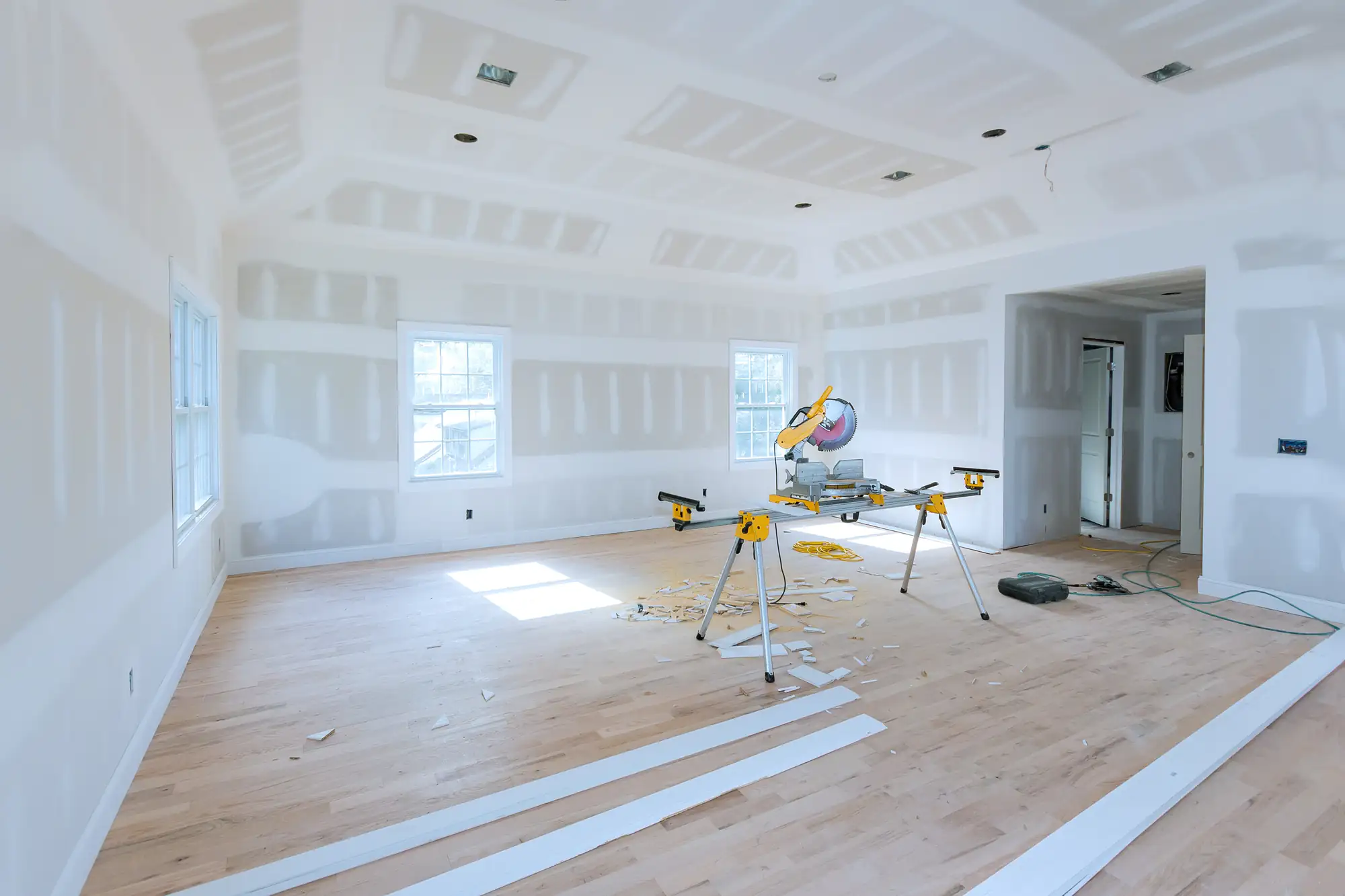
You’re not looking for someone to just hang drywall and disappear. You need walls that are smooth, seams that don’t show through paint, and corners that look crisp when the light hits them. That’s what proper sheetrock installation looks like—and it’s what separates a quick job from one that lasts.
Most homeowners in Lake Ronkonkoma don’t realize the finish work matters more than the hanging. Taping, mudding, and sanding determine whether your paint job looks professional or whether you’re staring at bumps and ridges every time you walk through the room. Getting it right means using the right drywall taping compound, taking time between coats, and knowing when a wall is actually ready for primer.
The difference shows up immediately. Paint goes on smoother. Rooms feel more finished. You’re not second-guessing whether you should’ve hired someone else.
Jaguar Renovations has been handling residential sheetrock installation across Suffolk County for nearly ten years. That means we’ve worked in homes like yours—older construction in Lake Ronkonkoma, additions in Bohemia, basements in Hauppauge. We know what Long Island homes need because we’ve seen the same issues dozens of times.
We’re not the biggest contractor in the area, and that’s intentional. Smaller crews mean better communication, more attention to your specific project, and no pressure to upsell you on work you don’t need. You get a written estimate that breaks down materials and labor. No vague line items, no surprises when the bill comes.
What matters most is that you know what’s happening, when it’s happening, and what it costs before we start. That’s how we’ve built a reputation here—not through flashy marketing, but through doing what we say we’ll do.
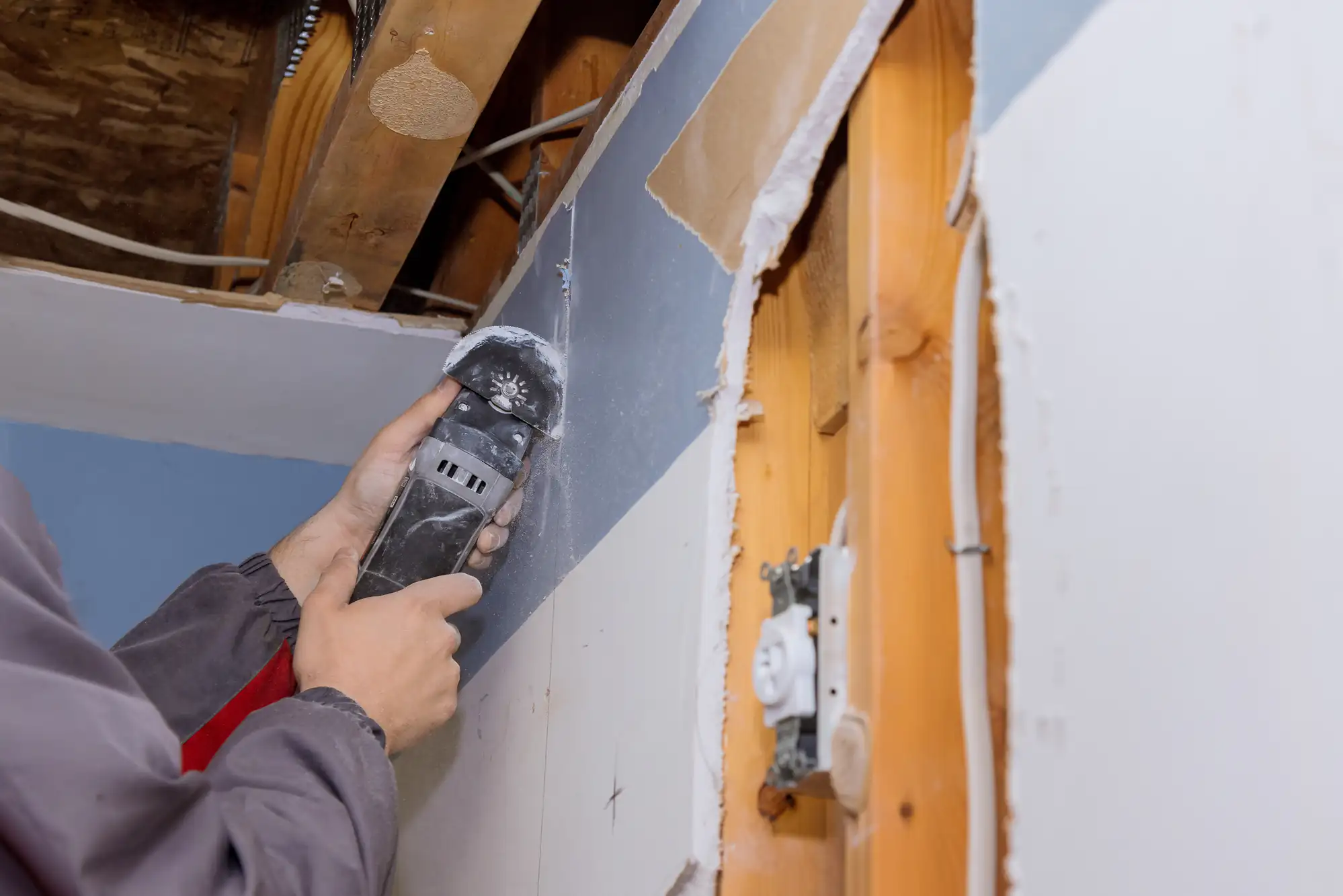
First, we come out to see the space. We measure the rooms, check the framing, and talk through what you’re trying to accomplish. If there’s old drywall that needs removing, we’ll let you know upfront. If the studs aren’t spaced right or there are moisture issues, we’ll tell you that too—before we give you a number.
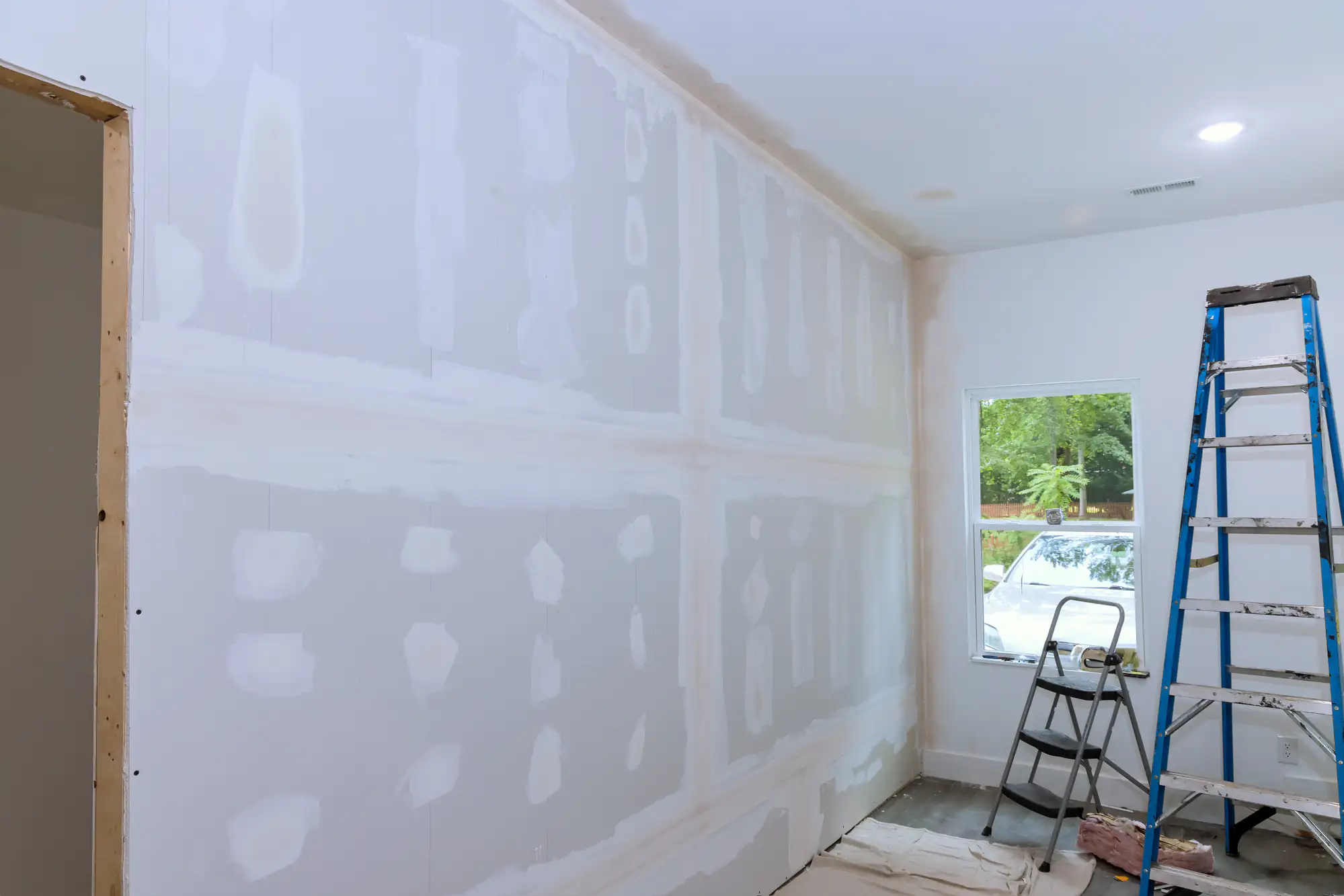
Once you approve the estimate, we schedule the work. Hanging sheetrock sheets typically takes a day or two depending on the size of the job. Then comes taping the seams, applying joint compound, and letting it dry. We do multiple coats because that’s what it takes to get walls smooth. Rushing this part is where most contractors cut corners, and it’s why you see tape lines through the paint six months later.
After the final sanding, we clean up the dust and prep the walls for paint. Most projects take three to five days total, and we keep you updated throughout. You’re not left wondering when we’re coming back or what’s happening next. When we’re done, your walls are ready for primer—no extra prep, no touch-ups needed.
Ready to get started?
Sheetrock installation covers more than just hanging drywall. It includes measuring and cutting sheets to fit your space, securing them properly to studs or ceiling joists, taping all seams and corners, applying multiple coats of joint compound, sanding everything smooth, and cleaning up the dust. That’s the full process—anything less leaves you with unfinished walls.
In Lake Ronkonkoma and throughout Suffolk County, most homes use standard half-inch drywall for walls and five-eighths-inch for ceilings. Moisture-prone areas like bathrooms need moisture-resistant boards. We match the material to the room because using the wrong type causes problems down the road—sagging ceilings, mold growth, or crumbling drywall around tubs and showers.
Pricing depends on square footage and the condition of your framing. For a typical room, expect the work to take a few days once we start. We provide detailed written estimates that break down materials and labor so you know exactly what you’re paying for. No hourly rates that creep up, no vague “additional costs” that appear later. The number we give you is the number you pay unless you change the scope of work.
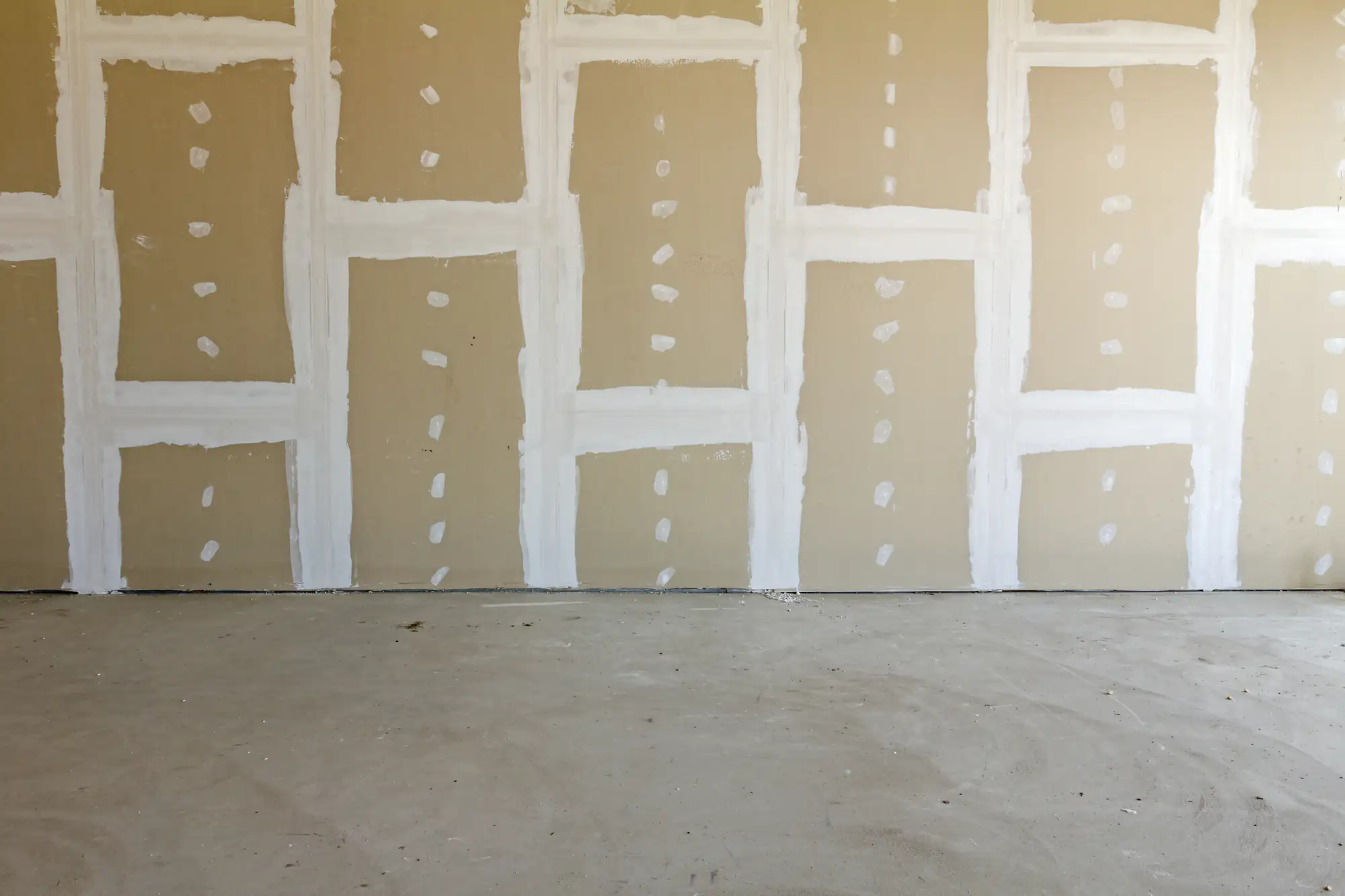
Most residential sheetrock projects in Suffolk County run between $80 and $90 per board to get walls paint-ready. That includes hanging, taping, mudding, and sanding. For a full home—say 2,000 square feet—you’re looking at around 200 boards, which puts the total between $16,000 and $18,000 for complete installation.
Smaller jobs like a single room or basement cost less, but the per-board rate stays similar. What changes the price is access—tight spaces, high ceilings, or complex angles take more time. If there’s old drywall to remove or framing repairs needed, that’s additional work we’ll outline in the estimate.
The key is getting a written breakdown before anyone starts. Verbal quotes leave too much room for confusion. You should know exactly what’s included, how many boards are needed, and what the total cost is. That’s how you avoid the surprise charges that make homeowners regret hiring the cheapest bid.
Hanging the drywall usually takes one to two days depending on the size of the space. A single room might be done in a few hours. A whole basement or multiple rooms takes longer. But hanging is just the first step.
Taping, mudding, and sanding take another two to four days because joint compound needs time to dry between coats. Rushing this part is where you end up with visible seams or uneven walls. Proper finishing requires at least two coats of mud, sometimes three, with sanding in between. Each coat needs several hours to dry completely.
From start to finish, most projects take three to five days. Larger jobs or complex layouts might stretch to a week. We’ll give you a timeline upfront so you can plan around the work. The goal is to move efficiently without cutting corners on the finish quality.
Yes, but it depends on the texture. Smooth walls are easiest—we just sand the repair flush and it blends right in. Light orange peel or knockdown textures are manageable with the right tools and technique. Heavy popcorn ceilings or custom textures are trickier and might not match perfectly, but we can get close.
The bigger challenge is matching paint. Even if we blend the texture well, new joint compound shows through paint differently than old drywall. You’ll likely need to repaint the entire wall or ceiling to make it look uniform. Spot painting rarely works because the sheen and color never quite match, especially if the existing paint has faded over time.
Before starting a repair, we’ll look at the existing finish and tell you honestly what’s possible. Sometimes a small patch is all you need. Other times, it makes more sense to skim coat the whole surface or replace an entire section. We’d rather set realistic expectations than promise a perfect match that isn’t achievable.
Nothing—sheetrock is just a brand name for drywall, like Kleenex is for tissues. The term “sheetrock” comes from U.S. Gypsum Company’s product line, but it’s become the common way people refer to gypsum board panels used for interior walls and ceilings.
All sheetrock is drywall, and all drywall serves the same purpose: creating smooth interior surfaces over wood or metal framing. The panels are made of gypsum plaster pressed between two thick sheets of paper. Standard panels are four feet wide and come in lengths from eight to twelve feet. Different thicknesses and types exist for different applications—moisture-resistant for bathrooms, fire-rated for garages, lightweight for ceilings.
When you’re hiring a drywall installation contractor, the terminology doesn’t matter much. What matters is the quality of installation and finishing. Properly hung and finished drywall creates smooth, durable walls regardless of what brand name is stamped on the back of the panel.
It depends on the scope of work. If you’re just replacing damaged drywall in an existing room—same layout, no structural changes—you typically don’t need a permit in Suffolk County. But if you’re finishing a basement, adding walls to change a floor plan, or doing work that involves electrical or plumbing, permits are required.
The Town of Islip, which includes Lake Ronkonkoma, requires building permits for most renovation work that changes the structure or systems of your home. Even if the sheetrock itself doesn’t trigger a permit, the framing or mechanical work behind it probably does. Skipping permits might save time upfront, but it causes problems when you sell the house or file an insurance claim.
We can help you figure out what’s needed for your specific project. If permits are required, we’ll tell you upfront and factor that into the timeline. It’s always better to do things correctly than to risk issues down the road because someone took shortcuts.
If you’ve got experience with drywall and you’re doing a small repair, DIY can work. But for whole rooms, ceilings, or anything you want to look professional, hiring a contractor saves time and frustration. Hanging drywall isn’t complicated, but finishing it well requires practice most homeowners don’t have.
The biggest mistakes happen during taping and mudding. Getting seams flat, corners crisp, and surfaces smooth takes technique. Most DIYers apply too much compound, don’t sand enough, or rush between coats. The result is wavy walls and visible seams once the paint goes on. Fixing bad drywall work often costs more than hiring a professional from the start.
There’s also the tool factor. We have drywall lifts for ceilings, specialty trowels for finishing, and sanders that control dust. Renting or buying those tools for one project adds up quickly. When you factor in your time, the learning curve, and the risk of a poor finish, hiring a sheetrock installation contractor usually makes more sense—especially in Suffolk County where labor costs are reasonable compared to the value of your time.
Other Services we provide in Lake Ronkonkoma