
Hear from Our Customers
You’re not looking for the cheapest option. You’re looking for someone who shows up, does the work correctly, and doesn’t leave you second-guessing the bill. That’s where most contractors miss the mark—they low-ball the estimate, then nickel-and-dime you once the job starts.
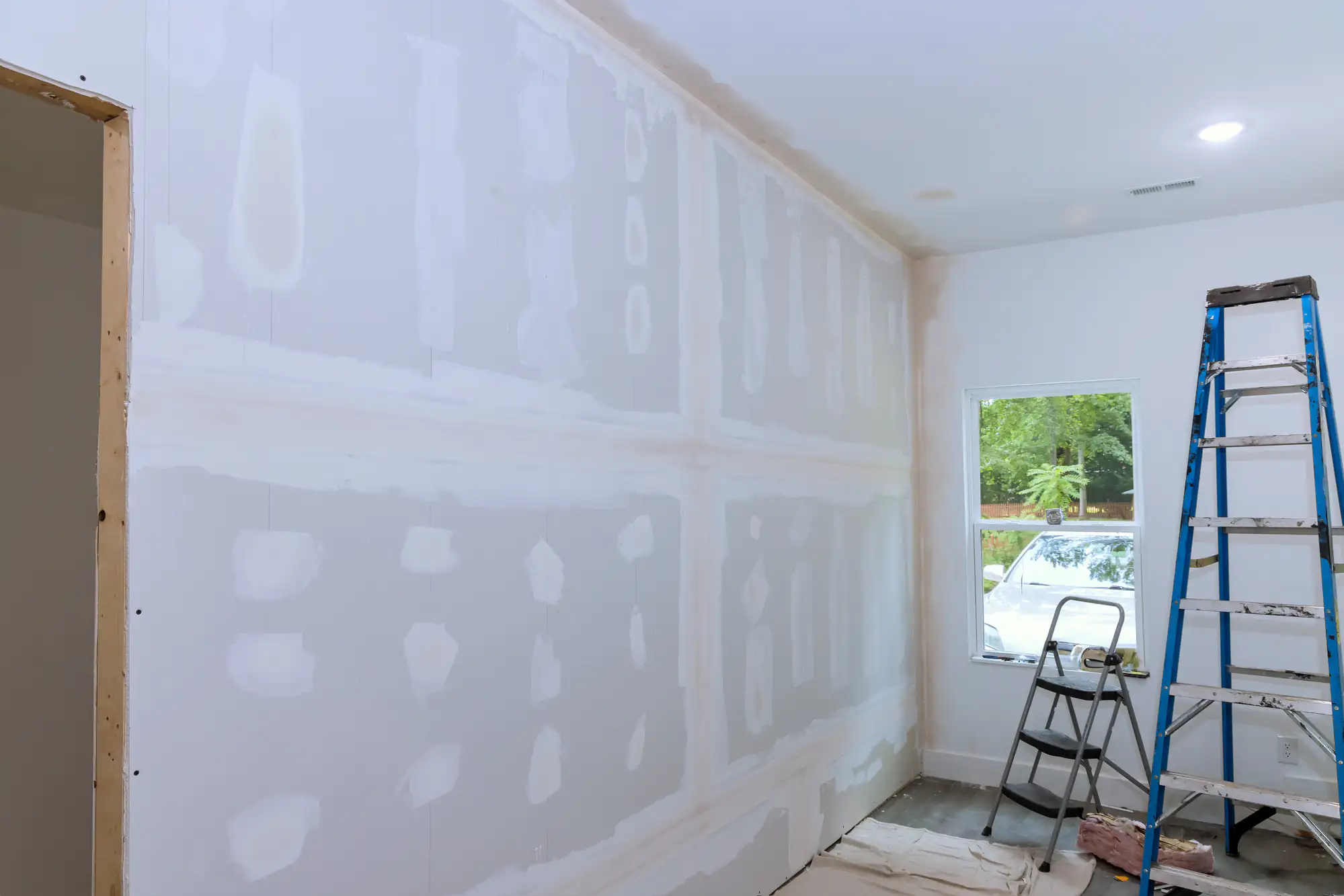
Here’s what actually matters: your walls look seamless when we’re done. The repair blends in. The new sheetrock doesn’t show seams or waves under the light. You’re not calling someone back in six months because the tape is cracking or the mud job was rushed.
Whether it’s patching holes from a doorknob, fixing water damage in a ceiling, or hanging sheetrock for a full room addition in North Amityville, the end result should be paint-ready walls that don’t announce themselves. You shouldn’t be able to tell where the old wall ends and the new work begins. That’s the standard, and it’s what nearly a decade of experience in Suffolk County gets you—work that holds up and looks right from day one.
We’ve been handling sheetrock and drywall repairs throughout North Amityville and Suffolk County for nearly ten years. We built our company on a simple idea: homeowners deserve transparent communication, fair pricing, and work that actually lasts—without the pressure tactics or hidden costs that plague this industry.
Every project is handled by licensed contractors who’ve seen it all—from small nail-pop repairs to full-scale room additions. North Amityville homes deal with everything from settling cracks to moisture issues, and the fix depends on understanding what caused the damage in the first place, not just covering it up.
When you work with us, you’re getting someone who explains what needs to happen, why it costs what it costs, and what you can expect when the job is done. No upselling. No surprise fees. Just honest work and the kind of responsiveness that makes you feel like your project actually matters.
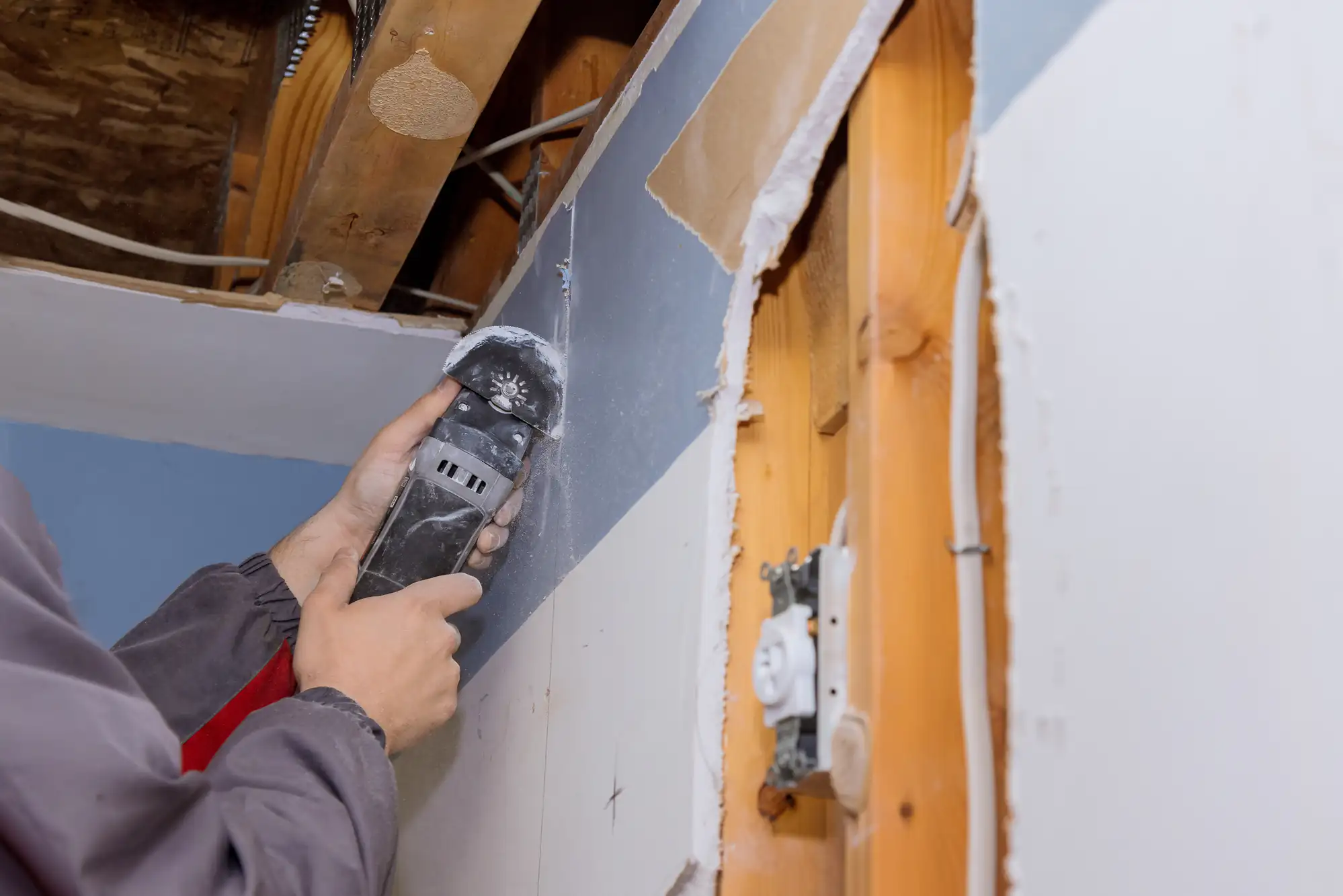
First, we assess what you’re dealing with. Is it a small patch job or a full sheetrock installation in North Amityville? Are we working around water damage that needs addressing before any drywall goes up? This step matters because the wrong approach wastes your time and money.
Next, you get a transparent estimate. No vague “we’ll see when we get in there” language. You’ll know what the work involves, what materials we’re using, and what the timeline looks like. If something changes mid-project, you’ll hear about it before it affects your bill.
Then we prep the space. Drop cloths go down, furniture gets protected, and if we’re doing any sanding, we use dustless technology to keep your home livable. Once the sheetrock goes up, we tape, mud, and sand until the surface is smooth and ready for paint. Each coat of drywall compound needs 24 hours to dry, so rushing this phase just creates problems later.
Finally, we walk through the finished work with you. You should see clean lines, no visible seams, and a surface that’s ready for whatever finish you’re planning. If something doesn’t look right, we address it before we’re done—not after you’ve already paid.
Ready to get started?
When you hire us for sheetrock in North Amityville, you’re getting more than just drywall installation. You’re getting nearly a decade of experience working in Suffolk County homes—homes with plaster underneath, homes with settling issues, homes where the previous contractor cut corners.
The work includes proper surface preparation, which means addressing any underlying issues before new sheetrock goes up. If there’s moisture, it gets handled. If the framing isn’t right, we fix it. Skipping these steps might save time upfront, but it guarantees callbacks and failures down the line.
You’re also getting seamless repairs that match your existing walls. That means matching texture, blending edges, and using the right drywall compound and taping techniques so the repair doesn’t announce itself. North Amityville homes have a mix of construction styles and ages, and what works in a newer build might not work in an older home with different wall materials.
And you’re getting dustless technology when we sand. This isn’t a small thing—traditional sanding creates a mess that takes days to fully clean. Our approach keeps dust contained, which means less cleanup for you and a more livable home during the project. It’s one of those details that separates a professional job from someone just trying to get in and out quickly.
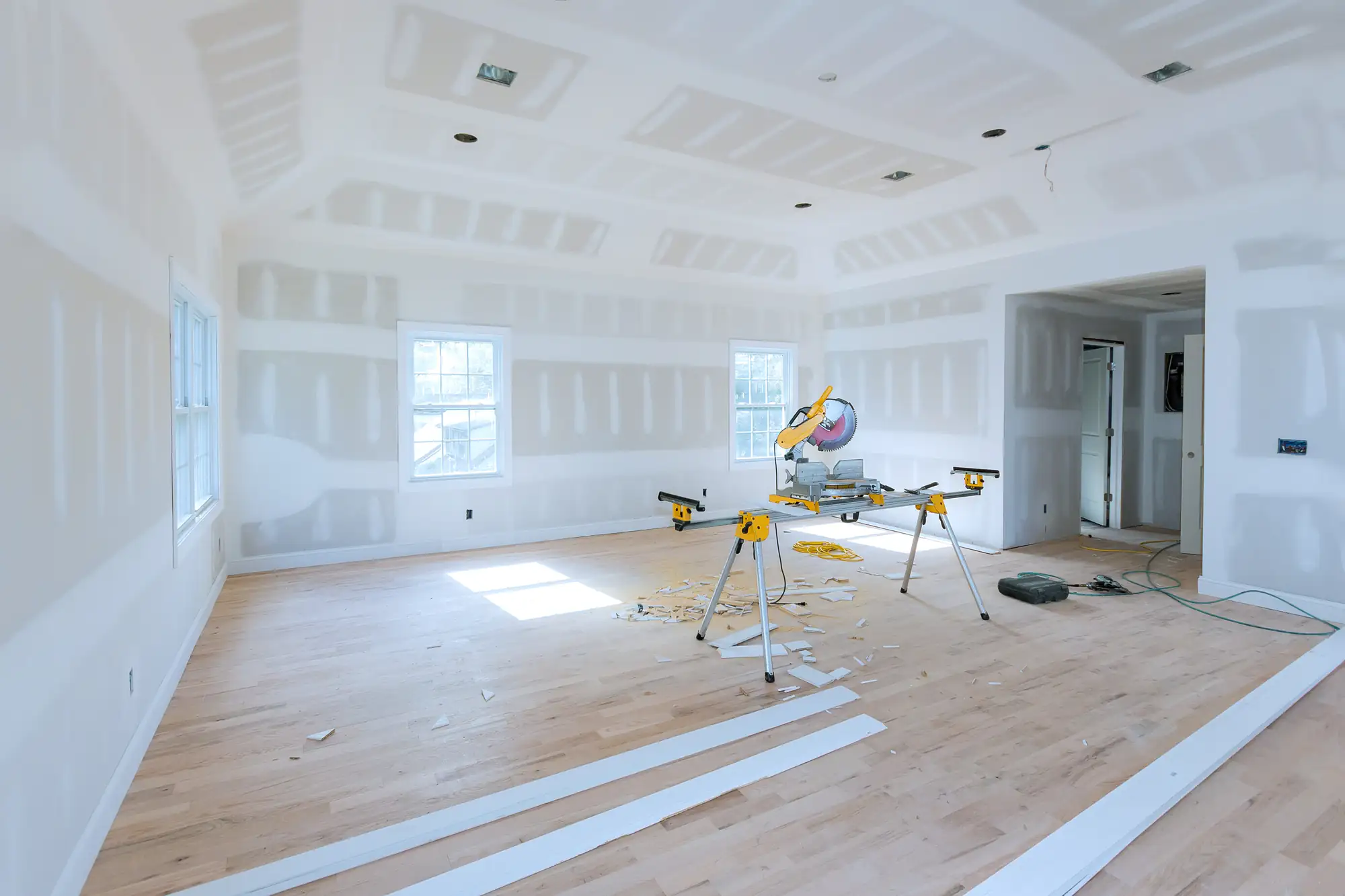
Pricing depends on the scope—are we patching a few holes or hanging sheetrock for an entire room? Small repairs typically run a few hundred dollars, while full installations are priced per square foot, generally between $2.20 and $3.50 depending on the complexity and finish level you need.
What drives the cost up? Ceiling work, water damage that requires extra prep, textured finishes, or working around obstacles like electrical and plumbing. What keeps it reasonable? Straightforward walls, standard half-inch drywall, and a room that’s already cleared and prepped.
The bigger question isn’t really about cost—it’s about value. A low estimate that doesn’t include taping, mudding, sanding, and finishing isn’t actually cheaper. It’s incomplete. When we give you a number, it’s for paint-ready walls, not half-finished work that leaves you hunting for someone else to complete the job. That’s the difference between a real estimate and a bait-and-switch.
There isn’t one, functionally. Sheetrock is a brand name—like Kleenex for tissues—but most people in Suffolk County use the terms interchangeably. Both refer to gypsum board panels that get hung on walls and ceilings to create smooth, paintable surfaces.
The material itself is the same: a gypsum core sandwiched between paper layers. You’ll see different types—standard drywall for most rooms, moisture-resistant green board for bathrooms, and fire-rated Type X for garages or areas where code requires it. The installation process is identical regardless of what you call it.
What actually matters is the quality of the installation and finishing. You can use the best sheetrock on the market, but if the taping is sloppy or the mudding isn’t sanded properly, the walls will look terrible. Conversely, standard drywall installed correctly will outperform premium materials installed poorly. So when you’re comparing contractors in North Amityville, focus less on brand names and more on who’s doing the work and whether they know how to finish it right.
For small repairs—patching a hole, fixing a crack, touching up damaged corners—you’re looking at one to two days, mostly because each coat of drywall compound needs 24 hours to dry. The actual work might only take a couple of hours, but rushing the drying process creates problems like cracking or uneven surfaces.
For larger projects like hanging sheetrock in a full room or repairing extensive water damage, plan on four to seven days. That includes hanging the drywall, applying multiple coats of mud, sanding between coats, and getting the surface ready for paint. Ceiling work adds time because it’s more physically demanding and requires extra attention to avoid visible seams.
Weather and humidity in North Amityville can affect drying times, especially in summer or during particularly humid stretches. We won’t rush this—we’ll let each layer cure properly because that’s what prevents callbacks and ensures the repair holds up. If someone promises a full room in two days, they’re either cutting corners or not including the finishing work. Either way, you’ll end up with subpar results that need to be redone.
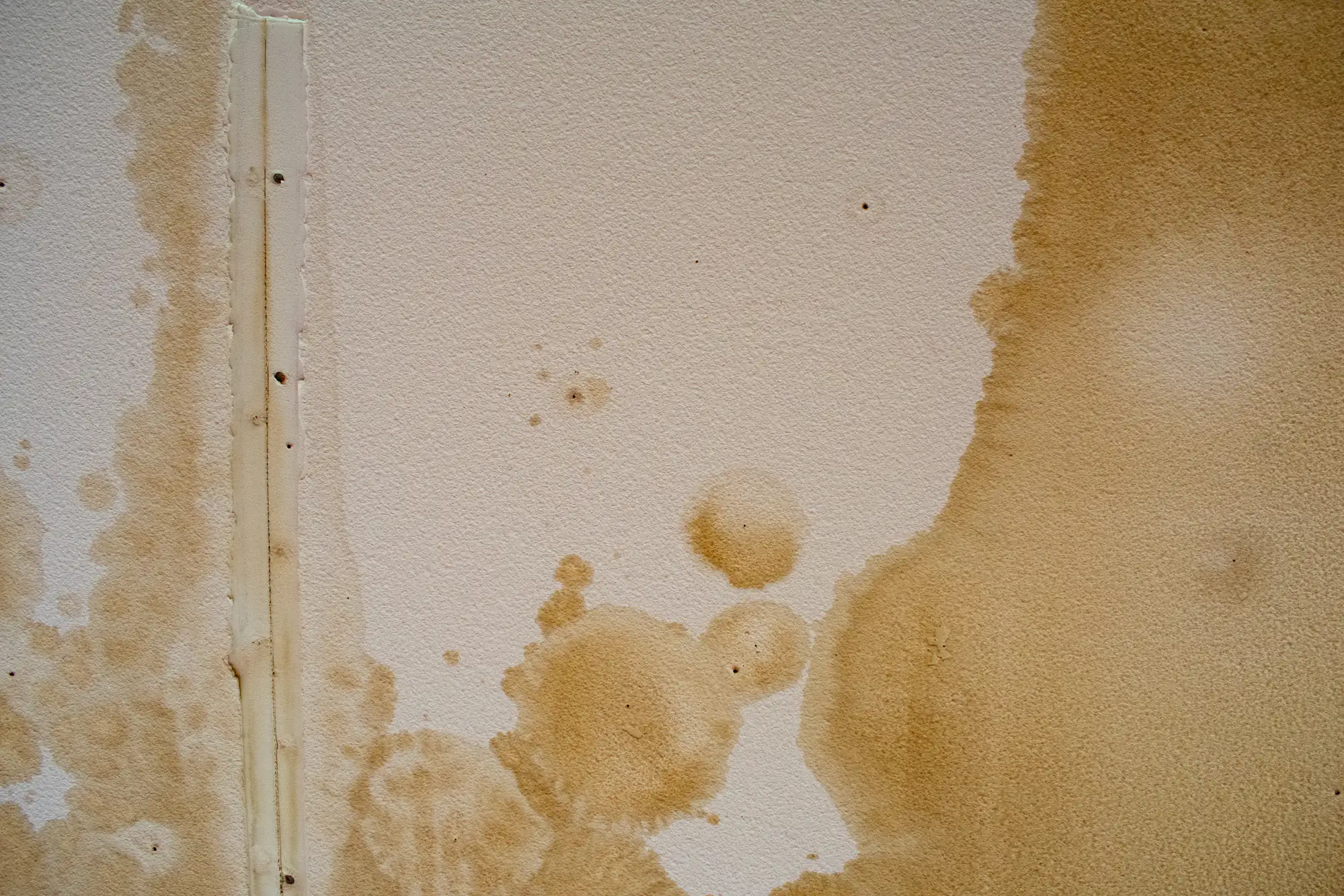
Yes, because installing new sheetrock over water damage is like painting over rust—it might look okay for a minute, but the problem will come back. Water damage in North Amityville homes often comes from roof leaks, plumbing issues, or basement moisture, and each source requires a different approach.
First, we identify where the water is coming from and make sure it’s stopped. There’s no point in repairing drywall if the leak is still active. Next, we assess the damage to the existing sheetrock and framing. If the studs are wet or compromised, they need to dry out or be reinforced before new drywall goes up. Mold is another concern—if it’s present, that gets addressed before any new materials are installed.
Once the source is handled and the area is dry, we remove the damaged sheetrock, inspect the framing, and then proceed with installation. This might mean using moisture-resistant drywall in areas prone to humidity, or adding a vapor barrier depending on the situation. Skipping these steps is how you end up with recurring problems, bubbling paint, or worse—mold growth behind your walls. It takes a little more time upfront, but it’s the only way to ensure the repair actually lasts.
Dustless technology refers to vacuum-assisted sanding tools that capture drywall dust at the source instead of letting it spread throughout your home. Traditional sanding creates a fine dust that settles on everything—furniture, floors, vents, even inside cabinets. It takes days to fully clean up, and if you have allergies or respiratory issues, it’s miserable.
With dustless sanding, the vacuum attachment pulls the dust directly into a collection system as we work. It’s not 100% dust-free, but it’s close—maybe 95% reduction compared to traditional methods. For homeowners in North Amityville, this means you can stay in your home during the project without everything getting coated in white powder.
It also means less prep work on your end. You still want to move valuables and cover furniture, but you’re not dealing with dust infiltrating every corner of your house. And for us, it means better visibility while we work, which leads to a smoother finish. It’s one of those upgrades that seems small until you’ve lived through a drywall project without it—then it becomes non-negotiable. We use this technology because we’re serious about minimizing disruption to your home.
Yes, but it takes experience and the right technique. Matching texture is one of those details that separates a professional repair from an obvious patch job. North Amityville homes have everything from smooth walls to knockdown texture to orange peel finishes, and each one requires a different approach.
For smooth walls, it’s all about the mudding and sanding—getting the surface perfectly level so there’s no shadow or bump where the repair meets the existing wall. For textured walls, we need to replicate the pattern using the right tools and materials. Knockdown texture, for example, is created by spraying joint compound and then lightly flattening it with a trowel. The timing and pressure matter, and if it’s off, the repair stands out.
The hardest part is often matching older textures that have settled or been painted over multiple times. Sometimes we need to blend the repair into a larger area to make the transition less noticeable. And if your walls have a custom or hand-troweled texture, we’ll do a test patch first to make sure we can match it before committing to the full repair. The goal is always the same: when we’re done, you shouldn’t be able to tell where the old wall ends and the new work begins.
Other Services we provide in North Amityville