
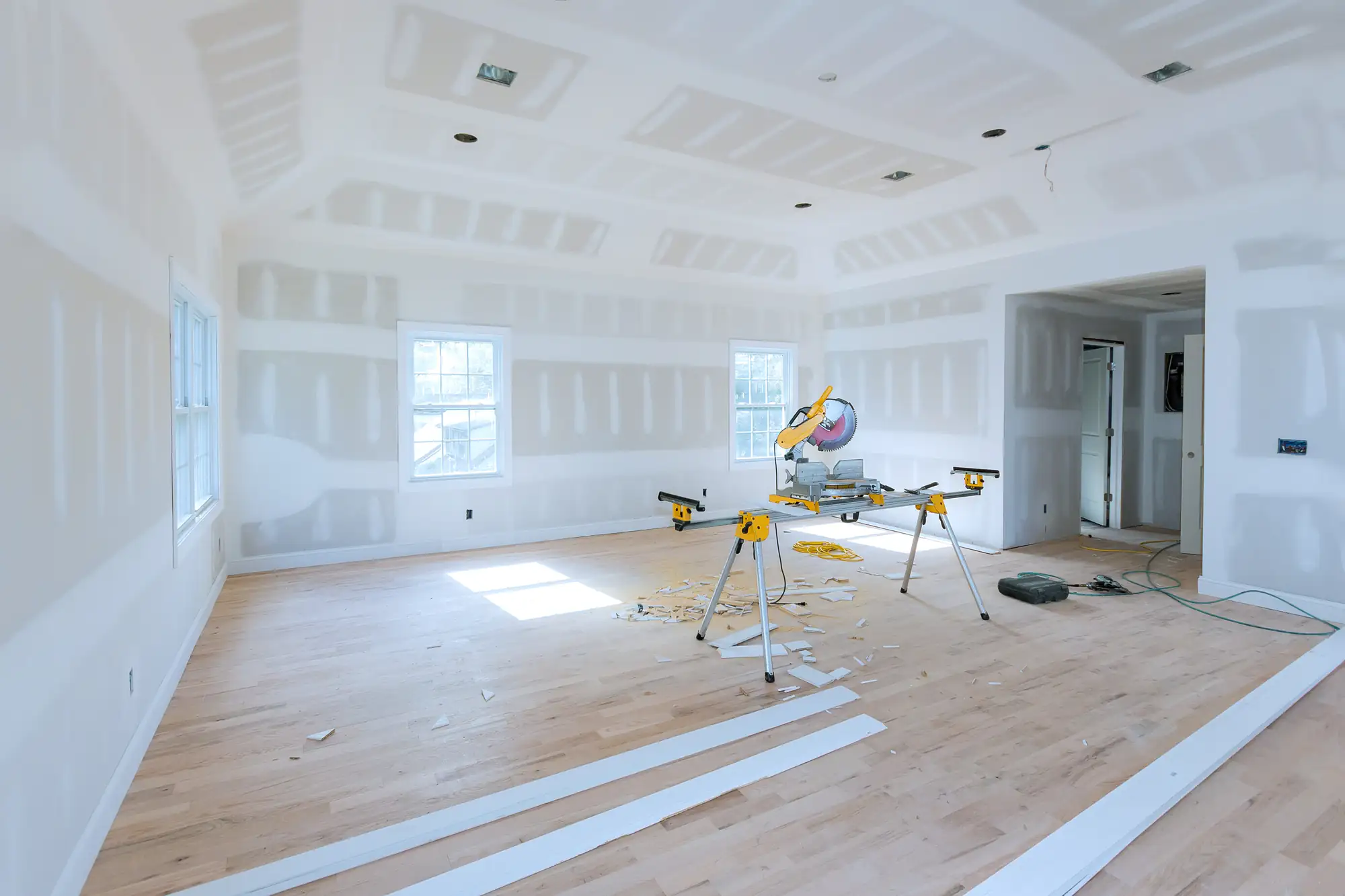
Hear from Our Customers
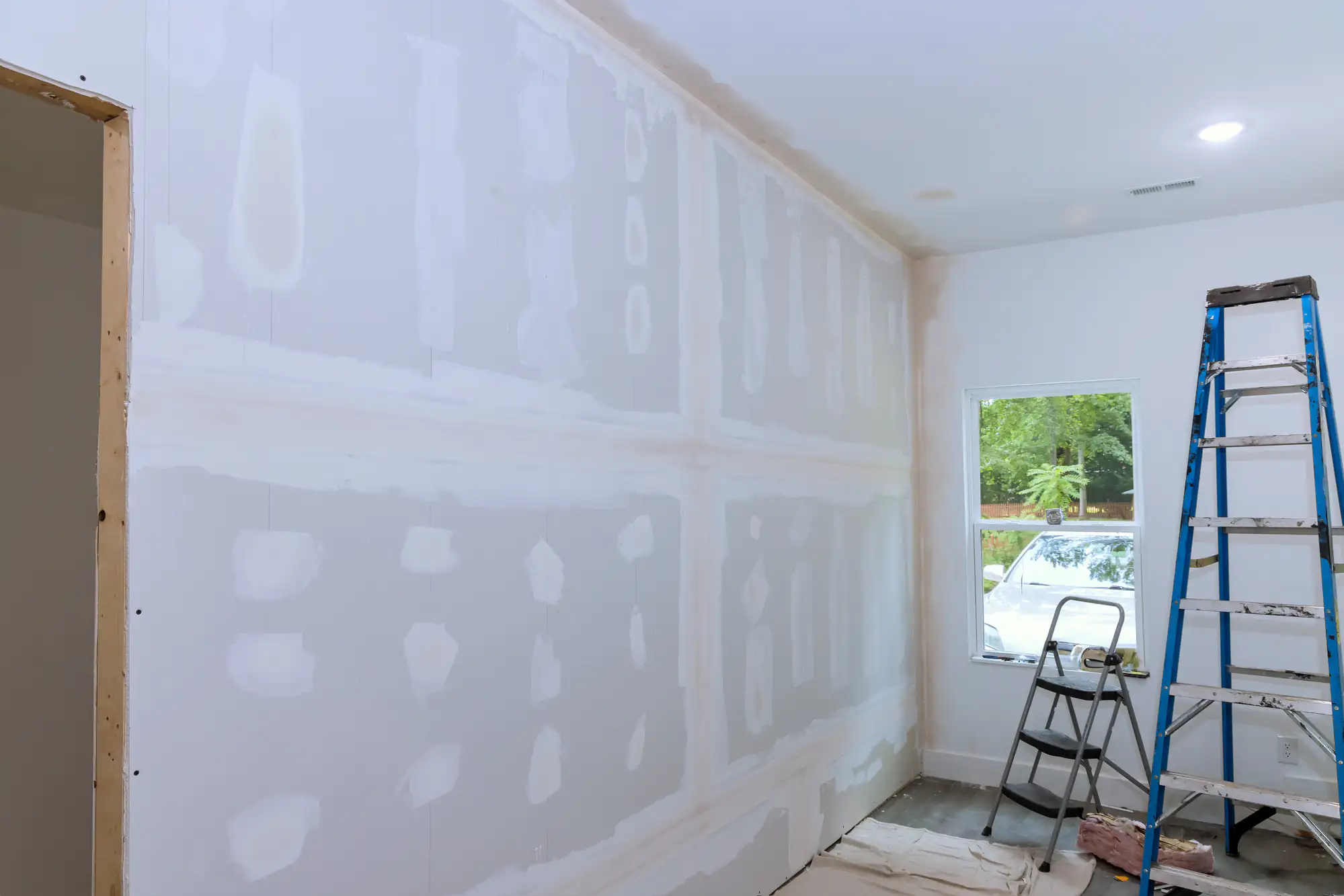
When your walls are done right, you stop noticing them. No visible seams. No cracks showing up six months later. No texture that looks like it was slapped on during a lunch break.
That’s what happens when a sheetrock contractor knows how to prep, hang, tape, and finish correctly. You get walls that take paint evenly, corners that stay crisp, and a finished space that doesn’t need a redo in two years.
Whether it’s drywall repair after a leak, sheetrock installation for a new room, or finishing work that actually looks smooth, the difference is in how the job gets done. You shouldn’t have to live with wavy walls or patch jobs that stand out. And you definitely shouldn’t have to call someone else to fix what the first guy messed up.
We’ve been handling residential sheetrock installation and interior renovations across Suffolk County for nearly a decade. We’re not a crew that just started swinging hammers last year.
Stony Brook University families and homeowners in the area call us because we show up on time, explain what needs to happen, and don’t surprise you with extra charges halfway through. We’ve worked in older homes near campus where walls aren’t square, and newer builds where everything needs to be perfect from the start.
You’re not getting a salesperson. You’re getting someone who’s done thousands of square feet of drywall and knows what holds up.
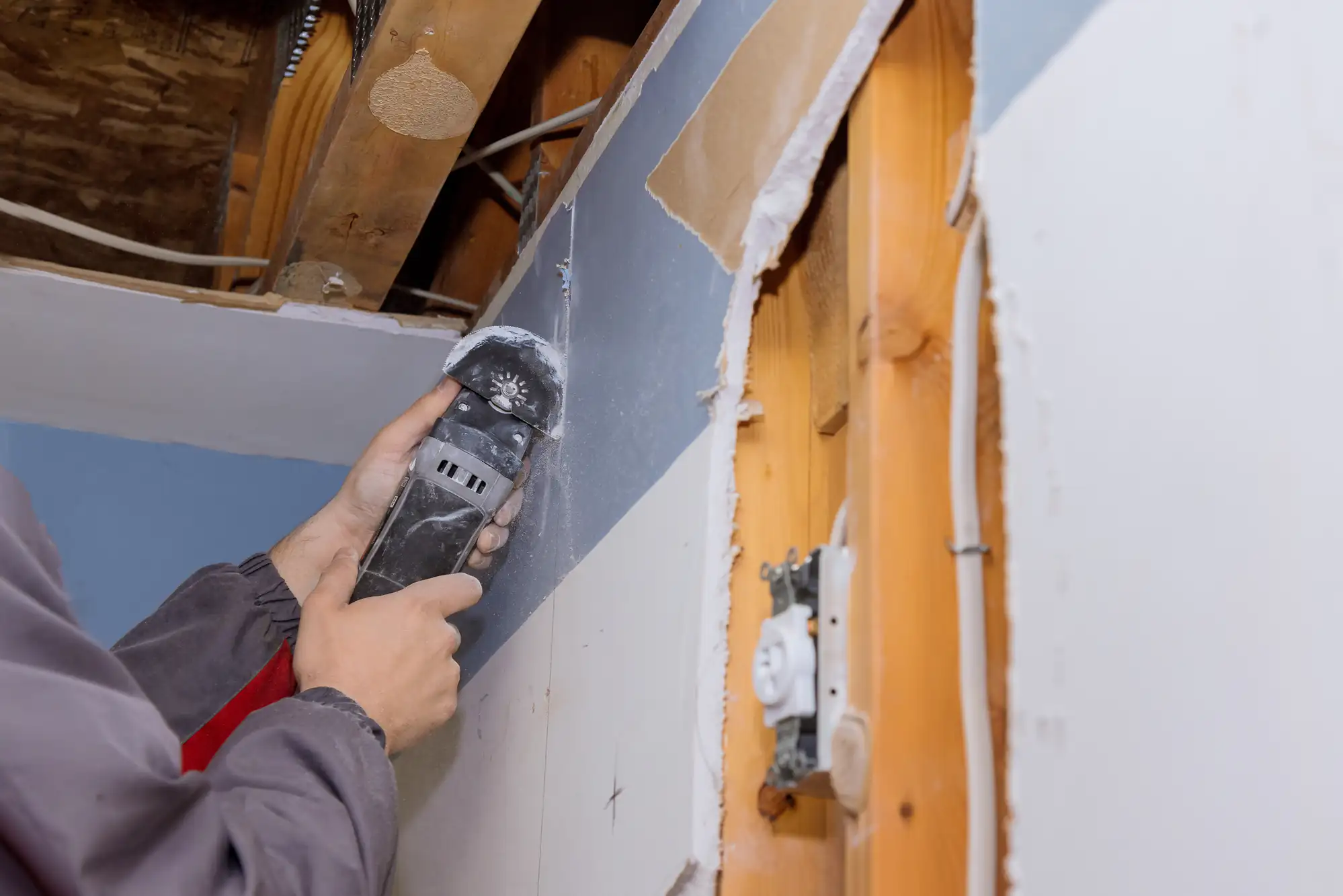
First, we look at what you’re working with. Is this new construction, a repair, or a full gut? That determines how we prep and what materials make sense for your space.
Then we measure, cut, and hang the sheetrock sheets. Everything gets secured properly to studs, with the right fastener spacing so nothing pops or sags later. If you’ve got corners, outlets, or odd angles, we account for all of it before anything goes up.
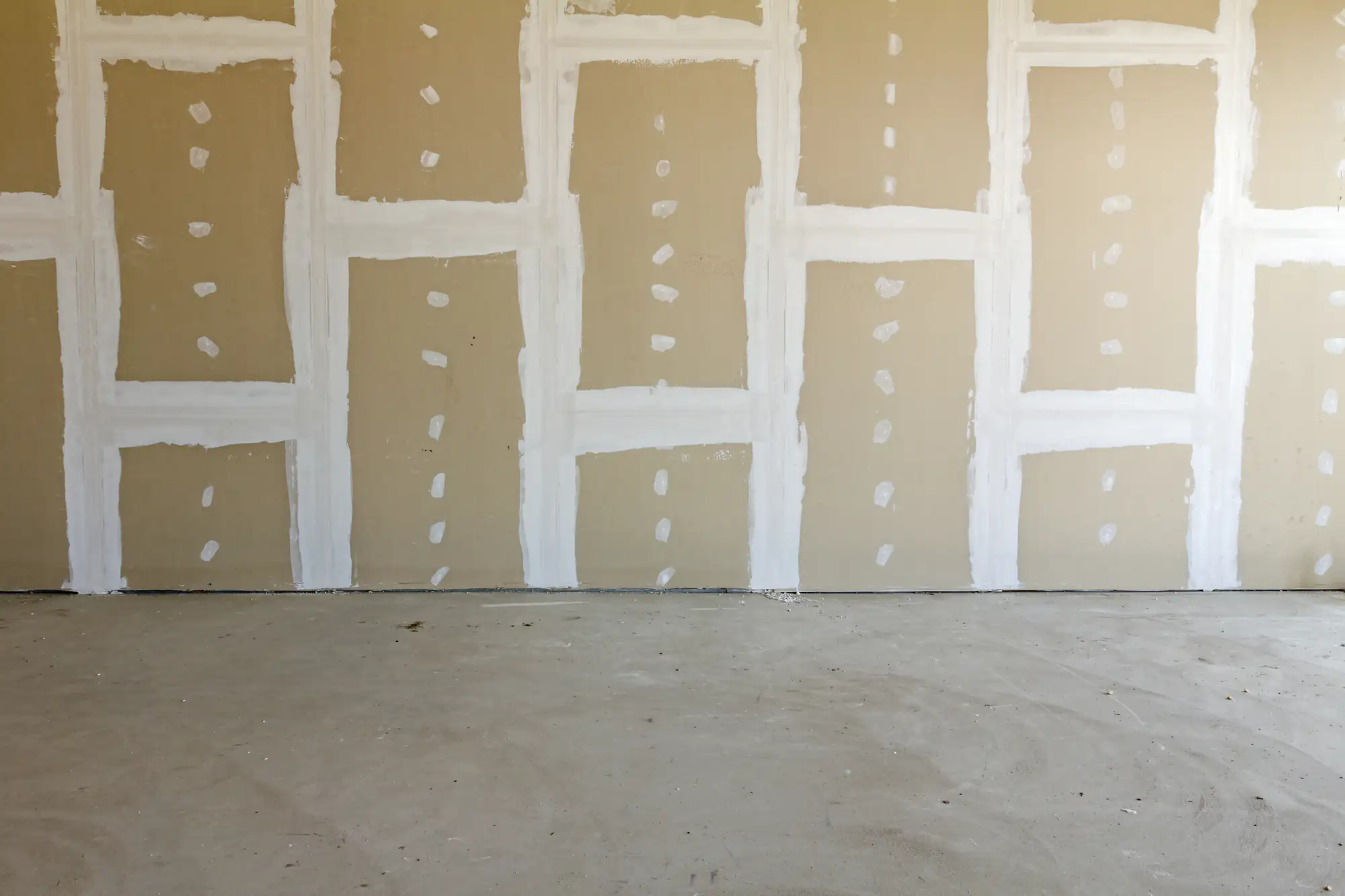
After the sheets are hung, we tape the seams and apply drywall taping compound in layers. This isn’t a one-pass job. Each coat gets sanded smooth before the next goes on. That’s how you avoid visible seams and lumpy texture.
Once the surface is prepped and primed, it’s ready for paint or whatever finish you’re planning. The goal is walls that look flat, feel smooth, and don’t announce where every seam is. That’s the standard, and that’s what you should expect from any professional sheetrock contractor.
Ready to get started?
You’re getting full sheetrock installation services, whether that’s one wall or an entire floor. We handle everything from hanging and taping to finishing and priming, so the surface is ready for whatever comes next.
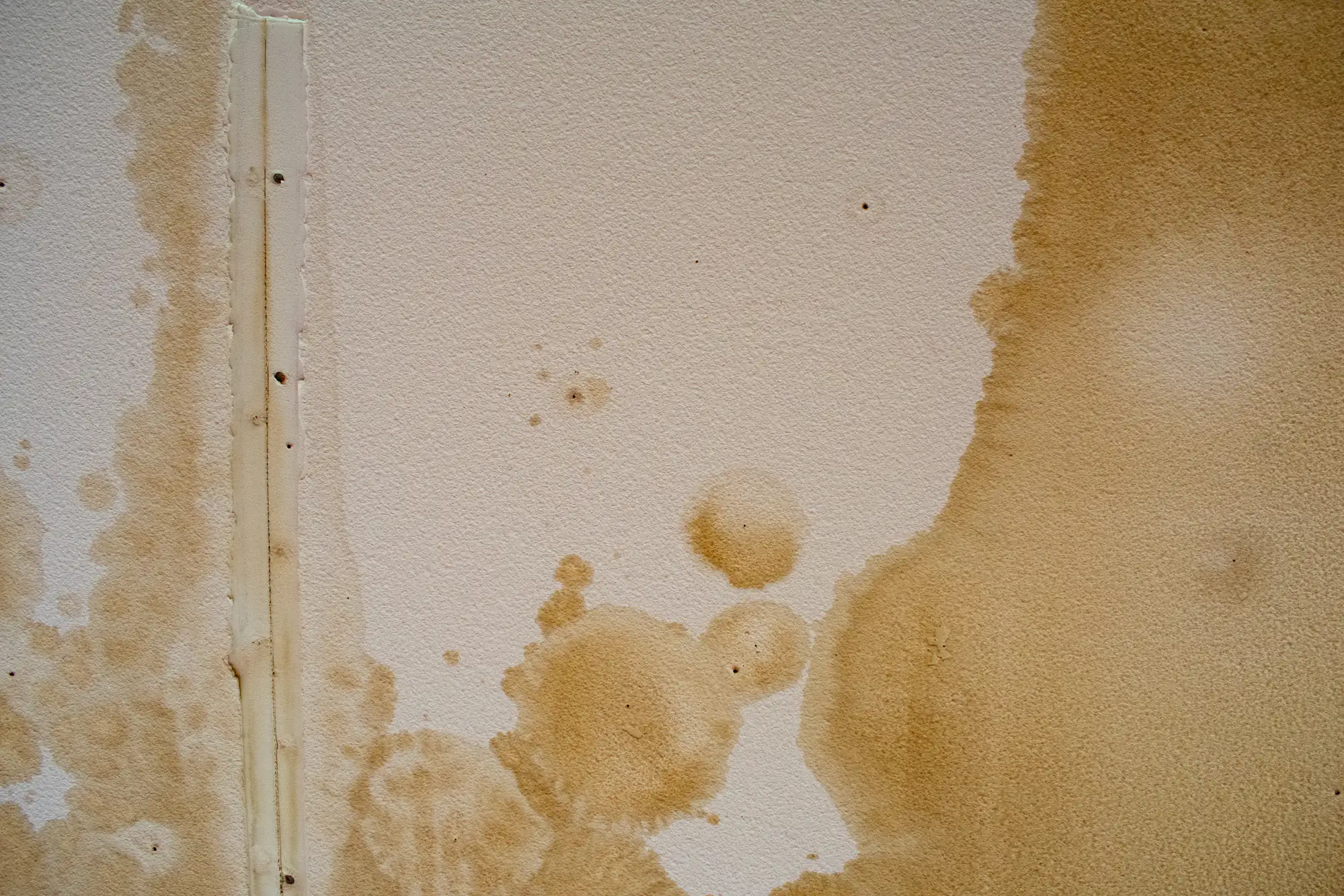
If you’ve got damage from water, holes from old fixtures, or cracks that keep coming back, we handle drywall repair the right way. That means cutting out the bad section, replacing it with solid material, and blending the repair so you can’t tell where the fix was.
Around Stony Brook University, we see a lot of older homes with plaster that’s failing, and newer spaces that need commercial drywall installation for finished basements or office build-outs. Both need different approaches, and we’ve done enough of each to know what works. You’re not getting a one-size-fits-all approach. You’re getting a sheetrock contractor who adjusts the process based on what your space actually needs.
It depends on the size of the job, the condition of your space, and what level of finish you need. A small drywall repair might run a few hundred dollars. A full room with sheetrock installation, taping, and finishing will cost more.
We don’t give ballpark numbers over the phone because every space is different. What we do is come look at your project, measure everything, and give you a clear price before any work starts. No surprises, no “we’ll figure it out as we go.” You’ll know what it costs upfront.
If you’re comparing quotes, make sure you’re comparing the same scope. Some contractors skip steps or use thinner materials to come in cheaper. That’s not a deal, that’s a future headache.
A single room with straightforward sheetrock installation usually takes a few days once we start. Hanging the sheets might take a day. Taping, mudding, and sanding takes longer because each coat of drywall taping compound needs to dry before the next one goes on.
If you’re doing drywall repair on a small section, we can often finish in a day or two. Larger projects, like a basement or multiple rooms, might take a week or more depending on the size and complexity.
We’ll give you a timeline before we start so you know what to expect. We don’t drag jobs out, but we also don’t rush through steps that need time to cure properly. You want walls that last, not walls that crack in six months because someone tried to finish in half the time.
Yes, but it depends on what texture you have. Smooth walls are the easiest to match. Orange peel and knockdown textures are doable, but they take some finesse to blend in with what’s already there.
If you’ve got an older popcorn ceiling or a custom texture, we’ll do our best to get close. Sometimes the original texture was applied with a specific tool or technique that’s hard to replicate perfectly, but we can usually get it close enough that you won’t notice unless you’re looking for it.
The key is feathering the edges of the repair so there’s no hard line where the new work meets the old. That’s where a lot of DIY repairs and cheaper contractors fall short. We take the time to blend it right so your repair doesn’t announce itself every time you walk past.
Nothing, really. Sheetrock is a brand name that became the common term, like Kleenex for tissues. Drywall is the generic term for the same material—gypsum board panels used to build interior walls and ceilings.
Some people use “sheetrock” when they’re talking about residential work and “drywall” for commercial projects, but it’s the same product. What matters more is the thickness and type of board being used. Standard walls use half-inch sheets. Ceilings and areas that need more soundproofing or fire resistance might use thicker panels.
When you’re hiring a sheetrock contractor, what you really want to know is whether they’re using the right materials for your space and whether they know how to finish it properly. The name doesn’t matter. The result does.
Yes. We’ve done residential sheetrock installation in homes all over Stony Brook University and commercial drywall installation for offices, retail spaces, and university-adjacent properties.
The process is similar, but commercial projects usually have tighter timelines, stricter code requirements, and different finish expectations. Residential work tends to focus more on aesthetics and blending with existing spaces. We adjust our approach depending on what the project needs.
Whether you’re a homeowner fixing up a basement or a property manager updating a rental, we handle it the same way: clear communication, clean work, and no surprises. You’ll get the same level of attention either way.
First, make sure they’re licensed and insured. If something goes wrong, you want to know you’re covered. Ask how long they’ve been doing this work and whether they handle the whole job—hanging, taping, finishing—or if they subcontract parts of it out.
Look at how they communicate. Do they show up when they say they will? Do they explain what needs to happen and why? If someone’s vague about pricing or timeline, that’s a red flag.
Finally, ask to see recent work or talk to past clients if you can. A good sheetrock contractor won’t hesitate to show you what they’ve done. If the work looks clean and the seams aren’t visible, that’s a good sign. If you can spot every joint and the texture looks uneven, keep looking.
Other Services we provide in Stony Brook University