
Hear from Our Customers
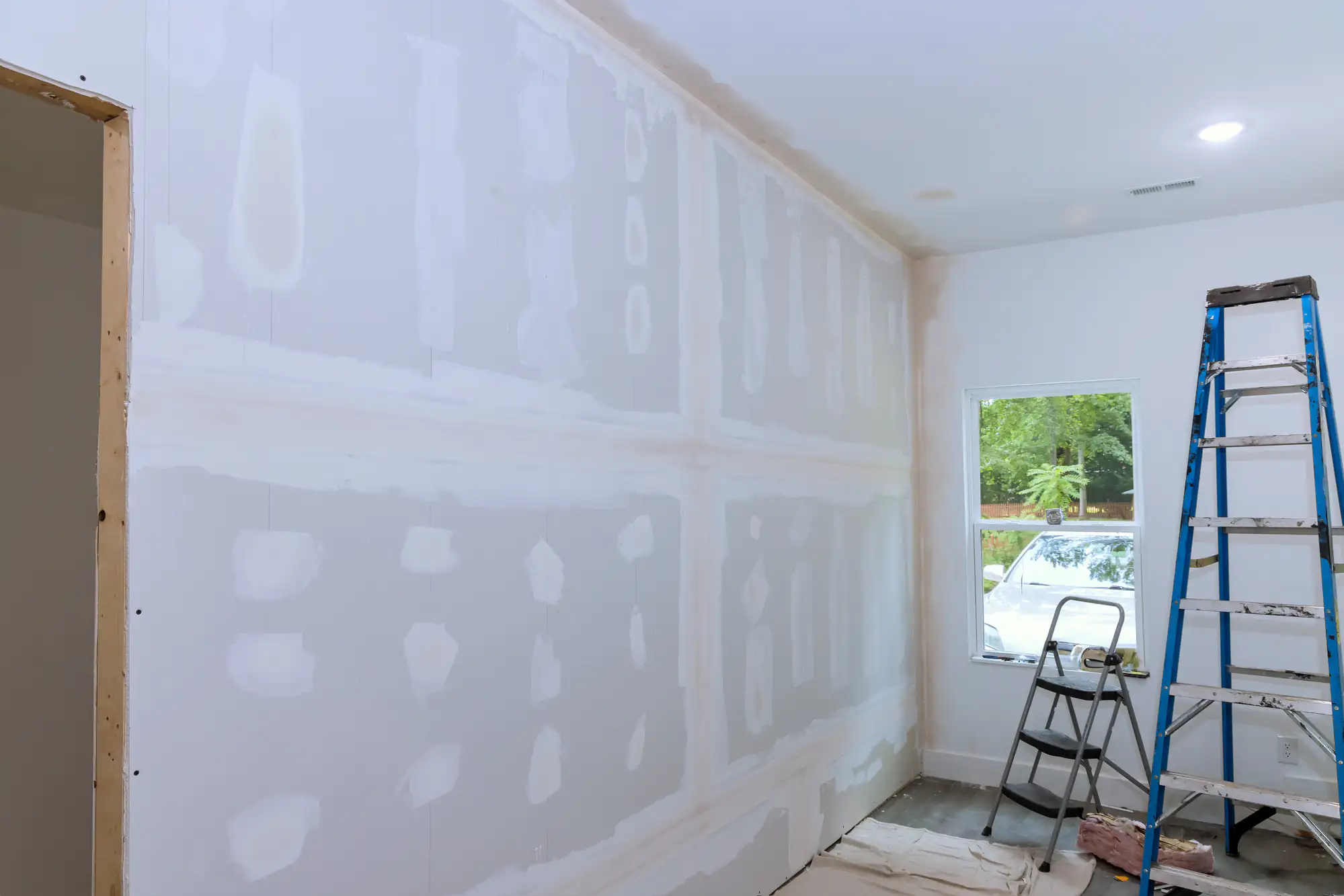
You’re not looking for the cheapest patch job. You’re looking for walls that don’t crack again in six months. Seams that don’t show through your paint. A crew that shows up when they say they will and cleans up before they leave.
That’s what matters when you’re dealing with water damage from a bathroom leak, holes from a contractor who cut into your wall for plumbing, or cracks from your house settling. You need someone who knows how to match existing texture, tape joints so they disappear, and prep surfaces so your painter isn’t fixing our mistakes.
Most homeowners in West Hills have dealt with contractors who left dust everywhere, didn’t protect furniture, or rushed through taping because they were already onto the next job. You shouldn’t have to repaint twice or live with visible seams because someone didn’t know how to feather a joint properly.
When the work’s done, your walls should look like nothing ever happened. Smooth finish. Clean edges. Ready for whatever comes next.
We’ve been doing interior renovations in Suffolk County since 2016. That’s long enough to know what West Hills homeowners deal with—older homes that settle, humidity issues from being close to the water, and the reality that most contractors around here overpromise and under-deliver.
We’re not the biggest operation. We’re not trying to be. What we are is responsive, transparent about what your job actually needs, and honest about timing and cost before we start. You’ll talk directly to the owner, not a salesperson. You’ll get a straight answer about whether that crack needs structural attention or just a proper patch.
We’ve worked in enough homes in Huntington, Melville, and Dix Hills to know what local building styles require. We know the difference between a quick cosmetic fix and a repair that actually lasts.
First, we look at what’s actually going on. Not every crack needs a full sheet replacement. Sometimes it’s a simple patch. Sometimes it’s a bigger issue with moisture or structure that needs addressing first. We’ll tell you which one you’re dealing with.
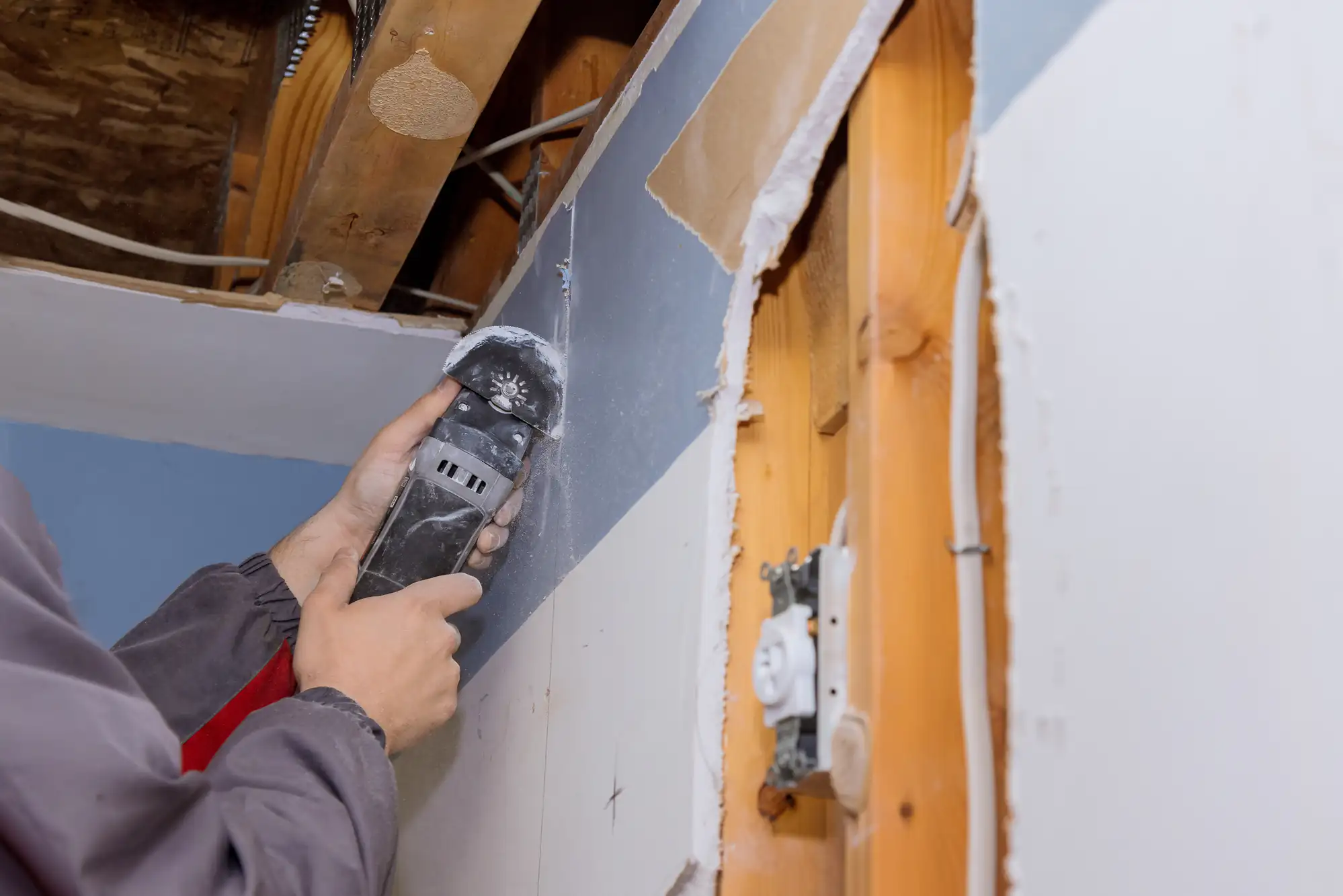
Once we’re clear on scope, we protect your floors and furniture. Then we remove damaged material, prep the area, and install new sheetrock or patch existing sections. All seams get taped with proper joint compound—not the shortcut version that cracks in a year.
After that comes sanding. We use dust-control methods because nobody wants to spend a week cleaning drywall dust out of their vents. Then we prime patched areas so paint goes on evenly. If you’re painting yourself, you’ll have a clean surface to work with. If we’re handling paint too, we’ll match your existing finish.
The goal is simple: when we leave, you shouldn’t be able to tell where the repair was. No ridges. No discoloration. No rough patches your painter has to fix later.
Ready to get started?
We handle full sheetrock installation for additions, basements, and new construction. We also do smaller repairs—patches from doorknob holes, cracks from settling, water damage from leaks, and fixes after electrical or plumbing work.
You’ll get proper surface prep, which matters more than most people realize. If the studs aren’t straight or the old adhesive isn’t scraped off, your new drywall won’t sit flat. We take care of that before we hang anything.
For West Hills homes specifically, we see a lot of older construction where walls weren’t finished to modern standards. Popcorn ceilings that need smoothing. Textured walls that homeowners want updated. Plaster that’s cracked beyond repair and needs converting to drywall. We’ve done enough of these projects locally to know what works and what doesn’t.
We also handle skim coating—that’s when you want to smooth out textured walls without tearing everything down. It’s a cleaner, faster process than full replacement when the underlying structure is still solid. Plenty of homes in the area benefit from this approach, especially if you’re updating before selling or just want a more modern look.
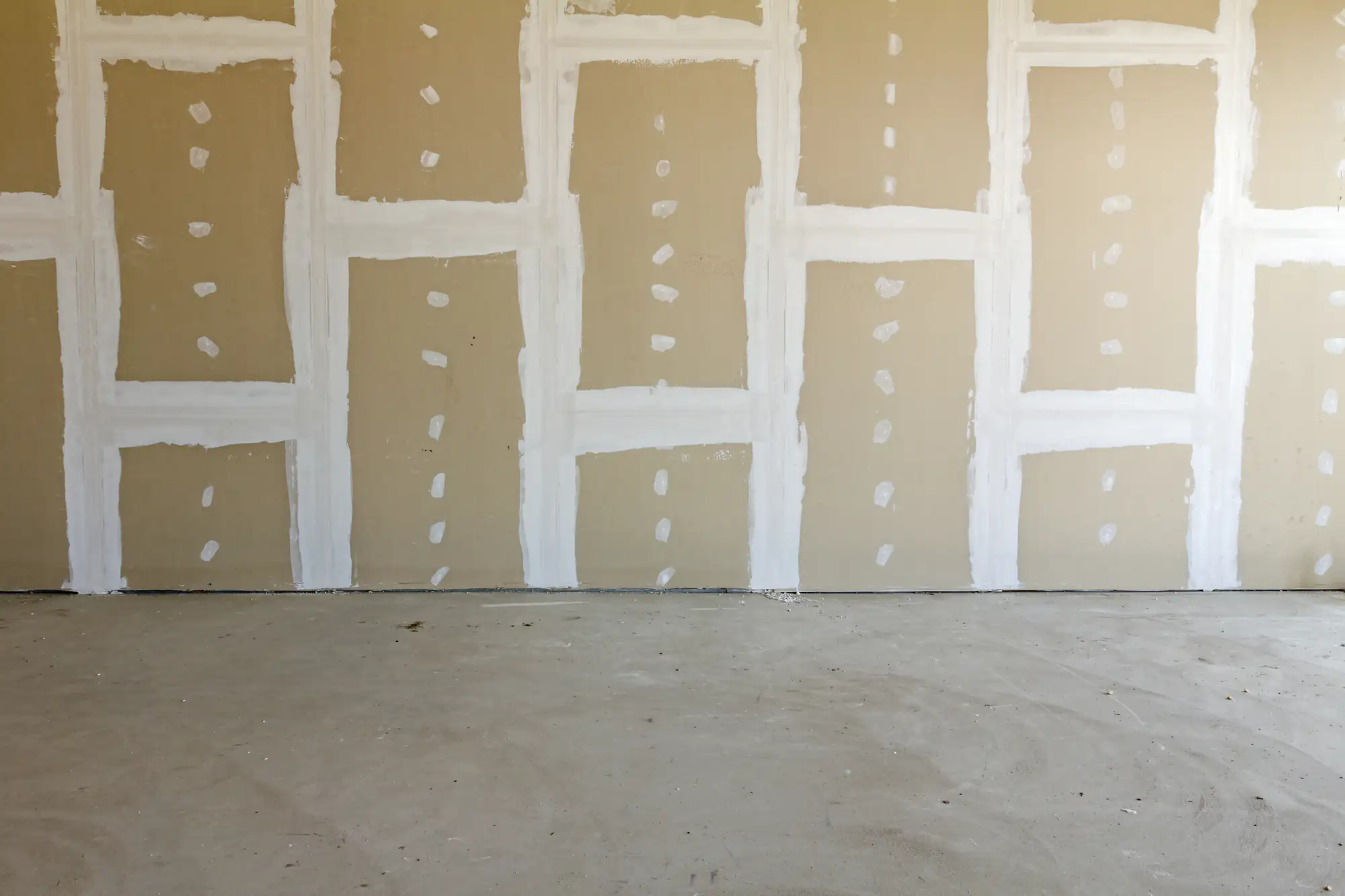
Depends entirely on what we’re fixing. A single patch—say, a hole from a doorknob or a small crack—usually takes a day once materials are on site. That includes prep, patching, taping, and a first coat of joint compound. You’ll need to wait for that to dry before sanding and priming, so figure two to three days total before it’s ready for paint.
Larger jobs, like replacing full sheets after water damage or finishing a basement, take longer. A basement might be a week or more depending on square footage and whether we’re also handling insulation, framing adjustments, or other prep work. Water damage jobs depend on how much material got compromised—if it’s just one wall, that’s a few days. If it’s multiple rooms, it’s longer.
We’ll give you a realistic timeline upfront. If drying time or scheduling pushes things back, we’ll let you know before it becomes a problem.
Patching works when the damage is localized and the surrounding drywall is still solid. Small holes, cracks, dents—those get patched. We cut out the damaged section, back it with a backer board or mesh, apply joint compound in layers, then sand it smooth. Done right, you won’t see where the patch was.
Full replacement makes sense when damage is widespread, when there are structural issues behind the drywall, or when water has soaked through and compromised the integrity of the panel. If the paper facing is bubbling or the gypsum core is crumbling, a patch won’t hold. You need new material.
We’ve seen plenty of homes where someone tried to patch over serious water damage, and it just fails again within months. If replacement is what you need, we’ll explain why before we do the work. You’re not paying for a new panel just because it’s easier for us—you’re paying for it because it’s the only thing that’ll actually last.
Yes. Residential is our primary focus, but we’ve worked on commercial spaces too—offices, retail interiors, medical facilities. The process is similar, but commercial jobs usually have stricter timelines and sometimes require fire-rated or moisture-resistant drywall depending on building codes.
For residential sheetrock installation, we’re usually working around your schedule. You’re living in the space, so we coordinate to minimize disruption. For commercial projects, it’s more about hitting deadlines so the business can open or get back to operating.
Either way, the standards are the same. Straight seams. Smooth finish. Proper taping. No shortcuts. If you’re a property manager or business owner in West Hills dealing with build-outs or renovations, we can handle it. Just know that our approach doesn’t change based on project type—we’re still going to do it right or not do it at all.
Small patches—fixing a single hole or crack—usually run a few hundred dollars depending on size and finish requirements. If you need multiple patches in different rooms, cost goes up but not proportionally since we’re already on site.
Full panel replacement costs more. You’re paying for material, labor to remove old drywall, disposal, installation, taping, mudding, sanding, and priming. For a standard room, figure low four figures depending on how many sheets need replacing and what’s involved with prep work.
Larger projects like finishing a basement or repairing extensive water damage can run higher. We’ll give you a clear estimate before starting so there’s no confusion about what you’re paying for. We don’t do the thing where the price magically increases once we’re halfway through. If we find something unexpected—like mold or structural damage that needs addressing—we’ll stop and talk to you before adding costs.
In most cases, yes. Matching texture is part of making a repair invisible. If your walls have knockdown, orange peel, or skip trowel texture, we replicate it after the patch is smooth. It takes practice to get it right, especially with older textures that aren’t commonly used anymore.
Some textures are harder to match than others. Popcorn ceilings, for example, often contain materials that aren’t available anymore, so a perfect match isn’t always possible. In those situations, we’ll talk through your options—either getting as close as we can, or removing texture from a larger area so everything’s consistent.
If your walls are smooth, matching is easier but the standards are higher. Any imperfection shows through paint on a smooth wall, so sanding and priming have to be spot-on. We take the time to get it right because there’s no hiding bad work on a flat finish.
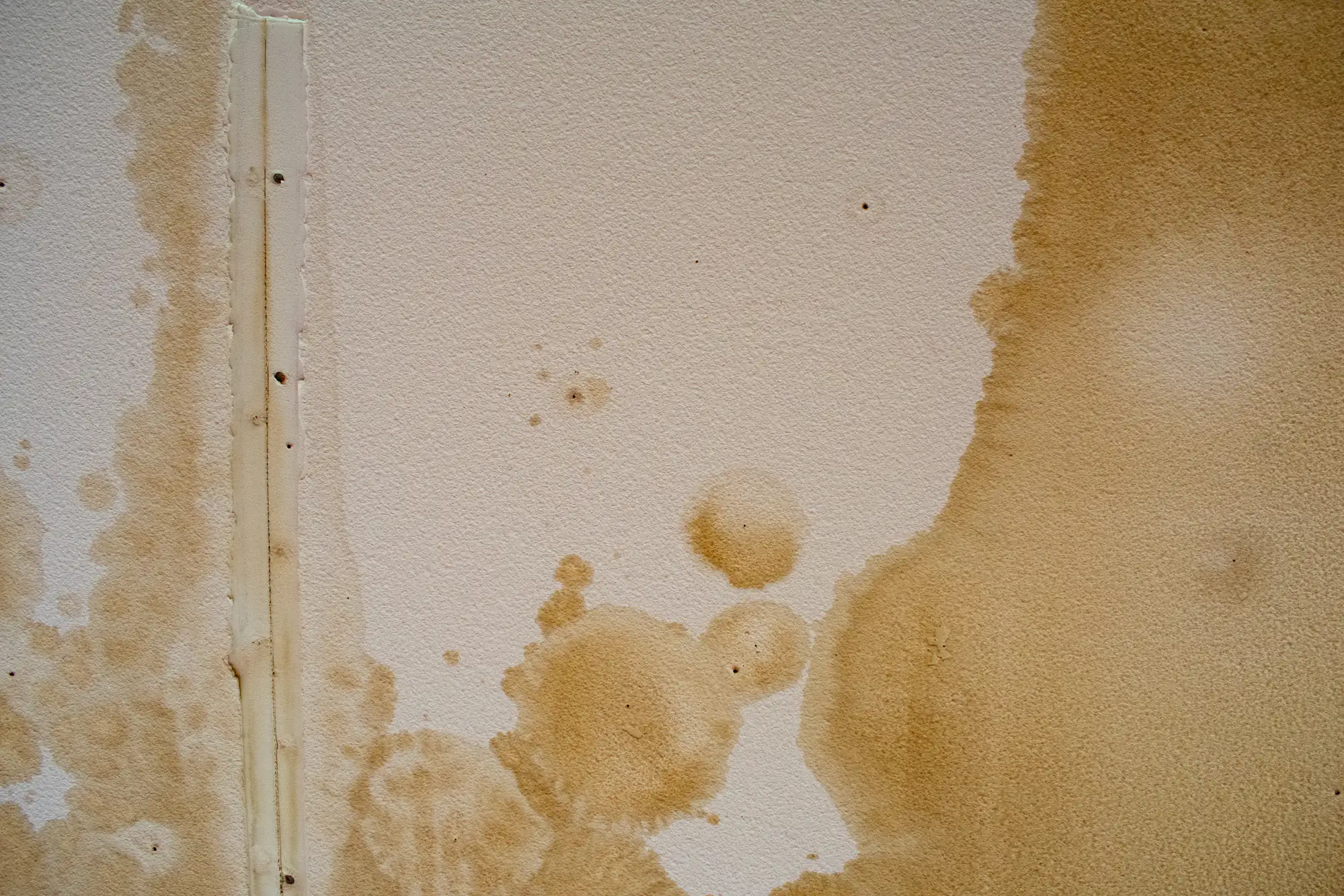
First, figure out where the water’s coming from and stop it. Doesn’t matter how good the repair is if the leak’s still active—you’ll just damage the new drywall too. Check for roof leaks, plumbing issues, or condensation problems before calling anyone to fix the walls.
Once the source is handled and everything’s dried out, assess the damage. If the drywall is discolored but still firm, it might just need repainting. If it’s soft, sagging, or crumbling, it needs replacement. If you see mold, that’s a separate issue that has to be remediated before any drywall work happens.
When you call us, we’ll look at what’s damaged, check whether framing or insulation behind the drywall also got wet, and give you a realistic scope. Sometimes water damage looks worse than it is. Sometimes it’s worse than it looks. Either way, you’ll know what you’re dealing with before we start tearing anything out.