
Hear from Our Customers
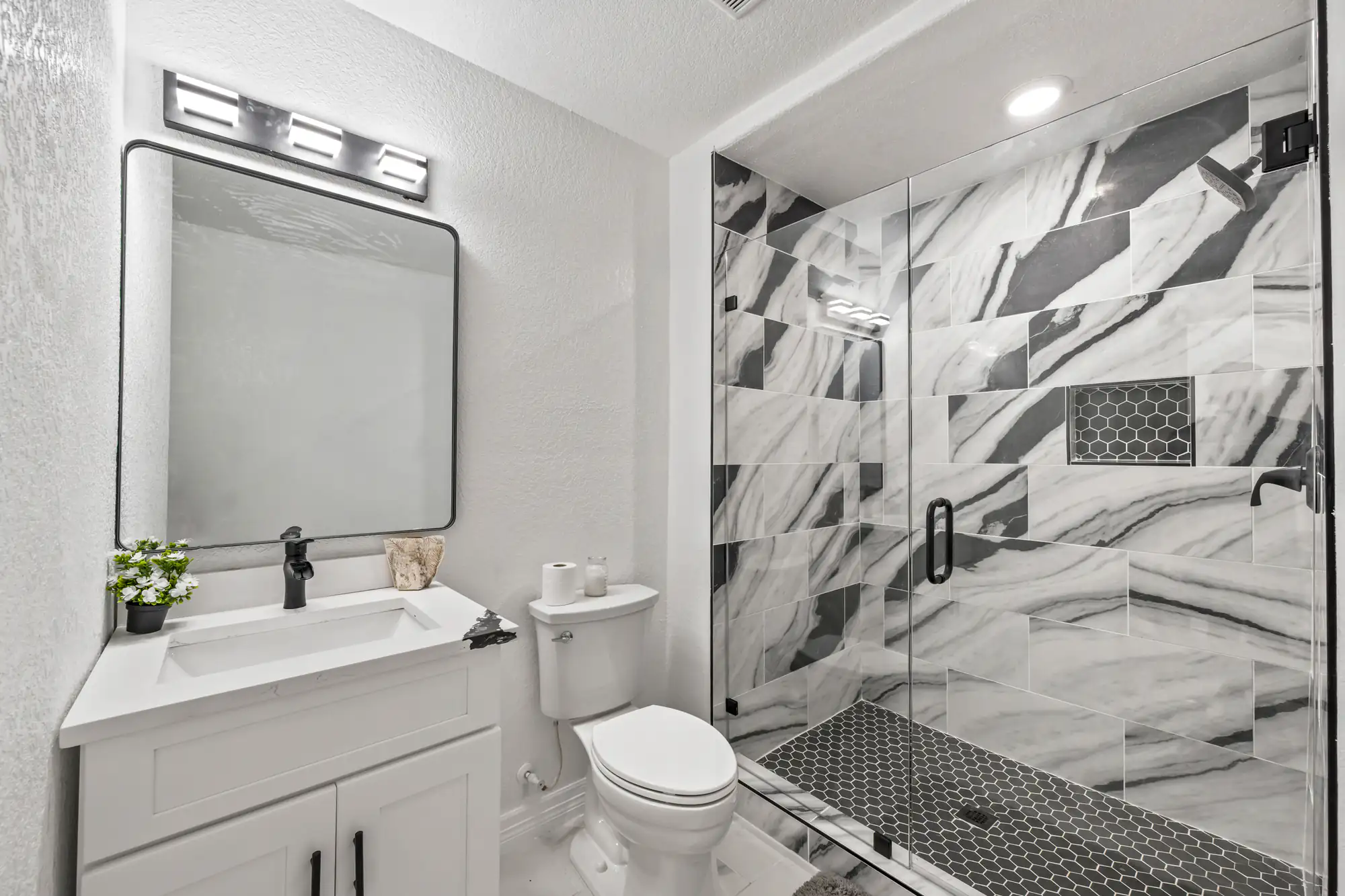
You’re not remodeling your bathroom just to check a box. You want a space that works better, looks cleaner, and doesn’t make you cringe every time you walk in.
Most bathrooms in Islip Terrace were built 60+ years ago. That means outdated layouts, inefficient fixtures, and finishes that stopped looking good decades ago. A proper bathroom remodel fixes that—walk-in showers that don’t leak, storage that makes sense, lighting that actually helps, and materials built to handle daily use without falling apart.
Done right, a midrange bathroom renovation returns about 74% of what you spend when you sell. Done poorly, it becomes the reason buyers walk away. The difference isn’t just how it looks—it’s how it’s built, what goes behind the walls, and whether the contractor knows what they’re doing before they start tearing things apart.
We’ve been handling full bathroom remodels across Suffolk County for nearly a decade. We’re not the biggest name in the area, and we’re fine with that.
What we are is direct. You’ll talk to the people doing the work, not a sales team trying to upsell you on things you don’t need. We’ve worked in enough Islip Terrace homes to know what these older bathrooms need—and what they don’t.
Our approach is simple: show up on time, do the work right, communicate clearly, and don’t surprise you with costs that weren’t discussed. If that sounds basic, it’s because it should be. It just isn’t always.
First, we walk through your bathroom with you. We look at what’s not working, what you want changed, and what’s realistic given your layout and budget. No pressure, no same-day discounts—just a real conversation about what’s possible.
From there, we put together a detailed estimate that breaks down materials, labor, and timeline. If something needs to be opened up to check for hidden issues—like old plumbing or water damage—we tell you that upfront, not three weeks into the job.
Once we start, demo comes first. We protect the rest of your home, remove old fixtures and finishes, and address anything behind the walls that needs fixing. Then comes rough plumbing and electrical, followed by waterproofing, tile work, and installation of your new tub, shower, vanity, and fixtures.
We don’t disappear halfway through. You’ll know who’s in your house, what’s happening each day, and when we’ll be done. When the job’s finished, you get a bathroom that works the way it should—and a final walkthrough to make sure you’re happy with it.
Ready to get started?
A full bathroom remodel covers everything from the subfloor to the ceiling. That includes demo and disposal, plumbing updates, electrical work, proper waterproofing, tile installation, and new fixtures like vanities, toilets, tubs, and showers.
In Islip Terrace, where most homes were built between the 1940s and 1960s, we often find cast iron plumbing, outdated electrical, and tile set over materials that don’t meet today’s standards. Fixing that isn’t optional—it’s what keeps your remodel from failing in five years.
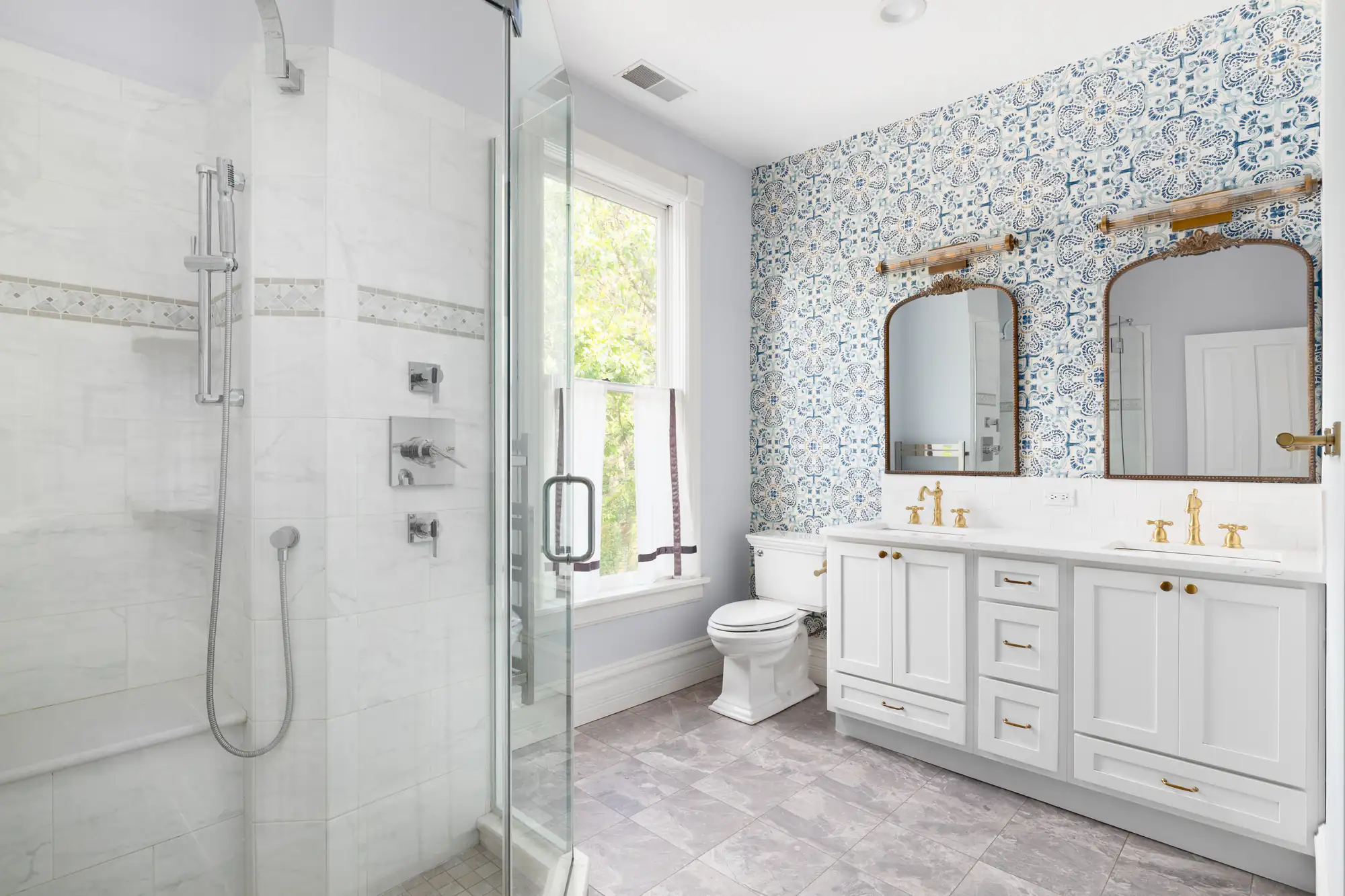
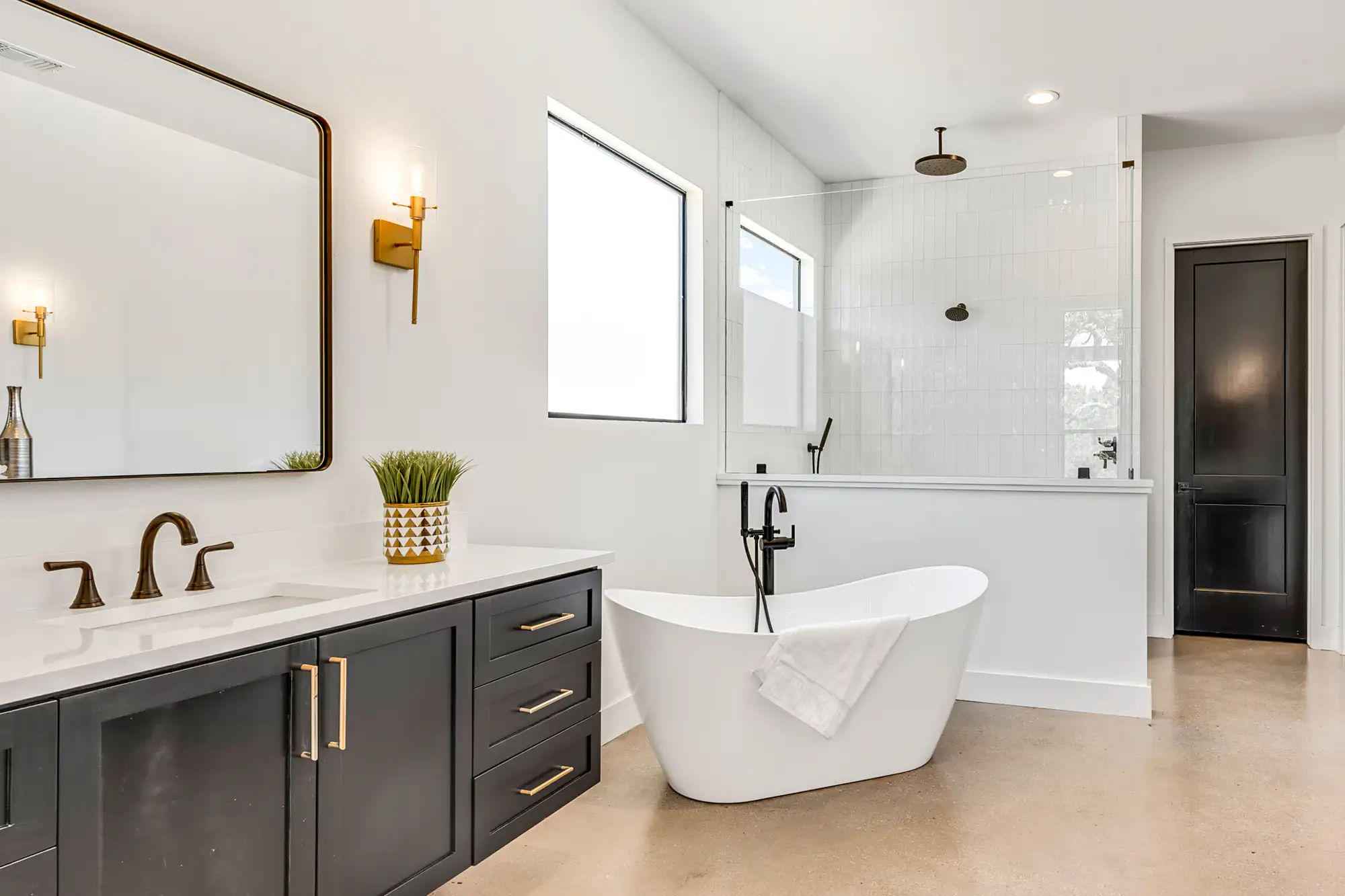
Walk-in showers are one of the most requested upgrades we handle. They’re easier to access, simpler to clean, and buyers expect them. We also install soaking tubs, frameless glass enclosures, heated floors, and updated vanities with real storage. If you’re planning to age in place, we can incorporate grab bars, curbless showers, and slip-resistant flooring without making it look institutional.
Materials matter. We use moisture-resistant drywall, proper membranes under tile, and fixtures that won’t corrode or leak after a year. The goal is a bathroom that holds up to humidity, daily use, and Long Island’s freeze-thaw cycles without constant repairs.
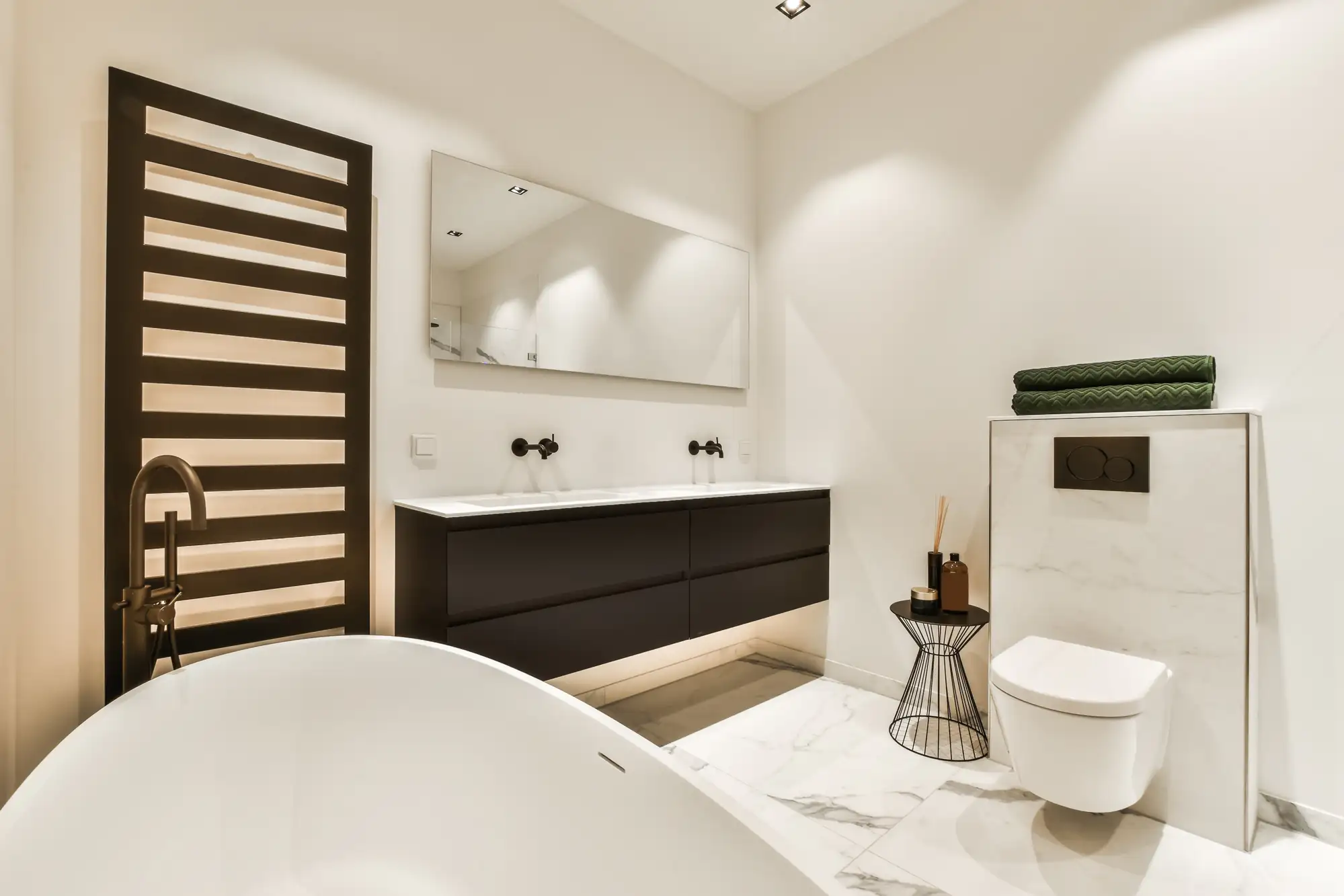
Most full bathroom remodels in Islip Terrace run between $25,000 and $40,000 for a midrange update. That typically includes new tile, a walk-in shower or tub, updated vanity, toilet, lighting, and fixtures.
Upscale remodels with custom tile, high-end finishes, or significant layout changes can push closer to $50,000 or more. Smaller updates—like replacing a shower, refinishing surfaces, or swapping fixtures—start lower, usually in the $8,000 to $15,000 range.
The actual number depends on the size of your bathroom, the condition of what’s behind the walls, and what you’re replacing. Older homes often need plumbing or electrical upgrades that weren’t obvious until demo starts. We give you a detailed estimate upfront and flag anything that might add cost before we begin, so there’s no guessing halfway through the job.
A full bathroom remodel usually takes three to four weeks once we start. That includes demo, plumbing and electrical rough-in, waterproofing, tile work, fixture installation, and finishing details.
Smaller projects—like a shower replacement or vanity update—can be done in one to two weeks. Larger remodels that involve moving plumbing, expanding the footprint, or dealing with structural issues take longer, sometimes five to six weeks.
Weather, product availability, and what we find during demo can all affect timing. If we open a wall and discover rotted framing or outdated wiring that needs replacing, we’ll let you know immediately and adjust the schedule. We don’t rush through steps that need to be done right, and we don’t drag jobs out unnecessarily. You’ll get a realistic timeline before we start and updates if anything changes.
If your bathroom looks dated or has visible issues, updating it before you sell usually makes sense. Homes in Islip Terrace move fast—most sell in under 40 days—and buyers expect updated bathrooms, especially at the $500,000+ price point most homes here command.
A midrange bathroom remodel typically returns 73-80% of the cost at resale, and it can be the deciding factor between your home and another listing down the street. Buyers will pay more for a house they can move into without immediately gutting the bathroom.
That said, you don’t need a luxury remodel to sell. A clean, functional, modern bathroom is what matters. New tile, a walk-in shower, updated vanity, and good lighting go a long way. If you’re planning to sell within the next year, focus on updates that appeal to the broadest range of buyers—neutral colors, durable materials, and layouts that make sense. Skip the custom touches that only you care about.
The terms get used interchangeably, but there’s a difference. A renovation usually means updating or restoring what’s already there—new paint, refinished fixtures, replaced tile. A remodel involves changing the layout, moving plumbing, or completely reconfiguring the space.
Most projects we handle in Islip Terrace fall somewhere in between. You’re keeping the bathroom in the same spot, but you’re tearing out everything inside and rebuilding it with modern materials, better functionality, and an updated design.
If you’re just refreshing surfaces and swapping fixtures, that’s closer to a renovation. If you’re removing a tub to install a walk-in shower, relocating the vanity, or adding a second sink, that’s a remodel. The scope affects cost, timeline, and permits. We’ll walk you through what your project actually requires and what makes sense for your goals and budget.
If you’re doing any plumbing or electrical work, moving walls, or changing the layout, yes—you need a permit. The Town of Islip requires permits for most bathroom remodels that go beyond cosmetic updates like painting or replacing a vanity.
Permits aren’t just red tape. They ensure the work meets code, gets inspected, and won’t cause problems when you sell. Skipping permits can lead to fines, failed inspections during a home sale, or insurance issues if something goes wrong.
We handle the permit process as part of the job. That includes submitting plans, scheduling inspections, and making sure everything passes. It adds a little time to the project, but it protects you and ensures the work is done to Long Island’s building standards. If a contractor tells you that you don’t need a permit when you clearly do, that’s a red flag.
In most cases, yes. Walk-in showers are one of the most common requests we get, and they usually fit in the same footprint as your existing tub or shower.
The process involves removing your old tub or shower, updating the plumbing if needed, waterproofing the area properly, and installing a new shower base, walls, and glass enclosure. If your bathroom is tight on space, we can design a corner unit or use a frameless glass door to make the room feel larger.
Curbless walk-in showers—where there’s no step to get in—require more planning. The floor needs to slope toward the drain, and we sometimes need to lower the subfloor or adjust framing. It’s doable, but it depends on your home’s structure and how the bathroom sits relative to the floor joists. We’ll assess your space during the estimate and let you know what’s possible without tearing into the rest of your house.