
Hear from Our Customers
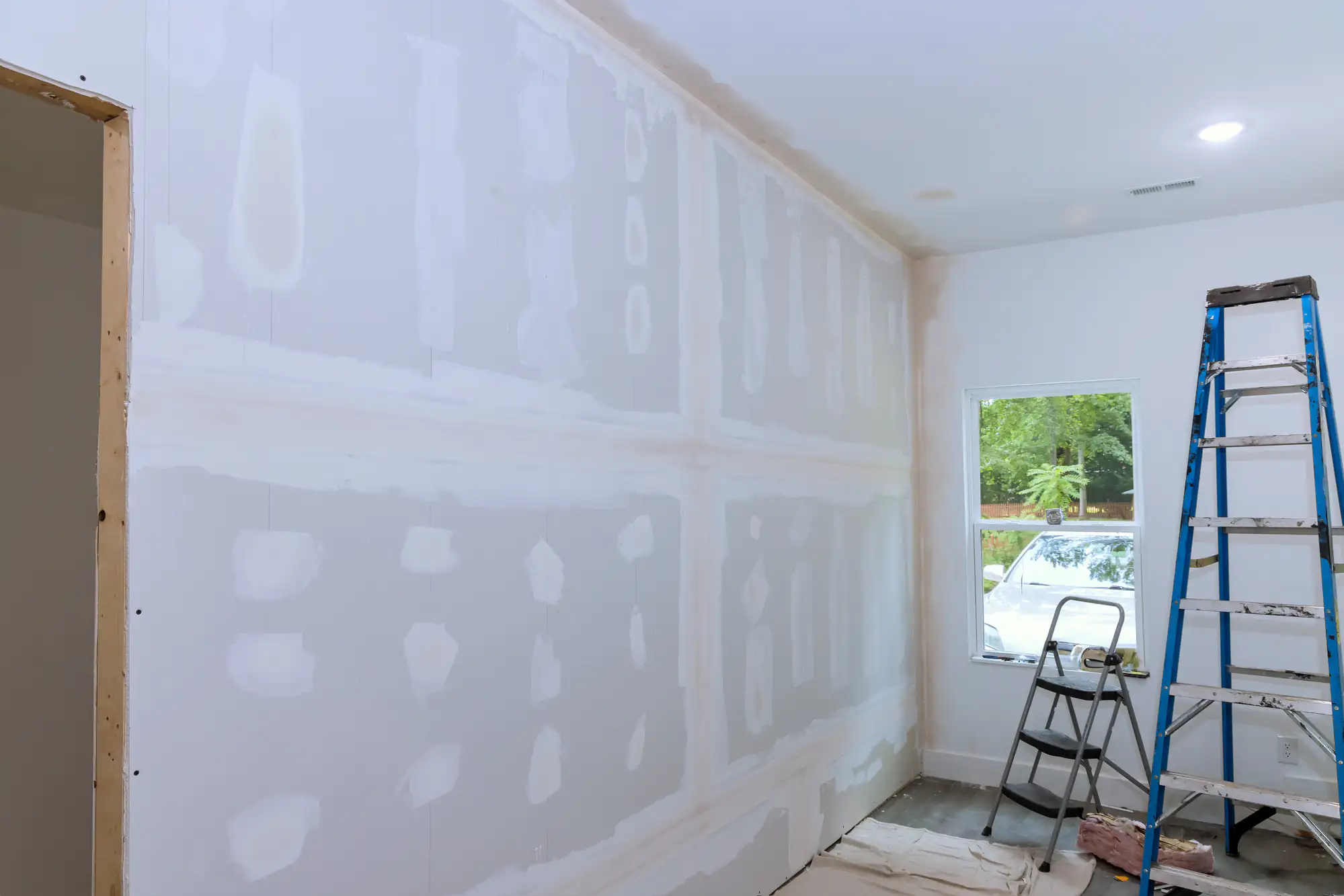
You’re not just getting walls hung. You’re getting rooms that look finished, seams you can’t see, and corners that actually meet cleanly.
When a professional sheetrock contractor handles your residential sheetrock installation, you don’t spend weekends fixing cracks or repainting because the taping wasn’t done right. You don’t deal with callbacks or excuses. The work holds up because it was done correctly from the start—proper fastening, clean taping, smooth finishing.
That’s what matters when you’re comparing quotes. Not just the price, but whether the drywall repair you’re paying for today is something you’ll need to redo in six months. Whether the contractor shows up when they say they will. Whether they protect your floors, clean up the dust, and leave your home the way they found it—just with better walls.
We’ve been handling interior projects across Coram, Centereach, Farmingville, and the surrounding Suffolk County area since 2016. We’re the local drywall contractor your neighbors call when they need sheetrock installation services that don’t come with drama.
We don’t play games with pricing. No surprise charges, no pressure tactics, no disappearing after the deposit clears. Just straightforward communication about what the job involves, what it costs, and when it’ll be done.
Coram homeowners deal with the same issues you do—plumbers and electricians who leave holes that need patching, outdated popcorn ceilings, basements that need finishing. We’ve seen it all, and we know how to fix it right.
First, we look at what you’re dealing with. New construction, remodel, repair work—it changes the approach. We measure, check for any underlying issues that’ll cause problems later, and give you a clear quote. No vague estimates that balloon once we start.
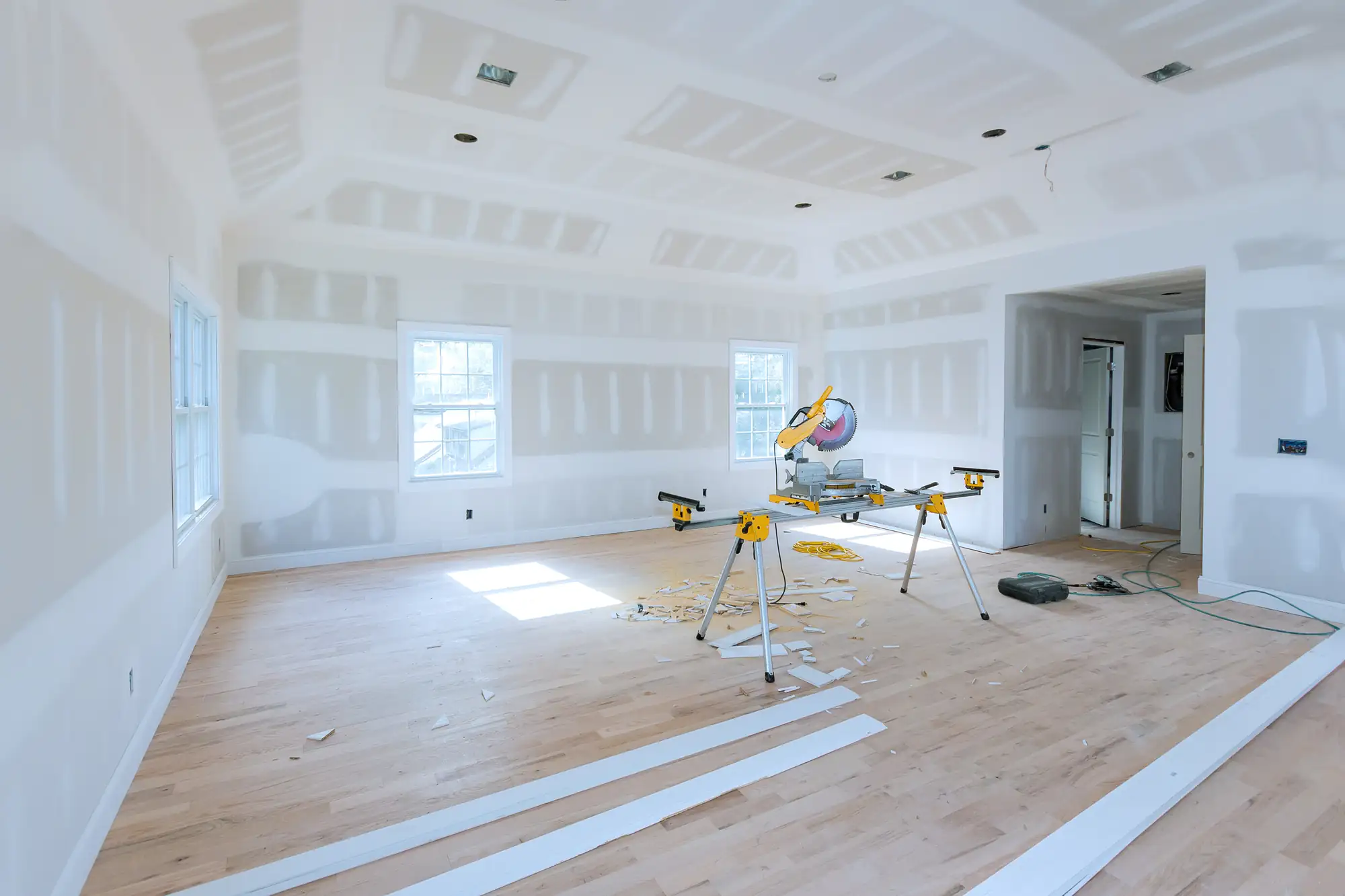
Then we prep. Drop cloths go down, furniture gets moved or covered, and we make sure dust stays contained as much as possible. For new sheetrock installation, we’re checking stud spacing, planning seam placement, and selecting the right thickness—½-inch for standard walls, ⅝-inch if you need fire rating between spaces.
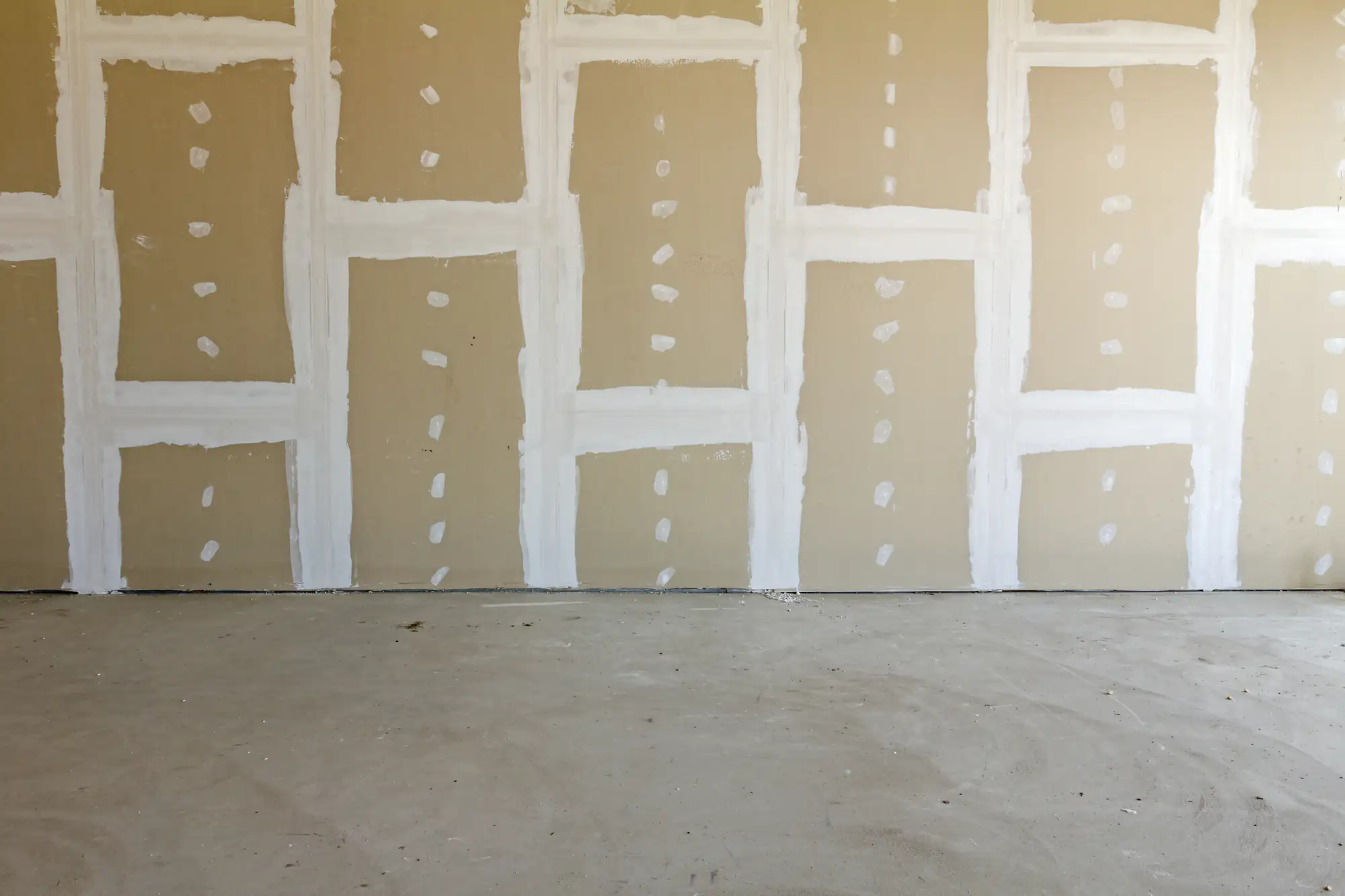
Hanging the sheets is the visible part, but the finishing is where quality shows. We’re talking multiple coats of drywall taping compound, sanding between each one, checking for imperfections under raking light. Corners get attention. Seams disappear. When we’re done, you’re looking at walls ready for paint—not patches and divots you’ll see every time the sun hits them wrong.
Cleanup happens before we leave. Dust gets vacuumed, scraps get hauled, and your space is back to functional.
Ready to get started?
You’re getting the full scope—not just someone who hangs sheets and calls it done. That means proper surface prep, moisture-resistant materials when you’re working in bathrooms or basements, and the right fastener spacing so nothing pops loose down the road.
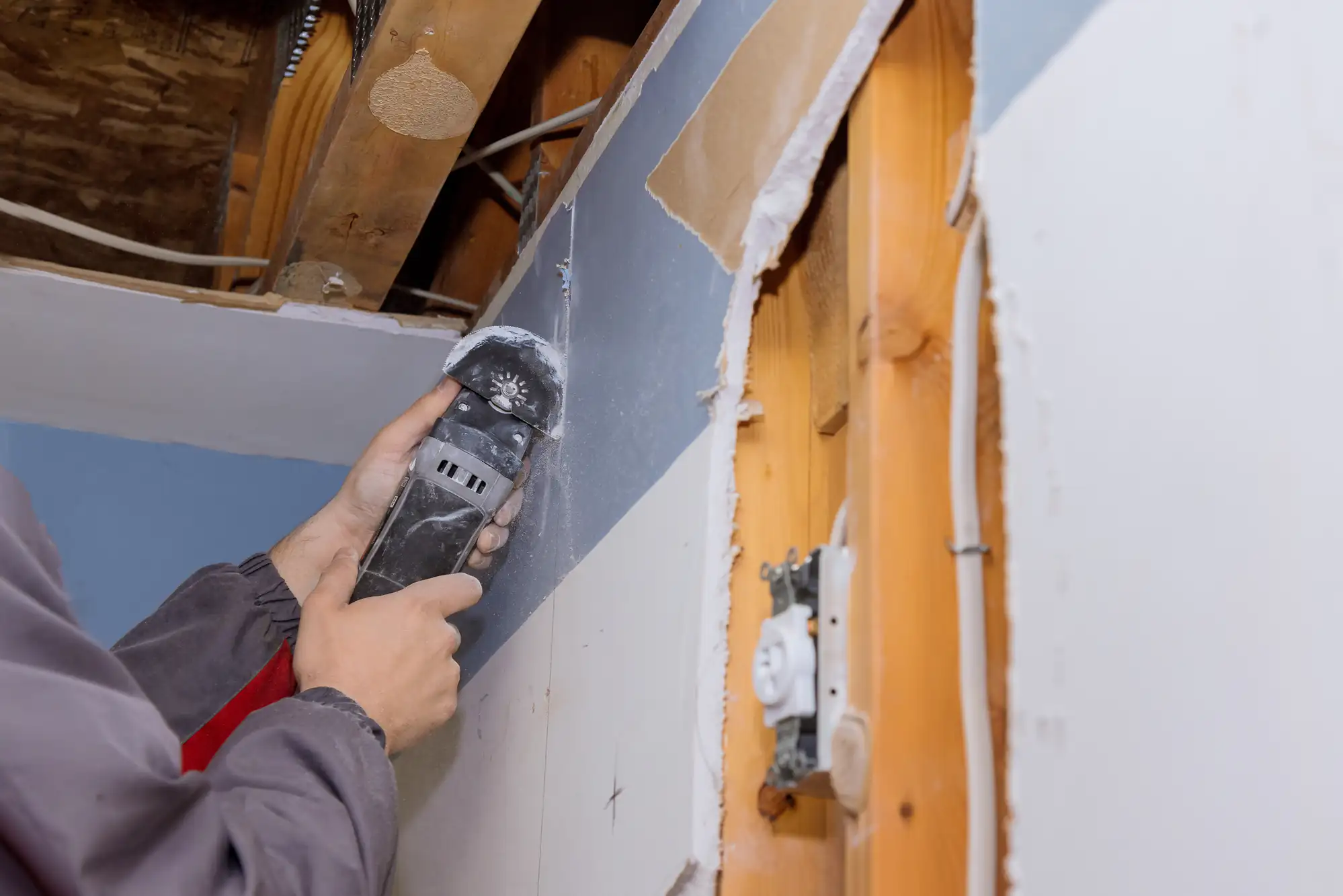
For drywall repair, we’re matching existing textures, blending patches so you can’t tell where the damage was, and making sure the fix doesn’t stand out like a sore thumb. If your walls took a beating from a plumbing job or you’ve got cracks from settling, we’re addressing the cause, not just covering symptoms.
Suffolk County homes—especially older ones in Coram—sometimes have plaster underneath, weird framing, or moisture issues that need solving before new drywall goes up. We catch those problems during the walkthrough, not halfway through the job when it’s too late to fix them properly. Commercial drywall installation gets the same attention, just scaled for larger spaces and tighter timelines.
You’re also getting transparency about what’s realistic. If your walls are in rough shape, we’ll tell you. If a full replacement makes more sense than patching, we’ll explain why. No upselling, just honest assessment based on nearly ten years of doing this work.
Most residential sheetrock installation in Coram runs between $1.50 and $3.00 per square foot, depending on ceiling height, room complexity, and finish level. A standard 12×12 bedroom—walls and ceiling—typically lands between $800 and $1,400 including materials and labor.
But here’s what actually affects your cost: accessibility, how much furniture needs moving, whether we’re working around existing fixtures, and what kind of finish you want. Smooth level 5 finish costs more than standard level 4 because it takes more coats and more time. Vaulted ceilings cost more than flat ones. Repairs are usually quoted by the patch or by the hour, depending on scope.
We give you a clear breakdown upfront. No “we’ll know more once we start” nonsense. You’ll know what you’re paying and why before any work begins.
Nothing, functionally. Sheetrock is a brand name owned by USG Corporation—like Kleenex for tissues. Drywall is the generic term for gypsum board panels used in wall and ceiling construction.
Some contractors use the terms interchangeably. Some homeowners search for “sheetrock contractor near me” while others look for “local drywall contractor.” Either way, you’re talking about the same material: gypsum core sandwiched between paper facing, used to create interior walls and ceilings.
What matters more than terminology is the quality of installation. Cheap drywall installed poorly performs worse than premium sheetrock installed the same way. We focus on proper technique—correct fastening, tight seams, smooth finishing—regardless of which brand name ends up on your walls.
A single room usually takes two to four days from start to finish. Day one is hanging, day two is first coat of mud and tape, day three is second coat, day four is final coat and sanding. Each coat needs drying time—rushing it causes problems.
Larger projects scale up accordingly. A full basement might take a week to ten days. Small drywall repair jobs—patching a few holes—can often be done in a day or two, depending on how many coats the repair needs to blend properly.
Weather affects drying time, especially in humid Long Island summers. We don’t cut corners by skipping coats or sanding before mud is fully cured. You’re better off waiting an extra day than dealing with cracks and shrinkage because someone rushed the process. We’ll give you a realistic timeline during the estimate and keep you updated if anything changes.
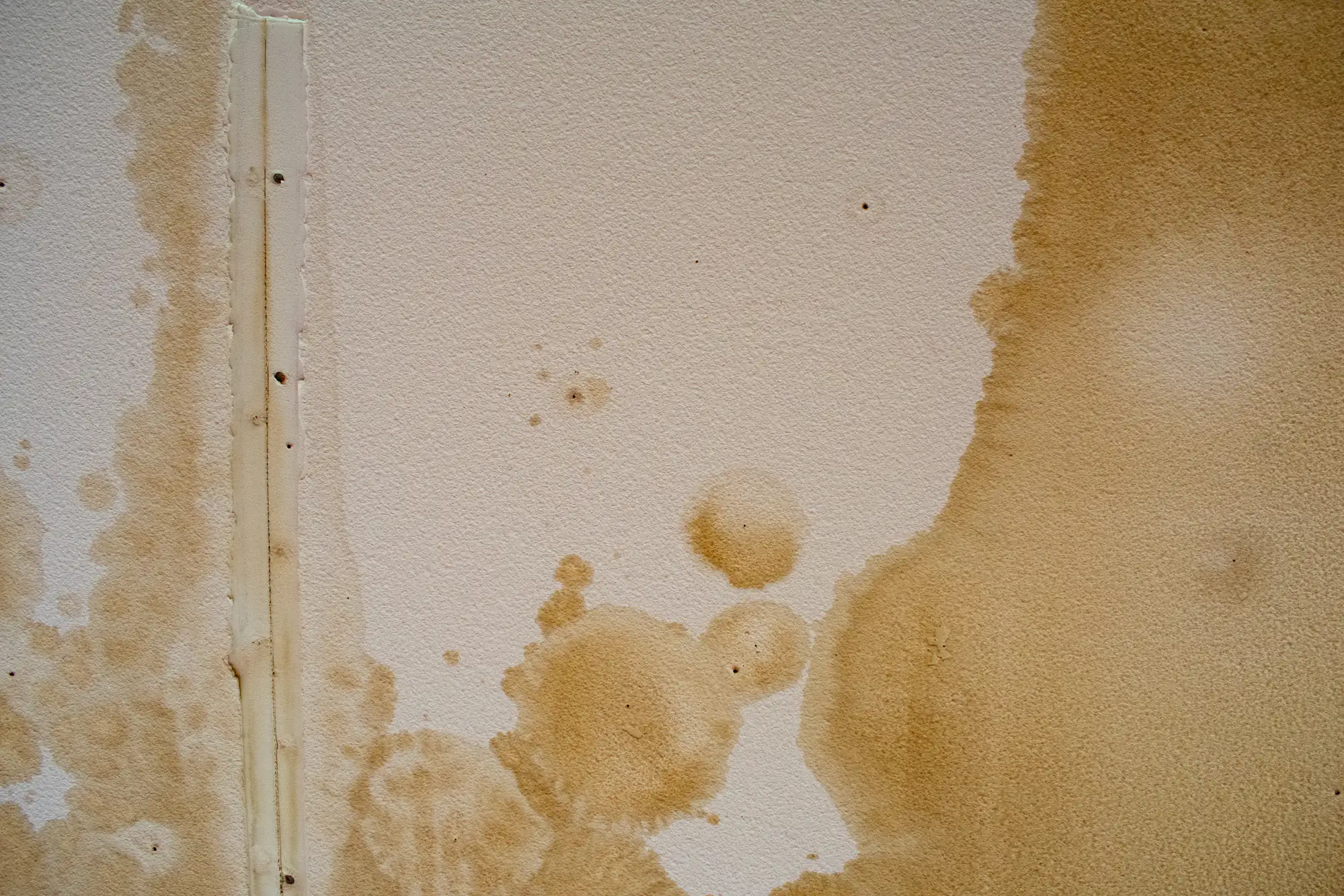
Yes. Standard drywall absorbs moisture, which leads to mold, sagging, and deterioration in high-humidity areas. Bathrooms and basements need moisture-resistant or mold-resistant drywall—often called green board or purple board, depending on the manufacturer.
For Coram homes, this matters. Suffolk County basements deal with humidity, occasional seepage, and moisture that regular drywall can’t handle long-term. Bathrooms—especially around tubs and showers—need materials that won’t break down when they get damp.
We spec the right materials for the location during planning. It costs slightly more upfront, but it’s cheaper than replacing moldy drywall in three years. If you’re finishing a basement or renovating a bathroom, moisture-resistant materials aren’t optional—they’re necessary for work that lasts.
In most cases, yes. Matching texture is part of making drywall repair invisible. Whether you’ve got knockdown, orange peel, skip trowel, or smooth walls, we replicate the existing finish so patches blend in.
Older Coram homes sometimes have hand-troweled plaster or outdated popcorn ceilings that are trickier to match perfectly. We’ll tell you upfront if an exact match is possible or if you’re looking at retexturing a full wall or ceiling for consistency. Sometimes the best fix is updating the whole surface rather than trying to match something that’s aged or discontinued.
Texture matching takes skill and the right tools. It’s not something you fake. We test the pattern on scrap before applying it to your wall, and we don’t call the job done until it looks right. If you can still see where the repair was after we’re finished, we didn’t do our job correctly.
Clear the room as much as possible. Move small furniture, take down wall hangings, and remove anything breakable. We can work around larger pieces, but the emptier the space, the faster and cleaner the job goes.
If you’ve got HVAC vents, light fixtures, or outlets in the work area, let us know during the estimate. We work around them, but it affects planning. For whole-room jobs, you might want to temporarily relocate if dust is a concern—especially if anyone in the house has respiratory issues.
We handle the heavy prep—covering floors, protecting fixtures, setting up dust barriers. But if there’s anything valuable or irreplaceable in the space, move it before we start. Drywall work creates dust no matter how careful we are, and it’s better to be safe than sorry with items that matter to you.