
Hear from Our Customers
Living this close to the water means your walls take a beating. Salt air, humidity swings, and seasonal moisture don’t care how much your property is worth—they’ll find every weak point in poorly installed drywall.
When sheetrock is installed correctly for coastal conditions, you’re not dealing with cracks by next spring. You’re not repainting because the tape is lifting. You’re not calling someone back to fix what should’ve been done right from the start.
Proper moisture barriers, the right materials for Long Island’s climate, and installation techniques that account for seasonal expansion—that’s what keeps your interiors looking clean and your investment protected. You shouldn’t have to think about your walls after the job is done.
We’ve been handling interior renovations across Suffolk County since 2015, which means we’ve seen what works in Noyack’s coastal environment—and what fails. Most sheetrock problems in this area come from contractors who treat every job the same, regardless of location.
Your home sits minutes from Sag Harbor in one of the Hamptons’ quieter hamlets. That means different humidity levels, different building considerations, and different expectations than a house 20 miles inland. We’re licensed, insured, and we show up when we say we will.
You’ll work directly with the owner on every project. No subcontractors you’ve never met, no miscommunication between crews, and no surprises when the bill comes.
It starts with an honest assessment of what you actually need. We’ll look at the space, talk through any moisture concerns specific to your property’s location, and give you a transparent quote with no hidden costs.
Once we start, the prep work matters as much as the installation itself. That means checking for any underlying moisture issues, making sure framing is solid, and using the right type of drywall for your specific situation. Coastal homes sometimes need moisture-resistant or mold-resistant materials—we don’t skip that conversation.
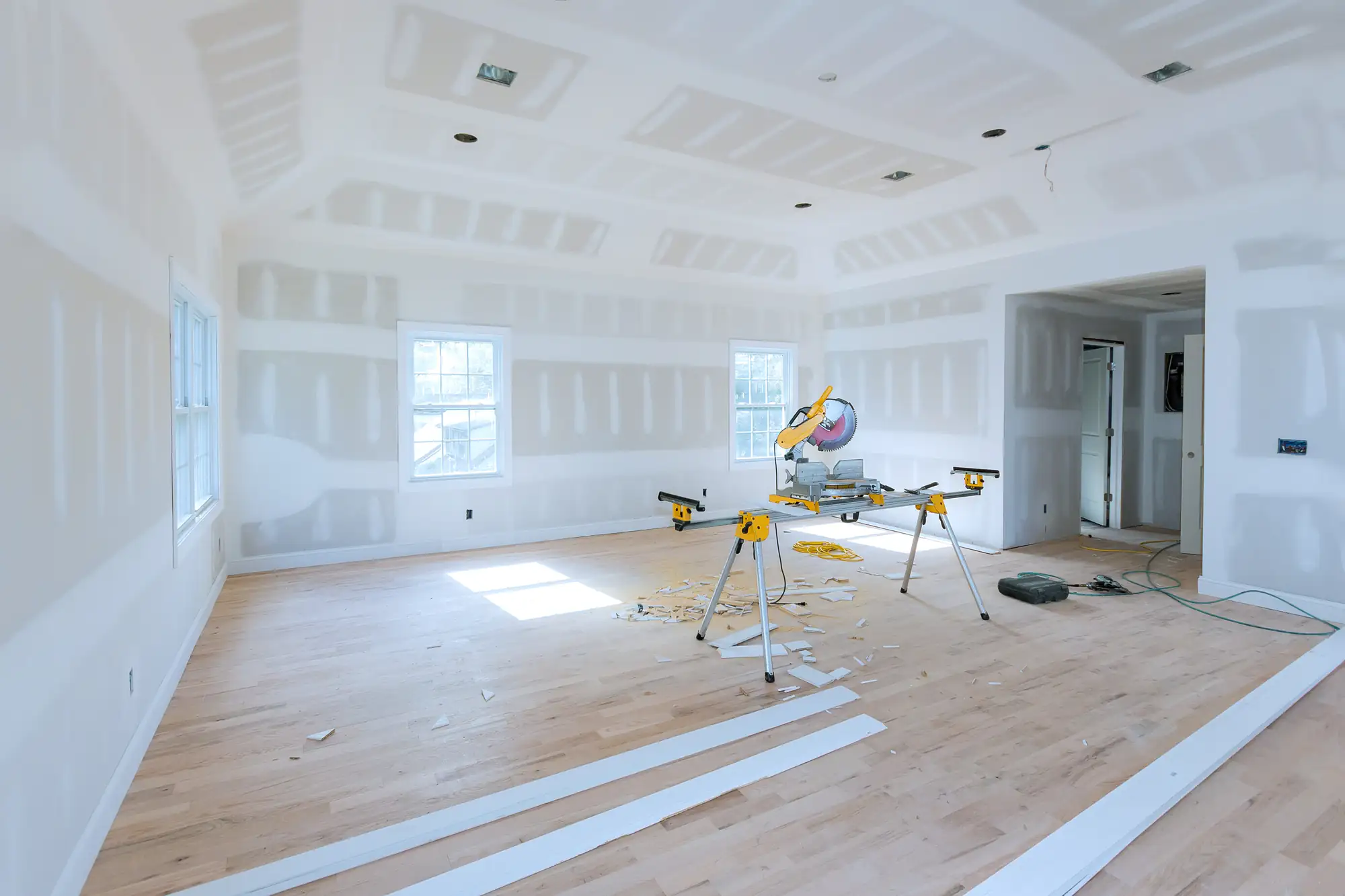
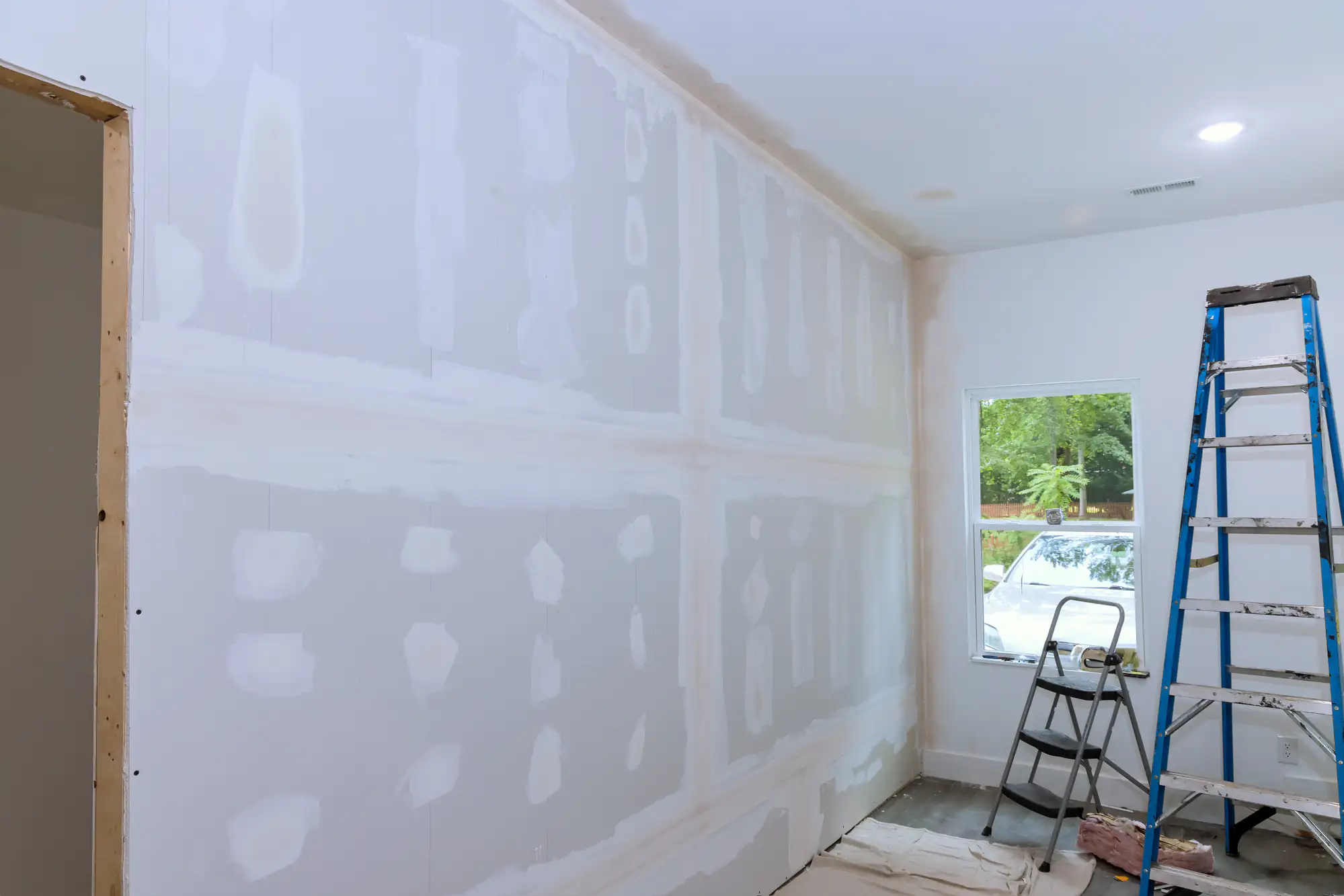
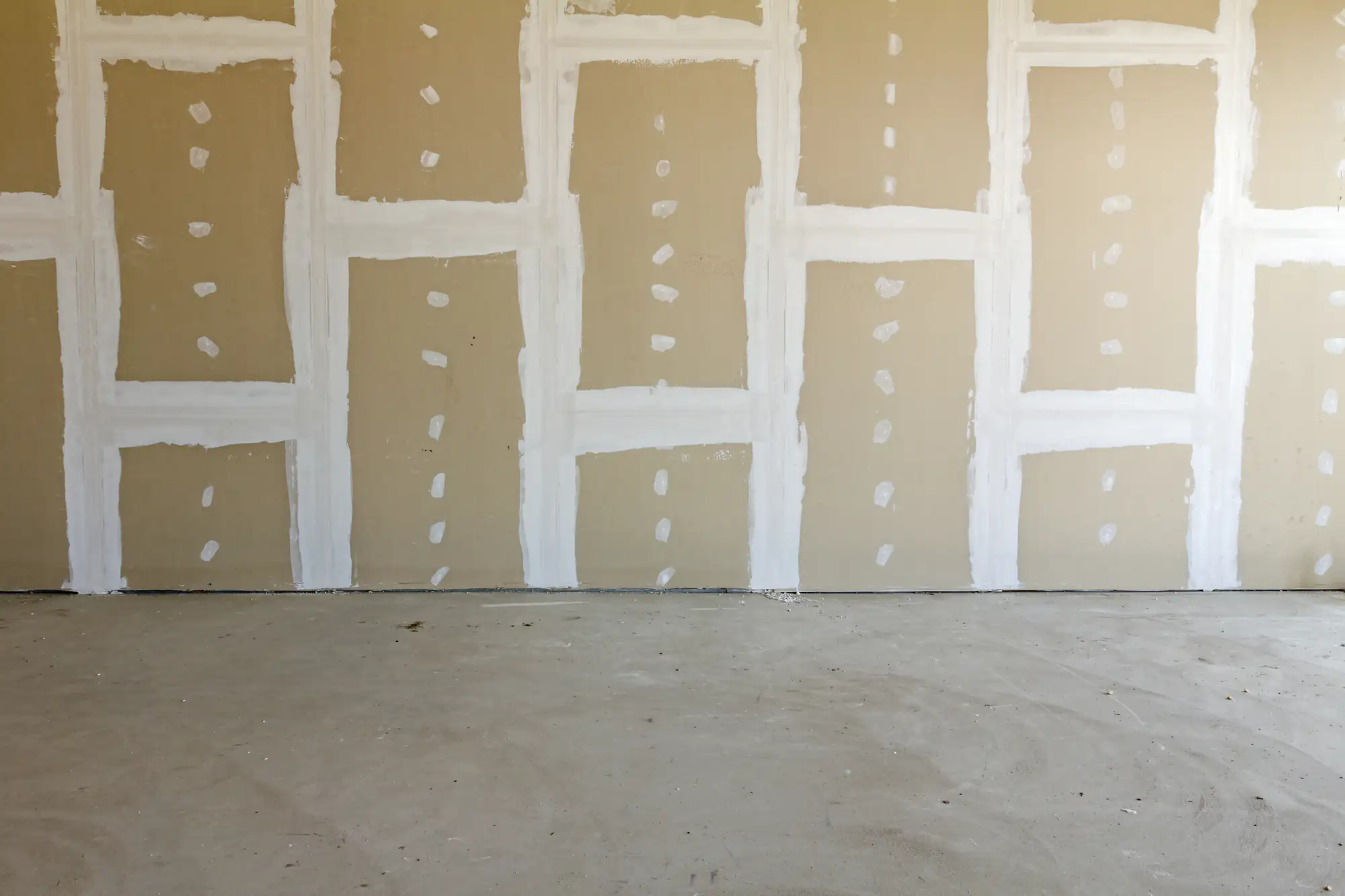
Installation follows: hanging sheets, taping seams, applying compound, sanding smooth. We’re not rushing to the next job. Each coat needs proper drying time, especially in humid conditions. Corners get finished clean, seams disappear, and surfaces end up ready for whatever finish you’re planning.
Cleanup happens as we go, and we do a final walkthrough before calling it done. You’ll know exactly what was done and why.
Ready to get started?
You’re getting complete drywall installation or repair, not just the basics. That includes moisture assessment for your specific location in Noyack, material selection based on the room’s exposure and use, and proper ventilation considerations that matter in coastal climates.
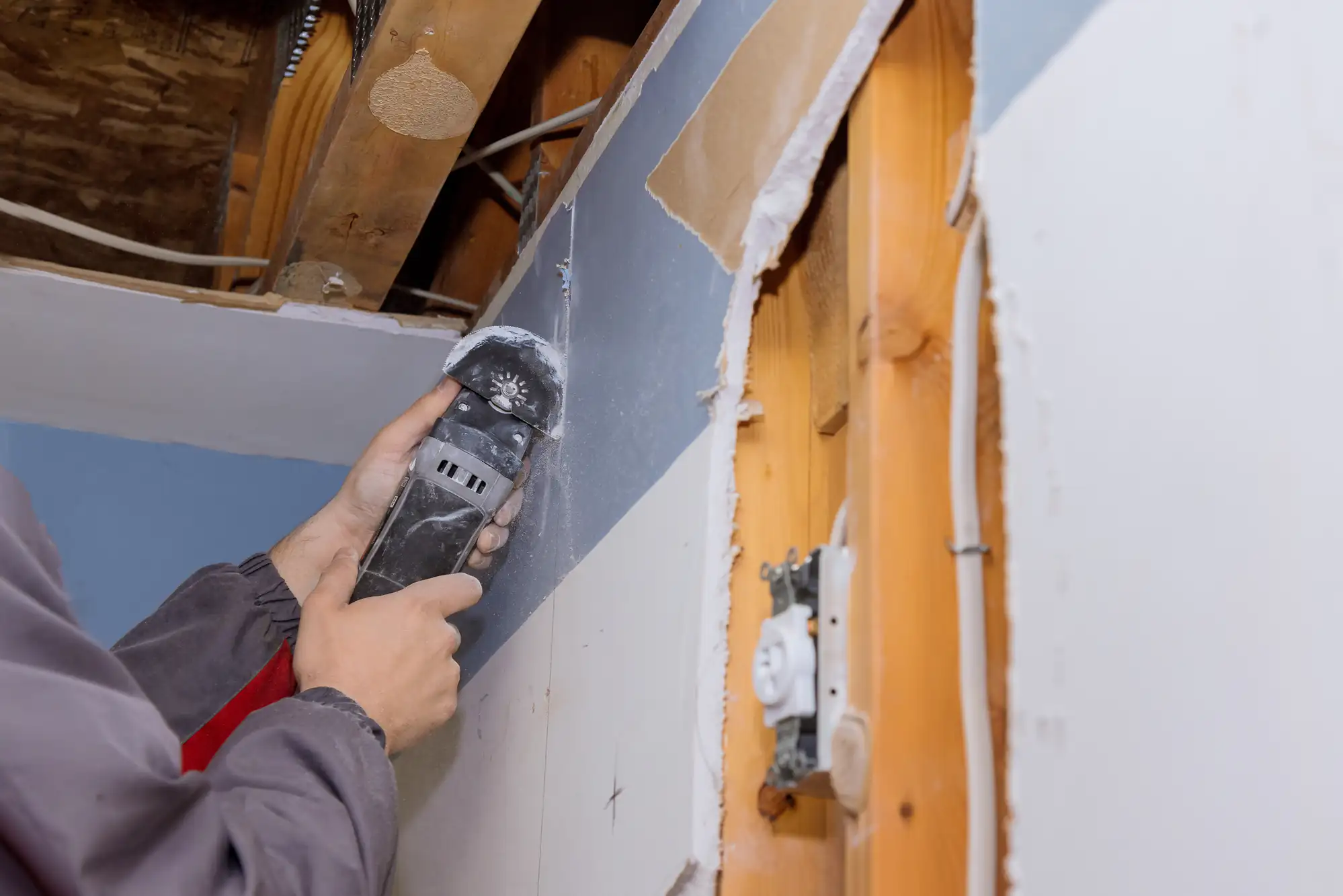
We handle everything from small repairs—fixing cracks, holes, or water damage—to full room installations during renovations or additions. If you’re finishing a basement, remodeling a bathroom, or opening up walls for a kitchen renovation, the drywall work integrates with the rest of your project timeline.
Hamptons-area properties have higher standards, and homeowners here notice details. Seams that aren’t perfectly smooth, corners that aren’t crisp, or texture that doesn’t match existing walls—those things stand out. We’re finishing your walls to match the quality of the rest of your home, not just meeting minimum standards.
You’ll also get straight answers about timelines. Drywall compound needs time to cure properly, especially when humidity is high. Rushing that process leads to problems later, and we’re not interested in callbacks for preventable issues.
Timeline depends on the size of the space and humidity levels when we’re working. A single room might take three to five days from start to finish—hanging, taping, multiple coats of compound, sanding, and final prep. Larger projects or whole-home renovations obviously take longer.
Here’s what slows things down in coastal areas: drying time. Each coat of joint compound needs to fully cure before the next one goes on, and that takes longer when there’s moisture in the air. Trying to rush it leads to cracking, poor adhesion, and callbacks.
We’ll give you a realistic timeline upfront based on the scope of work and current weather conditions. If we’re working in July when humidity is high, that factors into the schedule. You’d rather have it done right than done fast and redone six months later.
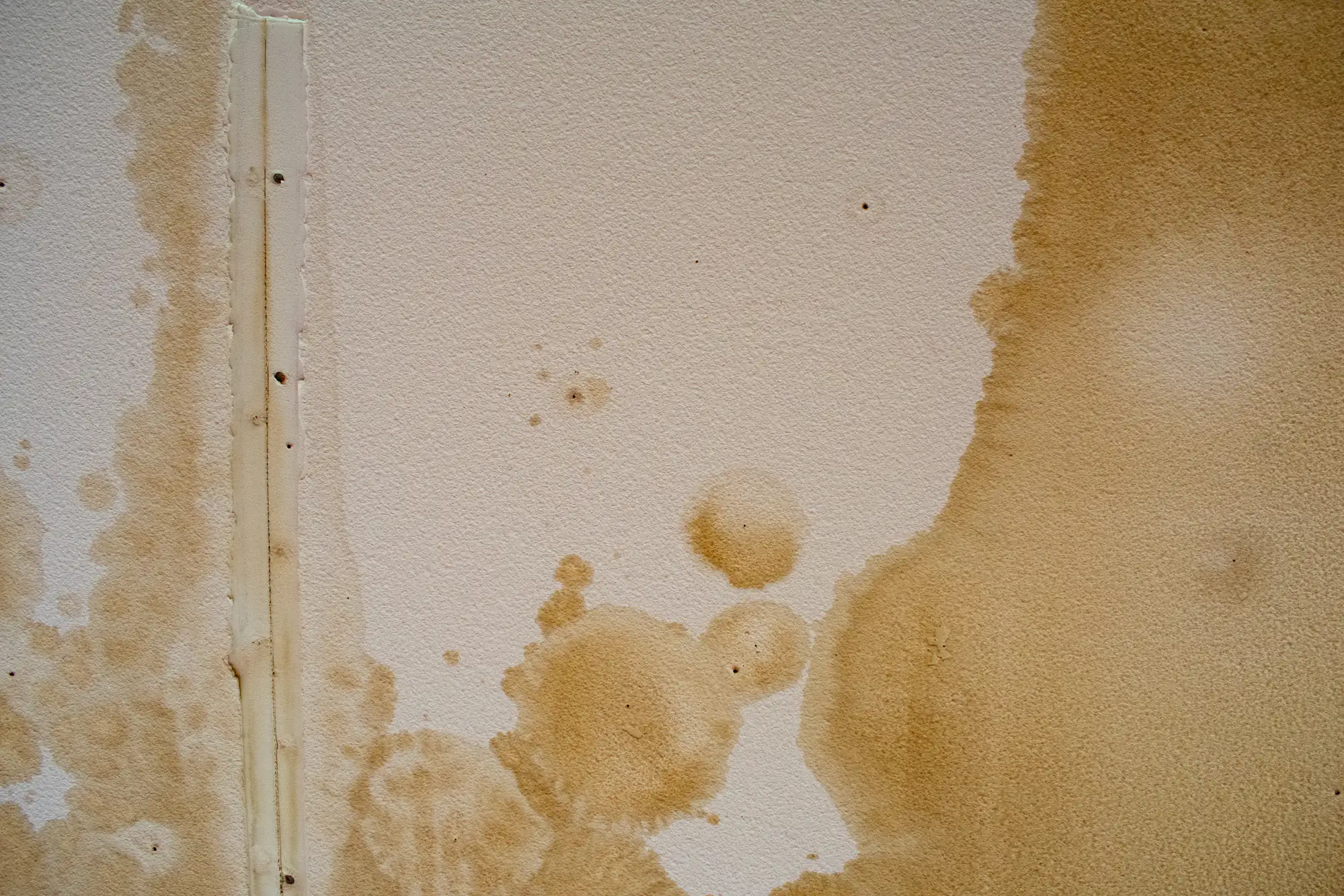
Moisture-resistant drywall—often called green board or purple board—is what you want in bathrooms, kitchens, basements, or any space with higher humidity exposure. Standard drywall absorbs moisture, which leads to mold growth, deterioration, and eventual failure in coastal environments.
For Noyack properties, we typically recommend moisture-resistant or mold-resistant drywall in any room that’s regularly exposed to steam or humidity. That includes bathrooms, laundry areas, and sometimes even bedrooms or closets in homes very close to the water. It costs slightly more than standard drywall, but it’s not even a question when you’re protecting a property in this area.
In spaces that might see direct water exposure—like behind a shower or tub—cement board is the better choice. We’ll walk you through what makes sense for each room based on its use and exposure level. The goal is preventing problems, not just meeting code minimums.
Yes, but it takes more skill than most people realize. Matching existing texture—whether it’s orange peel, knockdown, or something custom—requires the right tools, the right technique, and honestly, experience doing it.
We’ll look at your existing finish and replicate it as closely as possible. Sometimes that means using specific trowels or spray equipment. Sometimes it means hand-texturing to match an older application style. The key is blending the repair area so it disappears into the surrounding wall.
If your existing texture is outdated or you’re repairing a large section, it might make more sense to refinish the entire wall for a uniform look. We’ll talk through your options and show you what’s realistic. Some textures are easier to match than others, and we’d rather set proper expectations upfront than promise something we can’t deliver perfectly.
Prevention starts before the drywall even goes up. We’re checking for any existing moisture problems—leaks, poor ventilation, condensation issues—that need to be addressed first. Installing new drywall over a moisture problem just hides it temporarily.
Proper material selection matters. Moisture-resistant and mold-resistant drywall products have additives that prevent mold growth and resist moisture absorption. We also make sure there’s adequate ventilation in bathrooms and kitchens, which is critical in humid coastal climates where moisture doesn’t evaporate quickly.
Installation technique plays a role too. Seams need to be properly sealed, and any gaps around fixtures or penetrations need to be addressed. We’re also making sure insulation and vapor barriers are correctly installed behind the drywall in exterior walls. Coastal homes deal with temperature differentials that can cause condensation inside wall cavities if the building envelope isn’t right. It’s not just about hanging drywall—it’s about understanding how the whole system works together in Long Island’s climate.
It depends on the scope of work. Simple repairs or replacing damaged drywall in existing spaces typically don’t require permits. But if you’re doing structural changes—removing walls, adding walls, or doing sheetrock as part of a larger renovation—then yes, you’ll likely need permits from Southampton Township.
Permit requirements also kick in when you’re finishing previously unfinished spaces like basements or attics, or when electrical or plumbing work is involved alongside the drywall installation. The town wants to make sure structural, electrical, and fire safety codes are being followed.
We handle permit applications when they’re needed and make sure the work meets local building codes. That includes proper fire-rated drywall in certain locations, correct fastener spacing, and appropriate materials for the application. Getting permits might feel like extra hassle, but it protects your property value and ensures the work is done to code. If you ever sell, unpermitted work can become a problem during inspections.
You’ll see the difference in the details—literally. Cheap work shows visible seams, uneven surfaces, poorly finished corners, and texture that doesn’t match. It might look acceptable right after the contractor leaves, but problems show up quickly once you start painting or living with it.
Quality sheetrock work means seams completely disappear. Corners are crisp and straight. The surface is smooth and uniform, ready for any finish you’re planning. Fasteners are properly set and covered. There’s no cracking along seams, no nail pops showing through, and no gaps where walls meet ceilings or trim.
The bigger difference shows up over time. Quality installation in coastal areas accounts for moisture and seasonal movement. Materials are chosen for the specific application. Proper drying time is built into the schedule. You’re not calling someone back in six months because tape is lifting or cracks are appearing. You’re also not dealing with mold issues because someone used standard drywall in a bathroom to save a few dollars. The upfront cost difference is minimal compared to the cost of doing it twice.