
Hear from Our Customers
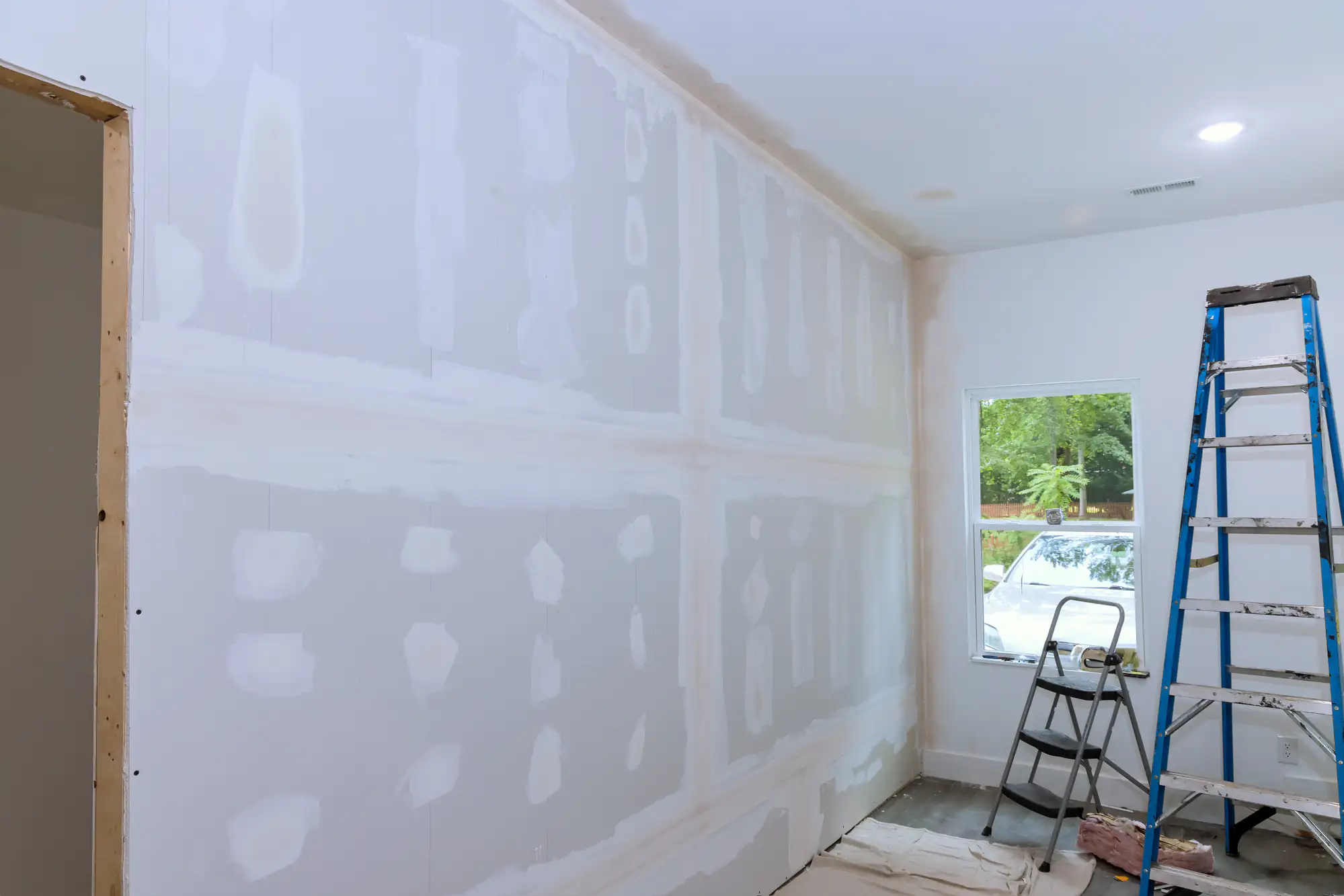
You get walls ready for paint without callbacks. Clean seams, smooth surfaces, and corners that actually line up.
That’s what happens when your sheetrock installation is handled by someone who’s been doing this work across St. James and Suffolk County since 2016. Not a crew that rushes through to get to the next job. Not a contractor who disappears after deposit.
Your home gets the kind of attention that means you’re not dealing with cracks six months later or bubbling tape because someone skipped steps. Whether it’s new construction drywall installation, fixing water damage in your bathroom, or replacing sections after a plumbing repair, the work holds up. You move forward with your project on schedule, and the next contractor who walks in—your painter, your trim guy—doesn’t have to fix our mistakes.
We’ve been serving homeowners in St. James, Smithtown, and across Suffolk County since 2016. We’re not the biggest operation on Long Island, and we’re fine with that.
What matters more is that we’ve built a reputation on doing sheetrock work the right way—using quality materials, proper techniques, and keeping you in the loop from estimate to cleanup. No hidden fees. No high-pressure sales tactics. Just straightforward communication and craftsmanship you can count on.
We know the local building codes, the common issues in North Shore homes, and what it takes to get your project done without the runaround. That’s why homeowners keep calling us back.
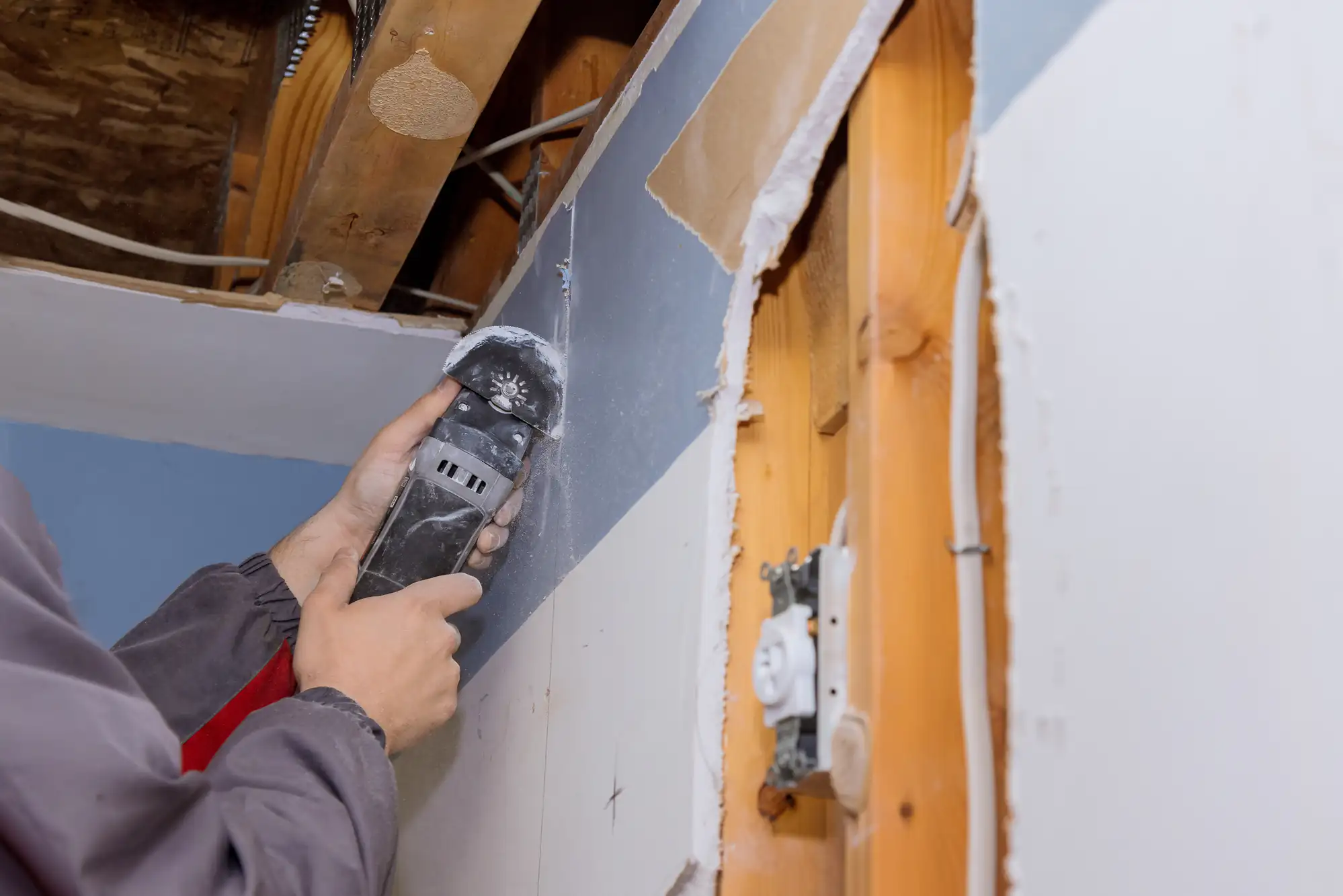
First, we walk through your space and talk about what you need. If it’s a repair, we identify the cause—water damage, settling cracks, accidental holes—so we’re fixing the problem, not just covering it. If it’s new installation, we measure, discuss your timeline, and give you a transparent estimate with no surprises.
Once we start, we prep the area to protect your floors and belongings. Then we hang the sheetrock sheets, making sure everything’s level and secure. This step matters more than most people realize—if the hanging is sloppy, no amount of taping and mudding will hide it.
Next comes taping the seams and applying drywall taping compound in multiple coats. Each layer gets sanded smooth before the next goes on. This is where experience shows up. Rushed work leaves ridges and waves that show through paint.
Finally, we do a complete cleanup and walk you through the finished work. Your walls are ready for primer and paint, and you’re ready to move forward with the rest of your project. No callbacks, no excuses.
Ready to get started?
You get full-service sheetrock work from start to finish. That means hanging, taping, mudding, sanding, and cleanup—all handled by experienced hands who’ve worked in hundreds of Suffolk County homes.
For St. James homeowners, this matters because many properties here are older homes with settling issues, outdated plaster, or moisture problems from Long Island’s humidity. We address those underlying issues before installing new drywall, so you’re not dealing with the same problem twice.
We handle residential sheetrock installation for room additions, basement finishing, kitchen and bathroom remodels, and whole-home renovations. We also take care of sheetrock repair—whether that’s patching holes from doorknobs and furniture, fixing cracks from house settling, or replacing sections damaged by roof leaks or plumbing failures.
Every project includes proper surface prep, quality materials, and the kind of finishing work that makes your painter’s job easier. We’re licensed and insured, and we pull permits when required. You’re covered, and your investment is protected.
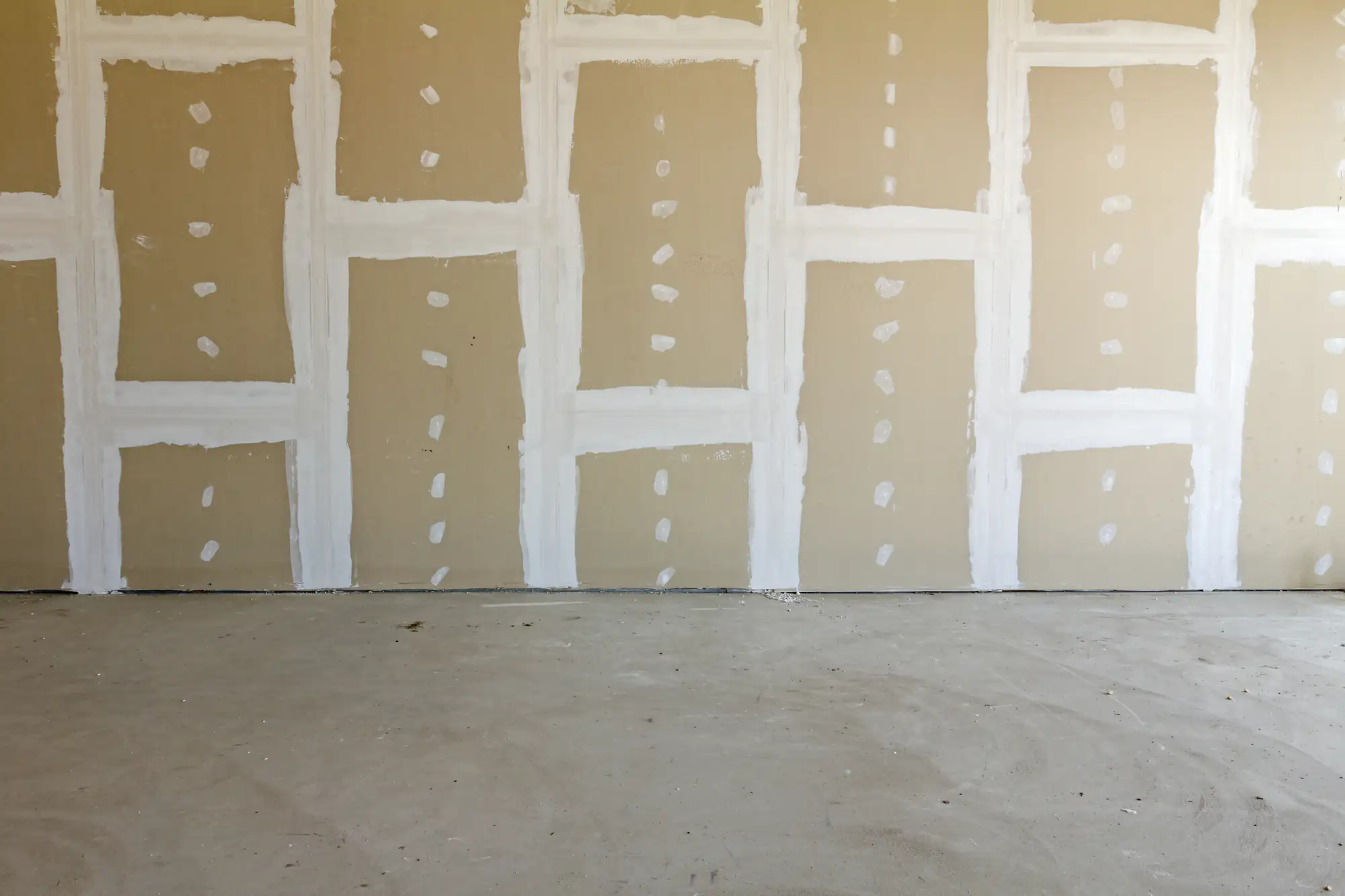
For a typical residential project in St. James, you’re looking at roughly $80 to $90 per 4×10 sheetrock sheet to get walls paint-ready. That includes hanging, taping, mudding, and sanding.
So if you’re finishing a 2,000 square foot space—say a full basement or addition—you’d need around 200 boards. That puts your total in the $16,000 to $18,000 range for quality work. Smaller repairs obviously cost less, and we price those based on the scope.
What drives the cost is labor and skill, not just materials. Sheetrock sheets themselves are affordable. It’s the taping, multiple coats of compound, and sanding that take time and experience to do right. When you see prices significantly lower than this range, it usually means corners are being cut—fewer coats, poor sanding, or inexperienced crews. You’ll see the difference when the paint goes on.
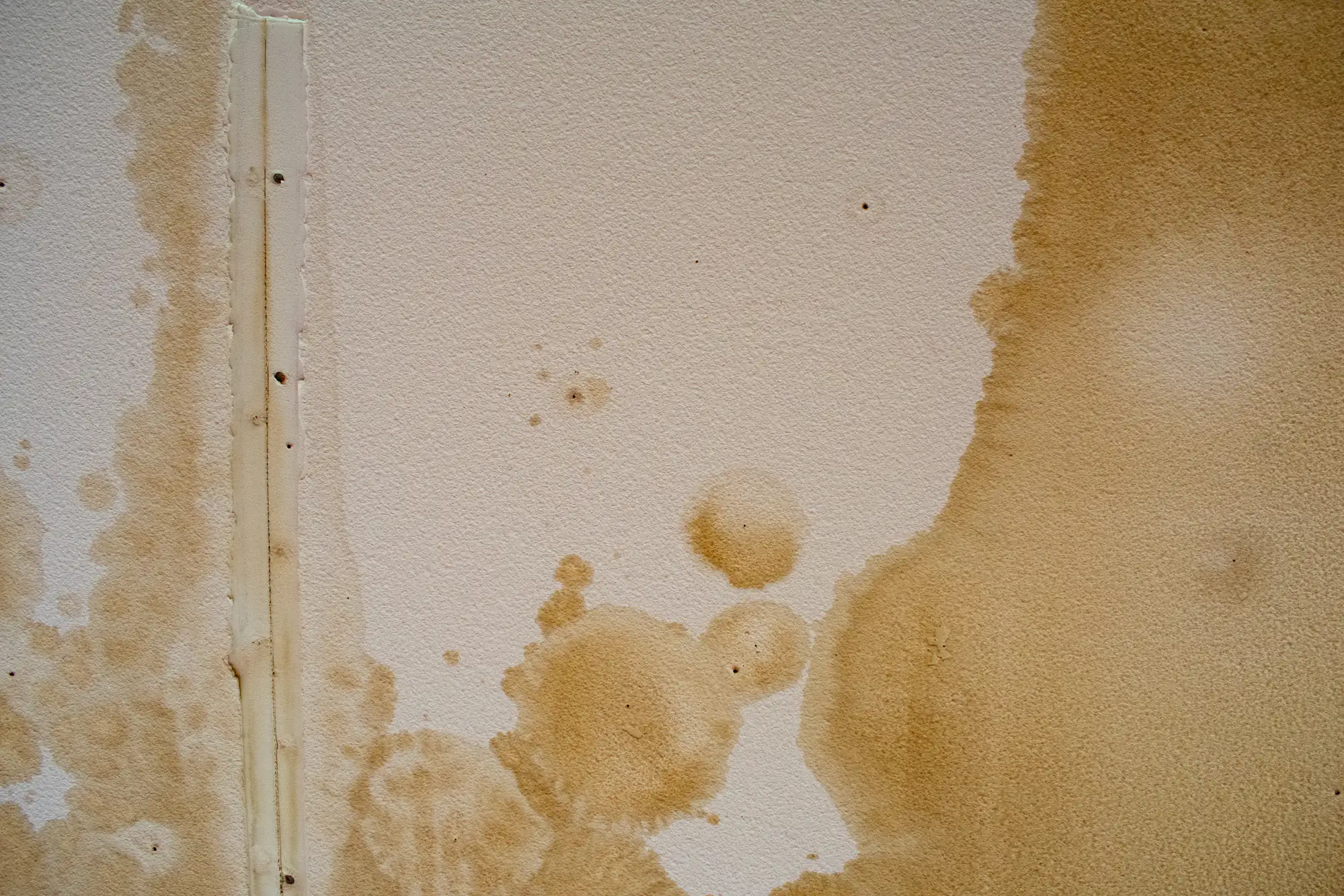
Cracks happen for a few reasons, and fixing them the right way means addressing the cause, not just the symptom. House settling is the most common culprit, especially in older St. James homes. As the foundation shifts slightly over time, stress builds up at seams and corners.
Moisture is another big one. Bathroom humidity, roof leaks, or plumbing issues can weaken the drywall and cause the tape to separate or the surface to crack. Poor installation—like insufficient fasteners or improperly taped seams—will also lead to cracking down the road.
When we repair cracks, we first figure out what caused them. If it’s moisture, we make sure that’s resolved before we touch the drywall. Then we remove any loose tape or compound, re-tape the seam properly, apply fresh coats of drywall taping compound, and sand everything smooth. For structural settling, we may add additional fasteners or use mesh tape for extra reinforcement. The goal is a repair that lasts, not a patch that cracks again in six months.
A single room repair—patching a few holes or fixing cracks—usually takes one to two days, including drying time between coats. Larger residential sheetrock installation projects, like finishing a basement or drywalling an addition, typically take one to two weeks depending on the size.
The timeline depends on a few factors. Each coat of drywall taping compound needs to dry completely before sanding and applying the next layer. Rushing this process leads to poor results. Weather and humidity also affect drying times, especially during Long Island’s more humid months.
We give you a realistic timeline upfront and keep you updated if anything changes. Most delays happen because of hidden issues we uncover—like water damage behind old walls or structural problems that need addressing first. When that happens, we walk you through what we found and what it’ll take to fix it properly. No surprises, no disappearing for days without explanation.
Yes, but it takes skill and the right technique. Matching existing texture—whether it’s knockdown, orange peel, or popcorn—is one of those things that separates experienced drywall contractors from crews just trying to get through the day.
We start by identifying your exact texture type and the method originally used to apply it. Then we use the same tools and technique to replicate it on the repaired section. For knockdown texture, that means spraying and then lightly flattening with a trowel at the right moisture level. For orange peel, it’s about getting the spray gun settings and distance just right.
The tricky part is blending the new texture into the old so you can’t see where the repair ends. This takes practice and a good eye. We feather the edges and often extend the texture slightly beyond the repair area for a seamless transition. When it’s done right, you shouldn’t be able to spot the patch once it’s painted. When it’s done wrong, you’ll see the repair every time light hits the wall.
Not always, but often it’s the smarter move. Many older homes in St. James have plaster walls that are cracking, sagging, or damaged beyond simple repair. You can install sheetrock over plaster in some situations, but there are trade-offs.
If the existing plaster is solid and firmly attached to the lath, you can sometimes install drywall directly over it. This saves demo time and mess. But you lose a bit of room space because you’re adding thickness, and you need to extend electrical boxes and adjust door casings.
If the plaster is failing—cracking extensively, separating from the lath, or damaged by water—it needs to come down first. Covering bad plaster with new drywall just hides problems temporarily. The movement and deterioration continue behind your new walls, and you’ll end up with cracks and failures in the sheetrock.
We assess your specific situation and give you an honest recommendation. Sometimes a full demo and fresh start is the right call. Other times, working over existing surfaces makes sense. It depends on the condition of what’s already there and what you’re trying to accomplish.
There’s no difference—it’s the same product. Sheetrock is actually a brand name owned by USG Corporation, but it’s become the common term most people in Suffolk County use for drywall, kind of like how people say “Kleenex” instead of tissue.
The proper generic term is gypsum board or drywall. It’s made from gypsum plaster pressed between two thick sheets of paper. Different thicknesses and types exist for different applications—standard half-inch for most walls, five-eighths-inch for ceilings and fire-rated applications, moisture-resistant green board for bathrooms, and mold-resistant purple board for high-humidity areas.
When you’re getting estimates from a local drywall contractor, you might hear both terms used interchangeably. What matters more than the terminology is the quality of installation. The best sheetrock sheets won’t perform well if they’re hung poorly, taped sloppily, or finished without proper sanding. That’s where experience and attention to detail make the real difference in your finished walls.